Are you wondering how much is shipping from China to Brazil and what factors influence the costs? Whether you’re considering sea freight, air freight, or want to understand the import tax and customs clearance process, it’s important to plan your shipments efficiently. In this comprehensive guide, we’ll break down container costs, per kilogram rates, transit times, required documents, and offer tips to reduce your overall shipping costs from China to Brazil. Let’s navigate your international shipping with confidence!
Sea freight cost from China to Brazil
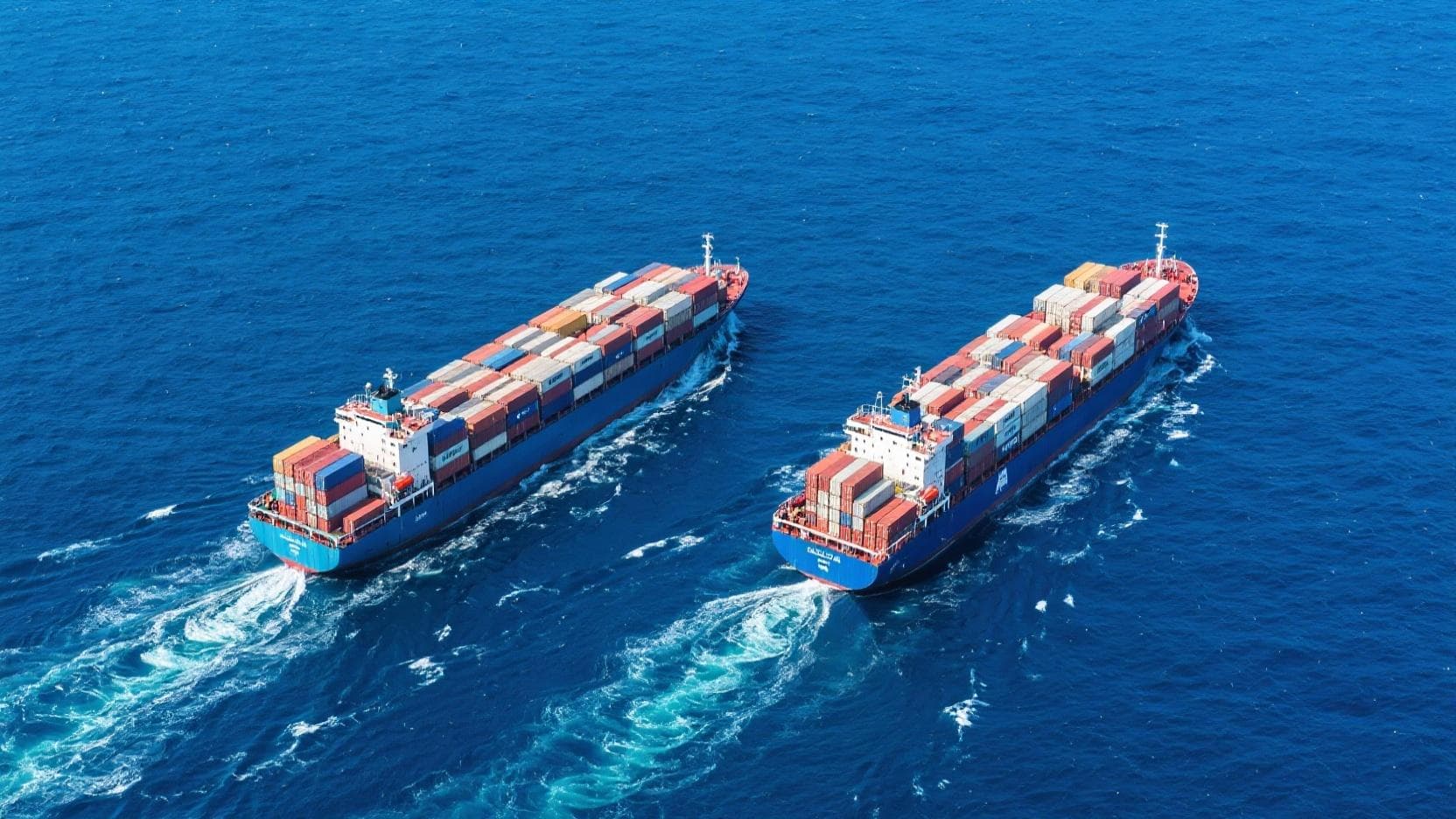
Shipping goods from China to Brazil via sea freight remains the most cost-effective option for large and heavy shipments. The overall cost depends on several factors, including container size, shipping route, current fuel prices, port charges, and the nature of your cargo. Key Brazilian ports include Santos, Paranaguá, and Rio de Janeiro. Below, I break down the typical sea freight costs and what influences them.
If you are looking for more details about the process, you may also want to refer to our comprehensive guide on Sea Freight From China to Brazil.
Cost of 20ft container shipping from China to Brazil
A 20ft container (standard capacity: 28CBM) is suitable for small to medium-sized shipments. The cost to ship a 20ft container from major Chinese ports (such as Shanghai, Shenzhen, or Ningbo) to main Brazilian ports typically ranges from USD 2,800 to USD 4,500 as of Q3 2025. Rates fluctuate based on seasonality (peak shipping periods), space availability, and global market trends. Surcharges such as BAF (Bunker Adjustment Factor) and port handling fees may apply.
Origin Port (China) |
Destination Port (Brazil) |
Estimated Rate (20ft, USD) |
Transit Time (days) |
|---|---|---|---|
Shanghai |
Santos |
3,200 – 4,200 |
32 – 38 |
Shenzhen |
Rio de Janeiro |
2,900 – 4,000 |
34 – 42 |
Ningbo |
Paranaguá |
3,000 – 4,500 |
35 – 40 |
Please note: These rates exclude local charges at both origin and destination, customs clearance, and possible inland delivery fees. For precise quotations tailored to your cargo, weight, and destination, consult a reputable freight forwarder like Dantful International Logistics.
Cost of 40ft container shipping from China to Brazil
A 40ft container (capacity: 56CBM) and 40HQ (High Cube, capacity: 68CBM) are ideal for larger shipments and provide better value per cubic meter. As of Q3 2025, the cost to ship a 40ft container from China to Brazil usually falls between USD 4,500 and USD 6,800, depending on similar factors as above.
Origin Port (China) |
Destination Port (Brazil) |
Estimated Rate (40ft, USD) |
Transit Time (days) |
|---|---|---|---|
Shanghai |
Santos |
5,000 – 6,300 |
32 – 38 |
Shenzhen |
Rio de Janeiro |
4,800 – 6,100 |
34 – 42 |
Ningbo |
Paranaguá |
4,900 – 6,800 |
35 – 40 |
Additional Considerations:
LCL (Less than Container Load): If your cargo does not fill a full container, LCL shipping is available. Rates are usually calculated per CBM or per ton, and may include additional consolidation and handling charges. For businesses shipping small quantities, you may find it helpful to read more about consolidated freight shipping.
OOG (Out of Gauge) & Breakbulk: For oversized or non-containerized cargo, specialized solutions are available. Dantful Logistics offers tailored project logistics for such requirements.
Air freight cost from China to Brazil per KG
Air freight is the fastest shipping method between China and Brazil, ideal for high-value, time-sensitive, or perishable goods. Rates are calculated per kilogram and depend on the route, cargo dimensions, weight, nature of goods, and airline fuel surcharges.
As of Sep 2025, air freight costs from major Chinese airports (e.g., Shanghai Pudong (PVG), Guangzhou (CAN), Beijing Capital (PEK)) to major Brazilian airports (e.g., São Paulo-Guarulhos (GRU), Rio de Janeiro-Galeão (GIG)) typically range as follows:
Weight Break |
General Cargo (USD/KG) |
Transit Time (days) |
|---|---|---|
45 – 99 KG |
7.50 – 10.50 |
3 – 7 |
100 – 299 KG |
6.30 – 9.50 |
3 – 7 |
300 KG and above |
5.80 – 8.80 |
3 – 7 |
Factors Impacting Air Freight Cost:
Chargeable Weight: Air freight is charged on the greater of actual or volumetric weight.
Cargo Type: Dangerous goods, batteries, or temperature-controlled items may incur surcharges.
Peak Seasons: Airfreight rates can spike during holiday seasons, or during global supply chain disruptions.
For a tailored quote or expert advice, please contact Dantful International Logistics to discuss your shipping requirements. We help you optimize transit time, manage costs, and ensure seamless delivery from China to Brazil.
If you are interested in the logistics market in neighboring regions, you might also be interested in Shipping From China to Argentina.
What is the import tax from China to Brazil?
When importing goods from China to Brazil, understanding the import tax structure is essential for accurate cost estimation and compliance. Brazilian import taxes are relatively complex, as they combine several different duties and charges. Below is a comprehensive overview to help importers, exporters, and supply chain professionals navigate these costs.
Main Types of Import Taxes in Brazil
Tax Name (Abbreviation) |
Portuguese Name |
Typical Rate / Calculation |
Description |
|---|---|---|---|
Import Duty (II) |
Imposto de Importação |
0%–20% (varies by HS code) |
The main tariff applied to the customs value (CIF: Cost + Insurance + Freight). The specific rate depends on the tariff classification (HS code). |
Industrialized Product Tax (IPI) |
Imposto sobre Produtos Industrializados |
0%–15% (depending on product type) |
A federal tax levied on most manufactured goods. Rate depends on the product’s NCM code (Brazilian HS code). |
Tax on Circulation of Goods and Services (ICMS) |
Imposto sobre Circulação de Mercadorias e Serviços |
Typically 7%–18% (varies by state and product) |
A state-level tax, calculated on CIF value plus II and IPI, and sometimes other charges. The actual ICMS rate depends on the destination state in Brazil. |
Contribution to Social Integration Program (PIS) |
Programa de Integração Social |
2.1% (on CIF + II + IPI + ICMS) |
Federal tax, applicable to most imported goods. |
Contribution for Social Security Financing (COFINS) |
Contribuição para o Financiamento da Seguridade Social |
9.65% (on CIF + II + IPI + ICMS) |
Another federal tax, also calculated on the same tax base. |
Merchandise Handling Fee (AFRMM) |
Adicional ao Frete para Renovação da Marinha Mercante |
25% (of international freight cost, sea freight only) |
Applies only to sea shipments, calculated on the freight portion of the CIF value. |
Example Calculation:
If you import a $10,000 CIF shipment of electronics from China to Brazil (assuming the following rates: II = 14%, IPI = 10%, ICMS = 12%, PIS = 2.1%, COFINS = 9.65%), total tax can exceed 60% of CIF value in some scenarios.
Quick Reference Table: Typical Import Tax Rates
Product Category |
Import Duty (II) |
IPI |
ICMS |
PIS |
COFINS |
Total Tax Estimate (%) |
|---|---|---|---|---|---|---|
Electronics |
14% |
10% |
12% |
2.1% |
9.65% |
~60–70% |
Garments/Textiles |
35% |
0% |
18% |
2.1% |
9.65% |
~70–80% |
Machinery/Parts |
10–14% |
5–10% |
12–18% |
2.1% |
9.65% |
~55–68% |
Note: The actual rates depend on product classification and state. Use the official Brazilian SISCOMEX or consult with an experienced customs broker or freight forwarder like Dantful International Logistics for precise, up-to-date calculations.
Additional Considerations
HS/NCM Code Accuracy: Correctly classifying your goods is crucial, as tax rates are determined by the product’s tariff code.
Exemptions & Special Regimes: Some products may qualify for tax exemptions or reductions under Mercosur agreements or special economic zones.
Import Licenses: Certain items require prior licenses which, if not obtained, can result in heavy penalties or seizure.
Our team at Dantful International Logistics provides full customs clearance and consulting services to help clients accurately estimate and manage import taxes, ensuring compliance and cost control.
Brazil Customs Clearance & Documents Checklist
A successful import process from China to Brazil requires proper documentation and strict adherence to customs procedures. Missing or incorrect paperwork can lead to delays, fines, or even confiscation of goods. Below is a detailed customs documents checklist and process guide.
Essential Documents for Importing to Brazil
Document Name |
Required For |
Description / Key Information |
|---|---|---|
Bill of Lading (B/L) |
Sea / Air Freight |
Proof of shipment, issued by the carrier; must match cargo details. |
Commercial Invoice |
All Shipments |
Shows goods’ value, description, HS code, Incoterms, and both shipper/consignee information. |
Packing List |
All Shipments |
Details on packing: weight, measurements (CBM), volume, and packaging type. |
Import Declaration (DI via SISCOMEX) |
All Imports |
Electronic declaration submitted via the Brazilian customs system (SISCOMEX). |
Import License (if applicable) |
Restricted Goods |
Required for trade-controlled goods (e.g., chemicals, electronics, food, medical items). |
Certificate of Origin |
Tariff Preferences/Controls |
Needed for preferential rates or for controlled goods, issued by an authorized body in China. |
Proof of Payment |
All Shipments |
Bank transfer slip or remittance document, often needed for customs audit purposes. |
Insurance Certificate |
If insured |
Confirms goods are covered during transit. |
Technical Documents / Special Certificates |
Specific Goods |
E.g., sanitary certificate (food), ANVISA (health), INMETRO (electronics), other product-specific docs. |
Cargo Manifest |
Consolidated Shipments |
List of all goods within a container or consolidated cargo (LCL, groupage). |
Customs Clearance Steps in Brazil
Pre-shipment Review:
Confirm import license requirements and ensure all documents are accurate and complete.Cargo Arrival at Port/Airport:
Goods arrive at a major Brazilian port (e.g., Santos, Rio de Janeiro, Itajaí) or airport.SISCOMEX Registration:
Submit Import Declaration (DI) via SISCOMEX, attaching all relevant documents.Tax Payment:
Pay all applicable import taxes and duties as detailed above.Inspection & Release:
Customs may physically inspect the cargo. If no discrepancies, customs issues clearance and goods are released.Final Delivery:
Arrange domestic transport to the final destination.
Pro Tips for Smooth Customs Clearance
Double-check all document details: Inconsistent data between invoice, B/L, and packing list is a common cause of delays.
Work with an experienced freight forwarder: Partnering with Dantful International Logistics ensures professional handling of all documentation, regulatory compliance, and on-time delivery.
Stay updated on regulations: Brazilian import regulations and tax rates can change frequently.
Tips to reduce shipping cost from China to Brazil
Reducing your shipping expenses from China to Brazil can have a significant positive impact on your business’s profit margins. Drawing from my 15+ years of experience at Dantful International Logistics, I’ve summarized the most effective strategies to help importers, exporters, and supply chain professionals manage costs in 2025:
1. Choose the Most Suitable Shipping Method
Selecting the right transportation mode—sea freight, air freight, or a combination—directly impacts cost and transit time. For bulky, non-urgent cargo, sea freight (FCL or LCL) is usually the most economical. Air freight suits smaller, time-sensitive shipments but is generally more expensive per kilogram.
Shipping Mode |
Typical Use Cases |
Cost Level |
Transit Time |
|---|---|---|---|
Sea Freight (FCL) |
Full containers, heavy cargo |
Low |
25–40 days |
Sea Freight (LCL) |
Less than container load |
Medium |
30–45 days |
Air Freight |
Small, urgent, high-value shipments |
High |
3–7 days |
As we covered earlier, LCL can be a cost-saving option for small shipments — more details can be found in the section on consolidated freight shipping.
2. Optimize Packaging and Container Utilization
Maximize container space: Use the full volume—28CBM for 20FT, 56CBM for 40FT, and 68CBM for 40HQ—to avoid shipping ‘air’.
Consolidate shipments: Combining smaller shipments into a single container (LCL or groupage services) reduces costs per unit.
Minimize deadweight: Use lightweight and durable packaging materials to avoid unnecessary weight charges, especially for air freight.
3. Plan Shipments in Advance
Book early: Advance booking allows access to better rates and more options, especially during peak seasons (e.g., before Chinese New Year or Black Friday).
Avoid urgent shipments: Last-minute bookings usually attract premium charges for both air and sea freight.
4. Select the Right Incoterms
Negotiate Incoterms (e.g., FOB, CIF, DAP) with your supplier to optimize cost responsibility and risk allocation.
FOB (Free on Board) is often recommended, as it gives you control over freight choices and potentially better rates via your own freight forwarder.
5. Work with a Reputable Freight Forwarder
Partnering with an experienced, reliable freight forwarder like Dantful International Logistics provides several advantages:
Access to competitive rates through established carrier relationships
Professional consolidation, customs clearance, insurance, and warehousing services
End-to-end visibility and proactive solutions for cost optimization
As a one-stop international logistics service provider, Dantful covers sea freight, air freight, rail freight, road freight, Amazon FBA, warehouse, customs clearance, insurance, door-to-door, OOG freight, consolidated freight, and breakbulk freight for shipments from China to Brazil.
Need door-to-door service for Brazil? Discover the process and advantages of door to door shipping from China to Brazil.
6. Stay Updated on Surcharges and Market Conditions
Fuel surcharges, port congestion fees, and peak season surcharges can vary. Regularly check for updates and consult your freight forwarder for the latest market intelligence.
7. Leverage Freight Insurance and Risk Management
While adding cost, cargo insurance protects against potential losses, helping avoid significant financial setbacks due to damage, loss, or delay.
8. Explore Door-to-Door & Consolidation Solutions
For small or medium shipments, consider door-to-door or consolidated freight services, which often reduce overall logistics expenses by streamlining processes and sharing transit costs.
9. Consider Alternative Ports or Routes
Brazil has several major ports such as Santos, Rio de Janeiro, and Itajaí. Compare rates and transit times to different ports, as some may offer better cost efficiency depending on your cargo’s final destination.
Transit time from China to Brazil
Understanding the transit time between China and Brazil is crucial for proper planning and inventory management. Transit durations depend on factors such as shipping mode, port pair, customs procedures, and possible transshipments.
1. Sea Freight Transit Time
Origin Port (China) |
Destination Port (Brazil) |
Estimated Transit Time (Days) |
Notes |
|---|---|---|---|
Shanghai |
Santos |
30–40 |
Direct & transshipment |
Ningbo |
Santos |
30–45 |
Via Singapore/Europe |
Shenzhen |
Santos |
28–40 |
Seasonality applies |
Qingdao |
Rio de Janeiro |
35–45 |
Longer for north China |
Guangzhou |
Itajaí |
30–42 |
Transshipment likely |
Note: Times may vary due to weather, port congestion, customs clearance, and shipping line schedules.
2. Air Freight Transit Time
Origin Airport (China) |
Destination Airport (Brazil) |
Estimated Transit Time (Days) |
Route Type |
|---|---|---|---|
Shanghai (PVG) |
São Paulo (GRU) |
3–6 |
Direct/1 stop |
Guangzhou (CAN) |
São Paulo (GRU) |
4–7 |
Transshipment via Europe/Middle East |
Hong Kong (HKG) |
São Paulo (GRU) |
3–5 |
Direct/1 stop |
Note: Air transit times are calendar days and do not include pickup, customs clearance, or final delivery.
3. Factors Affecting Transit Time
Customs clearance in China and Brazil
Transshipment delays at intermediate ports (common in sea freight)
Seasonal congestion (e.g., during Chinese New Year or Christmas)
Carrier schedules and route availability
4. Recommendations
Always allow for possible delays, especially during peak shipping seasons.
Plan inventory and shipping schedules with buffer periods.
Use Dantful International Logistics’s track-and-trace systems for real-time updates and proactive exception management.
Transit time from China to Brazil
Transit time is a critical aspect of international shipping. Actual duration depends on the shipping mode, port pairs, route, carrier schedules, and customs processing.
Typical Transit Times for Key Shipping Modes
Shipping Mode |
Port Pair (Example) |
Estimated Transit Time |
Remarks |
|---|---|---|---|
Sea Freight (FCL/LCL) |
Shanghai – Santos |
28-35 days |
Possible delays due to transshipment |
Shenzhen – Rio de Janeiro |
30-38 days |
||
Air Freight |
Guangzhou – São Paulo (GRU) |
3-7 days |
Includes customs clearance |
Hong Kong – Viracopos (VCP) |
3-6 days |
Direct and transshipment flights |
|
Express Courier |
Shenzhen – São Paulo |
3-5 days |
For parcels and samples |
Door-to-Door (DDU/DDP) |
Any city – Any city |
5-15 days (air), 35-45 days (sea) |
Variable, includes domestic delivery |
Note: Sea freight is most cost-effective for large, heavy shipments. Air freight is suitable for urgent or high-value cargo. Transit times can be affected by vessel schedules, weather, port congestion, and customs inspections.
Tips to Minimize Delays
Work with experienced forwarders for optimal routing.
Ensure all documents are complete and accurate.
Plan shipments in advance, especially during peak seasons or public holidays.
Consider combining different modes (multimodal solutions) for better balance of speed and cost.
With Dantful International Logistics, you benefit from real-time shipment tracking, proactive exception management, and local support in both China and Brazil.
Freight forwarder from China to Brazil
Choosing the right freight forwarder is essential for efficient and cost-effective shipping from China to Brazil. A reliable partner not only manages transportation but also coordinates customs clearance, documentation, warehousing, and value-added services, reducing risks and delays.
Dantful International Logistics is a highly professional, cost-effective, and high-quality one-stop international logistics service provider for global traders. With over 15 years of experience, our team provides customized solutions for sea freight, air freight, rail freight, road freight, Amazon FBA, warehousing, customs clearance, insurance, door-to-door, OOG (Out of Gauge) freight, consolidated freight, and breakbulk freight.
Why Choose Dantful International Logistics?
Service Features |
Dantful International Logistics |
Other Providers |
|---|---|---|
Comprehensive Service Scope |
Sea, Air, Rail, Road, FBA, Door-to-door, Customs, etc. |
Limited to main modes |
In-depth Local Expertise (China & Brazil) |
Yes |
Varies |
Customs Clearance Solutions |
Strong, professional team |
Often outsourced |
Warehouse & Consolidation |
Own warehouses, multi-point consolidation |
May lack |
End-to-end Tracking |
Real-time, digitalized |
Not always provided |
Competitive Pricing |
Direct contracts, volume discounts |
Higher rates possible |
Industry Accreditation |
FIATA, NVOCC, CIFA, WCA member |
Varies |
Our expertise covers major Chinese ports (e.g. Shanghai, Shenzhen, Ningbo) to key Brazilian ports such as Santos, Rio de Janeiro, and Itajai. We support full container load (FCL), less than container load (LCL), oversized cargo, and sensitive shipments. Additionally, we provide multilingual customer service and tailored logistics consulting, ensuring your cargo reaches Brazil smoothly, on time, and in compliance with all regulations.
For an accurate quote or to discuss your project, contact Dantful International Logistics. Our team will analyze your requirements and provide the most suitable, secure, and cost-effective shipping solution from China to Brazil.
For those considering other South American destinations, see Shipping From China to Colombia for options and transit times.
FAQs
Q1: How much is shipping from China to Brazil per container?
The cost depends on container size, shipping line, origin/destination ports, and current market rates. As of Sep 2025, shipping a 20ft container from major Chinese ports to Santos typically ranges from $2,800 to $4,500 USD, and a 40ft container ranges from $4,500 to $7,000 USD. LCL rates are calculated per CBM and depend on cargo volume.
Q2: What documents are required for shipping to Brazil?
Key documents include the commercial invoice, packing list, bill of lading or air waybill, certificate of origin, and import licenses if applicable. Some cargo types may require additional certificates or sanitary permits.
Q3: How long does customs clearance take in Brazil?
Customs clearance usually takes 2-5 working days if documents are in order. Delays may occur due to incomplete paperwork, random inspections, or regulatory checks.
Q4: What is the import tax rate in Brazil for goods from China?
Brazilian import duties vary by product HS code, typically ranging from 0% to 20%, plus other taxes such as IPI, ICMS, and PIS/COFINS. Total landed cost should include these fees.
Q5: How can I reduce my shipping costs from China to Brazil?
Consolidate shipments, optimize container load, choose off-peak seasons, and work with a professional forwarder like Dantful International Logistics. We offer tailored solutions to match your budget and timeline.
For further questions or to request a personalized quotation, please contact Young Chiu and the team at Dantful International Logistics—your trusted partner for smooth, reliable shipping from China to Brazil.

Young Chiu is a seasoned logistics expert with over 15 years of experience in international freight forwarding and supply chain management. As CEO of Dantful International Logistics, Young is dedicated to providing valuable insights and practical advice to businesses navigating the complexities of global shipping.