Are you wondering how much is shipping from China to Canada and what factors influence these costs? Whether you’re importing goods for your business or personal use, understanding the intricacies of ocean freight, air freight, and related shipping charges is essential. In this comprehensive guide, we break down the key components of shipping costs, delivery times, and tips to help you navigate every step of the process with confidence.
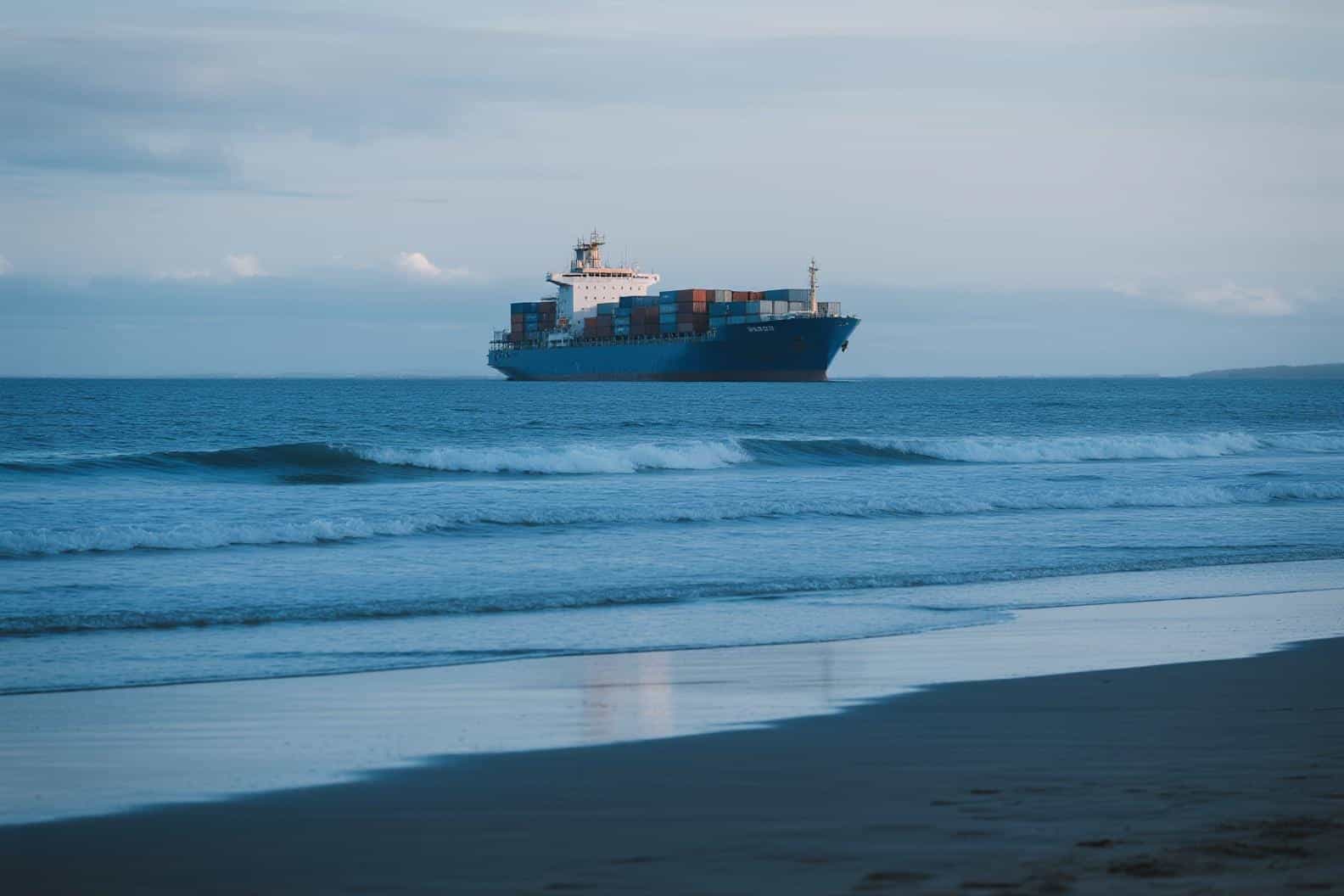
Ocean Freight from China to Canada
Types of Ocean Shipping Services (FCL, LCL)
When shipping goods from China to Canada by sea, you have two main options: Full Container Load (FCL) and Less than Container Load (LCL).
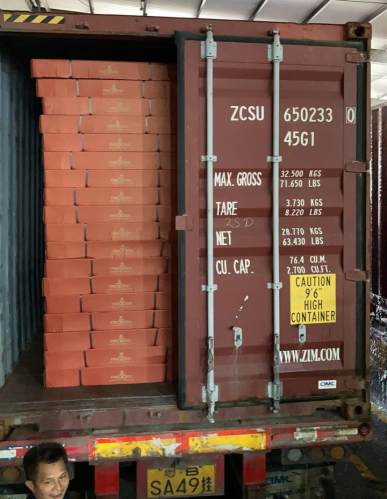
- FCL (Full Container Load): This means you rent and fill an entire shipping container with your cargo. It’s ideal for larger shipments (typically above 15 cubic meters), offering security, faster transit, and lower unit costs. Common container sizes are 20-foot and 40-foot. For specialized cargo such as auto parts, you might find FCL autoparts shipping guidance particularly useful.
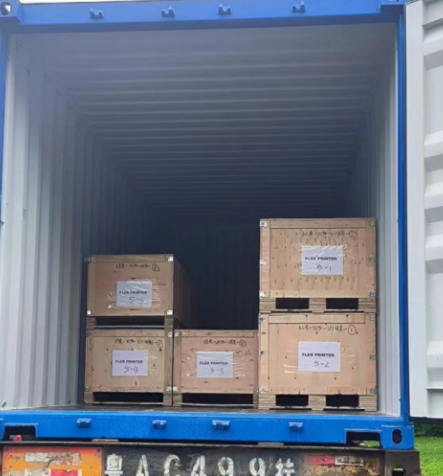
- LCL (Less than Container Load): Suitable for smaller shipments (usually under 15 cubic meters). Your cargo shares a container with other importers’ goods. This is cost-effective for small volumes but may take longer due to the consolidation and deconsolidation process. To help decide, see this in-depth comparison of LCL vs FCL Shipping: How to Choose the Right Option for Small Cargo.
Choosing between FCL and LCL depends on your cargo volume, budget, and urgency.
Major Ports and Shipping Routes
China and Canada are both home to multiple major seaports that handle international trade. Here are the key ports and common routes:
| China Major Ports | Canada Major Ports | Typical Shipping Route |
|---|---|---|
| Shanghai | Vancouver | Shanghai → Vancouver (Trans-Pacific) |
| Shenzhen | Montreal | Shenzhen → Vancouver/Montreal |
| Ningbo | Toronto (via Vancouver) | Ningbo → Vancouver → Toronto |
| Qingdao | Prince Rupert | Qingdao → Prince Rupert |
| Guangzhou | Halifax | Guangzhou → Halifax |
Vancouver is the largest and busiest Canadian port, handling most containerized cargo from Asia. Shipments to inland destinations like Toronto or Montreal often arrive at Vancouver, then travel by rail or truck.
For an in-depth look at sea lanes and strategic entry points, check the shipping routes from China to Canada resource.
Average Ocean Freight Costs
Ocean freight rates fluctuate due to market demand, fuel prices, and global events. As of early 2025, here are average cost estimates for shipping a standard container (excluding local charges, duties, and surcharges):
| Route (China → Canada) | 20ft FCL (USD) | 40ft FCL (USD) | LCL (USD/CBM) |
|---|---|---|---|
| Shanghai → Vancouver | $2,000–$2,600 | $3,200–$4,000 | $100–$180 |
| Shenzhen → Montreal | $2,500–$3,200 | $3,800–$4,600 | $130–$200 |
| Ningbo → Toronto (via Vancouver) | $2,600–$3,300 | $4,000–$5,000 | $140–$220 |
Note: Prices are averages and subject to frequent change. For up-to-date rates, always consult a professional freight forwarder like Dantful International Logistics.
Factors Affecting Ocean Shipping Rates
Several elements influence ocean freight costs between China and Canada:
- Shipping season: Peak seasons (such as before Chinese New Year or Christmas) increase rates.
- Fuel surcharges: Fluctuations in oil prices affect bunker adjustment factors (BAF).
- Container availability: High demand or equipment imbalance may raise prices.
- Port congestion: Backlogs at major ports can lead to higher costs and delays.
- Type of goods: Hazardous, oversized, or temperature-sensitive cargo may incur surcharges.
- Freight forwarder experience: Choosing a professional partner like Dantful International Logistics often results in more competitive pricing and better service.
To further optimize your shipping costs, consider options such as consolidated freight shipping if you have multiple suppliers or smaller volumes.
Air Freight from China to Canada
Types of Air Freight Services
Air freight offers fast, reliable transport for time-sensitive or high-value shipments. The main options include:
- Standard Air Freight: General cargo moves on scheduled passenger or cargo flights. This is the most common method.
- Express Air Freight: Faster, premium service for urgent shipments. Often used by express couriers (e.g., DHL, FedEx, UPS).
- Charter Services: Entire aircraft rented for large, specialized, or urgent cargo.
Choosing the right service depends on shipment size, value, urgency, and budget.
Popular Airports and Flight Routes
Key airports central to China–Canada trade include:
| China Major Airports | Canada Major Airports | Common Routes |
|---|---|---|
| Shanghai Pudong (PVG) | Vancouver (YVR) | PVG → YVR (Direct/Stopover) |
| Beijing Capital (PEK) | Toronto Pearson (YYZ) | PEK → YYZ (Direct/Stopover) |
| Guangzhou Baiyun (CAN) | Montreal (YUL) | CAN → YVR/YYZ/YUL |
| Shenzhen Bao’an (SZX) | Calgary (YYC) | SZX → YVR/YYC |
Most shipments arrive at Vancouver or Toronto for distribution across Canada.
Typical Air Freight Charges
Air freight costs are calculated based on weight (actual or volumetric, whichever is higher), urgency, and route. As of 2025, estimate these average market rates:
| Route (China → Canada) | Standard Air Freight (USD/kg) | Express Air (USD/kg) |
|---|---|---|
| Shanghai → Vancouver | $5.00–$7.50 | $8.00–$12.00 |
| Guangzhou → Toronto | $5.50–$8.00 | $8.50–$13.00 |
| Beijing → Montreal | $6.00–$8.50 | $9.00–$14.00 |
- Minimum charges often apply for shipments under 45 kg.
- Rates exclude destination handling, customs clearance, and local delivery fees.
For more information on this topic, you can also refer to air freight from China to Canada.
When to Choose Air Freight Over Ocean Freight
Air freight is the best choice when:
- Time is critical: Delivery in days instead of weeks.
- High-value or sensitive cargo: Electronics, pharmaceuticals, prototypes, or perishable goods.
- Smaller shipments: For volumes under 1–2 cubic meters, air can sometimes be more economical due to fixed ocean freight minimums.
- Supply chain reliability: Fewer delays compared to ocean shipping during periods of port congestion or strikes.
However, air freight is significantly more expensive than ocean freight on a per-kilogram basis. For larger, less urgent shipments, ocean freight remains the most cost-effective solution. You can also weigh your choices in more detail by reading Air Freight vs Sea Freight to Canada.
Shipping Cost from China to Canada
Key Factors Influencing Shipping Prices
When shipping goods from China to Canada, several factors affect the total shipping cost. Understanding these elements helps importers plan budgets and choose the most cost-effective shipping solutions:
- Shipping Method: Ocean Freight (FCL/LCL), Air Freight, Rail Freight, and Express Shipping each have different pricing structures.
- Cargo Volume and Weight: Larger volumes or heavier shipments usually reduce the cost per unit but increase the total cost.
- Type of Goods: Hazardous or oversized cargo requires special handling and may incur higher fees.
- Shipping Routes and Ports: Shipping from major ports like Shanghai or Shenzhen to primary Canadian ports such as Vancouver or Toronto can be more economical due to established routes.
- Seasonality: Rates often rise during peak shipping seasons, such as pre-Christmas or Chinese New Year.
- Fuel Prices and Surcharges: Fluctuating fuel costs, security, and congestion surcharges impact the final price.
- Customs Duties and Taxes: Import duties, GST, PST, and HST will add to your overall cost.
- Additional Services: Value-added services like door-to-door, insurance, customs clearance, and warehousing can affect the final amount.
Cost Breakdown: Freight, Surcharges, and Additional Fees
A clear cost structure is vital for transparency and planning. Here’s a typical breakdown when shipping from China to Canada:
| Cost Component | Description | Estimated Range (2025) |
|---|---|---|
| Basic Freight | Ocean, air, rail, or express shipping rate | Ocean FCL: $2,000–$3,200/40ft<br>Ocean LCL: $80–$150/cbm<br>Air Freight: $4.00–$8.00/kg |
| Fuel Surcharge (BAF) | Bunker Adjustment Factor (mainly for ocean/air freight) | 10–25% of basic freight |
| Security/Port Charges | Charges at origin/destination ports | $100–$500 per shipment |
| Terminal Handling Charges (THC) | Container handling at ports | $300–$500 per container |
| Documentation Fees | Bill of lading, customs paperwork, etc. | $40–$100 per shipment |
| Customs Clearance | Entry declaration and processing | $100–$250 per shipment |
| Insurance (optional but advised) | Coverage for cargo damage/loss | 0.1–0.3% of cargo value |
| Duties & Taxes | Import duties, GST, PST, HST (see next section) | Varies by HS code & value |
| Additional Services | Door-to-door, warehousing, consolidation, etc. | As quoted |
Note: The rates above are indicative and vary based on shipment specifics and market fluctuations. Always request an up-to-date quote.
How to Get an Accurate Shipping Quote
To receive a precise and reliable shipping quote from China to Canada, consider the following best practices:
- Provide Complete Shipment Information: Include cargo dimensions, weight, type of commodity, Incoterms, origin and destination addresses, and preferred shipping method.
- Request All-Inclusive Pricing: Ensure quotes cover all cost components: freight, surcharges, documentation, and customs clearance.
- Compare Multiple Freight Forwarders: Partner with reputable companies like Dantful International Logistics for transparent, competitive, and customized solutions. Dantful offers Ocean Freight, Air Freight, Amazon FBA, Customs Clearance, Warehouse, and Door-to-Door services.
- Ask for Transit Time Estimates: This helps balance urgency and cost.
- Clarify Value-Added Services: Confirm if services like insurance, pickup, delivery, or warehousing are included.
For more detailed pricing on container transport, see our breakdown of container shipping costs from China to Canada.
For an accurate and detailed quote tailored to your shipment, contact Dantful International Logistics. Our experienced team will assess your needs and provide the most cost-effective and efficient options.
Import Duties and Taxes for Shipping from China to Canada
Understanding Canadian Import Duties
When importing goods into Canada from China, duties are imposed by the Canada Border Services Agency (CBSA). The duty rate is determined by:
- HS Code: Each product falls under a Harmonized System code, dictating its duty rate.
- Value for Duty (VFD): Usually the transaction price (cost of goods, freight, insurance).
- Country of Origin: For most goods from China, the Most-Favoured-Nation (MFN) tariff applies.
How GST, PST, and HST Apply to Imports
In addition to duties, importers must pay federal and provincial taxes:
| Tax Type | Rate | Applies To | Provinces Included |
|---|---|---|---|
| Goods and Services Tax (GST) | 5% | All imports | All provinces and territories |
| Provincial Sales Tax (PST) | 6–10% | Imports in select provinces | BC, SK, MB, QC |
| Harmonized Sales Tax (HST) | 13–15% | Replaces GST/PST in certain regions | ON, NB, NL, NS, PE |
- GST is charged on the Value for Tax (value for duty + duties + shipping + insurance).
- HST is charged instead of GST and PST in certain provinces.
- Some commercial importers may claim back GST/HST as input tax credits.
Customs Clearance and Required Documentation
Efficient customs clearance is crucial for smooth shipping from China to Canada. Standard documentation includes:
- Commercial Invoice: Listing product details, value, and terms.
- Packing List: Detailed breakdown of package contents.
- Bill of Lading / Air Waybill: Proof of shipment and receipt.
- Import Permits: For restricted/regulated goods.
- Certificate of Origin: If claiming preferential duty rates.
Dantful International Logistics provides expert Customs Clearance services, ensuring your paperwork is accurate and compliant with Canadian regulations. Our in-house team can help you prepare all required documents and navigate any import challenges.
Shipping Time from China to Canada
Average Ocean Freight Transit Times
Shipping goods by ocean freight from China to Canada is a cost-effective option for large volumes and non-urgent shipments. The total transit time depends on various factors such as the origin and destination ports, the shipping route, and vessel schedules.
Below is a table showing average ocean transit times between major Chinese and Canadian ports:
| Origin Port (China) | Destination Port (Canada) | Typical Transit Time (Days) |
|---|---|---|
| Shanghai | Vancouver | 15-22 |
| Shenzhen | Vancouver | 16-23 |
| Ningbo | Vancouver | 16-22 |
| Qingdao | Vancouver | 18-25 |
| Shanghai | Montreal (via Panama Canal) | 28-35 |
| Shenzhen | Toronto (via Vancouver Rail) | 25-30 |
Note: Transit times are port-to-port estimates and do not include customs clearance, inland transportation, or potential delays.
To compare, you might want to see how shipping time from China to USA differs if you’re also exploring the North American market.
Typical Air Freight Delivery Times
For urgent or high-value shipments, air freight from China to Canada provides a much faster solution. Air cargo is ideal for small-to-medium shipments or high-demand products.
Estimated air freight delivery times are as follows:
| Origin Airport (China) | Destination Airport (Canada) | Typical Transit Time (Days) |
|---|---|---|
| Shanghai (PVG) | Toronto (YYZ) | 3-5 |
| Guangzhou (CAN) | Vancouver (YVR) | 2-4 |
| Beijing (PEK) | Montreal (YUL) | 4-6 |
| Shenzhen (SZX) | Calgary (YYC) | 3-5 |
These times are airport-to-airport and may vary based on flight schedules and customs processing.
Factors That May Delay Shipments
Several factors can affect the actual shipping time from China to Canada:
- Customs Clearance Delays: Incomplete documentation or inspections can add days to the timeline.
- Weather Conditions: Typhoons, storms, or winter disruptions can impact port operations or flights.
- Port Congestion: Busy seasons may cause vessels to wait for berth or containers to be delayed.
- Public Holidays: Chinese New Year, Golden Week, and Canadian holidays can disrupt normal shipping schedules.
- Carrier or Routing Issues: Changes in vessel or flight schedules, transshipments, or container rollovers add risk.
- Regulatory Changes: New import/export regulations or security controls may increase inspection times.
READ MORE:
- Shipping From China to the USA
- Shipping From China TO Canada
- Shipping From China TO Mexico
- Shipping From China to Panama
- Shipping From China to Costa Rica
- Shipping From China to Brazil
- Shipping From China TO Colombia
- Shipping From China to Jamaica
- Shipping From China to Venezuela
- Shipping From China to Argentina
Tips to Reduce Shipping Costs from China to Canada
Comparing Freight Forwarders for the Best Rates
Always compare quotes from several reputable freight forwarders. Look for companies with a proven track record and comprehensive services. For example, Dantful International Logistics offers highly professional, cost-effective, and high-quality one-stop solutions, including ocean freight, air freight, rail freight, road freight, Amazon FBA, customs clearance, and insurance.
Key factors to compare:
- Service range (door-to-door, customs, warehousing)
- Experience with China-Canada trade routes
- Pricing transparency (no hidden fees)
- Support and communication
Consolidating Shipments to Save Money
If you import smaller quantities from multiple suppliers, consolidating shipments (grouping multiple orders into one container) can significantly lower your per-unit shipping cost. This method is especially useful for LCL (Less than Container Load) shipments, where you share space and cost with other shippers.
Benefits:
- Lower freight and handling charges per item
- Less paperwork
- Streamlined customs clearance
Dantful Logistics specializes in consolidated freight shipping to help small and medium importers minimize costs.
Planning Ahead to Avoid Peak Season Surcharges
Shipping costs rise during peak seasons, such as the weeks before Chinese New Year, Golden Week, and the year-end holiday rush. By placing your orders early and booking space in advance, you can avoid congestion surcharges, space shortages, and unexpected delays.
Tips:
- Coordinate with your suppliers for production schedules.
- Book freight at least 4–6 weeks ahead of major holidays.
- Work with a trusted freight forwarder like Dantful International Logistics who can advise on optimal shipping windows.
FAQs
1. How much will it cost to ship to Canada?
The shipping cost from China to Canada depends on several factors:
- Mode of transport (ocean, air, rail, road)
- Shipment size and weight
- Origin and destination points
- Type of service (FCL, LCL, express, consolidated)
- Additional services (insurance, customs clearance, warehousing)
Rough cost estimates (2025):
| Shipping Mode | Typical Cost per kg (USD) | Typical Cost per 20ft Container (USD) |
|---|---|---|
| Ocean LCL | $0.30 – $1.00 | $2,000 – $3,500 |
| Ocean FCL | N/A | $3,000 – $5,500 |
| Air Freight | $4.00 – $8.00 | N/A |
Get a customized, accurate quote by contacting Dantful International Logistics with your shipment details.
2. How long does it take for items to ship from China to Canada?
- Ocean freight: 15–35 days (port-to-port)
- Air freight: 2–6 days (airport-to-airport)
- Door-to-door (including inland delivery): Add 3–7 days for customs and trucking
For comparison, you may also want to see how long is freight from China to Canada.
3. What Documents Are Required for Shipping?
To smoothly import from China to Canada, you need:
- Commercial Invoice
- Packing List
- Bill of Lading (for ocean) or Air Waybill (for air)
- Import licenses (if required for specific goods)
- Certificate of Origin
- Customs Declaration forms
Dantful Logistics provides document preparation and customs clearance support as part of our one-stop service.
4. How to Track My Shipment?
Most freight forwarders provide a tracking platform using your Bill of Lading number, container number, or air waybill number. Dantful International Logistics offers real-time shipment tracking and proactive updates for transparency and peace of mind.
5. What Are Common Shipping Restrictions or Prohibited Items?
When shipping from China to Canada, certain items are restricted or prohibited, such as:
- Hazardous materials and chemicals (without proper permits)
- Counterfeit goods or intellectual property-infringing products
- Certain agricultural products and animal-origin items
- Weapons and firearms
- Controlled drugs and pharmaceuticals
Always check the latest regulations from the Canada Border Services Agency (CBSA) and consult your freight forwarder for guidance.
By partnering with a professional and reliable logistics provider like Dantful International Logistics, importers gain access to cost-effective shipping, comprehensive support, and up-to-date industry expertise for all their China-to-Canada shipping needs.

Young Chiu is a seasoned logistics expert with over 15 years of experience in international freight forwarding and supply chain management. As CEO of Dantful International Logistics, Young is dedicated to providing valuable insights and practical advice to businesses navigating the complexities of global shipping.