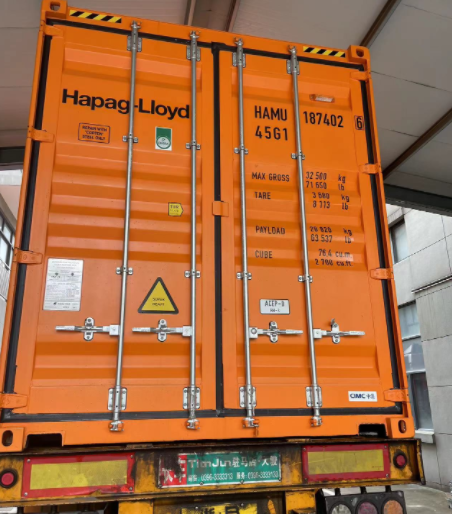
Are you wondering how much is shipping from China to Denmark and what factors affect these costs? In this comprehensive guide, we’ll explore key aspects like sea freight, air freight, rail freight, and essential customs requirements. Discover practical tips to lower your expenses and ensure a smooth shipping process from China to Denmark. Dive in to learn everything you need for efficient and cost-effective international shipping!

Key Factors Influencing Shipping Costs
When considering how much is shipping from China to Denmark, several key factors play a crucial role in determining the final cost. It is essential for importers, exporters, and supply chain professionals to understand these variables for effective budgeting and logistics planning.
Shipping Method: The primary determinant of cost is the mode of transport—sea freight, air freight, or rail freight. Each offers different pricing structures and transit times. For bulk cargo, sea freight is often the most cost-effective, while air freight offers speed at a premium.
Cargo Volume and Weight: Freight rates are calculated based on either the actual weight or the volumetric weight (whichever is greater). Full Container Load (FCL) rates differ significantly from Less than Container Load (LCL), and air freight is typically charged per kilogram.
Container Size and Type: For sea freight, the choice between a 20ft container (28 CBM capacity) and a 40ft container (56 CBM capacity, or 68 CBM for 40HQ) directly impacts rates. Special container types (such as OOG or reefer containers) incur additional charges.
Origin and Destination Ports: The specific Chinese port (e.g., Shanghai, Shenzhen, Ningbo) and Danish port (Copenhagen, Aarhus) influence freight costs due to port handling fees, local surcharges, and routing options.
Incoterms: The agreed Incoterms (such as FOB, CIF, DAP) define the responsibility split between buyer and seller, affecting who pays for main carriage, insurance, and destination charges.
Seasonality & Market Fluctuations: Peak seasons (before Chinese New Year, Christmas) see higher demand and increased rates. Market events (such as supply chain disruptions) can cause unpredictable price changes.
Fuel and Surcharges: Bunker Adjustment Factor (BAF), currency adjustment, and other surcharges may be imposed by carriers, influencing the total shipping cost.
Customs Duties & Taxes: Duties, VAT, and other destination charges in Denmark must be considered, as they add to the landed cost.
Additional Services: Insurance, customs clearance, warehousing, door-to-door delivery, and special handling affect the overall cost. Working with an experienced freight forwarder like Dantful International Logistics helps in optimizing these elements for the best value.
A clear understanding of these factors empowers businesses to make informed decisions and optimize their international shipping budgets.
Sea freight cost from China to Denmark
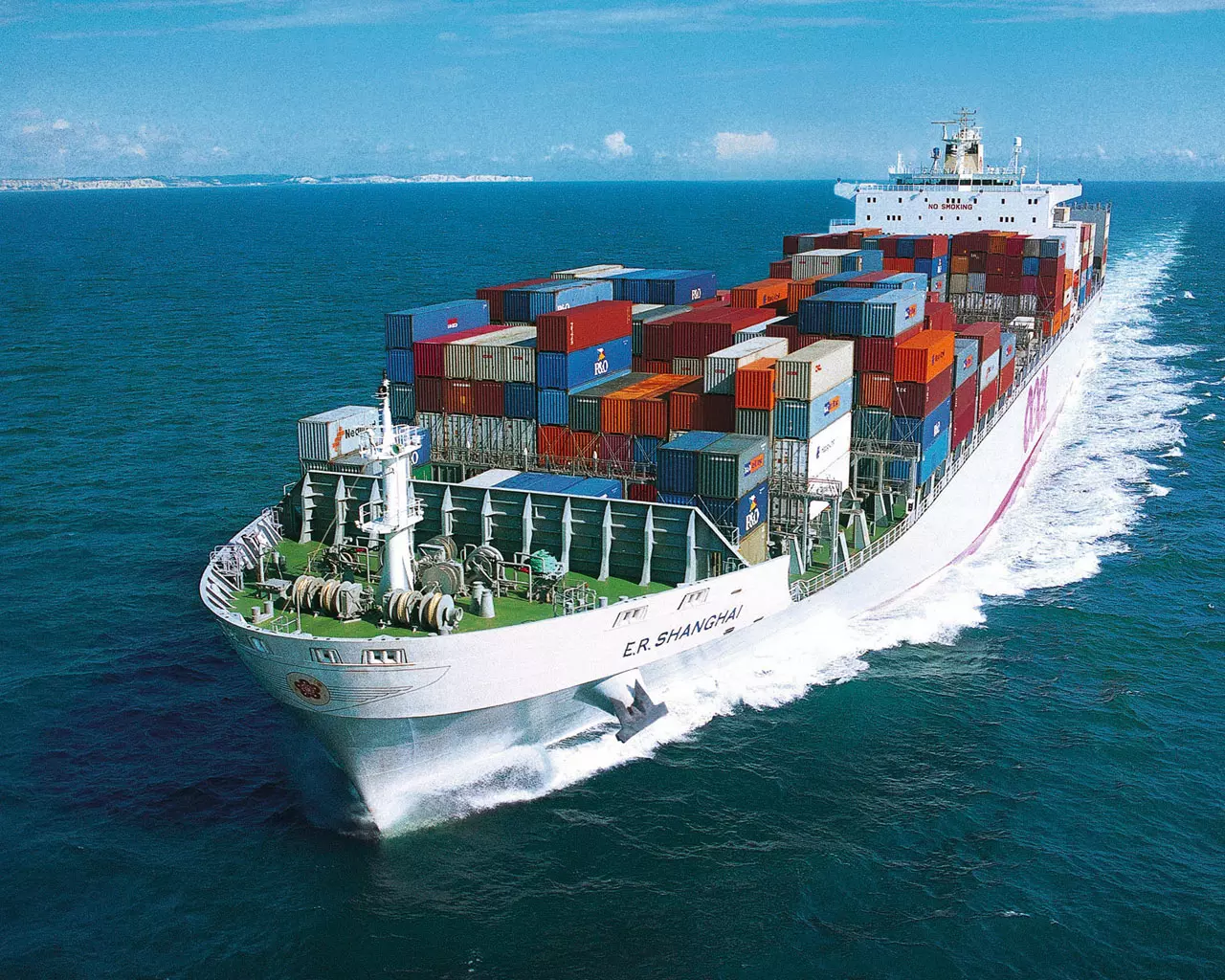
Sea freight remains the most popular and cost-effective solution for shipping large volumes from China to Denmark. Whether you are transporting full loads or smaller consignments, understanding the current market rates and cost structures is vital.
For readers interested in trade within the wider European region, see also Shipping From China To Germany.
Cost of 20ft container shipping from China to Denmark?
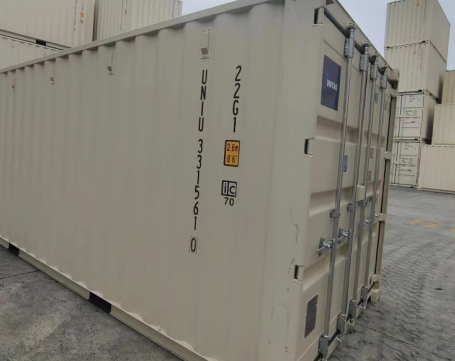
A 20ft container (20GP), with a loading capacity of approximately 28 CBM (cubic meters), is ideal for small to medium-sized shipments. The cost can vary depending on the origin port, destination port, season, and selected services.
Estimated 20ft Container Freight Rates (FCL) – China to Denmark (Q4 2025):
| Origin Port | Destination Port | Estimated Rate (USD) | Transit Time (Days) |
|---|---|---|---|
| Shanghai | Copenhagen | $2,200 – $2,700 | 32 – 38 |
| Shenzhen | Aarhus | $2,250 – $2,850 | 34 – 40 |
| Ningbo | Copenhagen | $2,300 – $2,900 | 33 – 39 |
| Qingdao | Aarhus | $2,400 – $2,950 | 36 – 42 |
Key Notes:
- Rates are for FCL shipping and include basic ocean freight; local charges, documentation, customs clearance, and delivery are additional.
- LCL (Less than Container Load) is available for smaller shipments; however, per CBM rates for LCL are generally higher due to handling and consolidation costs.
- Transit times are average estimates; actual times may vary.
Dantful International Logistics offers end-to-end sea freight services, including consolidation, customs clearance, and door-to-door delivery from all major Chinese ports to Denmark, ensuring competitive pricing and reliable transit.
Cost of 40ft container shipping from China to Denmark?
A 40ft container (40GP) provides approximately 56 CBM of space, while a 40HQ (High Cube) gives up to 68 CBM, making them suitable for larger volumes.
Estimated 40ft Container Freight Rates (FCL) – China to Denmark (Q4 2025):
| Origin Port | Destination Port | 40ft GP Rate (USD) | 40ft HQ Rate (USD) | Transit Time (Days) |
|---|---|---|---|---|
| Shanghai | Copenhagen | $3,800 – $4,500 | $3,900 – $4,600 | 32 – 38 |
| Shenzhen | Aarhus | $3,950 – $4,700 | $4,050 – $4,800 | 34 – 40 |
| Ningbo | Copenhagen | $4,000 – $4,800 | $4,100 – $4,900 | 33 – 39 |
| Qingdao | Aarhus | $4,100 – $4,950 | $4,250 – $5,100 | 36 – 42 |
Key Notes:
- 40HQ containers are recommended for voluminous but lightweight cargo, maximizing cubic capacity and cost efficiency.
- All rates are indicative and subject to confirmation based on shipment specifics, market trends, and carrier availability.
- Dantful can also handle OOG (Out-Of-Gauge), breakbulk, and consolidated freight for special project cargo.
If you want to learn more about FCL and LCL optimization, read our LCL vs FCL Shipping: How to Choose the Right Option for Small Cargo guide.
Value-added Services from Dantful International Logistics:
- Professional freight consulting to select the most suitable shipping solution.
- Transparent costing with no hidden fees.
- Full support for customs documentation, insurance, and warehouse management.
Accurately calculating the sea freight cost from China to Denmark involves more than looking at base rates. Factors such as cargo type, route, seasonality, and value-added services can significantly influence the final price. Always consult with a trusted and experienced freight forwarder like Dantful International Logistics to receive tailored, up-to-date quotations and ensure a smooth, cost-effective shipping experience.
Air freight cost from China to Denmark per KG
When considering air freight from China to Denmark, understanding the pricing structure is critical for cost planning and logistics optimization. Air freight is favored for its speed and reliability, especially for high-value, urgent, or time-sensitive shipments.
How Are Air Freight Rates Calculated?
Air freight cost is typically calculated “per kilogram” based on the greater of the actual weight or the volumetric (dimensional) weight of the cargo. Key factors impacting the rate include:
- Origin and Destination Airports: Prices may vary depending on the specific airports in China (such as Shanghai Pudong (PVG), Guangzhou (CAN), Shenzhen (SZX)) and arrival airport in Denmark (mainly Copenhagen Airport (CPH)).
- Cargo Type and Nature: General cargo, hazardous materials, and temperature-controlled goods are priced differently.
- Cargo Volume and Weight: Larger shipments may qualify for discounted rates.
- Service Level: Choices include standard, express, and consolidated services.
- Seasonality: Peak seasons (e.g., pre-Christmas, Chinese New Year) often see rate increases.
- Fuel Surcharges and Security Fees: These are standard additions to base rates.
Typical Air Freight Rates (2025 Estimate)
Please note, below are indicative market prices as of Q4 2025. Actual rates fluctuate based on airline capacity, fuel rates, season, and route specifics.
| Origin Airport | Destination Airport | Weight Break (KG) | General Cargo Rate (USD/kg) | Transit Time (Days) |
|---|---|---|---|---|
| Shanghai (PVG) | Copenhagen (CPH) | 45-100 | $5.80 – $6.30 | 3-5 |
| Shenzhen (SZX) | Copenhagen (CPH) | 100-300 | $5.20 – $5.80 | 3-6 |
| Guangzhou (CAN) | Copenhagen (CPH) | 300+ | $4.80 – $5.20 | 4-6 |
Note: These rates are for reference only. For special cargo, urgent shipments, or value-added services such as door-to-door or customs clearance, surcharges may apply.
Minimum Charges and Additional Fees
- Minimum Chargeable Weight: Usually 45 kg.
- Fuel Surcharge: Typically 10-25% of the freight rate, depending on global oil prices.
- Security and Handling Fees: $0.15 – $0.30/kg may be added.
- Customs Clearance: Charged separately at destination.
Why Choose Air Freight for China-Denmark Trade?
- Speed: 3–6 days transit, compared to several weeks by sea or rail.
- Security: Lower risk of damage and improved tracking.
- Reliability: Fixed flight schedules and high frequency of departures.
As a highly professional and cost-effective freight forwarder, Dantful International Logistics offers comprehensive air freight solutions from all major Chinese airports to Denmark. Our services include cargo pickup, export customs clearance, cargo insurance, and delivery to your door or appointed warehouse.
Rail freight cost from China to Denmark
Rail freight has emerged as a balanced solution between sea and air, offering a combination of reasonable transit times and competitive costs. The China-Europe Railway Express connects major Chinese cities to several European countries, including Denmark, through rail hubs and road connections.
For readers seeking more details on rail logistics, see our Rail Service From China to Europe overview, which highlights key benefits and processes.
How Are Rail Freight Rates Structured?
Rail freight rates are commonly calculated per CBM (cubic meter), per ton, or for full container loads (FCL). The cost structure depends on:
- Departure Rail Terminals: Key terminals include Chengdu, Xi’an, Chongqing, and Wuhan.
- Container Type: 20ft, 40ft, or 40HQ containers. LCL (Less-than-Container Load) is also available.
- Delivery Mode: Terminal-to-terminal, or including last-mile trucking to final destination in Denmark.
- Goods Type: General, hazardous, temperature-sensitive, etc.
- Market Demand & Capacity: Seasonal fluctuations affect rail capacity and rates.
Typical Rail Freight Rates (2025 Estimate)
Below are reference rates for shipping between China and Denmark using rail freight as of 2025:
| Departure City (China) | Rail Terminal (Europe) | Container Type | Estimated Cost (USD) | Transit Time (Days) |
|---|---|---|---|---|
| Xi’an | Hamburg (DE) | 40ft FCL | $6,800 – $7,200 | 18–22 |
| Chongqing | Warsaw/Hub (PL) | 20ft FCL | $4,200 – $4,700 | 16–20 |
| Chengdu | Duisburg (DE) | LCL (per CBM) | $200 – $260 /CBM | 18–23 |
From Hamburg or Duisburg, freight is typically transferred to Denmark via road. The additional trucking cost from these European hubs to Copenhagen or other Danish cities ranges from $600–$1,000 per container, depending on the destination and service required.
Advantages of Rail Freight
- Faster than Sea Freight: Transit times are roughly half of sea freight.
- More Cost-Effective than Air Freight: Especially suitable for medium-value, semi-urgent shipments.
- Stable Schedules: Less affected by port congestion.
- Environmentally Friendly: Lower carbon footprint than air.
Cost Comparison Table: Shipping Modes from China to Denmark
| Shipping Mode | 20ft Container Cost (USD) | 40ft Container Cost (USD) | Transit Time (Days) |
|---|---|---|---|
| Sea Freight | $2,200 – $3,200 | $3,500 – $4,500 | 30–40 |
| Rail Freight | $4,200 – $4,700 | $6,800 – $7,200 | 16–22 |
| Air Freight | $11,000+ | $18,000+ | 3–6 |
Rates are indicative, based on 2025 market averages. Actual costs will vary due to route, service, and market dynamics.
By understanding the latest cost structures and service options for air freight and rail freight from China to Denmark, importers and exporters can make informed decisions that balance budget, time, and supply chain reliability. For tailored quotes or expert guidance, contact Dantful International Logistics – your trusted partner in international freight.
Read More:
- Shipping From China To Netherlands
- Shipping From China To Spain
- Shipping From China To Germany
- Shipping From China To France
- Shipping From China to Italy
- Shipping From China To Poland
- Shipping From China to United Kingdom
Customs Duties, Taxes, and Regulations in Denmark
When importing goods from China to Denmark, understanding the structure of customs duties, taxes, and local regulations is vital for a smooth shipping process and accurate cost estimation. Denmark is a member of the European Union (EU), and its import regulations are aligned with EU customs law, specifically the Union Customs Code.
1. Import Duties
Import duties (also known as customs duties) are calculated based on the HS code of the goods, their declared value (CIF: cost, insurance, and freight), and their country of origin. For most goods imported from China, EU’s Common Customs Tariff applies. The typical duty rates for general goods range between 0% and 12%, but sensitive or protected products may have higher tariffs.
How to determine the import duty:
- Identify the product’s HS code.
- Check the EU TARIC database for applicable duty percentages.
- Calculate duty: Duty = CIF Value × Duty Rate.
2. Value Added Tax (VAT)
All goods imported into Denmark are subject to Danish VAT. The standard VAT rate is 25%, one of the highest in Europe. VAT is assessed on the total value: the sum of the CIF value, customs duty, and any additional charges (such as insurance or handling fees).
Example VAT calculation:
| Description | Amount (EUR) |
|---|---|
| Product Value | 10,000 |
| Freight & Insurance | 1,500 |
| CIF Value | 11,500 |
| Import Duty (6%) | 690 |
| Subtotal | 12,190 |
| VAT (25%) | 3,047.50 |
3. Other Taxes and Fees
- Excise Duties: Apply to specific goods such as alcohol, tobacco, and energy products.
- Environmental Taxes: Certain electronic goods, batteries, and packaging may incur environmental or recycling fees.
- Handling/Customs Clearance Fees: Charged by customs or logistics providers for processing.
4. Regulatory Compliance
- CE Marking: Many products (electronics, toys, machinery, etc.) must comply with EU safety, health, and environmental requirements. Ensure your goods meet CE marking standards before importation.
- REACH & RoHS: Chemical and electronic products must meet EU restrictions regarding hazardous substances.
- Product Labeling: Danish or EU regulations may require specific labeling in Danish or other EU languages.
- Food & Agriculture: Imports of food, plants, or animal products are subject to strict veterinary and phytosanitary controls.
5. Prohibited & Restricted Items
Some items are prohibited from import to Denmark (e.g., counterfeit goods, certain weapons, endangered species). Other goods, such as pharmaceuticals or chemicals, require special licenses.
Denmark Customs Clearance & Documents Checklist
Efficient customs clearance is a key factor in minimizing delays and ensuring compliance when shipping from China to Denmark. Below is a checklist of the essential documents and steps required for smooth clearance:
1. Required Documentation
| Document Name | Purpose/Notes | Issued By |
|---|---|---|
| Bill of Lading (B/L) / Air Waybill (AWB) | Proof of shipment and receipt of goods | Carrier / Freight Forwarder |
| Commercial Invoice | Detailed description and value of the goods | Exporter |
| Packing List | Details on packaging, weight, dimensions | Exporter |
| Certificate of Origin | Required for tariff classification and preferential duty rates | Chamber of Commerce |
| Import License/Permit (if applicable) | Some categories require permits (e.g., chemicals, food) | Danish Authorities |
| CE Certificate (if required) | For goods subject to EU safety regulations | Notified Body |
| Insurance Certificate (optional) | Proof of cargo insurance | Insurance Provider |
| Customs Declaration (SAD) | Official entry documentation for customs processing | Broker or Importer |
2. Customs Clearance Process in Denmark
- Submission of Documents: All documents are submitted electronically via the Danish Customs’ e-Export and e-Import systems.
- Customs Inspection: Goods may be selected for physical inspection or X-ray scanning, especially if incomplete or suspicious documentation is provided.
- Duty & Tax Assessment: Danish Customs will assess and notify the amount of import duties and VAT to be paid.
- Payment of Duties/Taxes: All charges must be paid before the goods are released.
- Release & Delivery: After payment and successful clearance, goods are released for final delivery.
3. Best Practices for Faster Clearance
- Accurate & Complete Documentation: Ensure all forms are accurately filled with matching data.
- Pre-arrival Submission: Submit documentation before the cargo arrives to expedite the process.
- Partner with an Experienced Freight Forwarder: Working with a professional, reliable company like Dantful International Logistics ensures all customs requirements are efficiently managed, reducing the risk of delays and extra costs.
4. Common Reasons for Delays
- Incomplete or inconsistent documentation.
- Incorrect HS code or product value declaration.
- Missing certificates (e.g., CE, origin).
- Outstanding import duties and taxes.
5. Why Choose Dantful International Logistics for Customs Clearance
As a highly professional and experienced international freight forwarder, Dantful International Logistics provides end-to-end customs clearance services for all major shipping modes (Sea Freight, Air Freight, Rail Freight, and more). Our dedicated team ensures full compliance with Denmark’s and the EU’s import regulations, supporting you with:
- Document preparation and verification.
- Duty & VAT calculation and payment.
- Regulatory compliance consulting (CE marking, labeling, licenses).
- Real-time cargo tracking and status updates.
- Consolidated shipments and door-to-door solutions.
For businesses seeking reliable, cost-effective, and hassle-free customs clearance from China to Denmark, partnering with Dantful International Logistics is your smart choice.
Strategies to Reduce Shipping Costs from China to Denmark
Reducing shipping costs from China to Denmark is a critical objective for many importers, exporters, and supply chain managers. With international freight rates fluctuating due to fuel prices, global demand, and capacity constraints, an informed approach can yield substantial savings without compromising reliability or service quality. Below are effective, practical strategies—grounded in professional experience and current market practice—to help you minimize logistics expenses.
For those interested in comparing Denmark with its Nordic neighbors, check out Shipping From China To Sweden.
1. Choose the Optimal Shipping Mode for Your Cargo
Selecting the right transportation mode—Sea Freight, Air Freight, or Rail Freight—depends on your cargo’s volume, weight, value, and urgency.
| Shipping Mode | Best For | Typical Transit Time | Cost Level |
|---|---|---|---|
| Sea Freight | Large, heavy, non-urgent cargo | 30-40 days | Low |
| Rail Freight | Medium-volume, faster than sea | 18-25 days | Medium |
| Air Freight | High-value, urgent cargo | 3-7 days | High |
Utilizing Sea Freight (FCL/LCL) for bulk shipments and Air Freight for urgent or high-value goods can significantly optimize cost versus delivery time.
2. Consolidate Shipments
Consolidation allows shippers to combine multiple small consignments into a full container (FCL) or shared container (LCL). This approach distributes the shipping cost among shipments, resulting in a lower per-unit expense.
- LCL (Less-than-Container Load): Ideal for smaller shipments.
- FCL (Full Container Load): More cost-efficient once your cargo approaches container capacity (28CBM for 20ft, 56CBM for 40ft).
3. Plan and Book in Advance
Advance booking helps you secure better rates and avoids premium charges during peak seasons. Early planning also allows for the selection of cost-effective schedules and routes, especially for Sea Freight and Rail Freight.
4. Optimize Packaging and Volume
Efficient packing reduces volumetric weight, maximizing the use of container space. Avoid excessive packaging and choose stackable, uniform cartons to minimize wasted space. This is especially important for Air Freight, where charges are often calculated by volume or dimensional weight.
5. Negotiate with Freight Forwarders
Partnering with a trusted, experienced freight forwarder like Dantful International Logistics can unlock preferential rates and flexible solutions. We offer tailored quotes based on your shipment profile, frequency, and long-term collaboration.
6. Select the Most Efficient Route and Port
Shipping costs can vary depending on departure and arrival ports. Major ports in China (e.g., Shanghai, Shenzhen, Ningbo) to Denmark’s main port (Copenhagen) often offer lower rates due to higher cargo volumes and frequent sailings.
7. Take Advantage of Value-Added Services
- Customs Clearance: Professional handling prevents delays and demurrage.
- Insurance: Protects against unforeseen risks, reducing potential losses.
- Door-to-Door Solutions: Can sometimes be more cost-effective when considering all hidden land-side charges.
8. Monitor Currency Fluctuations and Surcharges
Freight rates can be affected by currency changes, fuel surcharges, and market adjustments. Stay informed and lock in rates when favorable.
9. Leverage Technology & Tracking
Use digital freight platforms and shipment tracking tools to compare rates, monitor shipments, and streamline communication.
Dantful International Logistics provides one-stop logistics solutions, including Sea Freight, Air Freight, Rail Freight, Road Freight, Amazon FBA, Warehousing, Customs Clearance, Insurance, Door to Door, OOG Freight, Consolidated Freight, and Breakbulk Freight. Our extensive network and dedicated team ensure cost-effective, reliable, and transparent services from China to Denmark.
Transit time from China to Denmark
Transit time is a pivotal consideration in international logistics, directly impacting inventory planning, product launches, and customer satisfaction. The actual duration depends on the chosen shipping mode, specific routes, customs procedures, and seasonal factors.
Below is an overview of the typical transit times from China to Denmark by major shipping modes:
| Route | Transit Time (Estimated) | Notes |
|---|---|---|
| Sea Freight (FCL/LCL) | 30–40 days | Port-to-port, varies by port, transshipment |
| Air Freight (Airport-to-Airport) | 3–7 days | Fastest, ideal for urgent shipments |
| Rail Freight (China-Europe Express) | 18–25 days | Quicker than sea, fewer disruptions |
| Express Courier (e.g., DHL, UPS, FedEx) | 2–5 days | For documents, parcels, small packages |
Detailed Port-to-Port Sea Freight Transit
| Origin Port (China) | Destination Port (Denmark) | Estimated Transit Time |
|---|---|---|
| Shanghai | Copenhagen | 35–38 days |
| Shenzhen | Copenhagen | 33–36 days |
| Ningbo | Copenhagen | 34–37 days |
| Qingdao | Copenhagen | 36–40 days |
Note: Transit times may be affected by customs inspection, port congestion, weather, global events, or holidays such as Chinese New Year or Golden Week.
Tips to Ensure Timely Delivery
- Work with a proactive freight forwarder like Dantful International Logistics who can advise you on the best routing and shipping schedules.
- Book shipments well before peak periods to avoid delays.
- Ensure all documentation is accurate and ready to prevent customs holds.
In Summary: Your choice of shipping mode has a direct impact on both cost and transit time. For urgent, high-value goods, Air Freight is preferable. For cost-sensitive, larger shipments, Sea Freight is most economical. Rail Freight offers a middle ground, balancing speed and cost.
By understanding these timelines and integrating them into your supply chain planning, you can meet your business objectives and customer expectations while keeping logistics costs in check.
Essential Documentation for Smooth Shipments
Proper documentation is crucial for seamless international shipping from China to Denmark. Missing or incorrect paperwork can lead to customs delays, increased costs, and even cargo being held at the port. As an experienced freight forwarder, I strongly recommend preparing the following key documents:
1. Bill of Lading (B/L)
The Bill of Lading serves as the main transport document. It is a contract between the shipper, the carrier, and the consignee, detailing the type, quantity, and destination of the goods. There are two main types:
- Original B/L (required for cargo release)
- Telex/Express Release (for faster electronic release)
2. Commercial Invoice
This is an official document issued by the seller to the buyer, stating the sales transaction details, value, and description of goods. It is essential for customs valuation in Denmark.
3. Packing List
The Packing List specifies the contents, packaging type, dimensions, and weight of each package. It helps customs officers verify cargo, and is also useful for insurance claims and inventory management.
4. Certificate of Origin (CO)
A Certificate of Origin certifies the country where the goods were manufactured. Some products may qualify for preferential tariffs under trade agreements between China and the European Union.
5. Import/Export Licenses
Certain goods may require specific import/export licenses or permits, especially for restricted or regulated items such as electronics, chemicals, pharmaceuticals, or food products.
6. Insurance Certificate
While not legally required, securing an Insurance Certificate protects your cargo against loss, damage, or theft during transit. It’s highly recommended for high-value or sensitive shipments.
7. Other Specialized Certificates
Depending on the nature of your goods, you might also need:
- MSDS (Material Safety Data Sheet) for chemicals
- Phytosanitary Certificate for agricultural products
- Product compliance certifications (CE, RoHS, etc.)
Documentation Checklist Table
| Document | Purpose | Required for All Shipments? | Issued By |
|---|---|---|---|
| Bill of Lading | Transport contract, cargo receipt | Yes | Carrier/Freight Forwarder |
| Commercial Invoice | Customs valuation, trade record | Yes | Exporter |
| Packing List | Cargo verification, insurance | Yes | Exporter |
| Certificate of Origin | Preferential tariffs, compliance | Sometimes | Chamber of Commerce |
| Import/Export License | Regulatory compliance | Sometimes | Government Authority |
| Insurance Certificate | Financial protection | Optional | Insurance Provider |
| Special Certificates (MSDS, etc) | Product-specific regulations | As needed | Exporter/Authority |
To ensure a smooth customs clearance in Denmark, always double-check document accuracy and completeness. Working with a professional freight forwarder like Dantful International Logistics can significantly reduce the risks of documentation errors.
Choosing the Right Freight Forwarder for Your Needs
Selecting a reliable freight forwarder is one of the most important decisions for any business shipping goods from China to Denmark. A competent partner will optimize your supply chain, reduce costs, and ensure compliance.
Key Criteria for Choosing a Freight Forwarder
Industry Experience & Reputation
- Look for forwarders with proven expertise in China-Europe trade lanes.
- Check client testimonials, references, and global reach.
Comprehensive Service Portfolio
- Ensure your forwarder can handle all relevant services: Sea Freight, Air Freight, Rail Freight, Road Freight, FBA Shipping, Warehousing, Customs Clearance, Insurance, Door-to-Door, OOG Freight, Consolidated Freight, and Breakbulk Freight.
- End-to-end solutions reduce coordination complexity.
Cost Transparency & Competitive Rates
- Reliable forwarders offer clear quotations without hidden charges.
- They help you understand cost breakdowns and optimize your shipping budget.
Customs Compliance & Local Expertise
- In-depth knowledge of China and Denmark customs procedures is crucial for smooth clearance and avoiding penalties.
- Language skills and local networks are valuable for problem-solving.
Technology & Customer Service
- Modern digital platforms for tracking, documentation, and communication enhance visibility and efficiency.
- Responsive customer support is essential, especially during emergencies.
Cargo Insurance and Risk Management
- A professional forwarder advises on appropriate insurance coverage and helps mitigate risks throughout the journey.
Why Choose Dantful International Logistics?
As a leading one-stop international logistics service provider, Dantful International Logistics delivers:
- Over 15 years of hands-on experience in global freight forwarding.
- Full coverage of all major transport modes and value-added services.
- Transparent pricing and tailored solutions for SMEs and large enterprises.
- Dedicated teams both in China and Denmark to handle customs, warehousing, and last-mile delivery.
- Advanced IT systems for real-time tracking and order management.
- High-quality customer care, ensuring your shipment arrives safely, on time, and within budget.
For any shipping need from China to Denmark, Dantful is your trusted logistics partner.
FAQs
How long does it take to ship from China to Denmark?
The transit time depends on the shipping method and selected route. Here’s a summary for 2025:
| Shipping Method | Typical Transit Time (Port to Port) |
|---|---|
| Sea Freight (FCL/LCL) | 30-40 days |
| Air Freight | 3-7 days |
| Rail Freight | 18-25 days |
| Express Courier | 2-5 days |
Note: Actual transit times may vary based on origin/destination ports, customs clearance, and peak season disruptions.
What is the import tax from China to Denmark?
When importing goods from China to Denmark (a member of the European Union), the main taxes and duties include:
- Customs Duty: Varies by HS code and product category. Most rates are between 0%-12%.
- Value Added Tax (VAT): Standard rate in Denmark is 25% (applied to the CIF value + duty).
- Other Taxes: Certain products may be subject to excise duties or environmental fees.
Always check the EU TARIC database for the latest duty rates on your specific goods.
How much does shipping from China usually cost?
Shipping costs are influenced by many factors (cargo type, weight, volume, route, transport mode, incoterms, etc.). For general reference:
| Mode | Price Range (2025) |
|---|---|
| Sea Freight (FCL, 20ft) | USD 1,500 – 2,500 per container |
| Sea Freight (FCL, 40ft) | USD 2,800 – 4,300 per container |
| Air Freight | USD 5.0 – 7.5 per kg (general cargo) |
| Rail Freight (per CBM) | USD 250 – 350 per CBM |
| Express Courier | USD 7 – 15 per kg (small parcels up to 50kg) |
Rates fluctuate due to fuel, currency, demand, and seasonal surcharges. Contact Dantful International Logistics for accurate, up-to-date quotations tailored to your needs.
How much is shipping per kg from China?
- Air Freight: USD 5.0 – 7.5 per kg (economy service, general cargo).
- Express Courier: USD 7 – 15 per kg, depending on the service level and weight bracket.
- Sea Freight (LCL): Usually calculated per CBM, but can be as low as USD 50 – 100 per 100 kg for large volumes.
Bulk shipments may qualify for lower rates per kg. Always check with your freight forwarder for volume discounts.
How are shipping costs calculated?
Shipping costs from China to Denmark are determined by several key factors:
- Transport Mode: Sea, air, rail, or express.
- Cargo Volume/Weight: FCL (full container load), LCL (less than container load), kg, or CBM.
- Origin/Destination: Distance between specific ports/airports.
- Incoterms: Determines which party bears which portions of the logistics costs.
- Cargo Type: Hazardous, oversized, or temperature-sensitive goods may incur premiums.
- Seasonality: Peak seasons (before Chinese New Year, Christmas, etc.) often see rate surges.
- Additional Services: Customs clearance, insurance, warehousing, delivery, etc.
A professional freight forwarder like Dantful International Logistics provides transparent, detailed breakdowns of all costs and helps you optimize your shipping strategy.
For further questions or to obtain a tailored quotation for your shipment from China to Denmark, feel free to contact Dantful International Logistics. Our team is dedicated to delivering reliable, cost-effective, and high-quality international freight solutions.

Young Chiu is a seasoned logistics expert with over 15 years of experience in international freight forwarding and supply chain management. As CEO of Dantful International Logistics, Young is dedicated to providing valuable insights and practical advice to businesses navigating the complexities of global shipping.