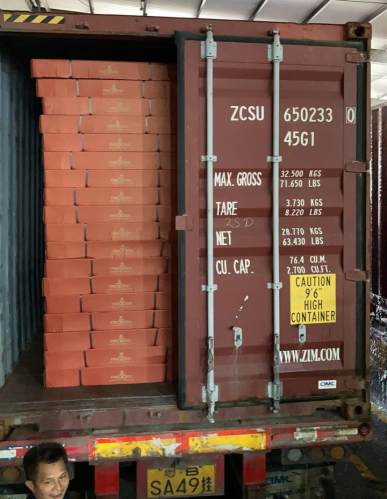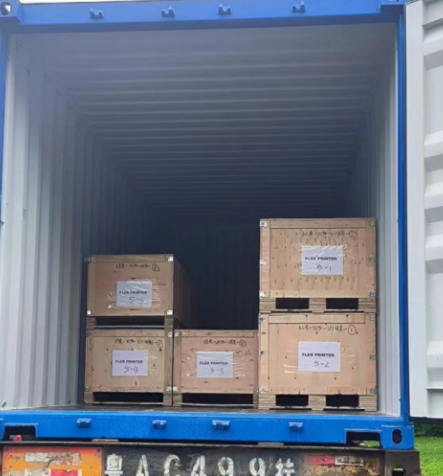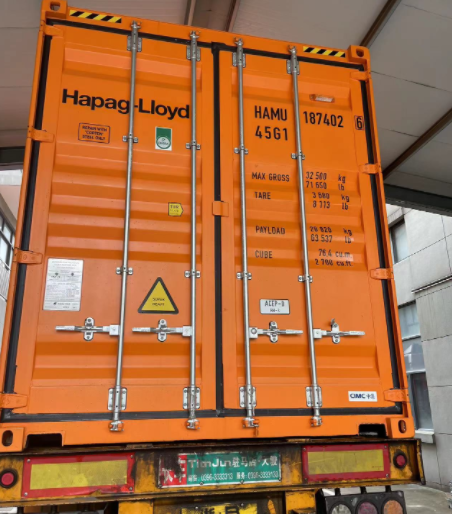
Are you wondering how much is shipping from China to Germany and what factors affect the costs? Whether you’re importing goods for business or personal use, understanding freight options like sea freight, air freight, and rail freight is crucial. In this comprehensive guide, we’ll break down shipping costs, discuss import taxes, share tips to reduce expenses, and answer common questions to help you make smart decisions when shipping from China to Germany.
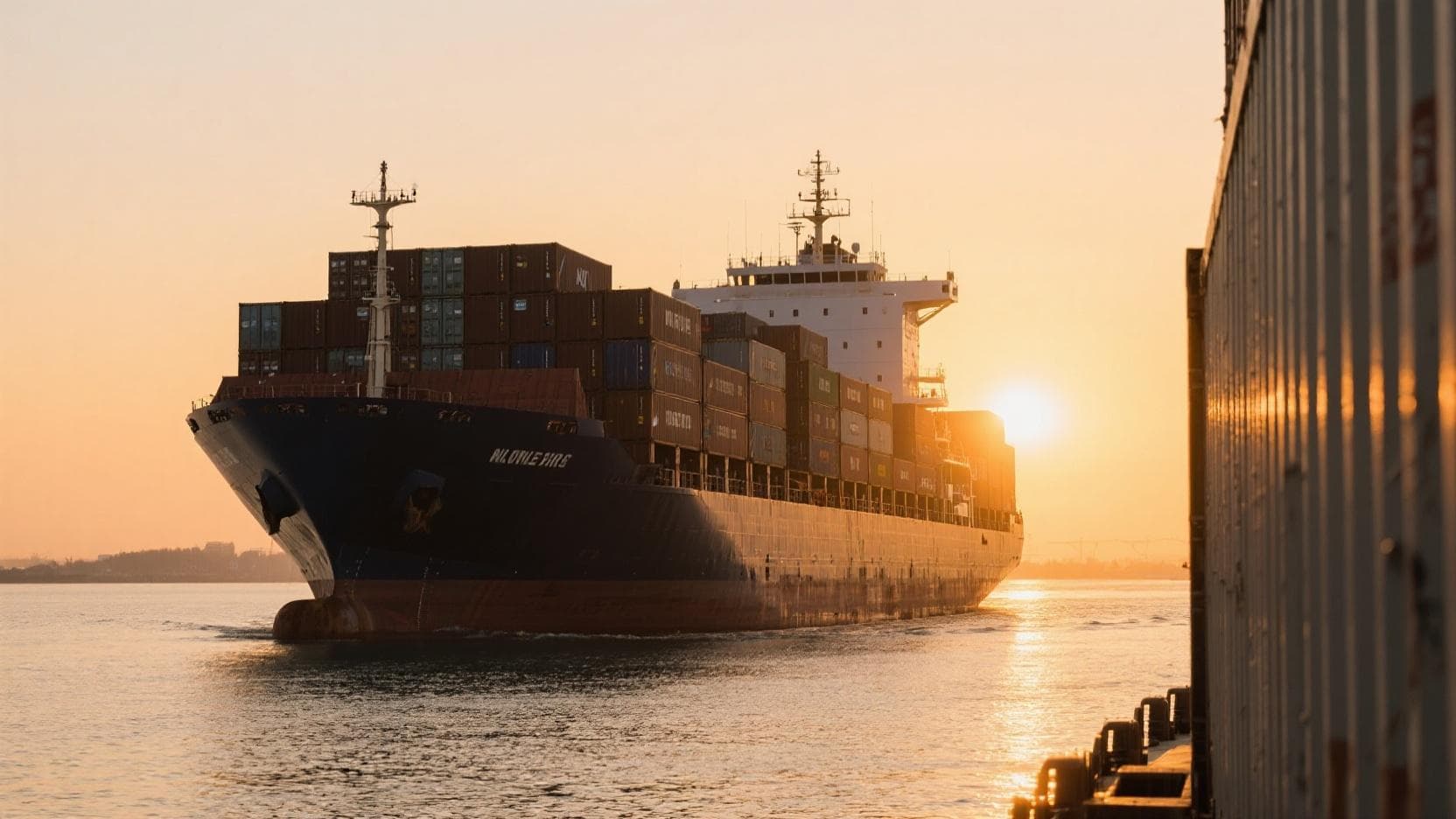
Sea freight cost from China to Germany
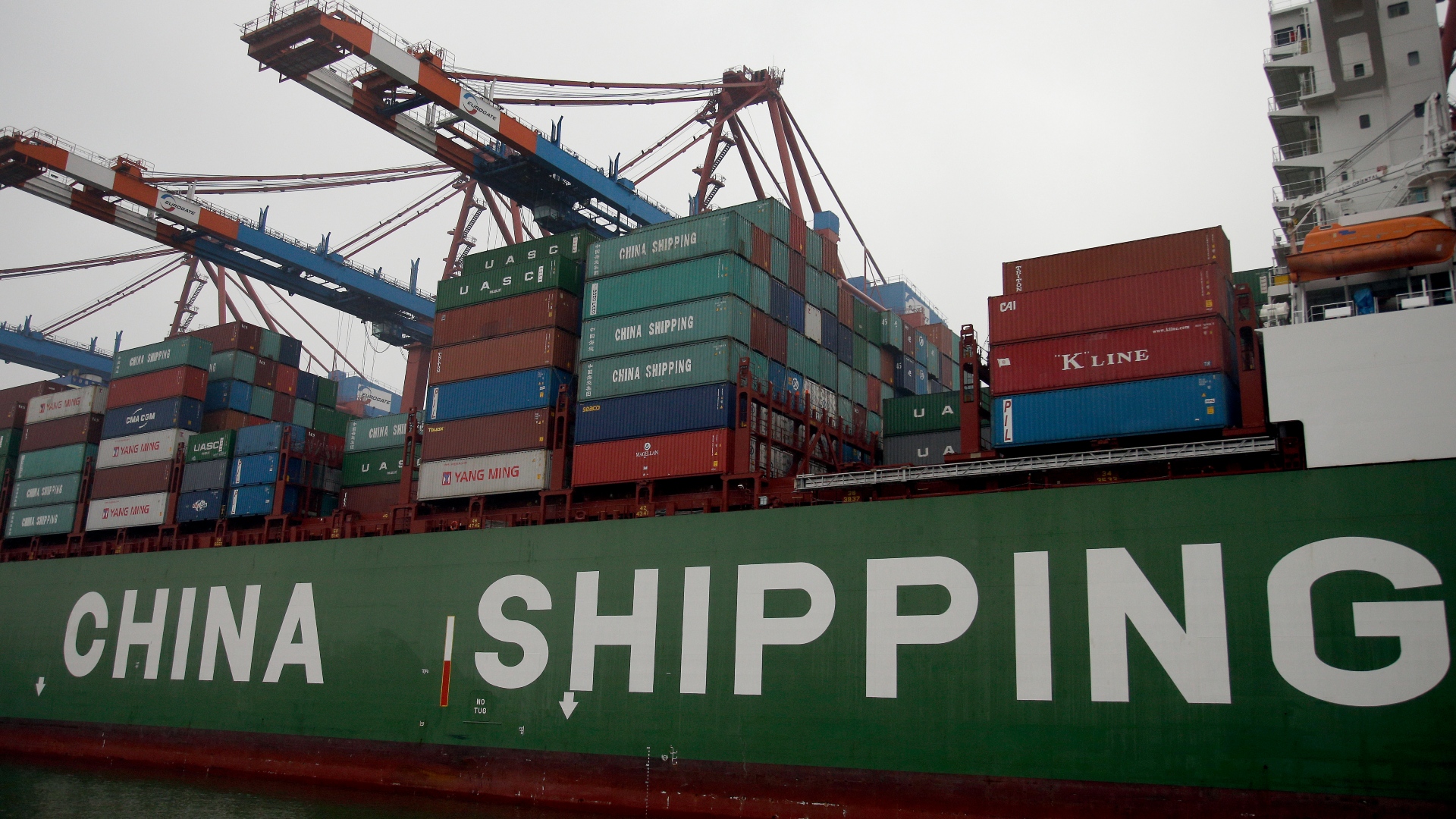
Sea freight remains the most popular shipping method for large volumes of goods moving from China to Germany due to its cost-effectiveness and capacity for bulk cargo. The price you pay will depend on several factors: the chosen container size, the departure and destination ports, type of goods, current market conditions, and seasonal demand fluctuations.
Below, I’ve summarized the core sea freight options and typical cost ranges to guide your budgeting process.
Cost of 20ft container shipping from China to Germany
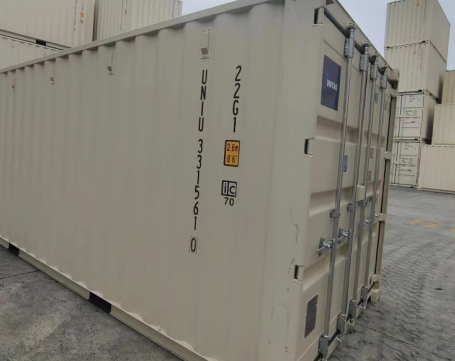
A standard 20ft container (capacity: 28CBM) is widely used by small to medium-sized businesses. The total shipping cost includes ocean freight, terminal handling, documentation, security surcharges, and local charges at both the origin and destination. Rates can change monthly due to market and fuel fluctuations.
From Port (China) |
To Port (Germany) |
Estimated 20ft FCL Rate (USD) |
Transit Time (Days) |
|---|---|---|---|
Shanghai |
Hamburg |
$2,000 – $2,800 |
28 – 35 |
Shenzhen |
Hamburg |
$2,100 – $2,900 |
29 – 36 |
Ningbo |
Bremerhaven |
$2,000 – $2,750 |
28 – 34 |
Qingdao |
Hamburg |
$2,200 – $2,950 |
32 – 38 |
Please note:
The above rates are for Full Container Load (FCL) shipments as of Q3 2025.
Prices exclude destination customs duties, taxes, or local handling charges.
For Less than Container Load (LCL), rates are calculated per CBM, generally ranging from $65 – $90/CBM.
If you’re interested in comparing the shipping cost structure for other major European lanes, check this guide on shipping from China to France.
Cost of 40ft container shipping from China to Germany
A 40ft container (capacity: 56CBM) or 40HQ (High Cube, capacity: 68CBM) is ideal for shipping larger quantities or bulky items. You get a lower cost per unit of cargo as volume increases.
From Port (China) |
To Port (Germany) |
Estimated 40ft FCL Rate (USD) |
Transit Time (Days) |
|---|---|---|---|
Shanghai |
Hamburg |
$3,500 – $4,800 |
28 – 35 |
Shenzhen |
Hamburg |
$3,600 – $5,000 |
29 – 36 |
Ningbo |
Bremerhaven |
$3,400 – $4,700 |
28 – 34 |
Qingdao |
Hamburg |
$3,600 – $5,100 |
32 – 38 |
Factors Influencing Sea Freight Cost:
Peak season surcharges (usually August to October, before major holidays)
Bunker Adjustment Factor (BAF) and fuel costs
Additional charges for special cargo (dangerous goods, oversized loads)
Port congestion or delays
Pro Tip:
For the most accurate and up-to-date quote based on your shipment details, contact a reliable freight forwarder like Dantful International Logistics. Our team provides tailored sea freight solutions, optimized routing, and consolidated shipping to achieve the best value.
Air freight cost from China to Germany per KG
Air freight is the preferred option for time-sensitive, high-value, or small-volume cargo. It offers rapid transit but at a higher cost compared to sea and rail freight. Rates are calculated based on chargeable weight (whichever is greater: actual weight or volumetric weight).
From Airport (China) |
To Airport (Germany) |
General Cargo Rate (USD/KG) |
Transit Time (Days) |
|---|---|---|---|
Shanghai (PVG) |
Frankfurt (FRA) |
$4.50 – $7.00 |
3 – 6 |
Shenzhen (SZX) |
Frankfurt (FRA) |
$4.80 – $7.50 |
3 – 6 |
Guangzhou (CAN) |
Munich (MUC) |
$4.80 – $7.80 |
4 – 7 |
Beijing (PEK) |
Frankfurt (FRA) |
$4.60 – $7.20 |
3 – 6 |
Key Considerations:
Express air freight (like DHL, FedEx, UPS) costs 30–50% more than general cargo but offers door-to-door delivery.
Special cargo (dangerous goods, lithium batteries, perishables) involves additional surcharges.
Fuel and security surcharges are variable and can impact the total cost.
For a detailed analysis of air freight rates for this route, refer to this resource on air freight from China to Germany.
Example Calculation:
Shipping a 100kg general cargo from Shanghai to Frankfurt at $6.00/kg = $600 (excluding terminal fees, customs, and local delivery).
Advantages of Air Freight:
Fastest transit (ideal for urgent shipments)
High reliability and security
Reduced inventory holding costs
Rail freight cost from China to Germany
Rail freight has become an increasingly popular option for shipping goods from China to Germany in recent years, offering a cost-effective and reliable alternative between sea and air transport. This mode is especially suitable for time-sensitive shipments that do not require the speed of air freight but need a faster solution than sea shipping.
Overview of Rail Freight Services
The main rail routes connect major Chinese cities such as Chongqing, Xi’an, Chengdu, Suzhou, and Zhengzhou with key German destinations like Duisburg, Hamburg, and Munich. Rail freight typically utilizes standard 20ft, 40ft, and 40HQ containers.
Cost Structure
Rail freight rates from China to Germany depend on several factors:
Container size (20ft, 40ft, or LCL)
Origin and destination rail terminals
Type of goods (general, dangerous, temperature-controlled, etc.)
Market demand and seasonality
Value-added services (door-to-door, customs clearance, insurance, etc.)
Typical Rail Freight Costs (2025 Reference)
Container Type |
Main Route (e.g., Xi’an → Duisburg) |
Estimated Cost (USD) |
Transit Time |
|---|---|---|---|
20ft FCL |
Xi’an to Duisburg/Hamburg/Munich |
$5,800 – $7,500 |
16 – 22 days |
40ft FCL |
Xi’an to Duisburg/Hamburg/Munich |
$8,500 – $11,000 |
16 – 22 days |
LCL (per CBM) |
Major Chinese hub to German hub |
$350 – $450 |
18 – 24 days |
Please note: Actual rates can vary based on weekly quotes, cargo characteristics, and current market trends. Dantful International Logistics provides competitive, up-to-date rail freight solutions with flexible schedules and value-added services.
For a broader look at rail connections from China to Europe, see this overview of rail freight services supporting the China-Europe trade.
Advantages of Rail Freight
Faster than sea freight (typically half the time)
More cost-effective than air freight
Reliable schedules with frequent departures
Environmentally friendly, with reduced emissions compared to air and road freight
Suitable for both full container loads (FCL) and less-than-container loads (LCL)
What is the import tax from China to Germany?
Importing goods from China into Germany involves understanding the overall tax and duty structure, which ensures compliance and accurate landed cost calculation for your shipments.
Main Types of Import Taxes and Duties
Customs Duty
Varies depending on the type of goods (HS code).
Typical rates range from 0% to 12% for most industrial and consumer goods.
Specific rates can be checked using the TARIC (Integrated Tariff of the European Communities) database.
Value-Added Tax (VAT)
The standard German VAT rate is 19%.
Some goods, such as books and food, may qualify for a reduced rate of 7%.
VAT is calculated on the CIF value (Cost + Insurance + Freight) plus customs duty.
Other Possible Levies
Anti-dumping duties: Applied to certain products (e.g., bicycles, solar panels) to protect the EU market.
Excise taxes: Applied on specific goods such as alcohol, tobacco, and energy products.
Sample Import Tax Calculation
Suppose you are importing electronics, with a CIF (Cost + Insurance + Freight) value of $10,000. Assume a 4% customs duty applies.
Cost Component |
Calculation |
Amount (USD) |
|---|---|---|
CIF Value |
– |
$10,000 |
Customs Duty (4%) |
$10,000 x 4% |
$400 |
Taxable Amount (CIF + Duty) |
$10,000 + $400 |
$10,400 |
VAT (19%) |
$10,400 x 19% |
$1,976 |
Total Import Tax & Duty |
Customs Duty + VAT |
$2,376 |
Note: These calculations are for illustration only. Actual duty rates depend on the HS code and any trade agreements in place at the time of import.
Required Documents for Customs Clearance
To ensure smooth customs clearance in Germany, importers should prepare:
Commercial Invoice
Packing List
Bill of Lading / Air Waybill / Rail Waybill
Import Declaration (via ATLAS system)
Certificates of Origin (if applicable)
Product-Specific Certificates (CE, RoHS, etc.)
Professional Guidance for Import Tax Compliance
Accurately calculating import taxes and preparing the correct documentation is essential for cost control and compliance. Partnering with an experienced freight forwarder like Dantful International Logistics ensures that your goods are classified correctly, all duties are paid, and customs clearance is handled professionally — minimizing delays and avoiding unexpected costs.
For tailored advice on your specific shipment from China to Germany, contact Dantful International Logistics. Our expertise covers every step from freight booking to customs compliance, helping your business navigate European import regulations with confidence.
Germany customs clearance & documents checklist
Navigating the customs clearance process in Germany is a crucial step for businesses and individuals importing goods from China. Proper documentation and adherence to local regulations not only ensure smooth entry of cargo but also help avoid costly delays and penalties.
Required Documents for Customs Clearance in Germany
Below is a comprehensive checklist of the main documents needed for successful customs clearance at German ports and airports:
Document Name |
Description / Purpose |
Notes |
|---|---|---|
Bill of Lading (B/L) or Air Waybill (AWB) |
Proof of shipment and carriage; required for both sea and air shipments |
Must be original or endorsed |
Commercial Invoice |
Details the value, quantity, and description of goods; used for customs duties |
Should accurately match goods |
Packing List |
Specifies packaging, dimensions, and weight of cargo |
Aids in inspection and handling |
Import Customs Declaration (EORI Number Required) |
Official declaration to German Customs (Zoll) |
EORI registration needed |
Certificate of Origin |
Verifies the country of manufacture |
Sometimes requested for duty reductions or trade agreements |
Purchase Contract / Sales Agreement |
Agreement between exporter and importer |
For larger, high-value shipments |
Insurance Certificate |
Proof of cargo insurance (optional but recommended) |
Minimizes risk during transit |
CE Certificate (If applicable) |
Shows compliance with EU standards for certain goods |
Particularly for electronics, machinery, toys, etc. |
Import License (If required) |
Necessary for restricted or controlled goods |
Check latest EU/German regulations |
Other Special Certificates |
Sanitary, phytosanitary, or other certificates as required by product type |
For food, plants, chemicals, etc. |
Important Customs Procedures and Tips
EORI Number: All importers/exporters must have an Economic Operators Registration and Identification (EORI) number before importing into Germany. This is essential for customs declarations.
Tariff Classification: Accurately classify goods using the Harmonized System (HS) code to determine import duties and comply with German/EU regulations.
Import Duties and VAT: Germany imposes import duties and value-added tax (VAT) on most goods. The rates vary by product type.
Customs Inspection: Goods may be subject to random or risk-based inspections. Ensure all documents are clear and consistent to avoid delays.
Restricted & Prohibited Items: Some items require additional permits or are banned entirely. Always verify with German customs before shipping.
Pro Tip: Partnering with an experienced freight forwarder like Dantful International Logistics ensures that all documentation and compliance matters are handled professionally, minimizing risk and transit time.
Tips to reduce shipping cost from China to Germany
Reducing shipping costs from China to Germany is a top priority for businesses looking to maximize profit margins while maintaining supply chain reliability. Here are proven strategies and actionable tips, based on my 15+ years in international logistics:
1. Compare and Optimize Shipping Modes
Mode |
Pros |
Cons |
Typical Cost Range (2025) |
|---|---|---|---|
Sea Freight |
Lowest cost for large volumes, flexible container sizes |
Slow transit (30-45 days) |
$2,000–$4,000/20ft FCL |
Rail Freight |
Faster than sea, cheaper than air |
Limited routes, weight limits |
$3,500–$6,000/40ft container |
Air Freight |
Fastest transit (3–7 days) |
Highest cost, weight limits |
$5–$10/kg |
Consolidated Shipping |
Cost-sharing for small shipments (LCL/Groupage) |
May involve extra handling |
$50–$80/cbm |
Tip: Choose the most cost-effective mode based on cargo type, urgency, and budget. For non-urgent, large shipments, prefer sea freight or rail freight.
To understand cost-saving strategies when shipping to other European markets, you may also find value in this article on shipping from China to Italy.
2. Optimize Cargo Packing and Volume
Use standard container sizes (20ft: 28CBM; 40ft: 56CBM; 40HQ: 68CBM) efficiently—maximize container utilization to lower per-unit shipping costs.
Avoid unnecessary packaging. Compact, stackable packaging reduces wasted space and cost.
For small shipments, consider consolidation services to combine cargo with other shippers.
3. Plan Shipments in Advance
Book shipments early to secure the best rates, especially before peak seasons (e.g., pre-Christmas, Chinese New Year).
Flexible shipping dates can help you take advantage of lower spot rates.
4. Negotiate with Freight Forwarders
Work with a reputable partner like Dantful International Logistics. Large-volume shippers can access preferential rates and value-added services.
Request bundled services (customs clearance, warehousing, insurance) for efficiency and possible discounts.
5. Choose Optimal Incoterms®
Negotiate favorable Incoterms® (like FOB or EXW) based on your logistics capability and risk tolerance.
Understand the cost responsibilities for each party to avoid unexpected fees.
6. Minimize Customs Duties and Taxes Legally
Correctly classify goods to ensure the lowest legitimate duty rates.
Take advantage of trade agreements or duty exemptions where applicable.
7. Leverage Technology
Use digital shipment tracking and automated quoting to compare rates and track costs.
Analyze past shipment data for cost-saving insights.
8. Avoid Common Cost Traps
Watch for hidden charges: destination fees, port surcharges, storage fees, or demurrage. Clear communication with your freight partner is essential.
Transit time from China to Germany
Understanding the transit time is crucial for planning your supply chain and maintaining a competitive edge, whether you are an importer, exporter, cross-border e-commerce seller, or a supply chain manager. Transit times from China to Germany depend on the shipping mode you choose—sea freight, air freight, or rail freight. Below, I provide a comprehensive analysis of each method, based on the latest industry data and practical experience.
1. Sea Freight Transit Time
Sea freight is the most common and cost-effective way to ship large volumes from China to Germany. Most shipments are routed to major German ports such as Hamburg and Bremerhaven.
Route |
FCL (Full Container Load) |
LCL (Less than Container Load) |
|---|---|---|
Shanghai – Hamburg |
26–32 days |
32–38 days |
Shenzhen – Hamburg |
27–33 days |
33–40 days |
Ningbo – Hamburg |
28–34 days |
33–40 days |
Qingdao – Hamburg |
28–35 days |
34–41 days |
Tianjin – Hamburg |
30–37 days |
36–43 days |
Note: Transit times can be affected by customs processes, port congestion, seasonal fluctuations, and carrier schedules. LCL shipments typically take longer due to consolidation and deconsolidation processes.
2. Air Freight Transit Time
Air freight is the fastest shipping solution from China to Germany, ideal for urgent shipments, high-value goods, and time-sensitive deliveries. Major German airports include Frankfurt and Munich.
Route |
Standard Air Freight |
Express Air Freight |
|---|---|---|
Shanghai – Frankfurt |
2–5 days |
1–3 days |
Shenzhen – Frankfurt |
2–5 days |
1–3 days |
Guangzhou – Frankfurt |
2–5 days |
1–3 days |
Beijing – Frankfurt |
2–5 days |
1–3 days |
Note: Transit time includes flight duration and general handling at origin and destination airports. Customs clearance can add 1–2 days depending on goods type and documentation.
3. Rail Freight Transit Time
Rail freight offers a balance between speed and cost, connecting major hubs across China and Germany via the China-Europe Railway Express.
Route |
Transit Time |
|---|---|
Chengdu/Chongqing/Xi’an – Duisburg/Hamburg |
17–24 days |
Note: Rail freight is suitable for both FCL and LCL shipments. It is less affected by weather and more eco-friendly compared to air freight.
4. Door-to-Door Transit Time
Including pickup, main transport, local handling, and final delivery:
Sea Freight Door-to-Door: 32–45 days
Air Freight Door-to-Door: 4–8 days
Rail Freight Door-to-Door: 20–28 days
If you’re considering home delivery options, refer to this step-by-step guide to door-to-door shipping from China to Germany.
Key Factors Influencing Transit Time
Customs clearance delays in China or Germany
Port/terminal congestion
Weather conditions (particularly for sea freight)
Holidays and peak season surcharges
Choice of shipping Incoterms (e.g., FOB, DAP)
Carrier reliability and direct vs. transshipment routes
Pro Tip: Working with a professional freight forwarder like Dantful International Logistics ensures accurate scheduling, real-time tracking, and proactive handling of any potential delays.
Freight forwarder from China to Germany
Choosing a reliable freight forwarder is essential for smooth, efficient, and cost-effective shipping from China to Germany. A professional forwarding partner will help you navigate complex logistics, provide tailored solutions, and ensure regulatory compliance.
Why Work with a Freight Forwarder?
Expertise in International Shipping: Freight forwarders understand shipping regulations, trade policies, and carrier networks between China and Germany.
End-to-End Solutions: From cargo booking, pickup, and consolidation to customs clearance and last-mile delivery, a reputable forwarder handles every stage.
Cost Optimization: Leveraging strong carrier relationships and consolidated volumes, forwarders can negotiate better rates and offer multi-modal solutions.
Documentation & Compliance: Proper document management (commercial invoice, packing list, bill of lading, customs declarations) is critical for efficient clearance.
Cargo Tracking & Insurance: Advanced tracking tools and insurance options safeguard your shipment against loss or damage.
Why Choose Dantful International Logistics?
As Dantful International Logistics, we are a highly professional, cost-effective, and high-quality one-stop international logistics service provider for global traders. Our comprehensive services for shipping from China to Germany include:
Sea Freight (FCL, LCL)
Air Freight
Rail Freight
Road Freight
Amazon FBA Shipping
Warehousing & Consolidation
Customs Clearance (both China & Germany)
Insurance
Door-to-door Solutions
OOG Freight (Out of Gauge)
Consolidated Freight
Breakbulk Freight
We offer personalized logistics strategies tailored to your business needs, whether you are an importer, exporter, manufacturer, e-commerce seller, or supply chain manager.
For a broader overview of logistics between China and Germany, including FAQs, mode comparison, and door services, see our dedicated shipping from China to Germany guide.
How to Select the Right Freight Forwarder
Verify Credentials & Experience: Look for established companies with proven routes between China and Germany.
Service Coverage: Ensure they cover all required services (transport, warehousing, customs, insurance).
Transparent Pricing: Ask for detailed quotes with clear breakdowns of all costs.
Customer Support: 24/7 customer service and a dedicated account manager streamline communication and problem-solving.
Track Record: Read reviews and request case studies or references for similar shipments.
If you want a hassle-free, efficient, and secure shipping experience from China to Germany, contact Dantful International Logistics today. Our experienced team is ready to provide a tailored freight solution and guide you through every step of your international transportation.
FAQs
How much will it cost to ship a package to Germany?
The cost to ship a package from China to Germany depends on several factors:
Shipping method: Air freight is typically more expensive than sea or rail freight.
Package weight and dimensions
Type of cargo: General vs. hazardous or oversized goods
Origin and destination cities
Service level: Door-to-door, port-to-port, express, or economy
Estimated reference rates (2025):
Shipping Mode |
Small Package (5 kg, 50x40x30cm) |
Medium Package (20 kg, 70x50x50cm) |
|---|---|---|
Air Express (DHL/FedEx) |
USD 80–130 |
USD 250–400 |
Air Economy |
USD 50–90 |
USD 160–320 |
LCL Sea Freight* |
USD 40–90 (excluding local charges) |
USD 100–170 (excluding local charges) |
*LCL costs do not include destination charges, which can be significant. For the most accurate quote, please contact Dantful International Logistics for a tailored solution.
How much does it cost to get something shipped from China to Germany?
The total shipping cost depends on cargo size, weight, shipping method, and service requirements. Here’s a general breakdown:
Sea Freight (FCL 20ft): USD 1,100–1,700 per container (port to port)
Sea Freight (FCL 40ft): USD 1,800–2,400 per container (port to port)
Air Freight: USD 4.5–8.5 per kg (general cargo, airport to airport)
Rail Freight: USD 2,000–3,000 per 40ft container (station to station)
Additional costs may include customs clearance, insurance, destination charges, and last-mile delivery. For a precise and all-inclusive quote, consult with Dantful International Logistics.
How much does it cost to ship 1kg from China to Germany?
Shipping 1kg of general cargo:
Air Express: USD 15–30 (door-to-door, all-inclusive)
Air Freight (Economy): USD 4.5–8.5 (airport to airport, excludes local fees)
Rail Freight: Typically not cost-effective for parcels <50kg
Sea Freight: Generally not suited for <50kg shipments due to minimum charges
Recommendation: For small shipments (below 50kg), use air express services. For larger shipments, consider air freight, sea freight, or rail freight based on your priorities for cost and speed.
How much is import duty in Germany?
Import duties and taxes in Germany are subject to European Union (EU) regulations:
Import Duty: Most regular goods from China are taxed at 0%–17%, depending on the product’s HS code.
Value Added Tax (VAT): 19% standard rate (as of 2025).
Other Taxes: Excise duties may apply for select items (e.g., alcohol, tobacco).
Calculation Example:
If your imported goods are valued at USD 1,000 (CIF value) with a 6% duty rate:
Duty: USD 1,000 x 6% = USD 60
VAT: (USD 1,000 + USD 60) x 19% = USD 201.40
Total Tax: USD 60 + USD 201.40 = USD 261.40
Tip: Consult your freight forwarder or customs agent for the correct HS code and exact duty rate for your goods.
What is the cheapest way to ship from China to Germany?
Sea freight (LCL or FCL) is generally the most economical option for shipments >1 CBM or >100kg. For small parcels, postal services or economy air express are cost-effective.
Comparison Table:
Shipping Mode |
Best for |
Estimated Price (per CBM/20ft) |
Transit Time |
|---|---|---|---|
Sea LCL |
1–5 CBM |
USD 40–90/CBM |
32–38 days |
Sea FCL |
>15 CBM (20ft container) |
USD 1,100–1,700 (per 20ft) |
26–32 days |
Rail Freight |
Medium—large, time-sensitive |
USD 2,000–3,000 (40ft) |
17–24 days |
Air Freight |
Urgent, high value, <500kg |
USD 4.5–8.5/kg |
2–5 days |
Air Express |
Small parcels, <30kg |
USD 15–30/kg (all in) |
1–3 days |
Pro Tip: For the lowest cost per unit, consolidate shipments where possible and work with a reputable freight forwarder like Dantful International Logistics to optimize routes and minimize hidden fees. Our team offers end-to-end solutions including sea freight, air freight, rail freight, door-to-door, customs clearance, warehouse, and more, tailored to your needs.

Young Chiu is a seasoned logistics expert with over 15 years of experience in international freight forwarding and supply chain management. As CEO of Dantful International Logistics, Young is dedicated to providing valuable insights and practical advice to businesses navigating the complexities of global shipping.