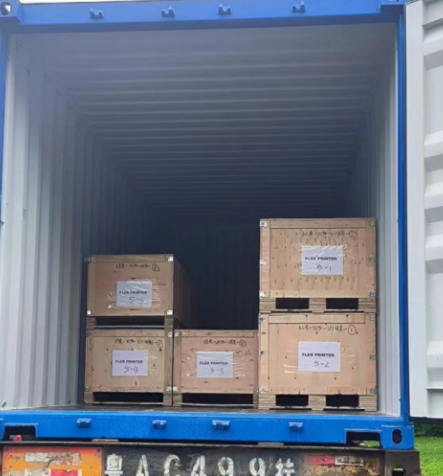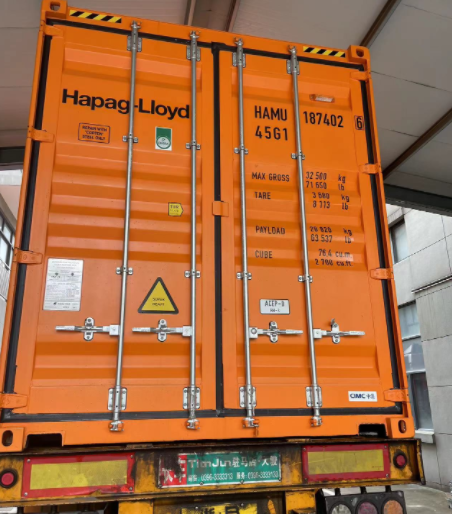
Are you wondering how much is shipping from China to Iran and what factors influence the total cost? In this comprehensive guide, we’ll break down the key elements, including sea freight, air freight, rail freight, import taxes, customs clearance, and more. Whether you’re shipping a 20ft container or a single kilogram, this blog will help you navigate all you need to know about shipping from China to Iran efficiently and affordably.
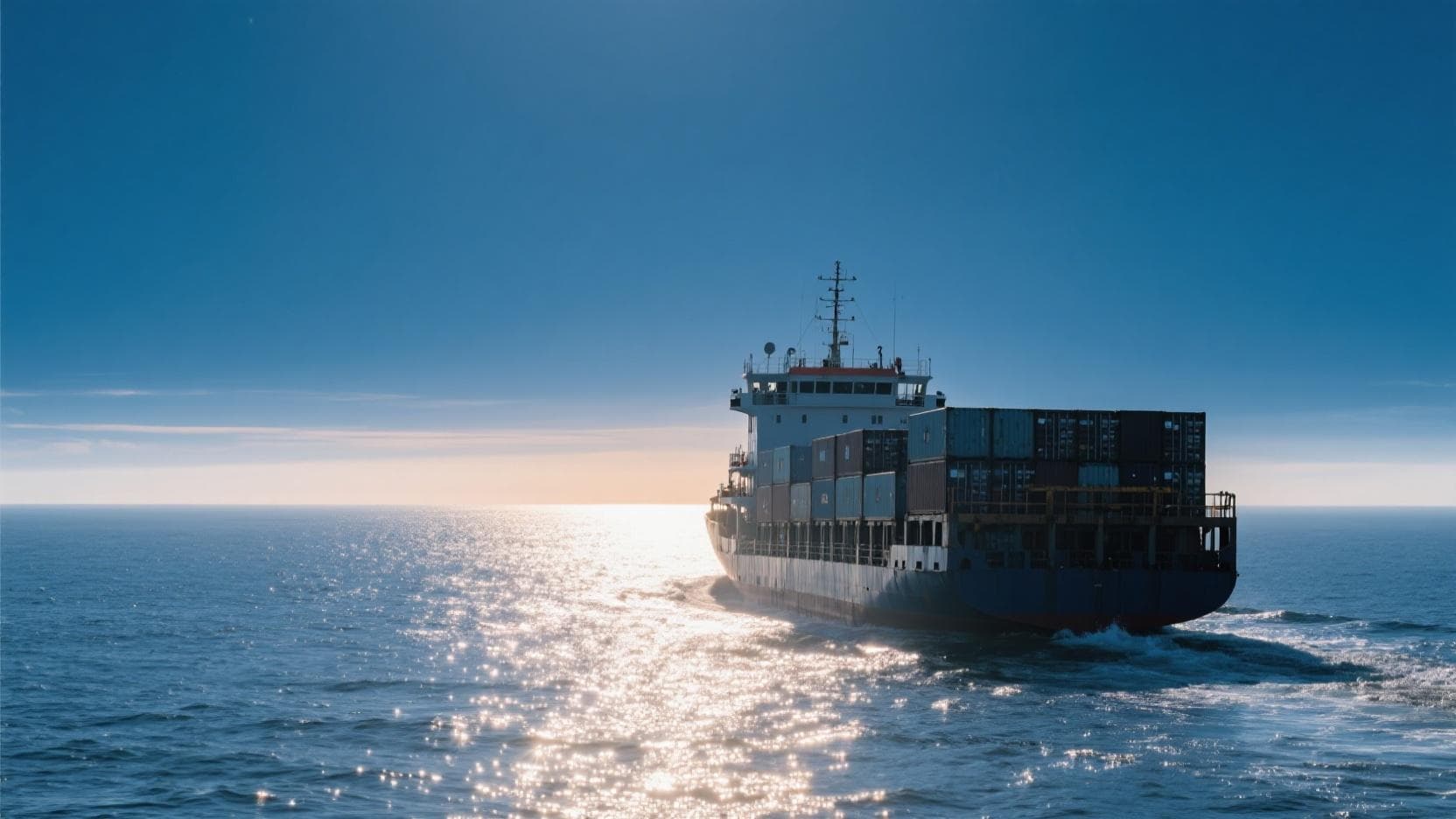
Sea freight cost from China to Iran
Shipping by sea freight remains one of the most cost-effective solutions for transporting large volumes of goods from China to Iran. As a seasoned logistics provider, Dantful International Logistics regularly handles shipments on this route, leveraging our expertise to ensure efficient and reliable delivery.
The total ocean freight cost depends on several factors:
Port of origin in China (e.g., Shanghai, Shenzhen, Ningbo, Qingdao)
Destination port in Iran (commonly Bandar Abbas)
Cargo volume and weight
Shipping season and market fluctuations
Service type (Full Container Load – FCL or Less than Container Load – LCL)
Additional surcharges (fuel adjustment, peak season, documentation, etc.)
Here’s a snapshot of typical container shipping costs (as of 2025) for the most common container sizes:
Origin Port (China) |
Destination Port (Iran) |
20ft Container (28CBM) |
40ft Container (56CBM) |
40HQ Container (68CBM) |
|---|---|---|---|---|
Shanghai |
Bandar Abbas |
USD 2,200 – 2,800 |
USD 3,800 – 4,800 |
USD 4,300 – 5,400 |
Shenzhen |
Bandar Abbas |
USD 2,200 – 2,700 |
USD 3,700 – 4,600 |
USD 4,200 – 5,200 |
Ningbo |
Bandar Abbas |
USD 2,300 – 2,900 |
USD 3,900 – 4,900 |
USD 4,400 – 5,500 |
Qingdao |
Bandar Abbas |
USD 2,400 – 3,000 |
USD 4,000 – 5,100 |
USD 4,600 – 5,700 |
Note:
Rates are subject to change based on shipping season, space availability, and international market conditions.
The above costs include basic ocean freight; destination charges, customs clearance, and inland trucking (if needed) are not included.
If you want to compare the cost structure or explore more options for shipping in the Middle East, you may find this overview of shipping from China to UAE helpful.
Cost of 20ft container shipping from China to Iran?
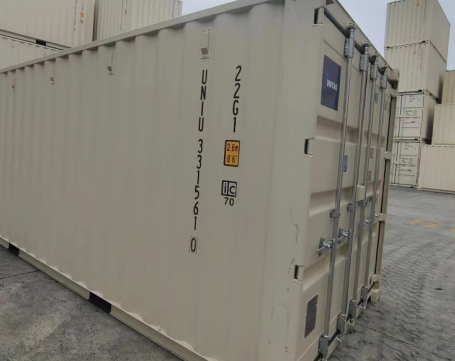
A standard 20ft container (with a maximum capacity of 28CBM) is often used for smaller loads or heavier cargo. As of Q3 2025, the typical sea freight cost for a 20ft container from major ports in China (such as Shanghai or Shenzhen) to Bandar Abbas, Iran ranges from USD 2,200 to USD 2,900 per container.
Key factors impacting the cost:
Booking during peak season may increase rates.
Surcharges may apply for hazardous or special cargo.
Local charges at both origin and destination (e.g., handling, customs, storage) are billed separately.
Cost of 40ft container shipping from China to Iran?
A standard 40ft container (56CBM) or the popular 40HQ (68CBM) is the preferred choice for larger shipments. The typical cost for a 40ft container from China to Iran (Bandar Abbas) is USD 3,700 to USD 5,100 depending on the port of loading and the time of year.
Comparison Table:
Container Type |
Capacity (CBM) |
Typical Cost (USD) |
|---|---|---|
20ft |
28 |
2,200 – 2,900 |
40ft |
56 |
3,700 – 5,100 |
40HQ |
68 |
4,200 – 5,700 |
Dantful International Logistics provides up-to-date quotations and offers flexible space arrangements, customs clearance assistance, and door-to-door delivery for both FCL and LCL shipments between China and Iran.
For a deeper look at sea transport specifics, you can also refer to the detailed guide on Sea Freight From China to Iran.
Air freight cost from China to Iran per KG
Air freight is ideal for high-value, urgent, or time-sensitive shipments from China to Iran. Although air freight is significantly faster than sea or rail, the cost per kilogram is higher. The following elements affect the cost:
Weight and volume (chargeable weight is calculated based on actual or volumetric weight, whichever is greater)
Airport of origin in China (e.g., Shanghai Pudong, Guangzhou Baiyun, Beijing Capital)
Destination airport in Iran (typically Tehran Imam Khomeini International Airport)
Service level (standard, express, consolidated)
Type of cargo (general, dangerous goods, temperature-controlled)
Typical Air Freight Rates (2025):
Origin Airport (China) |
Destination Airport (Iran) |
45kg+ (USD/kg) |
100kg+ (USD/kg) |
300kg+ (USD/kg) |
|---|---|---|---|---|
Shanghai PVG |
Tehran IKA |
6.30 – 7.10 |
5.80 – 6.90 |
5.20 – 6.40 |
Guangzhou CAN |
Tehran IKA |
6.40 – 7.20 |
6.00 – 7.00 |
5.30 – 6.50 |
Beijing PEK |
Tehran IKA |
6.50 – 7.30 |
6.10 – 7.10 |
5.40 – 6.60 |
Additional Notes:
Rates above are for general cargo, airport-to-airport service, and do not include origin handling, customs clearance, or last-mile delivery.
Shipping hazardous materials, batteries, or oversized cargo will incur extra charges.
Transit time for air freight from China to Iran is typically 3–7 days, depending on the selected service and flight availability.
For shipments below 45kg, minimum charges may apply.
Dantful International Logistics’ experienced air freight team can advise you on the best routing and provide real-time quotations, as well as value-added services like cargo insurance, documentation, and door-to-door solutions.
Rail freight cost from China to Iran
Rail freight is an increasingly popular shipping method for companies moving goods from China to Iran. It offers a middle ground between the speed of air freight and the cost-effectiveness of sea freight. With the development of the Belt and Road Initiative, rail links between major Chinese logistics hubs and cities in Iran such as Tehran, Qazvin, and Mashhad have become faster and more reliable.
For those interested in how rail options differ internationally, check out this comprehensive overview of rail freight services and their broader applications.
Main Rail Routes
The core rail route typically begins in major Chinese cities like Xi’an, Chengdu, or Zhengzhou, traverses Kazakhstan and Turkmenistan, and terminates at key Iranian rail hubs. The entire journey leverages the Trans-Caspian International Transport Route.
Key advantages:
Shorter transit time compared to sea freight (usually 14-20 days).
More cost-effective than air freight.
Suitable for a wide range of cargo, including electronics, machinery, textiles, and bulk commodities.
Typical Rail Freight Costs
Rail freight charges are calculated based on weight, cargo volume, and service level (FCL – Full Container Load or LCL – Less than Container Load). Costs fluctuate due to fuel prices, geopolitical factors, and seasonal demand.
Below is an estimated cost comparison for rail freight from China to Iran (as of 2025):
Shipping Mode |
Route Example |
20ft Container (up to 28CBM) |
40ft Container (up to 56CBM) |
LCL (per CBM) |
Transit Time |
|---|---|---|---|---|---|
Rail Freight (FCL) |
Xi’an – Tehran |
USD 3,800 – 4,800 |
USD 6,800 – 8,200 |
— |
14–20 days |
Rail Freight (LCL) |
Chengdu – Tehran |
— |
— |
USD 180 – 280 |
16–22 days |
Note: Rates are indicative, subject to change based on market fluctuations and cargo details. For precise quotes, contact a professional freight forwarder like Dantful International Logistics.
Factors Affecting Rail Freight Costs
Cargo Type & Volume: Bulk and heavy items might incur additional charges.
Origin/Destination: Direct service to main Iranian cities is more economical.
Customs & Handling Fees: Border crossings add documentation and inspection costs.
Insurance: Strongly recommended for high-value or sensitive cargo.
For a tailored rail freight solution from China to Iran, our expert team ensures timely, secure, and cost-efficient delivery for your business needs.
What is the import tax from China to Iran?
Understanding import tax is crucial for any business or individual shipping goods from China to Iran. Import tax (also known as customs duty) impacts your landed cost, affects profit margins, and helps avoid unexpected expenses at Iranian customs.
If you are considering importing into neighboring countries as well, you may also want to explore the regulatory landscape for shipping from China to Turkey.
Main Components of Import Tax
Imports into Iran are subject to several fees and taxes, typically including:
Customs Duty
Calculated as a percentage of the CIF (Cost, Insurance, Freight) value of goods.Commercial Benefit Tax
A specific tax applied to certain categories of products, based on their HS Code.Value Added Tax (VAT)
Generally levied at a standard rate on most imported goods.Other Surcharges
Possible additional fees such as inspection fees, port handling, and regulatory charges.
Typical Tax Rates (2025)
Tax Type |
Reference Rate/Explanation |
|---|---|
Customs Duty |
5% – 55% (average 15–25%, depends on product HS Code) |
Commercial Benefit Tax |
4% – 30% (varies by product category) |
VAT |
9% (standard rate for most goods) |
Other Surcharges |
Usually minor, case-by-case |
Note: Actual rates depend on the precise product classification (HS Code) and current Iranian regulations. Regular updates from Iranian Customs may affect applicable rates.
Example Calculation
Suppose you import electronic equipment (CIF value: USD 20,000):
Customs Duty: 15% of 20,000 = USD 3,000
Commercial Benefit Tax: 10% of 20,000 = USD 2,000
VAT: 9% of (20,000 + 3,000 + 2,000) = USD 2,250
Total Import Tax = USD 7,250
Essential Tips
Check the HS Code: Classify your goods accurately to determine exact duty rates.
Stay Updated: Iranian import regulations and rates can change; consult the latest customs information.
Use Professional Support: Engaging a reliable freight forwarder like Dantful International Logistics can help you navigate tariffs, handle documentation, and minimize compliance risks.
By choosing Dantful International Logistics, you benefit from expert guidance, risk mitigation, and efficient customs procedures, making your China-Iran shipping process seamless and cost-effective.
Iran customs clearance & documents checklist
Navigating Iran customs clearance is a critical step for any importer or exporter shipping goods from China to Iran. Proper documentation and compliance with Iranian regulations ensure a smooth process, reduce the risk of delays, and help avoid costly penalties. Below, I provide a comprehensive checklist of required documents, as well as practical tips to facilitate hassle-free customs clearance.
Essential Customs Documents for Shipping from China to Iran
Document Name |
Description & Tips |
Required for Sea |
Required for Air |
Required for Rail |
|---|---|---|---|---|
Bill of Lading (B/L) or Air Waybill (AWB) |
Proof of shipment and ownership. Must match cargo and consignee details. |
Yes |
Yes |
Yes |
Commercial Invoice |
Details of goods, quantity, value, and HS code. Must be clear and accurate. |
Yes |
Yes |
Yes |
Packing List |
Itemized description, weight, and packaging of cargo. |
Yes |
Yes |
Yes |
Certificate of Origin |
Identifies goods as originating in China. May be required for tariff purposes. |
Yes |
Yes |
Yes |
Import License |
For controlled/restricted goods as per Iranian law. Consult with your broker. |
Sometimes |
Sometimes |
Sometimes |
Insurance Certificate |
Proof of cargo insurance (recommended, sometimes compulsory). |
Yes |
Yes |
Yes |
Proforma Invoice |
Sometimes requested during pre-clearance, especially for large value shipments. |
Yes |
Yes |
Yes |
Iranian Standards Certificate (if applicable) |
For certain products (e.g. electronics, food, machinery), proof of compliance with Iranian standards. |
Sometimes |
Sometimes |
Sometimes |
Note: Always double-check with your freight forwarder and the latest Iranian customs regulations, as requirements may change depending on cargo type, value, or destination.
Key Steps for Smooth Customs Clearance in Iran
Work with a reliable freight forwarder
A professional partner like Dantful International Logistics can help prepare and pre-check all documentation, minimizing the risk of errors and delays.Ensure document consistency
Details such as consignee information, product description, and HS codes should match exactly across all documents.Be aware of restricted/prohibited items
Certain goods require additional permits or are banned. Consult the latest Iranian import regulations or ask your logistics provider for guidance.Understand Iran’s import duties and taxes
These are usually based on CIF (Cost, Insurance, Freight) value. Properly declaring cargo value helps avoid disputes.Timely document submission
Submit documents in advance, preferably before cargo arrival, to accelerate clearance.Customs broker support
Using a local customs broker or agent familiar with Iranian procedures can be invaluable, especially for first-time shipments.
Tips to reduce shipping cost from China to Iran
Freight costs between China and Iran can represent a significant portion of your overall supply chain expenses. Below are actionable strategies to help optimize your shipping budget, all rooted in proven industry best practices and my 15 years of hands-on experience.
For businesses in the region aiming to optimize cross-border logistics, see more on shipping from China to Middle East.
1. Optimize Your Shipment Volume and Packaging
Consolidate shipments: Instead of frequent small shipments, combine orders to utilize full container loads (FCL) or maximize space in Less than Container Load (LCL) shipments.
Efficient packaging: Use the right packaging size to reduce wasted space. This can lower volumetric weight and save on freight charges, especially for air and rail shipments.
2. Choose the Right Shipping Mode
Shipping Mode |
Cost Level |
Transit Time |
Best For |
|---|---|---|---|
Sea Freight (FCL/LCL) |
Lowest |
25-40 days |
Bulk cargo, non-urgent shipments |
Rail Freight |
Moderate |
15-25 days |
Medium-size, faster than sea |
Air Freight |
Highest |
3-7 days |
Urgent, high-value or light cargo |
Select sea freight for large volumes and non-urgent shipments.
Opt for rail if you need a balance between time and cost.
Use air freight only for urgent, lightweight, or high-value items.
3. Plan Ahead and Avoid Peak Seasons
Book shipments in advance to secure better rates.
Avoid shipping during peak times (e.g., Chinese New Year, Nowruz in Iran), when prices and congestion typically rise.
4. Leverage Freight Forwarder Expertise
Partner with an experienced freight forwarder like Dantful International Logistics. We offer competitive rates and creative solutions such as:
Cargo consolidation
Route optimization
Door-to-door logistics
5. Negotiate and Compare Rates
Always request multiple quotes for different modes and carriers.
Negotiate long-term contracts for regular shipments.
6. Reduce Extra Charges
Ensure documents are complete to avoid customs delays and demurrage costs.
Confirm cargo is properly packed to prevent damage or re-packing fees.
7. Consider Value-Added Services
Use warehouse services to consolidate cargo and optimize shipping schedules.
Invest in cargo insurance to avoid unexpected losses.
8. Stay Updated on Trade Policies
Monitor changes in Iran–China trade agreements, tariffs, and customs regulations that can impact costs.
Example: Cost Comparison Table (2025)
Route |
Shipping Mode |
Est. Cost (20ft Container) |
Transit Time |
|---|---|---|---|
Shanghai to Bandar Abbas |
Sea Freight |
$2,100 – $2,600 |
27-35 days |
Yiwu to Tehran |
Rail Freight |
$3,200 – $3,700 |
18-22 days |
Guangzhou to Tehran |
Air Freight |
$6.5 – $7.5 / kg |
4-6 days |
Rates are indicative and subject to change. For a precise quote tailored to your cargo and route, contact Dantful International Logistics directly.
In conclusion, by following these tips and partnering with a trusted service provider like Dantful International Logistics—offering Sea Freight, Air Freight, Rail Freight, Warehouse, Customs Clearance, Door to Door, and more—you can achieve significant savings and efficiency for your shipments from China to Iran. For customized solutions and the latest market insights, feel free to reach out to our team.
Transit time from China to Iran
Understanding the estimated transit time is crucial for planning your supply chain and ensuring smooth import operations from China to Iran. The actual transit time varies depending on the selected shipping method (sea freight, air freight, or rail freight), the origin and destination cities, as well as customs clearance efficiency.
Below is a comprehensive overview of typical transit times for each shipping mode:
Shipping Mode |
Route Example (Major Cities/Ports) |
Estimated Transit Time |
Notes |
|---|---|---|---|
Sea Freight (FCL/LCL) |
Shanghai/Ningbo/Shenzhen to Bandar Abbas |
18–28 days |
Includes vessel time; additional 3–7 days may be required for customs and inland haulage |
Air Freight |
Shanghai/Guangzhou to Tehran |
3–7 days |
Fastest mode; includes handling and customs clearance at both airports |
Rail Freight |
Xi’an/Yiwu to Tehran |
14–20 days |
Via China–Central Asia–Iran rail corridor; may involve intermodal transfer |
Key Considerations:
Sea Freight is most cost-effective for large-volume shipments, but subject to schedule variability, port congestion, and customs delays—especially at Bandar Abbas, the primary Iranian seaport.
Air Freight is ideal for urgent or high-value cargo, with regular direct and indirect flights connecting major Chinese cities to Tehran. However, air capacity and customs clearance speed can impact total door-to-door time.
Rail Freight has become increasingly popular due to China’s Belt and Road Initiative, offering a balance between speed and cost. The China–Iran rail route connects inland cities and allows for containerized and consolidated cargo.
Additional Time Factors:
Customs clearance in both China and Iran may add 2–5 days, depending on documentation accuracy and product category.
Local delivery from Iranian ports or rail terminals to inland destinations typically takes 1–3 days.
At Dantful International Logistics, we closely monitor all transit routes and schedules to provide the most reliable and up-to-date estimates. Our logistics experts will advise you on the optimal shipping method for your shipment’s urgency, cost, and handling requirements.
Transit time from China to Iran
Understanding the transit time between China and Iran is critical for businesses to plan inventory, manage supply chains, and set accurate delivery expectations. Transit time depends on several factors, including the chosen shipping mode (sea freight, air freight, or rail freight), the origin and destination points, customs clearance efficiency, and seasonal fluctuations.
Below is a comprehensive overview of typical transit times for major shipping methods from key ports and airports in China to main destinations in Iran:
Shipping Mode |
Origin (China) |
Destination (Iran) |
Estimated Transit Time |
Notes |
|---|---|---|---|---|
Sea Freight (FCL/LCL) |
Shanghai, Shenzhen, Ningbo |
Bandar Abbas, Imam Khomeini Port |
18-28 days |
Subject to vessel schedules, potential for port congestion |
Air Freight |
Guangzhou, Shanghai, Beijing |
Tehran (IKA Airport) |
3-7 days |
Includes flight time & basic customs clearance |
Rail Freight |
Yiwu, Chongqing, Suzhou |
Tehran, Isfahan |
15-22 days |
Dependent on train routes and border clearance |
Door-to-Door |
Any major city |
Tehran/Other cities |
7-30 days |
Combines shipping + local delivery; varies by service level |
Detailed Analysis
Sea Freight is the most cost-effective option for bulk shipments, but also the slowest. Delays may occur due to customs or limited vessel frequency.
Air Freight is ideal for urgent, high-value, or perishable goods. While faster, it comes with higher costs and strict weight/size limitations.
Rail Freight offers a balance between speed and cost, utilizing the Silk Road Economic Belt; it’s increasingly popular for stable, large shipments not as urgent as air freight.
Door-to-door transit time depends on the first-leg transport (sea/air/rail), customs clearance, and local delivery within Iran.
Factors Influencing Transit Time
Peak seasons (such as before Chinese New Year) can increase shipping time due to higher volumes.
Customs clearance delays both in China and Iran, especially if documentation is incomplete.
Weather conditions and regional geopolitical situations may also have an impact.
As a reliable and experienced freight forwarder, Dantful International Logistics provides up-to-date tracking, professional documentation assistance, and customs support to help clients minimize delays and ensure smooth transit. Our one-stop logistics service covers sea, air, rail, road, customs clearance, warehousing, insurance, and more, tailored for shipments from China to Iran.
Freight forwarder from China to Iran
Choosing the right freight forwarder is essential for efficient, secure, and cost-effective shipping from China to Iran. As a leading service provider, Dantful International Logistics offers comprehensive forwarding solutions tailored to the needs of importers, exporters, and supply chain managers.
Why Work with Dantful International Logistics?
Expertise: With over 15 years of experience, our team has deep knowledge of China–Iran shipping routes, Iranian customs regulations, and local delivery intricacies.
Service Coverage: We provide end-to-end services, including Sea Freight, Air Freight, Rail Freight, Road Freight, Amazon FBA, Warehousing, Customs Clearance, Cargo Insurance, Door-to-Door Delivery, OOG Freight, Consolidated Freight, and Breakbulk Freight.
Custom Solutions: Each shipment is unique. We offer tailored solutions—whether you require full container load (FCL), less-than-container-load (LCL), expedited air, or multimodal transport.
Cost Efficiency: Through direct contracts with major shipping lines, airlines, and rail operators, we secure competitive rates, helping you minimize logistics costs without sacrificing service quality.
Transparent Communication: Our digital tracking system and dedicated customer support ensure you always know the status of your cargo.
How We Add Value:
Route Optimization: We analyze your shipment’s origin, destination, and timeline to recommend the most suitable and reliable shipping route—whether via Shanghai, Ningbo, Shenzhen, or inland rail terminals.
Customs & Compliance: Our in-house compliance team assists with document preparation and customs clearance, reducing the risk of delay or penalties at Iranian borders.
Cargo Safety: Comprehensive insurance options and strict handling protocols safeguard your goods throughout the journey.
Integrated Logistics: Need warehousing, distribution, or last-mile delivery in Iran? We provide seamless connections, saving you time and resources.
Typical Steps in Freight Forwarding from China to Iran:
Cargo Pick-Up: Collection from your supplier or factory in China.
Export Customs Clearance: Handling all necessary documentation and export declarations.
International Shipping: By sea, air, or rail to the main port/airport/terminal in Iran (e.g., Bandar Abbas, Tehran).
Import Customs Clearance: Smooth processing with local authorities in Iran.
Inland Delivery: Final delivery to your warehouse, distribution center, or end client.
Ready to Ship from China to Iran?
Contact Dantful International Logistics for a free consultation and tailored shipping quote. Our expertise as a highly professional, cost-effective, and high-quality one-stop international logistics service provider means your cargo is in safe hands.
If you want to learn more about the freight forwarder solutions for this corridor, see the dedicated page on freight forwarder from China to Iran.
FAQs
How much does it cost to ship from China to Iran?
The shipping cost varies significantly based on the shipping mode, cargo volume/weight, origin and destination, and the type of service selected. As a general guideline:
Sea Freight (20ft FCL): USD 2,000–3,500 per container (to Bandar Abbas)
Sea Freight (40ft FCL): USD 3,200–5,500 per container
LCL (Less than Container Load): USD 80–150 per CBM
Air Freight: USD 4.5–8.5 per kg (depending on the airline, weight, and urgency)
Rail Freight: USD 3,000–5,000 per 40ft container
Note: Prices fluctuate due to fuel costs, market demand, and seasonal factors. For the most accurate and up-to-date quotation tailored to your shipment, please consult Dantful International Logistics.
You can see more region-specific price references and recent updates at shipping rates from China to Iran.
How long does it take to get from China to Iran?
Transit time depends on the shipping method:
Sea Freight: 18–28 days (port-to-port)
Air Freight: 3–7 days (airport-to-airport)
Rail Freight: 15–22 days (terminal-to-terminal)
Door-to-door: 7–30 days (depending on combined services and inland delivery)
Efficient documentation, proper planning, and working with an experienced freight forwarder like Dantful International Logistics can help minimize any unforeseen delays.
How much does it cost to ship 1kg from China to Iran?
For small shipments or samples, air freight is typically the preferred solution. The cost to ship 1kg from China to Iran generally ranges from USD 4.5 to 8.5 per kg, factoring in:
Nature of goods (general, battery, dangerous goods, etc.)
Service level (standard, express, economy)
Origin and destination city
For express courier services (DHL, FedEx, UPS), rates may be higher, but offer door-to-door delivery and tracking. If you have frequent shipments or larger volumes, Dantful International Logistics can offer consolidated shipping solutions at more competitive rates.

Young Chiu is a seasoned logistics expert with over 15 years of experience in international freight forwarding and supply chain management. As CEO of Dantful International Logistics, Young is dedicated to providing valuable insights and practical advice to businesses navigating the complexities of global shipping.