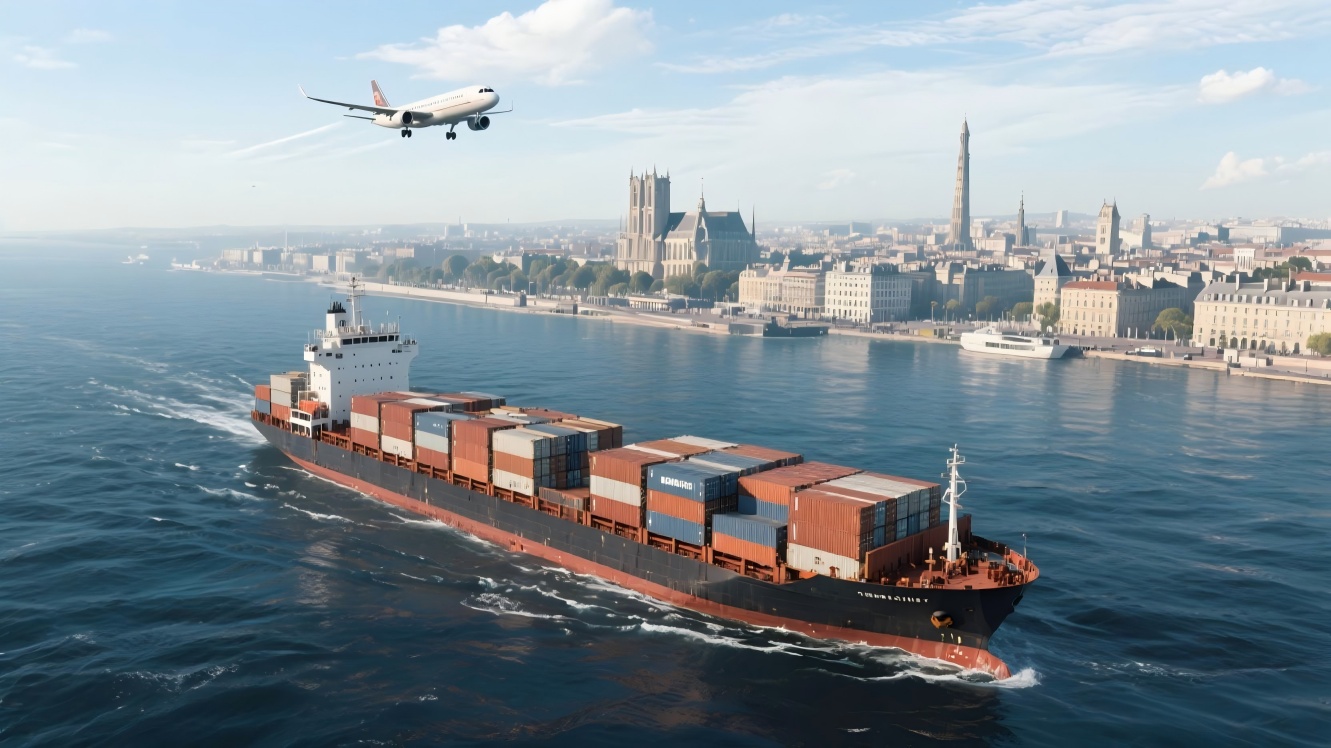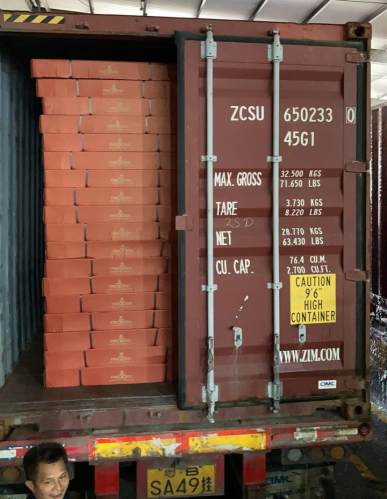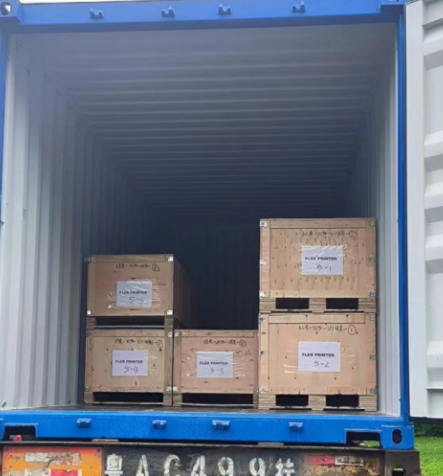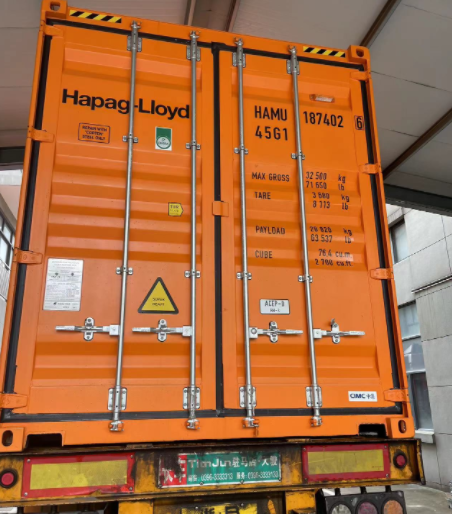
Are you wondering how much is shipping from China to Kuwait and what factors influence these costs? Understanding the complexities of shipping rates, freight methods, and potential hidden fees can make a significant difference for your business. In this comprehensive guide, we’ll dive into the key determinants of shipping costs, compare air freight and sea freight options, and provide expert tips for securing the best rates on your shipments from China to Kuwait.
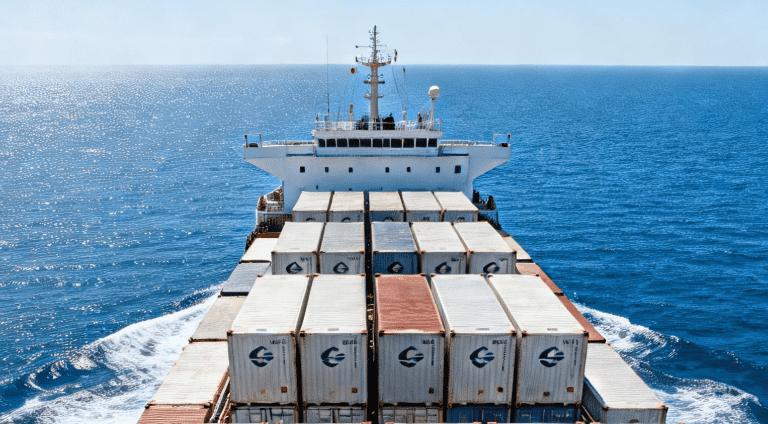
What Determines the Cost of Shipping from China to Kuwait?
Key Factors Influencing Shipping Rates
The cost of shipping from China to Kuwait is shaped by several major factors, each directly impacting your final logistics budget. Understanding these allows businesses to make informed decisions and optimize their supply chain.
- Shipping Method: Choosing between air freight and sea freight significantly affects both price and transit time. Air is faster but more expensive, while sea is cost-effective for larger shipments.
- Shipment Size and Weight: Heavier and bulkier goods typically incur higher shipping fees, but rates per kilogram decrease as total weight increases, especially for consolidated or full-container loads.
- Type of Cargo: Hazardous, oversized, or temperature-sensitive goods may require special handling, packaging, or equipment—leading to surcharges.
- Origin and Destination: The specific Chinese port (e.g., Shanghai, Shenzhen, Ningbo) and Kuwaiti port (primarily Shuwaikh Port) influence local charges, handling fees, and sometimes taxes or surcharges.
- Seasonality and Market Demand: Peak seasons (such as pre-holiday, Ramadan, or Chinese New Year) can cause considerable rate fluctuations due to capacity constraints.
- Fuel Surcharges and Currency Fluctuations: Airlines and shipping lines update fuel surcharges regularly. Currency exchange rates between CNY and USD/KWD also play a role in the quoted price.
- Value-Added Services: Services such as customs clearance, insurance, and door-to-door delivery add to the overall cost.
Impact of Shipment Size and Weight
One of the most critical determinants is the volume and mass of your cargo. Both air freight and sea freight calculate charges based on either actual weight or volumetric (dimensional) weight—whichever is greater.
- Air Freight:
Charges are based on the higher of gross weight or volumetric weight (calculated as Length x Width x Height in cm / 6000). Lighter, bulky cargo may cost more than denser cargo of the same weight. - Sea Freight:
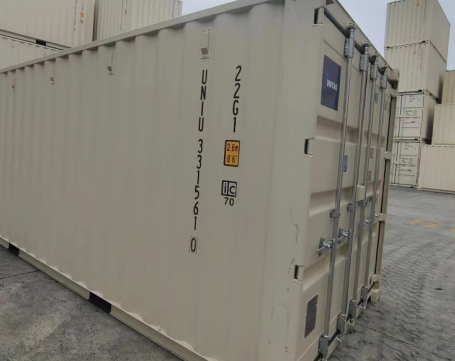
For Full Container Load (FCL), you pay a flat rate for the entire container (20FT = 28CBM, 40FT = 56CBM, 40HQ = 68CBM). Less than Container Load (LCL) shipments are charged by cubic meter (CBM) or per ton, whichever is greater.
Example of Cost Impact:
| Shipment Type | Volume/Weight | Typical Rate Basis |
|---|---|---|
| Air Freight | 500 kg, 2 CBM | Charged as 500 kg or 333 kg (2CBM x 167), whichever is higher |
| Sea Freight FCL 20FT | Up to 28 CBM | Flat rate for 20FT container |
| Sea Freight LCL | 5 CBM, 1 ton | Charged by 5 CBM (if 1 ton < 5 CBM) |
The larger your shipment (in terms of volume for sea, or weight for air), the more cost-efficient it becomes on a per-unit basis. Consolidating shipments or upgrading from LCL to FCL is often more economical for larger consignments.
If you are comparing LCL vs FCL for your trade, see this LCL vs FCL Shipping: How to Choose the Right Option for Small Cargo resource for an in-depth guide.
How Shipping Routes and Distance Affect Costs
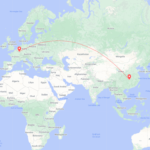
Shipping routes between China and Kuwait primarily involve transit from leading Chinese ports (such as Shanghai, Ningbo, Shenzhen) to Kuwait’s Shuwaikh Port or Kuwait International Airport. The chosen route, number of transshipments, and total distance influence both cost and delivery time.
- Direct vs. Indirect Routes:
Direct sailings or flights are typically faster but can be costlier. Indirect shipments (with stops at hubs like Jebel Ali in the UAE) may offer cost savings, but can extend transit times. - Port Congestion and Handling Fees:
Major hubs handle cargo efficiently, but smaller ports or those with congestion may incur higher docking or demurrage fees. - Geopolitical and Regional Factors:
Security, sanctions, or disruptions in the Middle East can affect pricing and route availability.
By working with a professional freight forwarder like Dantful International Logistics, you can optimize routing and minimize unnecessary transshipment charges and delays. Additionally, for businesses shipping to the broader region, you may want to review our insights on Middle East orders directly from China.
Main Shipping Methods from China to Kuwait: Air Freight vs. Sea Freight
Air Freight: Costs, Transit Time, and When to Use It
Air freight is the preferred method for businesses requiring speed, reliability, and high security. It is typically used for:
- High-value, time-sensitive, or perishable goods.
- E-commerce shipments with tight delivery windows.
- Urgent industrial supplies or spare parts.
Typical Costs & Transit Time:
- Cost Range: USD $4.00 – $8.00 per kilogram (as of Dec 2025, subject to route and cargo type).
- Transit Time: 3 to 7 days (airport-to-airport, depending on origin, destination, and connections).
Pros:
- Fastest delivery option from major Chinese airports (e.g., Shanghai PVG, Guangzhou CAN) to Kuwait International Airport.
- Low risk of damage or loss due to shorter transit time and tight airline security.
- Predictable schedules and simplified tracking.
Cons:
- Higher cost per kilogram, especially for bulky or heavy items.
- Strict regulations on dangerous goods.
When to Choose Air Freight:
Opt for air freight when shipping electronics, pharmaceuticals, or high-demand consumer goods, or when inventory replenishment time is critical.
Sea Freight: FCL vs. LCL, Pricing Structure, and Suitability
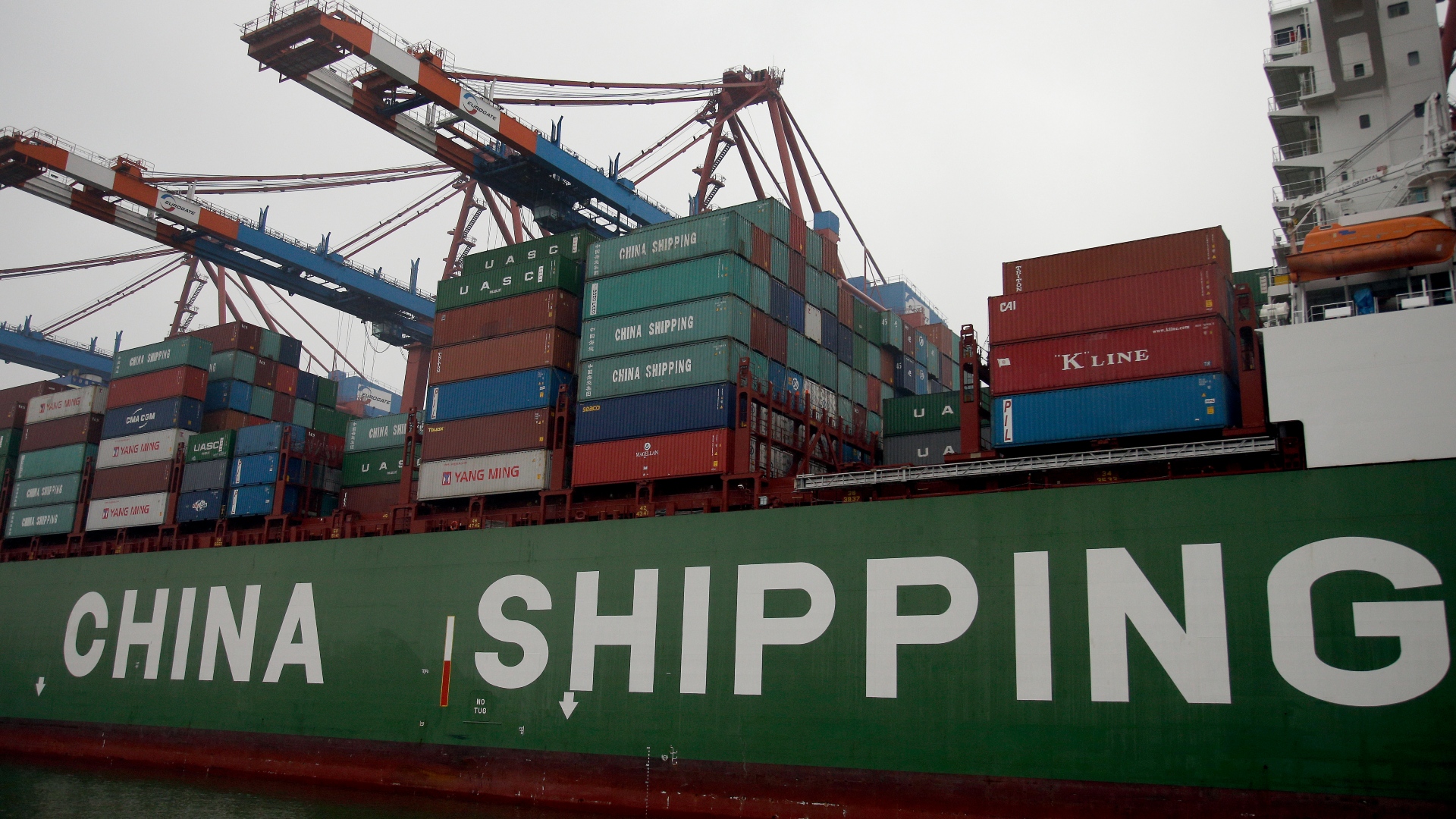
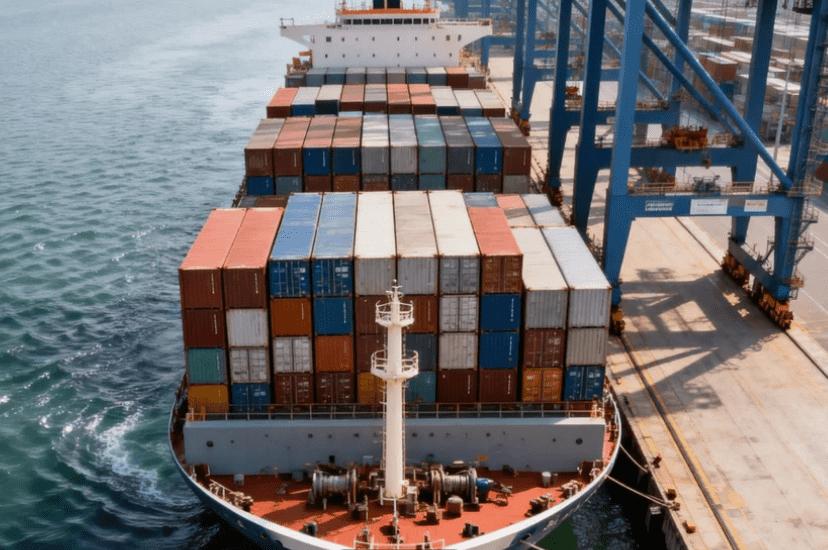
Sea freight is the most cost-effective solution for large and less time-sensitive shipments. Two main options are available:
Full Container Load (FCL):
You pay for exclusive use of a container (20FT/40FT/40HQ). Ideal for volumes exceeding 15 CBM or when the entire container is needed.Less than Container Load (LCL):
Your cargo shares container space with other consignments, and you pay based on the volume used (minimum 1 CBM).
Typical Costs & Transit Time:
| Shipping Type | Example Size | Estimated Cost* (USD) | Transit Time (Port-to-Port) |
|---|---|---|---|
| FCL 20FT | 28 CBM | $1,500 – $2,200 | 20 – 28 days |
| FCL 40HQ | 68 CBM | $2,400 – $3,600 | 20 – 28 days |
| LCL | 5 CBM | $80 – $120 per CBM | 25 – 35 days |
*Actual rates vary based on seasonality, carrier, and destination-specific surcharges.
Pros:
- Lowest cost per unit for large shipments.
- Suitable for all cargo types (general, bulk, machinery, etc.).
- Flexible in terms of volume and frequency.
Cons:
- Longer transit times compared to air freight.
- Potential for cargo delays due to transshipment or customs processing.
When to Choose FCL/LCL:
- FCL is ideal for bulk shipments, fragile items needing exclusive space, or when security is a concern.
- LCL is suitable for small or moderate shipments that do not fill a full container.
At Dantful International Logistics, we provide comprehensive sea freight and air freight solutions, including consolidation, customs clearance, insurance, and door-to-door service. Our tailored approach ensures you receive the most cost-effective, secure, and reliable shipping for your cargo from China to Kuwait.
For readers seeking more details on sea freight to this region, see our complete guide on Sea Freight From China to Kuwait.
Typical Shipping Costs from China to Kuwait
When shipping goods from China to Kuwait, understanding the typical cost structure is crucial for budgeting and supply chain planning. Shipping rates depend on the shipping mode, cargo volume and weight, current market conditions, and the specifics of your consignment. As a logistics professional with over 15 years of experience, I provide here an overview based on real data and consistent market research.
Average Air Freight Rates per Kilogram
Air freight is highly favored for urgent, high-value, or time-sensitive shipments from China to Kuwait. The rates are typically quoted per kilogram, influenced by cargo type, seasonality, and airline surcharges. As of Dec 2025, average market rates are:
| Weight Break (kg) | General Cargo Rate (USD/kg) | Transit Time (Days) |
|---|---|---|
| 45 – 100 | $4.80 – $6.20 | 3 – 6 |
| 100 – 300 | $4.20 – $5.80 | 3 – 6 |
| 300+ | $3.80 – $5.20 | 3 – 6 |
Note: Rates may fluctuate due to fuel surcharges, peak season demand, or special handling requirements for dangerous or oversized goods. For the latest and most accurate rates, consult with a reputable freight forwarder like Dantful International Logistics.
Ocean Freight Rates: FCL and LCL Examples
Sea freight is the most cost-effective solution for bulk and non-urgent shipments. There are two main types:
- FCL (Full Container Load): You pay for exclusive use of a container.
- LCL (Less than Container Load): You share container space with other shippers, paying based on volume (CBM).
Below are reference rates for typical container sizes and LCL shipments from major Chinese ports (e.g., Shanghai, Shenzhen) to Kuwait’s Shuwaikh Port as of Dec 2025:
| Shipping Mode | Container Type | Capacity (CBM) | Market Rate (USD) | Transit Time (Days) |
|---|---|---|---|---|
| FCL | 20FT | 28 | $1,800 – $2,300 | 22 – 28 |
| FCL | 40FT | 56 | $2,800 – $3,500 | 22 – 28 |
| FCL | 40HQ | 68 | $3,000 – $3,800 | 22 – 28 |
| LCL | Per CBM | — | $90 – $140/CBM | 22 – 28 |
Important: LCL rates usually have a minimum charge (commonly 1–2 CBM). Rates can be affected by fuel surcharges, congestion at ports, and fluctuations in the shipping market.
For more granular pricing information, be sure to review our up-to-date container shipping costs from China to Kuwait guide.
Cost Comparison Table: Air vs. Sea Freight
The following table provides a side-by-side comparison for a typical shipment (1,000 kg, 10 CBM):
| Criteria | Air Freight | Sea Freight (LCL) |
|---|---|---|
| Estimated Cost | $4,200 – $5,800 | $900 – $1,400 |
| Transit Time | 3 – 6 days | 22 – 28 days |
| Best For | Urgent, high-value goods | Bulk, non-urgent goods |
| Reliability | High | Medium |
Key Insight: Air freight offers speed, which justifies its higher cost for time-critical shipments. Sea freight is more economical for larger, less urgent consignments.
Additional Charges and Hidden Fees to Consider
Beyond main freight charges, several ancillary costs can significantly impact your total expenditure. A transparent breakdown helps you avoid surprises and properly estimate your total landed cost.
Customs Duties, Taxes, and Import Regulations in Kuwait
All shipments entering Kuwait are subject to import regulations and customs clearance procedures. Key considerations include:
- Customs duties: Generally, Kuwait imposes a standard duty rate of 5% on most goods, calculated on CIF (Cost + Insurance + Freight) value. Some items may have different rates or be exempt.
- Value Added Tax (VAT): As of 2025, there is no nationwide VAT in Kuwait, but this may change. Always verify with updated sources.
- Import permits and compliance: Specific products may require additional documentation, certifications, or approval from regulatory bodies (e.g., electronics, pharmaceuticals).
Tip: Work with a knowledgeable freight forwarder like Dantful International Logistics to ensure full compliance and avoid customs delays or penalties.
Port Handling and Documentation Fees
Both origin and destination ports levy various service charges:
- Terminal Handling Charges (THC): Fees for container loading/unloading at the port.
- Bill of Lading (B/L) fees: Documentation charges for issuing shipping documents.
- Port storage fees: Charged if cargo is not cleared within the free period.
- Delivery order fees: For releasing goods at destination.
Typical Ranges:
| Fee Type | Estimated Range (USD) |
|---|---|
| THC (per container) | $150 – $300 |
| B/L Issuance | $40 – $80 |
| Port Storage (per day) | $10 – $30 |
| Delivery Order | $60 – $100 |
Insurance and Value-Added Services Costs
Shipping insurance is strongly recommended to protect against loss or damage in transit. In addition, value-added services may be required depending on your shipment’s complexity.
- Cargo Insurance: Usually 0.12% – 0.25% of the insured cargo value.
- Warehousing: Temporary storage at origin or destination, cost varies by duration and volume.
- Customs brokerage: Professional assistance for customs documentation, commonly $60 – $200 per entry.
- Other Services: Packing, palletizing, OOG (Out-of-Gauge) handling, and consolidation.
Working with Dantful International Logistics ensures all these costs are transparently explained during the quote process, with no hidden fees. Our one-stop service covers sea freight, air freight, customs clearance, insurance, warehousing, door-to-door deliveries, and more, providing global traders with highly professional, cost-effective, and reliable logistics solutions.
How to Get the Best Shipping Rates from China to Kuwait
Tips for Negotiating with Freight Forwarders
Securing competitive shipping rates from China to Kuwait requires a strategic approach when working with your freight forwarder. Here’s how you can optimize your costs:
- Consolidate Shipments: Combine multiple orders into a single shipment to increase volume and leverage lower rates per cubic meter or kilogram, especially for LCL (Less than Container Load) ocean freight.
- Flexible Scheduling: Being flexible with your shipping dates enables you to take advantage of off-peak rates and available space on vessels or flights.
- Long-Term Partnerships: Establishing an ongoing relationship with a reputable provider like Dantful International Logistics often results in preferential rates and tailored solutions.
- Transparent Quotation: Request a detailed quote that itemizes all charges—freight, fuel surcharges, documentation, and customs—so you can compare apples to apples.
- Volume Contracts: If you ship regularly, negotiate annual or semi-annual contracts to lock in better rates and minimize exposure to market fluctuations.
- Leverage Market Insight: Stay updated on market trends (for instance, fuel surcharges or port congestion) and use this knowledge during negotiations.
How to Calculate Total Landed Cost
Understanding the full expense of importing goods from China to Kuwait is vital for accurate budgeting and pricing. The landed cost includes:
| Cost Component | Description |
|---|---|
| Product Cost | Invoice value of your goods |
| International Freight | Sea, air, rail, or road freight from origin to destination |
| Insurance | Optional but recommended—covers goods in transit |
| Customs Duties & Taxes | Imposed by Kuwaiti customs—varies by HS Code and product type |
| Port Handling & Terminal Fees | Costs for unloading, storage, and administration at both ports |
| Inland Transportation | Trucking from Kuwait port to your final delivery address |
| Documentation Fees | Fees for shipping documents, certificates, and customs clearance |
| Value-Added Services | Warehousing, packaging, or special handling (if required) |
Formula Example:
Total Landed Cost = Product Cost + International Freight + Insurance + Customs Duties & Taxes + Port Fees + Inland Transportation + Documentation + Value-added Services
Knowing the total landed cost helps you make informed decisions and avoid unexpected expenses.
Recommended Practices for Reducing Freight Expenses
To keep your logistics budget under control, consider the following proven strategies:
- Optimize Packaging: Use appropriately sized packaging to maximize container utilization and avoid paying for empty space.
- Choose the Right Shipping Mode: For urgent or high-value goods, air freight may be justified despite higher costs; for bulk shipments, sea freight is more economical. Compare FCL (Full Container Load) and LCL based on your shipment size.
- Plan Ahead: Early booking often secures better rates and avoids last-minute surcharges.
- Consider Alternative Ports: Shipping to less congested ports in Kuwait or via nearby GCC countries may reduce costs.
- Use a Reliable Partner: Partnering with a professional, experienced company like Dantful International Logistics ensures transparent pricing, efficient routing, and proactive problem-solving.
- Regular Review: Continuously monitor your shipping performance and costs to identify inefficiencies and opportunities for further savings.
For those considering trading or shipping to surrounding Middle East markets, see our guide on Shipping from China to Saudi Arabia.
Shipping Timeframes from China to Kuwait: What to Expect
Average Transit Times for Air and Sea Freight
Transit time is a critical consideration when planning your supply chain. Here are typical shipping durations as of Dec 2025:
| Shipping Method | Main Route (e.g., Shanghai to Kuwait City) | Average Transit Time |
|---|---|---|
| Air Freight | Direct/Indirect via major hubs | 3 – 7 days |
| Sea Freight FCL | Major ports (e.g., Shanghai/Shenzhen to Shuwaikh Port) | 20 – 28 days |
| Sea Freight LCL | Same as above (includes consolidation) | 24 – 32 days |
Note: Transit times may vary based on origin port, carrier schedules, and seasonal demand.
Factors That Can Delay Shipments
Several factors may impact your shipment’s arrival time:
- Customs Clearance Delays: Incomplete or incorrect documentation may cause hold-ups at Kuwait customs.
- Port Congestion: Busy periods, especially ahead of holidays, can result in vessel or container backlog.
- Weather Conditions: Severe weather in transit regions can delay both sea and air shipments.
- Transshipment Operations: If your cargo is routed via transshipment hubs (e.g., Singapore, Jebel Ali), additional handling time may be required.
- Unexpected Events: Strikes, geopolitical events, or health crises can impact logistics networks.
To minimize disruptions, always work with an experienced freight forwarder who provides real-time tracking and proactive communication.
Step-by-Step Guide to Booking a Shipment from China to Kuwait
Choosing a Reliable Freight Forwarder
Selecting the right partner is paramount. Consider these criteria:
- Experience & Reputation: Look for a company with a proven track record in the China-Kuwait trade lane, such as Dantful International Logistics.
- Comprehensive Service Portfolio: Ensure your forwarder can handle various cargo types and shipping modes (including Sea Freight, Air Freight, Rail Freight, Road Freight, Amazon FBA, Warehouse, Customs Clearance, Insurance, Door to Door, OOG Freight, Consolidated Freight, Breakbulk Freight).
- Transparent Pricing: Clear, itemized quotes without hidden fees.
- Customer Support: Responsive communication and robust after-sales support.
Preparing Documents and Packaging Requirements
- Commercial Invoice & Packing List: These are mandatory for customs clearance.
- Bill of Lading (B/L) or Air Waybill (AWB): Issued by your forwarder upon cargo acceptance.
- Certificates: Certain goods require certificates of origin, quality, or compliance.
- Packing Standards: Use sturdy, export-grade packaging suited for sea or air transport. Label all packages clearly.
- Dangerous Goods: If applicable, provide Material Safety Data Sheets (MSDS) and comply with IMDG/IATA regulations.
Tracking Your Shipment and Ensuring Delivery
- Online Tracking: Use your forwarder’s digital platform (e.g., tracking portal or app) to monitor real-time status updates from loading to arrival.
- Milestone Alerts: Receive notifications at key stages, such as departure, transshipment, customs clearance, and delivery.
- Proof of Delivery (POD): Obtain signed documentation upon successful delivery to your consignee.
- Proactive Problem Resolution: Choose a provider like Dantful International Logistics for 24/7 support and rapid issue escalation, ensuring your shipment arrives safely and on time.

Young Chiu is a seasoned logistics expert with over 15 years of experience in international freight forwarding and supply chain management. As CEO of Dantful International Logistics, Young is dedicated to providing valuable insights and practical advice to businesses navigating the complexities of global shipping.