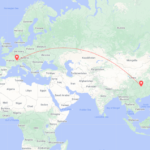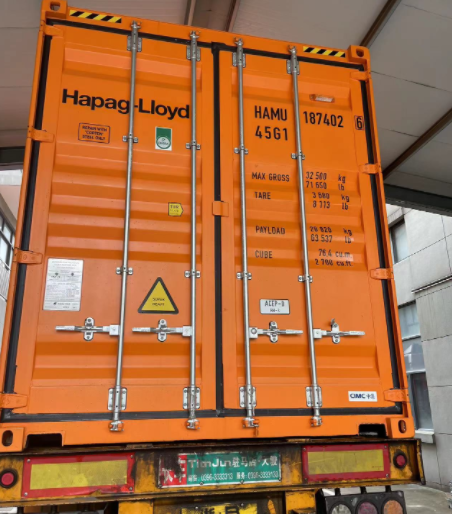
Are you wondering how much is shipping from China to South Africa and what factors influence these costs in 2026? Navigating international shipping rates, sea freight, air freight, import tax, and customs clearance can be daunting.
In this comprehensive guide, updated for March 2026, we break down the various shipping methods, fees, required documents, and expert tips to help you minimize expenses and efficiently import goods from China to South Africa. Get ready to make informed decisions and streamline your shipping process!

Sea freight cost from China to South Africa
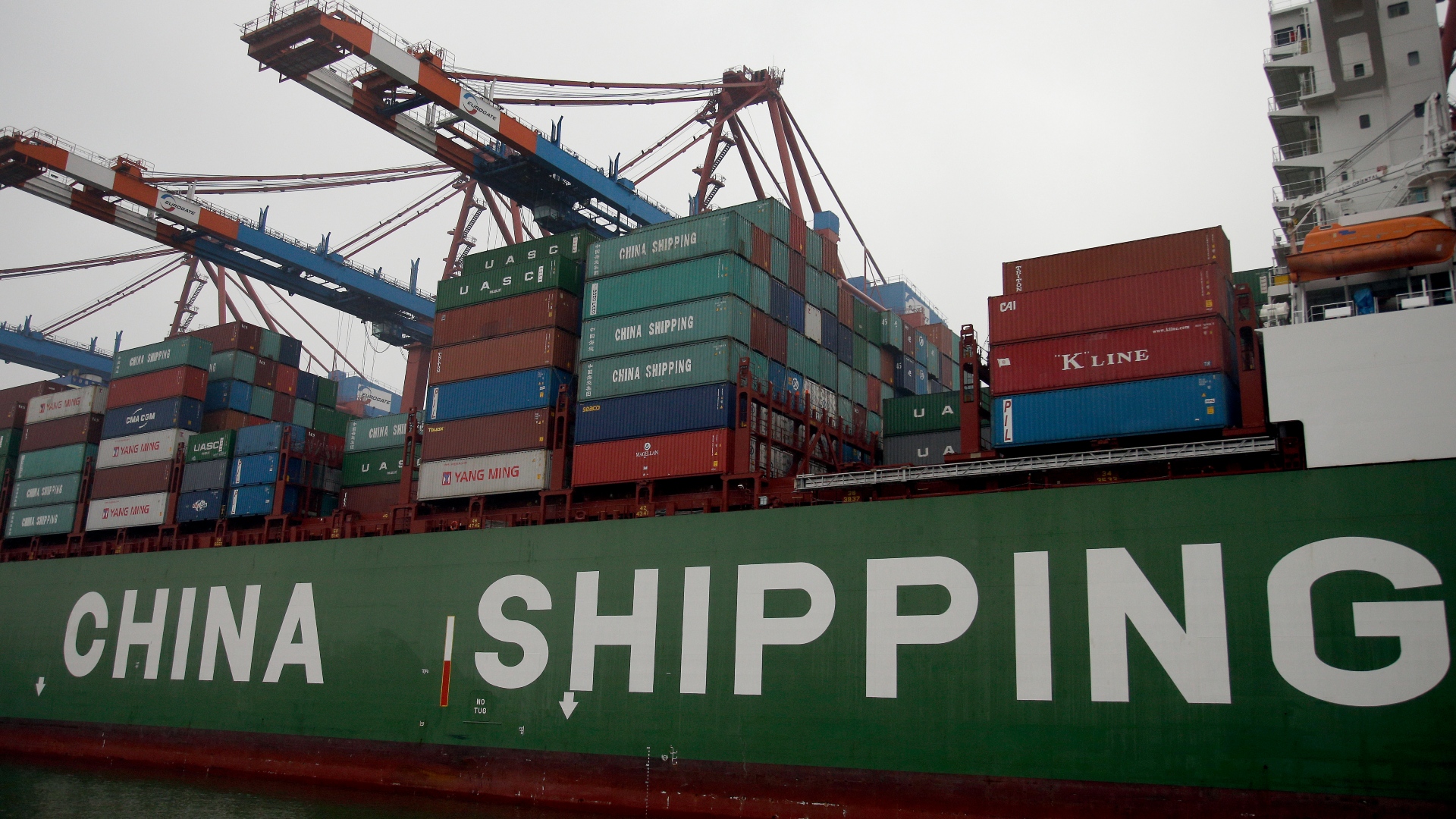
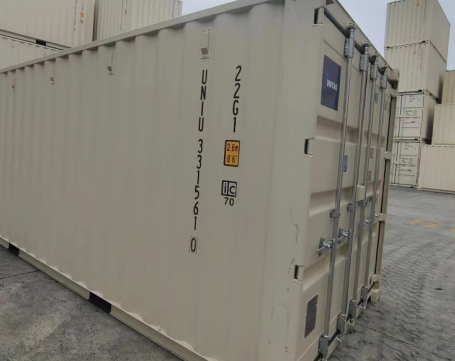
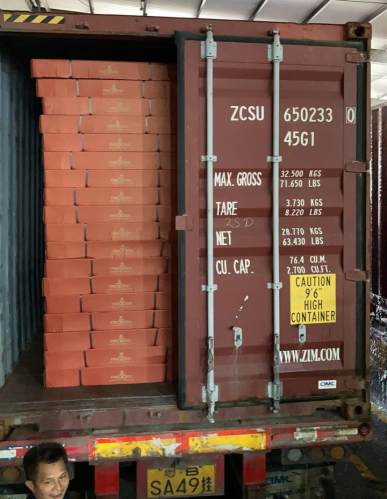
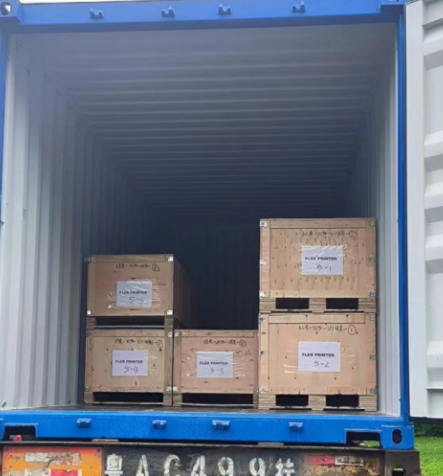
Shipping by sea remains the most cost-effective solution for bulk cargo between China and South Africa. Sea freight offers several container options, the most common being the 20ft and 40ft containers. Rates vary depending on factors like departure port, destination port, seasonality, cargo type, and market fluctuations.
Based on Dantful’s internal pricing data for Q1 2026, we have observed a slight stabilization in ocean freight rates compared to previous years. Below, I provide an overview of the current market rates and considerations for full container load (FCL) shipping from major Chinese ports such as Shanghai, Shenzhen, and Ningbo to leading South African ports like Durban, Cape Town, and Port Elizabeth.
| Departure Port | Destination Port | 20ft Container (USD) | 40ft Container (USD) | Estimated Transit Time |
|---|---|---|---|---|
| Shanghai | Durban | $2,150 – $2,750 | $3,750 – $4,550 | 22–28 days |
| Shenzhen | Cape Town | $2,300 – $2,850 | $3,950 – $4,750 | 24–30 days |
| Ningbo | Port Elizabeth | $2,200 – $2,800 | $3,850 – $4,650 | 25–32 days |
Rates above are market estimates as of March 2026 and may fluctuate based on peak season, fuel costs, and shipping line surcharges.
For a more detailed breakdown of sea freight and preparation tips, you may refer to this comprehensive Sea Freight From China to Africa shipping guide.
Cost of 20ft container shipping from China to South Africa?
A 20ft container (capacity: 28CBM) is ideal for smaller shipments or when cargo volume does not justify a larger container. According to our team’s analysis of recent bookings, the typical all-in cost for a 20ft full container load (FCL) from major Chinese ports to Durban or Cape Town is in the range of $2,150 to $2,900 USD. This includes base ocean freight, basic surcharges, but may exclude local charges, customs, and inland transportation at origin/destination.
Key cost determinants include:
- Sailing schedule and route: Direct sailings are usually slightly more expensive but reduce transit time and risk of transshipment.
- Commodity type: Some cargo types (e.g., hazardous goods, OOG) incur surcharges.
- Seasonality: Peak shipping seasons (pre-holiday, Q3/Q4) can increase rates.
- Value-added services: Door-to-door, insurance, and customs clearance will add to the total cost.
Related reading: For importers interested in neighboring markets, check the cost comparison for Shipping From China To Nigeria.
Cost of 40ft container shipping from China to South Africa?
A 40ft container (capacity: 56CBM) is preferred by businesses with larger shipment volumes, offering better economies of scale (lower per CBM rate). The current market rate for a 40ft container FCL to major South African ports is approximately $3,750 to $4,750 USD.
From our experience handling high-volume shipments, we often advise clients that upgrading to a 40ft container can reduce the per-unit shipping cost by up to 30% if you have enough cargo to fill at least 70% of the space.
Advantages of choosing a 40ft container:
- Lower cost per CBM compared to 20ft container if fully utilized.
- Suitable for bulkier or higher volume shipments.
- More flexible for mixed cargo or consolidation.
Air freight cost from China to South Africa per KG
Air freight is the fastest option for urgent or high-value shipments from China to South Africa. The cost structure for air cargo is generally based on per kilogram (KG) rates, influenced by cargo weight/volume, airline selection, route, and current fuel surcharges.
Typical Air Freight Rates (March 2026)
Our air freight specialists have compiled the following rate estimates based on current carrier offers:
| Origin Airport | Destination Airport | General Cargo Rate (USD/KG) | Minimum Chargeable Weight | Estimated Transit Time |
|---|---|---|---|---|
| Shanghai (PVG) | Johannesburg (JNB) | $4.60 – $7.10 | 45 KG | 3–6 days |
| Shenzhen (SZX) | Johannesburg (JNB) | $4.90 – $7.30 | 45 KG | 3–6 days |
| Guangzhou (CAN) | Cape Town (CPT) | $5.10 – $7.60 | 45 KG | 5–8 days |
Rates above are indicative as of March 2026 and may vary due to fuel surcharges, cargo type (general, dangerous goods), and special handling.
Factors Affecting Air Freight Cost
- Chargeable weight: Airlines charge by gross weight or volumetric weight (whichever is higher).
- Type of goods: Special cargo (e.g., dangerous goods, temperature-sensitive) incurs surcharges.
- Service level: Express, standard, or deferred services impact rates and delivery speed.
- Origin and destination: Direct flights are generally faster but may carry a premium.
When to Choose Air Freight?
- Time-sensitive goods (electronics, samples, perishables, pharmaceuticals)
- High-value shipments where speed and security are critical
- Emergency resupply or inventory replenishment
Rail freight cost from China to South Africa
Rail freight from China to South Africa is a relatively new and developing logistics solution. Although the direct rail link between these two countries is not as established as routes to Europe or Central Asia, there is growing interest in multimodal rail services that combine rail and sea or rail and road options.
For more about China’s international rail network and how it connects to various regions, see our service guide on Rail freight Service From China to Europe.
Is Direct Rail Freight Available?
As of March 2026, there is no direct rail freight corridor between China and South Africa. Rail freight is usually combined with other transportation modes:
- China → Rail to Central Asia/Eastern Africa → Sea or Road to South Africa
- China → Rail to Port (e.g. Djibouti, Mombasa) → Sea to South Africa
This means that rail freight service is multimodal and used mainly for special cargo, project shipments, or when sea/air freight is disrupted. For regular commercial cargo, sea freight remains the primary method due to established shipping lanes and lower cost.
Typical Rail Freight Cost Structure
The cost for rail freight from China to South Africa is influenced by multiple factors:
- Total shipping distance and number of transshipment points
- Cargo volume and type (containerized, bulk, project cargo)
- Current fuel and rail network charges
- Customs clearance and handling at border crossings
Below is an indicative comparison table to help you understand the cost structure between modes. Please note, these numbers are based on market averages as of March 2026 and may fluctuate.
| Route Type | Transit Time | Cost (per 20ft container) | Cost (per KG, LCL) | Reliability | Best For |
|---|---|---|---|---|---|
| Sea Freight (Direct) | 22-30 days | $3,150 – $4,150 | $0.25 – $0.40 | High | Standard cargo, bulk |
| Air Freight (Direct) | 3-7 days | – | $5.60 – $8.60 | Very High | Urgent, high-value goods |
| Rail + Sea (Multimodal via East Africa) | 24-35 days | $4,600 – $5,600 | $0.45 – $0.65 | Medium | Project/oversized cargo, special routes |
| Direct Rail (Not Available) | – | – | – | – | – |
Note: The above costs are indicative. For specific project or oversized cargo, the rate may vary. Dantful International Logistics can provide tailored multimodal solutions based on your cargo, routing, and required timeline.
When Is Rail Freight a Good Option?
- For time-sensitive bulk shipments when sea routes are congested.
- When shipping to landlocked African countries with onward transit to South Africa.
- For special project cargo that cannot be shipped by sea or air due to dimension or handling constraints.
Door to Door Shipping from China to South Africa
Door-to-door shipping is a comprehensive logistics solution where the freight forwarder handles the entire process from the supplier’s warehouse in China to the final destination in South Africa. This service is highly popular for businesses seeking a hassle-free shipping experience.
DDP vs. DDU Shipping
- DDP (Delivered Duty Paid): The seller or freight forwarder takes full responsibility for shipping costs, insurance, and import duties/taxes. The buyer receives the goods without dealing with customs processes or extra payments upon arrival.
- DDU (Delivered Duty Unpaid) / DAP (Delivered at Place): The seller covers shipping to the destination, but the buyer is responsible for paying import duties and handling customs clearance fees in South Africa.
Based on our team’s operational experience, we strongly recommend DDP for first-time importers to avoid unexpected customs hurdles. Dantful International Logistics offers reliable door-to-door services, ensuring your goods move seamlessly through customs and reach your doorstep in Johannesburg, Cape Town, or Durban without delay.
Best Incoterms for Shipping from China to South Africa
Choosing the right Incoterm (International Commercial Term) is vital for clarifying responsibilities between buyers and sellers.
- EXW (Ex Works): You (the buyer) are responsible for everything from the supplier’s factory in China. This gives you maximum control but requires a capable freight forwarder.
- FOB (Free on Board): The supplier handles costs up to the Chinese port (e.g., Shanghai, Shenzhen). You take over from there. This is the most common term for sea freight.
- CIF (Cost, Insurance, and Freight): The supplier pays for freight and insurance to the South African port. However, you are responsible for customs clearance and local charges.
- DDP (Delivered Duty Paid): The ultimate “all-inclusive” option where the supplier/forwarder handles everything including taxes.
In our professional opinion, for most importers, FOB provides the best balance of cost control and convenience, while DDP is ideal for those who prefer a hands-off approach. who prefer a hands-off approach.
What is the import tax from China to South Africa?
Understanding the import taxes and duties is crucial for anyone shipping goods from China to South Africa. Import duties, VAT, and other customs charges directly impact the landed cost of your goods.
Main Types of Import Taxes
- Customs Duty
- Ad valorem (% of customs value) or specific duty (fixed amount per unit).
- The duty rate depends on the HS code and product category.
- Typical rates: 0%–20%, but some categories (e.g., textiles, electronics) may be higher.
- Value Added Tax (VAT)
- Standard VAT in South Africa remains at 15% in 2026.
- Calculated on the CIF value (Cost + Insurance + Freight) plus customs duty.
- Additional Taxes/Levies
- Excise duty: Applies to alcohol, tobacco, luxury goods, etc.
- Environmental or anti-dumping duties: For specific categories.
Calculation Example
Let’s look at a sample calculation for shipment from China to South Africa based on March 2026 rates:
| Item | Amount (USD) | Notes |
|---|---|---|
| Product Value (FOB) | $10,000 | Based on supplier invoice |
| Sea Freight (Cost) | $3,500 | For a 20ft container |
| Insurance | $100 | Optional, but often recommended |
| CIF Value | $13,600 | FOB + Freight + Insurance |
| Customs Duty (10%) | $1,360 | Assume rate for general goods, may vary |
| Value Added Tax (15%) | $2,250 | (CIF + Duty) x 15% |
| Total Tax & Duty | $3,610 | Customs Duty + VAT |
| Landed Cost | $17,210 | CIF + Customs Duty + VAT |
Note: Always check the latest South African Revenue Service (SARS) customs tariff for your goods’ specific HS code.
If you’re also involved in shipments to neighboring African markets, you may benefit from reviewing the import procedure from china to Nigeria as a reference for process similarities and differences.
Key Points to Remember
- HS code classification: Determining the correct HS code is critical, as it directly influences the duty rate.
- Declared value: Customs will use the commercial invoice and supporting documents to assess goods’ value.
- Import permits: Certain goods require special permits or pre-approval.
- Customs clearance: Accurate documentation and compliance will reduce delays and avoid penalties.
Summary Table: Main Import Costs at a Glance
| Cost Item | Applies to | Typical Range | Notes |
|---|---|---|---|
| Customs Duty | All imported goods | 0%-20% | Depends on product HS code |
| VAT | All imported goods | 15% (on CIF + Duty) | Standard rate as of March 2026 |
| Excise Duty/Levy | Alcohol, tobacco, certain luxury goods | Varies | Check SARS website |
| Customs Handling Fees | All shipments | $50-$150 per consignment | Charged by local agents/authorities |
| Import Permits | Restricted or regulated items | As per regulations | E.g., food, chemicals, electronics |
For personalized advice and cost breakdowns for your upcoming China–South Africa shipment, contact Dantful International Logistics. We ensure transparency, compliance, and cost-efficiency every step of the way.akdowns for your upcoming China–South Africa shipment, contact Dantful International Logistics. We ensure transparency, compliance, and cost-efficiency every step of the way.
South Africa customs clearance & documents checklist
When shipping goods from China to South Africa, efficient customs clearance is essential to avoid delays, additional costs, and compliance risks. As a seasoned logistics expert with over 15 years in the field, I have seen that thorough preparation and understanding of South African customs requirements can significantly smooth your supply chain. Here’s a comprehensive guide to the documents and processes you must prepare for successful clearance.
Key Customs Documents Required
| Document Name | Description | Notes/Requirements |
|---|---|---|
| Commercial Invoice | Details transaction value, HS codes, and product description | Must match packing list and bill of lading |
| Packing List | Itemizes cargo contents, weight, and dimensions | Should correspond with invoice and container details |
| Bill of Lading (B/L) / Air Waybill (AWB) | Transport document proving ownership and shipment details | Issued by your freight forwarder or carrier |
| Import Permit | Required for controlled/restricted items | Must be obtained in advance for certain goods |
| Certificate of Origin (COO) | Certifies where goods were manufactured | May help qualify for preferential tariffs |
| SARS Customs Declaration (SAD 500) | South African Revenue Service declaration form | Must be lodged electronically (via customs agent) |
| Proof of Payment | Bank transfer or letter of credit copy | Confirms transaction legitimacy |
| Insurance Certificate | Verifies shipping insurance coverage | Highly recommended, especially for high-value cargo |
| Health/Sanitary/Phytosanitary Certificates | For food, agriculture, medicines, chemicals | Issued by relevant authorities in China |
Note: The exact documents required may vary depending on the nature of the goods, shipping mode (sea freight, air freight, etc.), and regulatory changes. Always check updated requirements with your freight forwarder and South African customs.
Additional Tips for Smooth Customs Clearance
- Classify your goods accurately: Use the correct HS codes to avoid misclassification penalties and expedite customs decisions.
- Declare truthful values: Undervaluing goods is illegal and may result in confiscation, fines, or blacklisting.
- Engage a reliable customs broker: Local expertise matters. A professional freight forwarder such as Dantful International Logistics can assist with all documentation and customs communication.
- Stay updated with SARS regulations: South African Revenue Service frequently updates rules—subscribe to official bulletins or consult your logistics partner.
- Arrange pre-shipment inspections if required: For certain goods, inspection certificates may be mandatory before cargo leaves China.
By meticulously preparing these documents and leveraging professional support, you can ensure your shipments are cleared efficiently, supporting your business’s reliability and reputation.
Tips to reduce shipping cost from China to South Africa
Managing and reducing shipping costs is a critical factor for importers, exporters, and cross-border sellers sourcing from China to South Africa. Based on our extensive experience helping thousands of clients, here are actionable strategies that can help you optimize your freight budget without sacrificing service quality or compliance.
1. Consolidate Shipments
Combine multiple orders or suppliers’ goods into one shipment (known as consolidated freight). Our analysis shows that clients who consolidate LCL shipments often save up to 20% on total logistics costs. This helps you:
- Achieve better container utilization.
- Benefit from economies of scale on freight rates and local charges.
- Reduce per-unit shipping costs, especially for LCL (Less-than-Container Load) cargo.
You can learn more about optimizing small shipments through LCL vs FCL Shipping: How to Choose the Right Option for Small Cargo.
2. Optimize Packaging and Container Utilization
- Use standardized carton sizes to maximize the container capacity—for reference, a 20FT container holds about 28CBM, a 40FT 56CBM, and a 40HQ 68CBM.
- Avoid shipping air; minimize wasted space to maximize cargo per container.
| Container Type | Capacity (CBM) | Ideal For |
|---|---|---|
| 20FT | 28 | Small to medium shipments |
| 40FT | 56 | Medium to large shipments |
| 40HQ | 68 | Voluminous but not heavy cargo |
3. Choose the Most Cost-Effective Shipping Mode
- Sea freight is generally more economical for large, non-urgent shipments.
- Air freight is faster but more expensive—best reserved for high-value or time-sensitive goods.
- Rail freight may be considered if time and regional connectivity allow.
Compare quotes for different shipping modes based on your cargo size, value, and urgency.
4. Plan Shipments in Advance
- Avoid peak season surcharges by shipping during low-demand periods.
- Early booking often secures better rates and flexible scheduling.
5. Negotiate with Freight Forwarders
- Long-term relationships or higher volumes can secure you volume discounts.
- Request all-in quotes to compare total landed costs, not just headline rates.
Dantful International Logistics specializes in providing cost-effective, transparent, and scalable shipping solutions from China to South Africa. As a highly professional and trusted partner, we offer services including Sea Freight, Air Freight, Rail Freight, Road Freight, Amazon FBA, and more, with tailored advice to save you money.
6. Minimize Extra Charges
- Avoid demurrage and detention by ensuring timely documentation and port clearance.
- Understand South African port and customs fees beforehand.
7. Consider Insurance and Risk Management
While insurance adds to upfront costs, it protects you from significant losses due to damage, theft, or delays—ultimately saving costs in the long run.
8. Stay Updated on Taxes and Duties
Knowing the exact import tax and customs fee structure helps you avoid unexpected expenses. Proper planning with your customs broker or forwarder is key.
By following these practical tips and consulting with expert logistics providers like Dantful International Logistics, you can achieve optimal shipping efficiency and cost savings from China to South Africa. Always focus on total landed cost, not just freight rates, to make the most informed logistics decisions.expert logistics providers like Dantful International Logistics, you can achieve optimal shipping efficiency and cost savings from China to South Africa. Always focus on total landed cost, not just freight rates, to make the most informed logistics decisions.
Transit time from China to South Africa
Understanding the transit time for shipments from China to South Africa is essential for efficient supply chain planning and customer satisfaction. The total transit time depends on several factors, including the chosen shipping mode (sea freight, air freight, or rail freight), the specific origin and destination cities or ports, customs procedures, and whether the service is direct or involves transshipment.
Below is an overview of typical transit times for each major shipping method:
| Shipping Mode | Major Origin Ports in China | Major Destination Ports in South Africa | Estimated Transit Time* | Service Characteristics |
|---|---|---|---|---|
| Sea Freight (FCL/LCL) | Shanghai, Shenzhen, Ningbo, Qingdao | Durban, Cape Town, Port Elizabeth | 20 – 28 days | Most cost-effective for bulk cargo, regular schedules |
| Air Freight | Shanghai, Guangzhou, Hong Kong | Johannesburg (JNB), Cape Town (CPT) | 3 – 7 days | Fastest, ideal for urgent or high-value cargo |
| Rail Freight | Chongqing, Xi’an (via overland to Africa) | Johannesburg (via multiple land crossings) | 30 – 40 days (pilot routes) | Less common, usually multimodal, subject to route availability |
*Actual transit times may vary due to peak seasons, weather, port congestion, and customs clearance delays.
Key Influencing Factors
- Port Congestion: Peak seasons or operational delays at Chinese or South African ports may increase total time.
- Customs Clearance: Accurate and complete documentation speeds up the process. Complex or incomplete paperwork often causes delays.
- Transshipment: Shipments routed via intermediate ports (e.g., Singapore, Port Klang) may have extended schedules compared to direct sailings.
- Door-to-Door Services: Additional time should be allocated for inland trucking to final addresses.
Expert Tips
- For urgent shipments, air freight is highly recommended despite higher costs.
- For regular, cost-sensitive shipments, sea freight via Full Container Load (FCL) or Less than Container Load (LCL) is optimal.
- Always consult with a professional freight forwarder to get up-to-date schedules and avoid unexpected delays.
At Dantful International Logistics, our experienced team provides real-time tracking and flexible solutions to help you plan and monitor your shipments efficiently, reducing uncertainty in delivery timelines.eam provides real-time tracking and flexible solutions to help you plan and monitor your shipments efficiently, reducing uncertainty in delivery timelines.
Freight forwarder from China to South Africa
Choosing the right freight forwarder is a critical step in ensuring your shipments from China to South Africa are handled efficiently, cost-effectively, and with full compliance to international regulations.
For those shipping to other Southern African destinations such as Zimbabwe or Zambia, see more on Shipping From China To Zimbabwe and Shipping From China To Zambia for regional logistics insights.
Why Partner with a Professional Freight Forwarder
- Expertise & Experience: Navigating complex customs requirements, paperwork, and shipping modes requires deep knowledge of both Chinese and South African regulations.
- Comprehensive Services: From sea freight, air freight, and rail freight to customs clearance, warehousing, insurance, and door-to-door delivery, a reliable forwarder offers end-to-end logistics solutions.
- Cost Optimization: Leveraging a forwarder’s carrier relationships enables access to competitive rates and consolidated shipments.
- Risk Mitigation: Proper cargo insurance, route planning, and compliance reduce the risk of losses or delays.
- Support & Visibility: Modern forwarders provide shipment tracking, proactive communication, and problem-solving support throughout the transport cycle.
Why Choose Dantful International Logistics
As a highly professional, cost-effective, and high-quality One-Stop International Logistics Service Provider for global traders, Dantful International Logistics delivers unmatched experience and tailored services for shipments from China to South Africa:
| Service Category | Dantful Offerings | Key Benefits |
|---|---|---|
| Sea Freight | FCL/LCL, Breakbulk, OOG, Consolidated Freight | Flexible options, cost savings, bulk expertise |
| Air Freight | Standard, Express, Door-to-door | Fast transit, reliable carrier network |
| Rail Freight | Intercontinental routes (pilot service) | For special project needs, multimodal support |
| Amazon FBA Logistics | First-leg shipping, customs clearance, delivery | E-commerce support, compliance expertise |
| Warehousing | Short/long-term storage, order fulfillment | Inventory optimization, value-added services |
| Customs Clearance | Professional brokering at origin/destination | Minimize clearance delays, regulatory compliance |
| Insurance | Cargo insurance solutions | Risk protection for all cargo types |
| Door to Door | Pickup, final delivery at consignee address | Seamless, hassle-free logistics chain |
For a free shipping quote or to discuss your specific logistics needs from China to South Africa, contact Dantful International Logistics—your trusted partner in global freight forwarding.
FAQs
How to import from China to South Africa?
Importing from China to South Africa involves several important steps:
- Supplier Selection: Identify reliable suppliers in China. Platforms like Alibaba or Made-in-China can help, but always verify credentials.
- Negotiation and Contract: Clarify terms (Incoterms, payment, lead time), sign contracts, and confirm product specifications.
- Freight Forwarder Arrangement: Engage a professional freight forwarder such as Dantful International Logistics to arrange shipping, documentation, and insurance.
- Shipping & Documentation: Prepare the required shipping documents—commercial invoice, packing list, bill of lading/airway bill, certificate of origin, and any specific certificates required by South African authorities.
- Customs Clearance: Ensure all import duties and VAT are paid, and compliance with South African Revenue Service (SARS) and customs regulations.
- Delivery: Once cleared, the goods are delivered to the final recipient.
Using an experienced freight forwarder like Dantful International Logistics ensures compliance and efficiency throughout the process.
How long does it take for a parcel to arrive from China to South Africa?
The delivery time for a parcel varies based on the shipping method:
- Express Courier (DHL, FedEx, UPS): 3 – 7 working days.
- Air Freight (Standard): 4 – 10 days including customs clearance.
- Sea Freight (LCL/FCL): 18 – 30 days depending on the ports.
- Postal Service (China Post, EMS): 15 – 30 days, sometimes longer for rural areas.
Peak seasons, customs procedures, and logistics disruptions can affect these timelines.
What is the cheapest way to ship from China?
The most cost-effective shipping method depends on the cargo size and urgency:
- Sea Freight (LCL): Ideal for larger, non-urgent shipments. Lowest per-kilogram cost.
- Postal Service: Cheapest for small, low-value parcels but slow and limited tracking.
- Freight Consolidation: Combining multiple shipments in one container through a freight forwarder like Dantful International Logistics can further reduce costs.
Consult with Dantful International Logistics for tailored cost-saving solutions, including Consolidated Freight and optimized routes.
How much is customs fee for buying from China?
Customs fees for imports into South Africa are determined by:
- Import Duty: Varies by product HS code (typically 0–45%).
- VAT: Standard rate is 15% on CIF (Cost + Insurance + Freight) value plus duty.
- Additional Charges: May include customs inspection fees, storage, or handling.
For the exact amount, you need:
- Product HS code.
- Declared value (invoice).
- Shipping and insurance cost.
Example Calculation:
| Item | Amount (USD) |
|---|---|
| Product Value | $1,000 |
| Freight & Insurance | $200 |
| CIF Value | $1,200 |
| Import Duty (10%) | $120 |
| VAT (15%) | $198 |
| Total | $1,518 |
Duties and tax rates are regularly updated, so check with SARS or your freight forwarder for the latest rates.
What is the cheapest way to import from China?
For bulk or business shipments, Sea Freight (especially LCL for smaller loads or FCL for full containers) remains the cheapest. Additional tips to save on import costs:
- Consolidate Shipments: Reduce per-unit shipping cost.
- Plan Ahead: Avoid peak season surcharges.
- Negotiate Rates: Use a cost-effective freight forwarder like Dantful International Logistics.
- Optimize Packaging: Minimize volume and weight.
For smaller personal imports, regular postal services or economy courier options are recommended.
How much will I have to pay for a package from China?
The total cost to receive a package from China includes:
- Product Price
- Shipping Charges (courier, air, sea, or post)
- Customs Duty (based on HS code and declared value)
- VAT (15% of CIF + Duty)
- Handling/Storage Fees (if applicable)
Always request a full cost breakdown from your supplier or freight forwarder. At Dantful International Logistics, we provide transparent, itemized quotes and can advise on duty and tax estimates based on your product type. supplier or freight forwarder. At Dantful International Logistics, we provide transparent, itemized quotes and can advise on duty and tax estimates based on your product type.

Young Chiu is a seasoned logistics expert with over 15 years of experience in international freight forwarding and supply chain management. As CEO of Dantful International Logistics, Young is dedicated to providing valuable insights and practical advice to businesses navigating the complexities of global shipping.