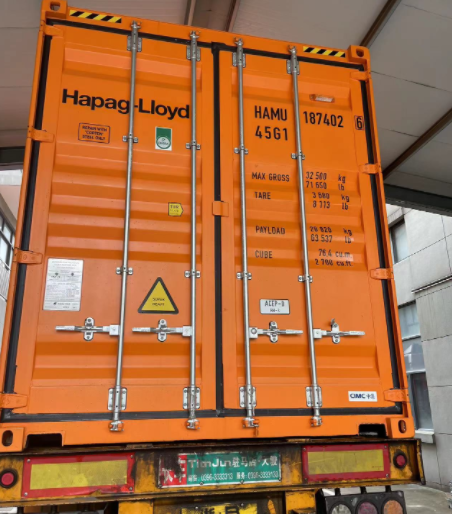
Are you wondering how much is shipping from China to Tanzania and what factors influence these costs? Whether you’re shipping by sea, air, or need door to door shipping, understanding the full range of shipping costs, import duties, and other related fees is crucial for effective budgeting. In this comprehensive guide, we’ll break down all aspects of shipping from China to Tanzania to help you make informed decisions and potentially save on your next shipment.

How much is shipping from China to Tanzania by sea
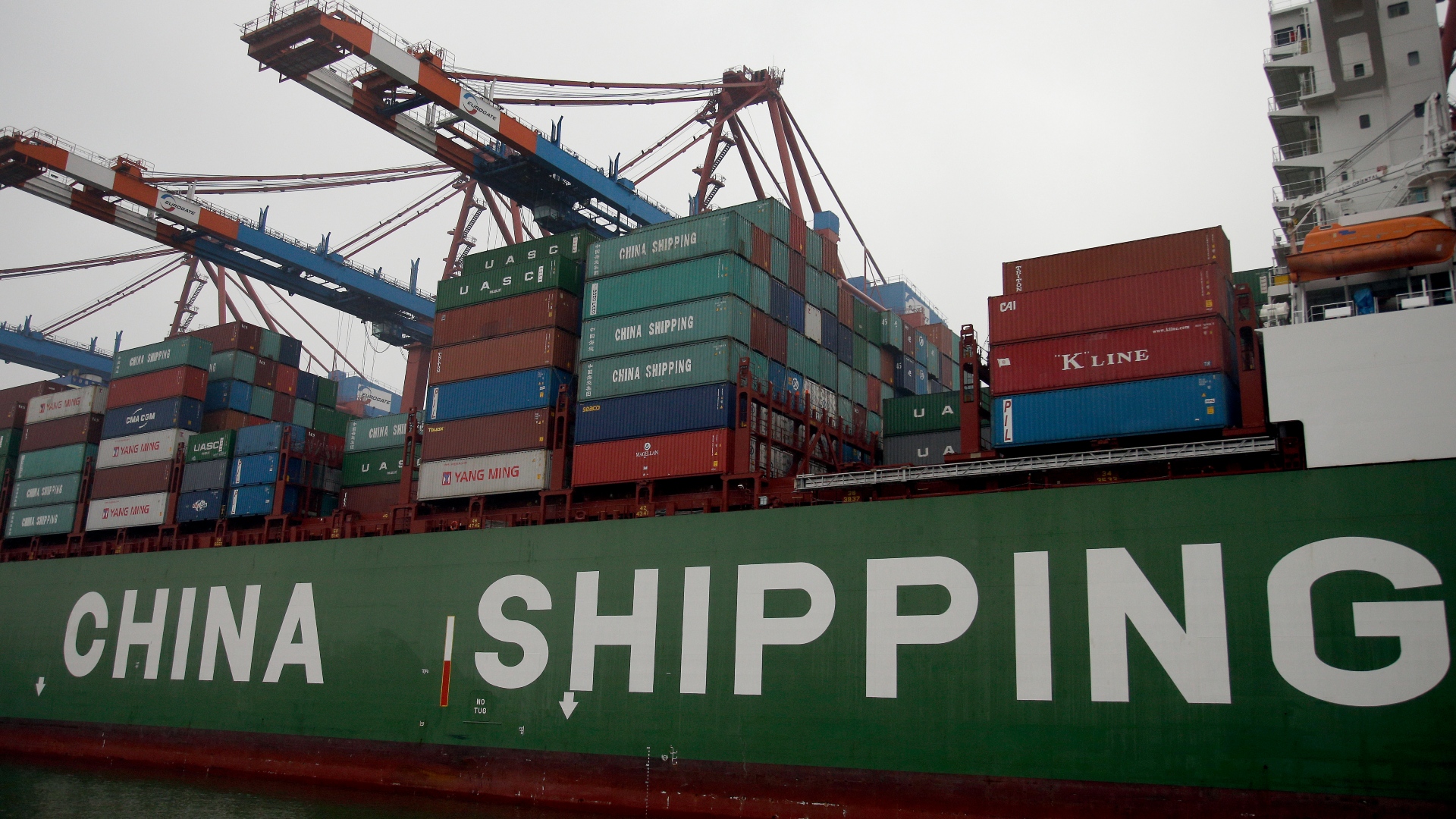
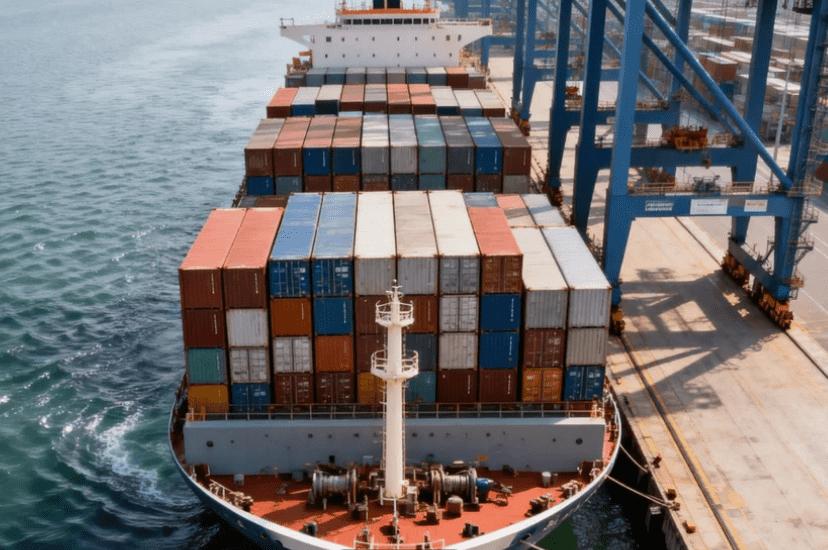
Shipping from China to Tanzania by sea freight is one of the most cost-effective options for large-volume shipments. Most goods are transported from major Chinese ports like Shanghai, Shenzhen, Ningbo, and Guangzhou to Dar es Salaam, which is the primary seaport in Tanzania.
Estimated Costs and Transit Times
The cost of shipping by sea depends on several factors, such as the type of container, cargo volume, shipping route, and the season. Below is a general overview of estimated rates and transit times (as of Sep 2025):
| Service Type | 20ft Container (USD) | 40ft Container (USD) | LCL (per CBM, USD) | Transit Time (Days) |
|---|---|---|---|---|
| FCL (Full Container) | $2,200 – $2,800 | $3,400 – $4,200 | N/A | 25 – 32 |
| LCL (Less Than Load) | N/A | N/A | $55 – $95 | 28 – 38 |
Note: Prices can fluctuate due to fuel costs, demand, and global shipping conditions. For precise quotes tailored to your cargo and schedule, it’s best to consult with a professional freight forwarder like Dantful International Logistics, who can offer real-time rates and comprehensive support.
Related reading: For more on container prices in East Africa, see the guide to container shipping costs from China to Tanzania.
Advantages of Sea Freight
- Cost-effective for large and heavy shipments.
- Suitable for a wide range of goods, including machinery, electronics, and bulk commodities.
- Offers FCL (Full Container Load) and LCL (Less than Container Load) services to suit different cargo sizes.
Major Ports
- Chinese Ports: Shanghai, Shenzhen, Ningbo, Guangzhou
- Tanzanian Port: Dar es Salaam
How much is shipping from China to Tanzania by Air
If your cargo is time-sensitive or consists of high-value items, air freight is the preferred shipping method from China to Tanzania. Major international airports in China, such as Shanghai Pudong (PVG), Guangzhou Baiyun (CAN), and Beijing Capital (PEK), connect directly or via transit to Julius Nyerere International Airport (DAR) in Dar es Salaam.
Estimated Costs and Transit Times
Air freight rates are calculated by chargeable weight (actual or volumetric). Here’s an overview of the average market rates and transit times (Sep 2025):
| Cargo Weight Bracket | Cost per kg (USD) | Typical Transit Time (Days) |
|---|---|---|
| 45 – 100 kg | $6.20 – $8.50 | 3 – 7 |
| 100 – 300 kg | $5.90 – $8.00 | 3 – 7 |
| 300+ kg | $5.50 – $7.20 | 3 – 7 |
Note: Prices may vary based on airline, cargo type, route, seasonality, and fuel surcharges. For urgent shipments or high-value goods, air freight provides significant time savings compared to sea freight.
Explore more: You may also be interested in air freight from China to Nigeria for rates and timelines to other African countries.
Advantages of Air Freight
- Fastest transit time, ideal for urgent deliveries.
- High reliability and security for sensitive cargo.
- Suitable for electronics, fashion items, pharmaceuticals, samples, and perishables.
Major Airports
- Chinese Airports: Shanghai Pudong (PVG), Guangzhou Baiyun (CAN), Beijing Capital (PEK)
- Tanzania Airport: Julius Nyerere International Airport (DAR)
Door to Door Shipping Costs from China to Tanzania
Door to Door shipping is a popular logistics solution for businesses and importers seeking convenience and time savings. With this service, the freight forwarder handles every stage of the shipment—from pickup at the supplier’s warehouse in China to delivery at your specified address in Tanzania. This includes export customs clearance, international transportation (sea, air, or express), import customs clearance, and last-mile delivery.
Further reading: For other African destinations, see our guide on door to door shipping from China to Ghana.
Average Door to Door Shipping Costs
The cost of Door to Door shipping from China to Tanzania depends on several key factors:
- Mode of Transport: Sea freight is generally more economical for larger, heavier shipments, while air freight is faster and better for urgent or high-value goods.
- Shipment Volume and Weight: Costs are calculated based on dimensional weight or actual weight, whichever is greater.
- Delivery Address in Tanzania: Cities like Dar es Salaam or Dodoma may have different last-mile delivery costs.
- Type of Goods: Certain commodities require special handling or documentation, affecting the price.
Below is a reference table for typical Door to Door shipping costs as of Sep 2025:
| Shipping Mode | Estimated Cost (USD) | Transit Time | Service Includes |
|---|---|---|---|
| Sea (LCL, 1 CBM) | $700 – $950 | 30–40 days | Pickup, ocean freight, customs, last-mile delivery |
| Sea (FCL, 20′ GP) | $3,200 – $4,200 | 28–35 days | Pickup, full container, customs, delivery |
| Air (100 kg) | $1,800 – $2,300 | 7–10 days | Pickup, air freight, customs, delivery |
| Express (30 kg) | $850 – $1,150 | 4–8 days | Door to door (DHL, FedEx, UPS equivalent) |
Note: Prices are indicative and may vary based on seasonal demand, fuel prices, and specific service requirements. For an exact quote tailored to your shipment, please contact Dantful International Logistics directly.
Why Choose Door to Door Shipping?
- Simplicity: Single point of contact throughout the process.
- Transparency: All-inclusive rates reduce hidden costs.
- Risk reduction: Professional handling and customs clearance minimize delays.
Dantful International Logistics specializes in comprehensive Door to Door shipping services from China to Tanzania. Our team provides personalized solutions, competitive rates, and real-time shipment tracking to ensure your cargo arrives safely and on time.
Understanding Import Tax and Duties in Tanzania
When importing goods into Tanzania, understanding the applicable import tax and duties is crucial for budgeting and compliance. These taxes are imposed by the Tanzania Revenue Authority (TRA) and must be paid before your goods can be released from customs.
Key Components of Import Tax and Duties
Customs Duty: This varies by product type and is usually calculated as a percentage of the CIF (Cost, Insurance, and Freight) value of the goods. Rates typically range from 0% to 25%, depending on the HS code classification.
Value Added Tax (VAT): The standard VAT rate in Tanzania is 18% of the CIF value plus any applicable customs duty.
Excise Duty: Certain goods (e.g., alcohol, tobacco, luxury vehicles) are subject to additional excise taxes, based on product category and local regulations.
Other Levies: Fees such as inspection charges, railway development levy (RDL), and import declaration fees may apply.
Example Calculation
| Item Description | CIF Value (USD) | Customs Duty (%) | Customs Duty (USD) | VAT (18%) | Total Tax & Duty (USD) |
|---|---|---|---|---|---|
| Electronics (HS 85) | $10,000 | 10% | $1,000 | $1,980 | $2,980 |
| Apparel (HS 61/62) | $5,000 | 25% | $1,250 | $1,125 | $2,375 |
Required Documentation
- Commercial invoice
- Packing list
- Bill of lading or air waybill
- Import declaration form (IDF)
- Certificate of origin (if applicable)
Additional Cost of Shipping from China to Tanzania
When planning a shipment from China to Tanzania, understanding the full spectrum of additional costs beyond the basic freight rate is critical. These costs can significantly affect your total landed cost and influence your overall business profitability.
1. Customs Clearance Fees
Importing goods into Tanzania requires clearing goods through local customs. Both China and Tanzania have their own procedures and charges, including customs declaration, inspection fees, and documentation charges. Using a professional freight forwarder like Dantful International Logistics can streamline this process and help avoid unexpected delays or penalties.
2. Port Charges
Both origin (Chinese ports such as Shanghai Port, Shenzhen Port) and destination (Dar es Salaam Port in Tanzania) have port handling charges. These include:
- Terminal Handling Charges (THC)
- Wharfage fees
- Loading and unloading charges
| Charge Type | Estimated Cost (USD) |
|---|---|
| Terminal Handling (China) | $60 – $120 per container |
| Terminal Handling (Tanzania) | $75 – $150 per container |
| Documentation Fees | $30 – $60 per shipment |
See also: Learn about related costs for neighboring routes in the container shipping costs from China to Kenya guide.
3. Inland Transportation
After your cargo arrives at Dar es Salaam Port, you may need inland haulage to reach your final destination within Tanzania, such as Dodoma, Arusha, or others. Local truck delivery or rail transport may add $200–$600 depending on distance and cargo size.
4. Insurance
Cargo insurance is highly recommended. The cost typically ranges from 0.3% to 0.5% of the cargo value. For high-value shipments, insurance offers peace of mind against loss or damage during transit.
5. Warehousing and Storage Fees
If your goods need temporary storage, warehousing charges at either origin or destination can apply. Storage rates vary, but for Dar es Salaam, it is typically $10–$25 per CBM per week.
6. Other Miscellaneous Fees
- Inspection/Quarantine Fees (for certain products)
- Security Fees
- Document Courier Fees
Partnering with a trusted logistics provider like Dantful International Logistics ensures transparent communication about all possible additional charges, so you can budget accurately and avoid surprises.
Factors Influence Shipping Cost from China to Tanzania
Understanding what drives shipping costs from China to Tanzania helps you make informed logistics decisions and control your supply chain expenses.
1. Shipping Method
- Ocean Freight is cost-effective for large, heavy shipments but has longer transit times (20–35 days). For further insights on sea routes to this region, see Sea Freight From China to Tanzania.
- Air Freight is faster (3–7 days) but more expensive.
- Door-to-Door services combine multiple transport modes and offer convenience, but may include higher service fees.
2. Cargo Volume and Weight
- Full Container Load (FCL) offers lower per-unit rates for larger shipments.
- Less than Container Load (LCL) is suitable for smaller shipments but can be costlier per CBM due to consolidation fees.
| Mode | Approximate Cost (USD, per 20ft) | Approximate Transit Time |
|---|---|---|
| FCL (Sea) | $2,000 – $2,600 | 20–35 days |
| LCL (Sea) | $55 – $95 per CBM | 25–40 days |
| Air Freight | $5.5 – $8.5 per kg | 3–7 days |
3. Type of Goods
Certain goods require special handling (e.g., dangerous goods, perishable goods, OOG [Out of Gauge] freight). These require specific containers or extra documentation, increasing costs. For more details on special cargo, refer to the out of gauge cargo service overview.
4. Distance and Route
Shipping from eastern Chinese ports (e.g., Shanghai, Ningbo) to Dar es Salaam is generally more affordable than from inland cities, due to shorter inland haulage and direct sailings.
5. Seasonality and Market Fluctuations
Shipping rates fluctuate during peak seasons, such as before the Chinese New Year or the back-to-school period. Planning your shipments in advance can help secure better rates.
6. Fuel Prices and Surcharges
Changes in global fuel prices directly impact shipping surcharges (e.g., BAF [Bunker Adjustment Factor]). Monitoring these trends is important for cost estimation.
7. Carrier and Freight Forwarder Choice
Reliable freight forwarders like Dantful International Logistics can provide more competitive rates due to established carrier relationships and consolidated shipping volumes.
8. Insurance and Value-added Services
Additional services, such as customs brokerage, insurance, or warehousing, influence total shipping cost but enhance supply chain reliability.
Shipping from China to Tanzania involves various direct and indirect costs. Accurate cost estimation depends on multiple factors, including shipping method, cargo details, and service provider choice. To optimize your logistics and reduce costs, consider partnering with an experienced provider like Dantful International Logistics, offering comprehensive one-stop solutions for your global shipping needs.
How to Reduce Shipping Costs from China to Tanzania
Reducing shipping costs from China to Tanzania is crucial for importers who want to stay competitive and maximize profits. Here are actionable strategies to help you lower your logistics expenses while ensuring efficient and reliable delivery.
1. Choose the Right Shipping Method
Selecting the most suitable transport mode—Sea Freight, Air Freight, or Door to Door delivery—significantly impacts your total cost.
| Shipping Mode | Typical Cost ($/CBM) | Transit Time | Suitable For |
|---|---|---|---|
| Sea Freight | $80 – $180 | 20-35 days | Large, heavy, non-urgent cargo |
| Air Freight | $5.5 – $9.5/kg | 3-7 days | Small, high-value, urgent goods |
| Door to Door | Varies | 7-25 days | All-inclusive, end-to-end service |
2. Consolidate Shipments
Combining smaller shipments into one larger consignment helps you benefit from economies of scale. Consolidated Freight services allow multiple shippers to share container space, reducing cost per unit. Read more about consolidated freight shipping for international trade.
3. Optimize Packaging
Efficient packaging reduces shipment volume and weight. Avoid unnecessary packaging materials and use stackable, space-saving designs to decrease the CBM (Cubic Meter) or Chargeable Weight.
4. Plan Ahead
Booking in advance and avoiding peak shipping seasons—like before the Chinese New Year or Black Friday—can help you secure better rates and avoid urgent shipping fees.
5. Compare Multiple Quotes
Always request quotes from at least three freight forwarders. Evaluate not just the price, but also the service scope, reliability, and value-added services like Customs Clearance and Cargo Insurance.
6. Work with a Reputable Freight Forwarder
Partner with a professional logistics provider like Dantful International Logistics. Our expertise ensures competitive rates, flexible shipping solutions, and end-to-end support—saving you both time and money.
7. Leverage Value-Added Services
Utilize services such as Warehouse Storage to consolidate goods, or Cargo Insurance to protect against losses, potentially saving on unforeseen expenses.
8. Optimize Route and Port Selection
Shipping to less congested ports or using direct routes can reduce transit time and associated costs. For example, choosing between Dar es Salaam Port and Mombasa Port can influence both cost and delivery time.
FAQs
Q1: How much is shipping from China to Tanzania by sea?
A: The average cost for FCL (Full Container Load) ranges from $2,000 to $3,500 per 20GP container, while LCL (Less than Container Load) shipments typically cost $80–$180 per CBM, depending on the route, volume, and market conditions.
Q2: How long does shipping from China to Tanzania take?
A: Sea Freight usually takes 20–35 days, Air Freight 3–7 days, and Door to Door services 7–25 days depending on customs clearance and inland transportation.
Q3: What are the main ports in Tanzania for Chinese shipments?
A: The main port is Dar es Salaam. Some shipments may also be routed through Mombasa Port in Kenya and then trucked to Tanzania.
Q4: Do I need to pay import duty and VAT for goods shipped from China to Tanzania?
A: Yes. Import taxes and Value Added Tax (VAT) apply based on the nature and value of your goods. Consult Tanzanian customs or a professional forwarder for up-to-date rates.
For personalized consultation and the latest shipping rates, please contact Dantful International Logistics. Our team is ready to provide tailored solutions to optimize your logistics from China to Tanzania.

Young Chiu is a seasoned logistics expert with over 15 years of experience in international freight forwarding and supply chain management. As CEO of Dantful International Logistics, Young is dedicated to providing valuable insights and practical advice to businesses navigating the complexities of global shipping.