Are you wondering how much is shipping from China to Turkey, and what factors impact these costs? Navigating options like sea freight, air freight, and rail freight can be challenging without the right information. In this comprehensive guide, we’ll break down the key factors influencing shipping costs, compare different freight methods, explore customs duties and essential documentation, and provide practical strategies to help you optimize your shipping from China to Turkey.
Key Factors Influencing Shipping Costs
When determining how much is shipping from China to Turkey, it’s essential to understand the main factors that influence international freight rates. These key variables will directly affect your total logistics expenses, regardless of whether you are using sea freight, air freight, or rail freight.
1. Shipping Method:
The choice between sea freight, air freight, and rail freight significantly impacts cost. Typically, sea freight is most cost-effective for large volumes, while air freight is faster but more expensive. Rail freight offers a balance between cost and speed for certain routes. For more information about this shipping option across Eurasia, see Rail Service From China to Europe.
2. Cargo Volume and Weight:
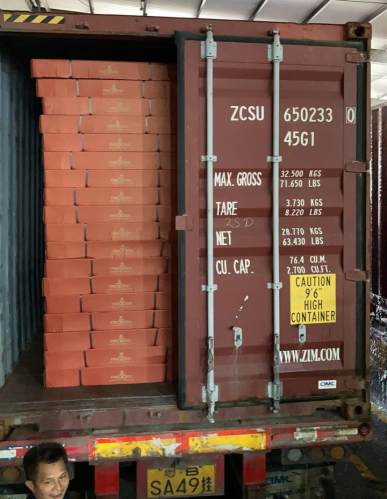
Freight charges are calculated based on actual weight or volumetric weight, whichever is greater. For full container load (FCL) shipments, you are charged per container (20ft or 40ft), while less than container load (LCL) shipments are charged by CBM (cubic meter).
3. Type of Goods:
The nature of your cargo—dangerous goods, oversized cargo, perishable items—may require special handling, packaging, or equipment, which increases the overall cost.
4. Origin and Destination Ports:
Shipping to major ports such as Shanghai, Shenzhen, Ningbo, Qingdao in China to Istanbul or Izmir in Turkey is generally more economical than shipping to less frequented ports.
5. Seasonal Fluctuations:
Shipping costs fluctuate throughout the year due to peak seasons (such as pre-Chinese New Year or Black Friday), port congestion, and global trade dynamics.
6. Incoterms:
Your agreed Incoterm (such as FOB, CIF, DAP) will determine which party is responsible for transport, insurance, and customs clearance, thus impacting the final shipping cost.
7. Fuel and Surcharges:
Global fuel prices and carrier surcharges (e.g., BAF, CAF, GRI) can add to the base freight rates.
8. Additional Services:
Charges for door-to-door delivery, customs clearance, insurance, warehousing, and cargo consolidation will add to the core shipping cost.
9. Customs Duties and Taxes:
Import duties, VAT, and other taxes levied by Turkey must be considered when calculating your landed cost.
By carefully evaluating these factors, businesses can select the most suitable shipping option and optimize their China to Turkey logistics costs. For tailored solutions and transparent pricing, it’s recommended to consult with an experienced freight forwarder like Dantful International Logistics.
Sea Freight Cost from China to Turkey
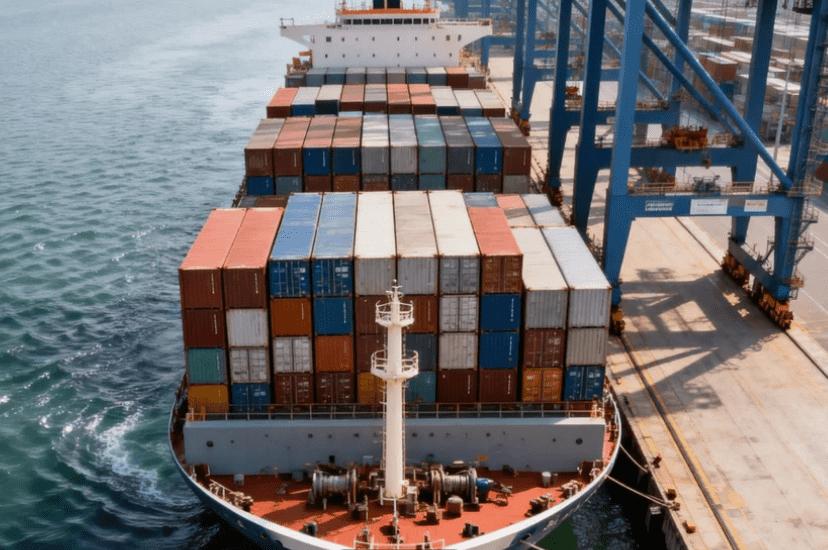
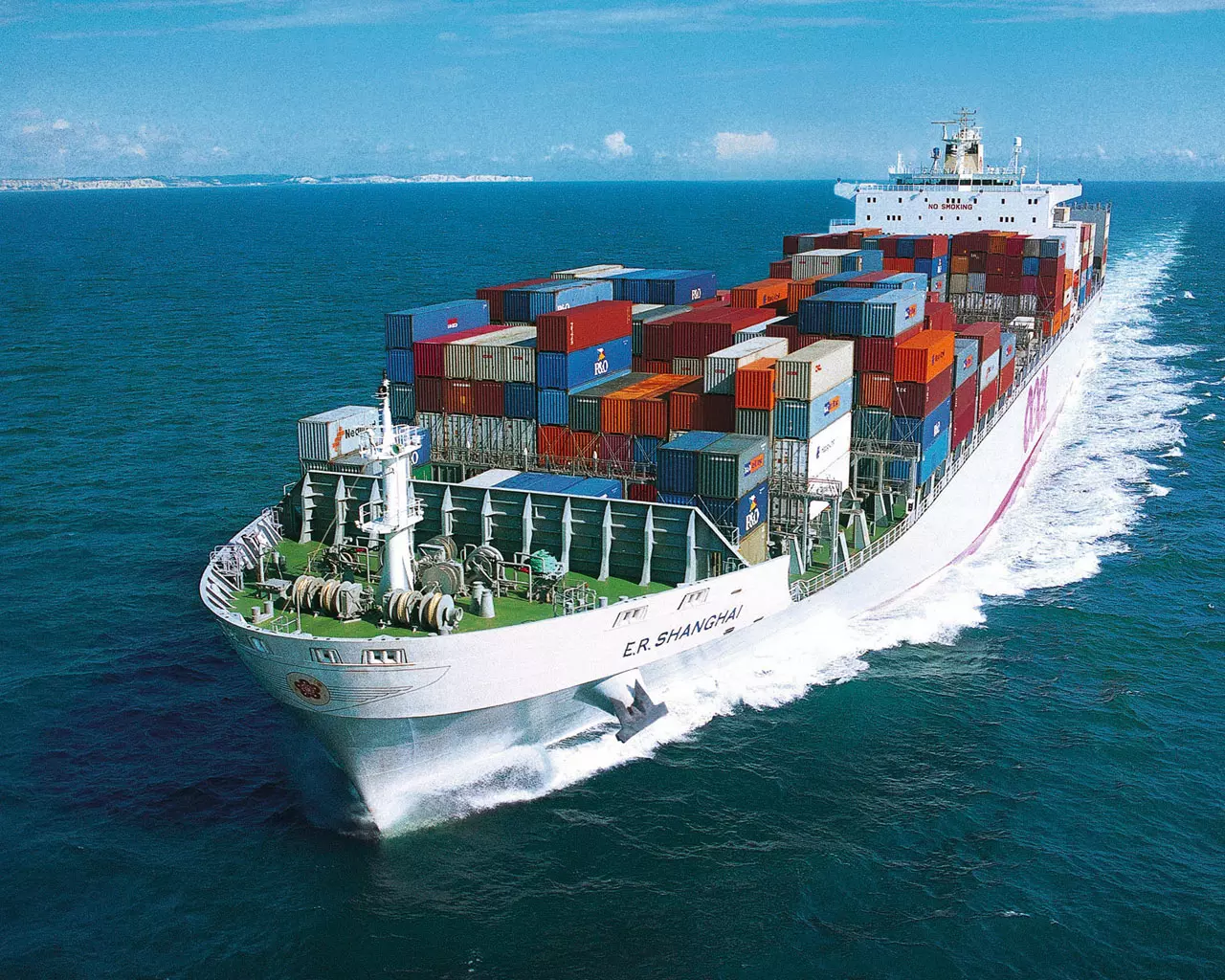
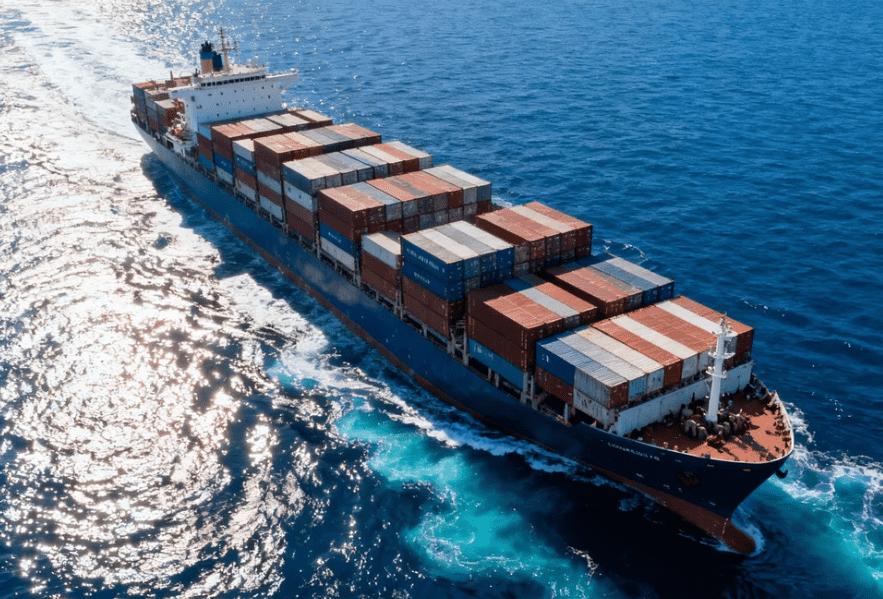
Sea freight is the most popular and cost-effective method for shipping large quantities of goods from China to Turkey. The two main types of container shipping are Full Container Load (FCL), available in 20ft and 40ft containers, and Less than Container Load (LCL) for smaller shipments.
Cost of 20ft Container Shipping from China to Turkey?
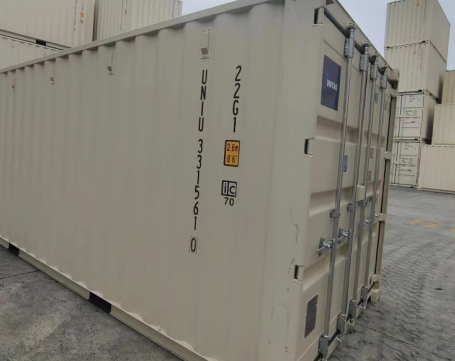
A 20ft container (capacity: 28CBM) is suitable for small to medium-sized shipments. The cost of shipping a 20ft container from major Chinese ports to Turkey depends on several factors, including current market rates, shipping lines, and port pairings.
Average 20ft Container Sea Freight Rates (2025 Estimates)
| Origin Port (China) | Destination Port (Turkey) | Estimated Sea Freight Rate (USD, 20ft FCL) | Transit Time (Days) |
|---|---|---|---|
| Shanghai | Istanbul | $1,600 – $2,200 | 28 – 35 |
| Shenzhen | Istanbul | $1,650 – $2,300 | 27 – 34 |
| Ningbo | Izmir | $1,700 – $2,400 | 30 – 37 |
| Qingdao | Mersin | $1,750 – $2,500 | 32 – 38 |
Rates are indicative as of Q4 2025 and may fluctuate due to market demand, fuel surcharges, and route adjustments.
Cost of 40ft Container Shipping from China to Turkey?
A 40ft container (capacity: 56CBM) is ideal for larger shipments or consolidating multiple consignments. Shipping a 40ft container is more cost-effective per CBM compared to a 20ft container.
Average 40ft Container Sea Freight Rates (2025 Estimates)
| Origin Port (China) | Destination Port (Turkey) | Estimated Sea Freight Rate (USD, 40ft FCL) | Transit Time (Days) |
|---|---|---|---|
| Shanghai | Istanbul | $2,500 – $3,300 | 28 – 35 |
| Shenzhen | Istanbul | $2,600 – $3,400 | 27 – 34 |
| Ningbo | Izmir | $2,700 – $3,500 | 30 – 37 |
| Qingdao | Mersin | $2,800 – $3,600 | 32 – 38 |
The actual cost may vary depending on cargo type, booking period, and value-added services like customs clearance, insurance, or door-to-door delivery. For a comprehensive breakdown of container shipping expenses to this region, read container shipping costs from china to Turkey.
Additional Considerations
- LCL Shipments: For shipments less than a full container, LCL (Less than Container Load) rates are calculated per CBM. This option is ideal for smaller volumes but may have slightly longer transit times due to consolidation processes.
- Peak Season Surcharges: Rates can increase during high demand periods. Advance booking is recommended.
- Dantful Value-Added Services: At Dantful International Logistics, we provide comprehensive support including customs clearance, warehousing, insurance, consolidated freight, and door-to-door solutions from China to any region in Turkey. Our dedicated team ensures professional handling and transparent pricing for every shipment.
Choosing the right container size and reliable freight partner is crucial for optimizing cost and efficiency. For a customized quote based on your cargo specifications, shipping schedule, and service needs, contact Dantful International Logistics—your trusted, one-stop international logistics provider.
Air freight cost from China to Turkey per KG
Air freight is the preferred option for businesses requiring fast, reliable delivery from China to Turkey. Rates are generally calculated per kilogram (KG) and depend on multiple variables including the type of cargo, its volume, the specific origin and destination airports, and current market demand.
Key Factors Influencing Air Freight Rates
- Chargeable Weight: Air freight is billed based on the greater of actual gross weight or volumetric weight. For calculation: Volumetric Weight (KG) = Length (cm) × Width (cm) × Height (cm) / 6000.
- Origin and Destination: Major airports (such as Shanghai PVG, Guangzhou CAN, Beijing PEK) to key Turkish airports (Istanbul IST, Ankara ESB) may offer lower rates and more flight options.
- Service Level: Express, standard, and deferred services have different pricing and transit times.
- Cargo Type: General cargo, dangerous goods, batteries, or high-value items may attract different surcharges.
- Seasonality: Rates often rise during peak shipping months (such as pre-Christmas, Chinese New Year).
Typical Air Freight Rates (2025 Estimates)
Below is a reference table for current market rates (in USD per KG) from China to Turkey for standard general cargo, excluding surcharges and destination charges:
| Origin Airport | Destination Airport | 45 KG+ | 100 KG+ | 300 KG+ | 500 KG+ | 1000 KG+ |
|---|---|---|---|---|---|---|
| Shanghai (PVG) | Istanbul (IST) | $4.50 | $4.00 | $3.70 | $3.50 | $3.30 |
| Shenzhen (SZX) | Istanbul (IST) | $4.80 | $4.30 | $3.90 | $3.60 | $3.40 |
| Guangzhou (CAN) | Istanbul (IST) | $4.60 | $4.10 | $3.80 | $3.60 | $3.40 |
Note: These rates are indicative, based on 2025 Q4 market data. Actual quotes will vary depending on shipment details, fuel surcharges, and airline space availability. For up-to-date and tailored quotations, consult your freight forwarder.
Additional Costs
- Fuel and Security Surcharges: Usually between $0.40–$0.80 per KG.
- Airport Handling Fees: May apply at origin or destination airports.
- Customs Clearance & Delivery: Not included in air freight rates; separately quoted.
- Insurance: Highly recommended for valuable or sensitive cargo.
Transit Time
- Direct Flights: 2–5 days from main Chinese airports to Istanbul.
- Transshipment or Consolidated Cargo: 5–8 days.
When to Choose Air Freight
Air freight is ideal for time-sensitive, high-value, or perishable goods, as well as urgent inventory replenishment for e-commerce and manufacturing.
As a leading provider, Dantful International Logistics offers both express and economy air freight solutions from all major Chinese airports to Turkey. We support consolidated shipments, door-to-door delivery, customs clearance, and full insurance options to ensure your cargo arrives safely and promptly.
Rail freight cost from China to Turkey
Rail freight has emerged as a cost-effective and moderately fast alternative between China and Turkey, combining the strengths of both speed and affordability. Thanks to the Belt and Road Initiative, rail corridors now directly connect key Chinese logistics hubs to major Turkish cities, serving both full container load (FCL) and less-than-container load (LCL) shipments.
For those interested in alternatives for overland and Eurasian freight, Dantful also provides detailed services around rail freight.
Main Rail Routes
- Chongqing/Xi’an/Zhengzhou (China) → Istanbul/Ankara (Turkey)
- Transit through Kazakhstan, Russia, Azerbaijan, and Georgia using the Trans-Caspian International Transport Route (TITR).
Rail Freight Costs (2025 Estimates)
| Container Size | Route Example | Transit Time | Typical Cost (USD) |
|---|---|---|---|
| FCL 20’ Container | Xi’an – Istanbul | 18–22 days | $4,300 – $5,200 |
| FCL 40’ Container | Xi’an – Istanbul | 18–22 days | $7,200 – $8,400 |
| LCL (Per CBM) | Main cities – Istanbul | 20–24 days | $180 – $240 per CBM |
Note: Rates may fluctuate due to geopolitical conditions, fuel surcharges, and rail network availability. Always confirm current pricing with your freight forwarder.
Key Features of Rail Freight
- Faster than Sea, More Affordable than Air: Rail offers a balanced solution for shipments that are not urgent but cannot wait for long sea transit.
- Stable Schedule: Less affected by weather compared to sea shipping.
- Environmentally Friendly: Lower carbon footprint compared to air transport.
- Suitable for Electronics, Machinery, Automotive Parts, and E-commerce Goods.
Additional Considerations
- Customs Procedures: Rail shipments pass through multiple countries, requiring well-prepared documentation.
- Cargo Restrictions: Certain hazardous or oversized goods may not be suitable for rail.
- Terminal Handling Charges and Last Mile Delivery: Not always included in basic rates.
With our extensive rail network partnerships and dedicated operations in both China and Turkey, Dantful International Logistics provides end-to-end rail solutions including pick-up, consolidation, customs clearance, real-time tracking, and delivery. We help businesses minimize transit risks and optimize costs for shipments of all sizes.
Customs Duties, Taxes, and Regulations in Turkey
When shipping goods from China to Turkey, understanding the local customs duties, taxes, and regulatory environment is essential to ensure smooth and cost-effective deliveries. As a global trade hub bridging Europe and Asia, Turkey maintains a structured customs framework that importers must adhere to for compliance and efficiency. Below, I’ll outline the critical aspects based on my years of experience managing cross-border shipments for international traders.
1. Overview of Turkish Import Duties and Taxes
Turkey is a member of the World Trade Organization (WTO) and the EU-Turkey Customs Union. This impacts duty rates, especially for goods originating from the EU. However, shipments from China are subject to standard Most Favored Nation (MFN) rates, unless covered by a specific trade agreement.
The primary import costs include:
| Type | Description | Typical Rates/Notes |
|---|---|---|
| Customs Duty | Calculated based on the Harmonized System (HS) code, customs value (CIF), and the nature of the product. | 0%–50% (average 5–20%) |
| Value Added Tax (VAT) | Applied to the sum of CIF value + customs duty + other taxes, depending on the product category. | Standard rate: 20% |
| Special Consumption Tax (ÖTV) | Imposed on specific goods such as tobacco, alcohol, fuels, vehicles, and some electronics. | Varies by product |
| Additional Taxes | Anti-dumping duties, environmental taxes, or other regulatory fees for certain categories. | Product dependent |
Important: The exact rates depend on the product’s HS code, country of origin, and any preferential agreements. Always consult the latest Turkish Customs Tariff Schedule or seek expert advice before shipping.
2. Turkish Import Regulations and Compliance
- Product Standards: Some goods require compliance with Turkish or international standards (e.g., CE marking for electronics, hygiene certificates for foodstuffs).
- Licenses & Permits: Import licenses are required for controlled items such as pharmaceuticals, chemicals, or specific electronics.
- Sanitary/Phytosanitary Controls: Food, agricultural products, and animal-based goods are subject to additional inspections and certifications.
- Restricted & Prohibited Items: Certain goods (e.g., some chemicals, weapons, culturally significant artifacts) are either restricted or prohibited.
3. Calculation Example for Duties & Taxes
Suppose you are importing electronics from China to Turkey:
| CIF Value (Cost + Insurance + Freight) | USD 10,000 |
|---|---|
| Customs Duty (10%) | USD 1,000 |
| Subtotal (CIF + Duty) | USD 11,000 |
| VAT (20% of Subtotal) | USD 2,200 |
| Total Import Cost | USD 13,200 |
Note: This is a simplified example. Additional taxes may apply depending on the HS code.
4. Recommendations
- Classify products correctly (accurate HS code).
- Calculate landed costs in advance to avoid unexpected charges.
- Consult experienced freight forwarders like Dantful International Logistics for up-to-date regulations and duty optimization strategies.
Turkey Customs Clearance & Documents Checklist
Efficient customs clearance in Turkey hinges on proper documentation and compliance. Whether shipping by sea freight, air freight, or rail freight, having the right paperwork ready minimizes delays and extra costs.
Essential Documents Required
| Document | Purpose | Who Provides? | Notes |
|---|---|---|---|
| Commercial Invoice | Details shipment value, seller, buyer, and terms. | Exporter (China) | Must match other docs; list HS codes. |
| Packing List | Specifies contents, packaging, and weights. | Exporter (China) | Helps customs with inspection. |
| Bill of Lading / Air Waybill / CMR | Transport contract and cargo receipt. | Carrier/Freight Forwarder | Must be original or surrendered. |
| Certificate of Origin | Certifies product’s origin (if required). | Chamber of Commerce | Needed for preferential rates/controls. |
| Import License | Required for controlled or regulated goods. | Importer (Turkey) | Applies only to specific product types. |
| Insurance Certificate | Confirms coverage during transit (if insured). | Insurance provider | Optional but recommended. |
| Customs Declaration (Import Entry) | Declares goods to Turkish Customs. | Importer/Agent | Filed electronically via Turkish Customs. |
| Other Certificates | Sanitary, phytosanitary, or compliance certificates. | Exporter or Lab | For food, chemicals, electronics, etc. |
| Transit Documents (if applicable) | For goods transiting through Turkey. | Carrier/Freight Forwarder | As required. |
Step-by-Step Customs Clearance Process
- Document Preparation: Gather all mandatory documents before shipment arrival.
- Arrival Notification: Carrier notifies consignee and local customs broker.
- Customs Declaration Submission: Import entry filed electronically.
- Customs Assessment: Duties, VAT, and other taxes calculated.
- Physical Inspection: If flagged, customs inspects the cargo.
- Duties & Taxes Payment: Payable before cargo release.
- Cargo Release: Upon successful clearance, goods can be collected or delivered.
Pro Tips
- Start documentation early: Delays often stem from missing paperwork, especially for regulated items.
- Use a reliable freight forwarder: A professional partner like Dantful International Logistics streamlines document handling, compliance, and customs brokerage, reducing risks and accelerating delivery timelines.
- Stay updated on regulations: Turkish customs laws can change; always check for updates or consult industry experts.
Understanding Turkey’s customs duties, taxes, regulations, and clearance procedures is critical for a seamless shipping experience from China to Turkey. As CEO of Dantful International Logistics, I’ve seen firsthand how proper preparation and professional guidance can save both time and money. For tailored advice or end-to-end freight solutions—including sea freight, air freight, rail freight, customs clearance, and more—feel free to reach out to our team. We’re committed to supporting your business success in the dynamic Turkish market.
Read More:
- Shipping From China To Netherlands
- Shipping From China To Spain
- Shipping From China To Germany
- Shipping From China To France
- Shipping From China to Italy
- Shipping From China To Poland
- Shipping From China to United Kingdom
Strategies to Reduce Shipping Costs from China to Turkey
Reducing shipping costs is crucial for businesses and individuals involved in international trade between China and Turkey. Here are proven, practical strategies to help minimize your logistics expenses:
1. Consolidate Shipments (Freight Consolidation)
Combining multiple smaller shipments into a single larger consignment can significantly lower your per-unit shipping costs. By consolidating goods, you can take advantage of bulk freight rates and fill containers more efficiently—especially for LCL (Less than Container Load) shipments. For more details on this method, see consolidated freight shipping.
2. Optimize Your Packing & Container Utilization
Maximize the use of available container space by optimizing your packaging design. For example, a 20ft container offers approximately 28CBM, while a 40ft container provides about 56CBM. Efficient packing reduces the need for extra containers and minimizes wasted space.
| Container Type | Capacity (CBM) |
|---|---|
| 20ft Standard | 28 |
| 40ft Standard | 56 |
| 40ft High Cube (HQ) | 68 |
| 45ft High Cube (HQ) | 78 |
3. Choose the Most Suitable Shipping Mode
Depending on your cargo type, urgency, and volume, select the most cost-effective transportation method:
- Sea Freight: Best for large, non-urgent shipments—typically the lowest cost per kilogram. To dive deeper into this option, you may read Sea Freight From China to Turkey.
- Rail Freight: Offers a balance between cost and speed; ideal for certain routes between China and Turkey.
- Air Freight: Fastest but most expensive; use for high-value or time-sensitive goods.
4. Plan Shipments in Advance
Booking your shipments well ahead of peak seasons (such as Chinese New Year or Black Friday) allows you to secure better rates and avoid surcharges due to capacity constraints.
5. Leverage Door-to-Door Services
Using comprehensive solutions such as Door to Door shipping can reduce hidden costs related to transloading, terminal handling, and local delivery, providing predictable all-in rates. For end-to-end convenience, please refer to door to door shipping from China to Turkey.
6. Work with a Reliable Freight Forwarder
Partnering with an experienced and reputable company like Dantful International Logistics ensures you receive the most competitive rates, tailored shipping solutions, and professional advice. Dantful offers integrated logistics services—including Sea Freight, Air Freight, Rail Freight, Amazon FBA, Warehouse, Customs Clearance, Insurance, and more—helping you eliminate unnecessary intermediaries and markups.
7. Regularly Review Incoterms and Trade Terms
Negotiate favorable terms with suppliers (e.g., FOB vs. EXW) to clarify responsibility for transportation costs and manage your landed cost structure more effectively.
8. Minimize Customs Delays and Penalties
Prepare all required documents accurately to avoid delays, demurrage, and extra storage fees at Turkish customs. Proactive customs clearance solutions save both time and money.
Transit Time from China to Turkey
Understanding logistics lead times is essential for managing your supply chain, planning inventory, and setting customer expectations. Transit times from China to Turkey vary widely depending on shipping mode, departure/arrival ports, and current geopolitical or market conditions.
Below is a summary of estimated transit times for the main shipping options:
| Shipping Mode | Route Example | Estimated Transit Time (Days) |
|---|---|---|
| Sea Freight | Shanghai – Istanbul via Mediterranean | 25–35 |
| Shenzhen – Mersin | 28–40 | |
| Rail Freight | Xi’an – Istanbul (Trans-Caspian Route) | 12–18 |
| Chongqing – Istanbul | 14–20 | |
| Air Freight | Guangzhou – Istanbul (Direct Flight) | 3–7 |
| Beijing – Ankara (With Transshipment) | 5–9 |
Key Factors Affecting Transit Time:
- Port Congestion: Occasional delays due to high volume at major ports like Shanghai, Shenzhen, or Istanbul.
- Weather Conditions: Seasonal disruptions can impact sea and rail routes, especially in winter.
- Customs Clearance: Delays may occur if documents are incomplete or regulations change.
- Political/Geopolitical Events: Changes in trade policy, strikes, or border issues may extend transit times.
To ensure on-time delivery, always work closely with your logistics provider to receive updated shipping schedules and real-time tracking. At Dantful International Logistics, we leverage advanced tracking systems and local expertise to minimize delays and inform you proactively of any changes.
If you want a full discussion on transit duration for this region and others, see how long is freight from china to Turkey.
These detailed strategies and transit time insights are designed to empower importers, exporters, manufacturers, and logistics professionals with actionable knowledge, promoting cost-effective and reliable shipping solutions between China and Turkey. For customized logistics support or a free shipping quote, feel free to reach out to the experts at Dantful International Logistics.
Essential Documentation for Smooth Shipments
Ensuring the correct documentation is prepared and verified is critical for smooth and efficient shipping from China to Turkey. Missing or incorrect paperwork can cause costly delays, regulatory penalties, or even cargo seizure at the border. Below is an overview of essential documents typically required for international freight forwarding, regardless of the transport mode (sea, air, rail, or road):
| Document Name | Description & Purpose | Issued By | Notes |
|---|---|---|---|
| Bill of Lading (B/L) | Contract of carriage and receipt of goods for sea/rail shipments. | Carrier / Freight Forwarder | Original is often required for cargo release. |
| Air Waybill (AWB) | Evidence of air cargo contract and cargo receipt. | Airline / Freight Forwarder | Non-negotiable document; copy suffices for customs. |
| Commercial Invoice | Detailed invoice showing value, description, and terms of sale for goods. | Exporter | Must match the packing list and declared value for customs clearance. |
| Packing List | Details the contents, dimensions, and weight of each package/container. | Exporter | Helps customs and warehouse staff verify goods. |
| Certificate of Origin (COO) | Certifies the country of manufacture of the goods. | Chamber of Commerce/Export Agent | May be required for preferential tariff treatment or compliance with Turkey regulations. |
| Import/Export Licenses | Permits for restricted or controlled goods. | Authorities in China/Turkey | Certain products may require specialized licenses. |
| Insurance Certificate | Proof of cargo insurance coverage during transit. | Insurance Provider | Strongly recommended to protect against loss/damage. |
| Customs Declaration | Official statement submitted to customs, declaring imported/exported goods and their value. | Importer/Customs Broker | Must be accurate and complete for legal compliance. |
| EUR.1 Movement Certificate | For goods seeking preferential treatment under EU-Turkey Customs Union (if applicable). | Chamber of Commerce | Not always required, depends on agreement applicability. |
| Other Specific Certificates | E.g., fumigation certificate, phytosanitary certificate, MSDS (for chemicals). | Relevant Authorities | Required for specific product categories. |
Best Practice Tips:
- Always double-check document requirements with your chosen freight forwarder and customs agent before shipment.
- Ensure names, addresses, HS codes, and values are consistent across all paperwork.
- For Turkey, pay special attention to product conformity, value declaration, and possible dual-use or restricted goods regulations.
- Retain digital and physical copies of all documents for potential audits or disputes.
At Dantful International Logistics, we provide end-to-end documentation support, guiding you through every step to ensure regulatory compliance and a seamless shipping process between China and Turkey.
Choosing the Right Freight Forwarder for Your Needs
Selecting the right freight forwarder is a crucial decision that directly impacts the cost, efficiency, and reliability of your shipments from China to Turkey. Here are key factors to consider, as well as how Dantful International Logistics stands out as a trusted partner:
Key Criteria for Selecting a Freight Forwarder
| Criteria | Why It Matters | What to Look For |
|---|---|---|
| Experience & Expertise | Deep knowledge of specific trade lanes and customs requirements ensures problem-solving ability. | Proven track record in China-Turkey logistics. |
| Service Range | One-stop solutions streamline your process and cut hidden costs. | Full spectrum: Sea Freight, Air Freight, Rail Freight, Road Freight, Amazon FBA, Warehousing, Customs Clearance, Insurance, Door to Door, OOG Freight, Consolidated Freight, Breakbulk Freight. |
| Global Network & Local Agents | Local support means faster issue resolution and more accurate information. | Offices/partners in both China and Turkey. |
| Transparent Pricing | Avoids unexpected charges. | All-in quotes, breakdowns, and no hidden fees. |
| Regulatory Compliance | Ensures your shipment meets all legal and safety requirements, reducing the risk of delays/fines. | Up-to-date compliance with Chinese and Turkish regulations. |
| Customer Support | Timely, clear communication is essential for problem-solving and peace of mind. | 24/7 multilingual support, proactive updates. |
| Technology & Tracking | Digital tools offer visibility and control over your shipments. | Online booking, real-time tracking, document management. |
| Cost-Effectiveness | Optimized logistics saves money and time. | Ability to customize routing and consolidate cargo. |
Why Choose Dantful International Logistics
As a highly professional, cost-effective, and high-quality one-stop international logistics service provider, Dantful International Logistics offers:
- Over 15 years of experience in China-Turkey shipping and customs procedures.
- Comprehensive services covering all major freight modes and value-added logistics solutions.
- Strong local presence and partnerships in both China and Turkey for smooth end-to-end service.
- Transparent, competitive pricing with no hidden fees.
- Dedicated support from shipment planning to final delivery, including document preparation and customs clearance.
- Advanced digital platforms for real-time tracking and documentation.
- Tailored solutions for businesses of all sizes, from SMEs to large importers/exporters.
For those looking to compare service providers, you can also find specialized Turkish-focused partners at freight forwarder from china to Turkey.
By following these guidelines and working with a trusted logistics partner, your shipments from China to Turkey will be well-prepared, efficient, and compliant with all regulations. If you have any further questions or require tailored solutions, feel free to reach out to our team at Dantful International Logistics.

Young Chiu is a seasoned logistics expert with over 15 years of experience in international freight forwarding and supply chain management. As CEO of Dantful International Logistics, Young is dedicated to providing valuable insights and practical advice to businesses navigating the complexities of global shipping.