Are you wondering how much is shipping from China to Uganda and what factors influence the overall cost? Whether you’re considering sea freight, air freight, or rail freight, understanding these expenses is crucial for your business. In this comprehensive guide, we’ll break down container shipping costs, import taxes, customs clearance, and provide expert tips to help you reduce your shipping costs from China to Uganda efficiently. Dive in to make well-informed logistics decisions!
Sea freight cost from China to Uganda
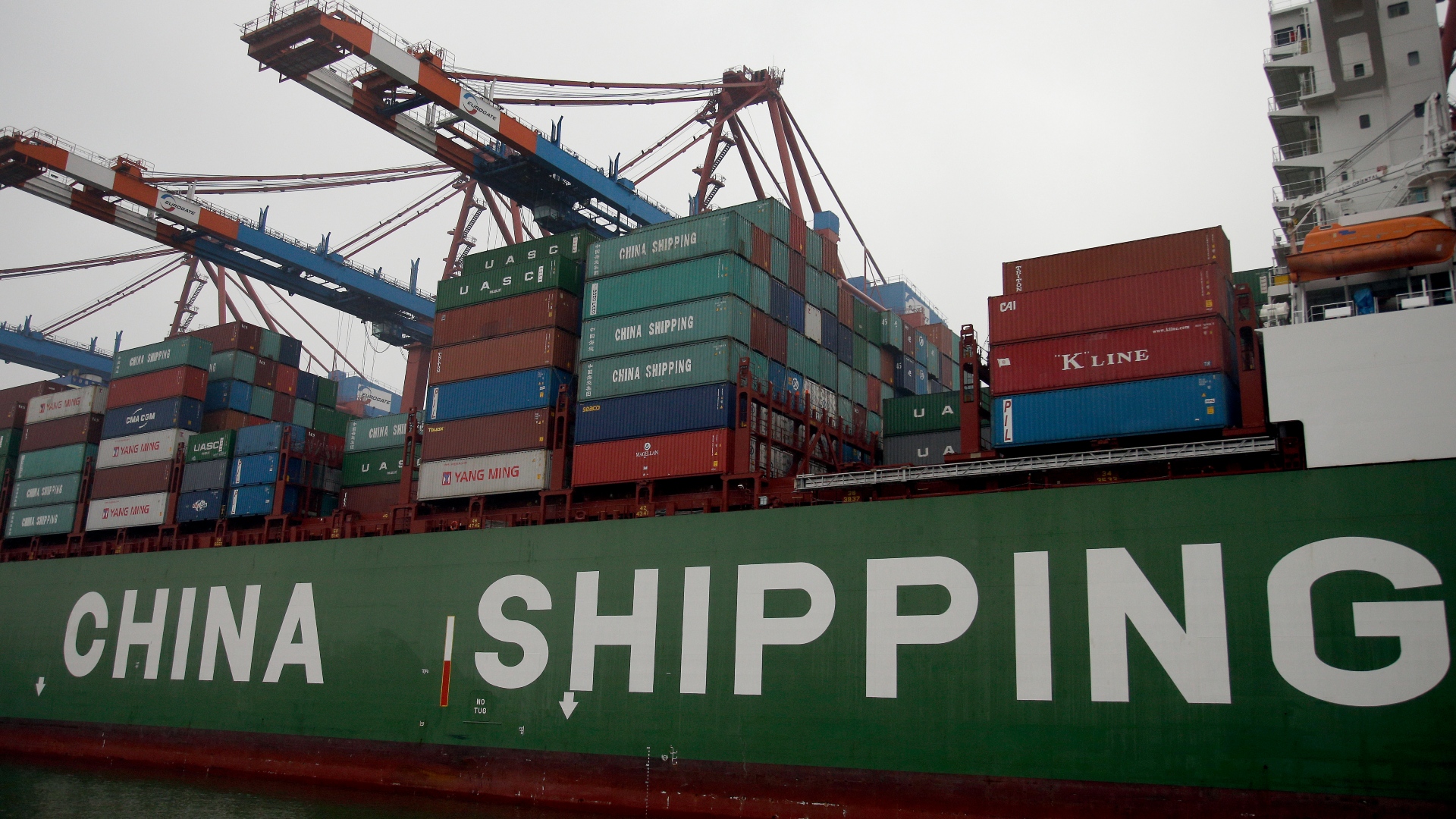
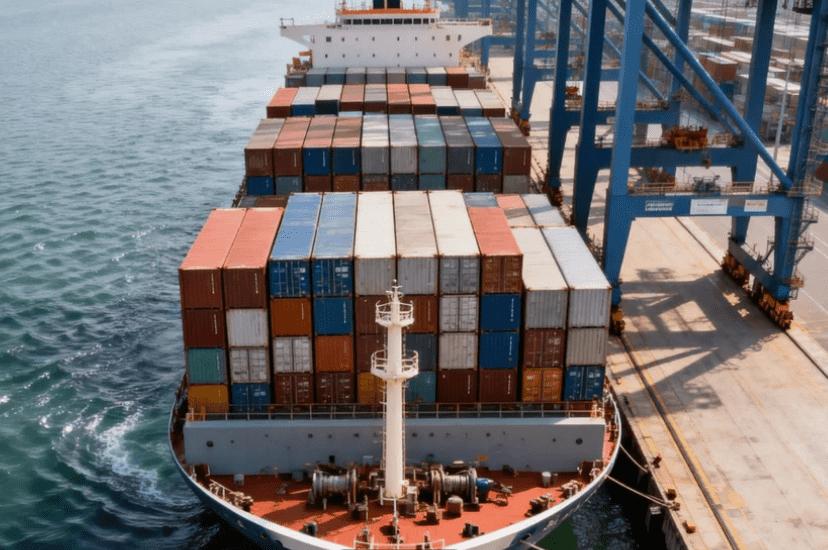
Shipping goods from China to Uganda by sea freight is an economical and widely used solution for bulk cargo. Although Uganda is a landlocked country, it is mainly served via the port of Mombasa in Kenya, with goods then transported overland to destinations such as Kampala, Uganda’s capital. Understanding container shipping costs, routing, and influencing factors is crucial for planning your logistics budget.
As you explore shipping options to Uganda, you may also be interested in regional logistics such as Sea Freight From China to Kenya, which shares similar routing and infrastructure.
Factors Influencing Sea Freight Rates
Port of Origin in China: Major ports include Shanghai, Shenzhen, Ningbo, Qingdao, Guangzhou, etc. Rates may vary by port.
Container Type & Size: 20ft and 40ft standard containers are most common.
Cargo Volume and Weight: Full Container Load (FCL) vs. Less than Container Load (LCL).
Seasonality: Peak shipping seasons (before Chinese New Year, Golden Week) may increase costs.
Fuel Surcharges & Local Charges: Bunker Adjustment Factor (BAF), Terminal Handling Charges (THC), etc.
Destination Charges: Costs for overland trucking from Mombasa to Uganda.
Cost of 20ft container shipping from China to Uganda?
A standard 20ft container (capacity: ~28 CBM) is ideal for small to medium shipments. As of 2024, average market rates for a 20ft FCL from China to Kampala, Uganda (via Mombasa) are as follows:
Origin Port in China |
Sea Freight to Mombasa (USD) |
Overland to Kampala (USD) |
Estimated Total (USD) |
Transit Time (Days) |
|---|---|---|---|---|
Shanghai |
$2,000 – $2,500 |
$3,000 – $3,500 |
$5,000 – $6,000 |
35 – 40 |
Shenzhen |
$1,900 – $2,400 |
$3,000 – $3,500 |
$4,900 – $5,900 |
35 – 40 |
Ningbo |
$2,000 – $2,500 |
$3,000 – $3,500 |
$5,000 – $6,000 |
35 – 40 |
Qingdao |
$2,100 – $2,600 |
$3,000 – $3,500 |
$5,100 – $6,100 |
36 – 42 |
Notes:
Prices are indicative as of Q2 2024, based on market averages.
Rates exclude destination port fees, customs clearance, and insurance.
Actual quotation depends on specific shipment details and fluctuating market conditions.
If you are comparing costs, you may want to review the container shipping costs from China to Uganda for more detailed pricing and historical trends.
Cost of 40ft container shipping from China to Uganda?
A 40ft container (capacity: ~56 CBM) is preferred for larger shipments, offering a lower cost per CBM.
Origin Port in China |
Sea Freight to Mombasa (USD) |
Overland to Kampala (USD) |
Estimated Total (USD) |
Transit Time (Days) |
|---|---|---|---|---|
Shanghai |
$3,200 – $3,800 |
$4,800 – $5,300 |
$8,000 – $9,100 |
35 – 40 |
Shenzhen |
$3,000 – $3,700 |
$4,800 – $5,300 |
$7,800 – $9,000 |
35 – 40 |
Ningbo |
$3,200 – $3,800 |
$4,800 – $5,300 |
$8,000 – $9,100 |
35 – 40 |
Qingdao |
$3,300 – $3,900 |
$4,800 – $5,300 |
$8,100 – $9,200 |
36 – 42 |
Further Considerations:
LCL (Less than Container Load): If your cargo is less than a full container, you will pay per CBM or ton, usually $100 – $200/CBM (all-in) to Uganda, depending on total volume.
Door-to-Door Service: Professional freight forwarders like Dantful International Logistics provide full service including pick-up, customs clearance, and final delivery to Uganda.
For those considering multimodal options in the region, see how costs compare with container shipping costs from China to Kenya.
Air freight cost from China to Uganda per KG
For time-sensitive, high-value, or relatively lightweight cargo, air freight offers the fastest solution from China to Uganda. Air cargo is typically routed to Entebbe International Airport (EBB) in Uganda.
Major Air Freight Hubs in China
Shanghai Pudong (PVG)
Guangzhou Baiyun (CAN)
Shenzhen Bao’an (SZX)
Beijing Capital (PEK)
Average Air Freight Rates (2025)
Air freight rates fluctuate based on cargo volume, weight, services required, and market demand. As of 2025:
Origin Airport (China) |
Destination (Entebbe, Uganda) |
General Cargo Rate (USD/KG) |
Minimum Chargeable Weight |
Transit Time (Days) |
|---|---|---|---|---|
Shanghai (PVG) |
Entebbe (EBB) |
$5.5 – $7.5 |
45 KG |
4 – 7 |
Guangzhou (CAN) |
Entebbe (EBB) |
$5.3 – $7.2 |
45 KG |
4 – 6 |
Shenzhen (SZX) |
Entebbe (EBB) |
$5.5 – $7.8 |
45 KG |
4 – 7 |
Beijing (PEK) |
Entebbe (EBB) |
$5.6 – $7.5 |
45 KG |
5 – 8 |
Additional Costs:
Fuel & Security Surcharges
Customs Clearance
Local Handling Charges
Door-to-Door Delivery (optional)
Pro Tip: For optimal rates and reliable handling, it is highly recommended to partner with a reputable freight forwarder like Dantful International Logistics, who can consolidate shipments, handle documentation, and ensure smooth customs clearance both in China and Uganda.
Rail freight cost from China to Uganda
Rail freight between China and Uganda is an increasingly popular solution for cargo owners seeking a balance between cost and speed. While not as fast as air freight or as affordable as sea freight, rail transportation offers a unique mix of advantages, especially for businesses shipping sizable volumes or time-sensitive goods.
Overview of Rail Route
Currently, there is no direct railway line connecting China and Uganda. Rail freight typically follows this combined multimodal route:
Rail from China to East African Ports: Cargo is transported via rail from inland Chinese cities (such as Chongqing, Chengdu, Wuhan, or Guangzhou) to coastal ports, typically Shenzhen, Guangzhou, or Shanghai.
Sea Freight to Mombasa or Dar es Salaam: From the Chinese port, containers are shipped by sea to Mombasa (Kenya) or Dar es Salaam (Tanzania), the main entry gateways to East Africa.
Rail/Land Transport to Uganda: On arrival at the African port, goods are transferred to local railway networks or road transport for delivery to Kampala and other Ugandan cities.
If you are interested in exploring broader rail logistics, you may refer to Rail Service From China to Europe for an understanding of the China-Europe rail network, which shares infrastructure with East African routes.
Rail Freight Cost Structure
The total rail freight cost from China to Uganda depends on several factors:
Origin city in China
Destination in Uganda
Type and volume of cargo (FCL or LCL)
Container type (20ft, 40ft, 40HQ, etc.)
Service options (door-to-door, port-to-port, etc.)
Transit insurance, customs clearance, and local handling charges
Below is a reference cost table based on current market rates (first half of 2025). All rates are indicative and subject to confirmation based on shipment details.
Container Size |
Route: China Rail (Inland) + Sea to Mombasa + Rail/Road to Kampala |
Estimated Cost (USD) |
Estimated Transit Time |
|---|---|---|---|
20ft Container |
Chongqing → Shenzhen (Rail) → Mombasa (Sea) → Kampala (Rail/Road) |
$5,200 – $6,200 |
28 – 35 days |
40ft Container |
Wuhan → Shanghai (Rail) → Mombasa (Sea) → Kampala (Rail/Road) |
$7,800 – $9,000 |
28 – 35 days |
LCL (per CBM) |
Guangzhou → Guangzhou Port (Rail) → Dar es Salaam (Sea) → Kampala |
$320 – $420 / CBM |
28 – 38 days |
Note: Above prices include mainline haulage, transshipment, and basic handling. Local delivery, warehousing, customs clearance, and insurance are quoted separately. Rates may fluctuate due to fuel surcharges, seasonality, and demand. For the most accurate and up-to-date quotation, it is recommended to consult a professional freight forwarder.
Advantages of Rail Freight via Dantful International Logistics
Integrated Service: Dantful Logistics provides seamless rail-sea-road multimodal solutions from any major Chinese city to Uganda.
Cargo Security: All movements are trackable, and cargo is handled under strict safety protocols.
Cost Optimization: Our logistics experts help you select the most economical and efficient route based on your cargo type and delivery deadline.
One-stop Solution: We handle customs clearance, insurance, warehousing, and last-mile delivery.
If you want a customized quote or need advice on the best shipping option for your cargo, please contact Dantful International Logistics, your trusted partner for cost-effective and high-quality freight forwarding from China to Uganda.
What is the import tax from China to Uganda?
When importing goods from China into Uganda, understanding the import tax system is crucial for accurate cost planning and compliance. The total import duty comprises several components, each determined by the nature and value of the goods.
Key Import Taxes and Duties
Import Duty
Calculated as a percentage of the Customs Value (CIF: Cost + Insurance + Freight).
Typical rates for general goods range from 0% to 25%, depending on the product HS code.
Value Added Tax (VAT)
Standard VAT rate in Uganda is 18% and is levied on the sum of CIF value plus import duty and other applicable taxes.
Withholding Tax (WHT)
Charged at 6% on the Customs Value for certain goods.
Infrastructure Levy
A levy of 1.5% on the CIF value applies to most imports.
Excise Duty
Applies to specific products such as alcoholic beverages, tobacco, and luxury items. Rates vary by product.
Example of Import Tax Calculation
Suppose you are importing general merchandise with a CIF value of $10,000:
Tax Component |
Rate |
Calculation Basis |
Amount (USD) |
|---|---|---|---|
Import Duty |
10% |
$10,000 (CIF) |
$1,000 |
Infrastructure Levy |
1.5% |
$10,000 (CIF) |
$150 |
Subtotal |
$11,150 |
||
VAT |
18% |
$11,150 (CIF + Duty + Levy) |
$2,007 |
Withholding Tax |
6% |
$10,000 (CIF) |
$600 |
Total Import Taxes |
$3,757 |
Note: The above is a sample calculation. Actual rates depend on your product’s HS Code and may be subject to change by the Uganda Revenue Authority (URA). It is essential to verify tariff schedules and consult with a professional customs broker or freight forwarder.
Additional Considerations
Prohibited & Restricted Goods: Some products may be banned or require special permits to import into Uganda.
Product Classification: Correct HS code declaration is critical to avoid penalties and ensure the correct duty rate.
Documentation: Ensure all commercial invoices, packing lists, bills of lading, and certificates of origin are accurate and complete.
Shipping from China to Uganda involves complex import tax calculations and compliance requirements. Partnering with Dantful International Logistics ensures you benefit from expert advice, transparency, and smooth customs clearance for every shipment.
Uganda customs clearance & documents checklist
Navigating customs clearance in Uganda is a critical step when shipping from China. To ensure a smooth process and avoid costly delays or penalties, importers must prepare and submit the required documents accurately and in compliance with Uganda Revenue Authority (URA) regulations.
Essential Documents for Customs Clearance
Document Name |
Description & Key Points |
|---|---|
Bill of Lading (B/L) or Airway Bill (AWB) |
The primary shipping document issued by your freight forwarder, required for container release and proof of shipment. |
Commercial Invoice |
Must detail the goods, HS codes, value, and terms of sale. It forms the basis for import duty calculation. |
Packing List |
Specifies content, weight, dimensions, and packaging, facilitating inspection and verification. |
Import Declaration Form (IDF) |
Registered with the Uganda Revenue Authority, it declares intent to import and details the cargo. |
Tax Identification Number (TIN) Document |
Required for both individual and corporate importers for tax and customs transactions. |
Certificate of Origin |
Issued by a relevant authority in China, sometimes required for preferential tariffs or trade agreements. |
Import Permits or Licenses |
For regulated or restricted goods (e.g., pharmaceuticals, electronics, food), special permits are mandatory. |
Freight Insurance Certificate |
Proof of insurance coverage, especially recommended for high-value or sensitive shipments. |
Proforma Invoice |
Sometimes requested for pre-shipment approvals or funding arrangements. |
Other Regulatory Certificates |
Depending on the product (e.g., phytosanitary, sanitary, quality inspection certificates). |
Uganda Customs Clearance Procedure
Pre-Arrival Document Submission: Electronic submission of the Bill of Lading, Commercial Invoice, and related documents via the URA ASYCUDA World system.
Import Declaration Registration: Obtain and register the Import Declaration Form (IDF) before cargo arrives.
Duty and Tax Assessment: Customs will assess duties, import VAT, and other levies based on the declared values and product classification (HS code).
Physical Inspection: Some shipments may be selected for random or targeted inspection—ensure goods and documents match precisely.
Payment and Release: After all duties, taxes, and any inspection fees are settled, customs will issue a release order for cargo collection.
Final Delivery: Arrange for in-country transport or door-to-door delivery with your freight forwarder.
Expert Tip: Working with a reliable freight forwarder like Dantful International Logistics ensures all customs requirements are met, documents are accurately prepared, and you stay updated on evolving Ugandan regulations.
Tips to reduce shipping cost from China to Uganda
Shipping costs from China to Uganda can be significant, especially for businesses operating on thin margins. However, there are proven strategies to minimize your freight expenditure without compromising on reliability or compliance.
1. Compare Different Shipping Modes
Mode |
Best For |
Cost (Typical)* |
Transit Time |
|---|---|---|---|
Sea Freight |
Large, heavy, non-urgent cargo |
Lowest per unit (FCL/LCL) |
30-45 days |
Air Freight |
High-value, urgent, small parcels |
High per kg |
4-7 days |
Rail Freight |
Mid-sized, balance of cost/time |
Moderate |
18-24 days (via Mombasa) |
*Actual rates fluctuate with market trends, fuel costs, and seasonal demand.
If you’re considering other African shipping options, you may want to read about Sea Freight From China to Africa, which covers strategies for shipping across the continent.
2. Consolidate Shipments
Combine LCL shipments: If your volumes are not sufficient for a full container (FCL), combine multiple smaller shipments (LCL) to share container costs.
Work with a consolidator: Dantful International Logistics regularly consolidates cargo from different clients, achieving economies of scale for lower per-unit rates.
3. Optimize Packaging and Volume
Maximize container fill: Utilize the full volume of a 20ft (28CBM), 40ft (56CBM), or 40HQ (68CBM) container to avoid “paying for air.”
Reduce deadweight: Use efficient packaging to minimize empty space and excess weight, lowering shipping and handling charges.
4. Book Early and Avoid Peak Seasons
Advance booking: Reserve space in advance, especially for sea freight, to secure better rates.
Avoid peak periods: Shipping near Chinese New Year or major holidays can inflate prices due to high demand.
5. Choose the Right Incoterms
Negotiate favorable terms: Compare FOB (Free on Board), CIF (Cost, Insurance, and Freight), and EXW (Ex Works) to see which option reduces your overall cost when factoring in local charges both in China and Uganda.
6. Partner with a Reputable Freight Forwarder
A professional forwarder like Dantful International Logistics not only negotiates competitive rates but also offers:
End-to-end solutions (Sea, Air, Rail, Road, Door to Door)
Customs clearance expertise
Cargo insurance options
Transparent cost breakdowns
7. Consider Alternative Routes and Ports
Sometimes routing via nearby ports such as Mombasa (Kenya) or Dar es Salaam (Tanzania), followed by road or rail to Uganda, can be more cost-effective than direct air or multimodal solutions.
8. Leverage Technology
Use shipment tracking, online quoting, and digital documentation to reduce administrative overhead and avoid errors that incur extra fees.
9. Stay Updated on Regulatory Changes
Customs regulations and import tariffs in Uganda can change. Staying informed helps you avoid unexpected costs, penalties, or warehouse demurrage.
By following these best practices and collaborating with a trusted logistics partner like Dantful International Logistics, businesses can significantly reduce their shipping costs from China to Uganda while maintaining supply chain efficiency and compliance. For tailored solutions and the latest freight advice, contact our team for a free consultation.
Transit time from China to Uganda
When planning an international shipment, understanding the transit time is critical for inventory management, sales planning, and customer satisfaction. China and Uganda are separated by vast distances and multiple transport corridors, making transit times dependent on the mode of transportation (sea freight, air freight, or rail freight), the specific origin and destination points, and the routing.
Below is an overview of the typical transit times for each major shipping method from China to Uganda:
Shipping Method |
Estimated Transit Time |
Route & Notes |
|---|---|---|
Sea Freight |
35–45 days |
From main ports in China (e.g., Shanghai, Shenzhen, Ningbo) to Mombasa Port (Kenya), followed by trucking to Kampala (Uganda’s capital). Congestions, customs, and weather may add extra days. |
Air Freight |
4–7 days |
Direct or indirect flights from major airports in China (e.g., Guangzhou Baiyun, Shanghai Pudong) to Entebbe International Airport in Uganda. Includes customs clearance. |
Rail Freight |
30–35 days |
Rail service from inland China via the China-Europe railway to Nairobi (Kenya), then onward by truck to Uganda. Less frequent, but cost-effective for large shipments. |
Key Considerations:
Sea freight is usually the most economical choice for bulk goods, but transit times can vary due to transshipment (shipments often transfer at the Port of Mombasa) and overland trucking to Uganda.
Air freight is the fastest, ideal for high-value or time-sensitive cargo, but can be more expensive.
Rail freight offers a balance between cost and speed, especially for heavier or bulk shipments, but may involve more complex coordination.
Delays can occur due to customs clearance, port congestion, or seasonal factors (such as peak shipping periods before major holidays). Working with an experienced freight forwarder ensures accurate schedule planning and real-time updates.
For similar transit comparisons and advice on shipping in the region, see the guide to Sea Freight From China to Uganda.
Freight forwarder from China to Uganda
Choosing a reliable freight forwarder is crucial for smooth and cost-effective shipping from China to Uganda. An expert freight forwarder not only arranges transportation but also manages customs clearance, documentation, cargo insurance, and last-mile delivery.
Why Use a Freight Forwarder?
Expertise: Navigating the complexities of international shipping, customs regulations, and local compliance in both China and Uganda requires in-depth knowledge.
Network: Established freight forwarders have strong relationships with ocean carriers, airlines, rail operators, and local agents, ensuring flexibility and competitive pricing.
End-to-End Services: Comprehensive logistics solutions including sea freight, air freight, rail freight, road freight, warehousing, customs clearance, and insurance.
Risk Management: Cargo tracking, insurance, and responsive problem-solving in the case of disruptions.
Dantful International Logistics: Your Trusted Partner
As a leading international freight forwarder with over 15 years of industry experience, Dantful International Logistics provides professional, cost-effective, and high-quality logistics solutions from China to Uganda. We serve a wide range of clients—from large importers to SMEs and e-commerce businesses.
Why Choose Dantful International Logistics?
Proven Track Record: Decades of successful shipping for clients across Africa.
Competitive Pricing: Transparent rate structures and flexible routing options.
Local Expertise: Strong partnerships with agents and customs brokers in both China and Uganda ensure smooth clearance and delivery.
Personalized Support: Dedicated account managers and real-time cargo tracking.
Compliance & Documentation: Expert guidance on import/export requirements and customs documentation.
If you are planning to ship goods from China to Uganda, contact Dantful International Logistics for a tailored quote and end-to-end logistics support. Our experience and global network will help your business expand into the Ugandan market with confidence.
FAQs
Q1: What is the cheapest way to ship from China to Uganda?
A1: The cheapest method is usually sea freight (FCL/LCL) via Mombasa Port in Kenya, followed by road transport to Uganda. This mode is most cost-effective for large or bulky shipments, though it takes longer than air or rail.
Q2: How long does customs clearance take in Uganda?
A2: Customs clearance at Uganda’s border can typically take 1–3 days, provided all documentation is correct and customs duties are settled. Delays may occur if paperwork is incomplete or if shipments require inspection.
Q3: Can I ship door-to-door from China to Uganda?
A3: Yes, with Dantful International Logistics, we offer reliable door-to-door shipping from China to Uganda—covering pickup, export customs, main transport, local clearance, and final delivery across Uganda.
Q5: What documents are required for shipping to Uganda?
A4: Essential documents include the Bill of Lading/Airway Bill, Commercial Invoice, Packing List, Import Declaration Form (IDF), and certificates such as Certificate of Origin if required.
Q6: Which Chinese ports are commonly used for shipping to Uganda?
A8: Major export ports include Shanghai, Shenzhen, Guangzhou, and Ningbo. The choice depends on supplier location, sailing schedules, and cost.

Young Chiu is a seasoned logistics expert with over 15 years of experience in international freight forwarding and supply chain management. As CEO of Dantful International Logistics, Young is dedicated to providing valuable insights and practical advice to businesses navigating the complexities of global shipping.