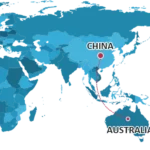
Are you looking to understand the ins and outs of LCL Shipping from China to Australia? Whether you’re a small business or an individual importer, navigating Less than Container Load (LCL) shipments can be complex. In this comprehensive guide, we’ll break down the process, costs, main shipping routes, and help you decide when LCL is the best choice. Discover everything you need to know to make your LCL shipping experience smooth and cost-effective!

Understanding LCL Shipping for Australia-Bound Cargo
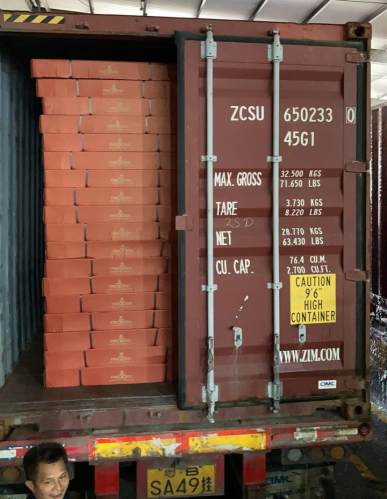
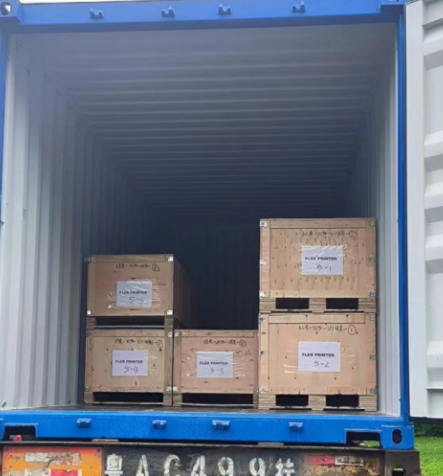
LCL shipping—short for Less than Container Load—is an efficient and flexible freight solution for shippers who do not have enough cargo to fill an entire shipping container. In LCL shipping, your goods are consolidated with cargo from other shippers, sharing container space and costs. This method is ideal for businesses and individuals importing relatively small or irregular shipments from China to Australia.
What Is LCL Shipping?
LCL shipping involves grouping various shipments together in a single container. Each shipper pays only for the space their cargo occupies, not the whole container. This arrangement is managed by a freight forwarder who handles the cargo consolidation, documentation, and coordination of all shipments.
At Dantful International Logistics, we specialize in providing comprehensive LCL shipping services from major Chinese ports such as Shanghai, Shenzhen, Ningbo, and Guangzhou to leading Australian ports like Sydney, Melbourne, Brisbane, and Perth. Our one-stop logistics solutions ensure that your goods move securely, efficiently, and cost-effectively, regardless of your shipment size.
If you’re considering shipping to other destinations in the region, check out our Shipping From China to New Zealand guide for additional insights on Oceania logistics.
Key Benefits of LCL Shipping from China to Australia
- Cost Efficiency: LCL is often the most cost-effective option for small and medium-sized shipments, as you only pay for the volume you use.
- Flexibility: Suitable for importing smaller batches or frequent restocking.
- Accessibility: Ideal for businesses of all sizes, including Amazon FBA sellers, e-commerce, and SMEs.
- Professional Handling: Partnering with a reliable freight forwarder such as Dantful International Logistics ensures efficient cargo management, customs clearance, and timely delivery.
LCL shipping is a strategic choice for importers looking to optimize their supply chain while minimizing costs and risks.
When to Choose LCL rather than FCL
Choosing between LCL (Less than Container Load) and FCL (Full Container Load) depends on your shipment volume, cost considerations, and logistics requirements. Here’s how you can decide:
LCL vs. FCL: Key Considerations
| Criteria | LCL (Less than Container Load) | FCL (Full Container Load) |
|---|---|---|
| Shipment Volume | Less than 15-20 CBM* | 15-20 CBM or more |
| Cost | Pay for the space used | Pay for entire container |
| Cargo Safety | Shares space with others (higher handling) | Exclusive use (lower handling risk) |
| Transit Time | May take longer (consolidation required) | Typically faster |
| Flexibility | High | Lower |
| Customs Process | Group customs clearance | Individual clearance |
| Ideal For | Small/medium shippers, e-commerce | Large shipments, high-value cargo |
*CBM = Cubic Meter
For a detailed comparison, see LCL vs FCL Shipping: How to Choose the Right Option for Small Cargo.
When Is LCL Shipping the Best Option?
- Small Volume Shipments: If your goods do not fill a full 20ft or 40ft container, LCL is more economical.
- Cost Sensitivity: LCL avoids paying for unused container space, lowering shipping costs for small batches.
- Testing New Markets: When market demand is uncertain, LCL allows cost-effective trial shipments.
- Multiple Suppliers: If you are collecting products from different suppliers in China, LCL consolidation simplifies your logistics.
- Regular Small Imports: Frequent importers of small quantities benefit from the flexibility of LCL.
When Should You Choose FCL Instead?
- Large Volume Shipments: If your cargo exceeds 15-20 CBM, FCL usually becomes more cost-effective.
- Sensitive or High Value Cargo: FCL reduces the risk of damage or loss, as your goods are not mixed with other shipments.
- Time-Sensitive Deliveries: FCL eliminates consolidation and deconsolidation delays, speeding up transit.
If you are unsure which mode is right for your cargo, consult with a professional freight forwarder. At Dantful International Logistics, our experienced team will analyze your shipping requirements and recommend the most efficient and cost-effective solution. We are committed to providing transparent advice and tailored logistics services for all your China to Australia LCL shipping needs.
Main Shipping Routes & Major Chinese and Australian Ports
When shipping LCL (Less than Container Load) cargo from China to Australia, understanding the main shipping routes and the primary ports involved is essential. The choice of ports and shipping lanes can significantly impact your delivery time, costs, and logistics planning. Here’s a comprehensive overview for importers:
Major Chinese Ports Handling LCL Cargo
China is home to some of the world’s busiest container ports, offering extensive consolidation services for LCL shipping. The most commonly used ports for LCL shipments bound for Australia include:
| Port Name (China) | Location | Notable Features |
|---|---|---|
| Shanghai | East China | World’s largest container port |
| Shenzhen | South China | Major export hub, close to factories |
| Ningbo | East China | Advanced LCL consolidation services |
| Guangzhou | South China | Strategic Pearl River Delta location |
| Qingdao | North China | Key port for manufacturing exports |
| Xiamen | Southeast China | Efficient for electronics, footwear |
| Tianjin | North China | Gateway to Beijing and North markets |
Major Australian Ports for LCL Imports
Australia has several important container terminals that handle LCL cargo from China. The major ports include:
| Port Name (Australia) | Main City | Coverage/Region |
|---|---|---|
| Port of Sydney | Sydney, NSW | Eastern Australia, largest by volume |
| Port of Melbourne | Melbourne, VIC | Southern & inland Australia, busiest port |
| Port of Brisbane | Brisbane, QLD | Queensland and Northern NSW |
| Port of Fremantle | Perth, WA | Western Australia |
| Port of Adelaide | Adelaide, SA | South Australia and central regions |
Typical Shipping Routes
The main LCL shipping routes from China to Australia utilize direct and transshipment services:
- Direct Route: From major ports like Shanghai, Shenzhen, and Ningbo directly to Sydney, Melbourne, or Brisbane. Direct routes usually offer faster transit times.
- Transshipment Route: Cargo may be consolidated at a major hub in China and then sent to Australia via a transshipment point, especially for ports with fewer direct sailings.
Example Route Table
| Route | Average Transit Time | Notes |
|---|---|---|
| Shanghai → Sydney (Direct) | 14-16 days | Fast and frequent departures |
| Ningbo → Melbourne (Direct) | 16-18 days | Reliable for manufacturing goods |
| Shenzhen → Brisbane (Direct) | 14-17 days | Preferred for electronics, textiles |
| Guangzhou → Fremantle (Via Singapore/HK) | 21-25 days | Transshipment increases transit time |
Dantful International Logistics leverages these major routes and ports to offer efficient LCL shipping solutions, ensuring your cargo is handled with expertise and care.
The LCL Shipping Process from China to Australia
Shipping LCL cargo from China to Australia is a streamlined yet detailed process, designed to provide flexibility and cost savings for smaller shipments. Here’s a step-by-step breakdown to help you understand each phase:
1. Cargo Collection and Consolidation
- Your goods are collected from the supplier’s warehouse or factory in China.
- Cargo is transported to a consolidation warehouse at the chosen port (e.g., Shanghai, Shenzhen).
- Multiple consignments from different shippers are consolidated into one container, optimizing shipping costs.
2. Export Customs Clearance
- Dantful International Logistics handles all required documentation, including the commercial invoice, packing list, and export declaration.
- Our experienced team ensures compliance with Chinese export regulations and prepares your shipment for international transit.
3. Container Loading and Departure
- All consolidated LCL cargo is loaded into a shared shipping container.
- The container is sealed and transported to the outbound vessel.
- The vessel departs the Chinese port for the chosen Australian port.
4. Ocean Freight Transit
- Your cargo sails along the designated route (direct or transshipment), monitored at every stage by our tracking systems.
- Transit time varies depending on the route and destination port.
5. Arrival and Destination Handling in Australia
- Upon arrival at the Australian port (e.g., Sydney, Melbourne, Brisbane, Fremantle), the container is offloaded and transferred to a bonded warehouse.
- Customs clearance is performed according to Australian Border Force regulations, including necessary inspections.
6. Deconsolidation and Delivery
- The container is deconsolidated; your shipment is separated from other consignees’ cargo.
- Final delivery is arranged. This can be to your warehouse, distribution center, or directly to your customer, depending on your requirements and service contract (e.g., Door-to-Door).
If you are interested in services beyond sea freight, you can also explore air freight from China to Australia for faster delivery options.
LCL Shipping Process Flowchart
- Supplier arranges goods →
- Collection by freight forwarder →
- Consolidation at Chinese warehouse →
- Export customs clearance →
- Container loading & ocean freight →
- Arrival at Australian port →
- Import customs clearance →
- Deconsolidation →
- Local delivery
Shipping LCL from China to Australia is a cost-effective and flexible solution for small and medium-sized importers. By partnering with an expert like Dantful International Logistics, you benefit from seamless coordination, timely delivery, and professional support throughout the process.
How Much Does LCL Shipping from China to Australia Cost?
The cost of LCL (Less than Container Load) shipping from China to Australia depends on several important factors. These include cargo volume, weight, origin and destination ports, type of goods, and additional services required (such as customs clearance or delivery to the final address). Below is a breakdown of the main cost components you should consider:
- Freight Charges: This is the base rate, usually calculated per cubic meter (CBM) or per metric ton, whichever is higher.
- Origin Charges: Includes export documentation, terminal handling, and consolidation fees at the port in China.
- Destination Charges: Includes deconsolidation, terminal handling, and import documentation fees at the port in Australia.
- Customs Duties & Taxes: Varies based on the classification and value of your goods, as per Australian regulations.
- Additional Services: Such as insurance, door-to-door delivery, or warehousing.
Here is a typical cost comparison table (Aug 2025) for LCL shipments from major Chinese ports to major Australian ports, based on a standard cargo (1 CBM/200kg). Actual market rates may fluctuate due to seasonality, global demand, and fuel surcharges. For precise and up-to-date quotes, always consult a trusted freight forwarder like Dantful International Logistics.
| Origin Port | Destination Port | Estimated LCL Freight (USD/CBM) | Origin Fees (USD) | Destination Fees (USD) | Typical Total (USD) |
|---|---|---|---|---|---|
| Shanghai | Sydney | $50 – $70 | $100 – $150 | $150 – $200 | $300 – $420 |
| Shenzhen | Melbourne | $55 – $75 | $100 – $140 | $150 – $210 | $305 – $425 |
| Ningbo | Brisbane | $60 – $80 | $110 – $150 | $160 – $220 | $330 – $450 |
| Qingdao | Perth | $65 – $85 | $120 – $160 | $170 – $230 | $355 – $475 |
Note: The total cost does not include customs duties, taxes, or insurance. Rates are indicative for 1 CBM; larger volumes may benefit from lower per-unit pricing.
For a broader understanding of international container rates in the region, you may refer to container shipping costs from China to Australia.
To get an accurate quote for your specific shipment requirements, contact Dantful International Logistics for a transparent, all-inclusive pricing breakdown.
Transit Times for LCL Shipments from China to Australia
Transit times for LCL shipments from China to Australia generally depend on the route, port pair, carrier schedule, and any consolidation process involved. Typically, LCL shipments take slightly longer compared to FCL (Full Container Load) due to the need for cargo consolidation at the origin and deconsolidation at the destination.
Here is a table summarizing average LCL transit times from major Chinese ports to key Australian ports:
| Origin Port | Destination Port | Average Sea Transit Time (Days) | Typical Total Door-to-Door Time (Days) |
|---|---|---|---|
| Shanghai | Sydney | 12 – 16 | 18 – 24 |
| Shenzhen | Melbourne | 13 – 17 | 19 – 25 |
| Ningbo | Brisbane | 14 – 18 | 20 – 26 |
| Qingdao | Perth | 15 – 20 | 21 – 28 |
Note: Total door-to-door time includes pick-up, consolidation, customs clearance, and final delivery. Actual times may vary due to port congestion, customs inspection, or seasonal fluctuations.
For comparison, if your supply chain requires faster solutions, you may also consider Sea Freight From China to Australia for more options.
Choosing LCL shipping is ideal when your cargo does not fill a full container. However, if fast transit is critical, discuss express LCL or air freight options with your forwarder.
Read More:
- Shipping From China To Netherlands
- Shipping From China To Spain
- Shipping From China To Germany
- Shipping From China To France
- Shipping From China to Italy
- Shipping From China To Poland
- Shipping From China to United Kingdom
How to Select a Reliable Freight Forwarder for LCL Shipping
Selecting a trustworthy and experienced freight forwarder is crucial for successful LCL shipping from China to Australia. A reliable partner will ensure your goods are shipped safely, efficiently, and at a competitive rate. Consider the following key criteria:
Industry Experience & Expertise
Choose a forwarder with proven experience in China-Australia LCL shipping. They should understand international regulations, port procedures, and provide tailored solutions for your cargo.Comprehensive Service Offering
A good logistics provider should offer a full suite of services, including ocean freight, air freight, rail freight, road freight, Amazon FBA, warehousing, customs clearance, insurance, door-to-door delivery, OOG freight, consolidated freight, and breakbulk freight. This one-stop approach simplifies your logistics chain and saves time.Transparent Pricing & Documentation
Look for clear, upfront quotes with no hidden charges. All services, including handling, customs, and delivery, should be itemized. A trustworthy forwarder will also assist with export and import documentation, reducing the risk of delays.Global Network & Local Support
Your forwarder should have a strong presence in both China and Australia, with trusted agents in all major ports. This ensures smooth handling and quick resolution of any issues.Customer Reviews & Certifications
Check for positive feedback, industry certifications, and memberships in associations such as FIATA or WCA.
For more tips on selecting the right logistics partner in this trade lane, see freight forwarder from china to Australia.
Why Choose Dantful International Logistics?
Dantful International Logistics is recognized as a highly professional, cost-effective, and high-quality provider of international logistics services. We specialize in LCL shipping from China to Australia, offering:
- End-to-end logistics solutions tailored to your needs
- Transparent, competitive pricing with no hidden fees
- Real-time tracking and proactive customer support
- Expertise in customs clearance and local regulations
- Flexible options for all shipment sizes and types
With Dantful, you benefit from a seamless logistics experience, whether you are a first-time importer or a seasoned global trader.
For a personalized consultation and to request a quote, contact Dantful International Logistics.

Young Chiu is a seasoned logistics expert with over 15 years of experience in international freight forwarding and supply chain management. As CEO of Dantful International Logistics, Young is dedicated to providing valuable insights and practical advice to businesses navigating the complexities of global shipping.