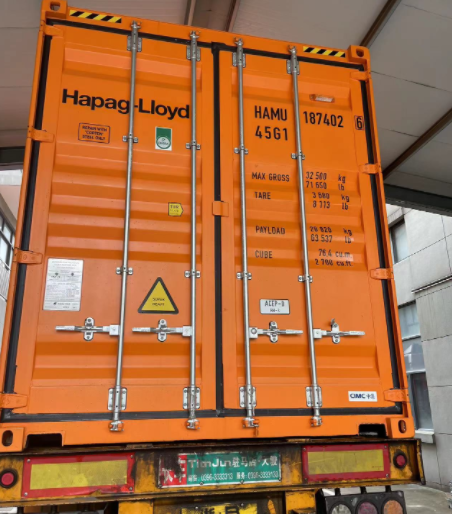
Facing shipping challenges from China to Indonesia? Sea freight is your solution! This guide simplifies the journey, highlighting how Dantful International Logistics efficiently handles sea freight from China to Indonesia, covering cost optimization, transit times, and why it’s the ideal choice for large volumes.

Understanding Sea Freight
Sea freight refers to the transportation of goods via ocean vessels. It is one of the most commonly used methods of shipping internationally and is particularly popular for bulk and large shipments. When considering importing goods from China, many businesses opt for sea freight due to its cost-effectiveness and ability to handle significant volumes.
Choosing sea freight can offer several advantages:
-
Cost-Effectiveness: Compared to other shipping methods, such as air freight, sea freight is generally much more economical, especially for large shipments. This is crucial for companies looking to maximize profit margins while minimizing shipping costs.
-
Capacity: Ocean vessels can accommodate a wide variety of cargo types and sizes, making them ideal for transporting everything from heavy machinery to consumer goods.
-
Sustainability: As global awareness of environmental issues rises, sea freight emerges as a more sustainable option. Ships emit significantly less CO2 per ton-mile than trucks or airplanes, making them a greener choice for international shipping.
-
Reduced Risk of Damage: Goods transported by sea are generally less susceptible to damage compared to other methods, due to the more stable environment onboard modern vessels equipped with advanced technology.
Benefits of Sea Freight for Importing Goods
When importing goods, particularly from a manufacturing powerhouse like China, sea freight offers numerous benefits:
| Benefit | Description |
|---|---|
| Lower Shipping Costs | Sea freight typically has lower per-unit costs compared to air freight, making it ideal for bulk shipments. |
| Larger Shipments | The ability to move large quantities of goods at once, which is beneficial for businesses with high demand. |
| Versatility | Sea freight can handle various types of cargo, including hazardous materials, oversized items, and perishables. |
| Reliability | Ocean freight schedules are generally consistent, providing businesses with predictable shipping timelines. |
| Enhanced Security | Containers are sealed and tracked throughout their journey, reducing the chance of theft or loss. |
| Global Reach | Sea freight connects businesses to virtually every country in the world, facilitating international trade. |
These benefits make sea freight an attractive option for businesses looking to import products from countries like China.
Key Considerations for Shipping from China to Indonesia
When planning to ship goods from China to Indonesia, understanding the unique aspects of this trade route is crucial. Here are the key considerations:
Shipping Methods
Several shipping methods are available for transporting goods from China to Indonesia. The most common include:
-
Full Container Load (FCL): Ideal for large shipments, an FCL involves renting an entire container. It is often the most efficient and cost-effective option for large volumes.
-
Less than Container Load (LCL): For smaller shipments, LCL allows multiple shippers to share space in a single container. This is a great option for businesses with less frequent or smaller orders.
-
Breakbulk Shipping: Suitable for oversized cargo that cannot fit into standard containers, breakbulk shipping involves loading individual pieces onto the ship. This method often requires additional handling and documentation.
Shipping Routes
The shipping route from China to Indonesia generally involves the following major ports:
-
Departure Ports in China: The primary departure ports include Shanghai, Ningbo, and Shenzhen. These ports are equipped with vast infrastructure and services, making them efficient departure points.
-
Arrival Ports in Indonesia: Major ports include Tanjung Priok in Jakarta and Surabaya. Tanjung Priok is the largest and busiest port in Indonesia, handling a significant portion of the country’s import traffic.
| Departure Port | Arrival Port | Estimated Transit Time |
|---|---|---|
| Shanghai | Tanjung Priok | 10-14 days |
| Shenzhen | Surabaya | 12-16 days |
| Ningbo | Tanjung Priok | 10-14 days |
Required Documents
To ensure a smooth shipping process from China to Indonesia, it is critical to prepare the necessary documents, including:
- Bill of Lading: A key document that serves as a receipt of shipment and contract between the shipper and carrier.
- Commercial Invoice: A detailed invoice that outlines the transaction, including item descriptions, quantities, and prices.
- Packing List: A document detailing the contents of the shipment, essential for customs clearance.
- Import License: Depending on the type of goods being imported, an import license may be required by Indonesian authorities.
Customs Clearance
Navigating customs clearance can be one of the most complex aspects of shipping. It is crucial to work with a reputable freight forwarder like Dantful International Logistics that understands Indonesian customs regulations. Key steps include:
-
Duties and Taxes: Understanding the applicable import duties and taxes is essential for accurate cost calculations. Customs duties in Indonesia can vary significantly depending on the nature of the goods.
-
Documentation Review: Customs authorities will review all import documentation. Ensuring that all documents are accurate and complete will facilitate faster clearance and minimize delays.
-
Customs Broker: Employing a customs broker can greatly simplify the process, as they can help navigate local regulations and ensure compliance, reducing the risk of penalties or shipment delays.
By considering these factors, businesses can successfully manage their shipping process from China to Indonesia, ensuring efficient and compliant importation of goods. For a seamless experience, consider partnering with Dantful Logistics for professional, cost-effective, and high-quality logistics services tailored to meet your needs.
Dantful International Logistics Services:
- Dantful Ocean Freight Services
- Air Freight From China
- Amazon FBA Freight Forwarding
- WAREHOUSE Services
- One-Stop Customs Clearance Solution
- Cargo Insurance Services in China
- DDP Shipping Services By Dantful Logistics
- Out of Gauge Cargo Transportation Shipping Services
Major Ports for Sea Freight from China to Indonesia
Top Chinese Ports for Exporting to Indonesia
When exporting goods from China to Indonesia, selecting the right port is critical for optimizing logistics and ensuring efficient transportation. The following are the top Chinese ports known for their significant export activities to Indonesia:
| Port Name | Location | Key Features |
|---|---|---|
| Shanghai | East China | Largest port in the world, excellent infrastructure, significant shipping routes to Southeast Asia. |
| Shenzhen | South China | Major hub for electronics and consumer goods, known for its fast processing times and modern facilities. |
| Ningbo | East China | One of the fastest-growing ports, known for its efficient operations and deep-water capabilities. |
| Guangzhou | South China | Significant port for general cargo, with extensive connections to various Southeast Asian countries. |
| Xiamen | Southeast China | Key port for agricultural and perishable goods, with streamlined customs procedures for exports. |
These ports have established themselves as pivotal points for trade, providing a robust infrastructure and services essential for facilitating sea freight to Indonesia.
Key Indonesian Ports for Imports
Upon arrival in Indonesia, the choice of port will significantly impact the efficiency of the logistics chain. The primary Indonesian ports for imported goods are:
| Port Name | Location | Key Features |
|---|---|---|
| Tanjung Priok | Jakarta | The largest and busiest port in Indonesia, capable of handling large containers and a wide range of cargo types. |
| Surabaya | East Java | A critical port for cargo destined for the eastern regions of Indonesia, featuring strong connectivity. |
| Makassar | South Sulawesi | Key port for trade with eastern Indonesia, it serves as a vital hub for inter-island shipping. |
| Batam | Riau Islands | A free trade zone, crucial for goods being imported for manufacturing and assembly. |
| Dumai | Riau | An important port for oil and gas imports, with capabilities for handling bulk cargo. |
Choosing the appropriate port in Indonesia ensures smooth import processes and effective distribution across the archipelago.
The Sea Freight Shipping Process Step-by-Step
Understanding the sea freight shipping process can help streamline operations and minimize delays. Below is a detailed breakdown of the steps involved:
1. Obtaining a Freight Quote and Booking
-
Providing Shipment Details to the Freight Forwarder: Begin by supplying the freight forwarder with specific information about the shipment, including the type of goods, volume, weight, and preferred shipping dates.
-
Agreeing on Shipping Terms and Rates: The freight forwarder will provide a quote based on the provided details. Key elements include shipping terms (Incoterms) and rates. Ensure clarity on what is included in the service.
-
Confirming the Booking: Once both parties agree on the terms, confirm the booking to secure space on the vessel.
2. Cargo Pick-up and Delivery to the Port
-
Arranging for Cargo Pick-up from the Supplier: Coordinate with the supplier to schedule the cargo pick-up.
-
Transporting the Goods to the Port of Departure in China: The freight forwarder will arrange transportation to the designated port. Consider using efficient trucking options to minimize transit time.
3. Export Customs Clearance in China
-
Submitting Required Documents: Provide essential documents to the customs authority in China, including the Bill of Lading, Commercial Invoice, and Packing List.
-
Paying Export Duties and Taxes: Ensure all export duties and taxes are settled to facilitate smooth clearance.
4. Loading and Ocean Transportation
-
Loading the Cargo onto the Vessel: After customs clearance, the cargo is loaded onto the vessel. The freight forwarder will manage this process to ensure accuracy and efficiency.
-
Transit Time from China to Indonesia: Depending on the specific route and shipping conditions, transit time can range from 10 to 20 days.
5. Import Customs Clearance in Indonesia
-
Submitting Import Documents: Upon arrival in Indonesia, essential import documentation should be submitted to customs authorities.
-
Paying Import Duties and Taxes: Similar to the export process, ensure that all import duties and taxes are paid to avoid delays in clearance.
6. Cargo Unloading and Delivery to the Final Destination
-
Unloading the Cargo at the Port of Arrival in Indonesia: The cargo will be unloaded at the designated Indonesian port, typically managed by port authorities.
-
Arranging for Final Delivery to Your Warehouse or Facility: Following unloading, coordinate with the freight forwarder to arrange transportation to your warehouse or final destination.
This step-by-step guide provides a comprehensive overview of the sea freight shipping process. Partnering with a reliable logistics provider like Dantful International Logistics ensures smooth navigation through each of these stages, enhancing efficiency and reliability during the import process. By leveraging our expertise, you can focus on your core business operations while enjoying a seamless shipping experience.
You may be interested in the following related articles:
- Shipping From China To Vietnam
- Shipping From China To Thailand
- Shipping From China To South Korea
- Shipping From China To Philipines
- Shipping From China To Pakistan
- Shipping From China To Japan
- Shipping From China To Indonesia
- Shipping From China To Singapore
- Shipping From China To Malaysia
How much is sea freight from China to Indonesia?
The cost of sea freight from China to Indonesia is dynamic and can fluctuate based on several elements, including current market conditions, fuel prices, shipping line capacity, and the specific ports involved. Generally, Indonesia is a key trade partner for China, leading to regular and relatively competitive shipping routes.
As of Q4 2025, the global logistics landscape continues to experience some volatility due to geopolitical events and ongoing supply chain adjustments. While container rates have stabilized somewhat compared to the pandemic peaks, it’s crucial to obtain real-time quotes for the most accurate pricing.
Factors influencing the cost of shipping from China to Indonesia include:
- Container Type and Size: 20ft container vs. 40ft container.
- Cargo Weight and Volume: Heavier or bulkier cargo may incur additional charges.
- Origin and Destination Ports: Shipping from major Chinese ports like Shanghai, Ningbo, Shenzhen, or Guangzhou to key Indonesian ports such as Jakarta (Tanjung Priok), Surabaya (Tanjung Perak), or Belawan.
- Shipping Line and Service Level: Different carriers offer varying rates and transit times.
- Seasonality: Peak shipping seasons (e.g., before major holidays like Chinese New Year) can lead to higher prices.
- Additional Services: Customs Clearance, Warehouse Services, Insurance Services, Door to Door Shipping can impact the total cost.
Cost of shipping 20ft container from China to Indonesia
A 20ft container is ideal for smaller shipments or when cargo volume is moderate. It typically holds around 10 standard pallets.
Here’s an estimated range for 20ft container shipping costs from China to Indonesia:
| Origin Port (China) | Destination Port (Indonesia) | Estimated Sea Freight Cost (USD) | Transit Time (Days) | Notes |
|---|---|---|---|---|
| Shanghai | Jakarta (Tanjung Priok) | $800 – $1,500 | 10-18 | Rates can vary based on specific sailing schedules and surcharges. |
| Ningbo | Jakarta (Tanjung Priok) | $850 – $1,600 | 12-20 | Ningbo is a major port with frequent sailings. |
| Shenzhen | Jakarta (Tanjung Priok) | $750 – $1,400 | 8-15 | Shenzhen offers some of the fastest transit times due to its proximity. |
| Guangzhou | Jakarta (Tanjung Priok) | $800 – $1,500 | 9-16 | Similar to Shenzhen, good connectivity. |
| Qingdao | Jakarta (Tanjung Priok) | $900 – $1,700 | 15-22 | Northern China ports generally have longer transit times. |
| Xiamen | Jakarta (Tanjung Priok) | $800 – $1,550 | 10-17 | Direct routes available. |
Please note: These are estimated base ocean freight costs for port-to-port service. They do not include local charges at origin or destination, Customs Clearance fees, trucking, or Insurance Services. For a precise quote, please contact Dantful International Logistics.
Cost of shipping 40ft container from China to Indonesia
A 40ft container (including 40ft High Cube) is suitable for larger volumes of cargo, typically holding around 20-24 standard pallets. While it’s double the length of a 20ft container, the cost is usually less than double that of a 20ft, offering better value for larger shipments.
Here’s an estimated range for 40ft container shipping costs from China to Indonesia:
| Origin Port (China) | Destination Port (Indonesia) | Estimated Sea Freight Cost (USD) | Transit Time (Days) | Notes |
|---|---|---|---|---|
| Shanghai | Jakarta (Tanjung Priok) | $1,200 – $2,200 | 10-18 | Often includes a slight premium for larger capacity. |
| Ningbo | Jakarta (Tanjung Priok) | $1,300 – $2,300 | 12-20 | Consistent availability for 40ft containers. |
| Shenzhen | Jakarta (Tanjung Priok) | $1,100 – $2,000 | 8-15 | Excellent for time-sensitive, larger shipments. |
| Guangzhou | Jakarta (Tanjung Priok) | $1,200 – $2,100 | 9-16 | Competitive pricing due to high traffic volume. |
| Qingdao | Jakarta (Tanjung Priok) | $1,400 – $2,500 | 15-22 | Essential for goods originating from northern industrial hubs. |
| Xiamen | Jakarta (Tanjung Priok) | $1,250 – $2,150 | 10-17 | Efficient connections. |
Disclaimer: These figures are indicative. Real-time rates can vary significantly. Dantful International Logistics provides transparent and competitive quotes tailored to your specific needs.
Indonesia’s main ports, especially Tanjung Priok in Jakarta, are continually investing in infrastructure to handle increasing cargo volumes. For instance, Tanjung Priok has been expanding its capacity to maintain its status as Southeast Asia’s busiest port, with recent news highlighting ongoing automation and digitalization efforts to improve efficiency and reduce dwell times.
Import tax and duty in Indonesia
Importing goods into Indonesia involves several taxes and duties, which are crucial to calculate for accurate landed cost estimations. Indonesia applies a complex system that includes:
- Import Duty (Bea Masuk):
- Rates typically range from 0% to 40%, depending on the Harmonized System (HS) code of the product.
- Certain strategic goods or those produced domestically may have higher duties to protect local industries.
- Indonesia is part of several free trade agreements (FTAs), such as ASEAN-China FTA (ACFTA), which can significantly reduce or eliminate import duties for eligible goods. It’s essential to verify if your product qualifies for preferential treatment under these agreements.
- Value Added Tax (VAT – Pajak Pertambahan Nilai, PPN):
- The standard VAT rate in Indonesia is currently 11% (effective April 1, 2022, raised from 10%). This is applied to the CIF (Cost, Insurance, Freight) value plus import duties.
- Some essential goods and services may be exempt or subject to a reduced rate.
- Income Tax Article 22 (Pajak Penghasilan Pasal 22, PPh 22):
- This is an advance income tax on imports.
- For importers with an Importer Identification Number (API), the rate is typically 2.5% of the import value (CIF + duty).
- For importers without an API, the rate can be as high as 7.5%.
- Certain goods (e.g., luxury items) may be subject to higher PPh 22 rates.
- Luxury Goods Sales Tax (Pajak Penjualan atas Barang Mewah, PPnBM):
- Applicable to a specific list of luxury goods.
- Rates vary widely, from 10% to 200%, depending on the type of product. This is applied on the same base as VAT.
Calculating Import Taxes and Duties (Example):
Let’s consider an example for a product with:
- CIF Value: $10,000
- Import Duty Rate: 5%
- VAT Rate: 11%
- PPh 22 Rate (with API): 2.5%
- Import Duty: $10,000 * 5% = $500
- Value for VAT & PPh 22: CIF Value + Import Duty = $10,000 + $500 = $10,500
- VAT: $10,500 * 11% = $1,155
- PPh 22: $10,500 * 2.5% = $262.50
Total Taxes and Duties: $500 (Duty) + $1,155 (VAT) + $262.50 (PPh 22) = $1,917.50
- Note on HS Codes: Proper classification of your goods using the correct Harmonized System (HS) code is paramount. Incorrect classification can lead to delays, penalties, or incorrect duty payments. Dantful International Logistics can assist with Customs Clearance and classification to ensure compliance.
- Regulations Updates: Indonesian customs regulations and tax policies can change. It’s advisable to check the latest regulations from official sources or consult with a reputable freight forwarder.
Dantful International Logistics offers comprehensive Door to Door Shipping services to Indonesia, which includes handling all aspects of sea freight, Customs Clearance, and delivery to your final destination, simplifying the import process for you. Our expertise ensures a smooth and cost-effective shipping experience. Contact us today for a personalized quote!xpenses when importing goods from China to Indonesia.
Shipping Times from China to Indonesia by Sea Freight
Shipping times are another critical factor to consider when managing logistics and supply chains. Understanding the typical transit times and factors affecting these times can help businesses plan accordingly.
Port-to-Port Delivery
Typical Transit Times for Major Port Pairs
The transit time from major ports in China to key ports in Indonesia varies based on shipping routes and other factors. Below are typical transit times for common port pairs:
| Departure Port | Arrival Port | Typical Transit Time |
|---|---|---|
| Shanghai | Tanjung Priok | 10-14 days |
| Shenzhen | Surabaya | 12-16 days |
| Ningbo | Tanjung Priok | 10-14 days |
| Guangzhou | Makassar | 14-18 days |
These transit times are estimates and can vary based on shipping schedules, weather conditions, and port congestion.
Factors Affecting Port-to-Port Delivery Times
Several factors can influence the actual delivery times for sea freight:
-
Vessel Schedules: The frequency of vessel departures from the port of origin plays a significant role in determining shipping time.
-
Port Congestion: High traffic at ports can lead to delays in loading and unloading operations, affecting overall delivery timelines.
-
Weather Conditions: Adverse weather events can disrupt shipping schedules and delay transit times.
-
Customs Processing: Delays in customs clearance, both at departure and arrival ports, can extend shipping times. Ensuring accurate documentation can mitigate this risk.
-
Transshipment: If a shipment requires transshipment (changing vessels at an intermediate port), it may increase delivery times.
Door-to-Door Delivery
Door-to-door delivery provides an all-inclusive service where the freight forwarder handles every step of the shipping process, from the supplier’s location in China to the final destination in Indonesia. This method simplifies logistics but can vary in delivery times based on:
-
Local Transport: The efficiency of local transportation services in both the sending and receiving countries can affect overall shipping times.
-
Customs Clearance: As with port-to-port shipping, customs clearance times can significantly impact door-to-door delivery times.
-
Service Level Chosen: Different service levels (e.g., express versus standard delivery) can dramatically alter expected timelines.
-
Distance and Location: The final destination’s proximity to major transport hubs may influence delivery duration, especially in Indonesia’s archipelagic geography.
Utilizing door-to-door shipping services from a reliable provider such as Dantful International Logistics ensures that all logistical aspects are managed effectively, allowing businesses to focus on other critical operations while enjoying timely delivery of their goods.
FAQs
- How to ship from China to Indonesia? Choose a trusted freight forwarder like Dantful International Logistics to arrange sea or air freight, customs clearance, and delivery to your address in Indonesia.
- How much does sea freight cost from China? Sea freight from China typically ranges from $700 to $1,400 for a 20ft container, depending on the route and market conditions.
- How much does it cost to ship from China to Indonesia? Port-to-port shipping for a 20ft container usually costs $700–$1,400, while a 40ft container costs $1,000–$1,700 on average.
- How much is ocean freight from China to Indonesia per kg? For LCL (Less than Container Load), ocean freight rates are generally between $50–$100 per CBM or about $0.10–$0.50 per kg, depending on cargo volume and destination.
- What is the cheapest way to ship from China? The cheapest way is often by sea freight using LCL or FCL, especially for large or heavy shipments.
- How to reduce shipping costs from China to Indonesia? Consolidate shipments, choose slower transit options, avoid peak seasons, and work with an experienced freight forwarder like Dantful International Logistics for the best rates.

Young Chiu is a seasoned logistics expert with over 15 years of experience in international freight forwarding and supply chain management. As CEO of Dantful International Logistics, Young is dedicated to providing valuable insights and practical advice to businesses navigating the complexities of global shipping.