Sea freight is one of the most practical ways to move commercial cargo from China to Iraq—especially when you ship in bulk, manage steady replenishment, or need a lower cost per unit than air. The challenge is that “sea freight” is not just an ocean leg: you also need the right shipping method (FCL/LCL), the right route/port, compliant documents, and a clear plan for customs and inland delivery. This guide breaks down the process and decision points for shipping from China to Iraq.
Quick snapshot (January 2026)
- Typical ocean transit: 28–42 days (port-to-port); 32–47 days (door-to-door)
- Common entry ports in Iraq: Umm Qasr, Basra (plus Khor al-Zubair for specific cargo)
- Key documents: Commercial invoice, packing list, bill of lading, certificate of origin, HS code
- Cost drivers: Container type, routing, surcharges, cargo specs, customs duties/taxes, and inland delivery
If you want an accurate quote (and to avoid delays), prepare your cargo details early: product name, HS code (if available), cartons/pallets, weight/CBM, pickup location, delivery city, and Incoterms.
Understanding Sea Freight
Sea freight is the process of transporting goods via ocean vessels, a method widely utilized for international trade due to its efficiency and cost-effectiveness. Unlike air freight, which is generally faster but more expensive, sea freight offers a reliable option for shipping large quantities of goods over long distances at a lower cost per unit. This makes it particularly appealing for businesses looking to import goods, such as those sourcing from China.
Choosing sea freight is usually driven by these business considerations:
- Cost-effectiveness: Sea freight rates tend to be cheaper than air freight, especially for heavy and bulky items. The exact savings depend on cargo density, seasonality, carrier capacity, and whether the route requires detours.
- Capacity: Cargo ships can hold a much larger volume of goods compared to aircraft, making sea freight ideal for bulk shipping. This is particularly beneficial for businesses needing to import large quantities of goods at once.
- Environmentally Friendly: Sea freight generally has a lower environmental impact per ton of cargo transported compared to air freight, aligning with sustainability goals for many organizations.
Benefits of Sea Freight for Importing Goods
When importing goods from China to Iraq, sea freight is often chosen because it supports scale and predictable planning:
- Lower shipping costs: As mentioned, sea freight prices are generally lower than air freight, allowing for significant savings, especially for larger shipments.
- Flexibility in cargo types: Sea freight allows for the transportation of a diverse range of goods, including heavy machinery, textiles, electronics, and even vehicles, making it a versatile choice for importers.
- Regular schedules: Shipping lines operate on fixed schedules, which can help businesses plan their inventory and production needs more effectively.
- Extended reach: Sea freight provides access to international markets, enabling businesses to expand their sourcing options beyond local suppliers.
- Safety of goods: Cargo transported via sea freight is usually well-secured in containers, reducing the risk of damage during transit.
For many importers, sea freight is the default option for replenishment and bulk purchasing—while urgent or lightweight cargo may be better handled by air.
Key Considerations for Shipping from China to Iraq
When shipping from China to Iraq, several critical factors must be considered to ensure a smooth logistics process. This involves understanding shipping methods, routes, required documents, and customs clearance processes.
Shipping Methods
There are two primary methods of sea freight: full container load (FCL) and less than container load (LCL).
| Shipping Method | Description | Best Suited For |
|---|---|---|
| FCL | A full container is used for a single shipment, ideal for large quantities of goods. | Businesses with large shipments that can fill a container. |
| LCL | Multiple shipments from different suppliers are consolidated into one container. | Smaller shipments that do not require a full container. |
Selecting the right shipping method can significantly influence overall costs and transit times.
How to choose between FCL and LCL
- Choose FCL when you have enough volume to utilize most of a container, your cargo is fragile/high-value, or you want simpler handling at destination.
- Choose LCL when your shipment is smaller, you want to consolidate multiple suppliers, or you want to avoid paying for unused container space.
- If your cargo is both heavy and small (high density), ask for both options—LCL can sometimes price higher per unit due to minimum charges.
Incoterms to clarify responsibilities (EXW / FOB / CIF / DDP)
Incoterms (International Commercial Terms) define who pays for which leg and who is responsible at each handover point.
| Incoterm | What it usually means for China → Iraq sea freight | When it fits |
|---|---|---|
| EXW | Buyer arranges pickup from supplier and all onward legs | You want full control and can manage export/booking |
| FOB | Supplier delivers to origin port; buyer manages ocean and destination | You have a forwarder and want cleaner cost control |
| CIF | Supplier covers ocean to Iraq port; buyer handles destination charges | You want supplier to handle main carriage but still control clearance |
| DDP | Seller/forwarder handles delivery with duties/taxes arranged (where feasible) | You want a simpler “landed” process; details must be confirmed case-by-case |
Shipping Routes
The choice of shipping route impacts transit time, cost, and reliability for shipments from China to Iraq. Below are several established sea freight routes with their typical cargo and advantages:
In practice, your shipment may be direct or transshipped (reloaded at a hub port). Transshipment can increase sailing frequency and lower cost in some cases, but it can also add schedule risk. A forwarder can propose the most stable routing based on your cargo and required timeline.
Shanghai to Port of Umm Qasr
- Common cargo: Electronics, machinery, general consumer goods
- Advantage: Direct access to Iraq’s largest seaport, ideal for high-volume and diversified shipments.
Shenzhen to Port of Basra
- Common cargo: Textiles, electronics, automotive components
- Advantage: Strong connections for electronics manufacturing, efficient customs clearance.
Ningbo to Umm Qasr
- Common cargo: Furniture, plastics, construction materials
- Advantage: High container throughput, reliable scheduling, and frequent sailings.
Qingdao to Umm Qasr
- Common cargo: Chemicals, heavy industrial equipment, steel products
- Advantage: Strategic location for northern China suppliers, cost-efficient for bulk cargo.
Note: Port names are sometimes spelled differently in shipping documents; for Iraq, Umm Qasr is commonly used in bookings and B/L.
Guangzhou to Umm Qasr or Basra
- Common cargo: Footwear, fashion, light industrial goods
- Advantage: Excellent for consolidated shipments and speedy processing, leveraging Pearl River Delta logistics hubs.
Utilizing these well-established shipping lanes ensures efficient, timely delivery and minimizes risks of disruptions or delays due to weather or regional instability.
Required Documents
When shipping goods from China to Iraq, several documents are essential for compliance with international shipping regulations, including:
- Bill of Lading: A contract between the shipper and carrier detailing the shipment.
- Commercial Invoice: A document that specifies the transaction between the buyer and seller, including item descriptions and prices.
- Packing List: Details what is contained within each package, assisting customs officials in inspection.
- Certificate of Origin: Identifies the country where the goods were produced, which may be necessary for tariff regulations.
- HS Code: Used to classify goods for duties, taxes, and import compliance.
Depending on your cargo and the latest Iraqi requirements, you may also need additional supporting documents (for example, product specifications, test reports, or compliance paperwork). If you are unsure, it’s best to pre-check before booking to avoid holds at destination.
Ensuring all necessary documentation is accurate and complete is crucial for avoiding delays in customs clearance.
Customs Clearance
Navigating the customs clearance process is pivotal for successful importation. This involves understanding Iraqi regulations, tariffs, and taxes that may apply to your shipment. Key steps include:
- Pre-Approval of Documents: Ensure all required documents are prepared and approved prior to shipment.
- Customs Duties and Taxes: Familiarize yourself with the applicable duties and taxes on imported goods to budget accordingly.
- Engage a Customs Broker: Utilizing the expertise of a professional customs broker can facilitate the clearance process, ensuring compliance with all regulations and minimizing the risk of delays.
To reduce clearance risk, focus on accuracy: consistent product description, correct HS code, matching invoice value, and clear packaging/marks. Many delays come from mismatched paperwork rather than transport itself.
Dantful International Logistics provides tailored services, including customs clearance, to streamline the import process from China to Iraq.
By being informed and prepared, businesses can navigate the complexities of sea freight shipping efficiently, turning logistics into a strategic advantage. For comprehensive support in your shipping needs, consider partnering with Dantful to access a highly professional, cost-effective, and high-quality logistics service tailored for global traders.
Shipping From China to Middle East Countries:
- Shipping from China to Saudi Arabia
- Shipping from China to UAE
- Shipping from china to KUWAIT
- Shipping From China To EGYPT
- Shipping from China to Bahrain
- Shipping From China To Jordan
- Shipping From China To Israel
- Shipping from China to Qatar
- Shipping From China To IRAQ
- Shipping from China to Iran
Major Ports for Sea Freight
Top Chinese Ports for Exporting to Iraq
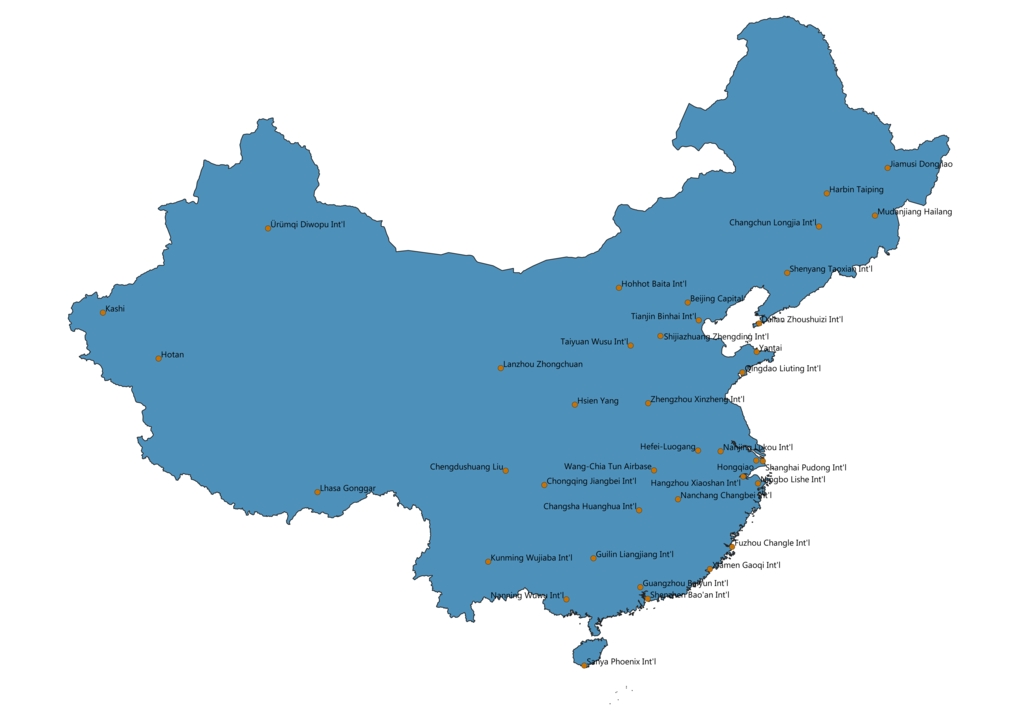
China is home to numerous ports that serve as significant gateways for international trade, particularly for exporting goods to Iraq. The following are some of the most prominent ports facilitating this trade:
| Port Name | Location | Key Features |
|---|---|---|
| Shanghai | Shanghai | The largest and busiest port in China, with extensive shipping connections and modern facilities. Ideal for a wide range of exports. |
| Shenzhen | Guangdong | Known for its proximity to electronics manufacturing hubs, making it a critical port for tech product exports. |
| Ningbo | Zhejiang | A major port for bulk goods, offering efficient logistics services and connections to Southeast Asia. |
| Qingdao | Shandong | Provides excellent access to northern China and has advanced facilities for handling various cargo types. |
| Hong Kong | Hong Kong | A crucial international shipping hub, featuring a deep-water port and a well-established logistics network. |
These ports are equipped with advanced infrastructure, ensuring efficient loading and unloading processes, which are essential for timely deliveries to Iraq.
Key Iraq Ports for Imports
Once goods arrive in Iraq, they typically enter through the following key ports, which play a critical role in the country’s import logistics:
| Port Name | Location | Key Features |
|---|---|---|
| Port of Umm Qasr | Basra Governorate | The primary seaport in Iraq, crucial for various imports, with facilities capable of handling large volumes of cargo. |
| Port of Basra | Basra | A significant commercial port, serving as the main entry point for goods into southern Iraq. |
| Port of Khor al-Zubair | Basra | Known for its industrial capabilities, it caters to both commercial shipping and the oil industry. |
These ports are vital for the successful import of goods into Iraq, ensuring that products reach their final destinations efficiently.
For inland destinations (for example, Baghdad or Erbil), the final cost and delivery time can depend heavily on trucking availability, road conditions, and delivery requirements at the consignee site.ds into Iraq, ensuring that products reach their final destinations efficiently.
The Sea Freight Shipping Process Step-by-Step
Understanding the step-by-step process of sea freight shipping is essential for successful importation from China. Below are the critical stages involved in the shipping process:
What to prepare before you start
- Cargo basics: product name, material, usage, and HS code (if known)
- Packaging: cartons/pallets, dimensions, gross weight, and total CBM
- Pickup and delivery: supplier address, destination port/city, and preferred delivery method
- Trade terms: Incoterms (EXW/FOB/CIF/DDP) and who is the importer/consignee
1. Obtaining a Freight Quote and Booking
- Providing Shipment Details to the Freight Forwarder: This initial step entails supplying the freight forwarder with crucial information, including cargo dimensions, weight, type of goods, value, and destination.
- Agreeing on Shipping Terms and Rates: After assessing the shipment’s details, the freight forwarder will provide a quote. It is crucial to review the terms, including payment conditions, insurance, and delivery timelines.
- Confirming the Booking: Once both parties agree on the terms, the booking is confirmed. A booking confirmation typically includes all relevant details such as vessel name and expected departure dates.
For the fastest and most accurate quotation, provide both weight and CBM (and the largest carton/pallet size). This helps the forwarder select the right container type and avoid re-quoting later.
2. Cargo Pick-Up and Delivery to the Port
- Arranging for Cargo Pick-Up from the Supplier: The freight forwarder coordinates the collection of goods from the supplier in China.
- Transporting the Goods to the Port of Departure in China: The cargo is then transported to the designated port, ensuring timely arrival for loading.
If you ship LCL, timing matters: the cargo must arrive at the consolidation warehouse before the cutoff date to make the intended sailing.
3. Export Customs Clearance in China
- Submitting Required Documents: This step requires submitting documentation such as the commercial invoice, packing list, and export declaration details (including HS code) to the customs authorities in China.
- Paying Applicable Export-Related Fees (if any): Depending on cargo type and local requirements, this may include export clearance service fees and compliance-related charges.
4. Loading and Ocean Transportation
- Loading the Cargo onto the Vessel: Once cleared, the cargo is loaded onto the shipping vessel, ensuring proper handling and stowage to prevent damage during transit.
- Transit Time from China to Iraq (as of January 2026): Depending on the route, the ocean transit time typically ranges from 28 to 42 days. The actual timeline may change due to vessel schedules, weather, port congestion, and whether the carrier needs to detour for route security.
5. Import Customs Clearance in Iraq
- Submitting Import Documents: Upon arrival in Iraq, necessary import documents must be submitted to the Iraqi customs authorities for clearance.
- Paying Import Duties and Taxes: Import duties and taxes must be settled before the goods can be released for unloading.
If your shipment is time-sensitive, confirm early whether destination requires appointments, pre-advice, or additional paperwork for your cargo category.
6. Cargo Unloading and Delivery to the Final Destination
- Unloading the Cargo at the Port of Arrival in Iraq: Once customs clearance is complete, the cargo is unloaded at the port, typically at Umm Qasr or Basra.
- Arranging for Final Delivery to Your Warehouse or Facility: The final step involves coordinating the last-mile delivery to the designated warehouse or facility, ensuring the goods reach their intended location promptly.
Dantful International Logistics offers comprehensive support throughout this shipping process, providing reliable and efficient customs clearance and door-to-door shipping services tailored to meet the unique needs of businesses importing goods from China to Iraq. By leveraging our expertise, you can navigate the complexities of international logistics with confidence.ive support throughout this shipping process, providing reliable and efficient customs clearance and door-to-door shipping services tailored to meet the unique needs of businesses importing goods from China to Iraq. By leveraging our expertise, you can navigate the complexities of international logistics with confidence.
Dantful International Logistics Services:
- Dantful Ocean Freight Services
- Air Freight From China
- Amazon FBA Freight Forwarding
- WAREHOUSE Services
- One-Stop Customs Clearance Solution
- Cargo Insurance Services in China
- DDP Shipping Services By Dantful Logistics
- Out of Gauge Cargo Transportation Shipping Services
Shipping Costs from China to Iraq by Sea Freight
Breakdown of Sea Freight Costs
Understanding the various components of sea freight costs is essential for budgeting and financial planning when importing goods from China to Iraq. The overall shipping cost consists of several factors, which can be categorized as follows:
| Cost Component | Description |
|---|---|
| Freight Charges | The primary cost charged by the carrier for transporting goods. This may vary based on shipping method (FCL or LCL) and cargo type. |
| Port Fees | Charges imposed by ports for loading and unloading cargo. This includes handling and storage fees at both the port of departure and the port of arrival. |
| Customs Duties and Taxes | Government-imposed fees on imported goods, which vary based on the product category and value. |
| Insurance | Optional but recommended coverage against potential loss or damage during transit. The cost is usually based on the shipment’s value. |
| Documentation Fees | Costs associated with preparing necessary shipping documents, such as the bill of lading and commercial invoice. |
| Delivery Charges | Fees for transporting goods from the port to the final destination in Iraq, which may depend on distance and the logistics provider used. |
As a practical rule, ask your forwarder to split the quote into origin charges, ocean freight, and destination/inland charges. This makes it easier to compare options and avoid surprises.
What usually changes the price the most (January 2026)
- Container type and utilization: 20ft/40ft/40HQ, and how full the container is
- Routing and schedule: direct vs transshipment, sailing frequency, and detours
- Surcharges: fuel-related surcharges and any security/war risk surcharges applied by carriers
- Cargo details: weight/CBM, oversize, special handling, or restricted cargo requirements
- Free time: demurrage/detention risk if documents or delivery is delayed
Understanding these components enables importers to anticipate shipping expenses more accurately and make informed decisions regarding logistics providers.
Tips for Reducing Shipping Expenses
Reducing shipping costs is a priority for many businesses, especially when importing goods from China. Here are some practical strategies to minimize expenses:
- Optimize Packaging: Efficient packaging can reduce the size and weight of your shipment, lowering shipping costs. Consider using lightweight materials and minimizing empty space in boxes.
- Consolidate Shipments: If possible, combine multiple smaller shipments into a single larger shipment (FCL). This often results in a lower per-unit shipping cost compared to separate shipments (LCL).
- Negotiate Rates: Work with freight forwarders to negotiate better shipping rates based on your shipping volume and frequency. Building a long-term partnership can often lead to more favorable terms.
- Choose the Right Shipping Method: Assess whether FCL or LCL shipping is more cost-effective for your needs. FCL is generally cheaper for large shipments, while LCL may be more economical for smaller loads.
- Plan Ahead: Avoid last-minute shipments, which can incur higher costs. Planning shipments well in advance can allow for better rate negotiations and schedule flexibility.
- Utilize Special Services: Freight forwarders like Dantful often provide specialized services, such as insurance services and warehouse services, which can help streamline logistics and reduce costs.
By implementing these strategies, businesses can optimize their shipping operations and enhance their profit margins.
Common cost mistakes to avoid
- Missing CBM/weights: incomplete measurements often lead to re-quoting or higher final charges.
- Wrong HS code or vague description: can trigger holds, reclassification, or extra inspection.
- Ignoring destination local charges: door-to-door cost differs from port-to-port.
- Late document release: can cause storage and detention/demurrage charges.
Cost of 20ft Container Shipping from China to Iraq
Shipping a 20ft container from China to Iraq involves several main routes, typically connecting China’s leading export ports with Iraq’s main gateway, Umm Qasr Port, and inland destinations such as Baghdad and Erbil. As of January 2026, rates are still sensitive to capacity, seasonality, bunker adjustment, route security (including potential detours), and inland trucking availability within Iraq.
| Departure Port | Umm Qasr Port (CY-CY) | Baghdad (Door Delivery) | Erbil (Door Delivery) |
|---|---|---|---|
| Shanghai | $2,400 – $2,900 | $3,900 – $4,600 | $4,500 – $5,200 |
| Shenzhen | $2,450 – $2,950 | $3,950 – $4,650 | $4,550 – $5,250 |
| Ningbo | $2,420 – $2,920 | $3,920 – $4,620 | $4,520 – $5,220 |
| Qingdao | $2,550 – $3,050 | $4,050 – $4,750 | $4,650 – $5,350 |
| Guangzhou | $2,480 – $2,980 | $3,980 – $4,680 | $4,580 – $5,280 |
Reference ranges as of January 2026. Prices include sea freight, common surcharges, and typical inland trucking for door delivery. Excludes specialty services, insurance, inspection-related charges, and temporary war risk surcharges if applied by carriers.
Cost of 40ft Container Shipping from China to Iraq
A 40ft container is the preferred choice for bulk or consolidated shipments, offering better unit rates for larger cargo. The route structure mirrors that of 20ft containers, with favorable rates for full load shipments.
| Departure Port | Umm Qasr Port (CY-CY) | Baghdad (Door Delivery) | Erbil (Door Delivery) |
|---|---|---|---|
| Shanghai | $4,100 – $4,800 | $6,400 – $7,300 | $7,000 – $7,900 |
| Shenzhen | $4,150 – $4,850 | $6,450 – $7,350 | $7,050 – $7,950 |
| Ningbo | $4,120 – $4,820 | $6,420 – $7,320 | $7,020 – $7,920 |
| Qingdao | $4,300 – $5,000 | $6,600 – $7,500 | $7,200 – $8,100 |
| Guangzhou | $4,180 – $4,880 | $6,500 – $7,400 | $7,100 – $8,000 |
Shipping Times from China to Iraq by Sea Freight
Port-to-Port Delivery
The transit time for sea freight shipments from China to Iraq can vary significantly based on multiple factors, including routing, transshipment frequency, and the specific Chinese ports of origin. Below are typical transit time ranges as of January 2026:
| Port Pair | Average Transit Time |
|---|---|
| Shanghai to Port of Umm Qasr | 29 to 35 days |
| Shenzhen to Port of Basra | 26 to 31 days |
| Ningbo to Port of Umm Qasr | 28 to 34 days |
| Qingdao to Port of Basra | 31 to 38 days |
Factors affecting port-to-port delivery times include:
- Vessel Speed: The speed of the shipping vessel can significantly influence transit times.
- Weather Conditions: Adverse weather can cause delays in shipping schedules.
- Port Congestion: Busy ports can lead to longer waiting times for loading and unloading.
- Customs Processing: Delays in customs clearance at either origin or destination ports can impact overall delivery times.
Door-to-Door Delivery
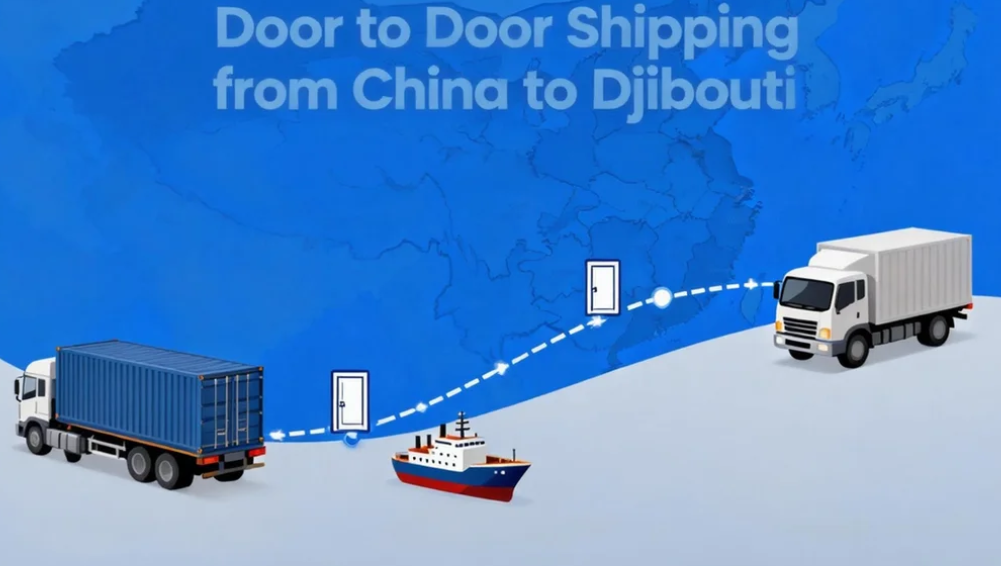
For businesses requiring a more streamlined logistics solution, door-to-door delivery encompasses the entire shipping process, from the supplier’s location in China to the final destination in Iraq. This service includes pick-up, all transportation, customs clearance, and delivery.
As of January 2026, the transit time for door-to-door delivery typically ranges from 32 to 47 days. Customs processing, inspection, and local delivery arrangements may extend the overall timeline.
Dantful International Logistics specializes in providing comprehensive door-to-door shipping services, ensuring that shipments are delivered efficiently and reliably. By utilizing their expertise, businesses can expect timely delivery and reduced hassle in navigating customs and logistics.
FAQs
1. What is sea freight and why should I choose it for shipping goods?
Sea freight is the transportation of goods by ocean vessels. It is often chosen due to its cost-effectiveness, especially for large shipments, as well as its capacity to handle bulky goods. Sea freight also has a lower environmental impact compared to air freight.
2. What are the main shipping methods available when importing from China to Iraq?
The two primary methods are Full Container Load (FCL) and Less than Container Load (LCL). FCL is ideal for large shipments that fill an entire container, while LCL is suitable for smaller shipments consolidated with others.
3. What documents are required for shipping from China to Iraq?
Essential documents include the Bill of Lading, Commercial Invoice, Packing List, and Certificate of Origin. Accurate documentation is critical for smooth customs clearance.
4. How long does it take to ship goods from China to Iraq?
As of January 2026, ocean transit times typically range from 28 to 42 days depending on the specific ports and routing. Door-to-door delivery often takes 32 to 47 days, factoring in additional logistics and customs processing.
5. What factors impact shipping costs from China to Iraq?
Shipping costs consist of several components, including freight charges, port fees, customs duties, insurance, documentation fees, and delivery charges. Understanding these can help in budgeting effectively.
6. How can I reduce my shipping expenses?
Strategies to reduce costs include optimizing packaging, consolidating shipments, negotiating rates with freight forwarders, choosing the right shipping method, and planning shipments in advance.
7. What are the key ports involved in shipping from China to Iraq?
Major Chinese ports include Shanghai, Shenzhen, Ningbo, Qingdao, and Hong Kong. In Iraq, key ports for imports are the Port of Umm Qasr and Port of Basra.
8. Is FCL or LCL cheaper for shipping from China to Iraq?
It depends on your shipment size and density. LCL is priced by chargeable volume/weight with minimum charges, while FCL is priced per container. If your cargo is near a container’s usable capacity or you want simpler handling, FCL can be more cost-effective.
9. What does “CY-CY” mean on a container quote?
CY-CY (Container Yard to Container Yard) typically means the quote covers port-to-port handling between container yards. Pickup from your supplier and final delivery in Iraq are usually quoted separately.
10. What information is required to get an accurate sea freight quote?
Provide product name, HS code (if available), packaging type, carton/pallet count, dimensions, gross weight, total CBM, pickup address, destination port/city, and Incoterms. Mention any batteries, liquids, powders, or chemicals.
11. What can cause delays at destination in Iraq?
Common causes include incomplete/mismatched documents, unclear cargo description/HS code, inspection holds, congestion, and delays in arranging inland delivery. Pre-checking documents before shipping is the best prevention.
12. Can I ship special cargo (battery, chemical, oversized) from China to Iraq by sea?
Often yes, but requirements vary by cargo type and carrier acceptance. You may need additional documents and specific packing/labeling. Confirm details before booking.
If you want a fast, reliable quotation for China → Iraq sea freight (FCL/LCL, port-to-port or door-to-door), send the quote checklist details to Dantful International Logistics. You’ll get a routing recommendation, a cost breakdown (origin / ocean / destination), and clear document requirements for your cargo type.

Young Chiu is a seasoned logistics expert with over 15 years of experience in international freight forwarding and supply chain management. As CEO of Dantful International Logistics, Young is dedicated to providing valuable insights and practical advice to businesses navigating the complexities of global shipping.