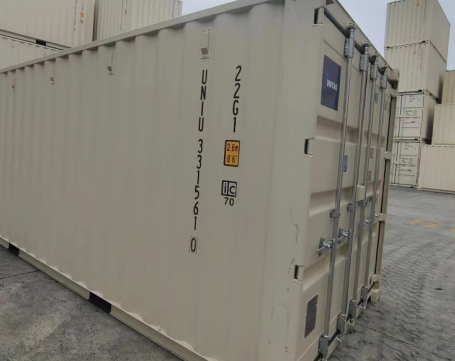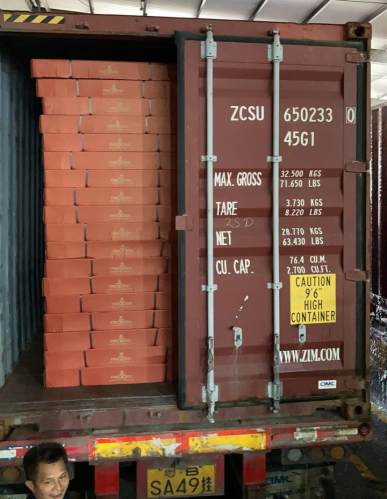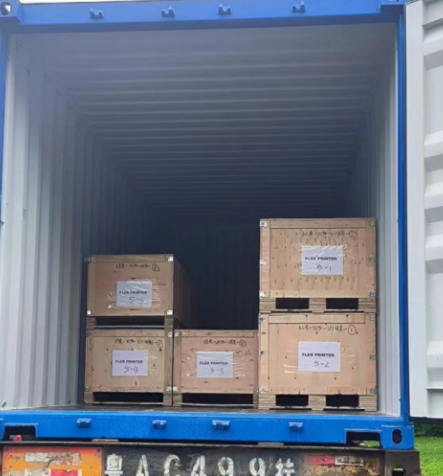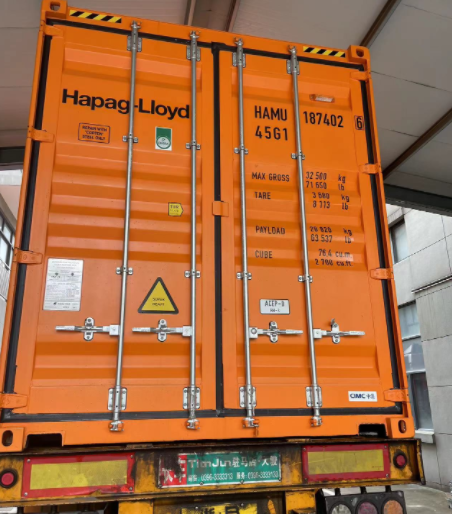
The shipping industry plays a pivotal role in facilitating international trade, and the route from China to Iraq is no exception. As one of the most dynamic and rapidly growing regions in the world, the trade relationship between China and Iraq has become increasingly significant, driven by mutual interests in economic development and infrastructure investment. This comprehensive guide explores various aspects of shipping from China to Iraq, from understanding the role of shipping agents to navigating the complexities of documentation and customs procedures.

Whether you are a seasoned importer or new to the world of international trade, this guide aims to equip you with the knowledge you need to successfully navigate the shipping process from China to Iraq, ensuring efficient and reliable delivery of goods.
Role of Shipping Agents
Shipping agents play a crucial role in the logistics and transportation industry. They act as intermediaries between shippers and carriers, facilitating the movement of goods across borders. From managing documentation to coordinating the logistics involved in transporting cargo, shipping agents ensure that shipments are handled efficiently and comply with international trade regulations.
The primary responsibilities of shipping agents include:
- Coordination of Shipments: They oversee the entire process from the point of origin to the destination, ensuring that all logistical aspects are in order.
- Customs Clearance: Shipping agents handle necessary customs documentation and facilitate the clearance process, which is vital for the smooth transition of goods across borders.
- Freight Booking: They secure space on carriers, whether for ocean freight, air freight, or other transportation modes, ensuring timely delivery.
- Cargo Insurance: Many shipping agents offer insurance services to protect cargo against potential risks during transit.
- Consultation: They provide valuable advice on the best shipping options, routes, and regulations, helping businesses make informed decisions.
Benefits of Using a Shipping Agent
Utilizing a shipping agent offers several advantages for businesses importing goods from China to Iraq:
- Expertise and Knowledge: Shipping agents possess in-depth knowledge of international shipping regulations, customs procedures, and local market conditions. This expertise minimizes the risk of errors or delays.
- Cost-Effective Solutions: By leveraging their network and negotiating power, shipping agents can often secure better rates for shipping services, including Ocean Freight.
- Time-Saving: Handling logistics can be time-consuming. Shipping agents streamline the process, allowing businesses to focus on core operations while ensuring timely deliveries.
- Risk Management: They help mitigate risks associated with shipping, such as delays or customs issues, providing peace of mind for importers.
- Comprehensive Services: Many shipping agents, like Dantful International Logistics, offer a one-stop solution for all shipping needs, integrating services like warehouse management, customs clearance, and cargo insurance.
Shipping Options from China to Iraq
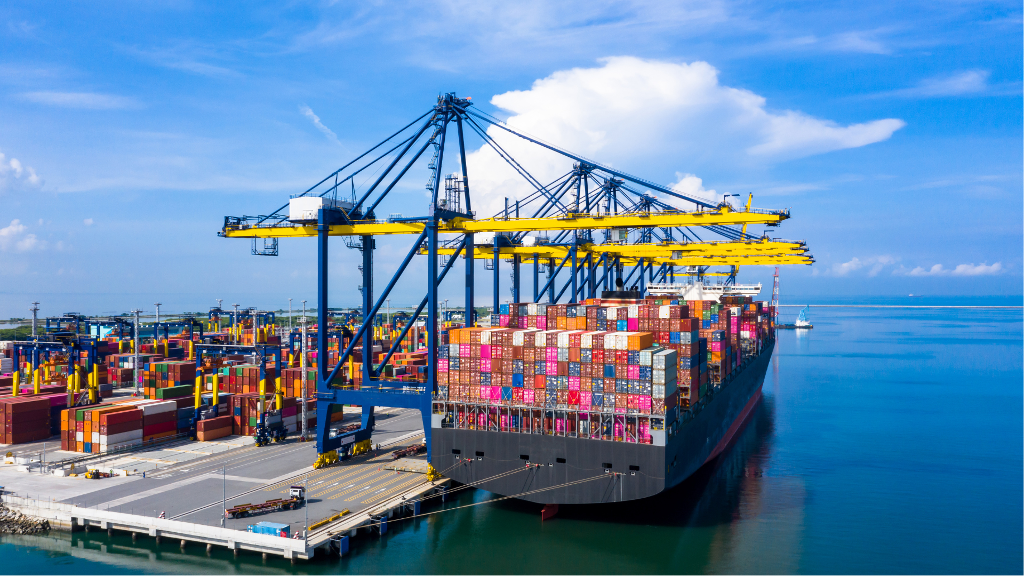
When considering shipping options from China to Iraq, businesses have several choices, each with its distinct advantages and considerations.
Sea Freight
Sea freight is one of the most cost-effective methods for transporting large quantities of goods over long distances. Two primary types of sea freight options are:
- FCL (Full Container Load): This option is ideal for businesses shipping large volumes of goods. An entire container is used for a single shipment, which is often more economical and secure.
- LCL (Less than Container Load): For those with smaller shipments, LCL allows multiple shippers to share a container. This option is cost-effective, but it may involve longer transit times due to consolidation and deconsolidation processes.
Air Freight
Air freight is the fastest shipping method available, suitable for high-value or time-sensitive goods. While typically more expensive than sea freight, it can significantly reduce delivery times, making it ideal for urgent shipments.
Express Courier Services
For small packages or documents, express courier services provide rapid delivery options. These services are characterized by speed and reliability, often offering tracking capabilities to ensure transparency throughout the shipping process.
Multimodal Transportation
Multimodal transportation combines different modes of transport (e.g., sea and air) to optimize efficiency and cost. This approach can be particularly beneficial for businesses that need flexibility in their shipping schedules and want to balance cost with delivery speed.
For a comprehensive and professional solution, consider partnering with Dantful International Logistics, which provides a highly professional, cost-effective, and high-quality one-stop international logistics service tailored for global traders.
Shipping From China to Middle East Countries:
- Shipping from China to Saudi Arabia
- Shipping from China to UAE
- Shipping from china to KUWAIT
- Shipping From China To EGYPT
- Shipping from China to Bahrain
- Shipping From China To Jordan
- Shipping From China To Israel
- Shipping from China to Qatar
- Shipping From China To IRAQ
- Shipping from China to Iran
Key Considerations When Choosing a Shipping Agent
Selecting the right shipping agent is a critical decision that can significantly impact your logistics efficiency and overall business success. Here are key considerations to keep in mind when choosing a shipping agent for your operations:
Experience and Expertise
The experience and expertise of a shipping agent can determine the quality of service you receive. An experienced agent will have a thorough understanding of international shipping regulations, customs requirements, and the intricacies involved in transporting goods across borders. They should have a proven track record of handling shipments to Iraq, ensuring they can navigate potential challenges effectively. Look for agents who specialize in your specific industry or type of cargo, as their insights can provide valuable advantages.
Network and Partnerships
A robust network of partnerships is essential for a shipping agent to provide competitive rates and reliable services. Agents with established relationships with carriers, freight forwarders, and customs authorities can often secure better shipping options and faster transit times. In particular, working with a shipping agent like Dantful International Logistics, which has a comprehensive global network, can help streamline your logistics and provide access to various transport options, including Ocean Freight and air freight services.
Service Offerings
Different shipping agents offer various services that cater to diverse shipping needs. When evaluating potential agents, consider whether they provide services that match your requirements, such as:
- Customs Clearance: Efficient handling of customs documentation can prevent delays in delivery.
- Warehouse Services: Access to secure storage options can be advantageous for businesses needing to hold inventory before distribution.
- Cargo Insurance: Protecting your shipments from unforeseen risks is vital, and a shipping agent should offer comprehensive insurance options.
- Multimodal Transportation: The ability to combine different transport modes can enhance flexibility and cost-effectiveness.
Pricing and Cost Transparency
Pricing is a crucial factor when selecting a shipping agent. It’s essential to understand the cost structure, including base rates, fuel surcharges, and any additional fees that may apply. A reputable shipping agent should provide transparent pricing and clearly outline all potential charges upfront. This approach allows you to make informed decisions and compare costs effectively. Dantful International Logistics is known for providing cost-effective solutions with transparent pricing, ensuring clients get the best value for their logistics needs.
Customer Support and Communication
Effective communication and support are vital in the logistics industry. Choose a shipping agent that prioritizes customer service and maintains clear lines of communication throughout the shipping process. This includes timely updates on shipment status, responsiveness to inquiries, and willingness to provide guidance in case of issues. Having a reliable point of contact can significantly enhance your overall shipping experience and reduce anxiety associated with international logistics.
Major Ports and Routes
Understanding the major ports and common shipping routes between China and Iraq is essential for efficient logistics planning. Here’s a breakdown of significant ports and routes:
Chinese Ports
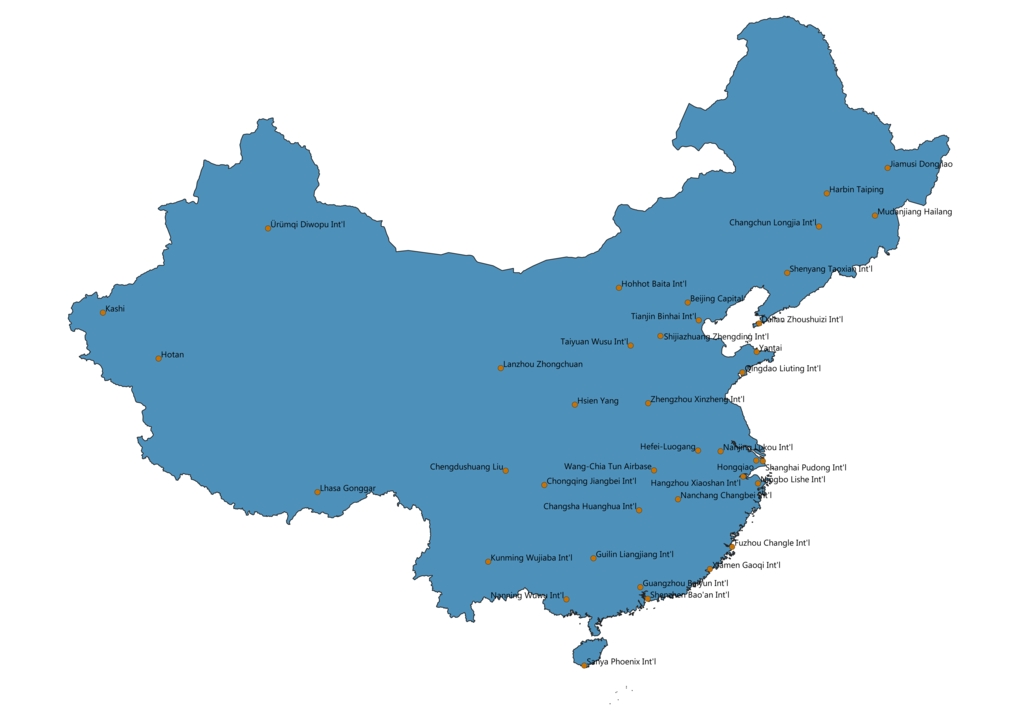
China is home to several major ports that facilitate international shipping. Key ports include:
- Shanghai: As one of the busiest ports in the world, Shanghai offers extensive shipping services and connections to various global destinations.
- Shenzhen: Known for its proximity to manufacturing hubs, Shenzhen is a critical port for exports, particularly for electronics and consumer goods.
- Guangzhou: This port serves as a vital gateway for goods moving in and out of southern China, providing diverse shipping options.
These ports provide a variety of services, including Ocean Freight and air freight, ensuring efficient transport of goods to Iraq.
Iraqi Ports
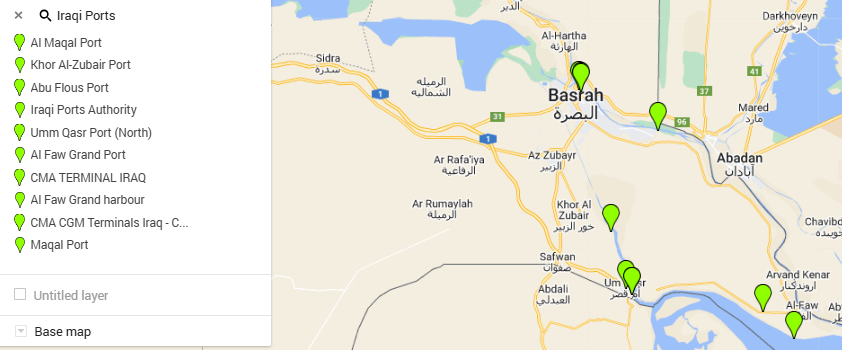
Iraq has several important ports that facilitate the import of goods, including:
- Umm Qasr: This is Iraq’s main deep-water port, handling a significant volume of cargo and serving as a primary entry point for international shipments.
- Basrah: Located on the Shatt al-Arab waterway, Basrah is a significant port for commercial shipping, providing access to various marine transport options.
- Baghdad: Although not directly a port, the capital city is crucial for logistics due to its inland position and connectivity to various transport networks.
Common Shipping Routes and Transit Times
Shipping from China to Iraq primarily relies on sea freight (via the Persian Gulf) and air freight, with key routes and transit times varying by origin, destination, and shipping method. Below is a breakdown of major routes and typical transit times:
| Shipping Method | Route (China → Iraq) | Key Hubs/Transit Points | Typical Transit Time | Major Iraqi Destinations |
|---|---|---|---|---|
| Sea Freight | Shanghai → Umm Qasr | Direct or via Jebel Ali (UAE) | 25–35 days | Umm Qasr Port (main container hub) |
| Shenzhen → Umm Qasr | Via Bandar Abbas (Iran) or Dubai | 22–30 days | Umm Qasr Port | |
| Ningbo → Basra (Umm Qasr) | Via Kuwait City (Kuwait) | 28–40 days | Umm Qasr Port | |
| Air Freight | Beijing → Baghdad International Airport | Direct or via Doha (Qatar) | 5–8 days | Baghdad, Erbil |
| Guangzhou → Erbil International Airport | Via Dubai (UAE) | 4–7 days | Erbil, Sulaymaniyah | |
| Shanghai → Basra International Airport | Via Istanbul (Turkey) | 6–10 days | Basra |
Notes:
- Umm Qasr Port is Iraq’s primary seaport, handling most containerized cargo, while Erbil and Baghdad are key air hubs for northern and central Iraq.
- Sea freight transit times depend on port congestion, weather, and routing (direct vs. transshipment).
- Air freight is faster but costlier, ideal for time-sensitive or high-value goods.
Partnering with a reputable agency like Dantful International Logistics can simplify your shipping process, offering comprehensive services tailored to your needs for successful importation from China to Iraq.
Dantful International Logistics Services:
- Dantful Ocean Freight Services
- Air Freight From China
- Amazon FBA Freight Forwarding
- WAREHOUSE Services
- One-Stop Customs Clearance Solution
- Cargo Insurance Services in China
- DDP Shipping Services By Dantful Logistics
- Out of Gauge Cargo Transportation Shipping Services
Documentation and Customs Procedures
Navigating the complexities of documentation and customs procedures is a critical aspect of shipping goods from China to Iraq. Proper management of these procedures ensures the smooth transit of shipments and compliance with legal regulations.
Required Documents for China-Iraq Shipments
When shipping goods from China to Iraq, several essential documents must be prepared and submitted. These include:
- Commercial Invoice: This document provides details about the transaction, including the selling price, quantity of goods, and terms of sale. It is crucial for customs valuation and duties assessment.
- Packing List: This document outlines the contents of each shipment, including item descriptions, quantities, and packaging specifications. It helps customs officials inspect and verify the shipment.
- Bill of Lading (B/L): The B/L serves as a contract of carriage and a receipt for the cargo. It is essential for claiming goods upon arrival and must be correctly filled out to avoid delays.
- Certificate of Origin: This document certifies the country of origin of the goods. It may be required for tariff purposes and compliance with trade agreements.
- Import License: Certain goods may require specific import licenses or permits issued by the Iraqi government. Researching and obtaining necessary licenses in advance will facilitate a smoother customs process.
- Insurance Certificate: Proof of cargo insurance is often necessary to protect against potential losses or damages during transit.
Customs Clearance Process
The customs clearance process involves several steps that need to be meticulously followed to ensure that shipments are processed without delays. The steps typically include:
- Submission of Documentation: Upon arrival in Iraq, customs documentation must be submitted to the relevant authorities. This includes all the required documents mentioned above.
- Customs Inspection: Customs officials will inspect the shipment to verify its contents against the submitted documents. This may involve physical checks or examinations based on risk assessment.
- Duties and Taxes Assessment: Customs will assess applicable import duties and taxes, which must be paid before the release of goods. Understanding the tariff classification and calculating the estimated duties in advance can help avoid unexpected costs.
- Release of Goods: Once all documentation is verified, and duties are paid, customs will release the goods for delivery to the designated location.
Import Regulations and Restrictions in Iraq
Import regulations in Iraq can be complex, and businesses must understand specific restrictions that may apply. Some key considerations include:
- Prohibited Items: Certain goods may be completely prohibited from importation, such as narcotics, weapons, and counterfeit products. Reviewing the list of prohibited items from the Iraqi customs authority is essential.
- Import Tariffs: Goods imported into Iraq are subject to tariffs, which can vary based on the product category. Familiarizing yourself with the applicable tariff rates will aid in budgeting and financial planning.
- Compliance with Standards: Some products may need to comply with specific Iraqi standards and regulations, particularly in sectors like food, pharmaceuticals, and safety equipment. Ensuring compliance can prevent delays or rejections at customs.
Challenges and Solutions in China-Iraq Shipping

Shipping from China to Iraq faces distinct challenges amid evolving dynamics, with targeted solutions to ensure smooth operations:
Political & Economic Volatility
Iraq’s ongoing regional tensions (e.g., 2025 Kurdish region unrest) and oil-reliant economy (96% of fiscal revenue from oil) lead to fluctuating policies and tariffs.
Solutions:
- Track real-time updates via local trade bodies or consultants.
- Include flexible clauses in contracts to adapt to policy shifts.
Infrastructure Gaps
Key ports like Umm Qasr suffer from outdated facilities and congestion; inland transport (roads, railways) remains underdeveloped.
Solutions:
- Partner with local agents to navigate bottlenecks and optimize routes.
- Use multimodal shipping (sea + road) to bypass infrastructure limits.
Security Risks
Cargo theft and regional instability in hotspots threaten shipments.
Solutions:
- Conduct route risk assessments to avoid high-risk areas.
- Secure comprehensive insurance covering theft, damage, and delays.
Risk Mitigation
- Prepare contingency plans for customs delays or policy changes.
- Collaborate with experienced agents (e.g., Dantful Logistics) for streamlined docs and clearance.
- Maintain open communication with all stakeholders for quick issue resolution.
By addressing these challenges proactively, businesses can ensure reliable China-Iraq shipping.o tackle the challenges of shipping from China to Iraq, businesses can enhance their logistics operations and ensure successful importation of goods.
Technology and Innovation in Shipping Services
The shipping industry is continuously evolving, with technology and innovation playing a pivotal role in enhancing efficiency, transparency, and reliability in logistics operations. Here’s a closer look at some critical technological advancements shaping shipping services today.
Track and Trace Systems
Track and trace systems are essential tools in modern shipping, allowing businesses and customers to monitor the status of shipments in real-time. These systems utilize GPS technology, RFID (Radio Frequency Identification), and IoT (Internet of Things) devices to provide updates on the location and condition of cargo throughout its journey.
Benefits of track and trace systems include:
- Enhanced Visibility: Stakeholders can access real-time data on shipment locations, estimated arrival times, and any delays or issues encountered along the route.
- Improved Accountability: With accurate tracking information, accountability is increased, allowing for prompt responses to any discrepancies or losses.
- Customer Satisfaction: Providing customers with the ability to track their shipments enhances transparency and builds trust, leading to improved customer satisfaction.
Top logistics providers, including Dantful International Logistics, implement advanced track and trace systems to keep clients informed and engaged throughout the shipping process.
Digital Documentation
The transition to digital documentation has revolutionized the shipping industry by streamlining paperwork and reducing the reliance on physical documents. Digital documentation systems enable shippers to create, share, and store important shipping documents electronically.
Key advantages of digital documentation include:
- Efficiency and Speed: Digital documents can be generated and shared instantly, expediting the customs clearance process and reducing delays caused by paperwork.
- Reduced Errors: Automation reduces human error in document preparation, ensuring that all necessary information is accurate and complete.
- Cost Savings: Minimizing the need for physical documentation results in lower printing and storage costs, making it a more sustainable option for businesses.
By adopting digital documentation practices, logistics companies can enhance their operational efficiency and ensure compliance with international trade regulations.
Blockchain in Logistics
Blockchain technology is increasingly being explored in the logistics sector for its potential to enhance security, transparency, and traceability in the supply chain. By creating decentralized and immutable records of transactions, blockchain can revolutionize how goods are tracked and documented.
Benefits of blockchain in logistics include:
- Increased Transparency: All parties involved in a shipping transaction can access the same data in real-time, reducing disputes and enhancing trust among stakeholders.
- Enhanced Security: The decentralized nature of blockchain makes it less vulnerable to fraud and unauthorized tampering, providing a secure environment for sensitive shipping data.
- Streamlined Processes: By automating contract execution through smart contracts, blockchain can reduce the time and costs associated with various logistics processes, from customs clearance to payment settlements.
As the shipping industry continues to innovate, blockchain technology has the potential to transform logistics operations, paving the way for greater efficiency and reliability.
Cost Factors and Pricing Strategies
For businesses aiming to optimize logistics when shipping from China to Iraq, a clear grasp of cost elements is crucial. Here are the main cost factors and strategies to manage them.
Freight Rates and Surcharges
- Shipping Method:
| Shipping Method | Characteristics | Approximate Cost Range |
|---|---|---|
| Ocean Freight | Ideal for large – volume cargo. Slower but more cost – effective for non – time – sensitive goods. Transit time from China to Iraq is usually 20 – 40 days. | For a 20 – foot container from major Chinese ports to Umm Qasr Port in Iraq, it can range from $1500 – $3000. |
| Air Freight | Fastest option, suitable for high – value or time – sensitive items. Transit time is 5 – 10 days. | Costs can be $5 – $15 per kilogram, much higher than ocean freight. |
| Land Transportation (limited direct options) | May be used in combination with other methods for the final leg. | Costs vary depending on the distance within Iraq and the type of land carrier, but generally contribute to additional costs for over – land movement |
- Distance and Route: Longer distances from origin ports in China to Iraqi destinations, and more complex routes with multiple trans – shipment points, will increase costs. For example, shipping from northern Chinese ports may take longer and cost more than from southern ports due to longer sea voyages.
- Container Size:
| Container Type | Usage and Cost Implications | |
|---|---|---|
| FCL (Full Container Load) | Better for large – scale shipments. Cost – effective when you have enough cargo to fill a container. | Costs for a 20 – foot FCL container from Shanghai to Umm Qasr are around $1800 – $2500. |
| LCL (Less than Container Load) | Suited for smaller loads. Costs are calculated based on the space your cargo occupies in a shared container. | Charged per cubic meter or per kilogram, typically more expensive per unit volume or weight compared to FCL. |
Surcharges
- Fuel Surcharges: Fluctuate with international oil prices.
- Port Fees: Iraqi ports like Umm Qasr may charge various fees such as congestion fees during peak seasons, which can add $100 – $300 per container.
- War Risk Surcharges: Given the geopolitical situation in the Middle East, war risk surcharges are applicable. This can be an additional $50 – $200 per container depending on the perceived risk level at the time of shipping.
Insurance and Additional Services
Insurance
- Cargo insurance is highly recommended. The cost depends on the value of the goods and the coverage level. For example, insuring high – value electronics shipped from China to Iraq may cost 0.5% – 2% of the cargo value. If you are shipping $100,000 worth of electronics with a 1% insurance rate, the insurance cost would be $1000.
Additional Services
- Customs Clearance: Professional customs clearance services in Iraq can cost $100 – $500 depending on the complexity of the goods and documentation requirements.
- Warehouse Services: In Iraq, short – term warehousing fees can range from $5 – $15 per square meter per day, while long – term storage may have different rate structures.
- Packaging: Specialized packaging for fragile goods, like glassware, can increase packaging costs by $50 – $200 per shipment, depending on the level of protection needed.
By understanding these cost factors and incorporating them into pricing strategies, businesses can make more informed decisions and better manage their shipping expenses from China to Iraq.also contribute to overall shipping costs. Understanding these services and their associated fees helps businesses budget effectively and make informed decisions about logistics.
Tips for Cost Optimization
To ensure cost-effective shipping, businesses can adopt several strategies:
- Negotiate Rates: Building strong relationships with shipping agents and carriers can lead to favorable rates and custom deals. Don’t hesitate to negotiate based on volume or regular shipments.
- Consolidate Shipments: Combining smaller shipments into a single larger shipment can reduce transport costs, especially when using LCL services.
- Choose the Right Shipping Method: Assess the urgency and nature of goods to select the most cost-effective shipping method. For non-urgent shipments, ocean freight is often the most economical choice.
- Utilize Technology: Implementing logistics software and tools to analyze shipping patterns can help identify inefficiencies and optimize routes, ultimately reducing costs.
- Plan Ahead: Allowing adequate time for shipment planning can help avoid last-minute decisions that may incur higher costs, such as expedited shipping fees.
Partnering with experienced logistics providers like Dantful International Logistics can further streamline these processes, ensuring a reliable and cost-effective shipping experience.
FAQs
Q1: What are the main shipping methods used for transporting goods from China to Iraq?
A1: The primary shipping methods include sea freight (both Full Container Load and Less than Container Load), air freight, and express courier services. Each method has its advantages depending on the nature of the goods and urgency of delivery.
Q2: How long does it typically take for shipments to arrive from China to Iraq?
A2: Transit times depend on the shipping method. Sea freight generally takes 30 to 45 days, while air freight can take between 5 to 10 days. Express courier services are the fastest but are generally more costly.
Q3: What documentation is required for importing goods into Iraq?
A3: Essential documents include a commercial invoice, packing list, bill of lading, certificate of origin, import license (if applicable), and insurance certificate.
Q4: Are there any specific customs regulations I should be aware of when shipping to Iraq?
A4: Yes, businesses must be aware of prohibited items, import tariffs, and compliance with Iraqi standards. It is advisable to consult with a shipping agent to ensure all regulations are met.
Q5: How can I optimize my shipping costs from China to Iraq?
A5: Strategies include negotiating rates with shipping agents, consolidating shipments, choosing appropriate shipping methods based on urgency, and utilizing technology for logistics planning.
References
- International Maritime Organization (IMO). (2021). Maritime Safety and Security. Retrieved from IMO
- World Trade Organization (WTO). (2021). Trade Policy Review: Iraq. Retrieved from WTO
- The World Bank. (2022). China’s Belt and Road Initiative: A Strategy for Global Trade. Retrieved from World Bank

Young Chiu is a seasoned logistics expert with over 15 years of experience in international freight forwarding and supply chain management. As CEO of Dantful International Logistics, Young is dedicated to providing valuable insights and practical advice to businesses navigating the complexities of global shipping.