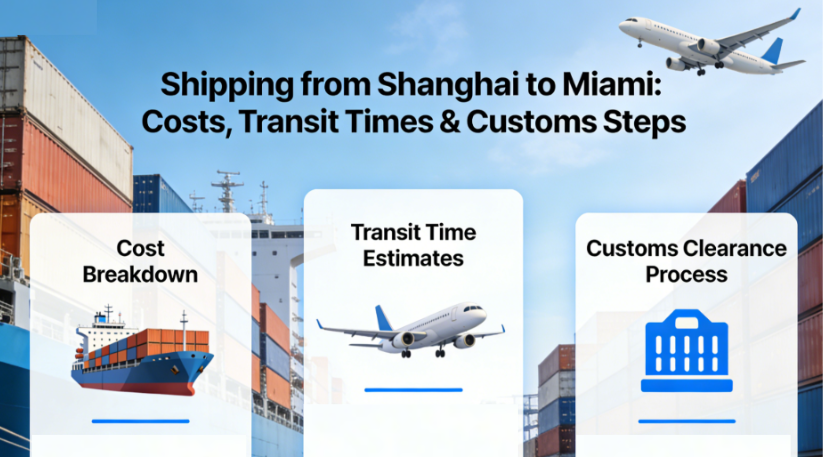
Are you looking to streamline the process of shipping clothing from China to USA while minimizing costs and avoiding common pitfalls? In this comprehensive guide, we delve into essential topics like sea and air freight, FCL vs. LCL, US customs regulations, and necessary documentation. Whether you’re a first-time importer or a seasoned professional, discover expert tips on optimizing your apparel shipping strategy for efficiency and compliance.
Key Factors Influencing Clothing Shipping Costs from China to USA
When shipping clothing from China to the USA, understanding the key factors that affect shipping costs is crucial for importers, cross-border e-commerce sellers, and supply chain professionals. The total cost is shaped by a mix of logistical, regulatory, and market-driven elements. Here are the main factors to consider:
1. Shipping Method:
The choice between sea freight, air freight, and express courier significantly impacts shipping costs. Sea freight is generally the most cost-effective for large volumes, while air freight provides faster transit at higher rates. Express couriers are suitable for time-sensitive samples or small consignments but are usually the most expensive.
2. Shipment Volume and Weight:
Clothing, being lightweight but sometimes voluminous, is often charged based on volumetric weight. Carriers calculate charges using the greater of gross weight or dimensional weight (length × width × height ÷ 6000 for air freight). Full Container Load (FCL) offers better rates per unit compared to Less than Container Load (LCL), but requires sufficient volume to justify a full container.
3. Port of Loading and Discharge:
The choice of origin port in China (e.g., Shanghai, Shenzhen, Ningbo, Qingdao) and destination port in the USA (e.g., Los Angeles, Long Beach, New York) affects rates due to differences in handling fees, port congestion, and shipping lane popularity. For insights into the busiest import hubs and their impact on logistics, see biggest ports in the us.
4. Peak Seasons and Market Demand:
Shipping rates fluctuate throughout the year. Peak seasons, such as before the Chinese New Year and the US holiday season, often see rate increases due to higher demand and space constraints.
5. Type of Service:
Deciding between door-to-door, port-to-port, or door-to-port service alters the overall cost. Comprehensive services like customs clearance, warehousing, and last-mile delivery introduce additional charges but can streamline logistics and reduce risk.
6. Customs Duties and Taxes:
The HS code classification, customs value, and current US tariff policies (such as Section 301 tariffs) directly affect the landed cost of clothing. Apparel is subject to specific duties, and proper declaration is essential to avoid penalties.
7. Packaging and Handling:
Efficient packaging can reduce volumetric weight and minimize damage, lowering both shipping and insurance costs. Some goods may require special packaging or labeling to comply with US regulations.
8. Freight Forwarder and Service Quality:
Partnering with a professional freight forwarder, such as Dantful International Logistics, can help optimize routes, negotiate competitive rates, and provide tailored solutions for clothing shipments.
The following table provides a simplified overview of estimated sea and air freight costs for clothing shipments from major Chinese ports to the USA as of Q4 2025:
| Mode | Route (Main Ports) | Transit Time | Estimated Rate (per CBM or KG) | Notes |
|---|---|---|---|---|
| Sea (FCL) | Shanghai – Los Angeles | 14-20 days | $60–$100 per CBM (FCL) | Best for ≥15 CBM |
| Sea (LCL) | Shenzhen – New York | 22-28 days | $120–$180 per CBM (LCL) | Suitable for smaller shipments |
| Air Freight | Guangzhou – Chicago | 3-7 days | $5–$9 per KG | Faster, for urgent deliveries |
Note: Actual rates may vary depending on market conditions, cargo specifics, and service requirements. For the most accurate quotation, consult Dantful International Logistics directly.
Shipping clothing from China to USA by sea freight
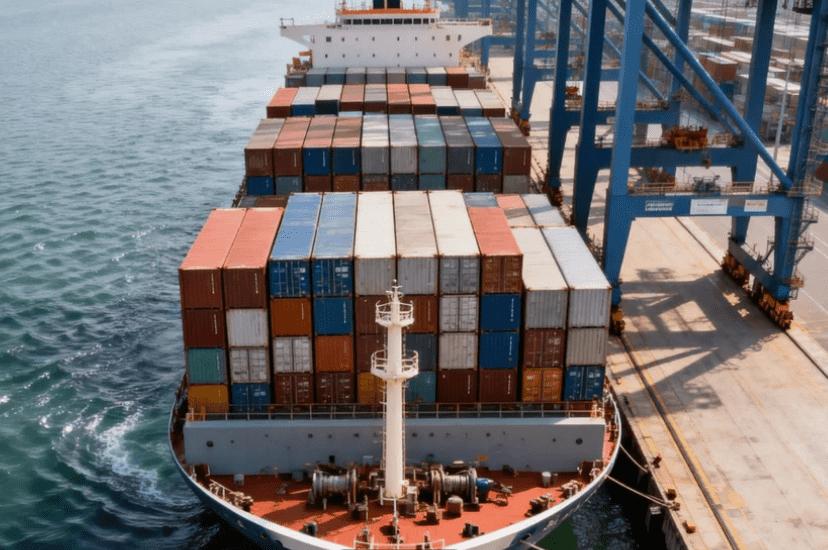
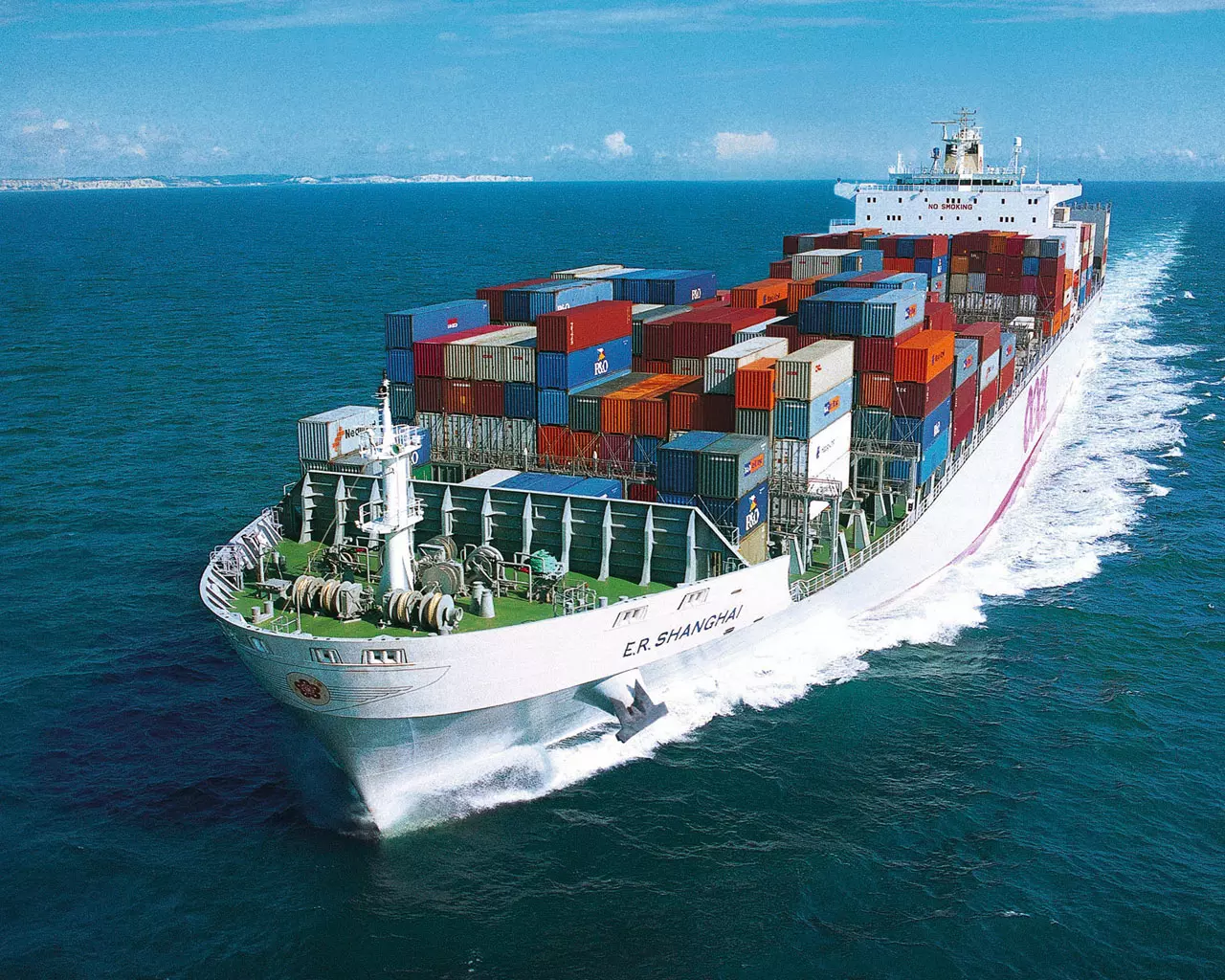
Shipping clothing from China to the USA by sea freight is the preferred choice for many importers seeking low-cost, high-capacity transportation. Here’s a comprehensive breakdown of the process, benefits, considerations, and best practices:
1. How Sea Freight Works for Clothing Shipments
Sea freight primarily uses two modes: Full Container Load (FCL) and Less than Container Load (LCL).
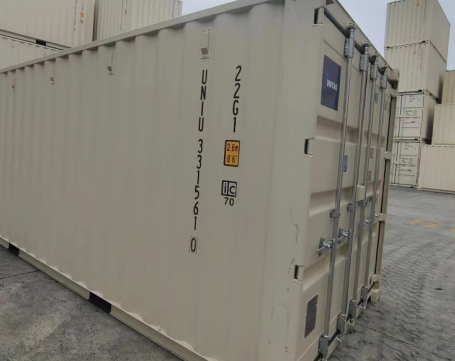
- FCL is ideal for businesses shipping large volumes (typically more than 15 CBM). It offers exclusive use of a container (20FT, 40FT, 40HQ, or 45HQ), reducing the risk of cargo damage or contamination.
- LCL is suitable for smaller volumes, where your goods share container space with other shippers, providing flexibility but sometimes longer handling times.
Typical sea freight process:
- Booking and cargo consolidation at the origin warehouse.
- Customs clearance at the Chinese port.
- Ocean transit to the US destination port.
- Import customs clearance.
- Final delivery to the consignee’s location.
For small apparel businesses or those with less-than-container loads, learn more about How to Ship LCL from China to the US: A Complete Guide for Small Businesses.
2. Advantages of Shipping Clothing by Sea
- Cost Efficiency: Sea freight offers the lowest per-unit transportation cost, especially for bulk shipments.
- High Capacity: Clothing, being compressible and light, allows for maximizing container utilization (see table below).
- Versatility: Suitable for a range of clothing types, including garments on hangers (GOH) and boxed apparel.
- Flexible Options: Choice of FCL or LCL, door-to-door, port-to-port, and value-added services such as warehousing or customs brokerage.
3. Container Options & Capacity for Garments
| Container Type | Capacity (CBM) | Typical Max Cartons (60x40x40cm) | Suitability for Clothing |
|---|---|---|---|
| 20FT | 28 | ~340–370 | Small/medium shipments |
| 40FT | 56 | ~700–740 | Medium/large shipments |
| 40HQ | 68 | ~850–900 | Large volume, e-commerce |
| 45HQ | 78 | ~1000 | Oversized/high volume |
Values are for estimation; actual carton count will depend on packing method and garment type.
4. Key Considerations
- Lead Time: Average transit time ranges from 14 to 30 days port-to-port, plus time for customs and inland delivery. To compare transit times on popular routes, see shanghai to los angeles by sea how much time.
- Documentation: Correct and complete paperwork (Bill of Lading, commercial invoice, packing list) is essential for smooth customs clearance.
- US Customs Duties: Apparel is subject to specific tariffs. Accurate HS codes and descriptions are mandatory.
- Packaging: Optimizing packaging (e.g., vacuum packing, GOH containers) can increase volume efficiency and protect garment quality.
- Insurance: Marine insurance is recommended to protect against loss or damage during ocean transit.
5. Cost and Transit Time Comparison to Major US Ports
| Chinese Port | US Port | FCL Transit Time | LCL Transit Time | Average Cost (FCL 40HQ) |
|---|---|---|---|---|
| Shanghai | Los Angeles | 14–18 days | 16–22 days | $4,500–$6,000 |
| Shenzhen | New York | 25–28 days | 28–32 days | $6,500–$8,000 |
| Qingdao | Houston | 22–26 days | 24–28 days | $5,500–$7,000 |
Rates and transit times are based on Q4 2025 market data and may fluctuate with shipping seasons and market demand.
6. Best Practices & Expert Advice
- Plan ahead: Secure bookings early, especially during peak seasons.
- Work with professionals: Choose a reliable freight forwarder like Dantful International Logistics for end-to-end support, compliance guidance, and value-added services.
- Consolidate shipments: For smaller volumes, consider LCL consolidation to optimize cost.
- Monitor shipment progress: Use digital tracking and updates for real-time visibility.
Dantful International Logistics specializes in shipping clothing from China to the USA by sea, offering tailored solutions, competitive pricing, and comprehensive services including warehousing, customs clearance, insurance, and last-mile delivery. As a one-stop logistics partner, we ensure your garments reach their destination safely, efficiently, and in compliance with all regulations.
Shipping clothing from China to USA by air freight
Shipping clothing from China to the USA via air freight is the ideal choice for businesses and individuals requiring fast, reliable delivery. As a seasoned logistics expert, I have assisted countless clients in the apparel industry who value speed and flexibility, especially for time-sensitive shipments, high-value goods, or replenishing fast-moving inventory.
Advantages of Air Freight for Clothing Shipments
- Speed: Air freight is significantly faster than sea freight. Delivery from major Chinese airports (such as Shanghai Pudong, Guangzhou Baiyun, or Shenzhen Bao’an) to main U.S. airports (Los Angeles LAX, New York JFK, Chicago ORD) typically takes 2-7 days, including customs clearance.
- Reliability: Airlines operate on fixed schedules, minimizing delays and ensuring predictable transit times.
- Security: Air cargo is subject to strict handling and security checks, reducing the risk of pilferage or damage—critical for fashion goods and branded apparel.
- Lower inventory holding: With shorter transit times, businesses can shorten their supply chain cycles and respond quickly to market trends.
If you want to better understand cost structures and delivery timeframes, refer to air freight from china to usa for additional details on apparel air logistics.
Factors Affecting Air Freight Costs
- Chargeable Weight: Air freight is billed based on the higher of gross weight or volumetric weight. Apparel is usually light but voluminous, so optimizing packaging to reduce dimensional weight is vital.
- Service Type: Express services (DHL, FedEx, UPS) offer door-to-door delivery, while standard air freight (airport-to-airport, door-to-airport) is more cost-effective but may require coordination for last-mile delivery.
- Origin/Destination Airports: Rates vary based on routes and the specific airports used.
- Seasonal Demand: Fashion launches, holidays, and sales seasons can increase rates and reduce available capacity.
- Customs and Duties: U.S. customs regulations for clothing and textiles are strict; pre-compliance and accurate documentation are vital for smooth clearance.
Typical Transit Times and Cost Reference
| Route | Estimated Transit Time | Typical Cost (USD/kg) | Notes |
|---|---|---|---|
| Shanghai → Los Angeles (LAX) | 2-4 days | 5.5 – 8.0 | Fast, high-frequency route |
| Guangzhou → New York (JFK) | 3-6 days | 6.0 – 8.5 | Direct and indirect flights |
| Shenzhen → Chicago (ORD) | 3-7 days | 6.5 – 9.0 | Additional inland transport |
Prices are indicative as of Q4 2025 and can fluctuate based on market conditions, fuel surcharges, and volume.
Suitability of Air Freight for Clothing
- High-value apparel
- Seasonal or promotional collections
- Urgent replenishments
- Low-volume, high-margin products
How Dantful International Logistics Adds Value
At Dantful International Logistics, we deliver tailored air freight solutions for clothing shipments, offering:
- End-to-end service: From pickup in China, export customs clearance, air freight, import clearance in the USA, to final delivery.
- Consolidated shipments: Reduce costs by combining multiple suppliers’ goods.
- Advanced tracking: Real-time updates and proactive problem-solving.
- Consulting on packaging and compliance to minimize chargeable weight and ensure smooth customs clearance.
For time-critical apparel shipments, partnering with an experienced freight forwarder like Dantful ensures reliability and cost-efficiency.
FCL vs. LCL for Clothing Shipments
When shipping clothing from China to the USA by sea freight, choosing between Full Container Load (FCL) and Less than Container Load (LCL) is essential. Your choice directly affects cost, speed, cargo security, and operational complexity.
Definition and Differences
| Aspect | FCL (Full Container Load) | LCL (Less than Container Load) |
|---|---|---|
| Definition | Exclusive use of a container (20ft, 40ft, 40HQ, 45HQ) for one shipper | Shared container space with other shippers |
| Volume | Typically cost-effective for >15 CBM (~6 pallets) | Ideal for <15 CBM or small batches |
| Security | Lower risk of mix-up, pilferage; less handling | More handling, higher risk of damage/misplacement |
| Transit Time | Faster (fewer stops, direct loading/unloading) | Slightly longer due to consolidation/deconsolidation |
| Cost Structure | Flat rate per container | Pay per CBM or per ton |
| Operational Ease | Simpler documentation, less port handling | More paperwork, more complex customs clearance |
For a deeper dive into the differences between these shipping modes, check out LCL vs FCL Shipping: How to Choose the Right Option for Small Cargo.
Industry Container Capacities
- 20FT: 28 CBM
- 40FT: 56 CBM
- 40HQ: 68 CBM
- 45HQ: 78 CBM
Suitability for Clothing Shipments
FCL is recommended when:
- Shipping large volumes (full seasonal collections, retailer fulfillment)
- High-value or branded apparel needing extra security
- Tight deadlines
LCL is recommended when:
- Shipping smaller orders, samples, or restocking
- Cashflow or storage limits preclude large inventory shipments
Cost & Transit Time Reference (Q2 2024)
| Route | FCL 40HQ (USD) | LCL (USD/CBM) | FCL Transit (days) | LCL Transit (days) |
|---|---|---|---|---|
| Shanghai → Los Angeles | 3900 – 4600 | 120 – 160 | 15 – 18 | 20 – 25 |
| Shenzhen → New York | 5400 – 6300 | 160 – 210 | 23 – 28 | 28 – 35 |
| Ningbo → Miami | 5800 – 6800 | 180 – 230 | 25 – 30 | 31 – 38 |
Actual rates depend on season, fuel, and market fluctuations.
Professional Tips
- Optimize carton and pallet sizes to maximize container utilization.
- For LCL, choose a reputable freight forwarder to minimize risk during consolidation.
- Always ensure cargo insurance for valuable apparel shipments.
Selecting the right shipping mode is critical for your apparel business profitability and customer satisfaction. Let our experience at Dantful guide you to the optimal solution.
READ MORE:
- Shipping From China to the USA
- Shipping From China TO Canada
- Shipping From China TO Mexico
- Shipping From China to Panama
- Shipping From China to Costa Rica
- Shipping From China to Brazil
- Shipping From China TO Colombia
- Shipping From China to Jamaica
- Shipping From China to Venezuela
- Shipping From China to Argentina
US Customs Regulations and Duties for Apparel
When shipping clothing from China to the USA, importers must comply with stringent US Customs regulations and pay close attention to applicable duties. Understanding these requirements is crucial for smooth customs clearance and to avoid unexpected costs or shipment delays.
1. Classification and HS Codes
All apparel products must be classified correctly using the Harmonized System (HS) Codes. The United States Customs and Border Protection (CBP) uses these codes to determine the applicable duty rates and regulatory requirements. Clothing typically falls under Chapter 61 (Knitted/ Crocheted Apparel) and Chapter 62 (Non-knitted/ Woven Apparel).
| Type of Apparel | Typical HS Code Range |
|---|---|
| Knitted Shirts | 6105-6109 |
| Woven Trousers | 6203-6204 |
| Knitted Dresses | 6104 |
| Woven Coats | 6201-6202 |
Importers must ensure accurate classification as misdeclaration can result in penalties or customs holds.
2. Duty Rates and Tariffs
The duty rates for clothing imports from China to the USA vary depending on the garment type, material, and gender. Additionally, some apparel items from China are subject to additional tariffs under the US Section 301 measures. Here is a general overview:
| Apparel Type | Base Duty Rate (Approx.) | Section 301 Additional Tariff | Total Potential Duty |
|---|---|---|---|
| T-Shirts, Cotton | 16.5% | 7.5% | 24% |
| Men’s Trousers, Synthetic | 28.2% | 7.5% | 35.7% |
| Women’s Blouses | 26.9% | 7.5% | 34.4% |
| Jackets, Wool | 14.9% | 7.5% | 22.4% |
Note: Always check the latest CBP tariff database or consult a professional freight forwarder like Dantful International Logistics for current rates, as trade policies are subject to change.
3. Compliance with US Regulations
- Labeling Requirements: All clothing must comply with the Federal Trade Commission (FTC) regulations, including country of origin marking, fiber content, care instructions, and manufacturer/importer identity. Labels must be permanently attached.
- Consumer Product Safety: Children’s apparel must meet additional safety standards under the Consumer Product Safety Improvement Act (CPSIA), including lead and phthalate limits.
- Intellectual Property: Ensure that imported clothing does not infringe trademarks, copyrights, or patents. CBP enforces strict measures against counterfeit goods.
- Textile Quotas: While most quotas have been eliminated, it’s important to verify if any restrictions apply to certain fiber types or sourcing countries.
4. Entry Process
Clothing shipments entering the USA are subject to formal entry procedures. Importers must provide all necessary documentation, pay duties and taxes, and may be subject to inspection by CBP officers. Non-compliance can result in shipment delays, penalties, or seizure.
Essential Documentation for Importing Clothing to the USA
Proper documentation is the foundation of a successful import operation. When shipping clothing from China to the USA, the following documents are typically required for customs clearance and regulatory compliance:
| Document Name | Purpose & Key Details |
|---|---|
| Commercial Invoice | Lists product descriptions, HS codes, values, seller/buyer details, terms of sale. Used to determine customs value and applicable duties. |
| Packing List | Itemizes carton count, dimensions, net/gross weight, contents. Assists CBP in verifying shipment. |
| Bill of Lading (B/L) or Air Waybill (AWB) | Serves as contract of carriage and shipment receipt. The B/L is used for sea freight, AWB for air freight. |
| Certificate of Origin | Confirms the manufacturing country, required for duty assessment and compliance with country-of-origin marking laws. |
| Import Security Filing (ISF, “10+2”) | Mandatory for ocean shipments. Filed at least 24 hours before loading at the origin port. |
| Arrival Notice | Issued by the carrier or forwarder to notify the consignee/agent about shipment arrival. |
| Customs Bond | A financial guarantee (single or continuous) required for formal entries above USD 2,500 in value. |
| Entry Summary (CBP Form 7501) | Official customs entry declaration, filled upon arrival for duty and compliance assessment. |
| Textile Declaration | Mandatory for most apparel to confirm fiber content and compliance with US textile labeling regulations. |
| CPSIA Compliance Certificate (for children’s wear) | Verifies conformity with US safety requirements for children’s products. |
Documentation Best Practices
- Always ensure that all documents are accurate, consistent, and match the physical shipment.
- Use clear, precise product descriptions and HS codes on invoices.
- File the ISF on time to avoid penalties (up to USD 5,000 per violation).
- Obtain support from an experienced freight forwarder like Dantful International Logistics for document preparation, customs clearance, and compliance.
Optimizing Packaging and Labeling for Garment Shipments
Effective packaging and labeling play a crucial role in ensuring that clothing shipments from China to the USA arrive safely, efficiently, and in compliance with international standards. Properly optimized packaging not only protects garments from potential damage during transit but also helps reduce shipping costs and improves customs clearance efficiency.
Key Considerations for Packaging
Protection Against Damage:
Garment shipments are susceptible to moisture, dust, and crushing. Use high-quality polybags, moisture-proof wrapping, and sturdy export-grade cartons. Double-walled corrugated cartons are recommended for added protection during stacking and handling.Space Optimization:
Maximizing the use of carton and container space helps to reduce shipping costs. Fold garments efficiently and use vacuum packaging where feasible to shrink the volume, especially for large orders shipped by sea freight (FCL/LCL).Weight Distribution:
Avoid overpacking cartons to prevent deformation and make manual handling safer. Standard carton sizes (e.g., 60x40x40 cm) are commonly used for apparel, balancing capacity and weight.Container Utilization:
For bulk shipments, select suitable container sizes:Container Type Volume (CBM) Suitability 20FT 28 Small to medium consignments 40FT 56 Large shipments 40HQ 68 High-volume, lightweight goods like apparel 45HQ 78 Maximum space for bulky but light garments Eco-friendly Materials:
Sustainable and recyclable packaging materials are increasingly preferred by US importers, supporting brand image and meeting compliance requirements.
Labeling Requirements and Best Practices
Compliance with US Regulations:
Each clothing item must be labeled in accordance with the Federal Trade Commission (FTC) and US Customs requirements. This includes country of origin (“Made in China”), fiber content, care instructions, and importer/distributor information.Carton Markings:
Outer cartons should clearly display shipping marks: consignee name, purchase order number, carton number, gross/net weight, and dimensions. For consolidated shipments, ensure each box is properly marked for easy identification.Barcode and RFID Implementation:
Many US retailers require barcoding or RFID labeling for inventory tracking. Confirm specific requirements with the buyer to avoid delays at distribution centers.Instructional and Warning Labels:
If garments require special handling (e.g., delicate fabrics), include visible warning stickers to inform warehouse staff and reduce damage risk.Sample Label Example:
Label Item Example Country of Origin Made in China Fiber Content 100% Cotton Care Instructions Machine Wash Cold, Tumble Dry Importer Info ABC Importers, New York, USA Carton Marking PO#12345 / Carton 1 of 50
By investing in robust, compliant packaging and labeling, you not only safeguard your apparel shipments but also streamline logistics, customs clearance, and downstream distribution.
Strategies for Cost Reduction and Efficiency in Apparel Shipping
Shipping clothing from China to USA is cost-sensitive, especially for high-volume, low-margin apparel businesses. Leveraging the right strategies can make a substantial difference in both cost and operational efficiency.
1. Mode Optimization: Balancing Speed and Cost
- Sea Freight (FCL/LCL):
Best for cost efficiency with large volumes. Consolidate multiple orders into FCL (Full Container Load) when possible to secure the lowest per-unit shipping cost. - Air Freight:
Ideal for urgent, high-value, or seasonal products. Use express air services selectively for time-sensitive shipments; combine with regular modes for the rest.
2. Consolidation and Cargo Planning
- Coordinate orders from different suppliers in China to consolidate shipments, minimize LCL charges, and optimize container usage.
- Dantful International Logistics offers consolidated freight and multi-supplier pickup solutions, reducing fragmented shipments and overall cost.
3. Advance Booking and Rate Negotiations
- Book shipments in advance, especially during peak seasons (pre-Summer, Black Friday, Christmas), to access better rates and avoid delays.
- Establish long-term contracts or partnerships with reliable freight forwarders to benefit from negotiated pricing and space guarantees.
4. Packaging and Volume Reduction
- As detailed above, optimize packaging to maximize space utilization and reduce dimensional weight charges. Vacuum packing and right-size cartons can yield significant savings.
5. Duty and Tax Optimization
- Classify apparel under the correct HS codes and utilize available trade agreements or preferential duty rates where applicable.
- Work with experienced customs brokers (like Dantful) to avoid unnecessary penalties or delays.
6. Warehousing and Distribution Solutions
- Use US-based warehouses to hold inventory closer to customers, enabling faster last-mile delivery and reducing bulk shipping costs.
- Explore cross-docking or fulfillment services for e-commerce to streamline order processing.
7. Technology and Tracking
- Implement digital order management and real-time tracking to identify bottlenecks and reduce dwell time at ports or warehouses.
Comparison Table: Typical Shipping Costs and Transit Times (2025)
| Mode | Estimated Cost (40HQ) | Transit Time | Suitability |
|---|---|---|---|
| Sea FCL | $3,500 – $4,500 | 18-28 days | Large, non-urgent shipments |
| Sea LCL | $80 – $150/CBM | 22-32 days | Small/medium volumes, multiple suppliers |
| Air Freight | $6.5 – $9.5/kg | 3-7 days | High value, urgent, or seasonal items |
| Express | $8.5 – $12.5/kg | 2-5 days | Small parcels, samples, high urgency |
Note: Rates vary by season, route, and fuel costs. Contact Dantful for real-time quotations.
By integrating these strategies and leveraging a reliable logistics partner, apparel businesses can minimize costs while maintaining service quality and compliance.
Choosing the Right Freight Forwarder for Clothing Logistics
Selecting the right freight forwarder is pivotal for smooth, cost-effective shipping of apparel from China to the USA. The ideal partner offers industry expertise, comprehensive service coverage, and a proven track record with apparel logistics.
Key Criteria for Selecting a Freight Forwarder
Expertise in Apparel Shipping:
- Look for forwarders with extensive experience handling garment shipments, understanding packaging requirements, US customs compliance, and retail labeling standards.
Service Portfolio:
- Ensure a wide range of logistics services:
- Sea Freight, Air Freight, Rail Freight, Road Freight
- Amazon FBA delivery, Warehouse solutions
- Customs Clearance, Insurance
- Door to Door, OOG Freight (out-of-gauge), Consolidated Freight, Breakbulk Freight
- Sea Freight, Air Freight, Rail Freight, Road Freight
- Amazon FBA delivery, Warehouse solutions
- Customs Clearance, Insurance
- Door to Door, OOG Freight (out-of-gauge), Consolidated Freight, Breakbulk Freight
- Dantful International Logistics provides all these services under one roof, streamlining your entire supply chain.
- Ensure a wide range of logistics services:
Cost-Effectiveness:
- A strong freight forwarder negotiates competitive rates and optimizes shipment modes and routes to reduce your logistics spend.
Reliability and Transparency:
- Prioritize partners who offer real-time tracking, digital document management, and clear communication throughout the shipping process.
Global Network and Local Support:
- Robust partnerships at major Chinese ports (Shanghai, Shenzhen, Ningbo) and US ports (Los Angeles, Long Beach, New York) ensure seamless end-to-end movement.
Compliance and Risk Management:
- Ensure your forwarder has a solid understanding of US customs regulations, documentation, and insurance best practices to avoid costly delays or compliance issues.
For tips on selecting a service provider that fits your apparel business needs, review how to choose the right freight forwarder.
Why Choose Dantful International Logistics?
As a highly professional, cost-effective, and high-quality one-stop international logistics service provider, Dantful International Logistics stands out with:
- 15+ years of apparel shipping experience
- Dedicated garment logistics teams
- End-to-end solutions: pick-up, consolidation, customs clearance, warehousing, last-mile delivery
- Advanced IT systems for tracking and management
- Transparent quoting and responsive customer support
By partnering with Dantful International Logistics, global apparel importers and exporters can ensure that their clothing shipments from China to the USA are handled with maximum efficiency, compliance, and peace of mind.

Young Chiu is a seasoned logistics expert with over 15 years of experience in international freight forwarding and supply chain management. As CEO of Dantful International Logistics, Young is dedicated to providing valuable insights and practical advice to businesses navigating the complexities of global shipping.