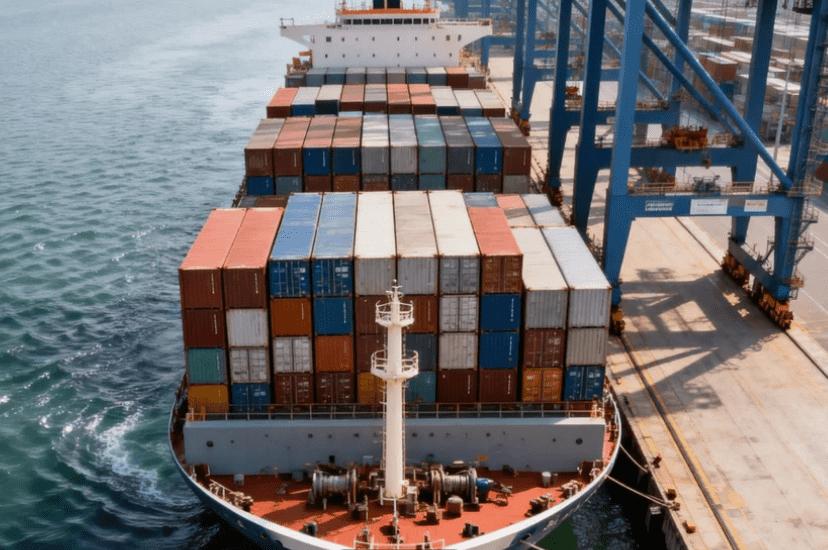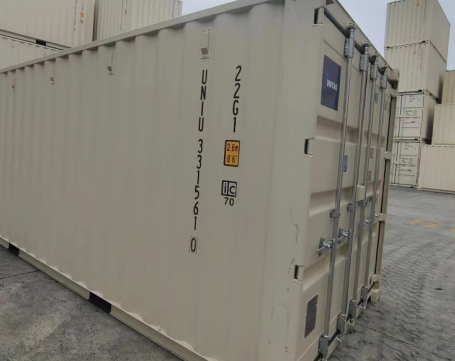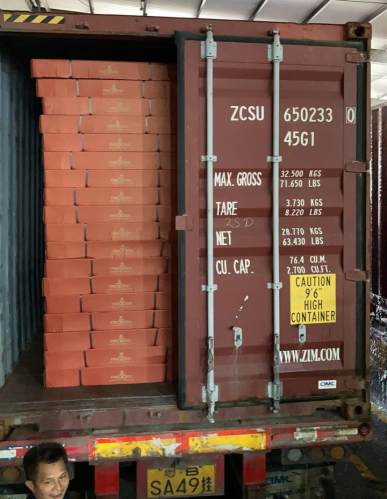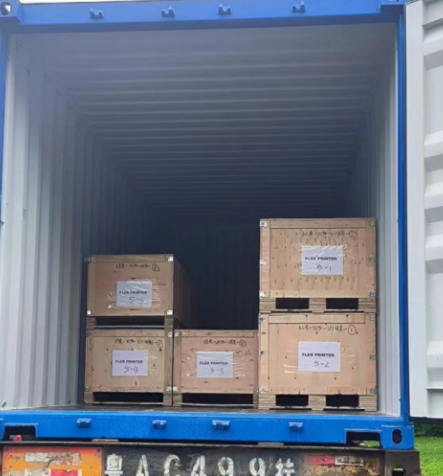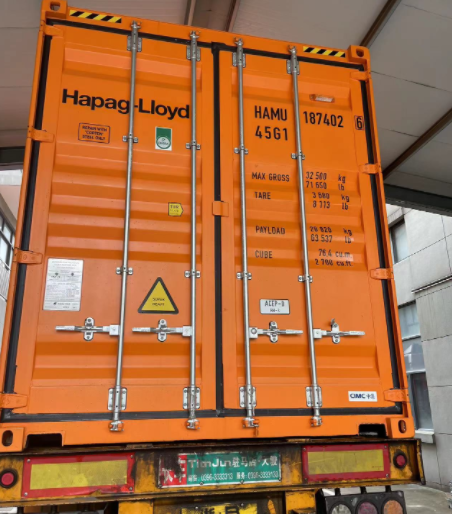
Are you considering shipping excavators from China to Canada but unsure where to begin? With evolving regulations, multiple shipping methods, and crucial documentation, the process can be overwhelming. In this comprehensive guide, we’ll break down everything you need to know about importing excavators, including the latest Canadian import regulations, shipping options like RoRo and FCL, cost calculations for 2025, and essential tips for smooth customs clearance. Get ready to navigate the world of heavy equipment shipping with confidence!
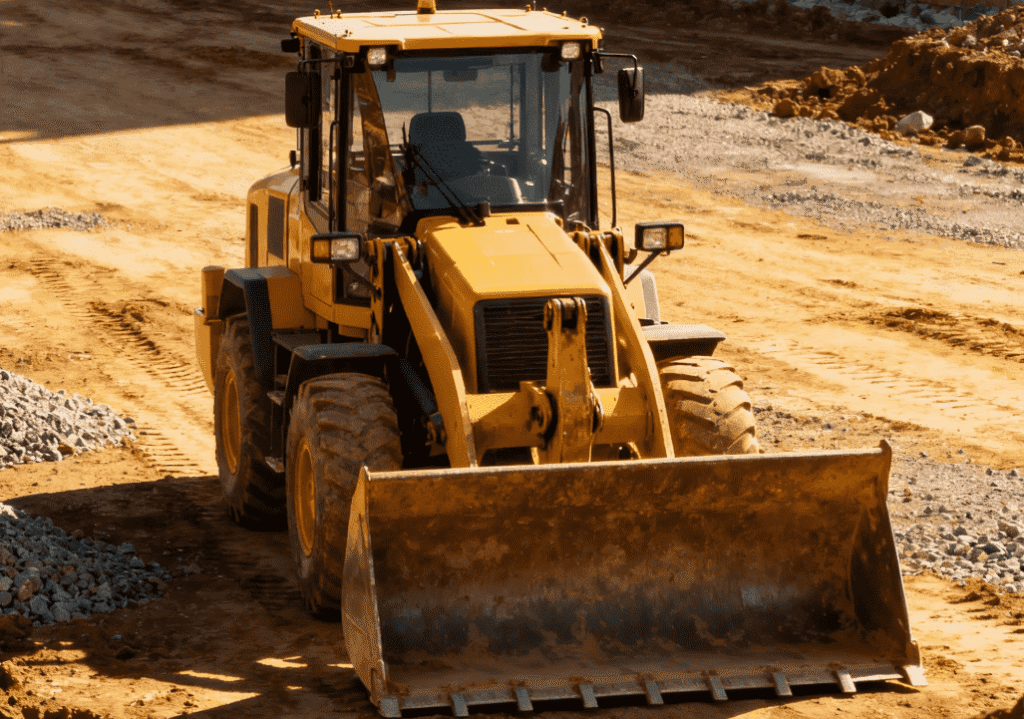
Why Import Excavators from China to Canada?
Importing excavators from China to Canada has become increasingly popular among Canadian importers, contractors, and equipment distributors. This trend is driven by several compelling factors:
1. Cost-Effectiveness
China is a global manufacturing powerhouse, especially for heavy machinery such as excavators. Chinese manufacturers offer competitive pricing without compromising quality, often providing excavators at 20-40% lower cost compared to North American or European brands. This significant cost advantage allows Canadian businesses to maximize ROI and remain competitive in the construction sector.
2. Advanced Manufacturing & Quality
Modern Chinese excavator brands have achieved remarkable advancements in technology, durability, and performance. Many factories operate under ISO-certified quality management systems, and leading brands like XCMG, SANY, and LIUGONG are recognized worldwide for their innovation and reliability. Canadian buyers can access the full spectrum of machine sizes and specifications suited for diverse project needs.
3. Large Selection & Customization
The Chinese market provides an extensive range of excavators, from compact mini-excavators suitable for urban landscaping to large hydraulic models used in mining and infrastructure development. Customization options—such as attachments, cabin configurations, and environmental compliance—can be tailored to meet Canadian standards and project-specific requirements.
4. Supply Chain Efficiency
With improvements in global logistics, shipping excavators from China to Canada is more efficient than ever. Major Chinese ports are equipped to handle heavy machinery exports, and established shipping corridors ensure predictable transit times, helping Canadian importers manage inventory and project timelines effectively.
5. Compliance with Canadian Standards
Reputable Chinese manufacturers are well-versed in Canadian import regulations, including emissions standards and safety certifications. Many offer pre-export inspection and documentation support, minimizing compliance risks and expediting customs clearance in Canada.
6. Trusted Support with a Professional Freight Forwarder
Working with a reliable freight forwarder like Dantful International Logistics ensures smooth handling from origin to destination. With over 15 years of industry expertise, our team can guide you through sourcing, shipping, customs clearance, and last-mile delivery, providing end-to-end transparency and risk management.
Key Shipping Methods for Excavators: RoRo, FCL, Flat Rack, and Open-Top
Selecting the appropriate shipping method is crucial to ensure cost efficiency, safety, and timely delivery when transporting excavators from China to Canada. For a broader understanding of containerized solutions, you may find this container shipping from China to Canada guide helpful. Below are the primary options, each suited for different types and sizes of machinery:
| Shipping Method | Description | Best For | Pros | Cons |
|---|---|---|---|---|
| RoRo (Roll-on/Roll-off) | Excavators are driven or towed directly onto the vessel. | Wheeled or tracked, self-propelled units | Fast loading/unloading;<br>No special packing required | Limited to self-movable equipment;<br>Fewer route options |
| FCL (Full Container Load) | Equipment is loaded into a standard 20ft, 40ft, or 40HQ container. | Mini or compact excavators | Secure, protected from elements;<br>Frequent sailings | Size/weight limits: 20ft (28CBM), 40ft (56CBM), 40HQ (68CBM) |
| Flat Rack | Machinery is placed on an open platform with no side walls, suitable for out-of-gauge cargo. | Large, oversized excavators | Handles oversized cargo;<br>Less dismantling required | Exposed to weather;<br>Higher cost than standard containers |
| Open-Top Container | Container with no fixed roof, allowing top-loading of tall equipment. | Tall but not excessively wide units | Secure, semi-protected;<br>Easier loading of tall units | Still limited by width;<br>May need tarpaulin cover |
Method Selection Considerations
- Excavator Size and Weight:
- Compact models (under 28CBM) can fit in 20FT containers.
- Medium-sized units may require 40FT or 40HQ containers (max 68CBM).
- Oversized machines typically require Flat Rack or RoRo solutions. For more on shipping non-standard loads, see out of gauge cargo.
- Port Infrastructure:
Not all Canadian ports handle RoRo vessels—verify availability at destination. - Budget and Transit Time:
FCL and RoRo are generally the most economical. Flat Rack and Open-Top are premium solutions for non-standard loads. - Protection Needs:
Containerized shipping (FCL/Open-Top) offers better protection against weather and potential theft compared to Flat Rack or RoRo.
Example: Shipping Cost & Transit Time Comparison (2025 Reference)
| Route | RoRo | FCL (40HQ) | Flat Rack | Open-Top |
|---|---|---|---|---|
| Shanghai → Vancouver | $7,500 | $4,800 | $6,200 | $5,600 |
| Tianjin → Montreal | $8,200 | $5,200 | $6,700 | $6,000 |
| Qingdao → Halifax | $8,900 | $5,900 | $7,100 | $6,500 |
| Estimated Transit Time (days) | 28-33 | 25-32 | 25-32 | 25-32 |
Note: Rates and transit times are market averages as of 2025; actual quotes may vary based on season, cargo details, and service selection.
When shipping high-value or oversized excavators from China to Canada, it’s important to work with a freight forwarder experienced in heavy machinery logistics. Dantful International Logistics provides customized shipping solutions, including sea freight, out-of-gauge cargo handling, insurance, and door-to-door delivery. Our expertise ensures your machinery arrives safely, on time, and fully compliant with Canadian regulations.
Pre-Shipment Checklist: Sourcing, Inspection, and Supplier Verification
When shipping excavators from China to Canada, a rigorous pre-shipment process is essential to minimize risks, ensure compliance, and optimize costs. Below is a comprehensive checklist based on over 15 years of hands-on experience in international freight forwarding.
1. Sourcing Reliable Excavator Suppliers
- Background Check: Research potential Chinese suppliers via third-party directories (such as Alibaba, Made-in-China.com), but always request business licenses, certifications, and references. Prioritize suppliers with proven export records to Canada.
- Product Specification Confirmation: Ensure detailed technical specs (brand, model, year, engine type, weight, dimensions) are clarified and documented. Mismatches can lead to customs issues or improper shipping arrangements.
- Negotiating Terms: Clearly define Incoterms (e.g., FOB, CIF, DDP), payment terms, and delivery schedules. Not familiar with DDP? Check out this comprehensive explanation on ddp (Delivered Duty Paid) and how it impacts international shipments.
2. Inspection & Quality Control
- Third-Party Inspection: Engage reputable inspection agencies such as SGS or Bureau Veritas for a pre-shipment inspection. Key inspection points include:
- Overall machinery condition (structural integrity, working order)
- Compliance with destination country standards (emissions, safety)
- Serial numbers and documentation match
- On-Site Testing: If possible, request a video or live demonstration of excavator functionality. This reduces post-arrival disputes.
- Packing & Securing: Instruct the supplier on proper lashing, chocking, and moisture protection for sea transport. For open-top or flat-rack shipments, ensure sensitive components are adequately protected.
3. Supplier Verification and Risk Mitigation
- Factory Audit: If budget permits, arrange a factory audit to verify production capabilities and ethical practices.
- Blacklist Screening: Check if the supplier is listed on any trade blacklists or has outstanding disputes.
- Insurance: Secure cargo insurance covering damage, theft, and marine peril for the full transit value.
Summary Table: Pre-Shipment Checklist
| Step | Action Required | Responsible Party |
|---|---|---|
| Supplier Verification | Business license, references, blacklist check | Shipper/Buyer |
| Technical Confirmation | Detailed specs and compliance review | Supplier/Shipper |
| Pre-Shipment Inspection | Hire 3rd-party agency, document inspection | Shipper/Buyer |
| Packing & Securing | Ensure export-standard packing/lashing | Supplier/Forwarder |
| Insurance | Arrange all-risk insurance | Buyer/Forwarder |
By following this checklist, importers and logistics managers can significantly mitigate financial and operational risks when shipping high-value excavators from China to Canada.
Canadian Import Regulations and Environmental Standards for Excavators (2025 Updates)
Importing excavators into Canada in 2025 involves compliance with updated regulations covering safety, emissions, and customs protocols. Understanding and adhering to these requirements is crucial for smooth customs clearance and long-term equipment operation.
1. Import Permits and Regulations
- Canadian Border Services Agency (CBSA): All imported excavators must be declared to the CBSA. A valid Business Number (BN) is required for commercial importers.
- Canadian Food Inspection Agency (CFIA): Used machinery must be cleaned and free of soil, pests, or organic material. CFIA inspections may apply on arrival.
- Import Permits: Generally, most excavators do not require specific import permits, unless classified as restricted due to technology or origin. Always verify with the latest CBSA requirements.
2. Environmental Standards
- Emissions Compliance: Under Canada’s Environment and Climate Change Canada (ECCC), imported excavators must meet the latest Tier 4 or Stage V emission standards, depending on engine size and model year.
- Non-compliant Machinery: Units not meeting these standards may be denied entry or require costly retrofitting.
2025 Emissions Overview Table
| Engine Power (kW) | Required Standard (2025) | Key Requirements |
|---|---|---|
| < 56 kW | Tier 4 Final / Stage V | DOC + DPF/Selective Catalytic Reduction (SCR) |
| 56–130 kW | Tier 4 Final / Stage V | SCR, EGR, DPF, low NOx |
| > 130 kW | Tier 4 Final / Stage V | Advanced SCR, EGR, DPF |
3. Safety and Technical Requirements
- Transport Canada Compliance: If the excavator will be used on public roads, it must comply with Transport Canada safety regulations (lighting, brakes, signage).
- CSA Certification: Certain attachments or modifications may require Canadian Standards Association (CSA) approval.
4. Documentation and Marking
- Bill of Lading
- Commercial Invoice
- Packing List
- Certificate of Origin
- Emissions Compliance Certificate
- Inspection Certificate (if applicable)
All documents should accurately reflect product details and regulatory compliance. Mismatches or missing paperwork are leading causes of customs delays.
5. Duties, Taxes, and Fees
- HS Codes: Correct Harmonized System (HS) codes for excavators (commonly 8429.52) are essential for accurate tariff calculation.
- Duties: Most new excavators from China attract 0–8% duty, subject to annual review and trade agreements.
- GST/HST: Importers must pay the applicable Goods and Services Tax (GST) or Harmonized Sales Tax (HST) on the total landed cost.
6. 2025 Regulatory Changes & Trends
- Increased enforcement of emissions standards, with random audits on high-risk shipments.
- Stricter CFIA checks on used machinery to prevent invasive species.
- Digital documentation and e-clearance becoming standard for major ports like Vancouver and Montreal.
Navigating these complex regulations is much easier with an experienced partner. Dantful International Logistics is a highly professional, cost-effective, and high-quality one-stop logistics service provider. Our expertise covers sea freight, air freight, customs clearance, insurance, and door-to-door solutions. We ensure your excavator shipments from China to Canada comply with all 2025 requirements, minimizing delays and unexpected costs. For more details on logistics channels and costs, reference our resource on shipping routes from China to Canada.
Calculating the Total Cost of Shipping an Excavator (2025 Rates)
When planning to ship excavators from China to Canada, understanding the total logistics cost is essential for accurate budgeting and decision-making. The total shipping expense involves several components, each influenced by market rates, equipment size, shipping method, and destination.
1. Major Cost Components
| Cost Component | Description | Approx. 2025 Rates (USD)* |
|---|---|---|
| Ocean Freight | Main sea freight charge (RoRo, FCL, Flat Rack, Open-Top) | $4,500–$12,000 per unit (varies by route and method) |
| Origin Charges | Local charges at Chinese port (loading, documentation, export customs) | $600–$1,200 |
| Destination Charges | Terminal handling, unloading, local documentation at Canadian port | $800–$1,500 |
| Inland Transportation | From Canadian port to final destination (truck or rail) | $1,200–$4,000 (depends on distance) |
| Customs Duties & GST | Canadian import duty (usually 0–9.5% for excavators) + 5% GST | Based on excavator value |
| Insurance | Cargo insurance (recommended) | 0.3–0.7% of cargo value |
| Other Fees | E.g., quarantine, inspection, warehousing, port congestion surcharges | $200–$800 |
*Rates are indicative as of early 2025 and may fluctuate due to fuel prices, currency, and market demand. Always request a tailored quote for accurate pricing.
2. Shipping Method Comparison
The transport method largely impacts overall cost and transit time. Here’s a simplified comparison for reference:
| Shipping Method | Typical Use Case | Cost Range (USD) | Transit Time (Days) | Notes |
|---|---|---|---|---|
| RoRo | Drivable, mobile excavators | $5,500–$8,500 | 20–32 | Cost-effective for operable machinery |
| FCL (Flat Rack) | Large or disassembled units | $6,500–$12,000 | 22–34 | Ideal for oversize or non-self-propelled |
| Open-Top | Tall/odd-shaped excavators | $7,000–$13,500 | 22–34 | For height-restricted cargo |
3. Sample Total Cost Breakdown
Here’s an illustrative calculation for shipping a 20-ton excavator from Shanghai to Vancouver in 2025 (Flat Rack):
| Item | Estimated Cost (USD) |
|---|---|
| Sea Freight (Flat Rack) | $8,500 |
| Origin Charges | $950 |
| Destination Charges | $1,200 |
| Inland Transportation | $2,200 |
| Canadian Duties (5%) | $4,000 (on $80,000 value) |
| GST (5%) | $4,000 |
| Insurance | $480 |
| Total | $21,330 |
*Taxes and duties depend on the exact HS code; consult your customs broker for the latest rates.
4. Cost-Saving Tips
- Consolidation: Ship multiple units together to spread fixed costs.
- Advance Booking: Secure space early to avoid peak season surcharges.
- Professional Freight Forwarder: Engage with a trusted provider like Dantful International Logistics for optimized routing and transparent pricing.
READ MORE:
- Shipping From China to the USA
- Shipping From China TO Canada
- Shipping From China TO Mexico
- Shipping From China to Panama
- Shipping From China to Costa Rica
- Shipping From China to Brazil
- Shipping From China TO Colombia
- Shipping From China to Jamaica
- Shipping From China to Venezuela
- Shipping From China to Argentina
Essential Documentation for Excavator Imports to Canada
Proper documentation is vital for the smooth and compliant importation of excavators from China to Canada. Errors or missing paperwork can result in delays, fines, or seizure of cargo. Here’s a comprehensive checklist tailored for 2025 requirements:
1. Bill of Lading (B/L)
A negotiable document issued by the carrier, acknowledging receipt of the excavator and detailing its shipment. Original Bill of Lading or a Telex Release is required for cargo release at the destination.
2. Commercial Invoice
Lists the seller, buyer, full description of the excavator, HS code, unit price, total value, currency, and payment terms. This is central for customs valuation and duty assessment.
3. Packing List
Details the packing format, number of pieces, gross/net weights, and dimensions of the excavator and any accessories.
4. Certificate of Origin
Certifies that the excavator was manufactured in China. Required for preferential duty rates under certain trade agreements (e.g., CPTPP).
5. Import Permit/License (if applicable)
Some models or specific types of construction machinery may need a permit from Natural Resources Canada or the Canadian Food Inspection Agency (CFIA) due to environmental or safety standards.
6. Pre-Shipment Inspection Certificate
Certain used or remanufactured excavators must have a pre-shipment inspection, proving they meet Canadian environmental and safety regulations.
7. EPA/Environment Canada Compliance
Canadian Environmental Protection Act (CEPA) requires certification for emissions compliance. Submit proof that the excavator meets or exceeds Canadian standards.
8. Customs Entry Documents
Includes the Canada Customs Invoice (CCI), relevant HS Codes, and detailed commodity descriptions.
9. Insurance Certificate
Proof of valid cargo insurance covering loss or damage during transit.
10. Other Supporting Documents
- Importer’s Business Number (BN)
- Power of Attorney (if using a customs broker)
- Purchase Contract/Agreement
| Document | Mandatory/Conditional | Issued By |
|---|---|---|
| Bill of Lading | Mandatory | Carrier/Forwarder |
| Commercial Invoice | Mandatory | Seller/Exporter |
| Packing List | Mandatory | Seller/Exporter |
| Certificate of Origin | Conditional | Chamber of Commerce/Exporter |
| Import Permit | Conditional | Canadian regulatory authority |
| Pre-Shipment Inspection Cert. | Conditional | Inspection Agency/Exporter |
| Compliance Certificate (EPA) | Conditional | Manufacturer/Exporter |
| Canada Customs Invoice (CCI) | Mandatory | Exporter |
| Insurance Certificate | Mandatory | Insurance company/Forwarder |
Expert Recommendation
Working with a professional freight forwarder like Dantful International Logistics ensures all required documentation is prepared accurately and submitted on time. Our experienced team handles the intricacies of international shipping paperwork, compliance with Canadian regulations, and coordination with customs brokers for a seamless import experience.
Navigating Canadian Customs Clearance for Heavy Equipment
Shipping excavators from China to Canada involves a meticulous customs clearance process, which is critical for smooth and timely delivery of heavy equipment. As a seasoned logistics professional, I will walk you through the essential aspects to ensure compliance and minimize delays.
Key Steps in Canadian Customs Clearance
Pre-Arrival Review System (PARS)
- All shipments, including heavy machinery like excavators, must be reported in the Canada Border Services Agency (CBSA) system before arrival. An accurate PARS submission is mandatory for expedited clearance.
Tariff Classification & HS Codes
- Assign the correct Harmonized System (HS) code for excavators (commonly 8429.52 for new, 8429.59 for used).
- Proper classification impacts duty rates and admissibility.
Import Permits & Compliance
- Although most excavators do not require an import permit, always verify if your shipment includes any restricted technology, military-grade components, or specialized attachments.
- Ensure compliance with Transport Canada and Environment and Climate Change Canada (ECCC) regulations, especially regarding emissions and noise standards for construction equipment.
Documentation Required
- Commercial Invoice (detailing value, HS code, and specifications)
- Bill of Lading (from your carrier or freight forwarder)
- Packing List
- Certificate of Origin
- Inspection Certificates (if applicable)
- Arrival Notice and Customs Declaration (B3 Form)
- For used equipment: evidence of thorough cleaning to avoid soil contamination, and a Phytosanitary Certificate may be needed.
Duties, Taxes, and Import Fees
- Duty rates for excavators from China usually range between 0-9%, depending on the latest trade agreements.
- Goods and Services Tax (GST) at 5% is levied on most imports.
- Provinces may impose additional Provincial Sales Tax (PST) or Harmonized Sales Tax (HST).
Inspection and Quarantine
- CBSA may randomly select shipments for physical inspection.
- Used machinery is scrutinized for soil, pests, and hazardous materials.
- Non-compliance can result in cleaning charges, fines, or re-exportation.
Common Challenges and Solutions
| Challenge | Solution/Best Practice |
|---|---|
| Incorrect HS code or paperwork | Engage a professional customs broker or expert freight forwarder for review. |
| Shipment delays due to missing PARS | Submit PARS details as early as possible; maintain direct communication with CBSA. |
| Additional inspection for used equipment | Ensure thorough cleaning and provide detailed cleaning documentation. |
| Unclear valuation or invoice issues | Use detailed, transparent commercial invoices and keep all supplier records. |
Role of Your Freight Forwarder
A qualified freight forwarder like Dantful International Logistics provides end-to-end support:
- Accurate document preparation and submission
- Coordination with customs brokers
- Real-time tracking and proactive communication
- Expertise in handling OOG (Out of Gauge) and breakbulk shipments
- Door-to-door delivery, including inland transport and warehousing
By entrusting your shipping to an experienced partner, you gain peace of mind and efficiency throughout the clearance process.
Major Chinese Export Ports for Excavators
Choosing the right export port in China is crucial for optimizing shipping cost, transit time, and equipment handling. The following ports are industry leaders for exporting heavy machinery, including excavators, to Canada:
| Port Name | Location | Key Advantages | Typical Destinations in Canada |
|---|---|---|---|
| Shanghai Port | Shanghai | Largest container throughput, advanced OOG handling, frequent liner services | Vancouver, Prince Rupert, Montreal |
| Tianjin Port | Tianjin (North China) | Proximity to major manufacturers in northern China, efficient RoRo capabilities | Vancouver, Halifax |
| Qingdao Port | Shandong | Specialized in heavy machinery, strong flat rack and open-top capacity | Vancouver, Montreal |
| Guangzhou (Nansha) Port | Guangdong | Strategic for South China factories, rapid customs clearance, robust breakbulk services | Vancouver, Toronto |
| Xiamen Port | Fujian | Flexible shipping schedules, excellent for mixed FCL/LCL (Less than Container Load) | Vancouver, Montreal |
Port Selection Considerations
- Manufacturing Location: Select the port closest to your supplier to reduce overland transport costs within China.
- Equipment Size & Weight: For oversized or overweight excavators, ports with advanced RoRo and heavy lift capabilities (e.g., Shanghai, Tianjin) are ideal.
- Shipping Frequency: Major ports like Shanghai and Qingdao offer the highest sailing frequency to Canadian destinations, reducing wait times.
- Handling Equipment: Ensure the port has experience with Flat Rack, Open-Top, and RoRo shipments for excavators.
Example: Estimated Transit Times from Major Ports to Canada
| Departure Port | Arrival Port | Transit Time (Days, Avg.) |
|---|---|---|
| Shanghai | Vancouver | 15-18 |
| Qingdao | Vancouver | 16-19 |
| Tianjin | Vancouver | 18-21 |
| Guangzhou | Montreal | 28-33 |
| Shanghai | Montreal | 26-30 |
Note: Transit times are averages and can vary based on vessel schedules, weather, and customs clearance efficiency.
For a seamless, reliable, and cost-effective experience when shipping excavators from China to Canada, partner with a trusted freight forwarder with proven track record and local expertise.
Key Canadian Ports for Receiving Heavy Machinery
When importing excavators and other heavy machinery from China to Canada, selecting the right destination port is critical for smooth logistics and cost efficiency. Canada’s vast geography means that the port you choose can significantly impact your inland transportation time and costs. Here are the major Canadian ports frequently used for receiving heavy equipment shipments:
| Port Name | Location | Main Advantages | Typical Cargo Types | Connectivity (Rail/Road) |
|---|---|---|---|---|
| Port of Vancouver | British Columbia (West) | Largest port in Canada; excellent connections to Asia; advanced heavy lift gear | Construction machinery, vehicles, breakbulk | Trans-Canada railways & highways |
| Port of Prince Rupert | British Columbia (West) | Shortest Pacific route from China; modern facilities; lower congestion | Containers, project cargo | Direct rail to Central Canada |
| Port of Montreal | Quebec (East) | Gateway to Eastern and Central Canada; efficient intermodal links | Containers, roll-on/roll-off (RoRo), flat rack | Extensive rail network |
| Port of Halifax | Nova Scotia (East) | East Coast access; deepwater terminals for oversized cargo | Oversized equipment, RoRo | Intermodal connections to Atlantic Canada |
| Port of Toronto | Ontario (Central) | Direct access to Ontario and Great Lakes region; suitable for last-mile delivery | Containers, machinery | Road/rail links to industrial heartland |
Port of Vancouver is Canada’s busiest and offers comprehensive facilities for handling RoRo, flat rack, and breakbulk shipments, making it the top choice for most importers on the West Coast. Prince Rupert is increasingly popular due to its uncongested terminals and proximity to Asian shipping lanes, which can sometimes reduce ocean transit times by 2-3 days compared to Vancouver.
For importers in Eastern Canada, Montreal and Halifax provide strategic gateways, especially when inland transportation to destinations like Toronto, Ottawa, or Quebec is considered. If your project site is located in Central Canada (e.g., Ontario), importing directly through Toronto can save time and last-mile costs.
Port Selection Tips:
- Proximity to Final Destination: Choose the closest port to your delivery location to minimize inland shipping.
- Equipment Handling Capabilities: Ensure the port can handle your specific shipment type (e.g., oversized excavators, out-of-gauge cargo).
- Customs and Quarantine Facilities: Major ports have on-site customs and inspection services, expediting clearance of heavy machinery.
- Seasonal Considerations: Some ports may be affected by winter weather, so plan routes accordingly, especially in Q4–Q1.
Choosing the Right Freight Forwarder for Heavy Equipment Shipping
Selecting a reliable freight forwarder is a critical step when shipping excavators from China to Canada. The complexity, value, and regulatory requirements of heavy machinery transport demand a partner with proven expertise, resources, and a global network.
Key Criteria for Selecting a Freight Forwarder
| Selection Criteria | Why It Matters | What to Look for |
|---|---|---|
| Experience with Heavy Equipment | Familiarity with permits, oversized cargo handling, and special equipment needs | Track record in project & OOG (Out-of-Gauge) shipments |
| Comprehensive Service Portfolio | Ability to provide end-to-end solutions, including customs, insurance, inland haulage, and warehousing | Full-service offering (Sea, Air, Rail, Road, Door-to-Door, etc.) |
| Global & Local Network | Ensures smooth coordination from Chinese supplier to Canadian destination | Offices/partners in key Chinese and Canadian ports |
| Compliance and Regulatory Expertise | Navigating Canadian and Chinese regulations, environmental standards, and documentation | Demonstrated knowledge of 2025 import policies |
| Transparent Pricing & Tracking | Clear cost structures and shipment visibility | Quotation transparency; online tracking platforms |
| Insurance and Risk Management | Coverage for high-value machinery against loss or damage | Cargo insurance options; claims support |
Why Choose Dantful International Logistics?
As an industry leader with over 15 years of experience, Dantful International Logistics specializes in handling shipments of excavators and other heavy machinery between China and Canada. We provide a highly professional, cost-effective, and high-quality one-stop logistics solution for global traders and manufacturers.
Our Comprehensive Services Include:
- Sea Freight (FCL, LCL, RoRo, Flat Rack, Open-Top)
- Air Freight and Rail Freight (when time is critical)
- Road Freight for inland Canada delivery
- OOG Freight, Breakbulk Freight, and Consolidated Freight
- Door-to-Door and Port-to-Door services
- Amazon FBA, Warehousing, and Cargo Insurance
- Customs Clearance and regulatory compliance consulting
Our dedicated teams in both China and Canada offer end-to-end support, from supplier coordination and pre-shipment inspection to customs clearance and final delivery. With in-depth knowledge of port operations in Vancouver, Montreal, Halifax, and more, we ensure efficient and compliant handling of your valuable equipment.
If you are planning to ship excavators from China to Canada, choosing a port and a freight forwarder with the right experience and resources is pivotal. For tailored logistics solutions and seamless project management, consider reaching out to Dantful International Logistics—your trusted partner in global machinery shipping.

Young Chiu is a seasoned logistics expert with over 15 years of experience in international freight forwarding and supply chain management. As CEO of Dantful International Logistics, Young is dedicated to providing valuable insights and practical advice to businesses navigating the complexities of global shipping.