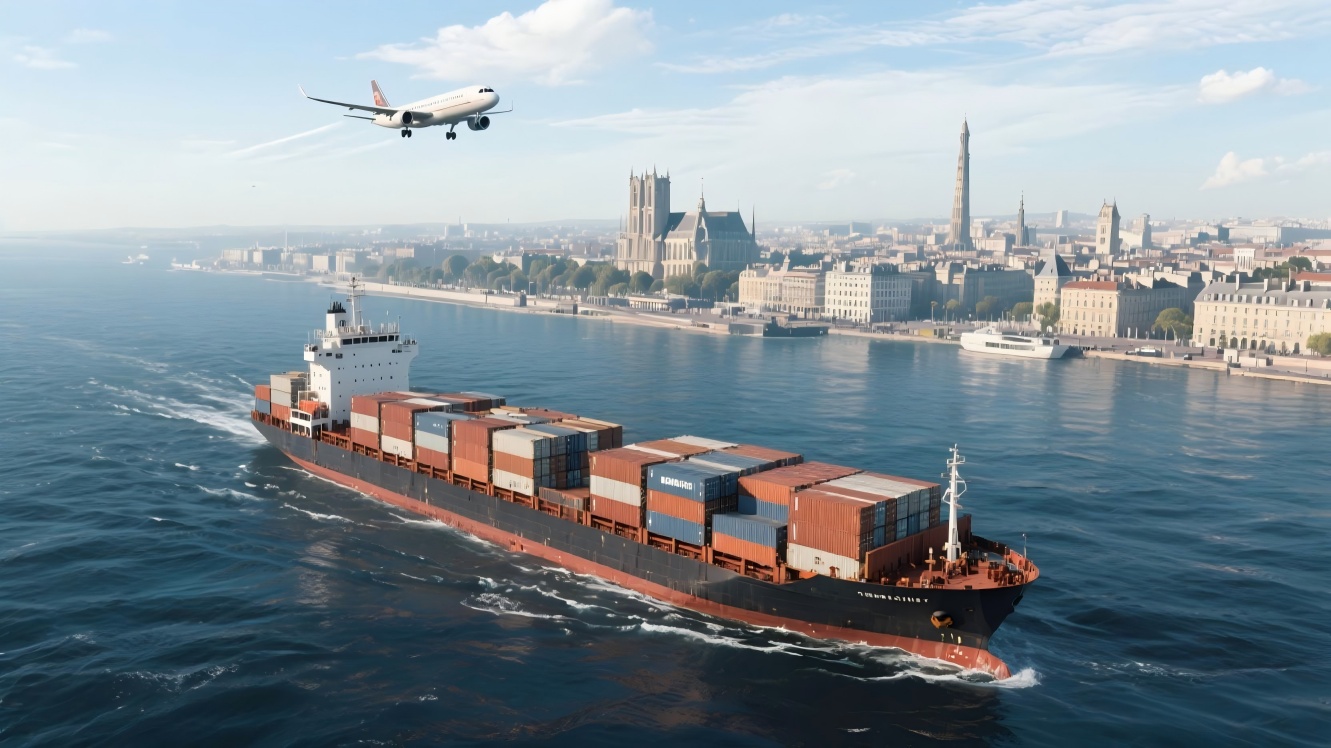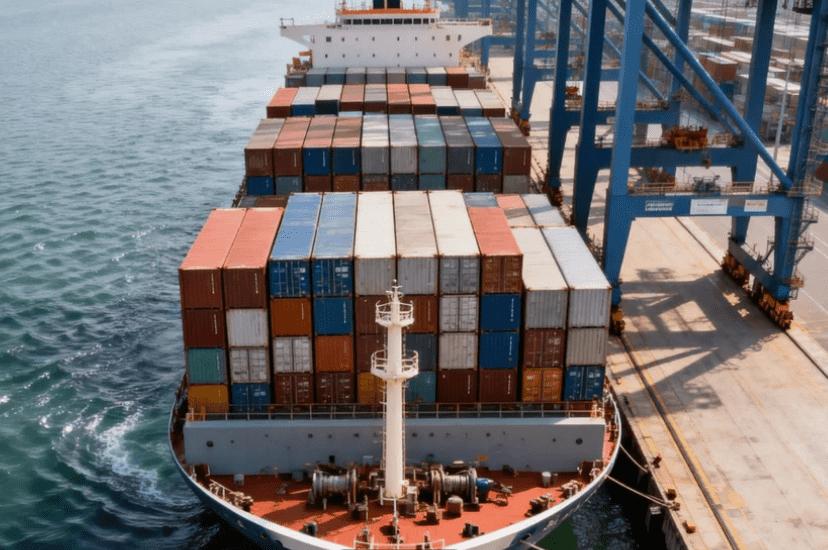
Are you looking to navigate the complexities of shipping from Guangzhou to the USA? Understanding the logistics and options available can be daunting, but it doesn’t have to be. In this comprehensive guide, we will explore the significance of Guangzhou as a major shipping hub and delve into various shipping methods, including air freight and ocean freight. Additionally, we’ll cover vital cost factors, customs clearance processes, and tips for choosing the right freight forwarder. Get ready to simplify your shipping experience!
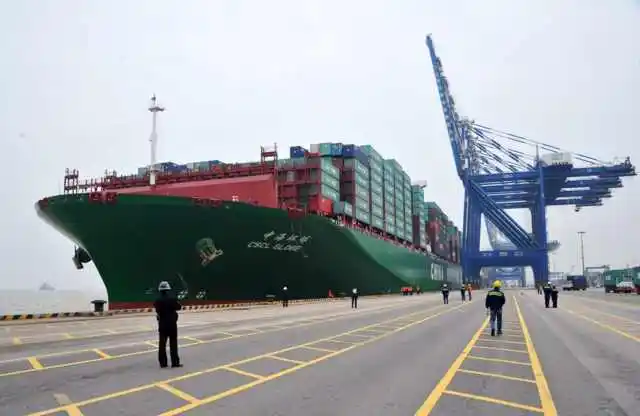
Sea Freight from Guangzhou to the USA
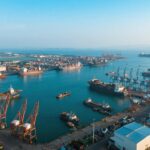
Guangzhou, a pivotal economic center in Southern China and a key port city in the Pearl River Delta, offers extensive sea freight services to the USA. This section details the essential aspects of shipping goods via ocean from Guangzhou.
Key Shipping Routes & Transit Times
Guangzhou’s strategic location provides efficient access to major trans-Pacific shipping lanes.
- Guangzhou to US West Coast (e.g., Los Angeles, Long Beach, Seattle, Oakland):
- Transit Time: Typically 14-22 days.
- Routes: Direct services across the Pacific Ocean. These routes are generally the fastest and most frequently used.
- Major Carriers: COSCO, Maersk, MSC, Evergreen, OOCL, Hapag-Lloyd.
- Guangzhou to US East Coast (e.g., New York, Savannah, Norfolk):
- Transit Time:
- Via Panama Canal: 28-38 days. This is the primary route for cargo destined for the US East Coast.
- Via Suez Canal: 38-48 days. Less common for direct US East Coast shipments, often used when combining with European routes or to bypass Panama Canal congestion.
- Major Carriers: COSCO, Maersk, MSC, Evergreen, OOCL, Hapag-Lloyd.
- Transit Time:
- Guangzhou to US Gulf Coast (e.g., Houston):
- Transit Time: 30-40 days, typically utilizing the Panama Canal route.
- Major Carriers: COSCO, Maersk, MSC, Evergreen, OOCL, Hapag-Lloyd.
Types of Sea Freight Services
- Full Container Load (FCL):
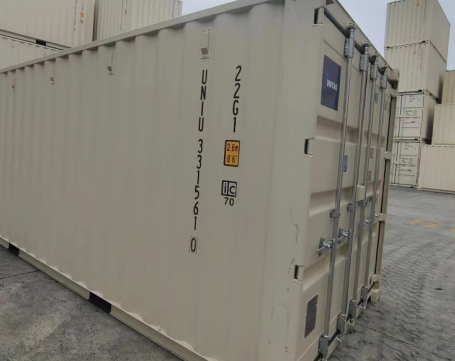
- Description: Your goods occupy an entire shipping container (20ft or 40ft).
- Advantages: Faster transit, reduced handling, generally more cost-effective for larger volumes.
- Suitable for: Large shipments, high-value goods, or when cargo segregation is required.
- Less than Container Load (LCL):
- Description: Your goods share container space with other shippers’ cargo.
- Advantages: Cost-effective for smaller shipments that do not require a full container.
- Suitable for: Smaller volumes, samples, or when budget is a primary consideration over speed.
- Note: LCL shipments typically involve additional handling and may have slightly longer transit times due to consolidation and deconsolidation processes.
Estimated Costs (Q4 2025)
Sea freight costs are subject to significant fluctuations based on factors such as fuel prices, carrier capacity, peak seasons, and port congestion. The figures provided below are estimates and are subject to change.
| Route (Guangzhou to) | FCL 20ft (USD) | FCL 40ft (USD) | LCL (per CBM, USD) |
|---|---|---|---|
| US West Coast | $1,900 – $2,900 | $2,600 – $3,900 | $75 – $125 |
| US East Coast | $3,100 – $4,600 | $4,100 – $6,100 | $105 – $185 |
| US Gulf Coast | $3,300 – $4,900 | $4,300 – $6,300 | $115 – $195 |
Factors Influencing Cost:
- Fuel Surcharges (BAF/EBS): Bunker Adjustment Factor and Emergency Bunker Surcharge are variable and linked to global oil prices.
- Peak Season Surcharges (PSS): Applied during periods of high demand, such as before major holidays (e.g., Chinese New Year, Golden Week) or during the Q3/Q4 holiday shipping rush.
- General Rate Increases (GRI): Carriers may implement GRIs periodically to adjust base freight rates.
- Port Congestion Surcharges: Imposed when ports experience significant delays or backlogs.
- Local Charges: Include origin charges (e.g., Terminal Handling Charges, documentation fees, customs clearance) and destination charges (e.g., Terminal Handling Charges, ISF filing, customs clearance, delivery).
Key Ports in Guangzhou
- Nansha Port:
- Location: Southern Guangzhou, at the mouth of the Pearl River.
- Characteristics: A modern, deep-water port capable of handling large container vessels. It is a crucial hub for international trade, particularly for routes to North America.
- Cargo Types: Wide range of goods including electronics, automotive parts, machinery, chemicals, and general consumer products.
- Huangpu Port:
- Location: Eastern Guangzhou, along the Pearl River.
- Characteristics: One of China’s oldest and largest comprehensive ports, handling containers, bulk cargo, and general cargo. It serves as a vital gateway for the Pearl River Delta region.
- Cargo Types: Diverse, including agricultural products, industrial raw materials, manufactured goods, and consumer items.
Inland Transportation from Guangzhou
Guangzhou boasts an excellent transportation infrastructure, facilitating the efficient movement of goods from surrounding manufacturing areas to its ports.
- Road Network: An extensive network of expressways connects Guangzhou to major manufacturing cities in Guangdong Province (e.g., Foshan, Dongguan, Zhongshan).
- Rail Links: Well-developed rail freight services provide connections to inland regions of China, offering a viable option for long-distance or heavy cargo.
- Barge Services: An efficient system of barge services links Guangzhou’s ports with numerous smaller river ports throughout the Pearl River Delta, providing a cost-effective solution for transporting goods from nearby factories.
Air Freight from Guangzhou to the USA
For time-sensitive shipments from Guangzhou to the USA, air freight offers a significantly faster solution compared to sea freight. This section outlines the key aspects of air cargo services from Guangzhou.
Key Air Cargo Hubs & Transit Times
Guangzhou is home to one of China’s busiest airports, facilitating numerous direct and indirect flights to the USA.
- Guangzhou Baiyun International Airport (CAN):
- Location: Guangzhou, Guangdong Province.
- Characteristics: A major international aviation hub, serving as a primary gateway for air cargo in Southern China.
- Direct Flights to USA: Numerous airlines offer direct or one-stop flights to major US airports (e.g., Los Angeles (LAX), Chicago (ORD), New York (JFK), Dallas/Fort Worth (DFW)).
- Transit Time (Airport-to-Airport):
- Express Air Freight: 1-3 days (for urgent shipments, often premium services).
- Standard Air Freight: 3-7 days (most common for general cargo).
- Factors Affecting Transit Time: Flight availability, customs clearance efficiency, cargo type, and destination airport.
Types of Air Freight Services
- General Air Cargo:
- Description: Standard air freight service for non-urgent goods.
- Advantages: Faster than sea freight, suitable for a wide range of products.
- Suitable for: Goods with moderate urgency, electronics, fashion items, spare parts.
- Express Air Freight:
- Description: Premium service for highly urgent or time-critical shipments.
- Advantages: Fastest transit times, priority handling, often door-to-door service.
- Suitable for: Perishables, high-value goods, samples, emergency components.
- Consolidated Air Freight:
- Description: Multiple smaller shipments are combined into a single larger shipment to reduce costs.
- Advantages: More cost-effective for smaller volumes than direct air freight.
- Note: May involve slightly longer transit times due to consolidation and deconsolidation processes.
Estimated Costs (Q4 2025)
Air freight costs are primarily calculated based on chargeable weight (the greater of actual weight or volumetric weight) and are influenced by fuel prices, airline capacity, and peak seasons. The figures below are estimates and subject to change.
| Service Type | Cost (per kg, USD) |
|---|---|
| Standard Air Freight | $4.50 – $8.00 |
| Express Air Freight | $8.00 – $15.00 |
Factors Influencing Cost:
- Chargeable Weight: Calculated as the higher of actual gross weight or volumetric weight (Length x Width x Height in cm / 6000 for most airlines).
- Fuel Surcharges: Fluctuate with global oil prices.
- Security Surcharges: Applied for enhanced security measures.
- Peak Season Surcharges: During high-demand periods (e.g., Q4 for holiday shopping, before major Chinese holidays).
- Destination Charges: Include terminal handling, customs clearance, and local delivery fees in the USA.
Door-to-Door vs Port-to-Port from Guangzhou to USA
When shipping goods from Guangzhou to the USA, understanding the differences between Door-to-Door and Port-to-Port services is crucial for choosing the right logistics solution for your business. Each option offers distinct advantages and disadvantages in terms of cost, convenience, and control.
Port-to-Port Shipping
Definition: Port-to-Port shipping involves the transportation of goods from the origin port (e.g., Guangzhou) to the destination port (e.g., Los Angeles). The shipper (importer) is responsible for arranging inland transportation from the factory to the origin port, and from the destination port to their final warehouse or distribution center.
Process:
- Origin Inland Transport: Shipper arranges transport from factory to Guangzhou port.
- Origin Port Handling: Goods are loaded onto the vessel.
- Ocean/Air Transit: Goods are transported from Guangzhou port to US port.
- Destination Port Handling: Goods are unloaded at the US port.
- Customs Clearance: Importer or their customs broker handles customs clearance at the US port.
- Destination Inland Transport: Importer arranges transport from US port to final destination.
Advantages:
- Lower Upfront Cost: Often appears cheaper as it excludes inland transportation and some destination charges.
- More Control: Importers have direct control over inland logistics at both ends, allowing them to use their preferred local carriers or manage their own fleet.
- Flexibility: Suitable for experienced importers with established logistics networks.
Disadvantages:
- Higher Complexity: Requires the importer to manage multiple vendors (freight forwarder, customs broker, trucking companies).
- Increased Risk: More points of hand-off can lead to miscommunication, delays, and potential damage if not managed carefully.
- Time-Consuming: Requires significant time and resources for coordination and management.
- Hidden Costs: Local charges at both ends can accumulate and sometimes exceed initial savings.
Best Suited For:
- Experienced importers with in-house logistics teams.
- Businesses with established relationships with local trucking companies and customs brokers.
- Large volume shippers who can negotiate favorable rates with multiple service providers.
Door-to-Door Shipping
Definition: Door-to-Door shipping is a comprehensive service where a single freight forwarder manages the entire logistics process from the supplier’s factory in Guangzhou to the importer’s final delivery address in the USA. This includes all transportation, customs clearance, and handling at both origin and destination.
Process:
- Factory Pickup: Freight forwarder picks up goods from the supplier’s factory in Guangzhou.
- Origin Handling & Export Clearance: Freight forwarder manages loading, documentation, and export customs.
- Ocean/Air Transit: Goods are transported from Guangzhou to the US.
- Import Customs Clearance: Freight forwarder or their agent handles import customs clearance in the USA.
- Destination Handling & Delivery: Goods are transported from the US port/airport to the importer’s final delivery address.
Advantages:
- Simplicity & Convenience: A single point of contact simplifies the entire shipping process.
- Reduced Complexity: Importer avoids managing multiple vendors and coordinating different stages.
- Time-Saving: Frees up the importer’s time to focus on core business activities.
- Greater Visibility & Control: Often comes with integrated tracking and proactive updates from a single provider.
- Predictable Costs: All-inclusive pricing helps in budgeting and avoids unexpected charges.
- Reduced Risk: Fewer hand-off points and a single responsible party minimize the risk of errors, delays, or damage.
Disadvantages:
- Higher Upfront Cost: Generally more expensive than Port-to-Port due to the comprehensive service.
- Less Direct Control: Importer has less direct involvement in each logistical step.
Best Suited For:
High-value or time-sensitive goods where reliability and speed are paramount.al Logistics ensures that your goods are handled with expertise and care throughout the entire shipping process.
New or less experienced importers.
E-commerce businesses and small to medium-sized enterprises (SMEs) without dedicated logistics teams.
Importers seeking a hassle-free, all-inclusive shipping solution.
READ MORE:
- Shipping From China to the USA
- Shipping From China TO Canada
- Shipping From China TO Mexico
- Shipping From China to Panama
- Shipping From China to Costa Rica
- Shipping From China to Brazil
- Shipping From China TO Colombia
- Shipping From China to Jamaica
- Shipping From China to Venezuela
- Shipping From China to Argentina
Cost Factors for Shipping from Guangzhou to the USA
When considering shipping from Guangzhou to the USA, understanding the cost factors involved is crucial for businesses and individuals alike. The following sections provide a comprehensive breakdown of shipping costs and explore cost-effective solutions to optimize your shipping experience.
Breakdown of Shipping Costs
- Transportation Costs
Transportation costs are the primary component of shipping expenses and can vary significantly based on the method of transport chosen. Here’s a brief overview of costs associated with different shipping methods:Shipping MethodAverage Cost (USD)Estimated Transit TimeAir Freight (Express)$5 – $10 per kg1-3 daysAir Freight (Standard)$3 – $5 per kg3-7 daysOcean Freight (20ft Container)$1,000 – $3,00020-40 daysOcean Freight (40ft Container)$2,000 – $5,00020-40 daysNote: Costs fluctuate based on seasonal demand, fuel prices, and service providers. Therefore, it’s advisable to obtain quotes from multiple freight forwarders to get the best deal. - Customs Duties and Taxes
Importing goods into the USA requires compliance with customs regulations, which often include duties and taxes. The amount you will pay depends on the nature of the goods imported. Generally, customs duties can range from 0% to 37.5% of the declared value of the goods. Additionally, a Merchandise Processing Fee (MPF) and a Harbor Maintenance Fee (HMF) may apply. It’s vital to accurately classify your goods to avoid unexpected costs. To assist with customs duties, consider using reputable platforms such as the U.S. Customs and Border Protection (CBP) website for the latest guidelines.
Cost-Effective Shipping Solutions
- Tips for Reducing Shipping Costs
To make your shipping from Guangzhou to the USA more affordable, consider the following strategies:- Plan Ahead: Schedule shipments well in advance to avoid last-minute rush fees.
- Choose the Right Freight Forwarder: Partnering with an experienced freight forwarder, like Dantful International Logistics, can lead to negotiated rates and reduced costs.
- Optimize Package Size and Weight: Ensure packages are not oversized or overweight to avoid additional surcharges.
- Consolidate Shipments: Combine multiple orders into one shipment to save on transportation costs.
- Consolidated Freight Options for Budget-Friendly Shipping
Consolidated freight services allow businesses to share container space with other importers, significantly lowering costs. This method is particularly beneficial for small to medium-sized shipments. By using Dantful International Logistics‘s consolidated shipping services, you can:- Reduce individual shipping costs by splitting expenses with other clients.
- Benefit from improved shipping schedules and flexibility.
- Ensure your goods are shipped safely and efficiently to the USA.
Shipping Costs from Guangzhou to the USA
Understanding the cost structure for shipping from Guangzhou—one of China’s busiest export hubs—to the USA is essential for efficient supply chain management and accurate landed cost calculation. Here’s a practical overview of the latest shipping costs, influencing factors, and how to optimize your freight spend.
Key Factors Influencing Shipping Costs
- Shipping Mode: Ocean freight (FCL/LCL), air freight, or express courier.
- Cargo Volume & Weight: Larger shipments (FCL) are cost-effective per unit, while smaller volumes use LCL or air.
- Destination Port: US West Coast (e.g., Los Angeles, Long Beach) is faster/cheaper than East or Gulf Coast.
- Seasonality: Rates peak before Chinese New Year, “Golden Week,” and the US holiday season.
- Carrier Surcharges: Including BAF, PSS, and GRI.
- Other Charges: Customs clearance, insurance, and local delivery.
Estimated Shipping Costs (Q4 2025)
A. Sea Freight (FCL/LCL)
| Route (Guangzhou to) | FCL 20ft (USD) | FCL 40ft (USD) | LCL (per CBM, USD) |
|---|---|---|---|
| US West Coast | $1,900–$2,900 | $2,600–$3,900 | $75–$125 |
| US East Coast | $3,100–$4,600 | $4,100–$6,100 | $105–$185 |
| US Gulf Coast | $3,300–$4,900 | $4,300–$6,300 | $115–$195 |
Rates are port-to-port estimates. For live rates, see container shipping costs from China to USA and shipping rates from China to USA.
B. Air Freight
| Service Type | Cost (per kg, USD) |
|---|---|
| Standard | $4.50–$8.00 |
| Express | $8.00–$15.00 |
Detailed info: air freight from China to USA.
C. Express Courier (DHL/FedEx/UPS)
| Weight (kg) | Cost (per kg, USD) |
|---|---|
| 21–70 Kg | $9.00–$15.00 |
| 71+ Kg | $7.50–$13.00 |
Local & Ancillary Fees
- Export customs clearance (China): $50–$120/shipment
- ISF filing (USA): $30–$60
- Destination THC, documentation, trucking, FBA fees (if Amazon-bound): Varies, consult us for specifics
- Insurance: 0.2–0.6% of cargo value
Sample Shipping Scenarios
| Scenario | Typical Total Cost (USD) |
|---|---|
| 20’ FCL to Los Angeles (West Coast) | $2,250–$3,200 (port-to-port) |
| 40’ FCL to New York (East Coast) | $5,000–$6,100 (port-to-port) |
| LCL (3 CBM) to Houston (Gulf Coast) | $360–$600 (plus destination fees) |
| 300kg air freight to Chicago | $1,500–$2,200 (airport to airport) |
Shipping Time from Guangzhou to USA
The shipping time from Guangzhou to the USA depends significantly on the shipping method selected and can fluctuate based on current logistics conditions, such as port congestion or seasonal demands. Here’s a concise overview:
- Air Freight:
- Express Services: 1-3 days
- Standard Services: 3-7 days
- Ocean Freight:
- Full Container Load (FCL): 20-40 days, depending on the destination port and weather conditions.
- Less than Container Load (LCL): Typically takes longer due to consolidation processes, with an estimated time of 30-45 days.
Understanding these time frames is essential for planning your import schedules effectively. When you work with a reliable freight forwarder like Dantful International Logistics, you not only gain insights into optimal shipping times but also receive real-time updates on your shipment status, ensuring a smooth logistics experience.
Customs Clearance Process for Importing Goods
Understanding Customs Regulations
When shipping from Guangzhou to the USA, it is essential to understand the intricate customs regulations that govern the importation of goods. The United States Customs and Border Protection (CBP) agency enforces numerous laws that aim to protect domestic industries and consumers. Here are some key regulations to consider:
- Import Tariffs and Duties: Depending on the type of goods being imported, tariffs can vary significantly. Import tariffs are applied to specific categories of products, and it is crucial to classify your goods correctly to avoid unexpected costs.
- Prohibited and Restricted Items: Certain goods are entirely prohibited or restricted from entering the U.S. This includes items such as counterfeit products, certain agricultural goods, and hazardous materials. Consult the CBP website or your freight forwarder for a comprehensive list.
- Trade Agreements: The U.S. has trade agreements with various countries that may allow for reduced tariffs or exemptions. Familiarize yourself with these agreements to benefit from any potential savings.
- Value Declaration: Accurately declaring the value of your goods is mandatory. Under-declaring value can lead to penalties or seizure of goods, while over-declaring may result in higher duties.
Documentation Required for Customs Clearance
Proper documentation is key to ensuring a smooth customs clearance process when importing from Guangzhou to the USA. Missing or incorrect paperwork can delay your shipment and lead to additional charges. Here are the essential documents required:
- Commercial Invoice: This document provides an overview of the transaction, including the buyer and seller information, product descriptions, quantities, and total value.
- Packing List: This lists the contents of each package and is necessary for verifying the goods against the commercial invoice.
- Bill of Lading (BOL): The BOL serves as a contract between the shipper and the carrier, detailing the transportation of goods. This document is crucial for both air and ocean freight, including ocean freight.
- Import License: Depending on the goods being shipped, an import license may be required. Verify if your product falls under this category.
- Customs Declaration Form: This form declares the contents of your shipment to customs and is typically prepared by your freight forwarder.
- Certificate of Origin: This document certifies where the goods are manufactured, which can affect tariff rates.
Choosing the Right Freight Forwarder
Why Select a Trusted Freight Forwarder?
Choosing a reliable freight forwarder is critical for a successful shipping experience. A trusted partner will have extensive knowledge of the logistics landscape and customs regulations, ensuring that your goods are shipped efficiently and compliantly. Here are some reasons to select a trusted freight forwarder like Dantful International Logistics:
- Expertise in Regulations: A competent freight forwarder will navigate the complex regulations of shipping from Guangzhou to the USA, reducing the risk of compliance issues.
- Cost Efficiency: They can provide insights into cost-effective shipping solutions and help you avoid hidden fees.
- Time Management: A professional freight forwarder can optimize shipping routes and schedules, ensuring timely delivery.
How to Evaluate Freight Forwarders
When selecting a freight forwarder, it is essential to assess their capabilities and reputation. Here are key criteria for evaluating freight forwarders:
- Experience and Reputation: Look for forwarders with a proven track record in handling shipments from China to the USA. Online reviews and client testimonials can provide insight into their reliability.
- Service Offerings: Ensure that the forwarder offers comprehensive services such as ocean freight, air freight, and customs clearance to meet your specific shipping needs.
- Network and Partnerships: A robust network of carriers and logistics partners can enhance shipping efficiency and provide better rates.
- Transparency: Choose a forwarder that offers clear communication regarding costs, timelines, and shipping processes. This can help avoid unpleasant surprises.
- Customer Service: Responsiveness and support are vital. A freight forwarder should be accessible to address any concerns or questions you may have throughout the shipping process.
Documentation Required for Shipping from Guangzhou to the USA
Proper shipping documentation is essential for smooth customs clearance and legal compliance when exporting goods from Guangzhou to the USA. Failure to provide accurate paperwork can result in costly delays or even cargo seizure. Below is an up-to-date checklist broken down by shipping mode and special cargo requirements.
Standard Shipping Documentation
A. Sea Freight (FCL/LCL)
- Commercial Invoice Details the buyer, seller, product description, value, and incoterms.
- Packing List Describes package content, dimensions, and weight—used to verify against the invoice and for customs inspection.
- Bill of Lading (B/L) Issued by the ocean carrier as proof of shipment and receipt of goods. It acts as a contract of carriage.
- Export Customs Declaration (China) Official customs document declaring export goods, handled by the freight forwarder or exporter.
- Arrival Notice & ISF Filing (USA) The Importer Security Filing (ISF, “10+2”) is mandatory for ocean shipments.
- Arrival Notice Provided by the carrier/forwarder to the US recipient, required for customs release and pickup.
B. Air Freight
- Commercial Invoice As above.
- Packing List As above.
- Air Waybill (AWB) Issued by the airline/freight agent. Unlike a B/L, it is non-negotiable and serves as a receipt and transport contract for air cargo.
- Export Customs Declaration (China) Required for goods leaving China.
- Arrival Notice (USA) Issued by airline/handling agent to notify cargo arrival.
- Import Security Filing (ISF) Not required for routine air shipments, but US customs and airline may request pre-arrival information.
Special Documentation for Restricted or Special Cargo
Additional documents and approvals are required for regulated, hazardous, or sensitive shipments, regardless of whether shipped by sea or air:
| Special Cargo Type | Additional Documents/Certificates |
|---|---|
| Batteries, Chemicals, Hazardous Materials | MSDS (Material Safety Data Sheet), Dangerous Goods Declaration (DGD), packing certificate, relevant permits |
| Plants, Foods, Animal Products | Phytosanitary Certificate, Health Certificate, Import Permit from USDA/FDA |
| Pharmaceuticals, Cosmetics | Certificate of Analysis, FDA Registration/Approval, import license |
| Wooden Packaging | ISPM 15 certification (fumigation or heat treatment marking) |
| High-value/Electronics | Export license if controlled, insurance certificate recommended |
| Textiles/Apparel | Textile Declaration, certificate of origin if requesting duty preference |
| Oversized/Out-of-Gauge Cargo | Special transport permits, engineering drawings or photos as required |
Learn more: Out of gauge cargo, hazmat shipping.
Pro Tips for Seamless Shipping
- Ensure Consistency: All document details (weight, number of packages, product description) must match exactly.
- Allow Time for Compliance Checks: Some certificates (e.g., FDA, CITES, MSDS) may take days/weeks to obtain.
- Work with Experts: Dantful International Logistics assists with customs document preparation, compliance screening, and special cargo handling.
Summary Table: Key Export Documents by Shipping Mode
| Document Type | Sea Freight | Air Freight | For Special Cargo |
|---|---|---|---|
| Commercial Invoice | ✓ | ✓ | With special codes |
| Packing List | ✓ | ✓ | |
| B/L (OR Air Waybill) | ✓ | ✓ | |
| Export Declaration | ✓ | ✓ | |
| Arrival Notice (USA) | ✓ | ✓ | |
| ISF Filing | ✓ | (rarely) | |
| Extra Permits | As needed | As needed | Always assess early |
For detailed advice tailored to your shipment and the latest compliance updates, consult with Dantful International Logistics—your reliable partner for a smooth export process from China to the USA.
Tips for Reducing Shipping Costs from Guangzhou to the USA
In today’s competitive trade environment, importers must optimize every aspect of the supply chain. Here are proven strategies to reduce your shipping costs from Guangzhou to the USA—whether you use sea freight or air freight.
1. Consolidate Shipments
Combine multiple orders or suppliers into a single shipment to maximize container utilization. LCL (Less than Container Load) consolidation can save costs if your volume is not enough for FCL, while FCL (Full Container Load) is more cost-effective for bulk loads. Learn more about consolidated freight shipping and LCL vs FCL shipping.
2. Choose the Right Shipping Mode
- Opt for sea freight for heavy or bulky shipments—it’s more economical than air freight.
- Air freight may save time for small, valuable, or urgent cargo but can be expensive; only use for select SKUs.
- Compare price tiers and transit time for LCL, FCL, and air to best match your business needs.
3. Optimize Packaging and Cargo Dimensions
Reduce wasted space and unnecessary weight:
- Use customized cartons and avoid excessive packaging.
- Confirm cargo dimensions with your supplier to prevent paying for “volumetric weight” (especially in air or express).
4. Schedule Off-Peak Shipping
Avoid peak periods such as the weeks before Chinese New Year, Golden Week, and major US holidays. Off-peak shipping leads to lower rates and less port congestion.
5. Plan Ahead and Book Early
Book shipments 2–3 weeks in advance to secure the best rates and guarantee space, especially for FCL.
6. Negotiate All-Inclusive Rates
Work with your freight forwarder to obtain quotes that include all fees (origin, destination, documentation, customs, etc.) to avoid surprise surcharges.
7. Use Professional Freight Forwarders
Choose a partner like Dantful International Logistics to leverage:
- Negotiated carrier rates and optimized routing.
- Consolidation, customs, insurance, and door-to-door solutions.
8. Understand and Minimize Extra Fees
Carefully review contracts for hidden charges related to demurrage, detention, port handling, and customs. Request clear documentation for potential add-ons.
Summary Table: Shipping Cost Reduction Strategies
| Strategy | Suitable For | Estimated Savings |
|---|---|---|
| Consolidation (LCL/FCL) | Small/medium cargo | 10–30% |
| Advance Booking | All shipments | 5–15% |
| Off-Peak Shipping | Flexible timelines | 8–20% |
| Optimize Packaging | All shipments | 3–10% |
| Pro Forwarders (Dantful) | All importers | 10–15% total costs |
For a customized plan to lower your shipping expenses from Guangzhou to the USA, get expert advice from Dantful International Logistics—your trusted one-stop shipping partner.
Best Practices for Successful Shipping
Packaging Tips for Safe Transport
Proper packaging is essential to protect your goods during transit. Here are some tips for safe transport:
- Use Durable Materials: Invest in high-quality packaging materials like sturdy boxes and bubble wrap to ensure goods remain secure.
- Labeling: Clearly label packages with handling instructions to inform carriers about fragile items or special requirements.
- Weight Distribution: Ensure even weight distribution to avoid damage during transport.
Tracking Your Shipment: Tools and Techniques
Staying informed about your shipment is crucial. Utilize tracking tools provided by your freight forwarder to monitor the progress of your goods. This can include:
- Online Tracking Portals: Many freight forwarders offer dedicated tracking systems where you can view real-time updates.
- Notification Systems: Set up alerts for significant milestones, such as departure, arrival, and customs clearance.
Working with a Reliable Freight Forwarder
Fostering a strong relationship with your freight forwarder can lead to a smoother shipping process. Regular communication and feedback can help them better understand your needs and improve service delivery. Partnering with Dantful International Logistics ensures access to a highly professional and comprehensive logistics service tailored for your global trading requirements.

Young Chiu is a seasoned logistics expert with over 15 years of experience in international freight forwarding and supply chain management. As CEO of Dantful International Logistics, Young is dedicated to providing valuable insights and practical advice to businesses navigating the complexities of global shipping.