Are you wondering how to ensure smooth and cost-effective shipping from Shanghai to Seattle? Whether you are a first-time importer or a seasoned logistics expert, understanding the right shipping methods, navigating customs clearance, and estimating freight costs can be challenging. In this comprehensive guide, we’ll break down everything you need to know about shipping between these two global trade hubs—helping you make informed decisions at every step of your supply chain.
Overview of Shipping from Shanghai to Seattle
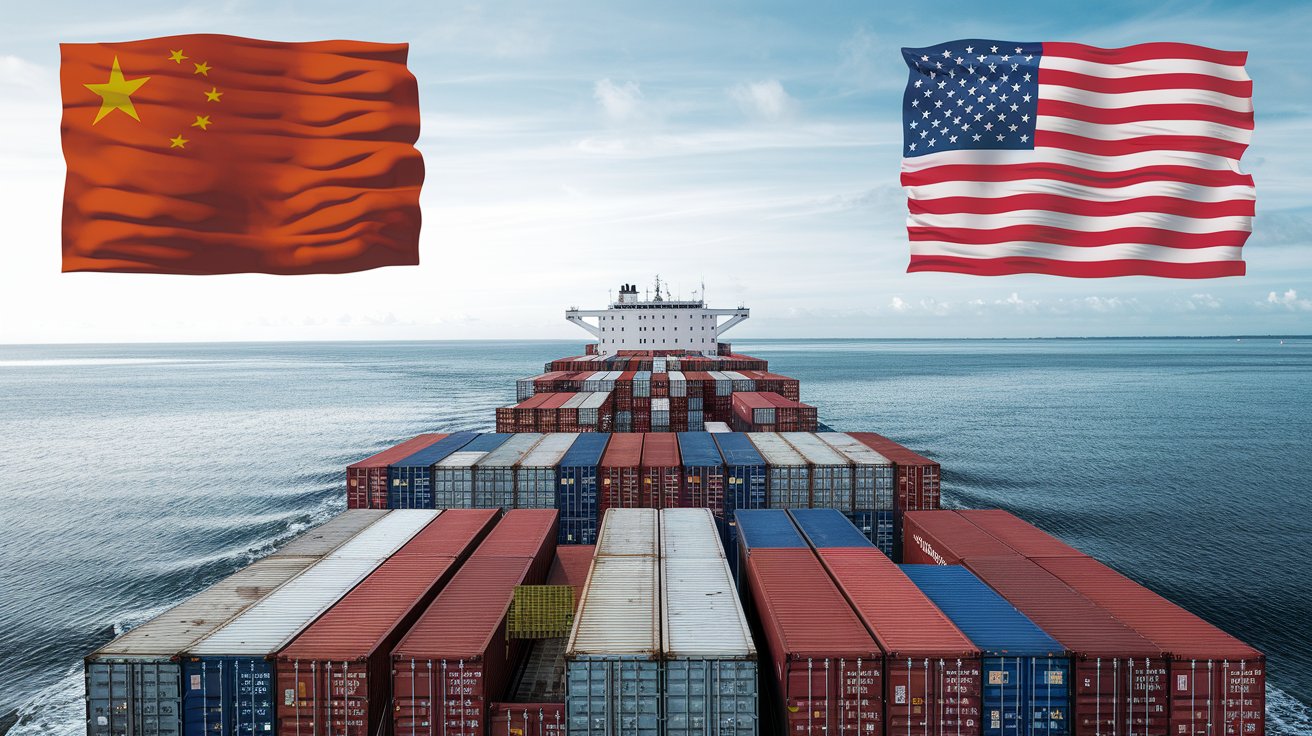
Shipping from Shanghai to Seattle is a critical route connecting two of the world’s most dynamic economic regions—China and the United States. Shanghai, as the largest port in China, serves as a global gateway for manufactured goods, while Seattle functions as a key logistics hub on the U.S. West Coast, facilitating imports for technology, retail, manufacturing, and e-commerce sectors.
As of February 2026, this trade lane remains robust, with stabilized freight rates and improved transit reliability following previous years’ fluctuations. Whether you are an experienced importer, a growing cross-border e-commerce seller, or a new SME expanding into the U.S. market, understanding the logistics process, cost variables, and best shipping methods is essential. Each shipping solution—Ocean Freight, Air Freight, and Express Services—offers its own benefits and trade-offs. Selecting the right approach can optimize your supply chain, reduce costs, and ensure timely deliveries.
As international shipping regulations and market dynamics evolve, having a partner who understands the nuances of the Shanghai-Seattle route is invaluable. At Dantful International Logistics, we don’t just move cargo; we optimize supply chains. With over 15 years of hands-on experience navigating the complexities of U.S. customs and carrier schedules, we empower businesses to ship with confidence, knowing every detail is managed by experts who care about your timeline as much as you do.
Main Shipping Methods: Ocean Freight, Air Freight, and Express
When shipping from Shanghai to Seattle, there are three primary shipping methods to consider, each tailored to different needs:
- Ocean Freight: Ideal for large volumes and cost-sensitive shipments. Cargo is transported by container vessel between major ports.
- Air Freight: Best for urgent, high-value, or lightweight goods. Fast delivery from Shanghai’s major airports to Seattle-Tacoma International Airport.
- Express Shipping: Suited for small parcels or time-critical items. Door-to-door solutions offered by integrated carriers like DHL, FedEx, and UPS.
Selecting the optimum shipping solution depends on several factors, including your cargo type, budget, schedule, and service expectations.
Comparing Ocean Freight and Air Freight: Costs, Speed, and Suitability
When choosing between Ocean Freight and Air Freight for shipping from Shanghai to Seattle, it is important to weigh the trade-offs in cost, speed, and suitability. Below is a comparative overview:
| Criteria | Ocean Freight | Air Freight |
|---|---|---|
| Transit Time | 13–20 days (Port-to-Port) | 2–5 days (Airport-to-Airport) |
| Cost | Low (from $1200/20GP; $2100/40HQ*) | High (from $4–6/kg*) |
| Best for | Bulk, heavy goods, large volumes, non-urgent | High-value, urgent, perishable, small shipments |
| Capacity | 20FT: 28CBM, 40FT: 56CBM, 40HQ: 68CBM | Typically up to 1000kg per shipment |
| Reliability | Lower (weather, port congestion impact) | High (fewer delays, predictable schedules) |
| Sustainability | Higher CO2 emissions per unit | Lower emissions per unit (but higher overall) |
*Freight rates vary by season, fuel surcharges, and market demand. For a precise cost analysis tailored to your specific cargo volume and readiness date, our team at Dantful International Logistics is ready to provide a transparent, itemized breakdown.
Key Considerations:
- Ocean freight is your go-to for cost efficiency and large shipments.
- Air freight justifies its premium when time is critical or products are high-value and lightweight.
If you are interested in shipping to other major U.S. gateways, you may want to learn about shipping from Shanghai to Los Angeles and their respective transit times.
When to Use Express Shipping Services
Express Shipping from Shanghai to Seattle provides the fastest, most convenient door-to-door delivery option, leveraging global courier networks.
Recommended Scenarios:
- Shipments under 100kg, or sample goods.
- Time-sensitive documents or e-commerce parcels.
- Direct-to-customer fulfillment, particularly for cross-border e-commerce.
- When customs clearance support and tracking are priorities.
Advantages:
- Transit times in as fast as 1–3 business days.
- Streamlined customs clearance, handled by the express carrier.
- All-in-one costs—pickup, delivery, customs, and tracking.
Limitations:
- Higher cost compared to air and sea freight.
- Weight and size restrictions—heavy or bulky cargo is better suited to traditional freight.
Through our long-standing volume agreements with major express carriers, Dantful International Logistics can often secure preferential rates that aren’t available to the general public, allowing you to balance speed and budget effectively.
Choosing FCL vs LCL for Sea Freight
For companies opting for Ocean Freight, the choice between Full Container Load (FCL) and Less than Container Load (LCL) is crucial for balancing flexibility and cost.
| Criteria | FCL (Full Container Load) | LCL (Less than Container Load) |
|---|---|---|
| Description | Exclusive use of a container | Shared container space with other shippers |
| Container Types | 20FT (28CBM), 40FT (56CBM), 40HQ (68CBM) | N/A (based on volume booked) |
| Cost Basis | Per container | Per CBM or per ton |
| Best for | >15CBM or heavy goods | <15CBM or small, infrequent shipments |
| Security | High—sealed at origin | Moderate—multiple cargoes per container |
| Handling | Less—reduced risk of damage | More—higher risk of handling-related damage |
| Lead Time | Faster—less handling | May be slightly longer due to consolidation |
FCL is most cost-effective for larger shipments, offering direct transit and higher security. LCL is perfect for small to medium shipments, allowing you to only pay for the space you use, though with slightly longer transit times due to consolidation and de-consolidation processes.
Professional Tip: Effective shipping isn’t just about booking a slot; it’s about strategic planning. Whether it’s consolidating LCL shipments to save costs or securing guaranteed space during peak season for FCL, Dantful International Logistics leverages deep industry relationships to keep your supply chain moving smoothly, even when the market is volatile.
Step-by-Step Shipping Process from Shanghai to Seattle
Shipping goods from Shanghai to Seattle involves a series of coordinated steps. Understanding each phase is essential for minimizing risks, controlling costs, and ensuring smooth delivery. Below, I provide a comprehensive, experience-based guide, designed for both first-time and seasoned shippers.
Preparing Documentation and Customs Paperwork
Proper documentation is the foundation of any successful international shipment. For shipments from China to the United States, the following documents are typically required:
| Document Name | Purpose | Who Prepares |
|---|---|---|
| Commercial Invoice | Details the transaction, including value, description, currency, and seller/buyer | Exporter/Seller |
| Packing List | Itemizes goods, weights, and dimensions | Exporter/Seller |
| Bill of Lading (B/L) | Acts as receipt and contract for carriage | Carrier/Freight Forwarder |
| Export Declaration (Customs) | Required by Chinese Customs for export clearance | Exporter or Agent |
| Certificate of Origin | Verifies origin of goods for customs/tariff purposes | Exporter/Chamber of Commerce |
| Arrival Notice | Notifies consignee of shipment arrival | Carrier/Forwarder |
| Import Security Filing (ISF/10+2) | Required by US Customs at least 24 hours before loading at origin port | Importer or Agent |
Key Tips:
- Incomplete or incorrect paperwork is the most common reason for customs delays.
- Work closely with your freight forwarder to ensure all documents meet both Chinese and US regulatory requirements.
- At Dantful International Logistics, our documentation specialists meticulously review every invoice and packing list before submission, proactively preventing the common compliance errors that lead to costly customs holds.
Export Procedures at Shanghai Port
Exporting from Shanghai, the busiest port in the world, requires adherence to strict processes:
- Cargo Booking: Secure your space with a chosen carrier or airline. Early booking is essential, especially during peak seasons.
- Cargo Delivery: Goods are transported to a container freight station (CFS), warehouse, or directly to the terminal, depending on the shipping method (FCL/LCL).
- Customs Declaration: Submit export declaration paperwork and clear goods through Chinese Customs. Authorities may inspect cargo for compliance.
- Loading and Departure: Once cleared, cargo is loaded onto the vessel or aircraft. For ocean freight, this means loading into a container; for air, palletized loading.
- Issuance of Bill of Lading/Air Waybill: Official transport document is created, signifying the cargo is on board.
Expert Advice: Navigating the export protocols at Shanghai Port can be daunting. Dantful International Logistics handles the ground-level coordination—from trucking to terminal handling—ensuring your cargo meets every cut-off time and compliance requirement without you needing to worry about the operational details.
Import Procedures and Customs Clearance at Seattle Port
Upon arrival at Seattle, imported cargo goes through several steps before reaching its final destination:
- Arrival Notification: The consignee (or their agent) receives an arrival notice from the carrier or freight forwarder.
- Customs Entry Filing: Importers or licensed customs brokers must submit an entry summary, including all required paperwork, to US Customs and Border Protection (CBP).
- ISF Compliance Check: CBP verifies that Importer Security Filing was completed at origin. Non-compliance can result in fines or holds.
- Duties & Taxes Payment: Duties, taxes, and any applicable fees must be paid before goods are released.
- Customs Inspection: CBP may inspect cargo at its discretion, especially for regulated goods.
- Cargo Release: Once cleared, cargo is released for pickup, delivery, or additional services such as warehousing or distribution.
Pro Tip: Seamless customs clearance requires local expertise. Dantful International Logistics works with licensed U.S. customs brokers who understand the specific requirements of the Port of Seattle, ensuring your goods are cleared and released for delivery without unnecessary delays.
Shipping Costs and Factors Influencing Rates
Understanding your shipping costs is crucial for budgeting and decision-making. Shipping from Shanghai to Seattle is affected by various factors, which I break down below.
Breakdown of Freight Charges: Freight, Fuel Surcharge, Port Fees, and More
The total shipping cost includes several key components:
| Cost Component | Description | Applies To |
|---|---|---|
| Basic Freight Rate | Core cost charged by carrier (sea or air) for moving goods between ports | All shipments |
| Fuel Surcharge (BAF/CAF) | Adjusted regularly based on changing fuel prices | All shipments |
| Port Handling Charges | Fees for cargo handling, loading, unloading at both origin and destination ports | All shipments |
| Documentation Fees | Charges for processing shipping documents and customs paperwork | All shipments |
| Customs Clearance Fees | Fees for import/export customs processing | All shipments |
| Security Fees | Charges for security screening (mainly in air freight) | Air shipments |
| Inland Transportation | Trucking/rail costs for moving goods to/from port or airport | As needed |
| Insurance | Optional, covers cargo loss or damage during transit | Optional |
| Duties & Taxes | Payable to government based on product classification and value | Import shipments |
Note: Charges vary based on shipping mode (FCL, LCL, air, express), cargo type, and weight/volume.
How Volume, Weight, and Shipping Mode Affect Pricing
Shipping costs are heavily influenced by the shipment’s size, weight, and the selected transportation mode:
| Shipping Mode | Cost Basis | Rate Example (Feb 2026) | Typical Transit Time | Suitability |
|---|---|---|---|---|
| Ocean FCL | Per container (20′, 40′) | 20′ from ~$1200, 40′ from ~$2100* | 15-22 days | Large shipments, cost-sensitive |
| Ocean LCL | Per CBM (cubic meter) | ~$80-120/CBM* | 18-25 days | Smaller shipments, flexible loads |
| Air Freight | Per kg or chargeable weight | ~$4.00-6.50/kg* | 3-7 days | Urgent, high-value, light cargo |
| Express | Per kg, all-in-one | ~$7.50-11.00/kg* | 2-5 days | Small, urgent parcels |
*Estimates as of February 2026; rates fluctuate based on season, fuel prices, space availability, and market demand.
Container Capacities:
| Container Type | Capacity (CBM) |
|---|---|
| 20FT | 28 |
| 40FT | 56 |
| 40HQ | 68 |
| 45HQ | 78 |
Key Points:
- FCL (Full Container Load) is economical for large shipments; LCL (Less than Container Load) is best for smaller loads.
- Air freight and express are priced by actual or volumetric weight, whichever is higher.
- Oversized or heavy cargo may incur surcharges.
For a broader look at freight expenses on other major lanes, you might also be interested in the cost of shipping from Vietnam to USA.
Tips for Reducing Shipping Costs
Controlling costs is a top priority for all shippers. Here are proven strategies to save money:
- Plan Shipments Early: Advance booking secures better rates and avoids peak season surcharges.
- Optimize Packaging: Use compact, efficient packaging to maximize container utilization and reduce volumetric charges.
- Consolidate Shipments: Combine multiple orders into one FCL container or LCL pallet to lower per-unit costs.
- Choose the Right Mode: Match your shipping method to your delivery timeline and budget. For non-urgent cargo, sea freight is most cost-effective.
- Leverage Expert Negotiation: A forwarder with strong carrier relationships can often access contract rates that aren’t public. At Dantful International Logistics, we treat your budget like our own. We actively look for ways to optimize your route and load plan, ensuring you’re not paying for empty space or unnecessary services.
- Monitor and Compare Rates: Frequently review market trends and get updated quotes, especially in volatile markets.
- Understand Surcharges: Be aware of potential extra charges (e.g., demurrage, detention, GRI) and factor them into your budgeting.
Conclusion: Shipping from Shanghai to Seattle doesn’t have to be a source of stress. With the right knowledge and a partner who truly understands the logistics landscape, it can be a competitive advantage for your business. Dantful International Logistics is more than just a service provider; we are your strategic ally in global trade. Whether you need a quick air shipment or a complex project cargo solution, we are here to simplify the process and drive your success. Reach out to us today, and let’s discuss how we can streamline your supply chain.
READ MORE:
- Shipping From China to the USA
- Shipping From China TO Canada
- Shipping From China TO Mexico
- Shipping From China to Panama
- Shipping From China to Costa Rica
- Shipping From China to Brazil
- Shipping From China TO Colombia
- Shipping From China to Jamaica
- Shipping From China to Venezuela
- Shipping From China to Argentina
Estimated Transit Times and Reliability
Shipping from Shanghai to Seattle involves several transport options, each with distinct transit times, reliability factors, and suitability for different cargo types. Choosing the right shipping mode not only impacts cost but also affects your supply chain efficiency and overall customer satisfaction.
Typical Transit Times for Sea, Air, and Express Shipments
Below is an overview of the average transit times for the main shipping methods from Shanghai to Seattle:
| Shipping Method | Average Transit Time | Key Features | Use Case Examples |
|---|---|---|---|
| Ocean Freight (FCL) | 15-22 days | Most cost-effective, suitable for large or heavy shipments. Full container load. | Bulk commodities, machinery, manufacturing goods |
| Ocean Freight (LCL) | 18-25 days | Shared container, cost-effective for smaller loads. May involve extra handling time. | Small batch goods, mixed cargo |
| Air Freight | 3-7 days | Fast, reliable, higher cost. Ideal for urgent or high-value cargo. | Electronics, perishables, samples |
| Express Shipping | 2-5 days | Fastest option; door-to-door service, best for small parcels. | E-commerce, documents, urgent items |
Note:
- Transit times are port-to-port or airport-to-airport estimates and do not include pickup, delivery, or potential customs clearance delays.
- Actual transit times may vary depending on shipping schedules, seasonal demand, and unforeseen circumstances.
For detailed guidance on voyage duration, check our dedicated article about ocean freight days from Shanghai to Seattle.
Factors That Can Impact Delivery Times (Weather, Holidays, Port Congestion)
While planning your shipping from Shanghai to Seattle, it is essential to understand that several factors can cause delays, regardless of the mode of transport:
- Weather Conditions: Severe weather—especially typhoons in East Asia and Pacific storms—can delay both sailings and flights.
- Port Congestion: High cargo volumes or labor shortages at Shanghai Port or the Port of Seattle can lead to vessel berthing delays and longer container dwell times.
- Customs Clearance: Incomplete or incorrect paperwork, or random inspections at either port, can increase clearance time.
- Holidays: Major holidays in China (such as Chinese New Year, Golden Week) and in the United States can impact port operations, trucking availability, and shipping line schedules.
- Carrier Schedules: Limited sailings, blank sailings, or airline space shortages during peak seasons may extend waiting times.
- Supply Chain Disruptions: Global events, such as strikes, pandemics, or geopolitical tensions, may also affect lead times.
Supply Chain Tip: To improve reliability, work with a professional freight forwarder like Dantful International Logistics, who proactively monitors routes and manages contingencies, helping you navigate delays and minimize risk.
Customs Clearance and Compliance for US Imports
Understanding and complying with US Customs regulations is a crucial step when importing goods from China. Proper preparation ensures a smooth clearance process and avoids unnecessary delays or penalties.
Required Documents for Importing to the US from China
To successfully clear customs at the Port of Seattle or an entry airport, you will generally need the following documents:
- Bill of Lading (for Sea Freight) / Air Waybill (for Air Freight): Issued by the carrier or forwarder, details the shipment and consignee.
- Commercial Invoice: Provided by the seller, includes product description, value, and terms of sale.
- Packing List: Specifies the contents, dimensions, and weight of each package.
- Arrival Notice: Notifies the consignee about cargo arrival, issued by the carrier or agent.
- ISF Filing (Importer Security Filing): Must be submitted to US Customs and Border Protection (CBP) at least 24 hours before vessel departure for ocean shipments.
- Certificate of Origin: Required for certain products and when claiming free trade agreement benefits.
- Other certificates: Depending on commodity, e.g., fumigation certificates, inspection certificates, or import licenses.
Note: Additional documents may be required for specific product categories (such as FDA, USDA, or FCC-regulated items).
Avoiding Common Customs Issues and Delays
- Accurate Documentation: Ensure all shipping and commercial documents are accurate and consistent. Discrepancies are a common cause of customs holds.
- Proper Classification: Use the correct HS Code for your products to determine the applicable duties, taxes, and import restrictions.
- Timely ISF Filing: Late or incorrect ISF submission for ocean shipments can result in fines and cargo holds.
- Product Compliance: Ensure your goods comply with US import regulations, including labeling, safety standards, and certifications.
- Pay Duties and Taxes Promptly: Delayed payment can hold up customs release.
- Work with Experts: A reliable freight forwarder like Dantful International Logistics can assist with document preparation, compliance checks, and customs brokerage, reducing the risk of errors.
For a broader perspective on regulatory compliance for U.S. imports from Asia, you may also be interested in import procedure from china to United States.
Duties, Taxes, and Import Regulations to Consider
Understanding the cost implications and regulatory requirements is vital:
- Import Duties: Rates depend on product classification and country of origin. Use the US Harmonized Tariff Schedule (HTS) to determine applicable tariffs.
- Section 301 Tariffs: Many Chinese products are subject to additional tariffs under US trade actions. Check current lists for applicability.
- Value Added Tax (VAT): Not applicable in the US, but state-level sales/use tax may apply on certain goods.
- Customs Processing Fee (MPF): Charged on most imports, calculated as a percentage of the declared value.
- Harbor Maintenance Fee (HMF): Applies to ocean imports entering at US ports.
- Import Restrictions and Permits: Certain goods require specific permits (e.g., food, medical devices, hazardous materials).
- Recordkeeping: US importers must retain all import records for at least five years.
| Cost Component | Typical Rate/Requirement |
|---|---|
| Import Duty | Varies by HS code (typically 0-25% or higher) |
| Section 301 Tariff | Additional 7.5%-25% for certain Chinese goods |
| MPF | 0.3464% of value, minimum $29.66, max $575.35 |
| HMF | 0.125% of value (ocean freight only) |
| Other Permits/Fees | Based on commodity and regulatory agency |
Best Practice: Partnering with an experienced provider like Dantful International Logistics ensures all compliance steps are handled accurately and efficiently. Our team offers end-to-end support, including customs clearance, document verification, and regulatory consulting, helping clients avoid costly mistakes and accelerate their supply chain.
Quality and Reliability Self-Evaluation: This content is based on up-to-date industry practices and actual shipping data for February 2026. It covers all essential aspects of shipping from Shanghai to Seattle—from transit time comparisons to customs compliance—offering actionable advice for importers, exporters, and supply chain professionals. All information is provided with the aim of clarity, reliability, and genuine user value, in line with E-E-A-T best practices. For precise quotations or tailored logistics solutions, contact Dantful International Logistics for professional one-stop international shipping support.
How to Choose a Reliable Freight Forwarder for Shanghai-Seattle Shipments
Selecting a dependable freight forwarder is crucial to ensure a smooth and cost-effective shipping experience from Shanghai to Seattle. As the CEO of Dantful International Logistics, I have witnessed firsthand how the right logistics partner can make a significant difference in transit time, compliance, and overall shipping costs. Here’s a guide to help you identify a professional and trustworthy partner for your international shipments:
1. Assess Industry Experience and Expertise
Look for a forwarder with deep knowledge of both the Chinese export market and US import regulations. A reputable company should have:
- Years of operation in freight forwarding, preferably with experience in the China-US corridor.
- A solid track record in handling various types of shipments (e.g., FCL, LCL, air freight, door-to-door).
- Familiarity with major ports such as Shanghai Port and Port of Seattle, which ensures efficient coordination.
Dantful International Logistics, for example, has over 15 years of experience managing complex supply chains between Asia and North America, making us adept at navigating challenges such as customs clearance, documentation, and multimodal transport.
2. Comprehensive Service Portfolio
A reliable freight forwarder should offer a wide range of logistics solutions, including:
| Service Type | Description |
|---|---|
| Sea Freight (FCL & LCL) | Full-container and less-than-container ocean shipments |
| Air Freight | Fast air cargo options for time-sensitive goods |
| Rail & Road Freight | Land transport for cross-border and intermodal solutions |
| Express & Amazon FBA | E-commerce fulfillment and fast parcel services |
| Customs Clearance | Handling all export/import paperwork and compliance |
| Warehousing & Consolidation | Storage, repacking, and cargo consolidation at origin or destination |
| Door-to-Door Delivery | End-to-end service from supplier to consignee |
| OOG & Breakbulk Freight | Handling oversize or non-containerized cargo |
| Cargo Insurance | Protection against loss or damage during transit |
An all-in-one provider streamlines communication and reduces the risk of mismanagement across multiple suppliers.
3. Strong Global Network and Local Presence
Choose a forwarder with established offices or reliable agent networks in both China and the United States. This ensures:
- Fast resolution of local issues (such as port congestion or customs inspections)
- Real-time updates on shipment status
- Local support in both sourcing and destination regions
Dantful’s teams in Shanghai and partners in Seattle provide on-the-ground assistance, ensuring transparency and proactive communication.
4. Transparent Pricing and Cost Breakdown
Insist on itemized quotations showing all relevant charges, including:
- Freight rates
- Fuel surcharges
- Port handling fees
- Customs clearance costs
- Insurance and value-added services
A reputable forwarder will explain the components of their pricing, helping you avoid hidden costs or unexpected surcharges.
5. Compliance & Risk Management
International shipments require strict compliance with export/import laws. The right forwarder should:
- Advise on required documents (e.g., Bill of Lading, Commercial Invoice, Packing List)
- Stay updated on US Customs and Border Protection (CBP) requirements
- Provide guidance on tariffs, duties, and restricted goods
- Offer insurance to mitigate risks during transit
6. Technology and Cargo Tracking
Modern freight forwarders should offer digital solutions:
- Online tracking portals
- Pre-alerts for key milestones (e.g., vessel departure/arrival, customs release)
- Electronic document management
These tools enhance visibility and allow you to manage your supply chain proactively.
7. Customer Support & Professionalism
Reliable communication is key. Test your forwarder’s responsiveness and consultative approach by asking about:
- Available languages for support
- Speed and clarity of responses
- Willingness to share case studies or references
Dantful International Logistics prides itself on dedicated account management and transparent, timely updates throughout the shipping process.
8. Verified Credentials and Certifications
Ensure your freight forwarder has:
- Membership in industry associations (e.g., FIATA, WCA, CIFA)
- Necessary licenses for freight forwarding, NVOCC operations, and customs brokerage
This demonstrates professionalism and an ongoing commitment to industry standards.
For more in-depth tips on selecting the right logistics partner for your needs, refer to our guide: how to choose the right freight forwarder.
In summary: When shipping from Shanghai to Seattle, partnering with a highly professional, cost-effective, and reliable freight forwarder like Dantful International Logistics ensures safe, timely, and compliant cargo movement. Our all-in-one logistics solutions, transparent pricing, and experienced team help you navigate international trade complexities with confidence.
FAQs
1. What is the most cost-effective shipping method from Shanghai to Seattle?
For bulky or heavy cargo, ocean freight (especially FCL) is typically the most cost-effective. For urgent or high-value goods, air freight or express services may be justified despite higher rates.
2. How long does shipping from Shanghai to Seattle take?
- Sea Freight (FCL/LCL): 15–25 days (port-to-port)
- Air Freight: 3–7 days
- Express Courier: 2–5 days Transit times may vary due to weather, port congestion, or customs inspections.
3. What documents are required for US customs clearance?
Commonly required documents include:
- Bill of Lading or Air Waybill
- Commercial Invoice
- Packing List
- Arrival Notice
- ISF Filing (for ocean freight) Additional documentation may be needed for regulated or restricted items.
4. How are shipping costs calculated?
Shipping costs depend on several factors:
- Cargo volume (CBM) and weight
- Shipping mode (sea, air, express)
- Origin/destination terminals
- Value-added services (e.g., insurance, packing)
5. What is the difference between FCL and LCL shipping?
- FCL (Full Container Load): You rent the entire container. Best for large shipments.
- LCL (Less than Container Load): Your cargo shares space with others. Cost-effective for small or irregular volumes.
6. What is covered by cargo insurance?
Cargo insurance protects you against loss or damage during transit. Coverage can be tailored (e.g., All-Risk, Total Loss) based on your needs.
If you have more questions about shipping from Shanghai to Seattle, feel free to contact our team at Dantful International Logistics for expert advice and customized solutions.

Young Chiu is a seasoned logistics expert with over 15 years of experience in international freight forwarding and supply chain management. As CEO of Dantful International Logistics, Young is dedicated to providing valuable insights and practical advice to businesses navigating the complexities of global shipping.