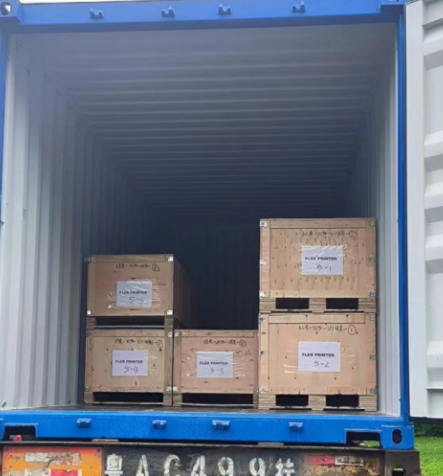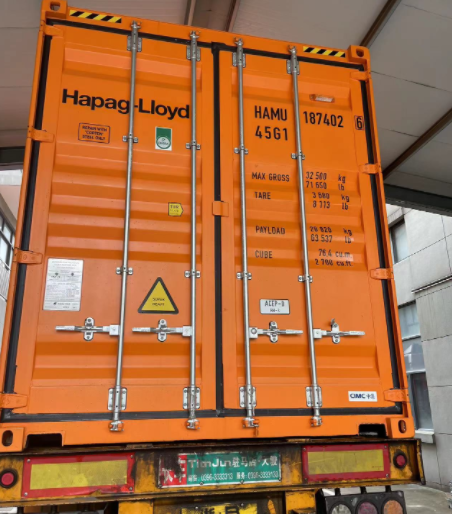
Are you searching for the most efficient way to ship goods from Shanghai to Vancouver, Canada? Whether it’s understanding the best shipping methods, calculating freight rates, or navigating customs procedures, making the right choices in 2026 is crucial for your business. In this comprehensive guide, we’ll break down everything you need to know about shipping from Shanghai to Vancouver, Canada, including cost-saving tips, transit times, and reliable freight forwarding solutions to ensure a smooth delivery every time.
Overview of Shipping from Shanghai to Vancouver, Canada
Shipping from Shanghai, one of the world’s busiest and most advanced container ports, to Vancouver, Canada, a critical gateway to North America, is a major route for global trade. Whether you are an importer, exporter, e-commerce seller, or business managing complex supply chains, understanding the logistics of this route is vital for timely and cost-effective deliveries.
The shipping from Shanghai to Vancouver Canada route connects two powerhouse economies with robust infrastructure and frequent sailing and flight schedules. The process involves selecting the right freight method, handling customs procedures in both countries, and managing costs and timelines. As global trade regulations and logistics technologies evolve, partnering with a logistics provider who truly understands this lane—like Dantful International Logistics—can be the difference between a seamless arrival and unexpected delays.
Shipping Methods: Sea Freight, Air Freight, and Express Options
When planning shipments from Shanghai to Vancouver, businesses and individuals can choose from several main shipping methods, each with distinct advantages:
- Sea Freight (Ocean Freight)
- Air Freight
- Express Shipping / Courier Services
Selecting the most suitable method depends on your cargo’s volume, weight, urgency, and budget.
If you are exploring your options for shipping between China and North America, you may also find it useful to review this guide on Shipping From China TO Canada, which covers a broader range of routes and tips.
Comparing Ocean Freight and Air Freight Costs and Transit Times
Both ocean freight and air freight are popular options for shipping from Shanghai to Vancouver, Canada, but they differ significantly in cost, transit times, and suitability for different types of cargo.
Comparison Table: Shipping from Shanghai to Vancouver
| Shipping Method | Typical Transit Time | Suitable Cargo | Average Cost (Jan 2026 Estimate) | Capacity/Weight Limits | Frequency |
|---|---|---|---|---|---|
| Ocean Freight (FCL) | 16-24 days (port to port) | Bulk, large volume, non-urgent | $2,500 – $3,600 / 20’ container | 20GP: 28CBM, 40GP: 56CBM, 40HQ: 68CBM | Weekly |
| Ocean Freight (LCL) | 18-26 days | Small to medium shipments | $70 – $100 / CBM | Flexible (consolidated) | Weekly |
| Air Freight | 3-7 days | Urgent, high-value, perishable goods | $3.80 – $6.50 / kg | 45kg+, max gross ~3,000kg per flight | Daily |
| Express / Courier | 2-4 days (door-to-door) | Documents, parcels, lightweight cargo | $6.00 – $10.00 / kg (all-in) | 0.5kg–100kg | Daily |
Key Points:
- Ocean freight is the most cost-effective choice for large, heavy, or non-urgent shipments. FCL and LCL options allow flexibility based on cargo size.
- Air freight is ideal for time-sensitive, valuable, or perishable goods, significantly reducing delivery times at higher costs.
- Express shipping offers the fastest, most streamlined service, best for small parcels and urgent samples.
For a deeper look at international container rates and what influences them, check out this resource on International Container Shipping Prices.
When to Choose FCL vs. LCL
Understanding the difference between Full Container Load (FCL) and Less than Container Load (LCL) helps optimize both cost and efficiency for shipping from Shanghai to Vancouver.
FCL (Full Container Load)
- Definition: You rent the use of an entire container (20FT, 40FT, 40HQ, or 45HQ).
- Best for: Shipments close to or exceeding half the container’s capacity (14+ CBM for 20FT, 28+ CBM for 40FT).
- Advantages: Lower per-unit cost, reduced risk of damage or delays, faster handling at ports.
- Typical Users: Manufacturers, large importers/exporters.
LCL (Less than Container Load)
- Definition: Your goods are consolidated with other shippers’ cargo in one container.
- Best for: Smaller shipments (usually under 14CBM), businesses shipping less frequently.
- Advantages: Pay only for the space you use, ideal for flexible shipping needs, lower upfront cost.
- Considerations: Slightly longer processing time due to consolidation/deconsolidation; higher risk of delay from other shippers’ cargo.
| Container Type | Internal Volume (CBM) | Recommended Minimum Volume (CBM) | Best For |
|---|---|---|---|
| 20FT | 28 | 14–28 | Medium to large shipments |
| 40FT | 56 | 28–56 | Large shipments |
| 40HQ | 68 | 35–68 | Very large, light, or voluminous |
| 45HQ | 78 | 40–78 | Over-height / special cargo |
| LCL | Flexible | 0.5–13.9 | Small shipments |
You may also be interested in comparing LCL vs FCL Shipping: How to Choose the Right Option for Small Cargo for further insights into which method best fits your business needs.
Express Shipping and Courier Solutions for Time-Sensitive Shipments
For urgent, small-sized shipments from Shanghai to Vancouver, express shipping via major global couriers such as DHL, FedEx, UPS, and TNT is the fastest option. These services provide door-to-door solutions and comprehensive tracking, making them ideal for samples, documents, electronics, or e-commerce parcels.
Features of Express Shipping:
- Transit Time: Typically 2–4 business days door-to-door.
- Customs Clearance: Couriers handle most documentation and customs procedures, simplifying the process for shippers.
- Best For: Shipments up to 100kg, urgent deliveries, high-value goods, or personal effects.
- Cost Structure: Priced by chargeable weight (greater of actual vs. volumetric), higher than air or ocean freight but includes all local delivery and clearance charges.
When to Use Express Shipping:
- Meeting tight business or production deadlines.
- Sending high-value prototypes or urgent spare parts.
- E-commerce fulfillment requiring rapid delivery to consumers.
Navigating this route requires a partner who understands the nuances of both Chinese export regulations and Canadian import requirements. For instance, at Dantful International Logistics, we focus on streamlining the supply chain—from optimizing container loading in Shanghai to pre-clearing customs before arrival in Vancouver—ensuring your goods move without unnecessary delays or hidden costs.
By carefully evaluating your cargo, timeline, and budget, and partnering with a reputable forwarder, you can navigate the complexities of international shipping with confidence.
Step-by-Step Shipping Process from Shanghai to Vancouver
Shipping from Shanghai to Vancouver, Canada involves multiple stages, each demanding precision, compliance, and the right logistics partner. Below, I outline the professional process, integrating the latest industry standards and practical advice for importers, exporters, and logistics professionals.
Booking and Preparing Your Shipment
Cargo Assessment & Shipping Mode Selection
- Evaluate your cargo’s attributes: volume, weight, type (general cargo, hazardous, temperature-sensitive, etc.), and urgency.
- Choose the suitable shipping mode: Sea Freight (FCL/LCL), Air Freight, or Express/Courier based on cost and time requirements.
Freight Forwarder Selection
- Partner with a reputable freight forwarder who offers end-to-end solutions (including Sea Freight, Air Freight, Customs Clearance, Warehouse, and Door-to-Door Service).
- Obtain detailed quotations, ensuring clarity on all service components.
Booking the Shipment
- Confirm space with the carrier or airline, specifying container size (20FT, 40FT, 40HQ, 45HQ) or air cargo dimensions.
- Provide accurate cargo details to avoid delays or rejections.
Cargo Preparation
- Pack according to international shipping standards. Use pallets, strong packaging, and proper labeling (including HS Codes).
- For special cargo (e.g., dangerous goods), ensure compliance with IMDG/IATA regulations.
Collection & Transport to Port/Airport
- Arrange for inland transportation to the departure port in Shanghai (e.g., Shanghai Port, Pudong International Airport).
- Coordinate cutoff dates for timely handover.
Customs Clearance Procedures in China and Canada
Chinese Export Customs Clearance
- Submit a Customs Declaration Form, accompanied by the commercial invoice, packing list, and export license (if applicable).
- Inspection by Chinese customs may be required for selected shipments.
Departure
- Once cleared, cargo is loaded onto the vessel or flight. The freight forwarder provides shipping documents (e.g., Bill of Lading, Air Waybill).
Arrival in Vancouver
- Canadian Customs Clearance starts upon arrival at Vancouver Port or Vancouver International Airport.
- The consignee or appointed customs broker must submit the Canada Customs Invoice (CCI), Bill of Lading/AWB, and other relevant documents.
Duties & Taxes Assessment
- Canadian Border Services Agency (CBSA) evaluates cargo classification, determines duties, GST, and any other applicable fees.
- After payment and compliance verification, cargo is released.
Final Delivery
- Arrange for local transportation to the final destination in Canada.
Key Documents Required for International Shipping
Accurate and timely documentation is crucial to prevent delays. Essential documents include:
| Document Name | Purpose | Required for |
|---|---|---|
| Commercial Invoice | Details cargo value, buyer, seller, and transaction terms | Export/Import |
| Packing List | Itemizes package contents and weights | Export/Import |
| Bill of Lading (B/L) | Contract of carriage for sea freight, proof of ownership | Sea Freight |
| Air Waybill (AWB) | Air cargo receipt and contract | Air Freight |
| Export License | Authorization for controlled goods (if needed) | Export |
| Certificate of Origin | Certifies origin for preferential duty rates (if applicable) | Import |
| Insurance Certificate | Provides proof of cargo insurance coverage | Optional |
| Canada Customs Invoice (CCI) | Required for customs clearance in Canada | Import |
Shipping Costs and Factors Affecting Freight Rates
Understanding the cost structure is essential for effective budgeting and supply chain planning. Below is a comprehensive breakdown updated for 2026.
Main Cost Components: Freight, Surcharges, and Local Charges
| Cost Component | Description | Applies to |
|---|---|---|
| Freight Charge | Main transport cost (sea, air, express) | All Modes |
| Fuel Surcharge (BAF/CAF/FAF) | Variable fuel cost adjustments | Sea/Air |
| Security Surcharge | Applies to air/sea for compliance and security measures | Sea/Air |
| Port/Terminal Handling Charges | Loading/unloading at origin/destination port | All Modes |
| Documentation Fee | Covers paperwork preparation and processing | All Modes |
| Customs Clearance Fee | Fees for export/import customs processes | All Modes |
| Delivery/Drayage Fee | Inland transport from port/airport to final address | All Modes |
| Warehouse/Storage Fees | For temporary storage at origin or destination | All Modes |
| Insurance Premium | Optional, but recommended for high-value shipments | Optional |
How Cargo Volume, Weight, and Type Impact Costs
Sea Freight (FCL/LCL):
Full Container Load (FCL): Fixed cost per container. Common sizes:
Container Type Volume (CBM) Typical Use Case 20FT 28 Small/medium shipments 40FT 56 Larger shipments 40HQ 68 Voluminous, lighter cargo 45HQ 78 Bulky, lightweight cargo Less than Container Load (LCL): Charged per cubic meter (CBM); ideal for smaller shipments. Minimum charges usually apply.
Air Freight: Priced based on chargeable weight (the greater of actual vs. volumetric weight). Suitable for urgent or high-value cargo.
Express/Courier: Cost calculated per actual or volumetric weight, includes door-to-door delivery, suited for smaller, time-sensitive packages.
Special Cargo: Dangerous, oversized, or temperature-controlled goods incur surcharges due to handling and compliance requirements.
Tips to Save on Shipping from Shanghai to Vancouver
Optimize Packaging:
- Use standardized boxes, minimize dead space, and consolidate shipments to reduce volume and weight.
Choose the Right Mode:
- For non-urgent, bulk shipments, Sea Freight (FCL/LCL) is the most economical.
- For urgent or high-value goods, compare Air Freight and Express rates for the best balance between speed and cost.
Plan for Peak Seasons:
- Avoid shipping during peak season (e.g., before Chinese New Year, Golden Week) when rates are highest and space is tight.
Work with a Reliable Freight Forwarder:
- A skilled partner can offer consolidated shipping options and expert customs brokerage, helping you avoid hidden charges and delays.
Negotiate Long-Term Contracts:
- Regular shippers may benefit from fixed-rate agreements, ensuring rate stability despite market fluctuations.
Insure High-Value Cargo:
- Cargo insurance protects against loss or damage—potentially saving significant replacement costs.
Stay Informed on Regulations:
- Monitor updates on Canadian import regulations, tariff changes, and international logistics trends to avoid compliance fines.
For more on how container shipping expenses fluctuate between China and Canada, see this detailed guide on container shipping costs from china to Canada.
Estimated Transit Times and Delivery Schedules
Typical Ocean and Air Freight Transit Times
When shipping from Shanghai to Vancouver, Canada, choosing the right transportation mode is essential for balancing cost and speed. Here is a professional overview of the typical transit times for the main shipping methods:
| Shipping Mode | Common Routing | Typical Transit Time (Port-to-Port) | Notes |
|---|---|---|---|
| Ocean Freight – FCL | Shanghai – Vancouver | 14–20 days | Direct vessel; excludes customs & drayage |
| Ocean Freight – LCL | Shanghai – Vancouver | 18–25 days | Extra processing for consolidation |
| Air Freight (Standard) | Shanghai – Vancouver | 3–6 days | Commercial cargo flights |
| Express Air / Courier | Shanghai – Vancouver | 1–4 days | Door-to-door, fastest, higher cost |
Additional Considerations:
- Door-to-door delivery for sea freight usually adds 3–7 days for customs clearance and last-mile transport on each end.
- Rail and road freight are not standard for this route due to the Pacific crossing but may be used for inland distribution within Canada.
Seasonal Variations and Factors Affecting Delivery Time
Transit times between Shanghai and Vancouver can be affected by several predictable and unpredictable factors:
1. Peak Shipping Seasons:
- Chinese New Year: Production halts, port congestion, and backlog from mid-January to late February.
- Golden Week (October): Increased bookings before the holiday can delay departures.
- Back-to-School & Holiday Season (July–October): Higher demand, vessel space shortages, and longer port processing times.
2. Weather and Natural Events:
- Typhoon Season: May–September can see delays due to storms in the Pacific, affecting vessel schedules.
- Winter Weather: Snow and severe weather in Canada can cause port disruption and slow inland delivery.
3. Port and Customs Congestion:
- Congestion at Shanghai or Vancouver ports, especially during surges in global trade, can add days to transit.
- Customs inspections or incomplete documentation can prolong clearance.
4. Carrier and Schedule Reliability:
- Blank sailings (canceled vessel departures) and skipped port calls can extend overall lead time.
Best Practice: To mitigate these risks, transparent communication with your logistics provider is key. Our team at Dantful International Logistics proactively monitors vessel schedules and port congestion levels, allowing us to reroute shipments or adjust bookings before delays become critical.
READ MORE:
- Shipping From China to the USA
- Shipping From China TO Canada
- Shipping From China TO Mexico
- Shipping From China to Panama
- Shipping From China to Costa Rica
- Shipping From China to Brazil
- Shipping From China TO Colombia
- Shipping From China to Jamaica
- Shipping From China to Venezuela
- Shipping From China to Argentina
Import Regulations, Duties, and Taxes in Canada
Canadian Customs Requirements for Imported Goods
Importing goods from China to Canada involves compliance with strict Canadian customs regulations. The following are the key requirements:
1. Importer Business Number
- All importers must have a Business Number (BN) with an import/export account from the Canada Revenue Agency (CRA).
2. Complete Documentation
- Commercial Invoice: Must include detailed description of goods, value, currency, and Incoterms.
- Bill of Lading / Air Waybill: Provided by the carrier/freight forwarder.
- Packing List: Detailed list of contents, weights, and measurements.
- Certificate of Origin: Required for preferential trade agreements or to confirm country of manufacture.
3. HS Code Classification
- Accurate Harmonized System (HS) code classification determines duty rates and admissibility.
- Misclassification can result in penalties or shipment delays.
4. Additional Permits
- Certain goods (e.g., food, chemicals, electronics) may require permits from Canadian agencies such as CFIA (Canadian Food Inspection Agency) or Health Canada.
5. Compliance with Packaging and Labeling
- All goods must meet Canadian packaging, labeling, and language (English/French) requirements.
Customs Clearance Process:
- Declaration Submission: Electronically via the Canada Border Services Agency (CBSA) systems.
- Duties and Taxes Payment: Must be settled before release.
- Inspection: Random or targeted inspections may apply.
How to Calculate Duties, Taxes, and Additional Fees
Understanding the full landed cost is vital for budgeting and compliance. Here’s how to calculate total import costs to Vancouver, Canada:
1. Duties
- Based on the HS code, check the Canada Tariff Schedule.
- Most consumer goods from China face tariffs between 0% and 20%, depending on product type.
2. Goods and Services Tax (GST)
- 5% GST is applied to the sum of CIF (Cost, Insurance, Freight) value plus duties.
3. Provincial Sales Tax (PST) or HST
- British Columbia (Vancouver) has a 7% PST in addition to GST on most goods.
4. Additional Fees
- Customs clearance fees
- Brokerage fees
- Inspection fees (if selected)
- Anti-dumping or countervailing duties (for certain goods)
Sample Calculation Table:
| Cost Component | Calculation Method | Example Value (USD) |
|---|---|---|
| Product Value | Declared invoice value | $10,000 |
| Freight & Insurance | Actual shipping and insurance costs | $2,000 |
| CIF Value | Product Value + Freight + Insurance | $12,000 |
| Duty Rate | Based on HS code (e.g., 8%) | $960 |
| GST (5%) | (CIF Value + Duty) × 5% | $12,960 × 5% = $648 |
| PST (7%) | (CIF Value + Duty) × 7% | $12,960 × 7% = $907.20 |
| Total Import Cost | CIF + Duty + GST + PST | $12,000 + $960 + $648 + $907.20 = $14,515.20 |
Note:
- Rates are for illustration; verify current rates for your product as tariffs and tax regulations may change.
- Some goods may qualify for duty relief under special programs or trade agreements.
Expert Advice: Documentation errors are the #1 cause of customs holds. We recommend having your commercial invoice and HS codes audited by a specialist prior to shipping. This is a standard step in our process at Dantful International Logistics, where we verify every document to prevent costly storage fees at the destination port.
Choosing a Reliable Freight Forwarder for Shipping from Shanghai to Vancouver, Canada
Selecting the right freight forwarder is crucial for a smooth, cost-effective, and compliant shipping experience from Shanghai to Vancouver. With global supply chains becoming more complex and international regulations constantly evolving, a dependable partner ensures your cargo moves efficiently, securely, and in accordance with all regulations.
Key Criteria for Selecting a Freight Forwarder
| Criteria | Why It Matters | Questions to Ask |
|---|---|---|
| Expertise in Trade Lane | Deep knowledge of China–Canada shipping regulations, customs, and local logistics ensures fewer delays and compliance risks. | What experience do you have with Shanghai–Vancouver shipments? |
| Service Portfolio | The ability to offer multiple services (e.g., Sea Freight, Air Freight, Amazon FBA, Customs Clearance, Warehousing) provides flexibility and tailored solutions. | Which shipping methods and value-added services do you provide? |
| Network and Local Presence | Strong in-country teams in both China and Canada can handle unforeseen issues and provide end-to-end visibility. | Do you have offices or agents in both Shanghai and Vancouver? |
| Pricing Transparency | Clear, itemized quotes prevent hidden costs and allow you to budget confidently. | Can you provide a detailed cost breakdown? |
| Technology & Tracking | Digital tracking and order management platforms improve visibility, reduce manual errors, and keep you informed in real time. | What tracking systems and digital tools do you offer? |
| Reputation & References | Established track record with positive client feedback signals reliability and professionalism. | Can you share testimonials or case studies? |
| Compliance & Certifications | Adherence to international standards (e.g., FMC, FIATA, CIFA) demonstrates professionalism and credibility. | Which industry certifications do you hold? |
Why Choose Dantful International Logistics?
As a leading freight forwarder with proven experience in the Shanghai–Vancouver trade lane, Dantful International Logistics offers more than just shipping—we offer solutions:
- Comprehensive Logistics Support: Beyond standard transport, we provide Sea Freight, Air Freight, Rail Freight, and Road Freight.
- Specialized Services: Our capabilities include Amazon FBA prep, OOG (Out of Gauge) handling for project cargo, and Breakbulk solutions.
- Risk & Compliance Management: Integrated Customs Clearance, Insurance options, and Door-to-Door delivery to minimize your workload.
- Cost Optimization: We combine LCL consolidation with smart warehousing to lower your per-unit logistics costs.
- Local Expertise: Bilingual support teams in Shanghai and Vancouver ensure seamless communication and cultural fluency.
With over 15 years of hands-on experience, I, Young Chiu, and my team are committed to delivering reliable, transparent, and tailored solutions for all your shipping needs from Shanghai to Vancouver.
FAQs: Shipping from Shanghai to Vancouver, Canada
Q1: What is the typical transit time for shipping from Shanghai to Vancouver? A: Sea Freight (FCL/LCL) usually takes 16–25 days port-to-port, depending on the vessel schedule and customs clearance. Air Freight delivers in 3–7 days, while Express Couriers can deliver in 2–5 days.
Q2: What documents are required for shipping from Shanghai to Vancouver? A: Essential documents include the Bill of Lading (B/L), Commercial Invoice, Packing List, Certificate of Origin, and, if applicable, specific product certifications.
Q3: How are freight costs calculated? A: Costs are determined by factors such as cargo volume/weight, shipping method, surcharges (e.g., fuel or peak season), origin/destination fees, and value-added services. For containers, standard capacity is:
- 20FT: 28 CBM
- 40FT: 56 CBM
- 40HQ: 68 CBM
- 45HQ: 78 CBM
Q4: How much is shipping 20ft or 40ft Container Freight from Shanghai to Vancouver? A: Shipping costs vary depending on the shipping method and distance. Sea Freight typically ranges from $1,500 to $3,000 per container, while Air Freight can cost $2,000 to $4,000. Express Couriers offer competitive rates starting at $3,000 to $5,000.
Q5: How do I choose between FCL and LCL shipping? A: Choose FCL for full-container loads or high-value, fragile, or time-sensitive cargo. Opt for LCL if shipping smaller volumes and looking for budget-friendly options.

Young Chiu is a seasoned logistics expert with over 15 years of experience in international freight forwarding and supply chain management. As CEO of Dantful International Logistics, Young is dedicated to providing valuable insights and practical advice to businesses navigating the complexities of global shipping.