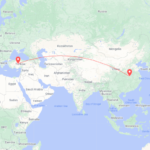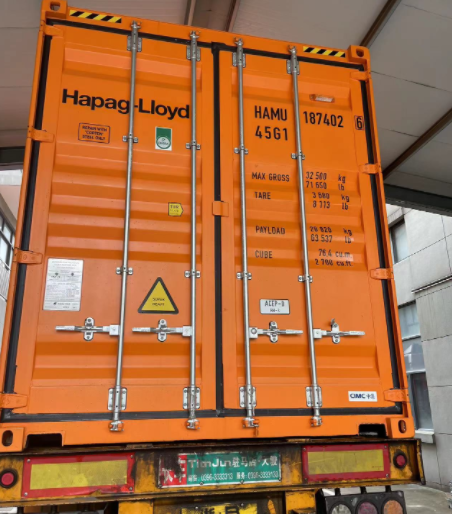
Are you wondering how to find the best shipping rates from China to Turkey for your business or personal needs? Understanding the complexities of sea freight, air freight, rail options, and door-to-door shipping is crucial for optimizing costs and ensuring smooth delivery. In this comprehensive guide, we’ll break down the key factors influencing rates, highlight essential customs and import regulations, and share actionable tips to help you select the right logistics partner and save on your next shipment.
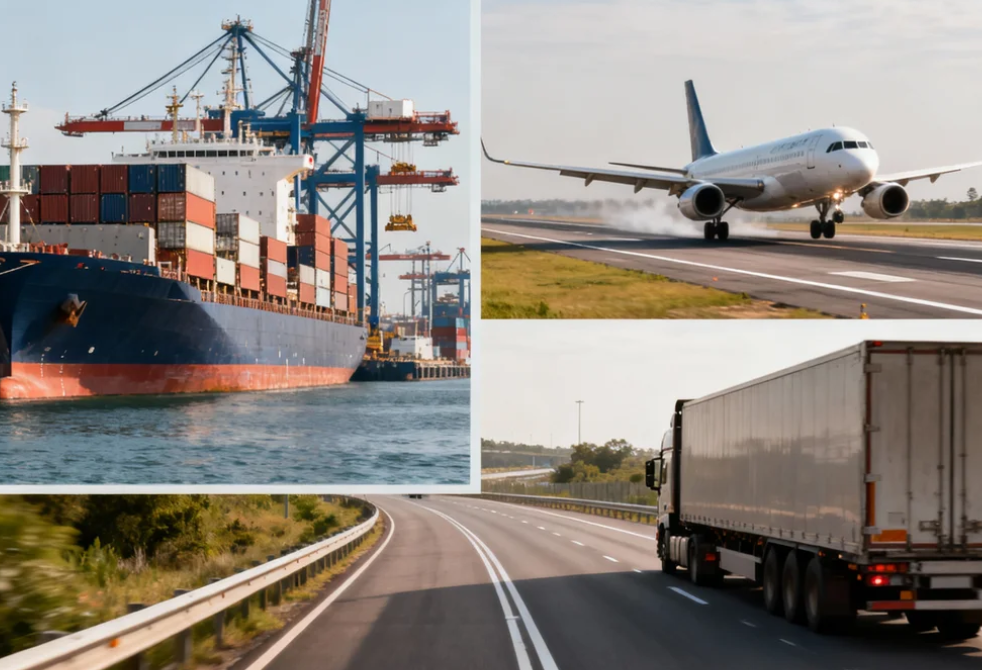
Sea Freight Cost from China to Turkey
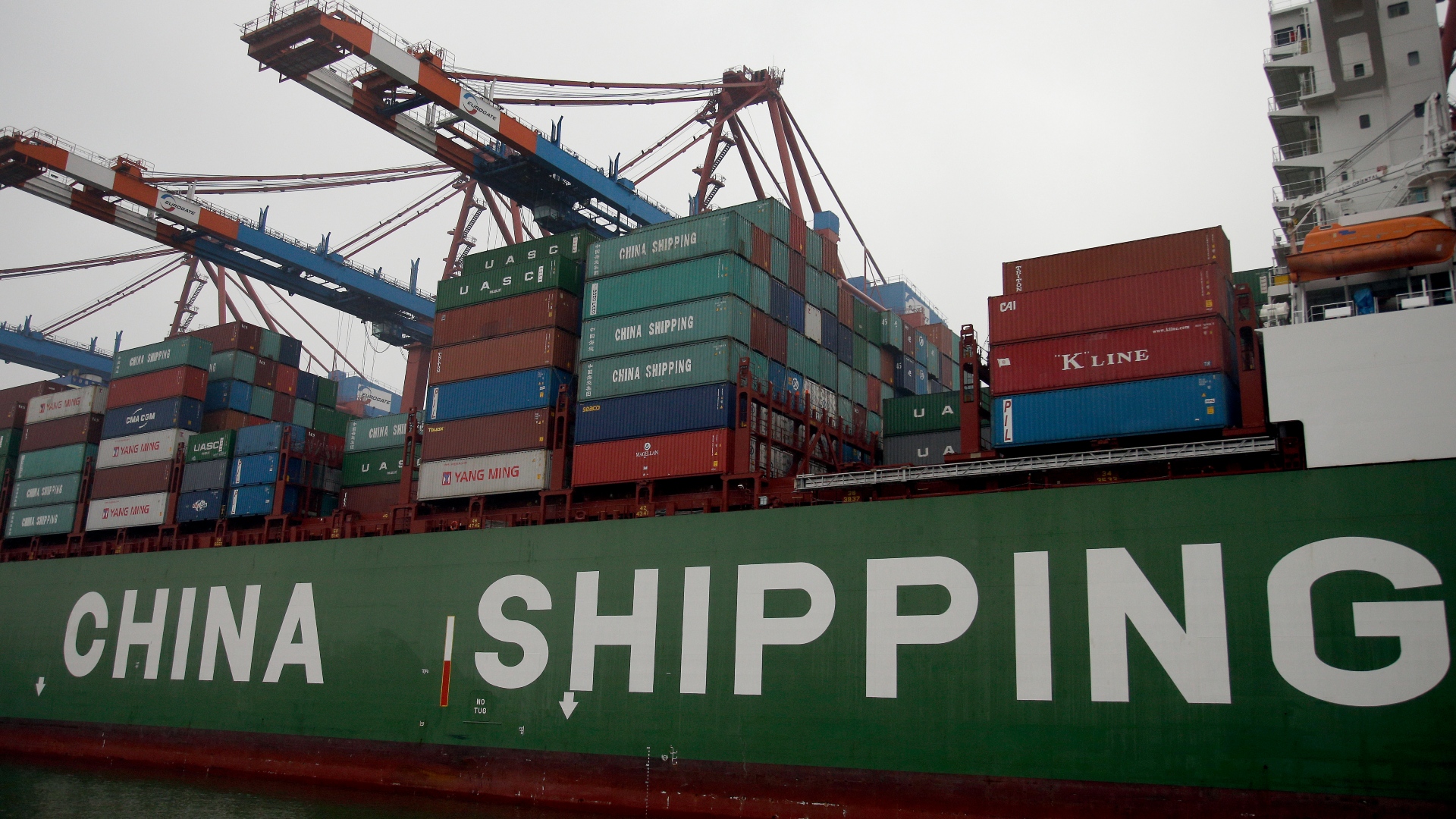
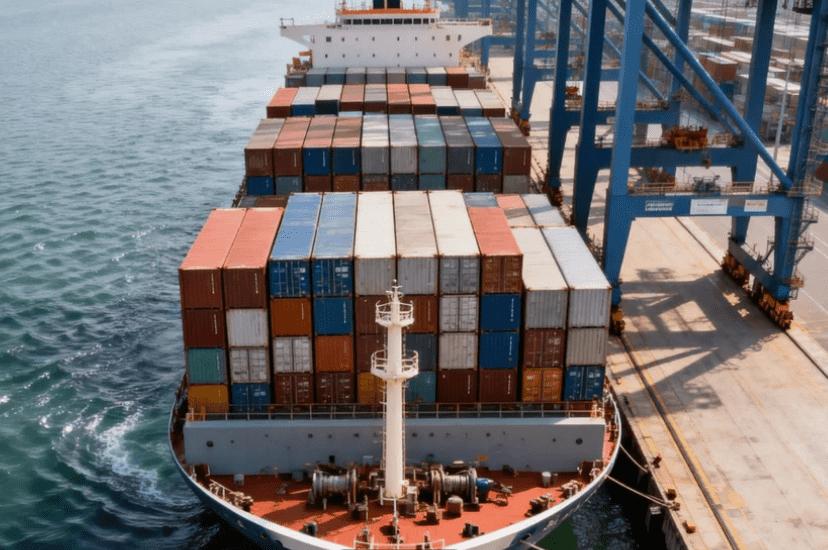
When shipping commercial goods from China to Turkey, sea freight remains the most cost-effective solution for large and heavy cargo. It is especially suitable for importers and exporters moving bulk shipments, full container loads (FCL), or less than container loads (LCL). The structure of sea freight rates is influenced by several key factors: container type and size, shipping route, departure and destination ports, cargo type, seasonality, and surcharges.
Major Ports and Typical Routes
- Major Chinese Ports: Shanghai, Shenzhen, Ningbo, Qingdao, Guangzhou, Xiamen
- Major Turkish Ports: Istanbul (Ambarli), Izmir (Alsancak), Mersin, Gemlik
Most shipments from China to Turkey use direct or transshipment routes via the Mediterranean Sea. Transit times generally range from 22 to 32 days, depending on the route and port combination.
For more insights into navigating sea freight between these regions, see Sea Freight From China to Turkey.
Example Sea Freight Rates (2025 Q4)
| Container Type | From (China Port) | To (Turkey Port) | Estimated Cost (USD) | Transit Time (Days) |
|---|---|---|---|---|
| 20FT FCL | Shanghai | Istanbul | $2,100 – $2,400 | 25 – 30 |
| 40FT FCL | Shenzhen | Izmir | $3,700 – $4,200 | 22 – 28 |
| 40HQ FCL | Ningbo | Mersin | $4,100 – $4,500 | 27 – 32 |
| LCL (per CBM) | Guangzhou | Istanbul | $60 – $85 | 25 – 30 |
Note: These prices are market averages for general cargo. Actual rates may vary based on current market conditions, surcharges such as BAF (Bunker Adjustment Factor), GRI (General Rate Increase), and cargo specifications.
FCL vs. LCL Cost Considerations
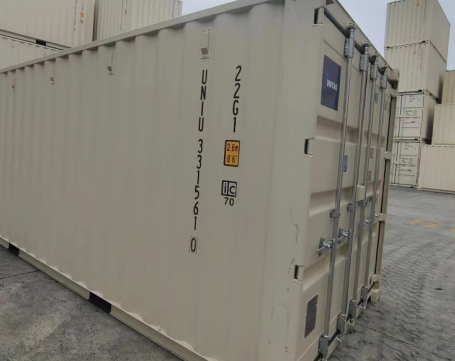
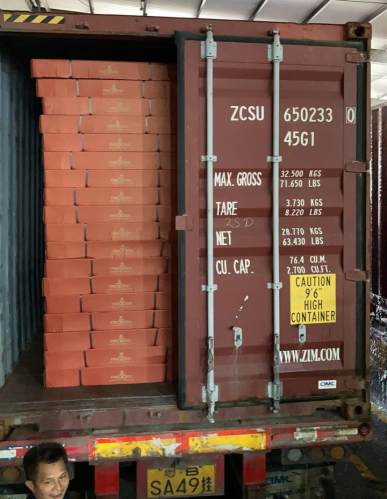
- FCL (Full Container Load): Suitable for shipments close to container capacity (20FT ≈ 28CBM, 40FT ≈ 56CBM, 40HQ ≈ 68CBM, 45HQ ≈ 78CBM). FCL offers better security, faster handling, and lower per-unit costs for high-volume shipments.
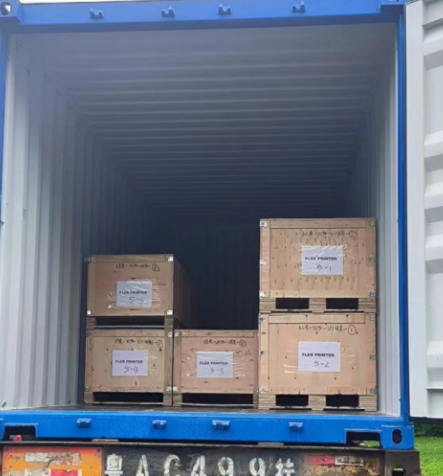
- LCL (Less Than Container Load): Ideal for smaller loads. Charges are typically per CBM (Cubic Meter). LCL may involve longer handling times due to consolidation and deconsolidation at ports.
If you are shipping small or medium-sized consignments, understanding the difference between LCL and FCL can help you optimize costs. For more, read LCL vs FCL Shipping: How to Choose the Right Option for Small Cargo.
Surcharges and Additional Fees
- Port Handling Charges
- Documentation Fees
- Customs Clearance
- Security Charges
- Seasonal Surcharges (common during peak shipping seasons)
Key Advantages of Sea Freight
- Cost Efficiency: Lowest per-unit shipping cost for large shipments.
- Variety of Cargo: Suitable for general, hazardous, oversized, and temperature-controlled goods.
- Flexible Schedules: Multiple weekly sailings from major Chinese ports.
Expert Tips
- Book in advance, especially during peak seasons (pre-Chinese New Year, summer).
- Opt for a reliable logistics partner with strong network and capacity—Dantful International Logistics offers tailored sea freight solutions, including FCL, LCL, OOG (Out-of-Gauge), breakbulk, and door-to-door services. Our expertise ensures competitive rates, route optimization, and full customs support throughout the shipping process.
Air Freight Cost from China to Turkey
For time-sensitive shipments or high-value goods, air freight from China to Turkey provides unmatched speed and reliability. This mode is widely chosen by cross-border e-commerce sellers, electronics manufacturers, and supply chain managers who require short transit times.
Major Airports and Typical Routes
- Major Chinese Airports: Shanghai (PVG), Beijing (PEK), Guangzhou (CAN), Shenzhen (SZX)
- Major Turkish Airports: Istanbul (IST), Ankara (ESB)
Direct flights and transshipment options are available, with most cargo routed through global hubs.
Example Air Freight Rates (2025 Q4)
| Weight Bracket | From (China Airport) | To (Turkey Airport) | Estimated Cost (USD/kg) | Transit Time (Days) |
|---|---|---|---|---|
| 45 kg – 100 kg | Shanghai | Istanbul | $4.80 – $6.20 | 2 – 5 |
| 100 kg – 300 kg | Guangzhou | Istanbul | $4.10 – $5.50 | 2 – 5 |
| 300 kg – 1,000 kg | Shenzhen | Ankara | $3.80 – $5.00 | 3 – 6 |
| 1,000 kg and above | Beijing | Istanbul | $3.60 – $4.80 | 3 – 6 |
Note: Rates are indicative for general cargo. Actual pricing depends on cargo type (dangerous goods, batteries, etc.), volume weight, airline, and fuel surcharges.
Cost Calculation in Air Freight
- Chargeable Weight: The higher value between actual gross weight and volumetric weight (Length x Width x Height in cm / 6,000).
- Surcharges: Include fuel, security, screening, and documentation fees.
Advantages of Air Freight
- Speed: Fastest transit from pickup to delivery, crucial for urgent shipments.
- Security: Reduced risk of damage, theft, or delays.
- Reliability: Frequent schedules, high predictability.
When to Choose Air Freight?
- Urgent orders or critical inventory replenishment
- Shipments with high value-to-weight ratio (electronics, samples, luxury goods)
- Small and medium-sized consignments where speed outweighs higher per-unit cost
Selecting a freight forwarder with strong partnerships with major airlines and extensive customs experience is vital. Dantful International Logistics offers comprehensive air freight solutions, including express, consolidated, and charter services. We ensure competitive rates, proactive tracking, and seamless customs clearance, giving your business a competitive edge in global trade.
Rail Freight Cost from China to Turkey
Rail freight between China and Turkey has become an increasingly popular shipping option, especially for businesses seeking a balance between speed and cost. With the establishment of the China-Europe Railway Express and the implementation of the Belt and Road Initiative, the rail network now offers stable, scheduled services from major Chinese cities to key Turkish destinations, such as Istanbul, Ankara, and Izmir.
Main Rail Routes and Transit Times
Rail cargo from China to Turkey typically departs from logistics hubs like Xi’an, Chengdu, Chongqing, and Zhengzhou. The main route follows the Trans-Caspian International Transport Route, entering Kazakhstan, passing through Azerbaijan and Georgia, and finally reaching Turkey via the Marmaray Tunnel.
| Departure City (China) | Main Turkish Destinations | Typical Transit Time | Frequency |
|---|---|---|---|
| Xi’an | Istanbul, Ankara | 13-18 days | Weekly |
| Chongqing | Istanbul, Izmir | 15-20 days | 2-3/month |
| Chengdu | Istanbul | 14-19 days | Weekly |
Note: Transit times may vary due to border crossings, customs clearance, and rail congestion.
Rail Freight Costs Overview
Rail freight rates are generally calculated per CBM (cubic meter), per ton, or per container, depending on the shipment type (FCL or LCL):
| Container Type | Approx. Rate (USD) | Typical Capacity |
|---|---|---|
| 20FT Container | $4,800 – $6,200 | 28 CBM or 21,000 kg |
| 40FT Container | $7,800 – $10,200 | 56 CBM or 26,000 kg |
| 40HQ Container | $8,300 – $11,000 | 68 CBM or 26,000 kg |
| LCL (per CBM) | $145 – $190/CBM | Flexible (small cargo) |
Rates above are indicative as of 2024 and can fluctuate based on fuel surcharges, route, season, and cargo type.
For those considering cross-border rail solutions, you may want to explore rail freight options that connect China and Europe, including service extensions to Turkey.
Key Advantages of Rail Freight
- Faster than sea freight: Rail shipping time from China to Turkey is about 2-3 times faster than sea freight, making it ideal for urgent or time-sensitive cargo.
- Cost-effective for medium-sized shipments: When air freight is too expensive and sea freight is too slow, rail offers a middle ground.
- Environmental benefits: Rail generates less CO2 emissions compared to air and sometimes even sea freight.
Considerations
- Cargo types: Rail is suitable for general cargo, electronics, machinery, textiles, and some perishable goods, but not for all classes of dangerous goods.
- Customs and transshipment: Containers may be transshipped at border crossings due to track gauge differences; this can affect transit time and handling.
Door-to-Door Shipping Cost from China to Turkey
Door-to-door shipping from China to Turkey is an all-inclusive logistics solution that covers pickup from the supplier in China and delivery to the consignee’s address in Turkey. This service streamlines the shipping process, minimizes delays, and provides peace of mind especially for SMEs, e-commerce sellers, and businesses unfamiliar with international logistics.
What Does Door-to-Door Shipping Include?
- Pickup from supplier in China
- Export customs clearance
- International transportation (by sea, air, rail, or combined)
- Import customs clearance in Turkey
- Local delivery to final address (warehouse, office, or Amazon FBA site)
Door-to-Door Shipping Cost Structure
Door-to-door shipping cost depends on the chosen transport mode, cargo volume/weight, delivery location in Turkey, and service inclusions (customs, tax, insurance, etc.).
| Transport Mode | Typical Cost Range (per 20FT) | Transit Time | Suitable For |
|---|---|---|---|
| Sea Freight | $2,600 – $3,800 | 28 – 35 days | Large/heavy cargo |
| Air Freight | $8,000 – $12,000 | 4 – 8 days | Urgent, high-value cargo |
| Rail Freight | $5,200 – $7,200 | 15 – 20 days | Medium-sized, time-sensitive |
| Express Courier | $12/kg – $25/kg | 3 – 6 days | Small parcels, samples |
Rates above are subject to change based on actual route, cargo type, and market conditions (2024 data).
Key Benefits
- All-inclusive: Covers all logistics steps, eliminating hidden costs and reducing operational complexity.
- Time-saving: No need to manage multiple vendors or coordinate pickups/deliveries.
- Risk reduction: Minimized risk of missing documents, customs issues, or delivery delays.
To explore more about regional door-to-door logistics, you can check door to door shipping from China to Turkey for guidance on all-in-one solutions.
Factors Affecting Door-to-Door Rates
- Cargo volume and weight: Larger and heavier shipments get better per-unit rates.
- Service level: VIP, standard, and economy options with varying transit times and insurance coverage.
- Destination address: Remote or difficult-to-access locations in Turkey may incur extra charges.
- Customs duties and taxes: Usually not included in the base freight rate, but can be pre-paid if required.
Choosing the right shipping mode and logistics partner is crucial for cost optimization and smooth delivery from China to Turkey. For reliable, professional, and competitively priced door-to-door solutions, trust Dantful International Logistics as your global supply chain partner.
Cost Influences and Pricing Structure
When shipping goods from China to Turkey, understanding the main factors that shape shipping rates is critical for cost management and informed decision-making. As an experienced logistics provider, Dantful International Logistics offers transparent insights into how rates are calculated and what variables you should consider.
1. Major Cost Influences
| Cost Factor | Description | How It Affects the Rate |
|---|---|---|
| Shipping Mode | Options include Sea Freight, Air Freight, Rail Freight, and Door-to-Door services. | Air is fastest but most expensive; sea and rail offer cost-effective solutions for larger volumes. |
| Cargo Volume/Weight | Measured in CBM (Cubic Meter) or kg. For containers: 20FT (28CBM), 40FT (56CBM), 40HQ (68CBM), 45HQ (78CBM). | Larger shipments often have lower per-unit costs. Air freight usually charges by chargeable weight (gross or volumetric). |
| Shipping Route & Port Pairs | The chosen origin port (e.g., Shanghai, Shenzhen) and destination port (e.g., Istanbul, Izmir). | Direct routes are faster but may cost more. Transshipment can lower costs but increase transit time. |
| Seasonality & Market Demand | High seasons (pre-holiday, sales events) cause rate surges; off-peak periods see lower freight rates. | Plan shipments off-season for savings. |
| Fuel Surcharges & BAF | Fluctuations in bunker adjustment factor (BAF) and fuel costs directly affect rates, especially for sea and air. | Rates may be adjusted monthly or quarterly. |
| Additional Services | Insurance, customs clearance, warehousing, consolidation, last mile delivery. | Adds to overall logistics cost; necessary for risk management and compliance. |
| Cargo Type & Special Handling | Oversized, hazardous, temperature-sensitive, or high-value goods require special equipment and care. | May incur premium handling charges. |
Example: Typical Sea Freight Cost (FCL) from Major Chinese Ports to Turkey
| Origin Port | Destination Port | 20FT (USD) | 40FT (USD) | Transit Time (Days) |
|---|---|---|---|---|
| Shanghai | Istanbul | 1,800–2,200 | 3,200–3,800 | 25–30 |
| Shenzhen | Istanbul | 1,900–2,300 | 3,350–3,950 | 26–32 |
| Ningbo | Izmir | 1,850–2,250 | 3,300–3,900 | 26–33 |
Rates are indicative and subject to market fluctuations, cargo specifics, and seasonal demand.
2. Pricing Structure: Main Components
Shipping rates are broken down into several main components:
- Freight Charges: The base shipping fee based on mode, route, and cargo size.
- Surcharges: BAF, CAF, security charges, peak season surcharges, and others.
- Origin & Destination Charges: Terminal handling, documentation, customs clearance, inland trucking, and delivery fees.
- Insurance: Optional but highly recommended, especially for high-value goods.
- Special Service Fees: For door-to-door shipping, OOG (Out of Gauge), and consolidated shipments.
Tip: Always request a detailed quote to isolate each cost component. Dantful International Logistics provides transparent, itemized quotations to help you compare and optimize your logistics expenditure.
3. How to Control Costs
- Consolidation: For LCL (Less than Container Load), consolidating shipments reduces per-unit cost.
- Advance Booking: Secure space and better rates by booking early, especially in peak seasons.
- Select Optimal Route: Sometimes, nearby ports or minor adjustments to routing can generate significant savings.
- Partner Selection: Choose an established and resourceful freight forwarder like Dantful International Logistics to leverage bulk buying power and end-to-end service integration.
Customs, Taxes, and Import Regulations in Turkey
Shipping to Turkey involves complying with Turkish customs requirements, tax regulations, and import standards. An understanding of these rules is crucial for smooth clearance and avoiding unexpected costs or delays.
1. Turkish Customs Overview
- Customs Authority: The Turkish Customs Administration is responsible for the supervision and control of all imports.
- Customs Declaration: All imported goods require a formal customs declaration (import entry). Accurate documentation is essential (commercial invoice, bill of lading, packing list, certificate of origin).
- HS Code Classification: Proper classification determines the applicable duties and taxes. Misclassification can result in fines or shipment delays.
2. Duties and Taxes
| Charge Type | Description | Typical Rate/Calculation |
|---|---|---|
| Customs Duty | Applied on the CIF (Cost, Insurance, Freight) value. Varies depending on product HS code. | 0–30% (Most common: 6–15%) |
| Value Added Tax (VAT/KDV) | Turkish VAT (KDV) applies to most imports. Calculated on CIF + Duty + other charges. | Standard rate: 20% (as of 2024) |
| Special Consumption Tax | Applies to select goods (e.g., tobacco, alcohol, luxury items). | 20–70% (product-specific) |
| Additional Duties | Certain products from specific origins may attract extra duties (anti-dumping, safeguard). | Varies |
| Other Fees | Customs processing fee, inspection, warehousing (if delayed), handling, and document fees. | Minor but should be anticipated |
Sample Tax Calculation:
For a shipment valued at USD 10,000 (CIF), HS code with 10% duty:
- Customs Duty = USD 1,000
- VAT = 20% of (10,000 + 1,000) = USD 2,200
- Total Taxes = USD 1,000 + 2,200 = USD 3,200 (excluding potential other fees)
3. Import Regulations and Compliance
- Restricted & Prohibited Goods: Some items (weapons, narcotics, certain chemicals) are banned or require special permits.
- Certification & Labeling: Products like electronics, food, cosmetics must comply with Turkish Standards Institute (TSE) requirements and labeling laws.
- Inspection Procedures: Random or risk-based inspections are common. Ensure all paperwork is accurate and accessible.
- EORI Number: Not required for Turkish importers, but registration with Turkish Customs is mandatory.
4. Tips for Smooth Customs Clearance
- Documentation Accuracy: Ensure all documents match the shipment (values, weights, HS codes).
- Pre-Import Compliance Check: Confirm your products meet Turkish standards and obtain necessary certificates before shipping.
- Professional Customs Brokerage: Engage a reliable broker or logistics provider with Turkish import experience. Dantful International Logistics offers end-to-end customs solutions, minimizing delays and regulatory risks.
5. Common Import Scenarios
| Scenario | Possible Issue | Dantful Logistics Solution |
|---|---|---|
| Incorrect HS code | Duty under/overpayment, fines | Expert tariff classification and documentation |
| Missing certificate (e.g., CE, TSE) | Shipment on hold | Pre-shipment compliance guidance |
| Delayed clearance | Storage costs, delivery delays | Proactive document checks, customs pre-clearance |
In summary, the total shipping cost from China to Turkey is shaped by the chosen shipping method, cargo details, route, and various surcharges. Equally important are Turkish customs procedures, duties, and compliance obligations. Working with a professional partner like Dantful International Logistics ensures competitive rates, regulatory compliance, and peace of mind from origin to destination. For tailored solutions and up-to-date advice, contact our team for a free consultation.
Read More:
- Shipping From China To Netherlands
- Shipping From China To Spain
- Shipping From China To Germany
- Shipping From China To France
- Shipping From China to Italy
- Shipping From China To Poland
- Shipping From China to United Kingdom
How to Ship from China to Turkey
Shipping goods from China to Turkey involves several key steps and decisions. Whether you are an experienced importer or new to international logistics, understanding the process will help you minimize risks, control costs, and ensure timely delivery. Here’s a comprehensive overview, based on industry-best practices and my 15+ years of hands-on experience.
1. Understand Your Shipment Requirements
Begin by clearly defining your cargo details:
- Type of goods: General cargo, hazardous materials, perishables, oversized or out-of-gauge (OOG) items.
- Volume/Weight: Calculate cubic meters (CBM) and gross weight. Popular container capacities: 20FT (28CBM), 40FT (56CBM), 40HQ (68CBM), 45HQ (78CBM).
- Value and Insurance Needs: High-value cargo may require all-risk insurance and special handling.
2. Choose the Right Shipping Method
Your choice depends on cost, speed, and cargo type:
| Shipping Mode | Typical Transit Time | Best For | Frequency |
|---|---|---|---|
| Sea Freight | 25–40 days | Large/bulk shipments, cost-saving | Weekly sailings |
| Air Freight | 3–7 days | Urgent, high-value, light cargo | Daily flights |
| Rail Freight | 15–20 days | Balance of cost & speed, stable | Weekly departures |
| Door-to-Door | Varies | End-to-end convenience | Customizable |
- Sea Freight: Ideal for FCL (full container load) and LCL (less than container load).
- Air Freight: Best for time-sensitive, small-volume goods.
- Rail Freight: A growing option between certain Chinese and Turkish cities.
- Door-to-Door: Comprehensive logistics, including pickup, shipping, customs, and final delivery.
3. Select Reliable Ports and Routes
Major Chinese ports: Shanghai, Shenzhen, Ningbo, Qingdao, Guangzhou
Main Turkish ports: Istanbul (Ambarli), Izmir (Alsancak), Mersin
Choose departure and arrival ports based on proximity, sailing frequency, and cost.
4. Partner with a Professional Freight Forwarder
A reputable freight forwarder, such as Dantful International Logistics, will:
- Advise on the optimal shipping mode and route.
- Provide accurate quotations for “shipping rates from China to Turkey.”
- Handle documentation, customs clearance, and cargo insurance.
- Offer value-added services: Warehouse, Consolidated Freight, Amazon FBA, Breakbulk Freight, and more.
- Ensure compliance with both China and Turkey’s import/export regulations.
5. Book Space and Arrange Documentation
- Confirm sailing or flight dates.
- Prepare necessary documents: Commercial Invoice, Packing List, Bill of Lading (B/L) or Airway Bill (AWB), export/import licenses, and certificates as required.
- For specialized goods, check for additional permits or restrictions.
6. Customs Clearance & Payment of Duties
- In China: Complete export clearance and customs checks.
- In Turkey: Work with your forwarder or customs broker to handle import clearance, pay duties, and comply with Turkish regulations.
7. Delivery and Final Distribution
Upon customs release, arrange for:
- Port pickup (if port-to-port)
- Local delivery to final address (if door-to-door)
Reliable tracking and transparent communication throughout the process are essential.
Dantful International Logistics provides digital tracking and dedicated support to ensure peace of mind for every shipment.
Tips for Cost Optimization and Choosing the Right Logistics Partner
Achieving competitive “shipping rates from China to Turkey” requires a strategic approach. Here are key tips to help you optimize costs and select the ideal freight forwarder:
1. Compare Shipping Modes for Cost-Effectiveness
Select the mode that aligns with your timeline and budget:
| Shipping Mode | Approximate Rate (*US$/CBM or KG) | When to Use |
|---|---|---|
| Sea LCL | $60–$120/CBM | Small/medium consignments |
| Sea FCL (20FT) | $2,200–$3,500/container | Large, heavy, non-urgent cargo |
| Air Freight | $4.0–$8.0/kg | High-value, urgent, light goods |
| Rail Freight | $150–$300/CBM | Moderate-size, time-sensitive |
*Rates for reference (Q4 2025), may fluctuate due to fuel, demand, and seasonality.
2. Consolidate Shipments
If you have multiple small consignments, consider consolidated freight shipping services to combine shipments and take advantage of better rates.
3. Optimize Packaging & Volume
- Avoid under- or overpacking; use standard container sizes efficiently.
- Reduce dead space to minimize volumetric charges, especially for air and LCL shipments.
4. Plan Ahead & Leverage Off-Peak Seasons
- Book shipments in advance to secure better rates.
- Avoid peak seasons (pre-Chinese New Year, holiday months) when shipping costs spike.
5. Negotiate All-Inclusive Quotes
Work with your forwarder for transparent, all-inclusive quotes covering freight, surcharges, customs clearance, and local delivery. Avoid hidden fees.
6. Ensure Regulatory Compliance
Non-compliance can lead to fines, delays, or confiscation. Dantful International Logistics offers expert guidance on documentation and import/export requirements for both China and Turkey.
7. Evaluate Your Logistics Partner
A reliable freight forwarder should provide:
- Proven track record with references.
- Transparent communication and real-time tracking.
- Comprehensive service portfolio (Sea Freight, Air Freight, Rail Freight, Door-to-Door, Warehouse, Insurance, etc.).
- Competitive and stable pricing.
Why Choose Dantful International Logistics?
- 15+ years of international shipping expertise.
- Tailored solutions for every cargo type and business need.
- One-stop services from origin to destination.
- Strong presence in both Chinese and Turkish markets.
- Dedicated account management and 24/7 customer support.
By following these guidelines and working with a professional partner, you can maximize your logistics efficiency and achieve the most favorable shipping rates from China to Turkey. For customized consultation and a free quote, reach out to Dantful International Logistics—your trusted global logistics partner.

Young Chiu is a seasoned logistics expert with over 15 years of experience in international freight forwarding and supply chain management. As CEO of Dantful International Logistics, Young is dedicated to providing valuable insights and practical advice to businesses navigating the complexities of global shipping.