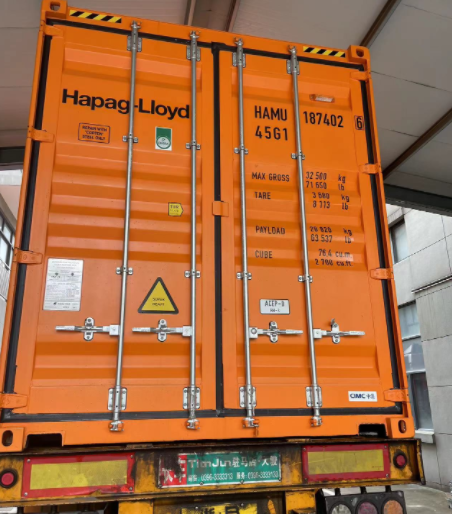
Are you looking to streamline the process of shipping solar panels from China to Canada but unsure where to start? Navigating international logistics for solar panel imports involves a range of crucial considerations, from shipping methods to compliance regulations. In this comprehensive guide, we’ll break down everything you need to know about solar panel shipping, helping you ensure safe, efficient, and compliant delivery from China to Canada.
Key Considerations for Importing Solar Panels to Canada
When importing solar panels from China to Canada, understanding the unique logistical, regulatory, and commercial factors is critical for a successful operation. As a seasoned professional in international freight forwarding, I have outlined the following essential considerations to ensure your shipments are compliant, cost-effective, and protected throughout their journey.
1. Regulatory Compliance
- Canadian Import Regulations: The Canada Border Services Agency (CBSA) enforces strict guidelines for importing photovoltaic modules. Importers must ensure their solar panels meet the Canadian Standards Association (CSA) certification and adhere to local safety standards.
- Anti-Dumping Duties: Canada may impose anti-dumping or countervailing duties on solar panels originating from certain countries, including China. It is crucial to verify the Harmonized System (HS) code of your products and check for any applicable trade remedies before shipping.
- Customs Documentation: Proper preparation of commercial invoices, packing lists, certificates of origin, and bill of lading/air waybill streamlines customs clearance and prevents costly delays.
2. Product Quality & Certification
- CSA Certification: Only certified products can be legally imported and installed in Canada. Ensure your suppliers in China provide up-to-date CSA or equivalent certifications.
- Testing Reports: Request third-party testing results to confirm efficiency, durability, and safety of each shipment batch.
3. Shipping Solutions & Risk Management
- Fragility: Solar panels are delicate and susceptible to microcracks and electrical degradation during transit. Opt for specialized packaging and reputable logistics providers experienced in handling high-value, fragile goods.
- Insurance: Comprehensive cargo insurance is strongly advised to cover risks such as breakage, theft, or water damage during the long transit from Chinese ports to Canadian ports.
4. Cost Analysis
- Total Landed Cost: Beyond freight rates, consider import duties, taxes (e.g., GST), insurance, port fees, last-mile delivery, and potential warehousing costs.
- Volume Optimization: Solar panels are typically shipped in bulk. Maximize container utilization (e.g., 20FT: 28CBM, 40FT: 56CBM, 40HQ: 68CBM, 45HQ: 78CBM) to minimize per-unit shipping costs.
5. Timing & Logistics Planning
- Transit Time: Sea freight from major Chinese ports (e.g., Shanghai, Shenzhen, Ningbo) to Vancouver or Montreal can take 20-35 days. Air freight is faster (5-10 days), but significantly more expensive.
- Peak Season Surcharges: Be aware of seasonal fluctuations, especially before the Chinese New Year and during peak construction season in Canada.
6. Choosing a Trusted Freight Forwarder
Selecting a reliable logistics partner like Dantful International Logistics ensures end-to-end support, from supplier coordination to customs clearance and final delivery in Canada. Our expertise in sea freight, air freight, customs brokerage, cargo insurance, and specialized warehouse services helps mitigate risks and streamline your supply chain.
Types of Solar Panels and Their Shipping Implications
There are several main types of solar panels commonly shipped from China to Canada, each with unique shipping requirements. Understanding their differences helps optimize packing, handling, and logistics planning.
| Type of Solar Panel | Typical Features | Shipping Considerations | Packing Methodologies |
|---|---|---|---|
| Monocrystalline | High efficiency, premium cost, uniform look | Moderate weight, sensitive to impact | Standardized crates, foam separation |
| Polycrystalline | Lower cost, slightly less efficient | Bulkier per watt, similar fragility to monocrystalline | Palletized stacks, reinforced corners |
| Thin-Film | Lightweight, flexible, less efficient per area | Can be shipped in rolls, more tolerant to vibration | Tubes/rolls, custom cartons, soft padding |
| Bifacial | Generates power on both sides, glass-glass type | Heavier, higher value, increased risk of breakage | Double-glass crates, shock-absorbent layers |
Key Shipping Implications
- Panel Dimensions & Weight: Larger or heavier panels affect container loading plans and may require additional bracing or dunnage.
- Packaging Requirements: High-value, glass-based panels (monocrystalline, bifacial) necessitate robust, moisture-resistant packaging with edge protection and vibration dampening.
- Container Utilization: Different panel types yield different packing densities. For instance, thin-film panels can be shipped more compactly, potentially reducing shipping costs per watt.
- Handling Procedures: Manual handling should be minimized to avoid microcracks. Mechanical lifts and forklifts with padded forks are recommended.
- Labelling & Traceability: Proper labelling (model, rating, serial number) is essential for customs, inventory management, and warranty validation at destination.
Example: Container Loading Capacity for Solar Panels
| Container Size | Average Number of Monocrystalline Panels (Based on 1665mm x 1002mm panels) |
|---|---|
| 20FT | 320–360 panels |
| 40FT | 700–730 panels |
| 40HQ | 800–900 panels |
| 45HQ | 950–1050 panels |
Note: Actual loading quantity varies based on frame thickness, packaging, and local regulations regarding maximum weight.
Choosing the optimal solar panel type and ensuring the right shipping approach is crucial for minimizing risks and costs. At Dantful International Logistics, we leverage our extensive experience and network to advise clients on the best shipping solutions tailored to their specific solar projects, ensuring safe and efficient delivery from China to Canada.
For more details on cross-border logistics and how to achieve cost-efficiency, see the comprehensive guide to Shipping From China TO Canada.
Shipping Methods for Solar Panels: Sea Freight vs. Air Freight
When shipping solar panels from China to Canada, choosing the right transportation method is essential. The two primary options are sea freight and air freight. Each method presents distinct advantages and considerations regarding cost, transit time, handling, and suitability for fragile cargo like solar panels.
1. Sea Freight
Sea freight is the most common method for transporting solar panels internationally due to their large volume and weight. Shipping by sea is cost-effective, especially for bulk shipments.
Key Features:
- Container Types: Most solar panels are shipped in standard 20FT or 40FT containers. A 20FT container holds about 28CBM (cubic meters), a 40FT approximately 56CBM, and a 40HQ up to 68CBM.
- Cost Efficiency: Sea freight rates are significantly lower compared to air freight, making it ideal for large-scale projects.
- Transit Time: Delivery from major ports in China (e.g., Shanghai, Shenzhen, Ningbo) to Canadian ports (e.g., Vancouver, Montreal) usually takes 18-32 days, depending on the route and sailing schedules.
- Environmental Impact: Sea shipping is more environmentally friendly per unit compared to air transport.
- Consolidated Freight: For smaller shipments, LCL (Less than Container Load) and consolidated freight can further reduce costs.
Sample Cost & Transit Time Table (2025 Estimates):
| Route | Container Type | Estimated Cost (USD) | Transit Time (Days) |
|---|---|---|---|
| Shanghai → Vancouver | 40HQ | $3,200 – $3,700 | 18 – 24 |
| Shenzhen → Vancouver | 40HQ | $3,250 – $3,800 | 19 – 25 |
| Ningbo → Montreal | 40HQ | $4,200 – $4,800 | 28 – 35 |
| Shanghai → Toronto (via rail) | 40HQ | $4,600 – $5,200 | 30 – 40 |
Note: Rates and times may fluctuate due to market dynamics and seasonal demand.
If you’re interested in how sea freight compares to air freight for the Canadian market, check out our analysis on Air Freight vs Sea Freight to Canada.
2. Air Freight
Air freight is selected when speed is crucial or when shipping high-value or urgent cargo.
Key Features:
- Speed: Transit time from China to Canada is typically 3–7 days, depending on the origin and destination airports.
- Cost: Air freight is significantly more expensive than sea freight, often 5–7 times higher per kilogram.
- Cargo Limitations: Airlines have strict regulations on cargo dimensions and weight. Large shipments may not be feasible or economical.
- Handling: Air transport offers reduced handling time and exposure, minimizing damage risks for fragile items.
Sample Cost & Transit Time Table (2025 Estimates):
| Route | Cost per kg (USD) | Transit Time (Days) |
|---|---|---|
| Shanghai → Toronto | $5.50 – $7.20 | 3 – 5 |
| Shenzhen → Vancouver | $5.80 – $7.50 | 3 – 5 |
| Guangzhou → Montreal | $6.00 – $7.80 | 4 – 7 |
Note: Costs vary with fuel prices, seasonality, and cargo specifics.
3. Decision Factors
| Factor | Sea Freight | Air Freight |
|---|---|---|
| Cost | Low | High |
| Transit Time | Long (18–40 days) | Short (3–7 days) |
| Volume/Weight | Ideal for bulk | Suitable for small loads |
| Risk of Damage | Moderate (if not well packed) | Low (less handling) |
| Environmental Impact | Lower per unit | Higher per unit |
4. Expert Recommendation
For most importers, manufacturers, and cross-border e-commerce sellers, sea freight offers the best balance between cost and safety for solar panel shipments. Air freight is recommended only for urgent, small-volume, or high-value shipments.
To maximize efficiency and ensure the safety of your cargo, partnering with an experienced freight forwarder like Dantful International Logistics is critical. Our team provides tailored solutions, from sea and air freight to customs clearance and door-to-door delivery, ensuring your solar panels arrive safely and cost-effectively.
Specialized Packaging and Handling for Solar Panels
Solar panels are high-value, fragile goods that require meticulous packaging and handling throughout the shipping process. Proper protection minimizes the risk of breakage, micro-cracking, and damage from vibration, shock, or environmental factors.
1. Packaging Requirements
- Individual Protection: Each solar panel is typically wrapped in anti-static film and cushioned with protective foam or bubble wrap to guard against scratches and static discharge.
- Cartons or Wooden Crates: Panels are then placed in robust cardboard cartons or custom-built plywood crates. Crates should comply with ISPM 15 standards for international shipping.
- Palletization: For containerized shipments, solar panels are stacked vertically or horizontally on fumigated, reinforced pallets, secured with straps and corner protectors.
- Moisture Control: Desiccant bags and silica gel are added to control humidity, especially for sea shipments, to prevent condensation and corrosion.
- Shock & Tilt Indicators: These devices are often attached to packaging to provide evidence of improper handling during transit.
2. Handling Considerations
- Fragility: Solar panels are susceptible to vibration and impact. Handlers must use forklifts or pallet jacks with care, avoiding stacking beyond recommended limits.
- Loading & Unloading: Specialized equipment and trained personnel are used to minimize risk during container stuffing and destuffing.
- Storage: Store panels in shaded, dry environments before and during shipping to avoid temperature extremes and moisture exposure.
3. Regulatory Compliance
- Labeling: All packaging must be clearly labeled with handling instructions, including “Fragile” and “Keep Dry.”
- Hazardous Material Declaration: If shipping with batteries (e.g., solar kits), ensure compliance with IATA and IMDG regulations for lithium batteries.
- Insurance: Comprehensive cargo insurance is strongly recommended for all solar panel shipments.
4. Professional Packing Services
Choosing a freight forwarder with expertise in specialized packaging is key to protecting your investment. At Dantful International Logistics, we offer custom packing solutions and work with certified partners to ensure your panels meet all international standards. Our value-added services include:
- Secure palletizing and crate fabrication
- Moisture-proof and anti-static packaging
- Real-time cargo tracking and shipment monitoring
- Fully insured door-to-door logistics
5. Why Proper Packaging Matters
Improper packing can lead to:
- Micro-cracks or visible breakage, reducing efficiency and warranty coverage
- Delays and financial losses due to claims or re-shipment
- Higher insurance premiums and reputational damage
By following best practices for packaging and handling, businesses safeguard their products and ensure a smooth shipping experience from China to Canada.
Summary Table: Packaging Best Practices for Solar Panels
| Step | Description | Compliance/Notes |
|---|---|---|
| Individual Wrapping | Anti-static film + foam/bubble wrap | Protect from scratches |
| Crating/Carton | Sturdy, ISPM 15-compliant wood or carton | International standard |
| Palletizing | Fumigated pallets, secured by straps | Prevent shifting |
| Moisture Control | Desiccants and silica gel | Prevent condensation |
| Handling Devices | Forklift with care, shock/tip indicators | Minimize impact |
| Labeling | “Fragile”, “Keep Dry”, proper markings | Regulatory requirement |
In summary, understanding the critical differences between sea freight and air freight, along with the importance of specialized packaging, is essential for the safe, cost-effective shipping of solar panels from China to Canada. For professional, reliable, and fully customized logistics solutions, trust Dantful International Logistics – your one-stop partner for global shipping excellence.
Major Chinese Ports for Solar Panel Exports
When shipping solar panels from China to Canada, selecting the right export port is crucial for optimizing transit time, freight cost, and logistics efficiency. China is the world’s largest manufacturer and exporter of solar panels, and several ports specialize in handling large volumes of photovoltaic equipment. Here are the most significant ports commonly used for solar panel exports:
| Port Name | Location | Key Advantages | Types of Shipping | Nearby Manufacturing Hubs |
|---|---|---|---|---|
| Shanghai Port | East China, Shanghai | Largest container throughput globally; excellent connectivity | Sea, Air | Jiangsu, Zhejiang, Anhui |
| Shenzhen Port | South China, Guangdong | Proximity to electronics & solar panel factories; fast customs | Sea, Air | Guangdong, Fujian |
| Ningbo-Zhoushan | East China, Zhejiang | Efficient operations, less congestion, major export hub | Sea | Zhejiang, Jiangsu |
| Qingdao Port | North China, Shandong | Strategic for northern manufacturers; good ocean carrier access | Sea | Shandong, Hebei |
| Tianjin Port | North China, Tianjin | Direct access to northern and inland regions | Sea, Rail | Beijing, Hebei, Tianjin |
| Xiamen Port | Southeast China, Fujian | Flexible for mid-volume shipments, good for mixed loads | Sea, Air | Fujian, Jiangxi |
Key Points to Consider
- Shanghai Port is the principal gateway for solar panel exports due to its unmatched global shipping network and proximity to major solar manufacturing clusters in Jiangsu and Zhejiang provinces.
- Shenzhen Port is favored for shipments originating from southern China, especially if rapid customs clearance and short transit times are required.
- Ningbo-Zhoushan Port offers alternative routing with high efficiency, often with competitive rates and less vessel congestion.
- For exporters in northern China, Qingdao and Tianjin provide direct access, reducing domestic overland transport costs.
Dantful International Logistics has established strong partnerships at all these major ports, enabling us to offer tailored solutions for sea freight, air freight, rail freight, and consolidated shipments, ensuring that your solar panels are shipped securely and cost-effectively.
If you want to explore more details about container options and optimize your shipping plans, refer to our resource on container shipping from China to Canada.
Key Canadian Ports and Entry Points for Solar Panel Imports
Successful import of solar panels into Canada requires understanding the country’s primary ports of entry and the unique logistics considerations at each location. The choice of port affects customs clearance speed, onward delivery costs, and supply chain efficiency.
| Port/Entry Point | Location | Main Advantages | Suitable For | Connectivity |
|---|---|---|---|---|
| Port of Vancouver | West Coast, British Columbia | Largest and busiest port in Canada; direct Asia routes; modern facilities | Most China–Canada sea shipments | Rail, Truck, Local Warehousing |
| Port of Prince Rupert | North British Columbia | Shortest Pacific route from Asia; less congestion; quick rail to central Canada | High-volume, time-sensitive cargo | Rail, Truck |
| Port of Montreal | East Canada, Quebec | Ideal for shipments to eastern Canada; connects via Suez/ Panama | Eastern distribution | Rail, Truck |
| Toronto (Air Cargo & Rail) | Ontario | Central for major markets; best for air freight and intermodal rail | Air/rail, fast delivery | Air, Rail, Truck |
| Halifax Port | Atlantic Canada | Direct ocean access to Europe/Asia; suitable for diversified routing | Atlantic market, special projects | Rail, Truck |
Insights and Recommendations
- The Port of Vancouver is the primary entry point for most solar panel shipments arriving from China via sea freight. Its modern container terminals and extensive rail connections make it ideal for reaching western and central Canadian markets efficiently.
- Port of Prince Rupert offers the shortest and fastest Pacific crossing from China, and its lower congestion can provide time savings, especially for high-value or urgent shipments.
- For cargo destined for Eastern Canada, the Port of Montreal or Halifax can reduce inland transport time and costs.
- Large cities such as Toronto are highly accessible via air freight or rail, suitable for urgent shipments or when delivery flexibility is required.
Transit Time and Cost Comparison (Estimates, 2025)
| Route | Estimated Sea Transit Time | Typical Cost (40HQ, USD) |
|---|---|---|
| Shanghai to Vancouver | 16-20 days | $4,200 – $5,000 |
| Shenzhen to Prince Rupert | 14-18 days | $4,500 – $5,200 |
| Ningbo-Zhoushan to Montreal | 25-30 days | $5,800 – $6,500 |
| Shanghai to Toronto (Air Freight) | 3-5 days | $15,000 – $18,000 |
Note: Rates and schedules are for reference only. Please consult with your freight forwarder for the latest quotations.
Dantful International Logistics provides end-to-end support through all major Canadian ports and airports, including customs clearance, warehousing, and door-to-door delivery. Our local expertise ensures efficient handling of solar panel imports, compliance with Canadian regulations, and seamless onward distribution across the country.
Calculating Shipping Costs for Solar Panels
Accurately estimating the total shipping costs for solar panels from China to Canada is essential for budgeting and project planning. The total cost involves several core components, each influenced by factors such as shipment size, weight, selected transportation mode, and value-added services.
Key Factors Influencing Shipping Costs
Transportation Mode
- Sea Freight: Most cost-effective for large volumes. Solar panels are typically shipped as FCL (Full Container Load) or LCL (Less than Container Load).
- Air Freight: Faster but significantly more expensive. Suitable for urgent or smaller shipments.
- Rail and Road Freight: Usually relevant for inland transportation within China or Canada, especially for door-to-door delivery.
Container Size and Volume
- Standard containers used:
- 20FT Container: Capacity ~28CBM
- 40FT Container: Capacity ~56CBM
- 40HQ Container: Capacity ~68CBM
- 20FT Container: Capacity ~28CBM
- 40FT Container: Capacity ~56CBM
- 40HQ Container: Capacity ~68CBM
- Shipping cost is often calculated based on the greater value between volumetric weight and actual weight.
- Standard containers used:
Origin and Destination Ports
- Major Chinese ports: Shanghai, Shenzhen, Ningbo
- Major Canadian ports: Vancouver, Montreal, Toronto (inland rail/road from Vancouver or Montreal)
Value-added Services
- Customs clearance, insurance, warehousing, door-to-door delivery, and special handling or packaging all add to the total cost.
Seasonality and Market Fluctuations
- Rates vary due to high or low demand (e.g., pre-holiday peaks, post-pandemic market shifts).
Typical Cost Structure (2025 Reference)
Below is an indicative comparison of shipping costs and transit times for a standard full container load of solar panels from China to key ports in Canada:
| Route | Mode | Transit Time (Days) | Typical Cost (USD, 40HQ) | Remarks |
|---|---|---|---|---|
| Shanghai → Vancouver | Sea Freight | 15–20 | $4,000–$5,500 | Most common route |
| Shenzhen → Vancouver | Sea Freight | 14–19 | $4,200–$5,700 | Slight price variation |
| Ningbo → Montreal (via Vancouver) | Sea+Rail | 28–35 | $5,700–$7,200 | Includes inland rail freight |
| Shanghai → Toronto (via Vancouver) | Sea+Rail | 28–35 | $5,900–$7,500 | Includes inland rail freight |
| Shanghai → Toronto | Air Freight | 4–7 | $22,000–$32,000 | For urgent/small shipments |
All prices are indicative and should be confirmed with a quote due to market volatility (Q4 2025).
Example: Cost Breakdown for a 40HQ Container (Shanghai → Vancouver)
| Cost Component | Typical Fee (USD) |
|---|---|
| Ocean Freight | $4,200 |
| Origin Charges | $500 |
| Documentation | $100 |
| Insurance (optional) | $70–$150 |
| Canadian Port Charges | $350 |
| Inland Delivery (optional) | $500–$1,200 |
| Customs Clearance | $150–$300 |
| Total Estimate | $5,370–$6,500 |
Prices exclude duties/taxes and are for reference only.
For more up-to-date shipping rates and container pricing from East Asia, see the latest container shipping costs from China to Canada.
How to Optimize Shipping Costs
- Book in advance to avoid rate hikes during peak seasons.
- Choose the right container size to maximize volume utilization and minimize unit cost.
- Work with a professional freight forwarder like Dantful International Logistics for bundled services (consolidation, customs, insurance) and competitive rates.
- Assess the full landed cost, including duties, taxes, and last-mile delivery.
Canadian Import Regulations and Duties for Solar Panels
Shipping solar panels from China to Canada requires strict compliance with Canadian import regulations and understanding of applicable duties to ensure smooth customs clearance and cost control.
1. Classification and HS Codes
Solar panels are typically classified under HS Code 8541.40 (Photosensitive semiconductor devices, including photovoltaic cells). Accurate classification is crucial, as it determines duty rates and regulatory requirements.
2. Import Duties and Taxes
- MFN Tariff: As of 2025, the general Most-Favored-Nation (MFN) tariff rate for solar panels is 0%. However, importers are responsible for paying the Goods and Services Tax (GST), which is 5% of the total value (CIF: Cost, Insurance, Freight).
- Provincial Sales Tax (PST), Harmonized Sales Tax (HST): May apply depending on the destination province.
| Cost Component | Rate (as of 2025) | Notes |
|---|---|---|
| Customs Duty | 0% | HS 8541.40 |
| GST | 5% | On CIF value |
| PST/HST | Varies by province | Some provinces exempt solar products |
Importers should verify current tax policies in their province.
3. Canadian Standards and Compliance
- Certification: Solar panels must meet Canadian Safety Standards (CSA, UL, or equivalent). Non-compliant goods may be refused entry.
- Labelling: Must be in English and/or French, with accurate product descriptions and safety information.
4. Documentation Required
- Commercial Invoice
- Packing List
- Bill of Lading (Sea/Air)
- Certificate of Origin
- Test Certificates/Compliance Certificates (CSA/IEC/UL)
- Import Declaration (B3 Form)
Missing or incorrect documentation may cause delays or penalties.
5. Trade Remedies and Anti-Dumping
- Canada Border Services Agency (CBSA) monitors for possible anti-dumping or countervailing duties on solar cells/panels from certain countries. As of 2025, Chinese solar panels are not subject to anti-dumping duties, but regular reviews occur.
6. Customs Clearance Process
- Customs Broker: Engaging a licensed customs broker or a professional freight forwarder like Dantful International Logistics streamlines the process, ensuring compliance and timely clearance.
- Pre-Arrival Review: Advance Commercial Information (ACI) must be submitted prior to arrival.
7. Recommendations for Importers
- Keep records of all shipments, certificates, and correspondence for at least six years.
- Verify certifications with suppliers before shipment.
- Consult with logistics experts for updates on regulatory changes.
Partnering with Dantful International Logistics ensures that your solar panel shipments from China to Canada are compliant, cost-effective, and efficiently managed. Our team offers end-to-end services—sea freight, air freight, customs clearance, insurance, and more—delivering peace of mind and real value for your global trade operations.
Essential Documentation for Solar Panel Shipments
When shipping solar panels from China to Canada, accurate and complete documentation is vital to ensure smooth customs clearance and regulatory compliance. Missing or incorrect paperwork can lead to costly delays, fines, or even seizure of your goods. Below, I will outline the essential documents required for these shipments and provide practical advice for each.
1. Commercial Invoice
A Commercial Invoice acts as the contract of sale and details all transaction aspects. It must include:
- Seller and buyer names and addresses
- Full description of the solar panels (including model, wattage, and quantity)
- Unit price and total value in a recognized currency
- Terms of sale (Incoterms, e.g., FOB, CIF)
- Harmonized System (HS) code for solar panels (typically 8541.40 for photovoltaic cells/modules)
- Country of origin (China)
2. Packing List
The Packing List provides detailed information on the shipment, including:
- Number and type of packages (e.g., pallets, crates)
- Net and gross weights
- Dimensions of each package
- Markings or identification numbers
3. Bill of Lading (B/L) or Air Waybill (AWB)
- For sea freight, the Bill of Lading is the most critical transport document, serving as a receipt of goods, contract of carriage, and document of title.
- For air freight, the Air Waybill is used instead, though it is not a document of title.
4. Certificate of Origin
This document certifies that the solar panels are manufactured in China. It may be required by Canadian Customs to determine eligibility for preferential tariff rates or to comply with trade regulations.
5. Import Permits and Licenses
While most solar panels do not require special import permits in Canada, importers should verify current regulations, particularly for products with specific electrical certifications.
6. Product Certifications
Canadian authorities may require certifications to ensure the solar panels meet electrical safety and environmental standards. Common certificates include:
- CSA (Canadian Standards Association) or UL certification for electrical safety
- RoHS (Restriction of Hazardous Substances) compliance
7. Insurance Certificate
If you’ve opted for cargo insurance, a Certificate of Insurance will be needed to prove coverage in case of loss or damage during transit.
Table: Key Documentation Checklist
| Document Name | Mandatory? | Purpose/Notes |
|---|---|---|
| Commercial Invoice | Yes | For valuation, classification, and customs clearance |
| Packing List | Yes | Identifies contents and packaging details |
| Bill of Lading/AWB | Yes | Proof of shipment and contract of carriage |
| Certificate of Origin | Conditional | Confirms country of manufacture |
| Import Permits | Conditional | Check for latest regulations |
| Product Certifications | Conditional | Proves compliance with Canadian standards |
| Insurance Certificate | Optional | Recommended for high-value shipments |
Tip: Partnering with a professional freight forwarder like Dantful International Logistics ensures all documents are correctly prepared and submitted, minimizing the risk of shipment delays or compliance issues.
Navigating Anti-Dumping Duties and Trade Compliance
Importing solar panels from China to Canada requires careful attention to anti-dumping duties and trade compliance regulations. Non-compliance can result in significant additional costs, shipment holds, and even legal complications.
1. Understanding Anti-Dumping Duties
Anti-dumping duties are imposed to protect local Canadian manufacturers from unfairly low-priced imports. The Canadian Border Services Agency (CBSA) regularly investigates and may apply such duties to specific types of solar panels from China.
- As of 2025, certain crystalline silicon photovoltaic modules from China may be subject to anti-dumping and/or countervailing duties, depending on findings from CBSA investigations.
- Duty rates can range from 20% to more than 100% of the declared value, depending on the supplier and panel type.
- The CBSA’s “Measures in Force” list should always be consulted to confirm current status and specific HS codes.
2. Compliance with Canadian Trade Regulations
a. Product Classification
- Correctly classify your goods using the appropriate HS code.
- Misclassification can lead to misapplied duties and possible penalties.
b. Valuation and Country of Origin
- Provide transparent and accurate valuation on the Commercial Invoice.
- Ensure the Certificate of Origin is valid and complete.
c. Record-Keeping
- Maintain detailed records of all imports for at least six years, as required by Canadian Customs.
d. Other Regulatory Requirements
- Check for compliance with Canadian Energy Efficiency Regulations and Environmental Protection Acts if applicable.
- Ensure all product certifications are up-to-date and readily available for inspection.
Table: Anti-Dumping Duty Risk Overview
| Product Type | Potential Duty Rate | Key Considerations |
|---|---|---|
| Crystalline silicon PV modules (from China) | 20% – 100%+ | Subject to CBSA investigations/measures |
| Thin-film solar panels | Usually N/A | Typically not targeted by anti-dumping |
| Other solar-related components | Varies | Check HS code, recent CBSA updates |
3. How to Minimize Compliance Risks
- Work with Experienced Freight Forwarders: A knowledgeable partner like Dantful International Logistics can guide you through the latest regulations, ensure proper documentation, and help avoid costly errors.
- Stay Informed: Regularly review updates from the CBSA and consult with customs brokers or legal advisors experienced in trade compliance.
- Perform Supplier Due Diligence: Engage only with reputable suppliers who can provide all necessary documentation, certifications, and transparent pricing.
Navigating anti-dumping duties and trade compliance is an essential part of shipping solar panels from China to Canada. By staying informed and partnering with a reliable and highly professional logistics provider like Dantful International Logistics, you can safeguard your business against unexpected costs and regulatory challenges, ensuring your shipments arrive on time and in full compliance.
Choosing a Reliable Freight Forwarder for Solar Panel Logistics
Selecting the right freight forwarder is a critical decision when shipping solar panels from China to Canada. Solar panels are high-value, fragile, and subject to strict customs and import regulations. A professional and experienced partner ensures cost-effective, timely, and compliant delivery. Here are the key factors to consider:
1. Industry Experience & Specialization
Choose a forwarder with proven expertise in handling solar panel shipments and other renewable energy equipment. They should understand specific requirements such as specialized packaging, protection from moisture and shocks, and temperature-sensitive logistics.
2. Comprehensive Service Portfolio
A reliable provider should offer end-to-end solutions, including:
- Sea Freight and Air Freight
- Rail Freight and Road Freight
- Customs Clearance
- Insurance for high-value shipments
- Warehousing and distribution
- OOG (Out Of Gauge) Freight for oversized cargo
- Consolidated Freight and Breakbulk Freight
- Door-to-Door Delivery
This integrated approach ensures seamless coordination and minimizes the risk of delays or damages.
3. Global Network & Local Expertise
Look for forwarders with a strong presence at major Chinese ports (such as Shanghai, Shenzhen, Ningbo, Qingdao) and main Canadian entry points (Vancouver, Montreal, Toronto). Their local knowledge helps navigate customs procedures, port congestion, and last-mile delivery challenges.
4. Regulatory Compliance
A trustworthy forwarder stays updated on the latest Canadian import regulations, anti-dumping duties, and sustainability certifications. They can guide you through the documentation process and ensure full compliance, avoiding costly penalties and clearance delays.
5. Transparent Pricing & Tracking
Reliable freight forwarders provide detailed quotations, break down shipping costs, and offer real-time tracking. This transparency allows you to optimize your logistics budget and monitor your shipments throughout the supply chain.
6. Customer Support & Problem-Solving
Effective communication and proactive issue resolution are essential. Choose a partner with dedicated account managers and responsive support, able to troubleshoot logistics disruptions promptly.
Comparison Table: Key Attributes of a Reliable Freight Forwarder
| Attribute | Why It Matters for Solar Panel Shipping | Impact on Your Supply Chain |
|---|---|---|
| Industry Experience | Understands solar panel handling and compliance | Reduces risk of damage, delays, and fines |
| Service Portfolio | Offers multimodal, value-added services | Flexible, tailored solutions for your needs |
| Global Network | Local presence in China and Canada | Faster clearance, smoother delivery |
| Regulatory Knowledge | Up-to-date on import/export laws | Ensures compliance and avoids penalties |
| Transparent Pricing | Clear, itemized costs and tracking | Accurate forecasting, cost optimization |
| Customer Support | Dedicated, professional support | Quick response to issues, peace of mind |
Partnering with Dantful International Logistics for Solar Panel Imports
As a leading international freight forwarder, Dantful International Logistics is committed to providing highly professional, cost-effective, and reliable solutions for businesses importing solar panels from China to Canada.
Why Choose Dantful International Logistics?
1. Specialized Experience & Authority
With over 15 years of experience in handling delicate and high-value cargo, our team has managed thousands of successful shipments across the renewable energy sector. We understand the regulatory, technical, and operational challenges unique to solar panel logistics.
2. Comprehensive One-Stop Solutions
We offer a full spectrum of logistics services tailored for solar panel shipments, including:
- Sea Freight (FCL & LCL)
- Air Freight for urgent consignments
- Rail & Road Freight for inland transportation
- Amazon FBA integration for e-commerce clients
- Warehousing (bonded/non-bonded) at strategic locations
- Customs Clearance and compliance consulting
- Insurance for cargo security
- Door-to-Door service
- Consolidated & Breakbulk Freight
- OOG Freight for oversized equipment
3. Strong Network at Major Ports
Our established network covers all major Chinese ports (Shanghai, Shenzhen, Ningbo, Qingdao) and primary Canadian ports (Vancouver, Montreal, Toronto), ensuring efficient cargo transfer and clearance.
4. Regulatory & Compliance Expertise
Dantful’s dedicated compliance team keeps you informed on the latest Canadian import duties, anti-dumping measures, and industry certifications. We handle all documentation, minimizing clearance risks and ensuring seamless importation.
5. Transparent, Competitive Pricing
We provide clear, itemized rates with no hidden charges. Our advanced shipment tracking system gives you real-time visibility at every stage, empowering you to manage your supply chain proactively.
6. Dedicated Customer Service
Every client is assigned a dedicated account manager, providing expert support and rapid response to any queries or issues during the shipping process.
Shipping Solar Panels from China to Canada with Dantful
| Route | Container Type | Transit Time (Days) | Typical Cost (USD)* | Value-added Services |
|---|---|---|---|---|
| Shanghai – Vancouver | 40HQ | 18-25 | $4,500–$6,000 | Customs, Insurance, Door-to-Door |
| Shenzhen – Toronto | 40HQ | 23-30 (via Montreal) | $5,200–$7,200 | Warehousing, OOG, FCL/LCL |
| Ningbo – Montreal | 40HQ | 24-32 | $5,500–$7,500 | Breakbulk, Consolidation |
| Shanghai – Toronto (Air) | 3.0 tons | 5-7 | $12,000–$16,000 | Express Customs, Direct Delivery |
*Costs are indicative as of 2025 and subject to market fluctuations, fuel surcharges, and service scope.
When you choose Dantful International Logistics, you are partnering with a team dedicated to your business’s success and growth in Canada’s booming solar market. Our tailored solutions, regulatory expertise, and impeccable track record make us the trusted choice for seamless, secure, and cost-effective solar panel shipping from China to Canada.
For a free consultation or a customized shipping quote, contact Dantful International Logistics today. We are committed to powering your global ambitions with reliable, high-quality logistics solutions.

Young Chiu is a seasoned logistics expert with over 15 years of experience in international freight forwarding and supply chain management. As CEO of Dantful International Logistics, Young is dedicated to providing valuable insights and practical advice to businesses navigating the complexities of global shipping.