The sudden escalation of military conflict in the Middle East has triggered what may be one of the most significant disruptions to global maritime trade in recent years. Following U.S. and Israeli military strikes against Iran, and subsequent responses by Iranian forces, shipping activity through the Strait of Hormuz—a critical maritime corridor—has been severely constrained, prompting major carriers to halt transits and reassess operations. (WIKIPEDIA)
This event is not just another regional crisis; it reveals underlying vulnerabilities in global shipping networks and highlights the urgent need for freight forwarders and logistics stakeholders to adopt strategic risk management frameworks.
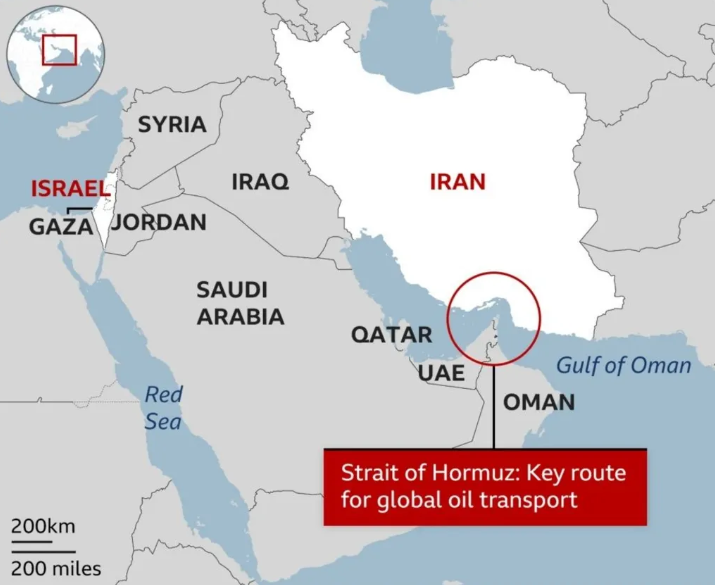
The Strategic Importance of the Strait of Hormuz
The Strait of Hormuz connects the Persian Gulf with the Arabian Sea and Indian Ocean. It is a vital maritime chokepoint—and one of the world’s most sensitive trading arteries—because:
- Approximately 20% of global oil supply and significant volumes of liquefied natural gas (LNG) transit this narrow waterway daily. (Reuters)
- Container shipments serving the Gulf Cooperation Council (GCC) economies heavily rely on this route for access to global networks.
The chokehold status of Hormuz means that any operational disruption here has outsize effects on global energy markets and logistics flows, amplifying risks for ocean carriers, shippers, and freight forwarders alike.
Industry Response: Suspension and Rerouting
In the immediate wake of heightened risk and reported warnings from Iranian military forces, major shipping companies began taking decisive action:
- Maersk has halted transit through the Strait of Hormuz and the Suez Canal, opting to reroute vessels around the Cape of Good Hope. (Ship And Bunker)
- Hapag-Lloyd and other container carriers have temporarily suspended vessel movements through the strait, warning of delays and possible rerouting. (Malay Mail)
- CMA CGM instructed vessels bound for the Gulf to seek safe shelter and cease passage, while also suspending Suez Canal transits as a precaution. (CMA CGM)
The combined effect has been a dramatic drop in shipping traffic through Helmuz, with some regions reporting near-zero commercial vessel movement. (S&P Global)
Immediate Shipping and Supply Chain Impacts
Capacity Shock and Network Dislocation
When carriers withdraw from a critical sea lane:
- Scheduled services to Gulf ports are delayed or canceled.
- Vessel redeployments create capacity imbalances.
- Transshipment hubs experience yard congestion and equipment shortages.
Container carriers that previously routed boxes through Gulf hubs must now reassess vessel rotations, often in real time, which can lead to blanked sailings and rolling delays—a serious challenge for freight forwarders managing tight delivery windows.
Energy Logistics Interconnection
The ripple effects extend into energy logistics:
- Tanker owners and oil majors reported suspensions of crude and LNG shipments after Iran’s reported closure of Hormuz to navigation.
- Satellite tracking data showed dozens of tankers holding outside main transit channels, indicating a de facto stoppage in oil traffic.
Spikes in crude prices and volatility in fuel costs can quickly feed back into container freight rates, bunker surcharges, and overall shipping expenses.
3.3 Insurance and Legal Complexities
With elevated risk near the Strait:
- War-risk insurance premiums have surged as underwriters reassess coverage in high-threat areas.
- Charter-party disputes may arise over “safe port/route” obligations and force majeure conditions.
- Cargo and hull insurers are more cautious, potentially withdrawing or increasing premiums for vessels entering peril zones.
These dynamics add a cost layer and legal complexity to shipping engagements, directly impacting freight forwarders’ cost models and contractual risk exposure.
Structural Lessons for Global Shipping Strategy
The current Hormuz crisis underscores several structural risks in global maritime logistics.
Overreliance on Chokepoints Amplifies Fragility
Global trade concentration through a small number of chokepoints—such as Hormuz, the Suez Canal, and Bab el-Mandeb—creates systemic vulnerability. The inability to use even one of these gateways without risk significantly disrupts trade flows and network planning.
Forwarders must anticipate chokepoint-related risk as part of core planning rather than an exceptional contingency.
Regional Hub Dependency Risks
Ports like Dubai’s Jebel Ali Port temporarily paused operations during related regional tensions, highlighting how geopolitical escalation can impact even commercial infrastructure. (The Times of India)
Such events expose forwarders’ reliance on specific gateways and the need to develop routing flexibility, including secondary hubs and inland alternatives.
Strategic Recommendations for Freight Forwarders
To navigate this new risk environment, freight forwarders should integrate the following strategic approaches:
Multi-Modal and Multi-Route Planning
Given the potential for chokepoint disruptions:
- Develop backup routing plans that include alternative sea lanes, feeder networks, and inland connections.
- Pre-negotiate space agreements with carriers on non-traditional corridors to secure flexibility during crises.
Diversification adds operational resilience and mitigates overdependence on single points of failure.
Geographic Risk Monitoring as Routine Practice
Forwarders should incorporate real-time geopolitical intelligence into planning systems:
- Automated alerts for high-risk zones
- Continuous monitoring of regulatory and military developments
- Collaborative risk assessment with carriers and insurers
Such capabilities turn risk awareness into a competency rather than a reactive response.
Transparent Client Advisory
Proactive, transparent communication with shippers regarding:
- Potential delivery delays
- Cost implications due to rerouting or insurance adjustments
- Recommended inventory strategies
This level of advisory builds long-term trust and positions forwarders as strategic partners rather than transactional intermediaries.
Outlook: Temporary Crisis or a New Norm?
The ongoing crisis around the Strait of Hormuz is a stark reminder that geopolitical instability can rapidly translate into maritime and logistical instability. Even if optimal conditions are restored, the event will likely have:
- Enduring effects on shipping insurance pricing
- Long-term adjustments in carrier routing strategies
- Elevated emphasis on risk diversification within logistics planning
Conclusion
The disruption at the Strait of Hormuz is a watershed moment for global shipping. It challenges the industry to go beyond traditional operational efficiency and embrace strategic resilience as a core principle.
For freight forwarders, the ability to anticipate risk, diversify routing, and offer insightful client advisories will separate leaders from followers. In a world where maritime chokepoints can be affected overnight by geopolitical conflict, resilience and foresight are not only competitive advantages—they are necessities.

Young Chiu is a seasoned logistics expert with over 15 years of experience in international freight forwarding and supply chain management. As CEO of Dantful International Logistics, Young is dedicated to providing valuable insights and practical advice to businesses navigating the complexities of global shipping.