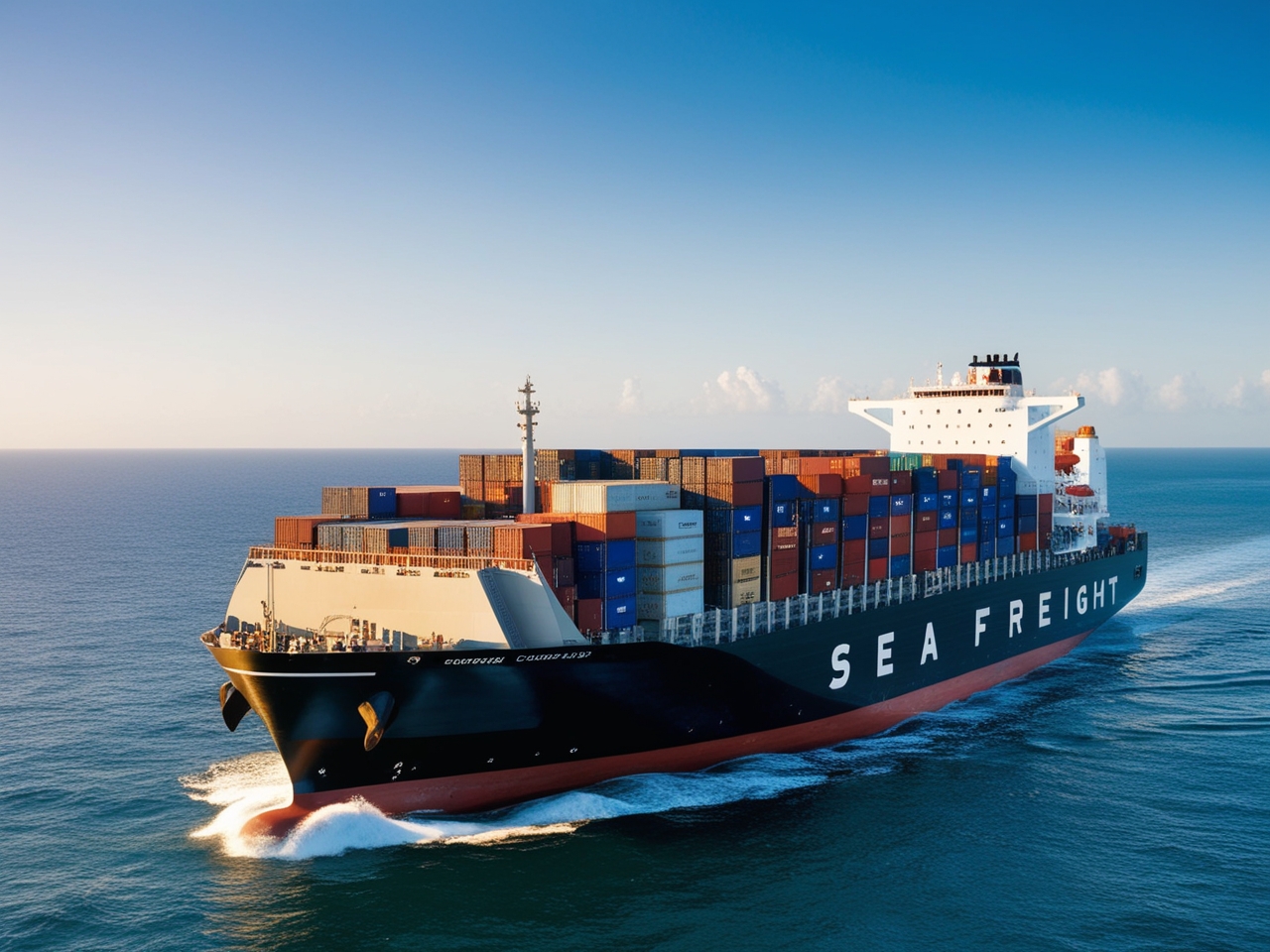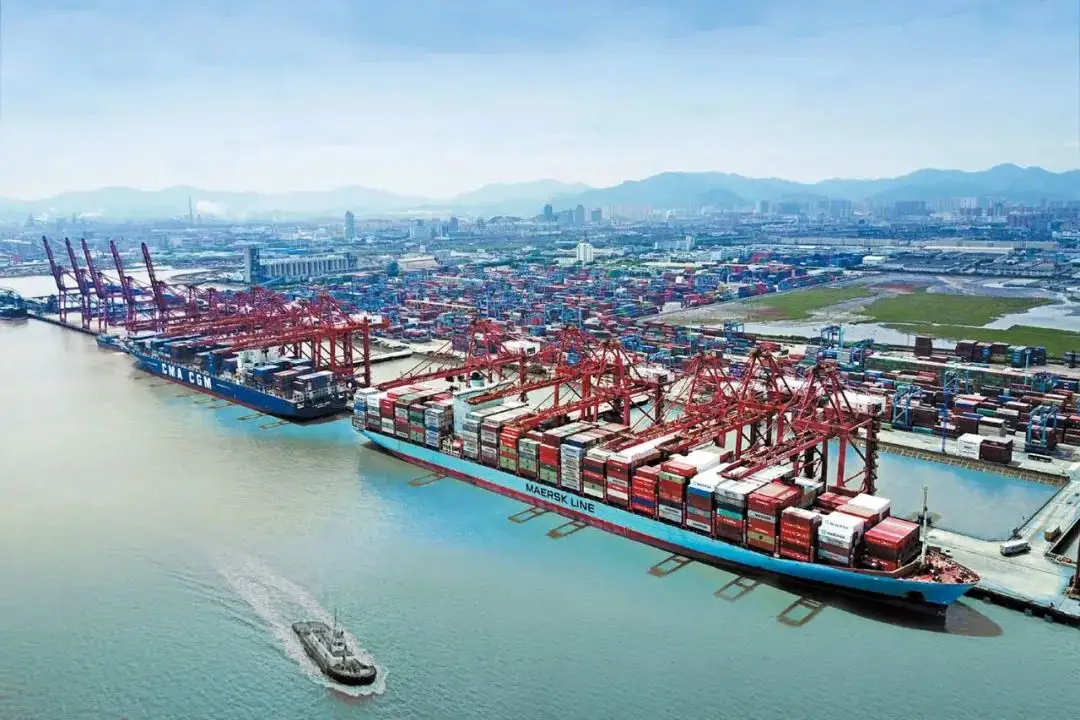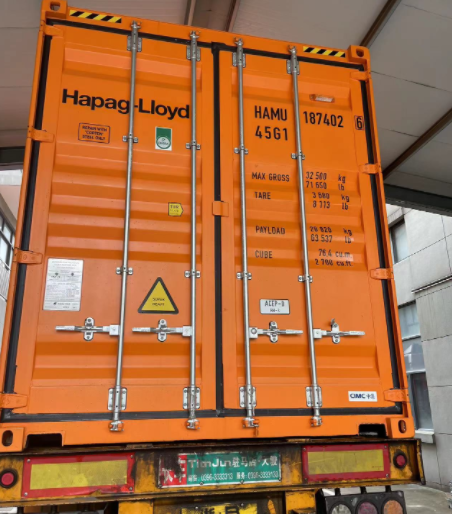
If you are looking for the cost of shipping from China to Nigeria, you are not alone. Thousands of Nigerian importers search for current shipping rates from China every day, and most end up with a quote that looks cheap — until the hidden charges arrive.
Here are the three questions we hear most often:
- Why does my final bill always end up higher than the shipping quote?
- How do I know if sea freight or air freight actually makes sense for my cargo?
- Why is my container stuck at Apapa for two weeks while someone else’s clears in three days?
This guide answers all of them. Based on Dantful International Logistics‘s actual shipment data and customs clearance records from Q2 2026, we break down the shipping cost from China to Nigeria, where the hidden charges hide, and how to avoid the delays that eat into your margin.
Want us to handle the headaches for you? Explore our door-to-door shipping from China to Nigeria.

Shipping from China to Nigeria: May 2026 Market Overview
Trade between China and Nigeria continues to grow, but the logistics landscape in May 2026 has its own quirks you need to know about.
What we are seeing on the ground:
- Current sea freight rates from China have stabilized after the post-CNY volatility. FCL rates from South China are holding steady, but LCL rates are slightly up due to consolidation space tightening.
- The Naira exchange rate remains a moving target. Many importers we work with are shocked when their final clearing bill comes in higher than budgeted because they calculated at an old exchange rate. Nigerian Customs uses the Central Bank of Nigeria (CBN) official rate for duty calculation, and it can shift between the time you ship and the time your cargo arrives.
- Apapa and Tin Can congestion is real, but manageable. The difference between a two-day clearance and a fourteen-day clearance usually comes down to one thing: whether your paperwork (Form M, PAAR, SONCAP) was filed correctly before the vessel arrived.
- Air freight capacity out of Guangzhou (CAN) is tighter than Shanghai (PVG) right now. If you are moving urgent cargo, booking from Shanghai or routing through Hong Kong can save you both money and delays.
How much is sea freight from China to Nigeria (May 2026 Update)
Let us be direct: the sea shipping cost from China to Nigeria is only about 60-70% of your total landed cost. The rest comes from destination charges, duties, and clearing fees. Here is what the port-to-port portion looks like right now.
Current Sea Freight Rates (Updated May 2026)
These are based on Dantful’s confirmed bookings this month. Rates move weekly, so use this as a baseline, not a promise.
| Route | 20ft FCL (USD) | 40ft FCL (USD) | LCL (USD/CBM) | Transit Time (Port to Port) |
|---|---|---|---|---|
| Shanghai → Lagos (Apapa) | $3,100 – $3,450 | $5,200 – $5,800 | $190 – $260 | 38–45 days |
| Shenzhen → Lagos (Apapa) | $3,200 – $3,550 | $5,300 – $5,900 | $200 – $275 | 36–42 days |
| Guangzhou → Lagos (Apapa) | $3,150 – $3,500 | $5,250 – $5,850 | $195 – $265 | 36–42 days |
| Shanghai → Port Harcourt | $3,400 – $3,800 | $5,600 – $6,300 | $220 – $290 | 40–50 days |
How Much Is 1 CBM from China to Nigeria?
If you are shipping LCL, you are probably wondering: how much is 1 CBM from China to Nigeria? Based on the table above, the ocean freight portion alone ranges from $190 to $290 per CBM depending on the origin port. But as we explain below, that is not the full story.
The LCL Trap Most Importers Fall Into
LCL (Less than Container Load) looks cheaper on paper. But here is what our Lagos team sees every week: a client ships 3 CBM via LCL, pays $600 for ocean freight, then gets hit with $400–$700 in destination LCL handling charges at Tin Can. Why? LCL cargo must be de-consolidated at a CFS (Container Freight Station), and those charges are not included in your origin quote.
Our rule of thumb: If your cargo is over 12–15 CBM, FCL is almost always cheaper per unit and simpler to clear. If it is under 5 CBM, LCL is fine, but budget an extra $150–$300/CBM for destination handling.
FOB vs. CIF: Which One Saves You Money?
This is one of the most common questions we get from Nigerian importers.
- FOB (Free On Board): You control the shipping. You choose the freight forwarder. You see every cost line item. We recommend FOB for 90% of our clients.
- CIF (Cost, Insurance, Freight): The supplier arranges shipping. Sounds easier, but Nigerian Customs is skeptical of CIF valuations. We have seen CIF shipments trigger customs re-valuation more often than FOB, adding weeks to clearance. Also, with CIF, you have zero visibility into which carrier is used, and if they drop the cargo at a problematic transshipment port, you are stuck.
How much is air freight from China to Nigeria
Air cargo from China to Nigeria is straightforward: you pay for speed. But even here, route choice matters. If you are asking how much is shipping fee from China to Nigeria per kg, the answer depends on which airport you fly from.
Air Cargo Price per kg from China to Nigeria (May 2026)
| Origin Airport (China) | Destination Airport (Nigeria) | Min. Chargeable Weight | Estimated Cost (USD/kg) | Transit Time (Door to Airport) |
|---|---|---|---|---|
| Guangzhou (CAN) | Lagos (LOS) | 45+ kg | $6.80 – $8.20 | 3–7 days |
| Shanghai (PVG) | Lagos (LOS) | 100+ kg | $6.50 – $7.80 | 3–6 days |
| Shenzhen (SZX) | Abuja (ABV) | 45+ kg | $7.20 – $8.80 | 4–8 days |
When Air Freight Is Actually Cheaper Than Sea Freight
Sounds crazy, right? But we run this calculation for clients regularly. If you are shipping under 150 kg of goods with a high value-to-weight ratio (electronics, phone accessories, fashion items), air freight often wins because:
- You avoid LCL destination handling fees.
- You avoid weeks of inventory holding cost.
- Your goods hit the market faster, improving cash flow.
Example: A client in Lagos importing 80 kg of smartwatch accessories. Sea LCL quote: $420 freight + $380 destination = $800. Air freight quote: $620 ($7.75/kg). Air was cheaper and arrived in 4 days instead of 40.
The real cost of importing: Taxes, duties, and hidden fees
This is where most importers get blindsided. We are going to lay out exactly what Nigerian Customs will charge you, because guessing wrong here can turn a profitable shipment into a loss.
Nigerian Import Tax Structure (2026)
| Charge | Rate / Amount | What You Need to Know |
|---|---|---|
| Customs Duty | 5% – 35% | Depends entirely on your HS Code. Electronics and textiles are on the higher end. |
| VAT | 7.5% | Calculated on (CIF Value + Duty + Surcharge). |
| ETLS/CISS Surcharge | ~1.5% | ECOWAS levy and inspection fees. |
| Terminal Handling (THC) | ₦250,000 – ₦450,000 per container | Set by the terminal operator. Varies by port and container size. |
| Clearing Agency Fees | ₦150,000 – ₦350,000 | A good clearing agent is worth every Naira. A bad one costs you demurrage. |
| SONCAP / PAAR | Variable | Mandatory for regulated products. SONCAP certificate must be obtained before shipment. |
The Three Documents That Will Make or Break Your Clearance
If you remember nothing else from this guide, remember these three:
- Form M: Your bank opens this based on your Proforma Invoice. Without a valid Form M, your cargo cannot clear.
- PAAR (Pre-Arrival Assessment Report): Generated by Nigerian Customs after reviewing your Form M and shipping documents. We recommend submitting for PAAR at least 7 days before vessel arrival.
- SONCAP Certificate: If you are importing electronics, machinery, toys, or any regulated product, you need this before the goods leave China. We handle SONCAP processing for our clients, and the number one mistake we see is suppliers shipping goods without the required certification, leading to seizure or expensive retroactive testing.
Why Your Duty Bill Might Be Higher Than You Calculated
Nigerian Customs uses the HS Code you declare, but they also cross-reference the value you declare against their internal database. If they believe your invoice value is below market rate, they will issue a re-assessment, and you will need to either pay the new valuation or dispute it (which takes time and money). This is why searching for shipping cost from China to Nigeria in Naira can be misleading — the exchange rate used by Customs on the day of clearance may differ from the rate you budgeted weeks earlier.
Our advice: Do not intentionally under-invoice. It is not worth the risk. Instead, make sure your HS Code classification is accurate. A wrong code can move your duty from 10% to 35%.
How long does shipping from China to Nigeria take?
If you are wondering how many days from China to Nigeria by sea, here are the realistic numbers from our Q2 2026 operational data, not the marketing estimates.
Sea Freight Transit Time
| Route | Port-to-Port | Door-to-Door (Realistic) |
|---|---|---|
| Shanghai → Lagos | 38–45 days | 50–65 days |
| Shenzhen/Guangzhou → Lagos | 36–42 days | 48–58 days |
| Shanghai → Port Harcourt | 40–50 days | 55–70 days |
How many days does it take a ship from China to Nigeria in total? The vessel sailing from Shenzhen to Lagos takes roughly 36–42 days port-to-port, but door-to-door you should plan for 48–58 days. Why the gap? Because the vessel arriving at Apapa is only the beginning. Customs inspection queues, PAAR delays, and terminal gridlock routinely add 7–14 days. We have seen well-prepared shipments clear in 3 days and poorly documented ones sit for 3 weeks.
Air Freight Transit Time
- Airport-to-Airport: 3–5 days
- Door-to-Door: 5–10 days (depending on how fast your clearing agent moves at LOS)
So if you need your goods urgently, air cargo from China to Nigeria is your best bet for speed.
How to choose the right shipping method
Instead of generic advice, here is the decision framework we use with our clients in Lagos and Abuja.
Step 1: Calculate your cargo density ratio
Take your total cargo value and divide by the chargeable weight.
- Ratio > $15/kg: Air freight is usually worth it.
- Ratio $5–$15/kg: It depends on urgency. If you need restock in under 3 weeks, fly it.
- Ratio < $5/kg: Sea freight, almost always.
Step 2: Check your volume breakpoint
- < 1 CBM: Express shipping from China to Nigeria (DHL/FedEx) or air freight.
- 1–12 CBM: LCL sea freight, but get a destination handling quote first.
- > 12–15 CBM: FCL sea freight. Do not even look at LCL.
Step 3: Ask yourself about cash flow
Sea freight ties up your capital for 2+ months (production + shipping + clearance). If you are a small business and turning inventory quickly matters more than saving $500 on shipping, air freight might actually improve your overall profitability.
Quick Comparison
| Method | Speed | Cost per kg | Best For |
|---|---|---|---|
| Sea Freight (FCL) | 50+ days | Lowest | Bulk goods, raw materials, furniture |
| Sea Freight (LCL) | 55+ days | Medium | 1–12 CBM, but watch destination fees |
| Air Freight | 5–10 days | High | Electronics, fashion, urgent restock |
| Express Courier | 3–5 days | Very High | Samples, documents, sub-50 kg urgent items |
How to ship from China to Nigeria: The real process
Every blog tells you to “prepare documentation.” Here is what that actually means for a Nigerian importer in 2026.
Phase 1: Before the goods leave China
- Verify SONCAP requirements. Is your product regulated? If yes, start SONCAP certification now. We have seen too many containers held at Lagos because the SONCAP was missing or fake.
- Open your Form M through your bank. Your supplier’s Proforma Invoice must match exactly what will be on the commercial invoice and bill of lading. Any discrepancy triggers a customs flag.
- Choose your Incoterms. We recommend FOB for most Nigerian importers. CIF gives you less control and often leads to valuation disputes.
- Book your shipment. If you are using Dantful, we handle pickup, Chinese export customs, and vessel booking. You get a single point of contact and one invoice.
Phase 2: While the cargo is in transit
- Submit for PAAR as soon as the vessel departs. Do not wait until it arrives at Lagos. The PAAR process can take 3–7 business days, and you want it ready before the ship docks.
- Track your shipment. Ocean tracking is notoriously vague, but a good forwarder will tell you transshipment ports and estimated arrival windows. Ask about transshipment: direct sailings are faster and less risky than multi-stop routes.
Phase 3: Arrival and clearance in Nigeria
- Pay duty and taxes. Your clearing agent will calculate this based on the CIF value, HS Code, and current CBN exchange rate.
- Physical inspection (if selected). Not every container gets opened, but if yours does, having a clearing agent present at the terminal saves time.
- Delivery. Once cleared, arrange trucking from the port to your warehouse. Factor in Lagos traffic for Apapa/Tin Can pick-ups; early morning slots are best.
Choosing a freight forwarder for China-Nigeria shipments
Not every forwarder who advertises “China to Africa” actually understands Nigeria. There are dozens of shipping companies from China to Nigeria, but choosing the right one is not about finding the cheapest shipping company from China to Nigeria — it is about finding one that will not disappear when your container hits a problem at Apapa. Here is what to look for, based on the problems our clients had with their previous forwarders.
Red flags we hear about regularly
- They cannot explain Form M or PAAR. If your forwarder says “that is your clearing agent’s job,” they do not understand Nigeria. These documents are integral to the shipping process.
- Their quote is missing destination charges. A quote that only shows origin costs is useless. Ask for an all-in estimate including THC, clearing, and local delivery.
- No presence or partner in Lagos. When your container is stuck at Apapa and you are getting voicemail in Shenzhen, you have a problem.
- They under-declare values to “save you money.” This is fraud. If customs catches it, you pay penalties and risk seizure. A professional forwarder will not suggest this.
What Dantful does differently
We are not going to give you a feature list. Here is what actually matters:
- We process SONCAP and Form M guidance as part of our service. Not an upsell. Part of the job.
- Our Lagos team clears cargo daily. We know which terminals are congested, which inspections are likely, and how to pre-file to avoid demurrage.
- You get one quote, one invoice, one contact. Origin freight, destination clearance, and delivery are handled under one roof. No finger-pointing when something goes wrong.
- Transparent pricing. We show you the port-to-port rate, the estimated destination charges, and the duty calculation so you can budget accurately.
If you are comparing shipping companies from China to Nigeria, ask each one these four questions before you book. The answers will tell you everything you need to know.
FAQs
Q1: Why is my shipping quote so much lower than what I actually end up paying?
A: Most quotes you see online for cargo shipping from China to Nigeria are port-to-port ocean rates only. They do not include Nigerian terminal handling charges (THC), clearing agency fees, duty, VAT, or inland delivery. A realistic all-in cost for a 20ft container from China to your Lagos warehouse is often 2.5–3x the ocean freight rate after you add duties and destination charges. Always ask for a landed cost estimate, not just a shipping quote.
Q2: Do I really need SONCAP for every product?
A: No, but you need it for all regulated products. This includes electronics, machinery, automotive parts, toys, and certain chemicals. The full list is managed by the Standards Organisation of Nigeria (SON). If you are unsure, send us your product description and HS Code before you ship, and we will confirm. Shipping without a required SONCAP certificate can result in seizure or mandatory (expensive) laboratory testing in Lagos.
Q3: What is the cheapest way to ship a small package or sample from China to Nigeria?
A: For anything under 30 kg, express shipping from China to Nigeria via DHL/FedEx/UPS is usually the simplest and sometimes the cheapest when you factor in the hassle of customs formalities. Express shipping cost from China to Lagos is typically higher than standard air freight, but you avoid clearing agent fees and terminal charges since the courier handles customs directly. For 30–150 kg, compare air freight vs. express. For 150 kg+, sea freight becomes competitive, but remember the destination LCL charges we mentioned earlier.
If you are specifically looking for the cheapest shipping from China to Nigeria overall, LCL sea freight usually wins on a per-kg basis for cargo between 150 kg and 1,000 kg. Above that, FCL is hard to beat.
Q4: How can I avoid my cargo getting stuck at Lagos port?
A: Three things: (1) File your Form M correctly before shipment. (2) Apply for PAAR as soon as the vessel sails, not when it arrives. (3) Use a clearing agent who physically goes to the terminal. “Remote” clearing agents who just make phone calls are the main reason cargo sits for weeks. Our Lagos team clears containers in person.
Q5: How much does it cost to ship a 20ft container from China to Nigeria?
A: As of May 2026, the ocean freight portion ranges from $3,100 to $3,800 depending on the origin port. However, your total cost will include Nigerian THC (~₦250,000–₦450,000), clearing fees (~₦150,000–₦350,000), customs duty (5–35% depending on HS Code), and 7.5% VAT. For a realistic landed cost calculation, contact us with your cargo details.
Q6: How much is 1kg of goods from China to Nigeria?
A: If you are shipping by air, $6.50–$8.80 per kg depending on the route and minimum chargeable weight. If you are shipping by sea, it depends on your total volume. For LCL, divide your total freight cost by the chargeable weight. For example, if you ship 100 kg (0.1 CBM) via LCL at $220/CBM, your effective rate is $2.20/kg — but remember to add destination handling charges in Lagos.
Q7: How to calculate shipping fee from China to Nigeria?
A: Add four components: (1) Origin freight (ocean or air rate from China port/airport). (2) Destination charges (THC, clearing agent, local delivery in Nigeria). (3) Customs duties and taxes (duty + 7.5% VAT + ETLS). (4) Documentation costs (Form M, PAAR, SONCAP if applicable). Most online calculators only show component 1, which is why your real cost ends up 2–3x higher. Send us your cargo details and we will calculate all four for you.
Q8: How do I import goods from China to Nigeria as a beginner?
A: Start with these five steps: (1) Find a reliable supplier and get a Proforma Invoice. (2) Open a Form M through your Nigerian bank. (3) Check if your product needs SONCAP. (4) Book shipping from China to Nigeria with a forwarder who handles both origin and destination. (5) Submit for PAAR before the vessel arrives. If this sounds overwhelming, a full-service freight forwarder from China to Nigeria like Dantful can guide you through each step.
Ready to get a real quote with real numbers? Contact Dantful International Logistics and tell us what you are shipping. We will give you a landed cost estimate, not just a freight rate.

Young Chiu is a seasoned logistics expert with over 15 years of experience in international freight forwarding and supply chain management. As CEO of Dantful International Logistics, Young is dedicated to providing valuable insights and practical advice to businesses navigating the complexities of global shipping.