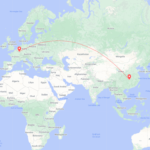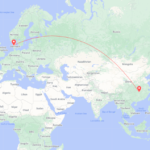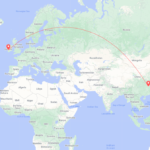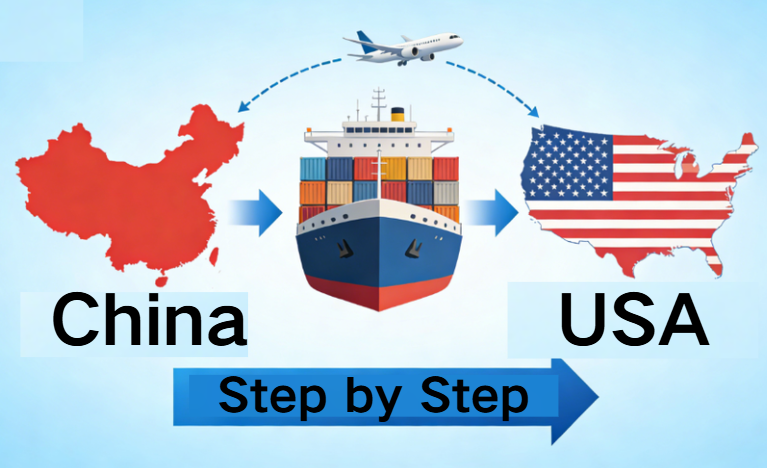
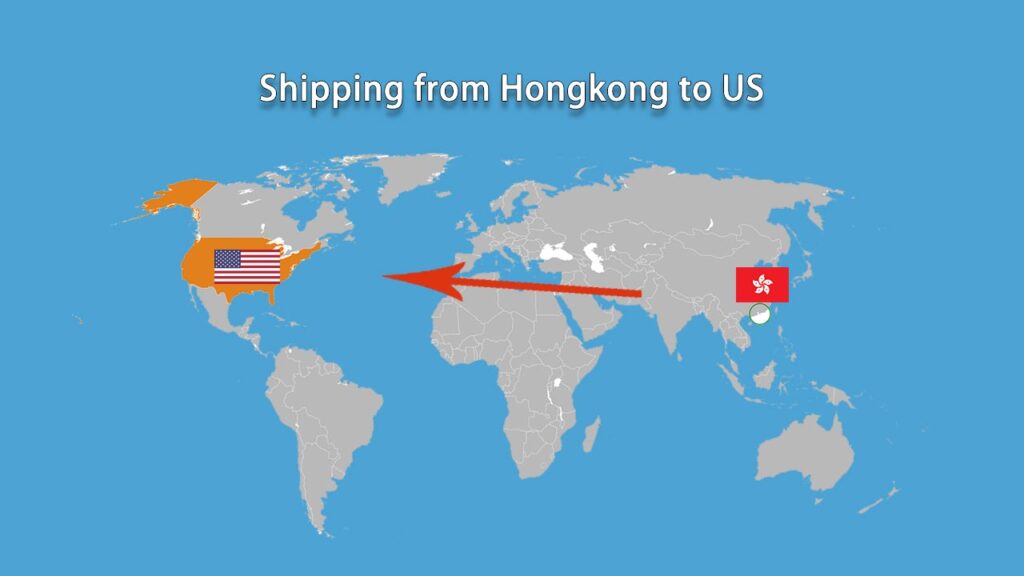
Shipping from Hong Kong to the USA is a critical component for both businesses and individual importers. Hong Kong is one of the world’s most significant trading hubs due to its strategic location, advanced infrastructure, and free trade policies. Consequently, many American businesses source products from Hong Kong, making efficient and reliable shipping solutions essential for maintaining smooth supply chains.
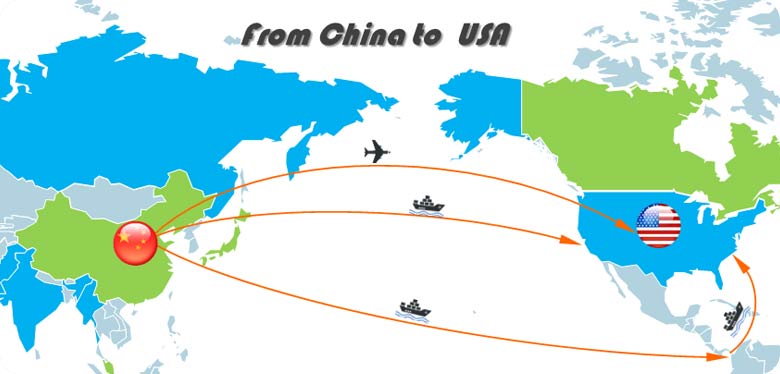
This comprehensive guide will explore the various shipping options available for transporting goods from Hong Kong to the USA. We will delve into air freight, sea freight, and courier services, comparing their pros and cons and identifying the best use cases for each.
Understanding Shipping Options
A. Air Freight
1. Pros and Cons
Air freight is known for its speed and reliability, making it an attractive option for urgent shipments. The primary advantages include:
- Speed: Delivery times range from 3 to 7 days.
- Reliability: Lower risk of damage and delays compared to sea freight.
- Global Reach: Capable of reaching remote or landlocked destinations.
However, air freight comes with its drawbacks:
- Cost: Generally more expensive than sea freight, especially for heavy or bulky items.
- Capacity Restrictions: Limited space can be a constraint for large shipments.
B. Sea Freight
1. Pros and Cons
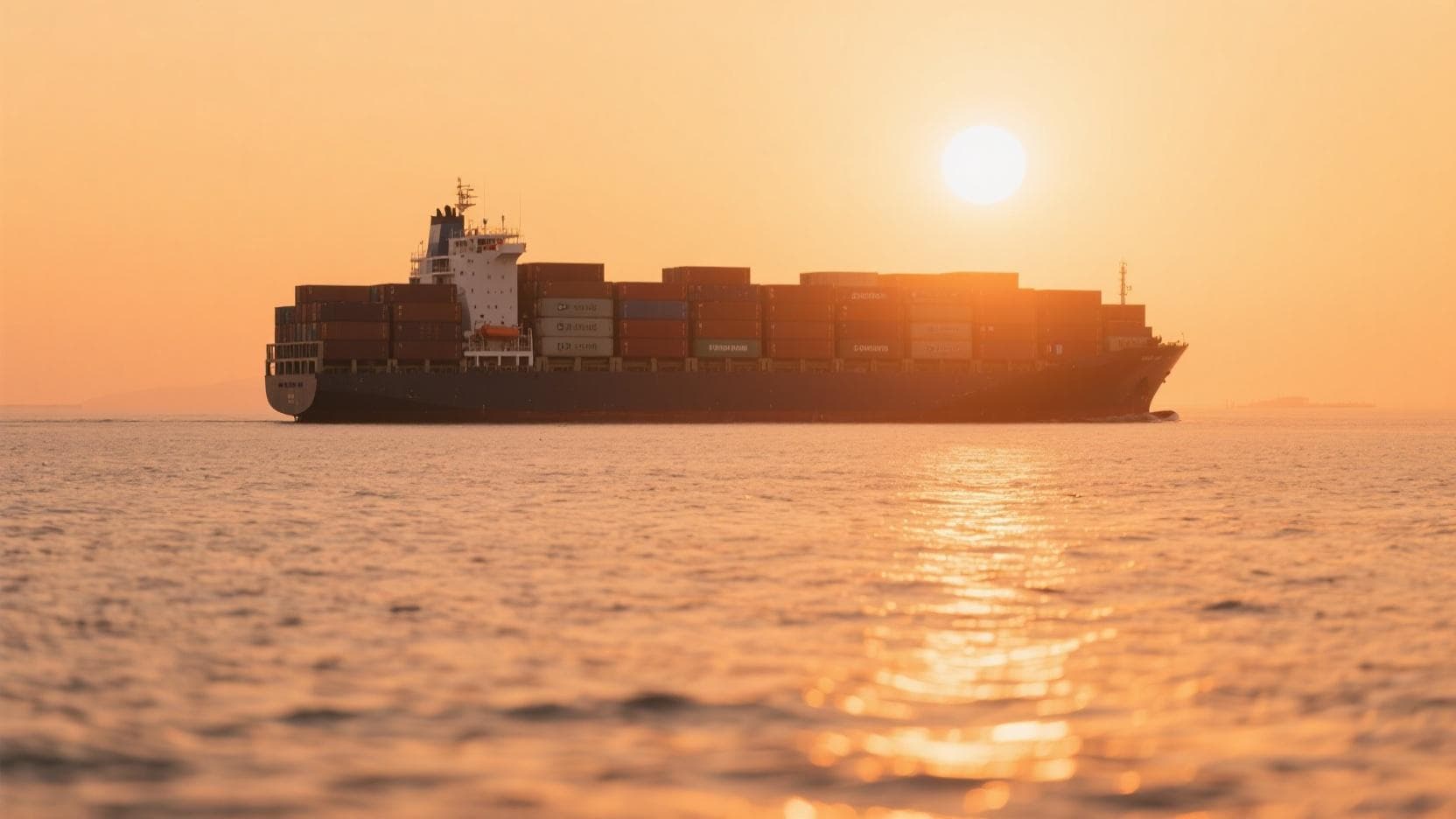
Sea freight is a popular choice for shipping large volumes of goods due to its cost-efficiency. The main advantages include:
- Cost: More economical for heavy or bulky items.
- Capacity: Can handle large and oversized shipments.
- Environmental Impact: Lower carbon footprint per unit of cargo compared to air freight.
However, it also has some disadvantages:
- Speed: Longer transit times, typically ranging from 2 to 4 weeks.
- Risk: Higher risk of damage or loss due to handling and longer transit.
C. Courier Services
1. Pros and Cons
Courier services offer door-to-door delivery with convenience and speed. The main advantages are:
- Speed: Fast delivery times, typically between 2 to 5 days.
- Convenience: Door-to-door service simplifies logistics.
- Tracking: Robust tracking systems for real-time updates.
The primary disadvantages include:
- Cost: Generally the most expensive shipping option.
- Limited Size: Not suitable for very large or heavy shipments.
Major courier service providers include:
- DHL Express
- FedEx
- UPS
- TNT Express
Read More:
- Shipping Durations from China to the USA: What Every American Importer Needs to Know
- Navigating the Costs of Shipping a 40ft Container from China to the USA
- Navigating the Seas: Shipping from Shenzhen, China to the USA
- How much does it cost to ship from China to USA?
- Shipping from China ShangHai to USA
Shipping Costs from Hong Kong to the USA(2025 Updated)
Shipping costs from Hong Kong to the United States can vary significantly depending on the mode of transport, cargo size and weight, urgency, and destination. Here’s a professional breakdown of current typical rates, main influencing factors, and service options for global importers.
1. Air Freight (Standard and Express)
Air freight is the optimal solution for shipments requiring speed, with regular cargo and express services available. Hong Kong International Airport is one of the world’s busiest air cargo hubs, supporting highly frequent flights to major U.S. gateways including Los Angeles, Chicago, and New York.
| Service Type | Typical Transit Time | Rate (per kg, 2025) | Suitability |
|---|---|---|---|
| Standard Air Freight | 3–7 days | $4–$8 USD | Heavy/urgent freight (over 100kg) |
| Express Air Freight | 2–5 days | $8–$12 USD | Small, high-value or urgent parcels |
| Consolidated Air | 4–8 days | $3–$6 USD | Lighter cargo, shared service |
Key Tip: Rates fluctuate with fuel prices, seasonal demand, and cargo dimensions. For a custom quote, contact Dantful International Logistics.
2. Sea Freight
a. Full Container Load (FCL)
The most cost-effective way for high-volume shipments. Hong Kong’s major container terminals offer sailings to all biggest ports in the US, including Los Angeles, Long Beach, New York and Savannah.
| Container Type | Typical Transit Time | Estimated Rate (2025) | Notes |
|---|---|---|---|
| 20’ FCL | 16–24 days | $2,000–$3,200 USD | Capacity:~28 CBM, 20,000kg |
| 40’ FCL | 16–24 days | $2,900–$4,200 USD | Capacity:~58 CBM, 27,000kg |
b. Less than Container Load (LCL)
Ideal for small shipments that don’t fill a container. LCL rates are calculated by volume (CBM).
| LCL Volume | Typical Rate per CBM (2025) | Notes |
|---|---|---|
| 2–5 CBM | $70–$130 USD/CBM | Consolidated, slower than FCL |
Note: Rates may change due to port congestion, container shortages, or seasonal trends. To get an accurate rate for your cargo, visit our page on container shipping costs from China to USA.
3. Courier Express Shipping
Major international couriers such as DHL, FedEx, UPS, and TNT offer fast, reliable door-to-door delivery—especially useful for parcels under 100 kg.
| Weight Bracket | Typical Rate (2025) | Transit Time | Notes |
|---|---|---|---|
| <5 kg | $35–$55 USD | 2–4 days | Per shipment |
| 5–20 kg | $10–$22 USD/kg | 2–5 days | Heavier is cheaper/kg |
| 21–70 kg | $7–$13 USD/kg | 2–5 days | Volume discounts often apply |
4. Door-to-Door Shipping (Including DDP)
For many businesses, all-inclusive door-to-door shipping is the most convenient, covering pickup, customs clearance, shipping, and delivery at your specified U.S. location. The DDP (Delivered Duty Paid) service ensures the seller covers all costs including import taxes.
| Service Type | Applicable Mode | Price Reference (2025) | Key Features |
|---|---|---|---|
| DDP Air | Air, Express | $7–$12 USD/kg (incl. duties) | All inclusive, fast, for samples/small lots |
| DDP Sea | FCL, LCL | $100–$250 USD/CBM (LCL, all-in) | Inclusive, best for larger, low-urgency |
For tailored DDP solutions, consult Dantful’s Door to Door Shipping experts.
5. Comparison Table: Shipping Costs Overview
| Mode | Best For | Transit Time | Cost Reference | Link for More Details |
|---|---|---|---|---|
| Standard Air Freight | 100kg+ urgent cargo | 3–7 days | $4–$8 USD/kg | Air Freight from China to USA |
| Express Courier | <100kg, fastest delivery | 2–5 days | $7–$22 USD/kg | Fedex Rates |
| Sea Freight FCL | Full containers, bulk cargo | 16–24 days | $2,000–$4,200 USD | FCL Costs |
| Sea Freight LCL | Small shipments, cost saver | 20–30 days | $70–$130 USD/CBM | LCL Guide |
| DDP Door to Door | Hassle-free, all-in-one | 7–30 days | $7–$12 USD/kg (air); $100–$250 USD/CBM (sea) | DDP Service |
Factors Influencing Cost
Understanding the factors that influence shipping costs can help in budgeting and optimizing your logistics strategy. Key factors include:
1. Weight and Volume
Shipping costs are often calculated based on the weight and volume of the cargo. Heavier and bulkier items incur higher charges, especially in air freight.
2. Shipping Method
The choice of shipping method (air, sea, or courier) significantly impacts the cost. Air freight and courier services are generally more expensive than sea freight.
3. Distance and Routes
The distance between the origin and destination, along with the specific shipping routes, affects transportation costs. Direct routes may cost more but offer faster delivery times.
C. Tips to Minimize Costs
To minimize shipping costs, consider the following strategies:
- Optimize Packaging: Use efficient packaging to reduce volume and weight.
- Plan Ahead: Avoid last-minute shipments to benefit from lower rates.
- Consolidate Shipments: Combine multiple shipments into one to take advantage of bulk rates.
- Negotiate Rates: Work with freight forwarders to negotiate better rates based on your shipping volume.
- Choose the Right Shipping Method: Match your shipping method to the nature of your cargo and your budget constraints.
Read More:
- Navigating the Costs of Shipping a 40ft Container from China to the USA
- How much does it cost to ship from China to USA?
- Shipping cost from China to USA Amazon FBA
- Freight cost from China to USA
- Cost to ship a pallet from China to USA
Customs and Regulations
A. Import Duties and Taxes
When shipping goods from Hong Kong to the USA, it is crucial to understand the import duties and taxes that apply. These charges can significantly impact your overall costs and must be factored into your budget.
- Customs Duty: The USA imposes customs duties based on the Harmonized Tariff Schedule (HTS). The duty rates vary depending on the product type, value, and country of origin.
- Value-Added Tax (VAT): While the USA does not impose a VAT, sales tax may apply based on the state where the goods are being delivered.
- Excise Taxes: Certain products, such as alcohol and tobacco, are subject to additional excise taxes.
B. Required Documentation
Proper documentation is essential for smooth customs clearance. The following documents are typically required:
- Bill of Lading (B/L): A document issued by the carrier acknowledging receipt of the cargo.
- Commercial Invoice: A detailed invoice from the seller to the buyer, listing the goods and their value.
- Packing List: A document detailing the contents of each package in the shipment.
- Importer Security Filing (ISF): Required for ocean shipments, this filing provides detailed information about the cargo to U.S. Customs and Border Protection (CBP).
C. Compliance with USA Regulations
To avoid delays and penalties, ensure your shipment complies with all relevant USA regulations:
- Product Restrictions: Certain products, such as hazardous materials and restricted items, have specific import requirements.
- Safety Standards: Products must meet U.S. safety standards, including those set by the Consumer Product Safety Commission (CPSC).
- Labeling Requirements: Ensure proper labeling, including country of origin, material content, and any required warnings.
Choosing a Freight Forwarder
A. Why Use a Freight Forwarder?
A freight forwarder can simplify the complex process of shipping goods from Hong Kong to the USA. They offer expertise in logistics, customs clearance, and transportation, ensuring a seamless experience.
- Logistics Management: Coordinating various aspects of the shipping process.
- Customs Expertise: Navigating complex customs regulations.
- Cost Efficiency: Leveraging relationships with carriers to secure competitive rates.
B. Key Criteria for Selection
When choosing a freight forwarder, consider the following criteria:
1. Experience and Reputation
Select a forwarder with a proven track record and extensive experience in shipping between Hong Kong and the USA. Check for industry certifications and memberships in reputable organizations.
2. Range of Services
Ensure the forwarder offers a comprehensive range of services, including air and sea freight, customs clearance, warehousing, and distribution.
3. Customer Reviews and Testimonials
Look for positive customer reviews and testimonials. Reliable forwarders will have a history of satisfied clients and successful shipments.
C. Recommended Freight Forwarders for Hong Kong to USA

Selecting the right freight forwarder is crucial for a seamless shipping experience from Hong Kong to the USA. Among the many options available, Dantful International Logistics stands out as a highly professional, cost-effective, and high-quality, one-stop international logistics service provider for global traders.
Read More:
- Shpping From China TO UNITED STATES
- Shipping From China TO CANADA
- Shipping from China to Saudi Arabia 2025
Shipping Timeline and Process
A. Typical Timeline
Understanding the typical timeline for shipping from Hong Kong to the USA can help you plan effectively. Here’s a general overview:
- Air Freight: 3-7 days
- Sea Freight: 2-4 weeks
- Courier Service: 2-5 days
B. Step-by-Step Process
Shipping goods from Hong Kong to the USA involves several critical steps. Here’s a detailed breakdown:
1. Booking
- Select a Carrier: Choose a suitable carrier based on your requirements.
- Prepare Documentation: Ensure all necessary documents are ready, including the Bill of Lading, Commercial Invoice, and Packing List.
- Schedule Pickup: Arrange for the carrier to pick up your shipment.
2. Handling and Packaging
- Packaging: Use appropriate packaging materials to protect your goods during transit.
- Labeling: Clearly label each package with the destination address, contact information, and any required handling instructions.
3. Customs Clearance
- Submission of Documents: Submit all required documents to U.S. Customs and Border Protection (CBP).
- Inspection: Your shipment may be subject to inspection by customs authorities.
- Payment of Duties and Taxes: Pay any applicable duties and taxes to clear your shipment.
4. Transportation and Delivery
- Transportation: Once cleared by customs, your shipment will be transported to its final destination.
- Delivery: Arrange for last-mile delivery to the recipient’s address.
Understanding and following these steps ensures a smooth shipping process and timely delivery of your goods.
Common Challenges and How to Overcome Them
Shipping from Hong Kong to the USA can present several challenges. Being prepared for these potential issues will help you mitigate risks and ensure a smoother shipping process.
A. Delays
1. Causes of Delays
- Customs Inspections: Random checks or issues with documentation can lead to delays.
- Weather Conditions: Severe weather can disrupt transport schedules.
- Congestion: Ports and airports may experience congestion, especially during peak seasons.
2. Mitigation Strategies
- Proper Documentation: Ensure all paperwork is accurate and complete.
- Advanced Planning: Plan shipments well in advance, especially during busy periods.
- Choose Reliable Partners: Work with reputable freight forwarders and carriers known for their reliability.
B. Lost or Damaged Goods
1. Causes of Loss or Damage
- Handling Errors: Mistakes during loading and unloading.
- Poor Packaging: Inadequate packaging can lead to damage during transit.
- Theft: Cargo theft is a risk, particularly for high-value goods.
2. Mitigation Strategies
- Secure Packaging: Use high-quality packaging materials and methods.
- Insurance: Invest in comprehensive cargo insurance to cover potential losses.
- Trusted Partners: Collaborate with trustworthy and experienced logistics providers.
C. Customs Issues
1. Common Issues
- Incomplete Declarations: Missing or inaccurate information in customs declarations.
- Non-Compliance: Failure to meet U.S. import regulations.
- Delays in Duty Payment: Delay in paying applicable duties and taxes.
2. Mitigation Strategies
- Hire a Customs Broker: A professional broker can ensure compliance and handle customs paperwork.
- Stay Updated: Keep abreast of current U.S. import regulations.
- Prompt Payment: Ensure timely payment of duties and taxes.
D. Tips for Mitigation
- Regular Communication: Maintain open lines of communication with all parties involved, including your freight forwarder, carrier, and customs broker.
- Track Shipments: Use advanced tracking systems to monitor the status of your shipment in real-time.
- Plan for Contingencies: Have a backup plan in place in case of unexpected delays or issues.
Additional Resources
A. Links to Relevant Articles and Guides
- Understanding Import Duties and Taxes in the USA
- Guide to Shipping Terms and Documentation
- Best Practices for Importing Goods
FAQs
What is the fastest shipping method from Hong Kong to the USA?
The fastest method is air freight, with typical delivery times ranging from 3 to 7 days.
How can I reduce shipping costs?
You can reduce costs by optimizing packaging, consolidating shipments, planning ahead, and negotiating rates with freight forwarders.
What documents are required for customs clearance?
Common documents include the Bill of Lading, Commercial Invoice, Packing List, and Importer Security Filing (ISF).
What is the cheapest way to ship from Hong Kong to the USA?
The cheapest way to ship from Hong Kong to the USA for bulk or heavy goods is ocean freight, while for smaller, less urgent packages, consolidated air freight or postal services can be cost-effective.
How much does it cost to ship to Hong Kong from the USA?
The cost to ship to Hong Kong from the USA depends heavily on cargo size, weight, and shipping method, with a 20-foot container via ocean freight typically ranging from $2,000 to $3,500 USD in 2025.
Are there import duties from Hong Kong to the USA?
Yes, import duties from Hong Kong to the USA are generally applicable, largely following the same tariff schedules as goods from mainland China, contingent on product type and current U.S. trade regulations.

Young Chiu is a seasoned logistics expert with over 15 years of experience in international freight forwarding and supply chain management. As CEO of Dantful International Logistics, Young is dedicated to providing valuable insights and practical advice to businesses navigating the complexities of global shipping.