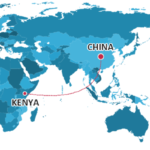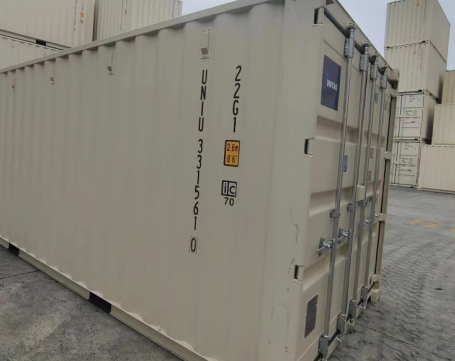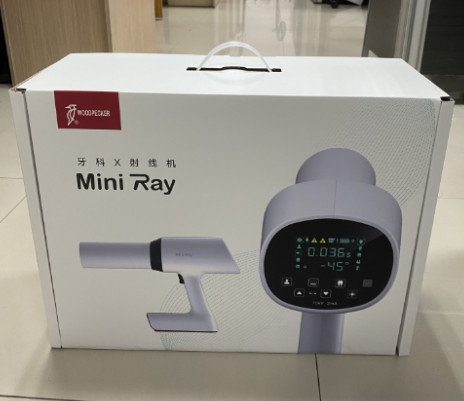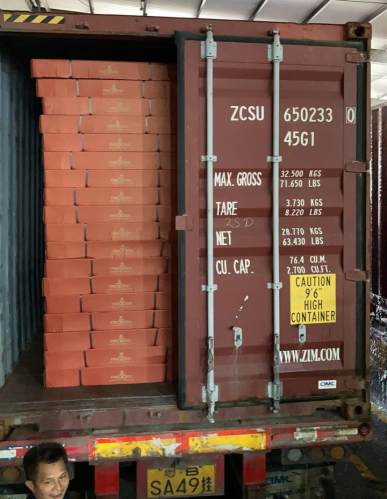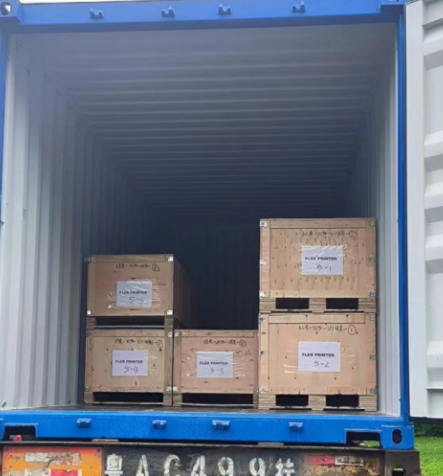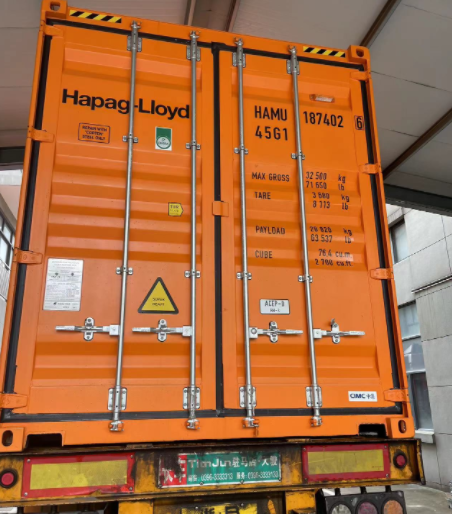
Are you wondering how to efficiently handle shipping machinery from China to Kenya while minimizing costs and avoiding delays? Navigating the complexities of air freight, containerized shipping, customs clearance, Incoterms, and choosing the right route can be overwhelming. In this comprehensive guide, we’ll break down everything you need to know about shipping heavy equipment—from estimated costs and transit times, to customs duties and selecting a reliable freight forwarder—for a seamless delivery to Kenya.

Air freight Machinery from China to Kenya
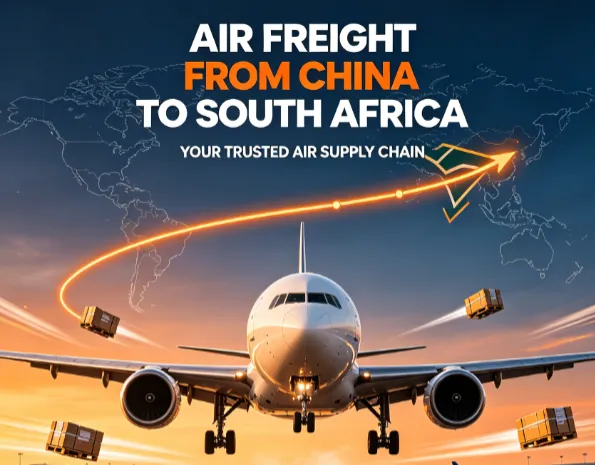
Air freight is a preferred logistics solution for businesses requiring rapid delivery of high-value or time-sensitive machinery from China to Kenya. As the CEO of Dantful International Logistics with over 15 years of hands-on experience, I have observed continuous growth in demand for air shipping, particularly for sectors like construction, manufacturing, and mining.
Why Choose Air Freight for Machinery?
- Speed: Air shipping reduces transit time from weeks to just a few days, ensuring minimal disruption to your project timelines.
- Security: Airports maintain stringent security protocols, reducing the risk of theft or damage to expensive equipment.
- Reliability: Fixed schedules and frequent flights between major Chinese and Kenyan airports (such as Guangzhou Baiyun International Airport and Jomo Kenyatta International Airport) ensure timely delivery.
- Suitable for High-Value or Fragile Items: Air freight is ideal for machinery that is compact, sensitive, or urgently needed.
Key Air Freight Hubs
| Origin Airport in China | Destination Airport in Kenya | Typical Direct Routes |
|---|---|---|
| Guangzhou Baiyun International Airport (CAN) | Jomo Kenyatta International Airport (NBO) | Direct/Transshipment via Middle East |
| Shanghai Pudong International Airport (PVG) | Jomo Kenyatta International Airport (NBO) | Direct/Transshipment via Dubai/Doha |
| Beijing Capital International Airport (PEK) | Jomo Kenyatta International Airport (NBO) | One-Stop via Istanbul, Addis Ababa |
Cargo Aircraft & Service Options
- Standard Air Freight – Suitable for general cargo with regular departures.
- Charter Services – For oversized or urgent shipments.
- Door-to-Door – End-to-end service including pickup, customs, and final delivery.
As an extension, for those interested in comprehensive door-to-door shipping from China to Kenya, you can explore detailed process breakdowns and cost considerations here.
Weight & Size Considerations
- Most airlines accept machinery shipments up to 3000 kg per package. For out-of-gauge cargo (oversized), special handling and prior arrangement are required.
- Air freight is calculated based on chargeable weight (whichever is higher between gross weight and volumetric weight).
Pro Tip: Always confirm packing specifications and weight/size limits with your freight forwarder to avoid last-minute adjustments or delays.
Estimated Shipping Costs from China to Kenya
Shipping costs are a critical factor when planning machinery imports. Current rates fluctuate based on seasonality, fuel surcharges, cargo dimensions, and service levels. Below is a current overview for both air and sea freight options, based on market averages as of Q4 2025.
1. Air Freight Cost Estimates
| Route (China → Kenya) | 100kg (USD) | 500kg (USD) | 1000kg (USD) | Transit Time |
|---|---|---|---|---|
| Guangzhou → Nairobi | $6.70/kg | $5.30/kg | $4.80/kg | 3-5 days |
| Shanghai → Nairobi | $7.00/kg | $5.60/kg | $5.10/kg | 4-6 days |
| Beijing → Nairobi | $7.20/kg | $5.80/kg | $5.30/kg | 4-7 days |
Notes: Prices include fuel surcharges but exclude origin/destination handling, customs, and local delivery. Oversized or special handling machinery may incur extra charges.
2. Sea Freight Cost Estimates (for comparison)
| Container Type | Shanghai → Mombasa Port (USD) | Shenzhen → Mombasa Port (USD) | Transit Time |
|---|---|---|---|
| 20FT FCL | $2,200 – $2,800 | $2,100 – $2,700 | 24-28 days |
| 40FT FCL | $4,000 – $4,900 | $3,900 – $4,800 | 24-28 days |
| LCL (per CBM) | $90 – $150 | $85 – $140 | 24-28 days |
Estimates exclude destination port fees, customs duties, VAT, and last-mile delivery.
For a broader overview of current shipping rates from China to Kenya and influencing factors, you may want to review recent market data and trends.
Cost Influencing Factors
- Destination: Rates to Mombasa Port may differ from delivery to inland sites like Nairobi ICD due to additional trucking.
- Type and Size of Machinery: Heavy, oversized, or hazardous equipment may attract surcharges.
- Seasonal Demand: Shipping rates can spike during peak seasons (e.g., pre-holiday, project launches).
- Service Options: Door-to-door, insurance, and warehousing add to the overall cost.
Cost Optimization Tips
- Consolidate Shipments: Grouping machinery in a single shipment or using LCL can save on per-unit cost.
- Book in Advance: Early planning secures better rates, especially for bulky equipment.
- Seek Professional Guidance: Working with an experienced freight forwarder like Dantful International Logistics ensures accurate quotation and cost control, minimizing the risk of hidden charges.
In summary, whether you choose air or sea freight for your machinery, understanding the cost structure and transit times is vital for efficient project planning. Dantful International Logistics provides transparent, reliable, and cost-effective solutions for shipping machinery from China to Kenya, covering every step from origin to destination. For personalized quotations or further consultation, feel free to contact our team of experts.
Transit Times to Mombasa and Nairobi ICD
When shipping machinery from China to Kenya, accurate knowledge of transit times is crucial for planning your supply chain, project implementation, and inventory management. The two primary Kenyan destinations for international cargo are the Port of Mombasa (sea freight) and the Nairobi Inland Container Depot (ICD), which serves as the main logistics hub for inland Kenya including the capital city.
Sea Freight Transit Times (FCL & LCL)
Transit times can vary widely depending on the port of origin in China, the shipping line, chosen routing, and whether the cargo is Full Container Load (FCL) or Less than Container Load (LCL). Below is a table with average port-to-port shipping times as of 2025:
| Origin Port in China | Destination Port in Kenya | Transit Time (FCL) | Transit Time (LCL) |
|---|---|---|---|
| Shanghai | Mombasa | 24–28 days | 28–35 days |
| Shenzhen (Yantian/Shekou) | Mombasa | 22–26 days | 26–33 days |
| Ningbo | Mombasa | 25–29 days | 29–36 days |
| Guangzhou | Mombasa | 22–26 days | 26–33 days |
| Qingdao | Mombasa | 27–32 days | 31–38 days |
Note: LCL shipments may take longer due to the need for consolidation and deconsolidation at origin and destination warehouses.
For detailed comparisons of FCL and LCL shipping options and which is best for your project, see our in-depth guide.
Inland Transit: Mombasa to Nairobi ICD
After arrival at the Port of Mombasa, machinery destined for Nairobi or upcountry locations is typically transported by the Standard Gauge Railway (SGR) to the Nairobi Inland Container Depot (ICD).
| Leg | Typical Duration |
|---|---|
| Mombasa port clearance | 2–6 days* |
| SGR rail transit to Nairobi ICD | 1–2 days |
| Final customs clearance at ICD | 1–3 days |
*Delays may occur during peak seasons or if documentation is incomplete.
Air Freight Transit Times
For urgent shipments, air freight is the fastest option from China to Kenya.
| Origin Airport in China | Destination Airport in Kenya | Typical Transit Time (Direct) | With Transshipment |
|---|---|---|---|
| Shanghai Pudong (PVG) | Nairobi Jomo Kenyatta (NBO) | 1–3 days | 3–7 days |
| Guangzhou (CAN) | Nairobi (NBO) | 1–3 days | 3–7 days |
| Shenzhen (SZX) | Nairobi (NBO) | 1–3 days | 3–7 days |
Summary:
- Sea freight is cost-effective for large or heavy machinery, with FCL being faster and more reliable than LCL.
- Air freight is ideal for urgent, high-value, or smaller machinery, offering delivery within a few days.
Popular Routes and Ports
Understanding the common shipping routes and major ports is essential for optimizing cost, transit time, and reliability when shipping machinery from China to Kenya.
Major Origin Ports in China
Machinery exports typically depart from the following main Chinese ports:
- Shanghai Port: The world’s largest port, highly efficient for all types of cargo.
- Shenzhen Port (Yantian/Shekou): Major gateway for South China’s industrial base.
- Guangzhou (Nansha) Port: Ideal for machinery from the Pearl River Delta.
- Ningbo Port: Well-connected for East China manufacturers.
- Qingdao Port: Preferred for North and Northeast China exporters.
- Tianjin Port: Best suited for shipments originating near Beijing and Northern China.
Destination Ports in Kenya
- Mombasa Port: The principal seaport of Kenya and the entire East African region; all sea freight consignments are cleared here.
- Nairobi ICD: Inland dry port connected directly to Mombasa by rail, facilitating efficient cargo movement to inland destinations.
Sea Freight Routes
Most ocean carriers operate the following common routes:
- China (East/South Ports) → Singapore/Colombo (Transshipment) → Mombasa
- China (Direct) → Mombasa (some carriers offer direct or express services, but often via Southeast Asia for consolidation)
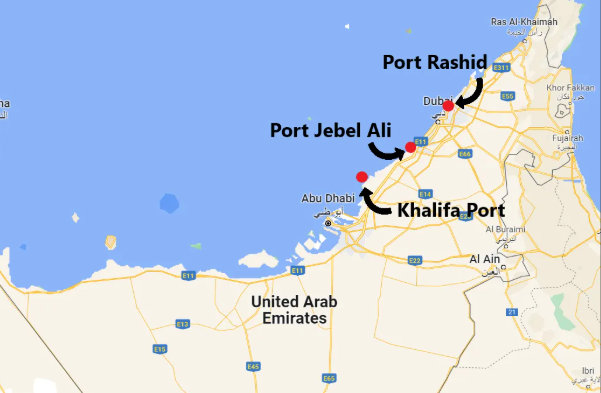
- China → Malaysia (Port Klang) / Middle East (Jebel Ali) → Mombasa
Transshipment at major Asian hubs like Singapore or Colombo is common, especially for LCL shipments.
If you are looking to expand your reach to surrounding regions, such as shipping from China to Tanzania, similar sea freight routes and port considerations apply.
Air Freight Routes
- Direct flights from Shanghai, Guangzhou, or Hong Kong to Nairobi (NBO).
- Indirect flights may transit via Dubai, Addis Ababa, or Istanbul.
Inland Logistics
- From Mombasa, machinery can be trucked or moved via SGR rail to major inland destinations.
- Nairobi ICD serves as the central inland receiving point for industrial equipment and project cargo.
Why Route and Port Selection Matters
- Origin port proximity reduces domestic trucking costs and time.
- Congestion at certain ports can impact overall lead time; Shanghai and Shenzhen are generally efficient but may face peak season slowdowns.
- SGR rail from Mombasa to Nairobi offers reliable and secure inland transit for high-value machinery.
Choosing the Optimal Route
Working with a professional freight forwarder like Dantful International Logistics ensures you select the most efficient and cost-effective route based on:
- Type and size of machinery
- Required transit time
- Budget constraints
- Customs and handling considerations
As a highly experienced and reliable logistics provider, Dantful Logistics offers complete solutions including Sea Freight, Air Freight, customs clearance, insurance, and door-to-door delivery tailored to the unique requirements of shipping machinery from China to Kenya.
FCL, LCL, Flat Rack, Open Top, and Breakbulk for Heavy Equipment
When shipping heavy machinery from China to Kenya, selecting the right shipping method is critical for cost efficiency, safety, and timely delivery. Below, I analyze the most common international freight options for heavy equipment, highlighting their applications, strengths, and limitations.
FCL (Full Container Load)
FCL is ideal for shippers with large volumes of machinery or equipment that can be safely loaded into standard containers. This method offers exclusive use of a container (20FT, 40FT, 40HQ, or 45HQ), ensuring better security, reduced handling, and lower risk of damage.
| Container Type | Capacity (CBM) | Typical Use Cases |
|---|---|---|
| 20FT | 28 CBM | Small to medium machinery |
| 40FT | 56 CBM | Larger or multiple units |
| 40HQ | 68 CBM | Bulky, lighter equipment |
| 45HQ | 78 CBM | Maximum volume shipments |
Advantages:
- Lower cost per unit for bulk shipments.
- Minimizes exposure to loss, theft, or contamination.
- Flexible loading schedule.
Limitations:
- Not suitable for out-of-gauge cargo exceeding container dimensions.
For a deeper dive into the advantages of using FCL or LCL, reference LCL vs FCL Shipping: How to Choose the Right Option for Small Cargo.
LCL (Less than Container Load)
LCL is suitable for shippers with smaller volumes that do not fill a full container. Multiple consignees’ cargoes are consolidated in one container, making this option cost-effective for single machinery units or spare parts.
Advantages:
- Pay only for the volume you use.
- Frequent sailings.
Limitations:
- More handling, resulting in slightly higher risk of damage.
- Longer transit time due to consolidation/deconsolidation.
Flat Rack Containers
Flat rack containers are designed for oversized machinery that cannot fit into standard containers due to width, height, or weight. Machinery is often loaded and secured with lashing and bracing.
Applications:
- Excavators, bulldozers, cranes, and other out-of-gauge equipment.
Advantages:
- Handles weights up to 40–50 tons (depending on carrier).
- Open sides allow for forklift or crane loading.
Limitations:
- Requires additional securing and weather protection.
- Higher shipping costs due to special handling.
Open Top Containers
Open top containers are suitable for cargo that is too tall to fit inside a standard container but not necessarily wide. The top is covered with tarpaulin after loading.
Applications:
- Tall machinery, irregularly shaped equipment.
Advantages:
- Allows top-loading by crane.
- Flexible for tall units.
Limitations:
- Exposure to weather if not properly covered.
- Limited availability.
Breakbulk Shipping
Breakbulk refers to shipping machinery as individual pieces or units, not in containers. This is essential for extremely large or heavy items exceeding container or flat rack limits.
Applications:
- Plant equipment, industrial generators, wind turbine components.
Advantages:
- No size or weight limitations (subject to port and vessel capacity).
- Direct handling of cargo.
Limitations:
- Higher risk of damage or loss.
- More complex documentation and handling.
- Typically slower and more expensive.
Choosing the Right Option:
Selecting the right shipping mode depends on:
- Cargo dimensions and weight
- Budget
- Lead time
- Port capabilities in Kenya (primarily Mombasa and Nairobi ICD)
- Handling requirements
Dantful International Logistics offers comprehensive support for all these shipping methods, ensuring your machinery arrives safely, efficiently, and cost-effectively.
Ro‑Ro vs. Containerized Shipping for Wheeled Machinery
For wheeled machinery (such as trucks, tractors, forklifts, and construction vehicles), the choice between Ro-Ro (Roll-on, Roll-off) and containerized shipping significantly impacts logistics, handling, and cost.
Ro-Ro (Roll-on, Roll-off) Shipping
Ro-Ro vessels are designed for cargo that can be driven or towed on and off the ship, such as cars and heavy vehicles.
Advantages:
- Efficiency: Simple loading/unloading; minimal handling reduces damage risk.
- Cost-Effectiveness: Often cheaper for large or self-propelled vehicles.
- No Disassembly: Machinery is shipped intact, saving time and labor.
Limitations:
- Port Restrictions: Only available at ports with Ro-Ro facilities (Mombasa is the main Ro-Ro port in Kenya).
- Security: Vehicles are exposed to theft or vandalism if not properly secured.
- Not suitable for non-wheeled or non-movable equipment.
Containerized Shipping
Involves loading machinery into containers (standard, open top, or flat rack), then shipping via regular container vessels.
Advantages:
- Security: Cargo is sealed and protected from weather and theft.
- Port Flexibility: Can utilize almost any container port globally.
- Consolidation: Smaller machinery or parts can be shipped together.
Limitations:
- Disassembly Required: Wheeled equipment may need to be dismantled to fit.
- Loading/Unloading: Requires specialized equipment and labor.
- Size/Weight Limits: Restricted by container dimensions and weight allowances.
Comparison Table
| Feature | Ro‑Ro | Containerized Shipping |
|---|---|---|
| Cargo Type | Wheeled/self-propelled only | Wheeled or non-wheeled, assembled or not |
| Handling | Drive/tow on and off | Forklift/crane; may require disassembly |
| Security | Less secure, open decks | Highly secure, sealed container |
| Weather Protection | Minimal | Full protection |
| Port Access | Requires Ro-Ro facility (e.g., Mombasa) | Available at all container ports |
| Cost | Generally lower for vehicles | Varies; may be higher for vehicles |
| Transit Time | Often direct, faster | May involve transshipment |
Recommendation:
- For tractors, trucks, and construction vehicles that are operational, Ro-Ro shipping from China to Kenya (via Mombasa Port) is usually the most cost-effective and efficient.
- For high-value or sensitive machinery, or where Ro-Ro is unavailable, containerized shipping on flat rack or open top containers offers better security and flexibility.
Dantful International Logistics has extensive experience arranging both Ro-Ro and containerized shipments for heavy and wheeled machinery. Our team will assess your cargo and recommend the best solution, balancing cost, risk, and operational needs.
READ MORE:
- Shipping From China To Algeria
- Shipping From China To Angola
- Shipping From China To Morocco
- Shipping From China To Nigeria
- Shipping From China To Kenya
- Shipping From China To Tanzania
- Shipping From China To South Africa
Incoterms to Use (FOB, CIF, DAP) and Risk Allocation
When shipping machinery from China to Kenya, it is crucial to select the appropriate Incoterms. The choice of Incoterms defines the responsibilities, costs, and risk allocation between the buyer and seller across the shipping journey. The three most commonly used Incoterms for this trade lane are FOB (Free On Board), CIF (Cost, Insurance, and Freight), and DAP (Delivered At Place). Below is a comparative overview to help you make an informed decision:
| Incoterm | Seller’s Responsibility | Buyer’s Responsibility | Risk Transfer Point | Recommended For |
|---|---|---|---|---|
| FOB (Free On Board) | Export packing, inland transport in China, export customs clearance, loading on vessel at China port | Freight, insurance, import customs, duties, transport to final destination | Once cargo is loaded on the vessel at China port | Experienced importers with their own freight/insurance arrangements |
| CIF (Cost, Insurance, and Freight) | All FOB responsibilities + main sea freight + minimum insurance to Mombasa or Nairobi ICD | Import customs clearance, duties, delivery from port to door | Once cargo is loaded on the vessel at China port (insurance coverage until arrival at destination port) | Importers seeking minimal risk during ocean transit |
| DAP (Delivered At Place) | All export, freight, and delivery costs up to the agreed point, typically buyer’s warehouse in Kenya | Import customs clearance, duties, taxes | When cargo is delivered to the agreed location in Kenya | New importers or those seeking end-to-end convenience |
Risk Allocation:
- Under FOB, risk transfers as soon as the machinery is loaded on the vessel in China.
- With CIF, although insurance is included, risk technically passes at loading, not at arrival in Kenya.
- DAP offers maximum convenience for the buyer, with risk transferring only after delivery at the final destination in Kenya.
Expert Advice:
For most businesses importing heavy or high-value machinery, CIF provides a balanced approach—covering main freight and insurance, while granting buyers control over the last-mile process in Kenya. However, DAP is recommended for first-time importers or those preferring a seamless logistics experience, as the freight forwarder (such as Dantful International Logistics) manages the entire process up to your facility.
Dantful International Logistics can provide tailored solutions under any Incoterm, ensuring your risk and responsibility profile aligns with your business strategy. Our team is experienced in handling complex machinery shipments and can offer in-depth guidance on the best Incoterm for your project, considering the latest customs procedures and market trends.
Required Documentation for Customs Clearance
Successful clearance of machinery at Kenyan ports such as Mombasa or Nairobi ICD relies on complete and accurate documentation. The Kenya Revenue Authority (KRA) and other regulatory bodies require importers to submit a set of mandatory documents for all types of heavy machinery and industrial equipment.
Key Documents Include:
| Document Name | Description | Issued By | Notes |
|---|---|---|---|
| Bill of Lading (B/L) | Proof of shipment, details of cargo, carrier, and consignee | Shipping Line/Freight Forwarder | Must be original or telex released for customs |
| Commercial Invoice | Specifies transaction value, machinery description, seller/buyer info | Exporter (China) | Value forms the basis for duties/taxes |
| Packing List | Itemized list of machinery, pieces, weights, and dimensions | Exporter (China) | Essential for physical inspection and customs classification |
| Certificate of Origin (COO) | Certifies the origin of goods | China Chamber of Commerce or authorized body | May help with duty reductions or compliance |
| Import Declaration Form (IDF) | Official import notification and approval | Kenya Revenue Authority (KRA) | Must be obtained before shipment arrives |
| Pre-Export Verification of Conformity (PVoC) Certificate | Confirms goods meet Kenyan standards | Accredited inspection agency (e.g., SGS, Bureau Veritas) | Mandatory for regulated machinery categories |
| Insurance Certificate | Covers risk during transit | Insurance company | Especially important under CIF terms |
| Proforma Invoice | Initial quote or contract for import approval | Exporter (China) | Sometimes required for IDF application |
| Other Permits or Licenses | Sector-specific, e.g., for agricultural or construction machinery | Relevant Kenyan authorities | Check for any additional sectoral requirements |
Process Tips:
- Ensure all documents are complete, consistent, and match shipment details.
- The PVoC certificate is strictly enforced in Kenya; shipments without it may face heavy fines or re-export.
- Work closely with your freight forwarder—Dantful International Logistics provides comprehensive customs documentation support, minimizing clearance delays and compliance risks.
Meticulous documentation not only speeds up clearance but also mitigates the risk of demurrage, penalties, and unexpected costs. By partnering with a professional logistics provider like Dantful International Logistics, you gain access to up-to-date regulatory expertise, document preparation, and end-to-end customs solutions for your machinery shipments from China to Kenya.
Customs Duties, VAT, and Levies for Machinery Imports
When importing machinery from China to Kenya, understanding the applicable customs duties, VAT, and other levies is essential for accurate cost calculation and smooth customs clearance. The following section provides a comprehensive overview of the major import charges you should expect when shipping machinery into Kenya.
1. Customs Duties
Customs duties in Kenya are assessed based on the Harmonized System (HS) code classification of the machinery. The duty rates typically range from 0% to 25%, depending on the type and use of the equipment. For most industrial and agricultural machinery, the duty rate is usually around 0%–10%, as the Kenyan government encourages investment in productive sectors.
| Machinery Type | Typical HS Code | Duty Rate (%) |
|---|---|---|
| Construction Machinery | 8429, 8430 | 0–10 |
| Agricultural Machinery | 8432, 8436 | 0–5 |
| Manufacturing Equipment | 8460–8479 | 0–10 |
| Automotive Machinery | 8701–8705 | 20–25 |
Note: Actual rates depend on precise HS code and latest Kenyan Revenue Authority (KRA) updates. Always verify with your freight forwarder or customs broker.
For a more detailed look at the procedures, consider reading our article on import procedure from China to Kenya.
2. Value Added Tax (VAT)
VAT is charged on the CIF (Cost, Insurance, Freight) value of your machinery plus applicable duty. The standard VAT rate for imports into Kenya is 16%. This is calculated as follows:
VAT = (CIF Value + Import Duty + Other Levies) × 16%
3. Import Declaration Fee (IDF) and Railway Development Levy (RDL)
In addition to duty and VAT, two major levies are imposed on all imports:
| Levy | Rate | Notes |
|---|---|---|
| Import Declaration Fee (IDF) | 2.5% of CIF | Minimum USD 55 per shipment |
| Railway Development Levy (RDL) | 2% of CIF | Applied to all imports |
4. Summary Table: Machinery Import Charges
| Charge Type | Calculation Basis | Typical Rate |
|---|---|---|
| Customs Duty | HS Code (on CIF) | 0–25% |
| VAT | (CIF + Duty + Levies) | 16% |
| Import Declaration Fee | CIF | 2.5% (min. $55) |
| Railway Dev. Levy | CIF | 2% |
5. Tips for Reducing Import Costs
- Classify machinery accurately using the HS Code to benefit from potential exemptions.
- Consult with your freight forwarder for the latest duty and tax policies.
- Consider applying for incentives if machinery is for use in registered projects or sectors eligible for tax relief.
Choosing a Reliable Freight Forwarder
Selecting a trusted freight forwarder is crucial for a successful machinery shipment from China to Kenya. A reliable partner ensures compliance, cost efficiency, and timely delivery. Here are key factors and steps for choosing the best logistics provider:
1. Industry Experience and Specialization
- Select a forwarder with proven expertise in shipping heavy equipment and machinery to Kenya.
- Look for a company familiar with breakbulk, flat rack, OOG (Out-of-Gauge), and Ro-Ro shipping modes.
2. Scope of Services
A professional freight forwarder should offer end-to-end logistics solutions, including:
- Sea Freight and Air Freight
- Customs Clearance and document preparation
- Insurance for high-value or sensitive machinery
- Door-to-door delivery
- Warehousing, consolidation, and distribution
- Specialized handling for oversized or heavy cargo
3. Local Knowledge and Network
- Ensure your forwarder has a strong presence both in China and Kenya, and a reliable local agent network.
- Knowledge of Kenya Ports Authority (KPA) and Kenya Revenue Authority (KRA) processes is vital.
4. Cost Transparency and Competitive Pricing
- Obtain detailed, itemized quotations for all shipping, handling, and clearance costs.
- Compare offers from multiple providers, but do not compromise on legal compliance and service quality for lower rates.
5. Track Record and Client Reviews
- Check client testimonials, case studies, and third-party reviews.
- Ask about experience with similar machinery shipments.
6. Regulatory Compliance
- The forwarder must ensure all shipments comply with both Chinese export and Kenyan import regulations.
- This includes accurate documentation, correct Incoterms usage, and proactive risk management.
Why Choose Dantful International Logistics?
As a leading international freight forwarder, Dantful International Logistics offers:
- Comprehensive services: Sea, Air, Rail, Road Freight, Amazon FBA, Warehousing, Customs Clearance, Insurance, Door-to-Door, OOG, Consolidated and Breakbulk Freight.
- Expertise: Over 15 years of hands-on experience shipping machinery from China to Kenya.
- Local knowledge: Deep understanding of both Chinese and Kenyan regulatory environments.
- Cost-effective solutions: Highly competitive pricing with transparent breakdowns.
- Personalized support: Dedicated account managers and end-to-end project tracking.
Partnering with Dantful International Logistics ensures your machinery shipments are delivered safely, on time, and in full compliance with all regulations. For a free consultation or to request a shipping quote, contact our team today.

Young Chiu is a seasoned logistics expert with over 15 years of experience in international freight forwarding and supply chain management. As CEO of Dantful International Logistics, Young is dedicated to providing valuable insights and practical advice to businesses navigating the complexities of global shipping.