Are you wondering what the container cost for shipping from Shanghai port to Port of Long Beach truly entails? With so many factors influencing international freight, getting a clear answer is crucial for smart logistics planning. In this comprehensive guide, we explore key terms, different container types, primary cost factors, and how to secure the best shipping rates for your cargo. Dive in to make informed decisions and optimize your supply chain!
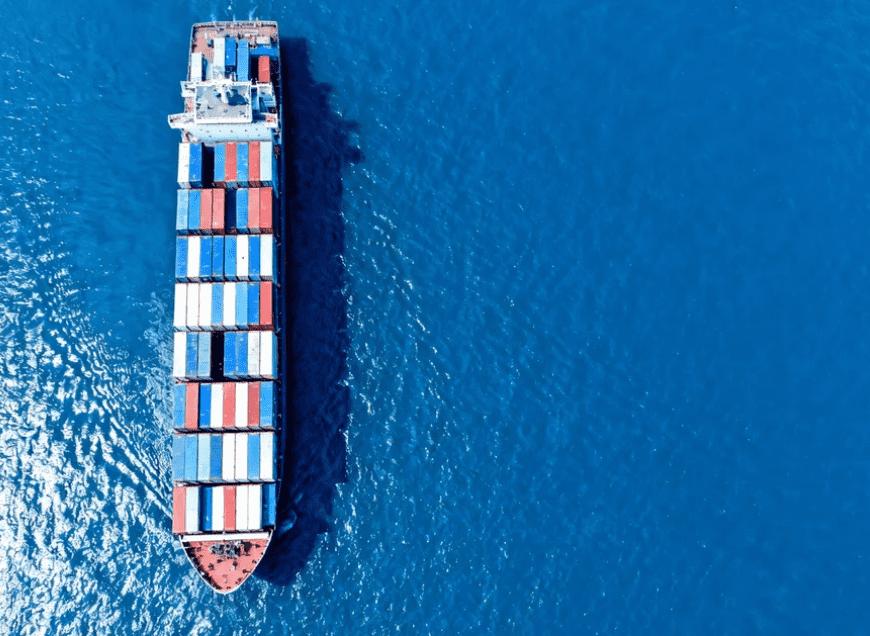
Container Shipping Costs from Shanghai Port to Port of Long Beach
When shipping cargo from Shanghai Port in China to the Port of Long Beach in the United States, understanding the full breakdown of container costs is crucial for effective budgeting and supply chain planning. As of Q4 2025, the container shipping market remains highly dynamic, with rates fluctuating due to global demand, economic conditions, and operational factors. Below, we provide a detailed analysis of container shipping costs, the types of containers available, and how pricing varies between different options.
Types of Containers and Their Cost Differences
Selecting the right container type is the foundation of your shipping strategy. The choice not only impacts your logistics efficiency but also directly influences your freight costs. Here’s a comprehensive look at standard and specialized containers used on the Shanghai–Long Beach route.
20ft vs. 40ft Container Shipping Rates
The two most common container sizes for ocean freight are the 20-foot (20GP) and 40-foot (40GP/40HQ) containers. Each is designed to accommodate different cargo volumes and weight capacities:
| Container Type | Internal Volume (CBM) | Typical Weight Limit (Tonnes) | Best For |
|---|---|---|---|
| 20ft (20GP) | 28 | 21.6 | Dense cargo, metals, machinery |
| 40ft (40GP) | 56 | 26.5 | Voluminous cargo, textiles, furniture |
| 40ft High Cube (40HQ) | 68 | 26.5 | Bulky, lightweight cargo, high-volume consumer goods |
Estimated Shipping Rates (Q4 2025)
Please note: Rates are indicative, for general cargo (non-hazardous), exclude surcharges, and subject to market fluctuations.
| Container Type | Average Cost (USD, Shanghai–Long Beach, FCL) | Transit Time (Days) |
|---|---|---|
| 20ft (20GP) | $2,100 – $2,700 | 15 – 18 |
| 40ft (40GP) | $2,800 – $3,400 | 15 – 18 |
| 40HQ | $2,900 – $3,500 | 15 – 18 |
Key Notes:
- 40HQ offers ~20% more volume than a standard 40GP with only a marginal cost increase.
- Rates may spike during peak shipping seasons (e.g., pre-holiday rush, Chinese New Year).
- Certain surcharges such as BAF (Bunker Adjustment Factor), CAF (Currency Adjustment Factor), and port handling charges are not always included in base quotes.
Related: 20ft and 40ft container cost comparison from China to USA
Specialized Containers: Reefer, Open Top, and Their Pricing
For goods requiring special handling—such as temperature-sensitive products or oversized machinery—specialized containers are used. These include:
| Container Type | Function | Typical Extra Cost (vs. Standard FCL) | Example Use Cases |
|---|---|---|---|
| Reefer Container | Refrigerated, temperature control | +$1,200 – $2,000 | Food, pharmaceuticals, perishables |
| Open Top Container | Oversized cargo, top loading | +$800 – $1,500 | Machinery, industrial equipment |
| Flat Rack Container | Heavy/out-of-gauge cargo | +$1,500 – $2,500 | Vehicles, construction materials |
- Reefer containers provide active cooling and are essential for perishable or temperature-sensitive shipments. These typically cost significantly more due to energy supply and specialized handling at both ports.
- Open Top containers are ideal for cargo that cannot be loaded through standard doors, such as heavy equipment or machinery.
- Flat Rack containers are used for oversized or irregularly shaped cargo.
Summary Table: Estimated Specialized Container Costs (Shanghai–Long Beach, 2025)
| Container Type | Example Cargo | Average Cost (USD) |
|---|---|---|
| 20ft Reefer | Frozen seafood | $3,400 – $4,200 |
| 40ft Reefer | Fruits, meat | $4,000 – $5,000 |
| 20ft Open Top | Machinery parts | $2,900 – $3,700 |
| 40ft Open Top | Large equipment | $3,700 – $4,600 |
| 40ft Flat Rack | Vehicles, generators | $4,500 – $6,000 |
Important Points:
- Specialized containers are subject to equipment availability. Early booking is recommended.
- Additional costs may include equipment repositioning, special handling, and extra documentation.
- Regulations and customs checks are often more stringent for special cargo.
For businesses shipping regularly from Shanghai to the Port of Long Beach, working with an experienced freight forwarder such as Dantful International Logistics ensures you receive the most competitive rates and reliable service. Our team provides expert advice on container selection, compliance, and cost optimization for all cargo types, including FCL (Full Container Load), LCL (Less than Container Load), and specialized shipments.
If you’re interested in alternative sea routes to the US West Coast, explore our analysis of ocean freight days from Shanghai to Seattle for further planning options.
Key Factors Impacting Container Shipping Costs
Shipping a container from Shanghai Port to the Port of Long Beach involves a dynamic set of factors that directly affect freight rates. Understanding these variables is essential for making informed decisions and optimizing your logistics budget.
Seasonal Demand and Rate Changes
The international shipping market is highly cyclical. Freight rates between Shanghai and Long Beach often rise and fall based on global economic cycles and seasonal trends. Key periods include:
- Peak Season (August–October): Driven by pre-holiday inventory buildup in the US, rates can surge by 30–50% due to high demand.
- Chinese New Year (January–February): Factories in China close, leading to a pre-holiday rush and post-holiday dip in activity.
- Off-Peak Periods: Shipping during late spring or early summer generally sees lower rates and better availability.
Tip: Planning shipments outside of peak times can save significant costs and help avoid congestion-related delays.
Fuel Surcharges, Port Fees, and Ancillary Charges
Beyond the base ocean freight, several surcharges and fees impact the total container cost:
- Bunker Adjustment Factor (BAF): Reflects fluctuations in fuel prices. In 2025, BAF can range from $200–$400 per TEU.
- Port Charges: Both Shanghai and Long Beach levy terminal handling and port security fees, typically $300–$600 per container.
- Other Ancillary Charges:
- ISPS (International Ship and Port Facility Security) Fee
- Peak Season Surcharge (PSS)
- Equipment Imbalance Surcharge (EIS)
- Congestion Surcharge (common at West Coast US ports during high volume periods)
Table: Common Surcharges for Shanghai–Long Beach Route (2025 Estimates)
| Surcharge Type | Typical Range per 20ft | Typical Range per 40ft |
|---|---|---|
| BAF | $200–$300 | $400–$600 |
| Terminal Handling Charge (THC) | $150–$250 | $250–$400 |
| ISPS Fee | $10–$15 | $15–$25 |
| Documentation Fee | $50–$80 | $50–$80 |
| Peak Season Surcharge (if any) | $200–$500 | $400–$800 |
Actual surcharges may vary by carrier and shipping season.
Impact of Global Events and Supply Chain Disruptions
Unpredictable global events can have a substantial impact on shipping costs and reliability:
- Pandemics: COVID-19 demonstrated how quickly rates can spike due to labor shortages, port closures, and equipment shortages.
- Geopolitical Tensions: Trade policy changes, tariffs, and sanctions can introduce sudden surcharges or alter routing.
- Natural Disasters: Typhoons, earthquakes, or port strikes in China or the USA can cause congestion and additional costs.
- Canal Disruptions: Issues in the Panama or Suez Canal can redirect vessels and raise costs on trans-Pacific routes.
Proactive logistics planning and working with an experienced freight forwarder like Dantful International Logistics can help you anticipate and mitigate these risks.
Step-by-Step Breakdown of Total Container Shipping Charges
A transparent breakdown of container shipping costs provides clarity and empowers shippers to budget accurately. Below, I outline the typical components of a Shanghai Port to Long Beach container shipment.
Freight Rate Components: Base Rate, BAF, CAF, and More
Shipping charges are not limited to the “headline” rate. Instead, multiple elements combine to form your final invoice:
- Base Ocean Freight Rate: The primary charge for moving a container between ports. For 2025, base rates (excluding surcharges) can range from $1,200–$2,500 for a 20ft and $2,000–$4,000 for a 40ft container.
- Bunker Adjustment Factor (BAF): As explained above, adjusts for fuel cost changes.
- Currency Adjustment Factor (CAF): Covers fluctuations in exchange rates, usually a small percentage (1–3%) of the base rate.
- Security & Other Surcharges: ISPS, congestion, equipment imbalance, and peak/war risk surcharges.
- Documentation & Handling Fees: Carrier and local agent expenses for bills of lading, manifests, etc.
Table: Example Cost Structure per 40ft Container (2025 Estimates)
| Cost Component | Estimated Amount (USD) |
|---|---|
| Base Freight | $2,800 |
| Bunker Adjustment Factor | $500 |
| Terminal Handling (Shanghai) | $250 |
| Terminal Handling (Long Beach) | $350 |
| Documentation Fee | $60 |
| ISPS | $20 |
| Estimated Total | $3,980 |
Please request a tailored quote from Dantful for your specific needs and latest rates.
For a broader overview of shipping expenses to the US, check the detailed guide on container shipping costs from China to USA.
Additional Costs: Customs, Documentation, Local Charges
Beyond port-to-port ocean freight, several other expenses must be accounted for:
- Customs Clearance (China & USA): Includes import/export declarations, duties, and taxes. Fees can range from $100–$500+ per shipment, excluding any applicable duties/tariffs.
- Inland Transportation: Drayage from port to warehouse or final destination. Costs in the US (e.g., Long Beach to Los Angeles) start at $250 for short distances and rise based on mileage.
- Warehousing and Storage: Temporary storage at port or dedicated facilities, charged daily.
- Cargo Insurance: Recommended to cover loss/damage in transit, usually 0.1–0.5% of cargo value.
- Other Local Charges: Delivery order fees, chassis usage, demurrage/detention if containers are not picked up or returned promptly.
Comprehensive Cost Example: Shanghai to Long Beach (40ft FCL)
| Cost Item | Typical Range (USD) |
|---|---|
| Ocean Freight (all-in) | $3,800 – $4,800 |
| US Customs Clearance | $150 – $500 |
| Inland Trucking (Local Delivery) | $250 – $600 |
| Insurance (Optional, by value) | Varies |
| Warehousing (if needed) | $50+/day |
| Documentation & Misc. Fees | $100 – $300 |
| Total Estimate | $4,500 – $6,200 |
These figures serve as a general guideline. For an accurate, up-to-date quote reflecting your cargo details, please consult with Dantful International Logistics’ expert team.
If you are seeking a reliable and highly professional freight forwarding partner for your shipments between China and the United States, Dantful International Logistics offers comprehensive, cost-effective, and high-quality solutions—including sea freight, air freight, customs clearance, warehouse, insurance, and door-to-door services. Contact our team for a tailored shipping cost assessment and expert logistics support.
READ MORE:
- Shipping From China to the USA
- Shipping From China TO Canada
- Shipping From China TO Mexico
- Shipping From China to Panama
- Shipping From China to Costa Rica
- Shipping From China to Brazil
- Shipping From China TO Colombia
- Shipping From China to Jamaica
- Shipping From China to Venezuela
- Shipping From China to Argentina
Comparison of Shipping Modes: FCL vs. LCL from Shanghai Port to Port of Long Beach
When considering container shipping from Shanghai Port to the Port of Long Beach, shippers must choose between two primary modes: Full Container Load (FCL) and Less than Container Load (LCL). The selection between these modes directly impacts shipping costs, transit time, handling, and overall logistics efficiency. Below is a detailed breakdown to help you determine the best option for your shipment.
Full Container Load (FCL) Cost Structure
FCL shipping means your cargo exclusively occupies an entire container—either a 20ft, 40ft, 40HQ, or 45HQ unit. This mode is ideal for large shipments, offering cost efficiency, security, and predictable transit times.
Key Components of FCL Costs:
- Freight Rate (Ocean Freight): The base charge for transporting a full container from Shanghai Port to Long Beach. Rates fluctuate with market conditions, fuel costs, and seasonality.
- BAF (Bunker Adjustment Factor): Surcharge reflecting fuel price changes.
- CAF (Currency Adjustment Factor): Surcharge for currency fluctuations.
- THC (Terminal Handling Charges): Charges at origin/destination ports for container handling.
- Documentation Fees: For shipping instructions, Bill of Lading, customs forms, etc.
- Customs Clearance: Import/export clearance at both ports.
- Insurance (Optional): Protection against loss or damage.
- Port Fees & Local Charges: Includes port security fees, ISPS, and delivery order costs.
FCL Typical Cost Example (as of Q4 2025):
| Container Type | Capacity (CBM) | Estimated Ocean Freight* (USD) | Total Typical Cost Range (USD, incl. surcharges & local fees) |
|---|---|---|---|
| 20ft | 28 | $1,200 – $1,700 | $2,300 – $2,900 |
| 40ft | 56 | $1,600 – $2,200 | $2,900 – $3,800 |
| 40HQ | 68 | $1,700 – $2,400 | $3,100 – $4,000 |
| 45HQ | 78 | $2,400 – $3,000 | $4,200 – $5,200 |
*Estimates based on market rates; actual costs depend on cargo type, season, and routing.
Benefits of FCL:
- Lower per-unit shipping cost for large volumes
- Faster transit and less handling (reduced risk of damage)
- High security (container sealed at origin)
- Flexible loading/unloading at your preferred facilities
Best For:
Large volume shipments, high-value cargo, fragile or sensitive goods, time-sensitive logistics.
Less than Container Load (LCL) Cost Structure and When to Choose It
LCL shipping is suitable when your cargo does not fill a full container. Multiple shippers share container space, with charges based on cargo volume (CBM) or weight, whichever is greater.
Key Components of LCL Costs:
- Freight Rate per CBM/ton: Fundamental charge based on actual cargo volume or weight.
- Consolidation Fees: Handling for grouping multiple shipments.
- Deconsolidation Fees: Sorting and handling at the destination.
- THC (Terminal Handling Charges): Applied per shipment, not per container.
- Documentation Fees: Bills of Lading, customs paperwork, etc.
- Customs Clearance: Shared process, but still required.
- Insurance (Optional): Highly recommended for LCL due to multiple handling steps.
- Port Fees & Local Charges: Charged per shipment.
LCL Typical Cost Example (as of Q4 2025):
| Volume/Weight | Estimated Ocean Freight* (USD/CBM) | Estimated Total Cost (incl. surcharges, fees, USD) |
|---|---|---|
| 1–5 CBM | $55 – $80 | $400 – $600 |
| 6–10 CBM | $50 – $75 | $700 – $1,000 |
| 11–20 CBM | $45 – $70 | $1,000 – $1,900 |
*Rates vary based on cargo nature, consolidation schedules, and final delivery arrangement.
Benefits of LCL:
- Flexible for small shipments
- Pay only for the space used
- No need to wait for enough goods to fill a container
Considerations:
- Multiple handling points (higher risk of minor damage/delay)
- Longer transit time (due to consolidation/deconsolidation processes)
- More complex documentation
Best For:
Small to mid-size shipments, regular but low-volume exports/imports, businesses testing new markets, e-commerce sellers, individuals moving personal effects.
For further insights on when to choose LCL or FCL, you may refer to a comprehensive guide on how to choose the right option for small cargo.
Quick Comparison: FCL vs. LCL
| Aspect | FCL | LCL |
|---|---|---|
| Occupancy | Full Container | Shared Container |
| Pricing Unit | Per Container | Per CBM/Ton |
| Transit Time | Shorter, more predictable | Slightly longer |
| Handling | Less handling, more secure | More handling, higher risk |
| Best For | Bulk/High Value/Fragile/Time-Sensitive Shipments | Small/Irregular/Low Volume Shipments |
| Cost Efficiency | Better for full loads | Better for small loads |
How to Get the Best Container Shipping Rates
The cost for shipping containers from Shanghai Port to Port of Long Beach is influenced by many dynamic factors, including market trends, seasonal demand, route congestion, and global events. However, shippers can take proactive steps to secure the most competitive rates and ensure a smooth shipping process.
Tips for Negotiating with Freight Forwarders
Consolidate Shipments:
Group your cargo to maximize space efficiency in an FCL, or time your LCL shipments with peak consolidation runs.Book Early, Stay Flexible:
Secure space and rates in advance, especially during peak seasons. If possible, be flexible with sailing dates or carrier selection.Request All-Inclusive Quotes:
Ask for breakdowns of all charges—ocean freight, surcharges, documentation, local handling—to avoid hidden fees.Provide Accurate Cargo Details:
Precise cargo dimensions, weights, and packaging info enable forwarders to provide optimal routing and pricing.Establish Long-Term Partnerships:
Regular shippers may negotiate better rates or value-added services by building strong relationships with their freight partners.Assess Service Levels:
Don’t focus solely on price. Consider the forwarder’s track record, customer service, transit time reliability, and digital tracking capabilities.
At Dantful International Logistics, we pride ourselves on transparent pricing, real-time tracking, and flexible shipping solutions tailored to your business needs. As a highly professional, cost-effective, and high-quality one-stop international logistics service provider, our team is ready to negotiate and customize the best solution for your shipments from China to the United States.
Comparing Online Freight Quotes and Working with Logistics Partners
With the growth of digital platforms, shippers can compare rates and services online. Here’s how to leverage this approach for the best results:
Advantages of Online Freight Quotes:
- Instant Access: Quickly compare rates from multiple carriers and routes.
- Transparency: All-in-one quote breakdowns reveal cost components.
- Convenience: Book shipments anytime, manage documents digitally.
When to Rely on Experienced Logistics Partners:
- Complex Shipments: Oversized, hazardous, or time-sensitive cargo often requires personalized handling and compliance.
- Customs and Compliance: Experts ensure smooth customs clearance and regulatory compliance at both origin and destination.
- Value-Added Services: Warehousing, cargo insurance, door-to-door delivery, and supply chain optimization.
Dantful Logistics offers a unique blend of digital convenience and expert, personalized service. Our offerings include Sea Freight, Air Freight, Rail Freight, Road Freight, Amazon FBA, Warehousing, Customs Clearance, Insurance, Door to Door, OOG Freight, Consolidated Freight, and Breakbulk Freight. Whether you prefer online quoting or dedicated account management, we provide end-to-end visibility and support.
Choosing between FCL and LCL depends on your cargo size, urgency, and budget. For best results, compare total costs, understand service levels, and partner with a reliable provider like Dantful International Logistics. Our expertise ensures your shipment from Shanghai Port to Port of Long Beach is smooth, transparent, and cost-effective. For tailored advice or a free quote, contact our team today.

Young Chiu is a seasoned logistics expert with over 15 years of experience in international freight forwarding and supply chain management. As CEO of Dantful International Logistics, Young is dedicated to providing valuable insights and practical advice to businesses navigating the complexities of global shipping.