Navigating the logistics landscape from China to Lithuania requires more than just finding an available vessel; it demands a precise understanding of fluctuating freight rates, EU regulatory shifts, and hidden local handling fees at the Port of Klaipėda. For Lithuanian importers and European distributors, miscalculating landed costs can quickly erode profit margins. Whether you are shipping high-tech electronics from Shenzhen or heavy machinery from Qingdao, this comprehensive 2026 guide breaks down every cost component—from ocean freight and fuel surcharges to VAT deferment strategies—empowering you to make data-driven, cost-effective shipping decisions.
Key Takeaways:
- 2026 Rate Adjustments: Freight rates are experiencing a post-Chinese New Year stabilization phase, with slight inflationary adjustments compared to previous years.
- FCL vs. LCL Choices: Selecting the right container type (20ft, 40ft, 40HQ) based on cargo volume is critical for cost-efficiency.
- Hidden Costs: Customs clearance, handling fees, and transshipment delays can heavily impact the final bill if not managed by an experienced forwarder.
Overview of Container Shipping from China to Lithuania in 2026
For businesses importing goods from China to Lithuania, managing container shipping costs remains a top priority in 2026. With the global supply chain evolving, understanding the precise cost structures, realistic transit times, and local Lithuanian customs regulations is essential. Dantful Insights: Based on our daily operations, the most successful importers are those who secure locked-in rates during shoulder seasons and partner with forwarders who provide transparent, end-to-end pricing.
Key Factors Influencing Container Shipping Costs from China to Lithuania
Fuel Prices, Surcharges, and Their Impact on Freight Rates
Bunker Adjustment Factor (BAF) and emergency fuel surcharges fluctuate based on global oil prices. In 2026, environmental compliance surcharges (like the EU ETS) have also become a standard line item for vessels entering European waters. These surcharges can add 10% to 15% to your base freight rate.
Role of Container Types and Sizes (20ft, 40ft, HC) on Pricing
The size and type of container dictate the base rate:
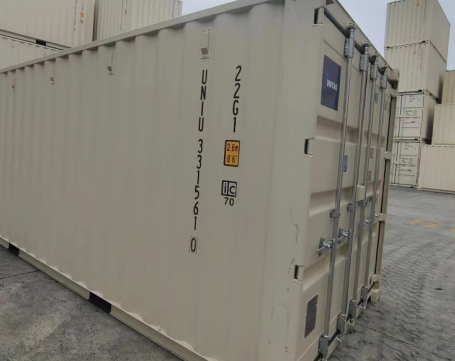
- 20ft Container (TEU): Ideal for heavy, dense cargo (e.g., machinery parts). Rates typically range from $1,800 to $2,500.
- 40ft Container (FEU) / 40ft High Cube (HC): Best for voluminous, lighter goods (e.g., textiles, electronics). Rates range from $2,800 to $4,000+. Note: Rates fluctuate weekly; always request a current quote.
Shipping Routes, Transit Times, and Seasonal Variations
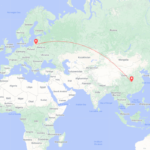
Transit times from major Chinese ports to Klaipėda (Lithuania’s primary port) typically span 35 to 45 days. Analyst Notes: During peak seasons (Q3 before holiday rushes) or immediately pre-Chinese New Year, space constraints can drive prices up by 30-50%. For instance, in our recent Q1 2026 operations, early bookings secured 3 to 4 weeks prior to departure saved our clients an average of $450 per TEU. Planning shipments during the post-Chinese New Year stabilization period (March-May) often yields the most competitive rates.
Customs Duties, Taxes, and Local Charges in Lithuania
Importing into Lithuania requires strict compliance with the EU Customs Code (UCC). You must account for the standard Value Added Tax (VAT) of 21% (Directive 2006/112/EC) and applicable import duties based on the product’s TARIC (Integrated Tariff of the European Union) code. Local port handling charges (THC) at facilities like the Klaipėda Container Terminal (KCT) will also apply and must be factored into your landed cost analysis.
Local Expert Tip: For businesses registered in Lithuania, utilizing the VAT deferment scheme through the State Tax Inspectorate (VMI) is a game-changer. Instead of paying the 21% VAT upfront at customs, it can be declared in your regular VAT return, significantly improving cash flow. Furthermore, utilizing bonded warehouses in the Kaunas Free Economic Zone (FEZ) allows importers to store goods duty-free until they are sold and dispatched within the EU.
Detailed Breakdown of Container Shipping Costs
FCL (Full Container Load) vs. LCL (Less than Container Load) Costs
- FCL: You pay a flat rate for the entire container. It is more cost-effective if your cargo volume exceeds 15 CBM.
- LCL: You pay per cubic meter (CBM). While base LCL rates seem cheaper for small shipments, destination handling charges at the CFS (Container Freight Station) in Lithuania can be proportionally higher.
Port-to-Port vs. Door-to-Door Shipping Expenses
A basic Port-to-Port quote only covers ocean freight. A Door-to-Door (DAP/DDP) quote includes pre-carriage in China, ocean freight, customs clearance, and final delivery via truck or rail to cities like Vilnius or Kaunas. Door-to-Door provides predictability and reduces the risk of unexpected local handling fees.
Handling, Documentation, and Insurance Fees
Standard administrative costs include:
- Bill of Lading (B/L) Fee: ~$50
- Export Customs Clearance (China): ~$100 – $150
- Cargo Insurance: Typically 0.3% – 0.5% of the commercial value. Dantful Insights: Never skip insurance. The minor upfront cost protects against total loss during transshipment or severe weather events.
Popular Shipping Routes and Major Ports Between China and Lithuania
Top Chinese Ports for Lithuania-bound Containers
The departure port affects both cost and transit time. Key hubs include:
- Shanghai & Ningbo: Highest departure frequency; competitive rates.
- Shenzhen & Guangzhou: Ideal for electronics and light manufacturing exports from Southern China.
- Qingdao: Preferred for heavy machinery and raw materials.
Key Lithuanian Ports for Incoming Cargo
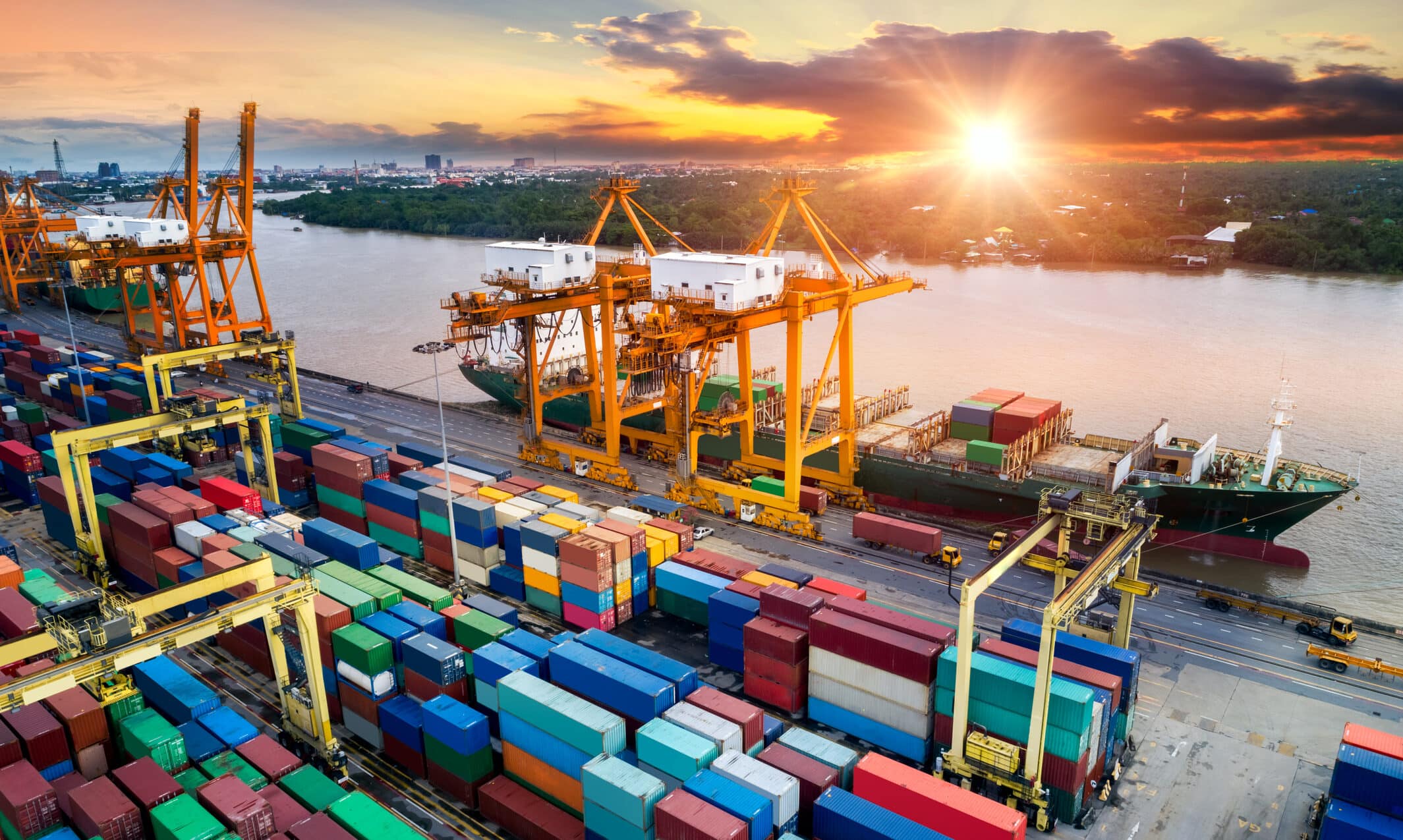
Port of Klaipėda is the undisputed gateway for Lithuania and the wider Baltic region. It offers deep-water berths and excellent rail connections to the hinterland, making inland distribution efficient.
Direct vs. Transshipment Routes: Cost and Efficiency Comparison
Most ocean freight to Lithuania involves transshipment at major European hubs like Rotterdam, Bremerhaven, or Hamburg, before feeding into Klaipėda. While direct sailings (when available) are faster, transshipment routes offer more flexible scheduling and often lower baseline costs.
Dantful Operations Note: For final delivery to major cities like Vilnius or Šiauliai, we highly recommend utilizing the regular intermodal block trains (such as the VIT Express) connecting Klaipėda directly to the Vilnius Intermodal Terminal (VIT). This rail connection bypasses winter trucking challenges on the A1 highway and is generally 15-20% cheaper than direct truck haulage for heavy 20ft containers.
How to Get the Most Accurate Container Shipping Quotes in 2026
Essential Information Required for Spot Quotes
To avoid vague estimates, provide your forwarder with:
- Exact pick-up and delivery addresses.
- Accurate weight and dimensions (CBM).
- Preferred Incoterms (e.g., FOB, EXW).
- Commodity description and HS code.
Comparing Freight Forwarders and Online Rate Platforms
While online platforms offer quick baseline figures, they often exclude complex local charges. A specialized freight forwarder like Dantful provides customized, all-inclusive quotes based on real-time vessel space availability.
Avoiding Hidden Fees and Unexpected Charges
Always ask if the quote includes Terminal Handling Charges (THC) at both origin and destination, documentation fees, and customs clearance. From our recent bookings: Importers who clarify DDP vs. DAP terms upfront save an average of 15% in avoid demurrage and unexpected destination taxes.
Tips to Reduce Container Shipping Costs from China to Lithuania
Optimizing Container Utilization and Cargo Packaging
Maximize your CBM. Use pallet sizes that fit perfectly into standard container dimensions to avoid paying for empty space.
Negotiating Better Terms with Freight Forwarders
If you have consistent volume, negotiate long-term contracts (3-6 months) rather than relying on spot market rates.
Leveraging Technology and Digital Freight Tools
Use tracking systems and digital freight management tools to monitor your supply chain. Predictive analytics can help you book shipments during off-peak rate dips.
Common Challenges and Solutions in Shipping Containers from China to Lithuania
Dealing with Customs Clearance and Compliance Issues
Lithuanian customs are strict on EU compliance (CE marking, accurate TARIC/HS codes). Solution: Partner with a forwarder who has an established local customs brokerage network to pre-clear documents before the vessel arrives. From our daily operations: We find that mismatched commercial invoices and packing lists are the #1 cause of demurrage in Klaipėda. Our DDP specialists ensure 100% document conformity before the vessel departs China.
Managing Delays, Damages, and Cargo Claims
Transshipment ports can experience congestion, especially during European labor strikes or winter storms. Solution: Always maintain a 10-14 day buffer in your inventory planning and ensure comprehensive cargo insurance is in place.
Preparing for Regulatory Changes and Market Fluctuations in 2026
With the continuous rollout of stricter EU environmental regulations (like the Carbon Border Adjustment Mechanism – CBAM), documentation requirements are increasing. Staying updated through your logistics partner is crucial to avoid border delays.
FAQs
1. How much does it cost to ship a 20ft container from China to Lithuania in 2026?
The cost for shipping a standard 20ft container (TEU) generally ranges from $1,800 to $2,500. This size is ideal for dense, heavy cargo like industrial machinery or metals. Note that this is the port-to-port rate; you must also factor in Klaipėda’s destination handling and any inland haulage to your warehouse.
2. What is the shipping cost for a 40HQ container from China to Lithuania?
A 40ft High Cube (40HQ) container typically costs between $2,800 and $4,200 depending on the season and fuel surcharges. Because it offers extra height, it is the most cost-effective choice for shipping large volumes of lighter goods, such as electronics, garments, or furniture.
3. How much is RoRo (Roll-on/Roll-off) shipping from China to Lithuania?
If you are importing heavy machinery, tractors, or vehicles that cannot fit into standard containers, RoRo shipping is the solution. Rates vary significantly based on the CBM (Cubic Meters) or footprint of the vehicle, typically starting around $70 to $120 per CBM. Since Klaipėda handles specialized RoRo vessels, it is highly accessible, though transit times might be slightly longer than standard container ships.
4. How long does container shipping take from China to Lithuania?
Port-to-port transit time is typically 35 to 45 days. Add an extra 5-10 days for door-to-door delivery and customs clearance.
5. Is LCL or FCL better for my shipment to Lithuania?
If your cargo is under 15 CBM, LCL is generally more cost-effective. For anything larger, booking an FCL (20ft) is safer, faster, and cheaper per unit.
6. Can Dantful Logistics handle customs clearance in Lithuania?
Yes, Contact Dantful for a customized quote. We offer end-to-end services, including export clearance in China, seamless VMI VAT deferment support, and import clearance in Klaipėda.

Young Chiu is a seasoned logistics expert with over 15 years of experience in international freight forwarding and supply chain management. As CEO of Dantful International Logistics, Young is dedicated to providing valuable insights and practical advice to businesses navigating the complexities of global shipping.