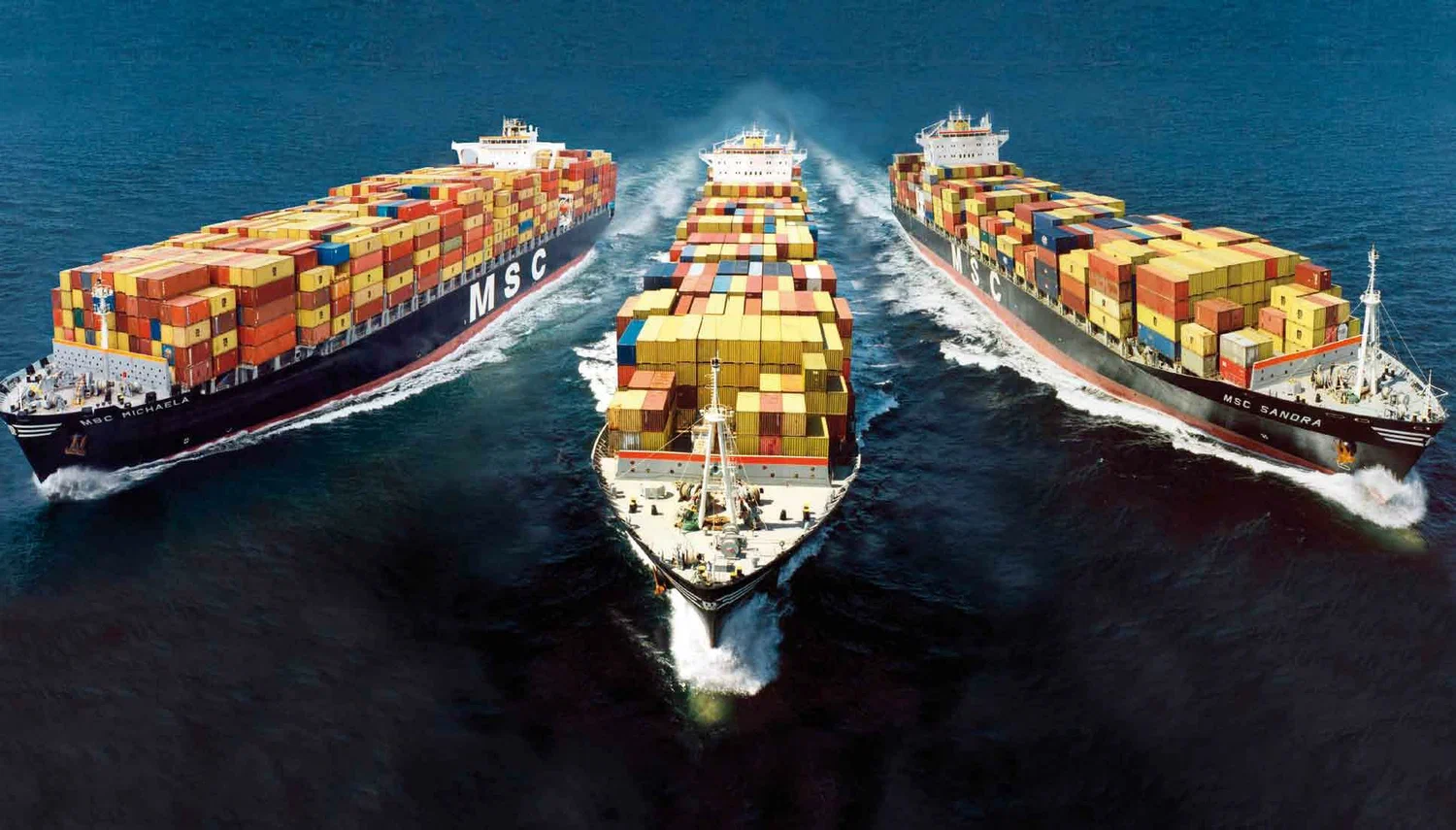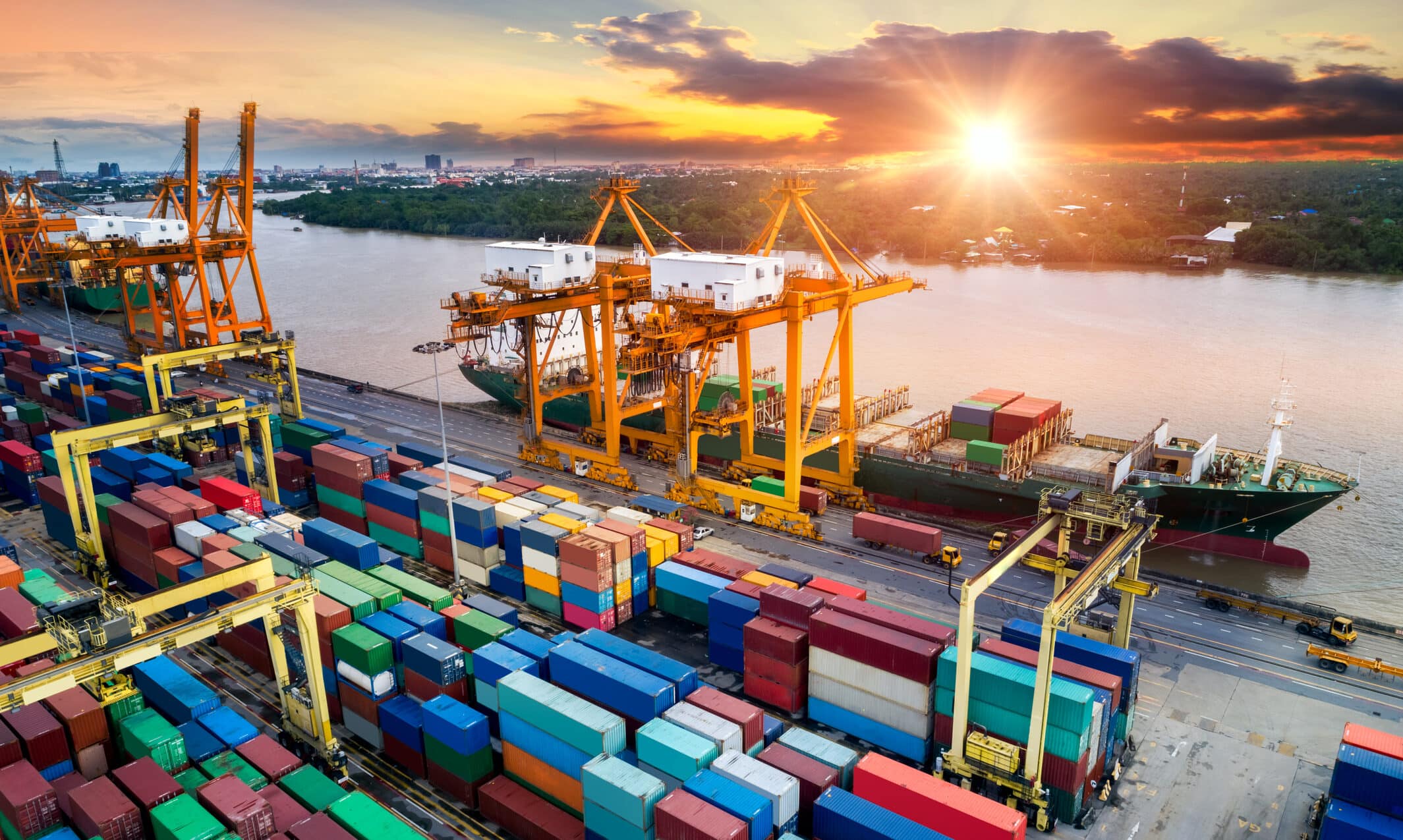
Are you looking for the most efficient way to ship cargo from Shanghai to Long Beach? Whether you’re exploring ocean freight, air freight, or express courier services, making the right choice can impact your timeline and bottom line. In this comprehensive guide, we’ll break down the main shipping methods, costs, customs procedures, transit times, and expert tips to help you streamline your Shanghai to Long Beach shipping journey.
Overview of Shipping from Shanghai to Long Beach
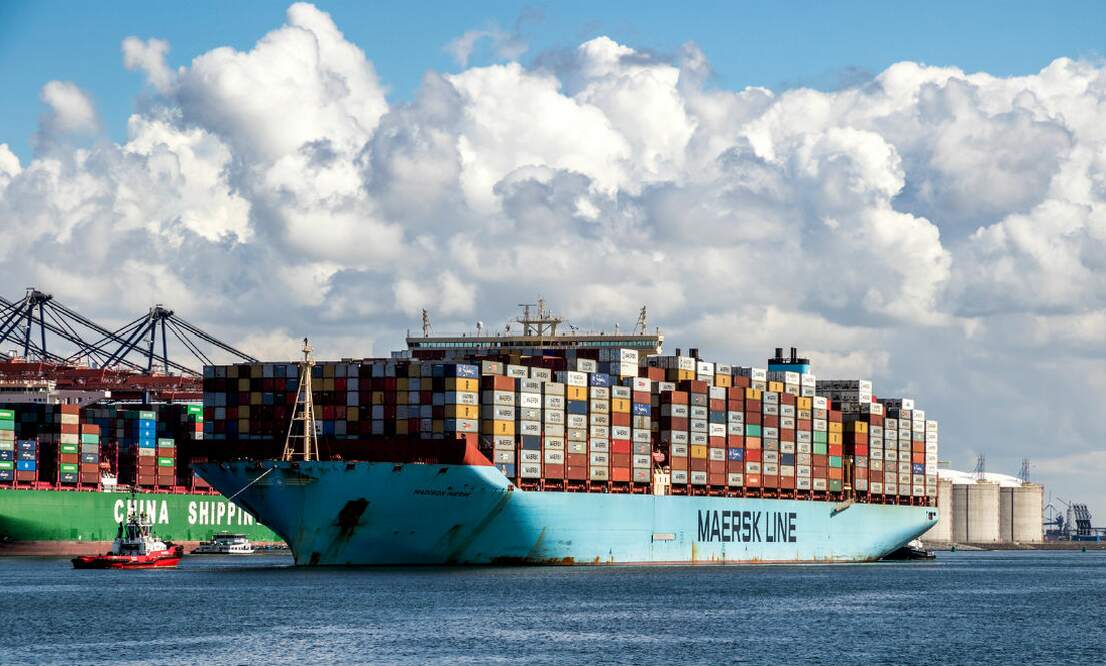
Shipping from Shanghai, one of the busiest ports in the world, to Long Beach in the United States is a critical link in global supply chains—particularly for businesses importing goods into North America. This route supports a diverse range of industries, from electronics and apparel to automotive parts and industrial machinery.
Trans-Pacific shipping is characterized by high cargo volume, competitive rates, and complex customs regulations. Navigating the shipping landscape requires a clear understanding of available transport modes, transit times, and regulatory requirements. As the CEO of Dantful International Logistics with over 15 years in international freight forwarding, I have assisted countless businesses in optimizing their shipments between China and the US, ensuring smooth, cost-effective, and compliant deliveries.
Choosing the right shipping solution is vital for importers, exporters, e-commerce sellers, and supply chain managers. The optimal method depends on your priorities—whether it’s speed, cost, cargo type, or reliability. Below, we explore all primary shipping methods from Shanghai to Long Beach, empowering you to make the best decision for your business needs.
Main Shipping Methods: Ocean Freight, Air Freight, and Express
Comparing Ocean Freight (FCL & LCL), Air Freight, and Courier Services
There are three primary shipping methods from Shanghai to Long Beach:
Ocean Freight
- Full Container Load (FCL): You rent an entire container for your cargo. Best for large shipments.
- Less than Container Load (LCL): Your cargo is consolidated with other shipments. Ideal for smaller volumes.
Air Freight: Fast, secure, and suitable for high-value or time-critical goods. Higher cost than sea freight.
Express Courier (e.g., DHL, FedEx, UPS): Door-to-door service for small parcels and urgent deliveries. Most expensive, but fastest and most convenient for light shipments.
Method Comparison Table
| Shipping Method | Typical Transit Time | Ideal Cargo Volume | Cost Level | Key Advantages | Key Limitations |
|---|---|---|---|---|---|
| FCL Sea Freight | 14–19 days | >15 CBM or full container | $$ | Lowest cost per unit, secure, fixed schedule | Longer transit, port handling needed |
| LCL Sea Freight | 18–26 days | 1–15 CBM | $$$ | Cost-effective for small loads, flexible | Can be slower, risk of delays in consolidation |
| Air Freight | 2–5 days | 50–500 kg+ | $$$$ | Fast, reliable, secure | Expensive, weight/size limits |
| Express Courier | 2–5 days | <100 kg | $$$$$ | Fastest, door-to-door, tracking | Highest cost, strict size/weight limits |
Capacity Reference:
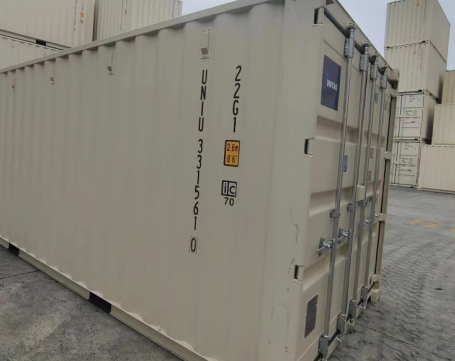
- 20FT Container: 28 CBM
- 40FT Container: 56 CBM
- 40HQ Container: 68 CBM
- 45HQ Container: 78 CBM
Pros and Cons of Each Shipping Method
Ocean Freight (FCL & LCL)
Pros:
- Most cost-effective for bulk shipments.
- Supports a wide range of cargo types, including oversized and hazardous goods.
- Flexible options with FCL for dedicated cargo, LCL for smaller loads.
- Lower carbon footprint compared to air.
Cons:
- Longer transit times (especially with port congestion).
- Requires customs clearance and local handling at both origin and destination.
- LCL involves more handling and potential for delays.
If you’re comparing US gateways, you may also want to consider the biggest ports in the US and their role in international trade.
Air Freight
Pros:
- Fastest transit after express.
- Reduced risk of damage or loss.
- Suited for high-value and perishable goods.
Cons:
- Significantly higher cost per kg.
- Cargo size and weight limitations.
- Limited acceptance of dangerous goods.
Express Courier Services
Pros:
- Ultra-fast, fully managed, door-to-door service.
- Real-time tracking and simplified customs for most small packages.
- Excellent for samples, urgent deliveries, and e-commerce parcels.
Cons:
- Highest cost per unit.
- Strict limitations on parcel size, weight, and certain categories of goods.
- Not suited for bulk or commercial-scale cargo.
How to Choose the Best Shipping Mode for Your Cargo
Selecting the most suitable shipping method from Shanghai to Long Beach depends on several factors:
Cargo Volume & Weight:
- Large shipments (>15 CBM or >10 tons): FCL/Ocean Freight is recommended.
- Small shipments (<15 CBM): LCL or Air Freight.
- Parcels (<100 kg): Express Courier.
Budget:
- Ocean freight offers the most economic solution for bulk cargo.
- Air freight and express are more expensive but save time.
Delivery Speed:
- Express (2–5 days) and air freight (2–5 days) are best for urgent cargo.
- Ocean freight is preferable for non-urgent, cost-sensitive goods.
Cargo Type:
- Oversized, heavy, or hazardous goods often require sea freight.
- Perishable or high-value items may benefit from air freight.
Destination Handling:
- Consider whether you need door-to-door, port-to-port, or door-to-port solutions.
Seasonality & Reliability:
- Peak seasons can affect capacity and lead times on all modes—plan ahead.
Expert Tip: At Dantful International Logistics, we know every shipment comes with real deadlines, budgets, and compliance concerns. Share your cargo details and delivery goal, and we’ll recommend a practical option—Sea Freight, Air Freight, or Express—then support you through Customs Clearance and Door to Door delivery where needed.
If you want to learn more about general Shipping From China to USA, check out our detailed regional guide.
Step-by-Step Shipping Process from Shanghai to Long Beach
Shipping from Shanghai to Long Beach is a multi-stage process requiring careful planning and execution. Below, I break down each step, sharing insights based on years of hands-on experience. Whether you are a first-time shipper or a seasoned supply chain manager, understanding each phase can help you avoid delays and save costs.
Booking and Preparing Your Shipment
Selecting the Right Shipping Mode: Choose between Ocean Freight (FCL/LCL), Air Freight, or Express Courier depending on your cargo type, urgency, and budget. For bulk or heavy goods, Full Container Load (FCL) or Less than Container Load (LCL) via sea is generally the most cost-effective.
Requesting a Quote: Contact your freight forwarder (such as Dantful International Logistics) to receive a detailed quotation. Provide accurate details on cargo type, weight, dimensions, origin/destination, and preferred Incoterms.
Cargo Preparation: Properly pack and label goods in compliance with shipping and US import regulations. For container shipments, select the appropriate container size:
Container Type Capacity (CBM) Typical Use Cases 20FT 28 Heavy or dense cargo, lower volume 40FT 56 High-volume, lighter cargo 40HQ 68 Bulky, light goods, maximizing space 45HQ 78 Extra-long/bulky or special project cargo Booking Space: Book cargo space with shipping lines or airlines as early as possible—especially during peak seasons or before holidays to avoid congestion and capacity crunches.
Documentation and Customs Requirements
Key Documents Needed:
- Bill of Lading (for Ocean Freight) or Airway Bill (for Air Freight)
- Commercial Invoice
- Packing List
- Export Declaration (China)
- Import Security Filing (ISF) for US Customs
- Any required certificates (such as Certificate of Origin, MSDS for chemicals, etc.)
Compliance: Ensure all documents are accurate and meet both Chinese export and US import regulations. Incorrect paperwork is a common cause of customs delays.
Customs Clearance Preparation: Work with your freight forwarder to pre-clear goods wherever possible. Pay attention to US-specific requirements, including the Automated Manifest System (AMS) filing and compliance with regulations set by agencies like the FDA or USDA if applicable.
Container Loading, Port Handling, and Departure
- Container Stuffing: For FCL, cargo is loaded at your warehouse or a consolidation center. For LCL, goods are sent to a container freight station where multiple shipments are consolidated.
- Inspection and Sealing: Containers may be subject to China Customs inspection. Once cleared, containers are sealed and trucked to Shanghai Port.
- Port Handling: At Shanghai Port, containers go through security screening, documentation review, and are loaded onto the vessel. Cut-off dates for documentation and container delivery are strict—missing these can delay your shipment by a week or more.
- Departure: Vessel departs for Long Beach, with real-time tracking available through your freight forwarder’s portal.
Arrival Procedures and Customs Clearance in Long Beach
Offloading and Terminal Handling: Upon arrival at Port of Long Beach, containers are offloaded and transferred to the import terminal.
US Customs Clearance:
- ISF and AMS filings are checked.
- Customs officers may inspect cargo—randomly or based on risk assessment.
- Duties, taxes, and fees are assessed based on the Harmonized Tariff Schedule (HTS).
Release and Final Delivery: Once cleared, your container is released for pickup or onward delivery (trucking, rail, or last-mile delivery as arranged).
Timely Communication: Your freight forwarder (for example, Dantful International Logistics) will keep you updated on status, documentation, and any issues requiring urgent attention.
Transit Times and Factors Affecting Shipping Duration
Understanding actual shipping times and what can affect them is crucial for supply chain planning.
Typical Ocean and Air Freight Transit Times
| Route | Ocean Freight (FCL/LCL) | Air Freight | Express Courier |
|---|---|---|---|
| Shanghai – Long Beach (Port to Port) | 14–19 days | 2–5 days | 2–5 days |
| Door to Door | 18–26 days (with delivery, customs) | 4–7 days | 2–6 days |
Note: As of January 2026, transit time still varies due to carrier schedules, customs, and local delivery arrangements.
For comparison, see how long it takes by sea freight from Shanghai to Los Angeles, another major US West Coast port.
Seasonal Delays, Port Congestion, and External Factors
- Seasonal Peaks: Shipping volumes surge before key events such as Chinese New Year, the US holiday season, and in late summer (“peak season”). Book early to secure space.
- Port Congestion: Port of Long Beach is one of the busiest in the US. Congestion, labor strikes, or equipment shortages can extend dwell times by several days.
- External Disruptions: Weather (typhoons in the Pacific), global crises, and regulatory changes can impact schedules.
- Customs Holds: Random or risk-based inspections at origin or destination can delay release.
Tips to Reduce Shipping Lead Time
- Advance Booking: Plan and book shipments well in advance—ideally 2–4 weeks before desired departure, longer during peak seasons.
- Accurate Documentation: Double-check all paperwork for accuracy to avoid clearance delays.
- Choose Reliable Partners: Work with established freight forwarders such as Dantful International Logistics. We provide up-to-date tracking, proactive communication, and proven expertise in handling complex shipments.
- Leverage Consolidation: For LCL, use well-organized consolidation services to ensure faster container closure and departure.
- Consider Air Freight for Urgent Cargo: For time-sensitive goods, Air Freight or Express Courier may justify the higher cost.
- Monitor Schedule Updates: Stay informed about vessel schedules, port notices, and any potential disruptions.
Cost Breakdown: Shipping Rates, Fees, and Hidden Charges
Understanding the total cost of shipping from Shanghai to Long Beach is essential for effective budgeting and supply chain management. The total expense consists of visible freight rates and several additional fees that, if overlooked, may impact your bottom line.
How Shipping Costs Are Calculated
Shipping costs are determined by a combination of factors related to the nature of the cargo, transport mode, and market conditions. Here’s how rates are typically structured:
- Freight Charges: The base cost for transporting goods, differing for Full Container Load (FCL), Less than Container Load (LCL), Air Freight, or Express/Courier.
- Surcharges: Including fuel surcharges (BAF – Bunker Adjustment Factor), peak season surcharges (PSS), and security fees.
- Port Charges: Origin and destination port handling, documentation, and terminal fees.
- Customs and Clearance Fees: Charges for customs brokerage and compliance.
- Additional Services: Such as insurance, door-to-door delivery, warehousing, and cargo tracking.
For readers evaluating costs from other major Asian exporters, you may find our resource on the cost of shipping from Vietnam to USA helpful for reference.
Example FCL Ocean Freight Cost Structure (Shanghai to Long Beach, reference for Jan 2026):
| Container Type | Base Ocean Freight (USD) | Surcharges/Fees (USD) | Port/Terminal Charges (USD) | Estimated Total (USD) |
|---|---|---|---|---|
| 20FT | $1,900 – $2,300 | $350 – $550 | $300 – $450 | $2,550 – $3,300 |
| 40FT | $3,200 – $3,800 | $500 – $800 | $450 – $650 | $4,150 – $5,250 |
| 40HQ | $3,400 – $4,100 | $500 – $800 | $450 – $650 | $4,350 – $5,550 |
Note: These figures are indicative as of January 2026 and can change with carrier schedules, equipment availability, fuel-related surcharges, and peak-season dynamics.
Factors Influencing Rates: Volume, Weight, Timing, and Incoterms
Several variables can significantly affect your shipping cost:
Volume and Weight:
- FCL rates are based on container type (e.g., 20FT, 40FT, 40HQ).
- LCL or Air Freight is charged by either the actual weight or the volumetric weight, whichever is greater.
Timing and Season: Peak seasons (such as pre-holiday months or post-Chinese New Year) typically see higher prices due to capacity constraints and increased demand.
Incoterms: The chosen Incoterm (such as FOB, CIF, DAP) determines which party bears specific costs and risks, impacting the overall expense structure.
Cargo Type and Special Handling: Hazardous, oversized, or temperature-controlled cargoes incur surcharges.
Fuel and Currency Fluctuations: Surcharges tied to fuel price changes and exchange rates.
Example Cost Comparison Table (LCL vs. Air Freight):
| Shipping Mode | Typical Rate (USD) | Calculation Basis | Transit Time | Notes |
|---|---|---|---|---|
| LCL Ocean | $70 – $110/CBM | Per cubic meter | 18–26 days | Best for bulky, non-urgent cargo |
| Air Freight | $4.5 – $6.5/kg | Per charged kilogram | 3–7 days | Suitable for urgent, valuable goods |
How to Estimate and Save on Shipping Costs
To estimate your shipping cost:
- Calculate Volume/Weight: Measure cargo dimensions and weight. Use container capacity info (e.g., 20FT = 28 CBM, 40FT = 56 CBM, 40HQ = 68 CBM).
- Request a Detailed Quote: Always seek all-in quotes that specify base rates, surcharges, and expected port/terminal fees.
- Plan for Hidden Fees: Account for customs clearance, insurance, warehousing, and potential demurrage/detention charges.
- Choose the Right Mode and Incoterm: Match your cargo type, urgency, and risk tolerance to the most cost-effective shipping method and Incoterm.
Tips to Save on Shipping:
- Consolidate Shipments: Combine LCL cargos or use FCL when volume is sufficient.
- Book in Advance: Early planning helps avoid peak season premiums.
- Negotiate with Reliable Freight Forwarders: Experienced providers like Dantful International Logistics can secure better rates and optimize routes.
- Utilize Value-Added Services: Leverage integrated solutions (insurance, warehousing, customs clearance) for streamlined logistics and potential bundled discounts.
Customs Clearance and Compliance for the US Market
Efficient customs clearance is critical when shipping to the United States, particularly to a major port like Long Beach. Non-compliance can result in costly delays, fines, or even cargo seizure.
Required Documents for US Customs
Proper documentation is the foundation of successful clearance. For shipments from Shanghai to Long Beach, the following documents are typically required:
- Bill of Lading (B/L): The carrier’s receipt and contract for the shipment.
- Commercial Invoice: Details shipment contents, value, and buyer/seller information.
- Packing List: Describes how goods are packed, including dimensions and weight.
- Arrival Notice: Provided by the carrier to notify consignees.
- Import Security Filing (ISF/10+2): Must be submitted to US Customs at least 24 hours before vessel departure from the port of origin.
- Customs Bond: Required for entry into the US to guarantee compliance with regulations.
- Other Certificates: Depending on the product (such as FDA, USDA, FCC, or phytosanitary certificates).
Duties, Taxes, and Regulatory Compliance
- Import Duties & Tariffs: Calculated based on the Harmonized Tariff Schedule (HTS) code of the goods and their declared value.
- Customs Fees: Includes the Merchandise Processing Fee (MPF) and Harbor Maintenance Fee (HMF).
- Additional Taxes: May apply based on federal or state-level regulations.
- Regulatory Compliance: Certain commodities require compliance with agencies like the US Food and Drug Administration (FDA), US Department of Agriculture (USDA), or Federal Communications Commission (FCC).
Example of Import Cost Components (for General Goods):
| Fee Type | Calculation Basis | Typical Rate / Range |
|---|---|---|
| Duty | % of goods’ value | 0% – 25%+ (varies by product) |
| MPF | % of goods’ value (min/max) | About 0.3464% (min/max set by CBP; check the current year’s thresholds) |
| HMF | % of goods’ value | 0.125% (for ocean freight only) |
| Customs Bond | Flat or % of shipment value | $100+ per entry |
Common Pitfalls and How to Avoid Customs Delays
- Incomplete or Incorrect Documentation: Missing or inaccurate paperwork remains the leading cause of delays. Double-check all documents for consistency.
- Late ISF Filing: Failure to file the ISF on time can result in penalties up to $5,000 per shipment.
- Incorrect Tariff Classification: Misclassifying goods can lead to higher duties or shipment holds.
- Regulatory Non-compliance: Importing restricted or regulated items without proper permits can result in seizure.
- Under- or Over-Valuation: Always declare the correct value; discrepancies trigger investigations.
Best Practices to Avoid Delays:
- Partner with a Professional Freight Forwarder: Work with experienced providers like Dantful International Logistics. Our team ensures all documentation is accurate and submitted on time.
- Stay Updated on US Regulations: Regulations and tariffs change frequently; rely on logistics experts for the latest guidance.
- Prepare Early: Allow sufficient time for document gathering and review, especially for sensitive or regulated goods.
- Use Customs Clearance Services: Professional brokerage services streamline the clearance process and minimize risk.
Summary: Shipping from Shanghai to Long Beach usually goes smoothly when you align three things early: the right shipping mode and transit plan, accurate paperwork (especially ISF/AMS where applicable), and a clear, itemized cost breakdown that includes local charges. If you’d like a second set of eyes on your shipment details—or you want a door-to-door plan that matches your timeline and budget—Dantful International Logistics can help you compare options across sea freight, air freight, customs clearance, insurance, and delivery.
Choosing a Reliable Freight Forwarder for Shanghai to Long Beach
Selecting the right freight forwarder is crucial for a smooth and cost-effective shipping experience from Shanghai to Long Beach. A professional forwarder not only arranges the physical movement of your goods but also ensures compliance, timely delivery, and cost optimization.
What Makes a Freight Forwarder Reliable?
When choosing a partner, consider the following factors:
| Criteria | Why It Matters | What to Look For |
|---|---|---|
| Industry Experience | Experience ensures knowledge of route-specific challenges, regulations, and best practices. | >10 years’ history in Asia–US trade, strong references, and a solid track record. |
| Service Portfolio | End-to-end solutions streamline operations and reduce risk of miscommunication. | Integrated services: Sea Freight, Air Freight, Warehouse, Customs Clearance, Door to Door, etc. |
| Global Network | A wide agent network guarantees flexibility and local support at both origin and destination. | Own offices or trusted agents in both Shanghai and Long Beach. |
| Regulatory Expertise | Shipping to the United States requires strict compliance with customs and security rules. | In-house compliance specialists, clear documentation support, and proactive regulatory updates. |
| Transparent Pricing | Hidden costs can erode profit margins. | Clear, itemized quotations with explanations for all surcharges and fees. |
| Cargo Tracking & Visibility | Real-time updates and tracking improve supply chain planning and problem resolution. | Online tracking systems, regular status updates, and responsive customer service. |
| Problem Resolution Ability | Delays, damage, and customs issues are common—swift solutions minimize impact. | 24/7 support, established claims procedures, and proactive communication during disruptions. |
For more guidance on evaluating logistics partners, see our in-depth article on how to choose the right freight forwarder.
Why Choose Dantful International Logistics?
As a leading expert in international logistics, Dantful International Logistics offers:
- Comprehensive service coverage: Sea Freight, Air Freight, Rail Freight, Amazon FBA, Customs Clearance, Insurance, Warehouse, Door to Door, OOG Freight, Consolidated Freight, and Breakbulk Freight.
- Deep experience in the Shanghai–Long Beach route.
- Competitive rates and fully transparent pricing.
- In-depth compliance knowledge for the US market and hands-on customs support.
- Advanced cargo tracking and real-time shipment visibility.
- Dedicated account managers for personalized service and fast troubleshooting.
Whether you are an importer, exporter, e-commerce seller, or SME, partnering with Dantful ensures your shipments from Shanghai to Long Beach are handled with professionalism, efficiency, and care.
Shipping Tips, Best Practices, and Frequently Asked Questions
Packing, Insurance, and Cargo Tracking Tips
1. Packing Best Practices
- Use sturdy, export-grade packaging to withstand long ocean or air journeys.
- For FCL (Full Container Load), secure cargo to prevent shifting inside containers. For LCL (Less than Container Load), clearly label each package with consignee and shipment details.
- Follow ISPM 15 regulations for wooden packaging materials.
- Waterproof and cushion sensitive goods to avoid moisture and impact damage.
2. Insurance
- Always consider cargo insurance for high-value, fragile, or time-sensitive shipments. Standard carrier liability is usually insufficient.
- Choose between all-risk insurance or named-peril coverage based on your cargo profile.
3. Cargo Tracking
- Opt for a forwarder providing online tracking tools that update on booking, departure, transshipment, and arrival milestones.
- Dantful’s systems allow you to monitor your shipment status 24/7, improving supply chain transparency.
Common Issues and Solutions When Shipping from Shanghai to Long Beach
| Issue | Root Cause | Solution |
|---|---|---|
| Customs Delays | Missing/incomplete documents, compliance errors | Ensure all paperwork is complete, accurate; work with an experienced forwarder for US entries |
| Port Congestion | High seasonal demand, labor shortages | Book shipments in advance; maintain open communication with your forwarder |
| Unexpected Costs (Surcharges, Demurrage) | Unclear contracts, delays in pickup or clearance | Clarify all fees up front; ensure quick container pickup and customs clearance |
| Damaged Goods | Poor packaging or handling | Use proper packing materials; consider insurance; select reputable carriers |
| Lost Cargo | Misrouted shipments, improper labeling | Double-check labels and documents; use tracking and choose reliable handlers |
Pro Tip: Engage a forwarder like Dantful International Logistics who offers end-to-end communication, real-time tracking, and expert customs support to minimize risks and maximize efficiency.
FAQs
Q1: How long does shipping from Shanghai to Long Beach typically take?
A: Ocean freight: about 14–19 days (port-to-port) or 18–26 days (door-to-door); Air freight: typically 3–7 days door-to-door. Times can vary with season, port congestion, carrier schedules, and customs clearance.
Q2: What documents are required for importing to the United States?
A: Typical paperwork includes Bill of Lading, Commercial Invoice, Packing List, Arrival Notice, ISF Filing (for ocean), and any permits/certificates based on cargo type.
Q3: How are shipping costs calculated?
A: Costs depend on shipment volume (CBM/KG), weight, shipping mode, Incoterms, route, and timing. Fuel surcharges, port fees, and customs charges may apply.
Q4: Should I choose FCL or LCL?
A: FCL is cost-effective and secure for large shipments (e.g., >15CBM). LCL suits smaller volumes but may involve more handling and longer transit due to consolidation.
Q5: How much does it cost to ship a 20ft container from Shanghai to Long Beach?
A: As a practical reference (as of January 2026), a 20FT FCL shipment is often quoted around $2,550–$3,300 for an itemized port-to-port structure (base ocean freight + typical surcharges + port/terminal charges). Final cost depends on your sailing week, carrier, and what’s included (pickup, export clearance, destination delivery, and any demurrage/detention risk).
Q6: How much does it cost to ship a 40ft or 40HQ container from Shanghai to Long Beach?
A: As a practical reference (as of January 2026), a 40FT FCL shipment is often around $4,150–$5,250, and a 40HQ is often around $4,350–$5,550, before adding any optional legs like inland trucking, insurance, and customs brokerage. Exact pricing varies by equipment availability, carrier schedule, and the inclusions in your quote.
Q7: What is the maximum cargo a container can hold?
A:
- 20FT Container: 28CBM
- 40FT Container: 56CBM
- 40HQ Container: 68CBM
- 45HQ Container: 78CBM

Young Chiu is a seasoned logistics expert with over 15 years of experience in international freight forwarding and supply chain management. As CEO of Dantful International Logistics, Young is dedicated to providing valuable insights and practical advice to businesses navigating the complexities of global shipping.