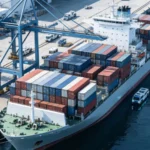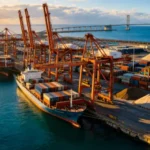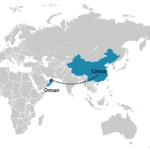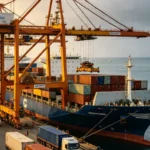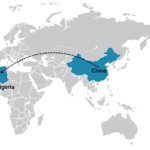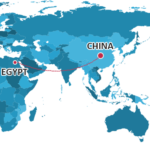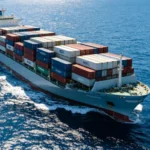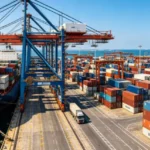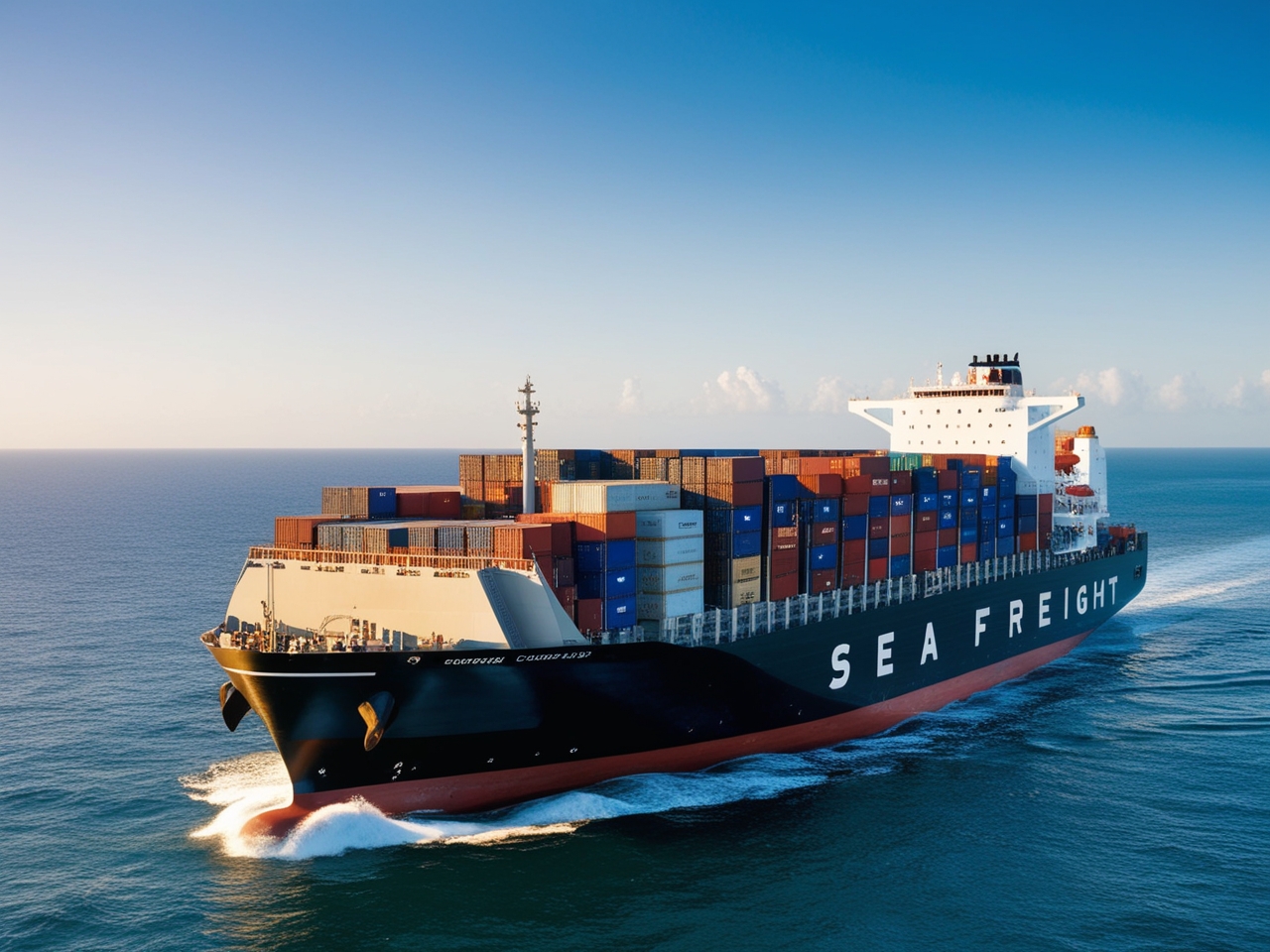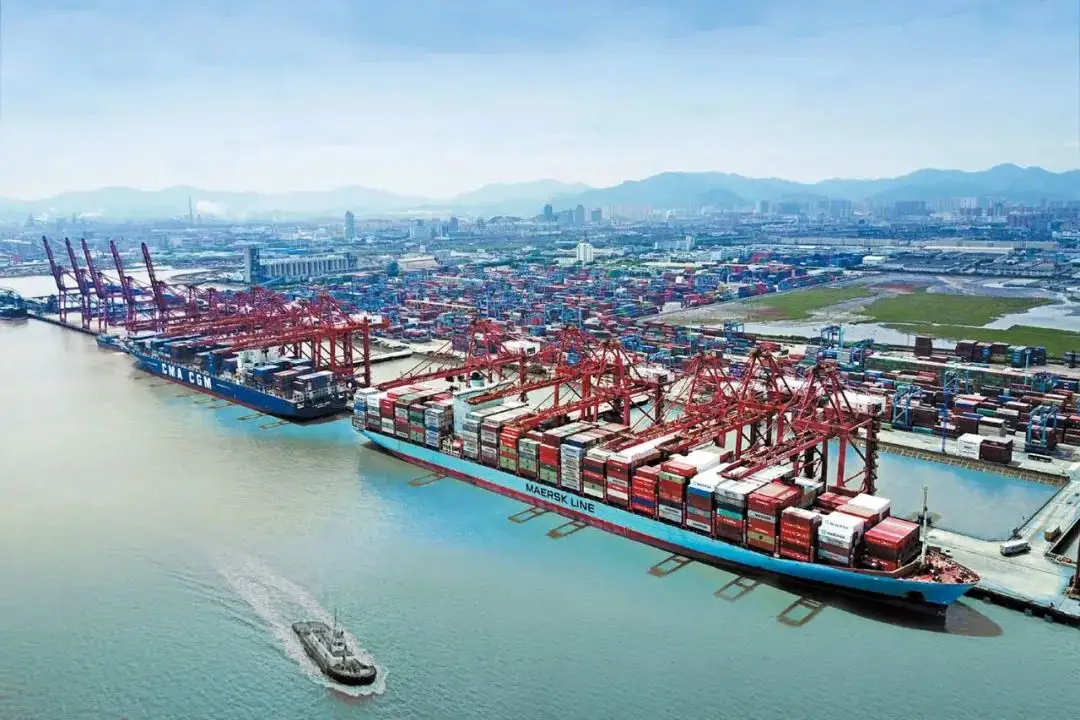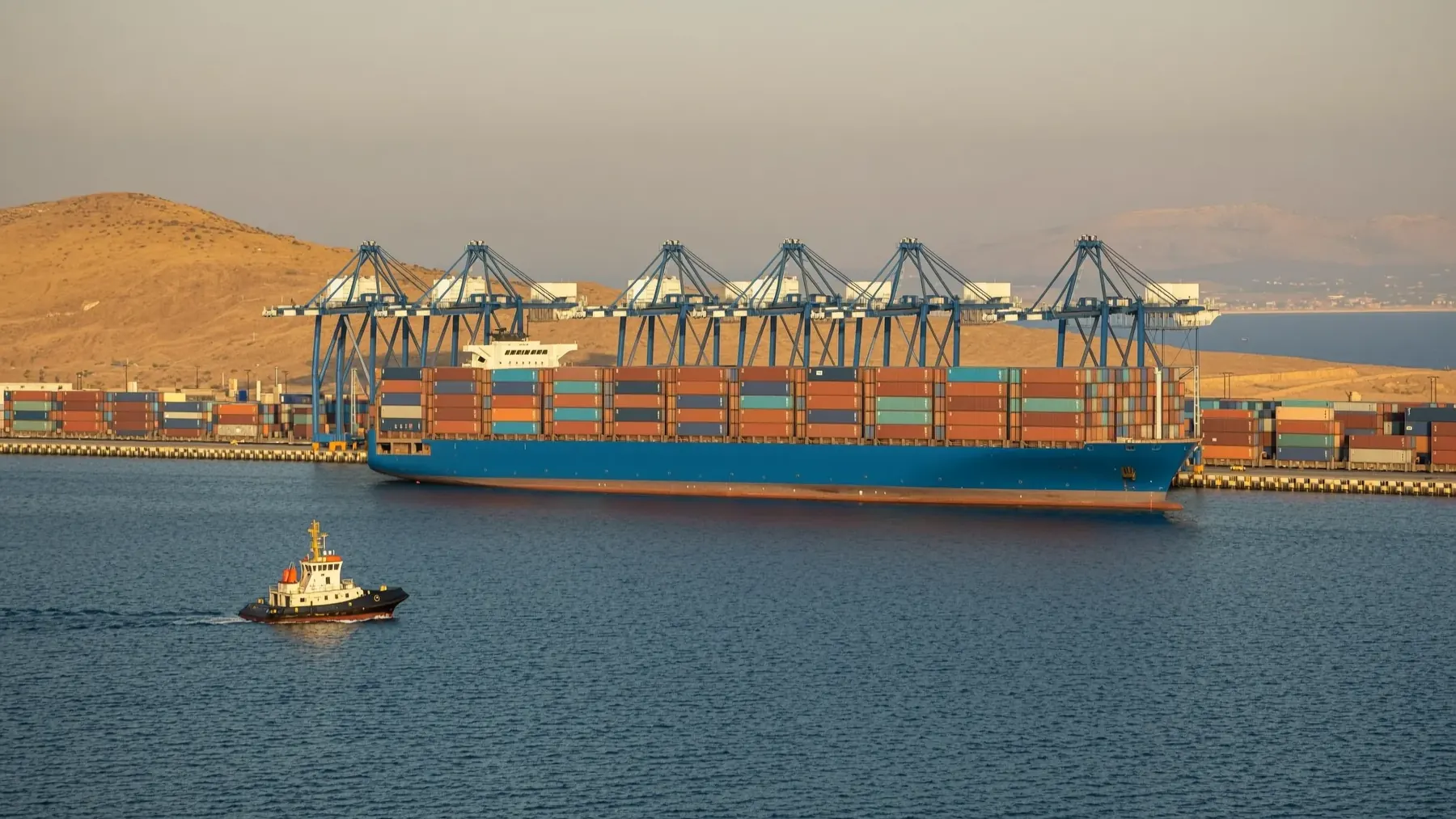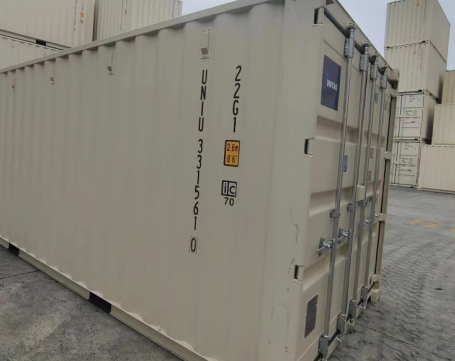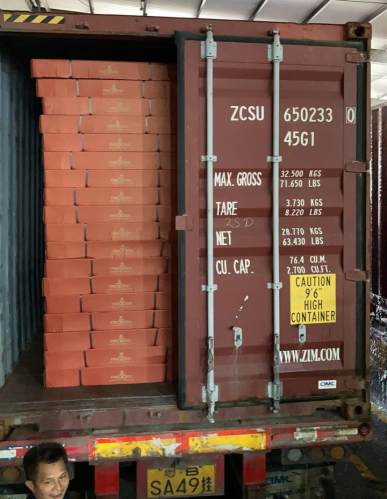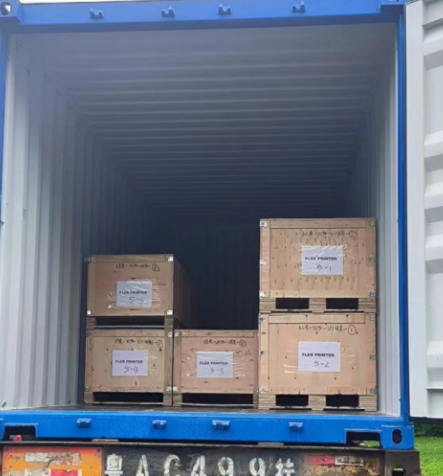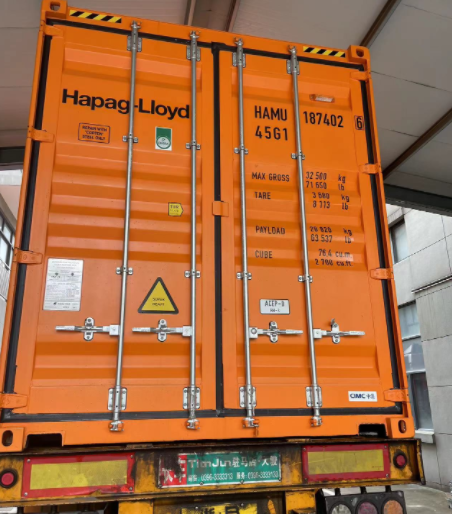
Sea freight is the preferred mode for high-volume, non-urgent shipments from China to Algeria. It offers the lowest unit cost per CBM or kg among mainstream channels, supports diverse container types (dry, reefer, open-top, flat-rack), and remains the most practical solution for importers moving machinery, building materials, furniture, consumer goods, and industrial cargo into Algeria. This guide focuses on FCL vs LCL selection, current transit time ranges, April 2026 cost references, major ports, and Algeria customs essentials so you can plan door-to-door logistics with confidence while avoiding hidden charges, documentation mistakes, and costly clearance delays.
Why Choose Sea Freight?
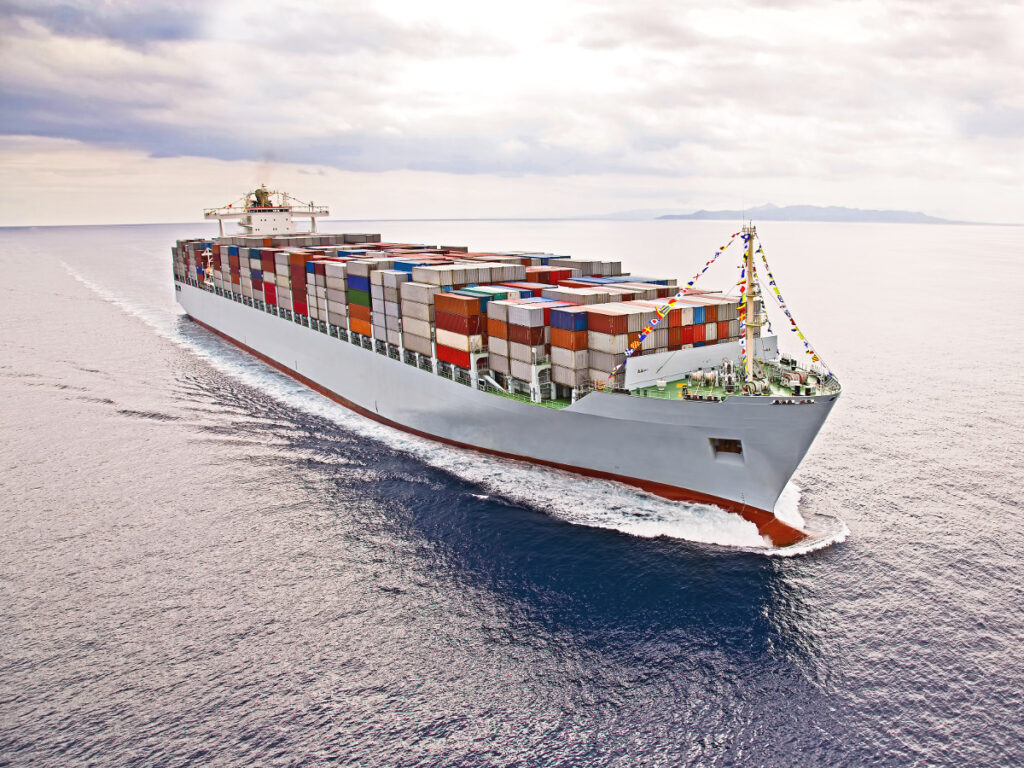
Sea freight is the most common and cost-effective method for shipping goods from China to Algeria, especially for medium-to-large-sized shipments. If your supply chain is planned and your cargo is not time-sensitive, sea freight offers the best balance of landed cost, carrying capacity, and route flexibility.
- Cost-Effectiveness: It usually delivers the lowest logistics cost per unit for bulk cargo. For Algeria-bound imports, this matters because destination charges, duties, and inland costs are already meaningful, so controlling the base freight cost helps protect margin.
- High Capacity: Ocean carriers can handle cargo of almost any size or weight, from small boxes to oversized machinery and vehicles. Standard 20ft and 40ft containers provide enough flexibility for both dense cargo and high-volume cargo.
- Versatility: Sea freight accommodates a wide range of goods, including electronics, machinery, textiles, raw materials, and more. Specialized services are available for hazardous materials, refrigerated cargo (cold chain), and oversized loads.
- Lower Environmental Impact: On a ton-kilometer basis, sea freight has a smaller carbon footprint than air freight, making it a more sustainable choice for environmentally conscious businesses.
Choose sea freight when:
- Your shipment is larger than 2 cubic meters (CBM).
- Your delivery timeline is flexible (transit times are longer).
- You want the most budget-friendly shipping option.
- Your goods are heavy, bulky, or oversized.
Sea Freight Modes: FCL vs. LCL and Door-to-Door
Understanding the different sea freight modes is crucial for optimizing your cost and transit time. The main options are Full Container Load (FCL), Less than Container Load (LCL), and Door-to-Door services.
- FCL: Exclusive use of a full container. Best for larger shipments, better cargo security, and more predictable timing.
- LCL: Shared container space charged by CBM or chargeable ton. Best for small shipments, but usually slower and more fee-sensitive at destination.
- Door-to-Door: One logistics provider manages pickup, export, ocean freight, import coordination, and final delivery for a simpler workflow.
FCL (Full Container Load)
With FCL, you rent an entire container (typically 20ft or 40ft) for your exclusive use. The container is sealed at the origin and opened only upon arrival at the destination.
- Best for: Shipments that are large enough to fill or nearly fill a container. It is also a good option for high-value cargo when you want to minimize handling, reduce touchpoints, and improve cargo security.
- Advantages:
- Faster: FCL shipments are generally faster than LCL because they do not require consolidation and deconsolidation at a warehouse.
- More Secure: The container is sealed at your supplier’s facility and remains sealed until it reaches you, reducing the risk of damage, contamination, or loss.
- Fixed Cost: You pay a flat rate for the container, which can be more cost-effective for larger volumes.
LCL (Less than Container Load)
If your cargo volume is not large enough to fill a container, LCL is the right solution. Your goods are consolidated with other shipments heading to the same destination in a shared container.
- Best for: Small to medium-sized businesses (SMBs) or importers with smaller cargo volumes, typically between 1 and 12 CBM.
- Advantages:
- Cost-Effective for Small Shipments: You only pay for the space your cargo occupies, calculated by cubic meter (CBM) or weight.
- Flexibility: LCL allows you to ship smaller quantities more frequently, helping you manage inventory and cash flow.
- Considerations:
- Longer Transit Time: LCL shipping usually takes around 7-12 days longer than FCL because of consolidation and deconsolidation at a Container Freight Station (CFS).
- Higher Handling Risk: Your goods are handled more frequently, which slightly increases the risk of damage. Strong export packaging and clear carton marks are essential.
- Important Cost Threshold: In practical quoting, once cargo reaches about 12-15 CBM, FCL often becomes the smarter option because LCL destination fees, CFS charges, and local handling can narrow or eliminate the apparent savings.
Door-to-Door Service
Door-to-door is a comprehensive service where your freight forwarder manages the entire shipping process from your supplier’s factory in China to your warehouse or facility in Algeria. This service can be used for both FCL and LCL shipments.
- Best for: Importers who want a hassle-free, all-in-one solution. It is ideal for businesses that lack a dedicated logistics team or prefer a single point of contact and accountability.
- The Process Includes:
- Picking up the cargo from the supplier’s location (the “door” in China).
- Managing export customs clearance at the Chinese port.
- Handling the ocean freight to the port in Algeria.
- Managing import customs clearance and paying duties/taxes in Algeria.
- Delivering the cargo to your final destination (the “door” in Algeria).
- Advantages:
- Simplicity: One company handles everything, simplifying communication and management.
- Transparency: You receive a single, all-inclusive quote, which helps in budgeting.
- Peace of Mind: The forwarder takes full responsibility for the entire journey, allowing you to focus on your core business.
Key Ports for China to Algeria Shipping
Selecting the right ports is a strategic decision that impacts your total shipping time and landed cost. Your freight forwarder can provide guidance, but understanding the main gateways is essential.
Main Origin Ports in China
China’s vast coastline has numerous world-class ports. The choice of origin port usually depends on your supplier’s location to minimize domestic transportation costs. Key hubs for Algerian routes include:
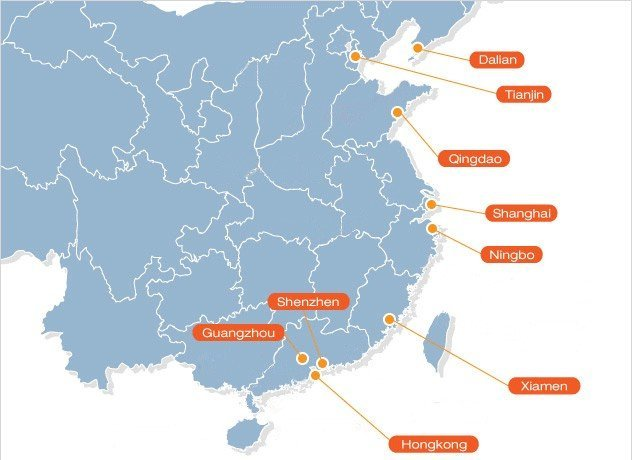
- Shanghai (Port of Shanghai): The world’s busiest container port, offering extensive global connections and frequent sailings.
- Ningbo (Port of Ningbo-Zhoushan): A major alternative to Shanghai, known for its efficiency and capacity.
- Shenzhen (Port of Shenzhen): A critical gateway for electronics and manufactured goods from the Pearl River Delta region. It comprises several terminals, including Yantian and Shekou.
- Qingdao (Port of Qingdao): A primary port in Northern China, ideal for goods sourced from Shandong province and surrounding areas.
- Guangzhou (Port of Guangzhou): Another major hub in the Pearl River Delta, providing excellent access for suppliers in Southern China.
- Tianjin (Port of Tianjin): The main maritime gateway for the Beijing-Tianjin region and Northern China.
Main Destination Ports in Algeria
Algeria’s Mediterranean coastline features several key ports that handle the majority of its international trade.
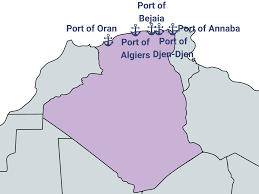
- Algiers (Port of Algiers): As the capital’s port, it is the largest and most important in the country, handling over 30% of Algeria’s imports. It is well-equipped with modern container terminals and is the primary entry point for goods destined for the central region. Best For: General cargo, consumer goods, and shipments destined for the central region and the capital.
- Oran (Port of Oran): Located in northwestern Algeria, Oran is the country’s second-largest port and a crucial hub for trade with Europe and the Western Mediterranean. Best For: Goods destined for western Algeria and trade with Europe.
- Bejaia (Port of Bejaia): A deep-water seaport known for handling both energy products and general cargo. Its versatile infrastructure makes it a strategic choice for distribution across eastern and central Algeria. Best For: Eastern and central distribution, mixed cargo types.
- Skikda (Port of Skikda): Primarily an energy-exporting port, it also accommodates container vessels and serves the industrial heartland of eastern Algeria. Best For: Petrochemical equipment, industrial machinery, and energy sector shipments.
- Annaba (Port of Annaba): A significant commercial port in the far eastern region of Algeria, handling various types of cargo. Best For: Bulk cargo and shipments for the far eastern provinces.
How to Choose a Port: The best port combination depends on your supplier’s location, the final destination in Algeria, carrier schedules, port congestion, and inland transportation costs. An experienced freight forwarder like Dantful International Logistics can analyze these factors to recommend the most efficient and cost-effective route.
Factors Affecting Sea Freight Costs and Delivery Times
Sea freight rates and transit times are not static; they are influenced by a dynamic mix of market forces and operational realities. Understanding these variables helps you budget more accurately and avoid quoting errors.
Key Factors Influencing Cost:
- Supply and Demand: The core driver of price. During peak seasons (e.g., pre-Christmas, pre-Chinese New Year), demand for container space exceeds supply, leading to higher rates and Peak Season Surcharges (PSS).
- Container Type and Availability: Standard 20ft and 40ft containers have different base rates. Specialized equipment like refrigerated (reefer) or open-top containers costs more. A shortage of available containers at the origin port can also drive up prices.
- Fuel Prices (BAF): Bunker Adjustment Factor (BAF) is a surcharge that carriers apply to account for fluctuations in fuel costs. This can change monthly or quarterly.
- Incoterms: The agreed-upon Incoterm (e.g., FOB, EXW, CIF) determines who pays for which part of the journey. For example, under FOB, the seller pays for transport to the origin port, while the buyer covers the rest.
- Port Fees and Terminal Handling Charges (THC): Both the origin and destination ports charge fees for handling containers. These are often passed on to the shipper and can materially affect the final invoice even when the base ocean rate looks competitive.
- Customs Duties and Taxes: The Harmonized System (HS) code of your goods determines the import duties and taxes you must pay in Algeria. Incorrect classification can lead to fines, re-assessment, and avoidable delays.
- Cargo Type: Hazardous materials (HazMat), oversized cargo, or goods requiring special handling will incur additional charges due to the extra safety measures and equipment needed.
Key Factors Influencing Delivery Time:
- Direct vs. Transshipment Routes: A direct sailing from China to Algeria is the fastest. However, many routes involve transshipment, where the container is offloaded at a major hub (e.g., in the Mediterranean) and loaded onto another vessel for the final leg to Algeria. Each transshipment can add several days to the total transit time.
- Port Congestion: High traffic, labor shortages, or infrastructure issues at either the origin or destination port can cause significant delays in loading and unloading vessels.
- Customs Clearance: Delays in customs are common. They can be caused by incorrect or incomplete documentation, missing conformity paperwork, bank domiciliation issues, random inspections, or import-authorization problems. A reliable freight forwarder helps ensure all paperwork is in order before sailing.
- Weather and Seasonality: Adverse weather conditions like typhoons can force vessels to alter their course or delay departures, impacting schedules.
- Carrier Schedule Reliability: Shipping lines have their own schedules, but these can change. An experienced forwarder works with reliable carriers to secure space on vessels that are more likely to adhere to their estimated time of arrival (ETA).
Sea Freight Costs from China to Algeria
Estimating the cost of sea freight is a critical step in budgeting for your imports. Rates are highly dynamic and depend on the factors mentioned previously. The following figures represent April 2026 market references for common China-Algeria routes and should be used as a guideline only. For a precise, shipment-specific quote, it is always best to contact Dantful International Logistics with your cargo details, Incoterm, and delivery point.
Cost of Shipping a 20ft Container from China to Algeria
A 20ft container is ideal for medium-sized shipments.
- Estimated Cost: The port-to-port cost for a 20ft container from major Chinese ports to Algerian ports such as Algiers, Oran, or Bejaia typically ranges from $2,000 to $3,650 in April 2026.
This price generally covers the basic ocean freight. Additional fees at origin and destination will apply.
Cost of Shipping a 40ft Container from China to Algeria
A 40ft container offers more than double the volume of a 20ft container and is more cost-effective for larger shipments.
- Estimated Cost: The port-to-port cost for a 40ft container from China to Algeria generally falls between $3,200 and $5,300 in April 2026.
The table below provides a quick comparison:
| Container Type | Estimated Port-to-Port Cost (April 2026) | Best For |
|---|---|---|
| 20ft FCL | $2,000 – $3,650 | Medium-sized shipments, heavy cargo |
| 40ft FCL | $3,200 – $5,300 | Large-volume shipments, bulky goods |
| LCL | $45 – $95 per CBM | Small shipments (1-12 CBM) |
Note: These are general market estimates. Rates fluctuate weekly based on carrier space, transshipment routing, seasonality, and cargo type. Always request a detailed quote before booking.
Additional Fees and Charges
The final price you pay, your true “landed cost,” is more than just the ocean freight. This is where many importers underestimate Algeria shipments. It is crucial to budget for the following additional charges:
- Origin Charges:
- Terminal Handling Charge (THC): Fee for handling the container at the port of loading.
- Export Customs Clearance: Fee for preparing and submitting customs documentation in China.
- Documentation Fee: Charge for issuing the Bill of Lading (B/L) and other necessary papers.
- Inland Transport (Trucking): Cost to transport the container from your supplier’s factory to the port.
- Destination Charges:
- Terminal Handling Charge (THC): Fee for handling the container at the port of arrival in Algeria.
- Import Customs Brokerage: Fee for a customs broker to clear your goods through Algerian customs.
- Duties and Taxes: Tariffs and VAT calculated based on your goods’ HS code and value.
- Inland Transport (Trucking): Cost to deliver the container from the Algerian port to your final destination.
- CFS / Deconsolidation Fees for LCL: Shared shipments often incur destination warehouse, handling, and release charges that can materially change the total cost.
- Potential Surcharges:
- Peak Season Surcharge (PSS): Applied during high-demand periods.
- Bunker Adjustment Factor (BAF): Accounts for fuel price fluctuations.
- Demurrage & Detention: Fees for using a container beyond the allotted free time at the port (demurrage) or outside the port (detention).
- Inspection or Storage Fees: Customs exams, document holds, or delayed pickup can trigger extra storage and handling charges.
Expert Tip: On the China-Algeria lane, the cheapest base freight is not always the cheapest final shipment. When comparing quotations, always ask whether destination THC, LCL release fees, customs brokerage, inspection fees, and inland delivery are included.
Dantful International Logistics provides transparent, all-inclusive quotes that break down these costs, so you can avoid surprises and understand your total landed cost upfront.
Sea Freight Transit Times from China to Algeria
Transit time is the total duration it takes for your cargo to travel from the port of origin to the port of destination. This can vary significantly based on the route, carrier, transshipment pattern, and service type.
Port-to-Port Delivery
This is the time the vessel is at sea, from the port of departure in China to the port of arrival in Algeria.
- Average Transit Time: Port-to-port shipping from China to Algeria typically takes around 32 to 45 days on regularly booked routes.
The table below provides estimated transit times for common port pairs:
| Origin Port (China) | Destination Port (Algeria) | Estimated Transit Time |
|---|---|---|
| Shanghai | Algiers | 34 – 40 days |
| Ningbo | Oran | 35 – 42 days |
| Shenzhen (Shekou/Yantian) | Algiers | 32 – 38 days |
| Qingdao | Skikda | 38 – 45 days |
| Guangzhou (Nansha) | Bejaia | 33 – 40 days |
- Transshipment Impact: If the route involves transshipment through Mediterranean hubs, the total transit time can extend to around 45-60 days.
- LCL Consideration: For LCL shipments, you should add an extra 7-12 days to the port-to-port time to account for consolidation and deconsolidation at the CFS.
- Practical Note: On this lane, vessel transit is often only part of the schedule. Space rollover, feeder connections, and destination release timing can add more delay than the ocean leg itself.
Door-to-Door Delivery
This is the total time from when the cargo leaves your supplier’s factory in China until it arrives at your facility in Algeria. It includes inland transit and customs clearance at both ends.
- Average Transit Time: A realistic timeframe for door-to-door delivery is between 45 and 65 days.
- Factors Adding Time:
- Inland Trucking: Time needed to transport the container to/from the ports.
- Customs Clearance: In Algeria this often takes 5-10 days under normal conditions, but inspections, document mismatches, or missing pre-shipment compliance documents can extend the timeline.
- Port Congestion: Delays at the port can hold up your shipment.
Planning your supply chain with these timeframes in mind is essential to avoid stockouts and meet your production or sales schedules.
Step-by-Step Guide to Ship from China to Algeria by Sea
Navigating the international shipping process can seem complex, but it can be broken down into a clear, manageable sequence. A reliable freight forwarder like Dantful International Logistics will guide you through each stage, but understanding the workflow is key to a smooth experience.
Step 1: Get a Quote and Choose Your Shipping Mode
- Provide Details: Contact your freight forwarder with your cargo details: type of goods, volume (in CBM), weight (in kg), and readiness date.
- Select Service: Based on your volume and budget, choose between FCL (Full Container Load) and LCL (Less than Container Load). Decide on the service level you need (e.g., port-to-port, door-to-door).
- Receive Quote: Your forwarder will provide a detailed quote outlining all costs.
Step 2: Booking and Cargo Pickup
- Confirm Booking: Once you approve the quote, your forwarder will book space on a vessel with the carrier.
- Arrange Pickup: If you’ve chosen a door-to-port or door-to-door service, the forwarder will arrange for a truck to pick up the cargo from your supplier’s factory. For LCL, the goods will be sent to a Container Freight Station (CFS) for consolidation.
Step 3: Export Customs Clearance in China
- Prepare Documents: Your forwarder will help you prepare the necessary export documents, including the commercial invoice, packing list, and any required export licenses.
- Declare to Customs: The shipment is declared to Chinese customs. This process verifies that the goods are compliant with export regulations.
Step 4: Ocean Freight
- Loading: Once cleared, the container is loaded onto the vessel.
- Transit: The vessel departs for Algeria. Your forwarder will provide you with a Bill of Lading (B/L), which acts as a receipt and title for the goods. You can use the B/L number to track your shipment’s progress.
Step 5: Arrival and Import Customs Clearance in Algeria
- Arrival Notice: Before the ship arrives at the Algerian port, you or your customs broker will receive an arrival notice.
- Submit Import Documents: Prepare and submit all required import documentation. This is a critical step where accuracy is vital to avoid delays. (See the “Import Compliance” section for a list of documents).
- Pay Duties and Taxes: Your customs broker will calculate the required import duties and VAT. These must be paid before the cargo can be released.
- Customs Inspection: Algerian customs may select your shipment for a physical inspection. This is a standard procedure, but it can add time to the clearance process.
Step 6: Cargo Release and Final Delivery
- Release from Port: Once customs duties are paid and any inspections are complete, the port authority will release the cargo.
- Arrange Delivery: For door-to-door service, your forwarder will arrange for the container to be trucked from the port to your final destination. For LCL, the container is first taken to a CFS for deconsolidation, after which your goods are delivered.
- Unload Goods: You are responsible for unloading the goods from the container at your facility within the allotted “free time” to avoid detention fees.
Special Goods: Batteries, HazMat, Oversized Cargo, Cold Chain
Shipping non-standard goods requires specialized expertise, documentation, and handling procedures. It is crucial to inform your freight forwarder if your cargo falls into any of these categories, as failure to do so can result in severe penalties, delays, and safety hazards.
Batteries and Electronics with Batteries
- Classification: Lithium-ion batteries are classified as dangerous goods (Class 9). They are assigned specific UN numbers (e.g., UN3480 for lithium-ion batteries, UN3481 for batteries contained in equipment).
- Requirements:
- MSDS: A Material Safety Data Sheet is mandatory.
- UN 38.3 Test Report: This report certifies that the batteries have passed safety tests.
- Proper Packaging and Labeling: Batteries must be packed to prevent short-circuiting and labeled with the correct dangerous goods marks.
- Carrier Approval: Not all carriers will accept batteries on all routes. Your forwarder must secure approval before booking.
HazMat (Hazardous Materials)
This category includes chemicals, flammable liquids, toxic substances, and other materials classified as dangerous goods under the IMO (International Maritime Organization) code.
- Requirements:
- DG Declaration: A Dangerous Goods (DG) declaration must be accurately completed.
- Correct Packaging: Goods must be in UN-approved packaging.
- Segregation: Hazardous materials must be segregated from other types of cargo in the container according to compatibility rules.
- Port and Carrier Approval: Both the ports and the shipping line must approve the shipment.
Oversized Cargo (Out of Gauge – OOG)
This refers to any cargo that does not fit into a standard 20ft or 40ft container, such as large machinery, construction equipment, or vehicles.
- Handling: OOG cargo is shipped using special equipment like flat-rack containers or open-top containers.
- Requirements:
- Lashing and Securing: The cargo must be professionally lashed, blocked, and braced to prevent movement during transit.
- Route Planning: Special permits and escorts may be needed for inland transport.
- Specialized Equipment: Cranes and other heavy-lifting equipment are required at the ports.
Cold Chain (Refrigerated Cargo)
This includes perishable goods like food products, pharmaceuticals, and certain chemicals that require a specific temperature range throughout transit.
- Handling: These goods are shipped in refrigerated containers, known as “reefers.”
- Requirements:
- Temperature Control: The reefer must be pre-cooled and set to the precise temperature required for the cargo.
- Temperature Monitoring: A temperature data logger is often placed inside the container to provide a record of the temperature throughout the journey.
- Power Supply: The reefer requires a constant power supply at the port terminals and on the vessel.
- Priority Handling: Cold chain shipments are often given priority to minimize transit time and reduce the risk of spoilage.
Dantful International Logistics has extensive experience in handling all types of special cargo. For batteries, DG cargo, oversized machinery, and reefer shipments, our team checks documentation, packaging suitability, carrier acceptance, and port handling requirements before booking so you can avoid last-minute rejection or costly cargo rework.
Key Points of Import Compliance in Algeria
Successfully navigating Algerian customs is one of the most critical aspects of shipping from China. Delays at this stage can be costly and disrupt your entire supply chain. Strict adherence to documentation and import regulations is non-negotiable.
Required Documentation
A complete and accurate set of documents is the foundation of a smooth customs clearance process. While the specific list can vary by product, the core documents include:
- Commercial Invoice: Must be detailed, accurate, and usually needs to align with the bank domiciliation file in Algeria. Product descriptions, values, quantities, and seller details should match across all documents.
- Packing List: Details the contents, weight, and dimensions of each package in the shipment.
- Bill of Lading (B/L): The official shipping document that serves as the title of the goods.
- Certificate of Origin (C/O): Certifies that the goods were manufactured in China. This can be crucial for tariff calculations.
- Certificate of Conformity (Certificat de Contrôle de Qualite): Mandatory for many regulated products such as auto parts, electronics, and household appliances. This certificate proves that the goods meet Algerian safety and quality standards and should be arranged with an authorized inspection body before cargo handover whenever your product falls under a controlled category.
- Import License / Authorization: Certain goods may require a specific import license from the relevant Algerian ministry.
Customs Duties and Taxes
- Calculation Basis: Duties and taxes are typically calculated based on the CIF value of the goods (Cost, Insurance, and Freight).
- HS Code Classification: The Harmonized System (HS) code must be correctly identified for your product. This code determines the rate of customs duty and Value Added Tax (VAT, or TVA in French) that applies. An incorrect HS code can lead to significant fines and delays.
- Provisional Additional Safeguard Duty (DAPS): Be aware that the Algerian government may apply temporary additional duties on certain imported products to protect local industries. It’s essential to check the latest regulations.
Bank Domiciliation (Critical Step)
For most commercial imports into Algeria, the import transaction must be “domiciled” with an approved Algerian bank. This means the bank registers and oversees the payment process, ensuring it complies with foreign exchange regulations.
Crucial Timing: You should initiate this process before the goods are shipped from China, not after the vessel departs. In practical operations, this is one of the most common reasons otherwise normal shipments get stuck at destination. If the invoice, bank file, and import documents do not match, customs release can be delayed even when the vessel arrives on time.
Common Shipping Mistakes to Avoid
Even experienced importers can face issues with Algerian customs. Avoid these common pitfalls:
- Shipping before Bank Domiciliation: As mentioned, this is the #1 cause of stuck shipments.
- Missing “Made in China” Labels: Origin labeling is strictly enforced. Every item should ideally be marked.
- Incorrect HS Codes: Using a lower-duty code that doesn’t match the product description will trigger fines.
- Ignoring DAPS: Failing to check if your product falls under the “Safeguard Duty” list can ruin your profit margins unexpectedly.
- Waiting too long to collect cargo: Slow document release or delayed pickup can quickly create storage, demurrage, or detention costs at destination.
Compliance is Key to Avoiding Delays
The most common reasons for customs delays in Algeria are:
- Incomplete or inconsistent documentation.
- Incorrect HS code classification.
- Failure to obtain necessary pre-shipment approvals or certificates.
- Issues with bank domiciliation.
Confused by Algerian customs regulations? Don’t risk your shipment. Contact Dantful’s Algeria specialists for a free compliance check and guidance on current bank domiciliation, DAPS, and Certificate of Conformity requirements.
Working with an experienced freight forwarder like Dantful International Logistics, which has a strong local partner network in Algeria, is the best way to ensure all compliance requirements are met before your shipment even leaves China.
Choosing a Reliable Freight Forwarder
Your choice of freight forwarder is the most important decision you will make in the shipping process. A great partner acts as an extension of your team, saving you time, money, and stress. A poor one can cause endless delays and unexpected costs.
Here are the key criteria for selecting a freight forwarder for your China-to-Algeria shipments:
1. Experience and Expertise on the China-Algeria Lane This specific trade route has its own unique challenges. A forwarder with proven experience will have established relationships with reliable carriers, understand the nuances of Algerian ports, and be able to anticipate and solve potential problems.
2. Strong Local Network in Algeria A forwarder’s capabilities are only as good as its team on the ground. A strong local partner or office in Algeria is essential for:
- Efficient and correct customs clearance.
- Negotiating with local port authorities and trucking companies.
- Providing real-time updates and troubleshooting any issues that arise upon arrival.
3. Transparent and All-Inclusive Quoting Avoid forwarders who provide unrealistically low quotes that exclude major fees. A reliable partner will offer a transparent, detailed quote that clearly breaks down all costs, including:
- Ocean freight
- Origin and destination handling charges (THC)
- Customs brokerage fees
- Inland transportation
- Documentation fees
This allows you to understand your true landed cost with no hidden surprises.
4. Comprehensive Range of Services Look for a forwarder who can offer a one-stop solution tailored to your needs. This includes:
- FCL and LCL options.
- Door-to-door service.
- Customs brokerage.
- Cargo insurance.
- Warehousing and consolidation.
- Expertise in handling special cargo (HazMat, oversized, refrigerated).
5. Proactive Communication and Customer Service A good freight forwarder keeps you informed every step of the way. They should provide proactive updates, a single point of contact for your shipment, and be readily available to answer your questions.
Why Choose Dantful International Logistics?
At Dantful International Logistics, we focus on what importers actually care about on the China-Algeria lane: lower total landed cost, more reliable delivery planning, and fewer customs problems at destination.
- Better Cost Control, Not Just a Cheap Ocean Rate: We help you compare FCL vs LCL properly, identify destination fees early, and reduce hidden costs such as CFS charges, storage, demurrage, and avoidable inspection expenses.
- More Reliable Transit Planning: We select practical sailings, check transshipment risk, coordinate pickup timing, and help you build realistic ETAs instead of relying on overly optimistic port-to-port numbers.
- Stronger Customs and Compliance Support: We review invoices, packing lists, HS code logic, conformity requirements, and Algeria document consistency before shipment, which reduces the risk of clearance holds after arrival.
- One-Stop China Export Management: From supplier coordination and cargo consolidation in China to customs support and final delivery arrangements in Algeria, we manage the process under one team.
- Support for Complex Cargo: If your shipment includes batteries, DG cargo, oversized machinery, or temperature-sensitive goods, we arrange the right equipment, documentation, and carrier approvals in advance.
Trust Dantful to make your shipping from China to Algeria more predictable, more compliant, and more cost-effective.
Ready to ship? Don’t let customs complexities delay your business. Get your free, transparent sea freight quote from Dantful International Logistics today – updated for April 2026 market conditions.
FAQs
Why should I choose sea freight for shipping from China to Algeria?
Sea freight is usually the best option when your cargo is not urgent and you want the lowest transport cost per unit. It works especially well for machinery, furniture, building materials, general consumer goods, and other medium-to-large shipments where air freight would be too expensive.
What are the different types of sea freight services available?
The main types are LCL, FCL, and door-to-door service. LCL is suitable for smaller shipments sharing container space, FCL is ideal for larger or more sensitive cargo using a full container, and door-to-door service adds pickup, customs coordination, and final delivery under one logistics provider.
What factors affect sea freight costs and delivery times?
The main factors are origin and destination ports, container type, cargo volume, commodity type, carrier routing, transshipment frequency, seasonality, and customs requirements. For Algeria shipments, destination handling fees, bank domiciliation issues, and conformity paperwork can affect the final cost and delivery time just as much as the base ocean rate.
What are the expected transit times for sea freight from China to Algeria?
Most port-to-port shipments take around 32-45 days. If the route includes transshipment, the schedule can extend to 45-60 days. For door-to-door service, a realistic planning window is 45-65 days, especially when destination customs clearance and final delivery are included.
What are the estimated costs for shipping containers from China to Algeria?
As a practical April 2026 reference, a 20ft container usually ranges from $2,000 to $3,650, while a 40ft container usually ranges from $3,200 to $5,300 for standard port-to-port service. LCL typically ranges from about $45 to $95 per CBM, but the final cost depends on route, carrier space, cargo type, and destination charges.

Young Chiu is a seasoned logistics expert with over 15 years of experience in international freight forwarding and supply chain management. As CEO of Dantful International Logistics, Young is dedicated to providing valuable insights and practical advice to businesses navigating the complexities of global shipping.