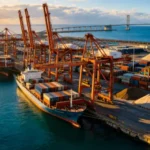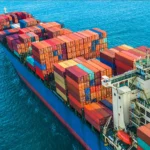
Understanding the true costs involved in shipping containers from China to Germany is crucial for businesses looking to optimize their supply chain and protect their profit margins. As of May 2026, the freight market has shifted. With stabilizing global economic conditions and increased carrier capacity, shipping rates have become significantly more competitive compared to the previous year.
However, base freight rates are only part of the story. Importers often face unexpected costs like terminal handling charges (THC), customs delays, and fuel surcharges. This comprehensive guide provides a detailed breakdown of the costs associated with shipping 20ft, 40ft, and 40HQ containers from China to Germany, along with actionable strategies from Dantful’s 15+ years of operational experience to help you minimize hidden fees.
You may be interested in the article: Shipping From China To Germany
Key Factors Influencing Your Shipping Costs
To accurately estimate your logistics budget, it is essential to understand the variables that dictate the final price of moving a container from China to Europe.
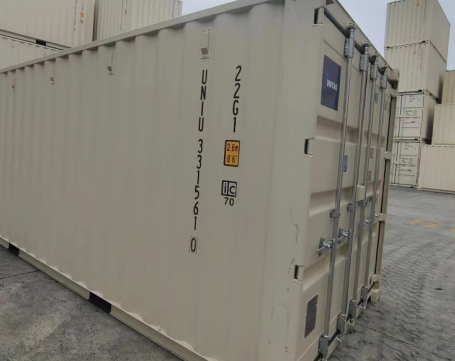
- Type of Container (20ft vs 40ft vs 40HQ): A standard 20ft container (approx. 28-30 CBM capacity) costs less to ship than a 40ft (approx. 60-65 CBM) or a 40HQ. However, a 40ft container offers double the volume for only about 30-40% more in base freight cost, providing much better economies of scale for lighter, voluminous goods.
- Incoterms (FOB vs. EXW): Your chosen Incoterm heavily dictates your cost. If you buy EXW (Ex Works), you are responsible for the inland transport from the Chinese factory to the port, export customs, and origin port fees. With FOB (Free on Board), the supplier covers origin costs, and you only pay from the Chinese port to Germany.
- Seasonal Demand Fluctuations: Shipping rates are highly sensitive to seasonality. As of May 2026, we are in a relatively stable pricing window following the post-Chinese New Year lull. However, rates typically start climbing in late summer (August/September) as retailers prepare for the Q4 holiday rush. Planning shipments during off-peak windows can save you 15-20%.
- Fuel Surcharges (BAF) and Routing: Bunker Adjustment Factors (BAF) fluctuate with global oil prices. Additionally, whether the vessel takes a direct route via the Suez Canal or routes around the Cape of Good Hope impacts both transit time (typically 30-45 days) and fuel consumption.
- Port and Terminal Fees (THC): Terminal Handling Charges at both origin (e.g., Shanghai, Ningbo) and destination (e.g., Hamburg, Bremen) are mandatory. These fees cover the physical lifting of the container and can vary significantly depending on the carrier and port.
Main Ports in China and Germany
In the flourishing trade between China and Germany, several ports play crucial roles.
Chinese Ports
- Shanghai Port: A linchpin for China – Germany trade, Shanghai Port is a global behemoth. In 2025, its container throughput maintained its leading position, exceeding 50 million TEUs. It serves as a major exporter of Chinese electronics, textiles, and consumer goods bound for Germany.
- Ningbo Port: Another significant port, Ningbo-Zhoushan Port continued its growth in 2025. It is a key departure point for various products like mechanical equipment and daily necessities en route to Germany. Many small and medium-sized enterprises in Zhejiang province rely on Ningbo Port.
- Qingdao Port: With a robust container throughput in 2025, Qingdao Port contributes substantially to the trade. It is especially important for shipping steel products and agricultural products from China to Germany.
German Ports
- Hamburg Port: As Germany’s largest port, Hamburg Port handles a vast amount of seaborne cargo. It has a long-standing and robust connection with China. Nearly one-third of its total cargo is either from or destined for China.
- Bremen Port (including Bremerhaven): A crucial hub for the import of automotive products, machinery, and electronics from China. Many German car manufacturers receive parts and components from China through this port.
- Rotterdam Port (in the Netherlands): While not in Germany, Rotterdam is a major gateway for goods entering the German market. It serves as a transit point for a large volume of goods flowing between China and Germany.
Cost Breakdown: 20ft, 40ft, and 40HQ Containers
To provide a clear picture of current market pricing, below are the average cost breakdowns for shipping full containers (FCL) from major Chinese ports to Germany.
Note: The following rates are estimates for May 2026. Freight markets fluctuate weekly, so we recommend contacting our team for a live, customized quote.
Cost of Shipping a 20ft Container from China to Germany
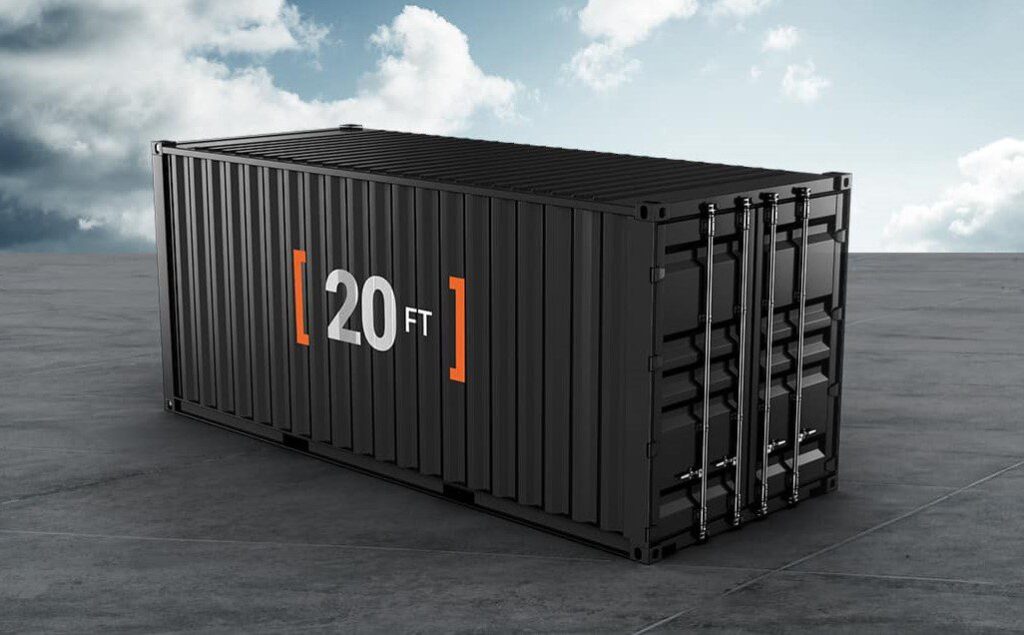
A 20ft container is ideal for heavy, dense cargo such as machinery, hardware, or raw materials. The current average total shipping cost ranges from $950 to $1,800.
| Cost Component | Average Cost (USD) |
|---|---|
| Base Shipping Rate | $600 – $1,100 |
| Fuel Surcharge (BAF) | $150 – $250 |
| Origin & Dest Port Fees | $100 – $200 |
| Customs Clearance | $50 – $150 |
| Cargo Insurance | $50 – $100 |
| Total Estimated Cost | $950 – $1,800 |
Cost of Shipping a 40ft Container from China to Germany
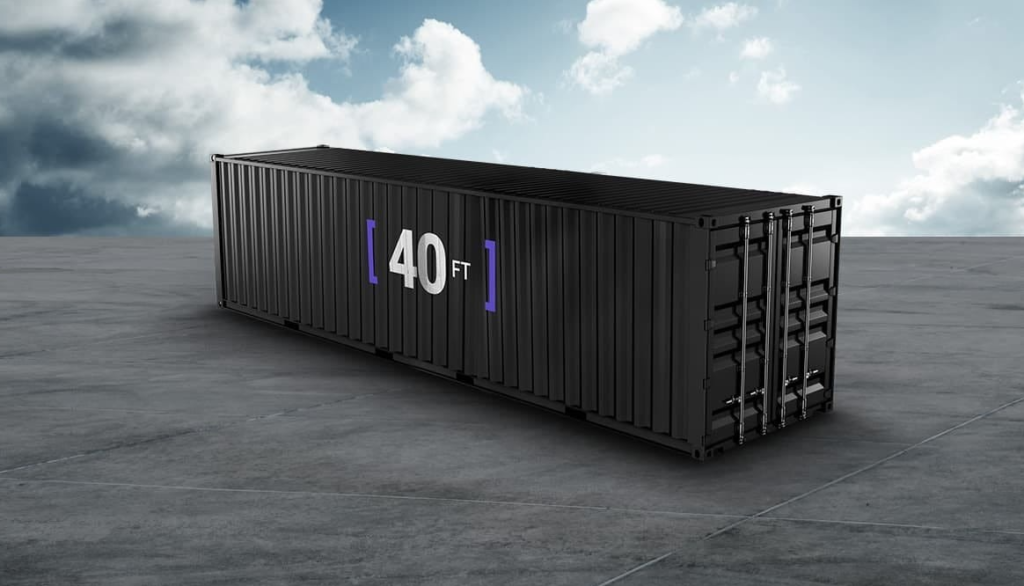
A 40ft container is best suited for larger volumes of lighter goods, such as consumer electronics, textiles, or furniture. The average total cost in May 2026 ranges from $1,650 to $2,850.
| Cost Component | Average Cost (USD) |
|---|---|
| Base Shipping Rate | $1,100 – $1,900 |
| Fuel Surcharge (BAF) | $200 – $350 |
| Origin & Dest Port Fees | $150 – $300 |
| Customs Clearance | $100 – $200 |
| Cargo Insurance | $100 – $100 |
| Total Estimated Cost | $1,650 – $2,850 |
Cost of Shipping a 40HQ Container from China to Germany
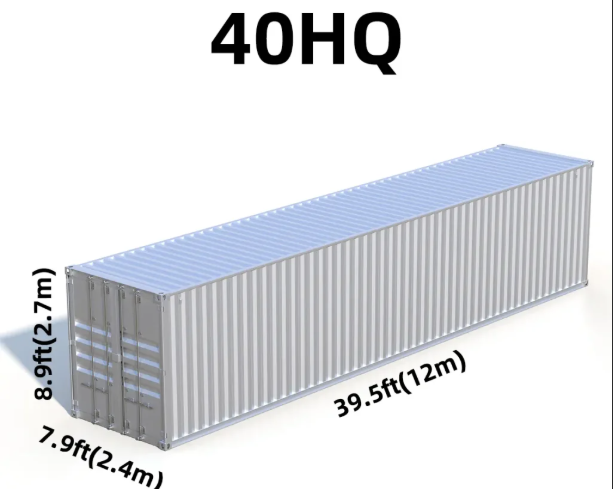
A 40HQ (High Cube) container provides an extra foot of vertical space compared to a standard 40ft, making it the most cost-effective choice for maximizing lightweight, bulky cargo. The average cost ranges from $1,850 to $3,200.
| Cost Component | Average Cost (USD) |
|---|---|
| Base Shipping Rate | $1,250 – $2,100 |
| Fuel Surcharge (BAF) | $250 – $400 |
| Origin & Dest Port Fees | $150 – $350 |
| Customs Clearance | $100 – $200 |
| Cargo Insurance | $100 – $150 |
| Total Estimated Cost | $1,850 – $3,200 |
Freight Rate Trend Analysis (May 2026)
Current Trend Analysis: Compared to the volatile rates seen in late 2025 and early 2026, the market in May 2026 has experienced a noticeable softening. With new vessels entering the global fleet, carrier capacity has outpaced demand, leading to lower base rates.
Is it a good time to ship? Absolutely. The current market presents a strategic window to lock in favorable rates before the traditional late-summer peak season begins. If your production schedule allows, moving goods now will significantly reduce your per-unit landed cost.
Read More:
- Shipping From China to the United States
- Shipping From China TO CANADA
- Shipping From China To Netherlands
- Shipping From China To UNITED KINGDOM
- Shipping From China To ALGERIA
- Shipping from China to UAE
- Shipping from China to Saudi Arabia
Hidden Fees and Import Taxes: What to Watch Out For
Many importers only calculate the ocean freight, completely missing destination charges that can destroy their margins.
- German Import VAT and Customs Duties: Goods entering Germany are subject to the standard 19% VAT, calculated on the CIF (Cost, Insurance, and Freight) value plus the customs duty. Duties depend on your product’s HS Code. For example, some electronics are 0%, while textiles can be 12%.
- Anti-Dumping Duties (AD/CVD): Be highly vigilant if you are importing steel, aluminum, or certain electric vehicle components from China. The EU enforces strict anti-dumping duties on these items in 2026, which can add massive unexpected costs.
- Destination CFS Charges (For LCL): If you ship LCL (Less than Container Load), the ocean freight might look incredibly cheap. However, Destination Container Freight Station (CFS) un-stuffing fees in Hamburg or Bremen can be notoriously high. Our team at Dantful always calculates the “Break-even Point” to advise you exactly when switching to a dedicated 20ft FCL becomes cheaper than paying LCL destination fees.
Expert Strategies to Reduce Your Shipping Costs
In our 15+ years of managing China-Europe logistics, we have found that proactive planning is the best way to cut costs.
- Leverage DDP (Delivered Duty Paid) Services: If managing German customs, VAT, and final delivery seems daunting, consider our DDP solutions. Dantful handles the entire process from the Chinese factory door directly to your German warehouse. This consolidates costs and eliminates surprise terminal fees upon arrival.
- Optimize Cargo Packing: Empty space costs money. Work with your supplier to optimize carton sizes to maximize container utilization. Filling a 40HQ to 65 CBM instead of 55 CBM dramatically lowers your per-unit shipping cost.
- Consolidate Shipments: If you buy from multiple suppliers in China, do not ship multiple LCL orders. Utilize Dantful’s warehouse consolidation services in Shanghai or Shenzhen. We will collect goods from various factories, pack them into a single FCL container, and ship it together, saving you thousands in origin and destination handling fees.
- Choose the Right Port: While Shanghai and Ningbo are massive hubs, if your supplier is in Northern China, shipping out of Qingdao might save inland trucking costs. Similarly, routing via Rotterdam and trucking into Western Germany is sometimes cheaper than direct discharge in Hamburg.
Why Importers Trust Dantful for China-Germany Shipping
At Dantful International Logistics, we don’t rely on generic marketing buzzwords. With over 15 years of hands-on experience in the China-Europe trade lane, our reputation is built on concrete operational capabilities and measurable results:
- Tier-1 Carrier Contracts: We manage over 5,000 TEUs annually on the Europe route. This volume gives us direct contract pricing with top ocean carriers (such as COSCO, MSC, and Hapag-Lloyd), ensuring you get the most competitive base rates and guaranteed vessel space, even during peak seasons.
- Zero Hidden Fees Guarantee: We know that unexpected destination charges destroy profit margins. Every Dantful quote includes a 100% transparent breakdown—from origin trucking to German customs duties and THC. What we quote is exactly what you pay.
- In-House German Customs Expertise: German customs (Zoll) are strictly regulated. Our dedicated clearance experts are fully integrated with the ATLAS system and deeply familiar with complex CE certification and EU Anti-Dumping (AD/CVD) regulations. We maintain a 98.5% first-time clearance rate, eliminating expensive terminal storage fees caused by paperwork errors.
- Robust Consolidation Infrastructure: We own and operate consolidation warehouses in major Chinese hubs (Shenzhen, Shanghai, Ningbo). If you source from multiple factories, our team handles the complex logistics of consolidating your various LCL shipments into a single, cost-saving FCL container.
Stop losing your profit margin to hidden fees and amateur logistics.
Contact Dantful today for a transparent, data-backed shipping quote tailored to your May 2026 requirements.
Dantful International Logistics Services:
- Dantful Ocean Freight Services
- Air Freight From China
- Amazon FBA Freight Forwarding
- WAREHOUSE Services
- One-Stop Customs Clearance Solution
- Cargo Insurance Services in China
- DDP Shipping Services By Dantful Logistics
- Out of Gauge Cargo Transportation Shipping Services
FAQs
1. How much does it cost to ship from China to Germany in May 2026?
Due to increased capacity, rates have dropped. A 20ft container currently ranges from $950 to $1,800, and a 40ft container ranges from $1,650 to $2,850, depending on your exact route and Incoterms.
2. How long is the transit time from China to Germany?
Standard Sea Freight takes approximately 30 to 45 days port-to-port. For urgent shipments, Rail Freight takes 15-24 days, and Air Freight takes 3-7 days.
3. What is the cheapest way to ship?
For large volumes (over 15 CBM), FCL Sea Freight is the cheapest. For smaller volumes, LCL Sea Freight is cost-effective, but always check destination handling fees.
4. What documents do I need to clear German customs?
You must have a Commercial Invoice, Bill of Lading, Packing List, and your company’s EORI number. Certain products may also require a CE certificate or a Certificate of Origin.
References
- World Shipping Council: Industry Data
- German Customs (Zoll): Import Guidelines
- Germany Trade & Invest: Logistics Infrastructure

Young Chiu is a seasoned logistics expert with over 15 years of experience in international freight forwarding and supply chain management. As CEO of Dantful International Logistics, Young is dedicated to providing valuable insights and practical advice to businesses navigating the complexities of global shipping.