Are you wondering how container shipping costs from China to Luxembourg are determined, or what factors could impact your shipping budget? Navigating terms like FCL, LCL, and understanding surcharges can be overwhelming. In this comprehensive guide, we’ll break down everything you need to know about container shipping between China and Luxembourg, from cost components to expert tips for saving money and avoiding hidden fees. Get ready to make informed decisions, optimize your shipping process, and secure the best rates for your business needs.
Key Takeaways
- Rates to North Europe remain volatile due to capacity shifts and regulatory changes; request current quotes before booking.
- Luxembourg is served via ports such as Antwerp, Rotterdam, and Hamburg with final delivery by road/rail.
- Standard Luxembourg VAT is 17%; duties depend on TARIC HS codes.
- ICS2 now applies across all modes; complete ENS data and an EORI are required before EU arrival.
- CBAM definitive phase started on 1 Jan 2026 for covered goods; authorization may be required, with financial obligations linked to embedded emissions.
Overview of Container Shipping from China to Luxembourg
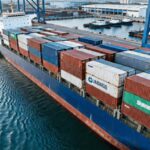
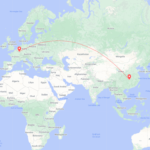
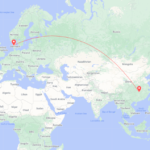
Container shipping is the most cost-effective and reliable solution for moving large volumes of cargo from China to Luxembourg. As a landlocked country in the heart of Europe, Luxembourg depends on major nearby ports such as Antwerp (Belgium), Rotterdam (Netherlands), and Hamburg (Germany) for its international ocean freight. Once your container arrives at one of these key European ports, it is transported by road or rail to Luxembourg. This multimodal approach ensures efficient and seamless delivery for both commercial and personal shipments.
Commonly shipped goods include electronics, machinery, textiles, automotive parts, and consumer products. The route from China to Luxembourg is popular among importers, cross-border e-commerce sellers, and manufacturers seeking competitive shipping costs and reliable transit times. At Dantful International Logistics, we provide integrated solutions covering Sea Freight, Rail Freight, Road Freight, Customs Clearance, Warehouse services, and Door-to-Door Delivery to help businesses streamline their supply chains and minimize operational risks.
Key Factors Influencing Container Shipping Costs from China to Luxembourg
Shipping costs can fluctuate significantly based on a variety of factors. Understanding these key drivers helps you optimize your logistics strategy and better manage your supply chain budget.
Freight Rates: Market Trends and Seasonal Fluctuations
Freight rates between China and Europe are dynamic, influenced by supply and demand, global economic trends, fuel prices, and shipping line capacity. Key periods such as pre-Chinese New Year, the September peak season, and year-end holidays often see rate increases due to surging demand. Conversely, rates may drop during off-peak months or when shipping capacity exceeds demand.
For readers interested in understanding freight trends and rates to other European destinations, see our analysis of shipping rates from China to Germany and how they compare with Luxembourg.
March 2026 Reference Rates (Indicative, Port-to-Port, USD)
| Route | 20FT FCL | 40FT FCL | 40HQ FCL | Typical Ocean Transit |
|---|---|---|---|---|
| Shanghai to Antwerp | $2,200–$2,900 | $3,900–$5,200 | $4,100–$5,400 | 28–34 days |
| Shenzhen to Rotterdam | $2,100–$2,800 | $3,800–$5,000 | $4,000–$5,200 | 27–33 days |
| Ningbo to Hamburg | $2,250–$3,000 | $4,000–$5,300 | $4,200–$5,500 | 30–36 days |
Rates are indicative as of March 2026. Actual quotes vary weekly by carrier, capacity, and surcharges. Request an all-in quote including inland delivery to Luxembourg.
Shipping Distance, Transit Time, and Route Selection
The shipping route from China to Luxembourg typically involves ocean transit to a European gateway port, followed by inland haulage. Transit time depends on the origin port in China, the chosen European port, and the efficiency of the subsequent inland delivery.
Typical Transit Times:
| Origin Port (China) | Destination Port (Europe) | Ocean Transit Time | Final Delivery to Luxembourg (by road/rail) | Total Estimated Transit Time |
|---|---|---|---|---|
| Shanghai | Antwerp | 28–32 days | 1–2 days | 29–34 days |
| Shenzhen | Rotterdam | 26–30 days | 2–3 days | 28–33 days |
| Ningbo | Hamburg | 31–35 days | 2–4 days | 33–39 days |
Selecting faster or direct routes, or premium shipping services, can reduce transit times but usually increases costs.
Container Types and Their Impact on Price (FCL vs. LCL)
Containerization options impact your shipping costs and efficiency:
Full Container Load (FCL):
- You book an entire container (20FT = 28CBM, 40FT = 56CBM, 40HQ = 68CBM, 45HQ = 78CBM).
- Suitable for large shipments or when minimizing handling risks is a priority.
- Cost-effective for volume cargo and provides secure, sealed transport.
Less than Container Load (LCL):
- Your cargo shares space with other shippers.
- Ideal for smaller loads (<15CBM).
- You pay only for the space used, but may incur higher per-CBM rates and longer handling times.
For in-depth guidance when deciding between FCL and LCL for small shipments, you may find LCL vs FCL Shipping: How to Choose the Right Option for Small Cargo helpful.
| Container Type | Typical Cargo Volume | Cost Structure | Security & Speed |
|---|---|---|---|
| FCL | 15–78 CBM | Lower cost per CBM; fixed | High; direct shipping |
| LCL | <15 CBM | Higher per CBM; variable | Moderate; consolidation/delivery delays possible |
Choosing between FCL and LCL depends on your cargo size, urgency, and budget.
Port Fees, Handling Charges, and Local Surcharges
In addition to mainline ocean freight, several additional fees apply at both origin and destination:
- Origin charges: Export customs declaration, terminal handling, container stuffing, and documentation.
- Destination charges: Terminal handling, import customs clearance, port security fee, local delivery, and, if applicable, demurrage/detention fees if containers are not picked up on time.
- Surcharges: Bunker Adjustment Factor (BAF), Peak Season Surcharge (PSS), Currency Adjustment Factor (CAF), and Emergency Risk Surcharges (ERS) as imposed by carriers.
Typical Cost Breakdown (for reference):
| Fee Type | Typical Range (USD) |
|---|---|
| Origin port handling (China) | $150–$300 (per container) |
| Destination port handling (EU) | $200–$350 (per container) |
| Customs clearance (Luxembourg) | $120–$200 |
| Delivery to Luxembourg | $300–$600 |
| Surcharges (variable) | $50–$300 |
Note: Actual costs vary based on cargo type, port, carrier, and service level. Always request a detailed, all-in quote.
Expert Advice: To navigate these variables with confidence, work with a highly professional and experienced freight forwarder like Dantful International Logistics. Our team leverages deep market insights and strong carrier relationships to secure competitive rates and ensure smooth delivery from China to Luxembourg. We offer end-to-end support, including real-time tracking, customs compliance, insurance, and tailored logistics solutions for businesses of all sizes.
Detailed Breakdown of Container Shipping Costs
Main Cost Components: Freight, Surcharges, and Documentation
When shipping containers from China to Luxembourg, understanding the breakdown of total shipping costs is essential for effective budgeting. The main components include:
Freight Charges: This is the core cost for transporting a container by ocean, typically quoted as FCL (Full Container Load) or LCL (Less than Container Load). Freight rates fluctuate based on market demand, fuel prices, and trade lane capacity. As of March 2026, indicative FCL rates from major Chinese ports to North Europe are:
- 20FT: $2,100–$3,000
- 40FT: $3,800–$5,300
- 40HQ: $4,000–$5,500 LCL rates are calculated per CBM and may be advantageous for small shipments.
For a focused look at regional pricing and strategies, check out how much is shipping from China to Luxembourg for current rates and influencing factors.
Surcharges: Surcharges can significantly impact your total cost. Common surcharges include:
- BAF (Bunker Adjustment Factor): Adjusts for fuel price changes.
- CAF (Currency Adjustment Factor): Compensates for currency fluctuations.
- PSS (Peak Season Surcharge): Applied during high-demand periods.
- ISPS (Security Fee): For international port security measures.
- War Risk or Emergency Fees: If routes are affected by geopolitical risks.
Port Fees and Handling Charges: Both origin (China) and destination (Luxembourg, typically via Antwerp) ports levy terminal handling charges (THC), documentation fees, and container storage charges.
Documentation Fees: Export and import paperwork is required for customs clearance. This includes:
- Bill of Lading
- Commercial Invoice
- Packing List
- Certificate of Origin (if required) Documentation charges generally range from USD $50 to $120 per shipment.
Sample Cost Breakdown Table (FCL, indicative for March 2026):
| Cost Component | 20ft Container (USD) | 40ft Container (USD) |
|---|---|---|
| Ocean Freight (China–Antwerp) | $2,200 – $2,900 | $3,900 – $5,200 |
| BAF/CAF/PSS/Other Surcharges | $150 – $450 | $250 – $650 |
| Terminal Handling Charges (THC) | $170 – $360 | $220 – $420 |
| Documentation Fees | $50 – $120 | $50 – $120 |
| Inland Haulage (Antwerp-Luxembourg) | $420 – $700 | $470 – $750 |
| Estimated Total | $2,990 – $4,530 | $4,940 – $7,190 |
Note: Costs above are indicative as of March 2026 and vary with market changes and service scope. Always request an all-in quote.
Customs Duties, Taxes, and Import Fees in Luxembourg
Once your container arrives in Luxembourg, either directly or via a major European port such as Antwerp, you must comply with local import regulations:
Customs Duties: Duties are usually calculated as a percentage of the total customs value (CIF: Cost + Insurance + Freight) of your cargo. The exact percentage depends on the Harmonized System (HS) Code of your goods. For most manufactured goods, EU customs duties range from 0% to 12%.
VAT (Value Added Tax): The standard Luxembourg VAT rate is 17%, applied to the CIF value plus customs duties. Reduced rates of 14%, 8%, and 3% apply to specific categories.
Import Fees & Charges:
- Customs clearance fees (charged by customs brokers or freight forwarders): USD $70 – $150 per entry.
- Possible inspection fees, depending on the nature of your goods.
Calculation Example:
Let’s say you import goods valued at $10,000 (CIF), subject to 5% duty:
- Customs Duty: $10,000 x 5% = $500
- VAT Base: $10,000 + $500 = $10,500
- VAT: $10,500 x 17% = $1,785
Total payable upon import: $500 (Duty) + $1,785 (VAT) + customs clearance fee.
Compliance Updates (March 2026)
- ICS2 (Import Control System 2): ENS filings are required across air, maritime, road, and rail before EU arrival. An EORI is mandatory. Message version v3 applies from February 2026; non-compliance can lead to holds and penalties.
- CBAM (Carbon Border Adjustment Mechanism): Definitive phase applies from 1 Jan 2026 for covered goods (e.g., cement, steel, aluminum, fertilizers, electricity, hydrogen). Importers above the de minimis threshold may need Authorized CBAM Declarant status; financial obligations link to embedded emissions with certificates purchasing beginning in 2027 under current simplifications.
Insurance and Risk Management Expenses
Shipping, especially over long distances, involves inherent risks such as cargo damage, theft, or loss. For shipments from China to Luxembourg, cargo insurance is strongly recommended.
Types of Coverage:
- All Risk Insurance: Covers most external risks (common choice for high-value goods).
- Total Loss Only: Cheaper but limited in scope.
Cost of Insurance: Insurance premiums typically range from 0.12% to 0.35% of the insured value (usually the CIF value). For example, insuring $10,000 worth of goods could cost $12 – $35.
Risk Management: Working with a reputable freight forwarder like Dantful International Logistics ensures comprehensive risk assessment, recommendation of appropriate coverage, and support during claims.
Comparing Shipping Methods: FCL vs. LCL for China-Luxembourg Trade
Selecting the optimal shipping method can significantly impact your costs and logistics efficiency. Here’s a professional comparison:
| Feature | FCL (Full Container Load) | LCL (Less than Container Load) |
|---|---|---|
| Container Usage | Exclusive use; your goods fill (or rent) the container | Shared with other shippers; pay per CBM |
| Typical Volumes | 20ft: up to 28 CBM; 40ft: 56 CBM; 40HQ: 68 CBM | Ideal for volumes less than 15 CBM |
| Cost Structure | Fixed rate per container | Priced per CBM, may include consolidation fees |
| Security & Handling | Fewer handling points, lower risk of damage | More handling, higher exposure to risk |
| Transit Time | Usually faster, direct loading/unloading | Slightly longer due to consolidation/deconsolidation |
| Customs & Documentation | Simpler, as goods are not mixed | More complex, requires careful documentation |
| Best For | Large shipments, high-value or sensitive goods | Small to medium shipments, infrequent shipping |
For businesses exploring other trade flows within Europe, you may also want to view shipping rates from China to Belgium for direct port alternatives.
When to Choose Full Container Load (FCL)
FCL is recommended when:
- Your shipment volume approaches container capacity (e.g., >15 CBM).
- You need faster, more predictable transit times.
- Your goods are high-value, delicate, or require special handling.
- Lower risk of cargo mix-up is important.
Benefits:
- Economies of scale: Lower cost per unit volume.
- Enhanced cargo security.
- Simpler customs declaration.
Benefits and Cost Implications of Less than Container Load (LCL)
LCL is ideal when:
- Your cargo is less than 15 CBM or you do not ship frequently.
- You want to avoid paying for unused container space.
- Flexibility and lower upfront cost are priorities.
Cost Implications:
- You pay only for the space you use, but per CBM rates are higher than FCL.
- Additional consolidation and deconsolidation fees apply.
- LCL can be more economical for small shipments but less so for larger loads.
Example: LCL freight rates from China to Luxembourg (via Antwerp) are typically $65 – $90 per CBM, plus origin/destination charges, as of Q1 2026.
Expert Tip from Young Chiu: Choosing between FCL and LCL depends on your shipment size, schedule, and risk tolerance. For personalized advice and optimal logistics solutions between China and Luxembourg, consider partnering with Dantful International Logistics. We offer transparent pricing, advanced risk management, and a full suite of international freight services—Sea Freight, Air Freight, Rail Freight, Road Freight, Amazon FBA, Warehouse, Customs Clearance, Insurance, Door to Door, OOG Freight, Consolidated Freight, and Breakbulk Freight—to support your business growth.
How to Get the Best Shipping Rates from China to Luxembourg
Choosing a Reliable Freight Forwarder or Shipping Agent
Selecting a reliable freight forwarder is a cornerstone for optimizing your container shipping costs from China to Luxembourg. The right partner not only ensures competitive pricing but also provides expertise, transparency, and seamless communication throughout the shipping process.
Key considerations when choosing a freight forwarder:
| Criteria | Why It Matters | How Dantful Logistics Meets the Need |
|---|---|---|
| Experience & Expertise | Seasoned forwarders can navigate complex routes, regulations, and market changes. | Over 15 years of global shipping experience; specialists in China-Luxembourg trade. |
| Service Range | Look for end-to-end solutions (sea, air, rail, customs clearance, warehousing, etc.) | Dantful provides Sea Freight, Air Freight, Rail Freight, Customs Clearance, Warehouse, and more. |
| Transparency & Communication | Essential for real-time updates and cost clarity. | Real-time tracking, detailed quotations, and prompt customer support. |
| Global Network | Strong international partnerships ensure reliability and better rate negotiation. | Extensive agent network in key Chinese ports and major European entry points including Luxembourg. |
| Certifications & Compliance | Accredited partners reduce risk and customs issues. | Fully licensed NVOCC, FIATA member; strict compliance with international standards. |
Pro Tip: Partnering with a highly professional, cost-effective provider like Dantful International Logistics can help you access customized shipping solutions, competitive rates, and proactive issue resolution.
Requesting and Comparing Shipping Quotes
Obtaining accurate and comprehensive shipping quotes is essential for cost control. Here’s how to do it effectively:
Provide Detailed Shipment Information
- Cargo type, volume (CBM), weight, preferred container size (e.g., 20FT, 40FT, 40HQ), and ready date.
- Specify pickup and delivery addresses for door-to-door quotes.
- Indicate if special services are required (insurance, consolidation, OOG, Amazon FBA, etc.).
Request Quotes from Multiple Providers
- Compare at least 3-5 legitimate forwarders.
- Ensure all major cost items are included: freight, surcharges, port fees, documentation, customs clearance, local delivery.
Evaluate Offer Structure
- Break down the charges: Is the quote only for port-to-port, or does it include additional services?
- Look for transparency: No hidden fees, clear terms for surcharges or contingencies.
Check for Value-Added Services
- Some forwarders offer cargo insurance, repacking, or warehousing to reduce your overall logistics risk and cost.
Sample Shipping Quote Comparison Table:
| Provider | Route | Service Type | Base Freight (USD) | Surcharges (USD) | Total Est. Cost (USD) | Transit Time (Days) | Notable Services |
|---|---|---|---|---|---|---|---|
| Dantful Logistics | Shanghai–Luxembourg | FCL, Door-to-Door | 2,250 | 320 | 2,570 | 30–35 | Insurance, Customs clearance |
| Provider B | Shenzhen–Luxembourg | LCL, Port-to-Port | 180/CBM | 45/CBM | 225/CBM | 32–38 | No insurance |
| Provider C | Ningbo–Antwerp+Truck | FCL, Door-to-Port | 2,340 | 400 | 2,740 | 33–37 | Free warehousing 5 days |
Note: All rates are reference values as of 2026. For tailored and current rates, contact Dantful International Logistics directly.
Negotiating with Carriers for Better Rates
Negotiation is a crucial skill for lowering your container shipping costs. Here are actionable strategies:
- Leverage Volume Commitments: Larger or recurring shipments position you for volume discounts.
- Flexibility in Schedules: If you can accept a longer transit time or flexible departure dates, carriers may offer better rates.
- Consider Alternative Routes or Ports: Sometimes routing via Rotterdam or Antwerp with final delivery to Luxembourg can be more cost-effective.
- Bundle Services: Combining sea freight with other services (such as warehousing, customs clearance, insurance) can result in package discounts.
- Work with Established Forwarders: Freight forwarders with longstanding relationships with shipping lines can access preferential rates unavailable to individual shippers.
Insider Advice: At Dantful Logistics, our extensive carrier network and market intelligence allow us to secure the most competitive rates for shipments from China to Luxembourg, tailored to your business needs.
Read More:
- Shipping From China To Netherlands
- Shipping From China To Spain
- Shipping From China To Germany
- Shipping From China To France
- Shipping From China to Italy
- Shipping From China To Poland
- Shipping From China to United Kingdom
Tips to Save on Container Shipping Costs
Consolidation Strategies and Volume Discounts
Cargo Consolidation: By combining different shipments into one FCL container (Full Container Load), you maximize container utilization and reduce per-unit shipping cost.
- For smaller shipments, choose LCL (Less than Container Load) consolidation to avoid paying for unused space.
Volume Discounts: Regular shippers or those able to aggregate shipments gain access to tiered pricing.
| Container Type | Capacity (CBM) | Ideal for |
|---|---|---|
| 20FT | 28 | Small to medium shipments |
| 40FT | 56 | Bulk shipments, larger loads |
| 40HQ | 68 | High-volume, lightweight cargo |
| 45HQ | 78 | Maximum volume, specialized cargos |
Dantful Logistics specializes in both FCL and LCL consolidation, optimizing your shipping budget while maintaining transit reliability.
Optimal Packing and Cargo Optimization
Efficient Packing:
- Use professional packing methods to utilize every cubic meter of container space.
- Standardize carton sizes and stackability for minimal wasted space.
- Consider palletizing cargo only when required by destination handling or product safety.
Cargo Optimization Tips:
- Calculate and compare cost per CBM for LCL vs. FCL.
- For fragile or high-value items, invest in proper packaging to prevent damage and reduce insurance claims.
A well-packed container not only minimizes cost but also reduces the risk of cargo damage, customs issues, and handling delays.
Timing Your Shipment for Cost Efficiency
Avoid Peak Seasons:
- Shipping rates from China to Luxembourg surge before major holidays like Chinese New Year (Jan–Feb), Golden Week (Oct), and Christmas (Sep–Dec).
- Off-peak months often mean lower freight rates and faster transit times.
Plan in Advance:
- Early bookings secure space and more favorable rates, especially during volatile market periods.
- Monitor market trends and communicate closely with your freight forwarder for optimal timing.
Estimated March 2026 Peak vs. Off-Peak Rate Comparison:
| Season | 20FT FCL Cost (USD) | 40FT FCL Cost (USD) | LCL Cost (USD/CBM) | Transit Time (Days) |
|---|---|---|---|---|
| Peak (Q1/Q4) | 2,900–3,300 | 4,900–5,300 | 240–320 | 33–40 |
| Off-Peak (Q2/Q3) | 2,200–2,650 | 3,800–4,200 | 180–240 | 30–36 |
Actionable Tip: Subscribe to rate alerts or consult with Dantful Logistics to plan your shipments around seasonal fluctuations and market opportunities.
Conclusion: By carefully selecting a reputable freight forwarder, comparing comprehensive quotes, negotiating effectively, and implementing tactical cost-saving measures, you can significantly reduce container shipping costs from China to Luxembourg. As a global trader, leveraging the expertise and integrated solutions of a trusted provider like Dantful International Logistics ensures your cargo moves efficiently, securely, and at the most competitive rates in the market.
Common Challenges and How to Avoid Extra Costs
When shipping containers from China to Luxembourg, many shippers are surprised by unexpected additional costs and operational hurdles. Understanding these common challenges is essential to avoid cost overruns and ensure a smooth shipping experience. Below, we examine the most frequent issues—hidden fees, unexpected charges, and demurrage/detention fees—and provide actionable strategies for prevention.
For more insight into best practices for European logistics, see Sea Freight from China to Europe: Best Routes, Costs, and How to Avoid Delays.
Hidden Fees and Unexpected Charges to Watch For
International container shipping quotes can appear straightforward, but there are often additional fees not included in the initial offer. Below are the most common hidden costs encountered when shipping from China to Luxembourg:
| Charge Type | Description | How to Avoid |
|---|---|---|
| Port Handling Charges | Local fees for container handling at Chinese and Luxembourg ports. | Confirm if “all-in” pricing includes these charges. |
| Customs Clearance Fees | Charges for processing import/export customs documents. | Clarify if your rate includes customs brokerage. |
| Documentation Fees | Costs for managing bills of lading and other paperwork. | Ask for a detailed breakdown of documentation charges. |
| Security Surcharges | Additional fees related to port security and container scanning. | Request a list of all surcharges from your freight forwarder. |
| Fuel Surcharges (BAF) | Fluctuating fees linked to fuel price changes. | Monitor current BAF rates and confirm if they are fixed. |
| Terminal Handling Charges (THC) | Port-specific handling charges, usually at both origin and destination. | Ensure these are included in your quote. |
| Delivery Order Fee (DOF) | Fee to release cargo at destination port. | Check with your agent if this is covered. |
| Storage Charges | Costs if your container remains at port beyond free time. | Arrange prompt pick-up; confirm free time at destination port. |
| VAT & Import Duties | Taxes imposed by Luxembourg customs upon entry. | Request an import tax/duty estimate in advance. |
| Quarantine/Inspection Fees | Applied when shipments are selected for inspection at customs. | Ensure compliance with import regulations to minimize risk. |
How to Avoid Extra Charges:
- Always request a comprehensive quote (“all-in rate”) from your freight forwarder or shipping agent.
- Ask for a detailed list of included and excluded charges. If possible, get this in writing.
- Work with reliable and experienced providers like Dantful International Logistics who are transparent about cost structures.
Dealing with Delays, Demurrage, and Detention Fees
Delays in international freight frequently cause unexpected expenses. Two of the most costly are demurrage and detention fees. Here’s how they work:
| Term | Definition | Typical Cause | Cost Range (2026 est.) | Prevention |
|---|---|---|---|---|
| Demurrage Fees | Charged by shipping lines for containers not collected from the port within the free period. | Late customs clearance, paperwork delays | USD 80-200/container/day | Prepare documents early; track vessel ETA; local agent support |
| Detention Fees | Charged when shipper holds empty container outside the port beyond the allowed free days before return. | Slow unloading, trucking delays | USD 70-150/container/day | Schedule trucking in advance; optimize unloading; communicate |
Strategies to Minimize Risk:
- Accurate Documentation: Incomplete or incorrect documents are the leading cause of clearance delays. Double-check all shipping documents and customs paperwork.
- Proactive Tracking: Use a digital tracking platform or request regular updates from your freight forwarder. This allows you to anticipate vessel arrivals and arrange for timely pickup.
- Clear Communication: Notify your warehouse and transportation team of container arrival windows. Make sure trucking is scheduled in advance.
- Work with a Trusted Partner: Partnering with a professional logistics provider like Dantful International Logistics ensures you get active shipment monitoring, local support in both China and Luxembourg, and timely problem-solving.
Recent Example: In early March 2026, a shipment routed via Rotterdam experienced a two-day delay due to enhanced security data checks under ICS2. The shipper avoided demurrage by submitting a complete ENS ahead of arrival and coordinating closely with our local team.
FAQs
Q1: What is the average container shipping cost from China to Luxembourg in March 2026?
A1: Indicative market ranges for a 40HQ to North Europe ports are USD 4,100–5,500, with inland delivery to Luxembourg quoted separately. LCL is typically USD 180–300/CBM plus origin/destination charges. Request a tailored all-in quote for accuracy.
Q2: How long does container shipping from China to Luxembourg usually take in 2026?
A2: Typical total lead time is 29–39 days depending on origin port and gateway (Antwerp/Rotterdam/Hamburg) plus road/rail to Luxembourg. LCL may take slightly longer due to consolidation.
Q3: What documents are required for shipping containers from China to Luxembourg?
A3: Common shipping documents include the Bill of Lading, Commercial Invoice, Packing List, Certificate of Origin, and any required import licenses specific to Luxembourg. Your freight forwarder can advise on documentation based on the cargo type.
Q4: How can I avoid hidden fees during my shipment?
A4: Work with transparent, experienced freight forwarders like Dantful International Logistics, request detailed quotations, and confirm all included/excluded charges in writing before booking.
Q5: What should I do if my cargo is selected for customs inspection in Luxembourg?
A5: Ensure all documents are accurate and comply with Luxembourg’s import regulations. Inspections may cause delays and extra charges, but with proper documentation and an experienced agent, impact can be minimized.
Q6: Can I insure my cargo for the China–Luxembourg shipping route? A6: Yes. Cargo insurance is highly recommended and covers loss, damage, or theft during transit. Dantful International Logistics can arrange tailored insurance solutions as part of our comprehensive freight services.
Q7: What are the main differences between FCL and LCL for this route? A7: FCL (Full Container Load) is cost-effective for large shipments and offers faster transit, less handling, and lower risk of damage. LCL (Less than Container Load) is suitable for smaller cargo, offering flexibility but with potentially higher per-unit cost and slightly longer transit times due to cargo consolidation.
Q8: Do ICS2 and CBAM affect shipments to Luxembourg in 2026? A8: Yes. ICS2 requires complete ENS filings and an EORI before arrival, impacting data readiness and pre-arrival screening. CBAM applies to specific goods; if you import covered items, you may need authorization and will have financial obligations tied to embedded emissions from 2026. Our team can assess applicability and include compliance support in your quote.
Ready to optimize your China to Luxembourg shipping? Contact Dantful International Logistics for a March 2026 quote and compliance-ready solutions.

Young Chiu is a seasoned logistics expert with over 15 years of experience in international freight forwarding and supply chain management. As CEO of Dantful International Logistics, Young is dedicated to providing valuable insights and practical advice to businesses navigating the complexities of global shipping.