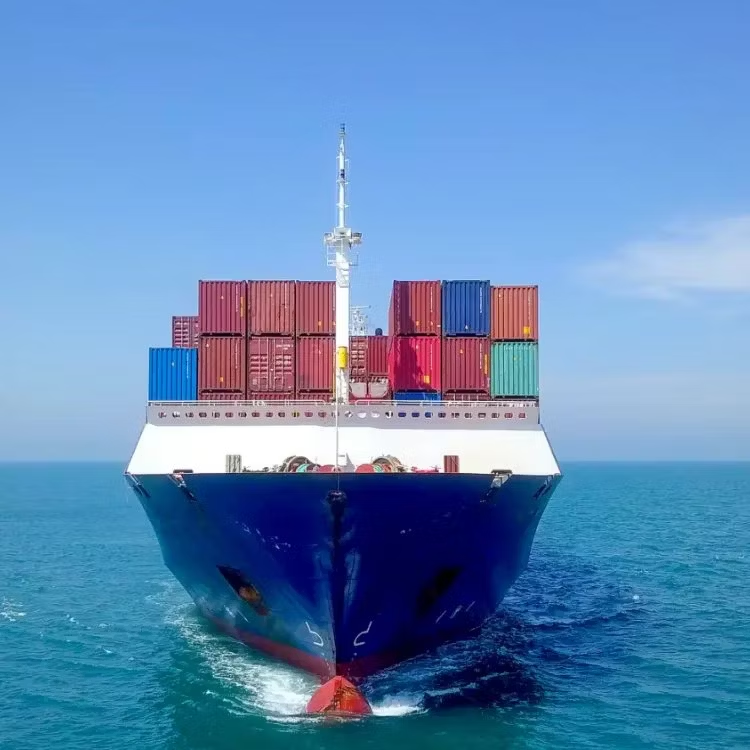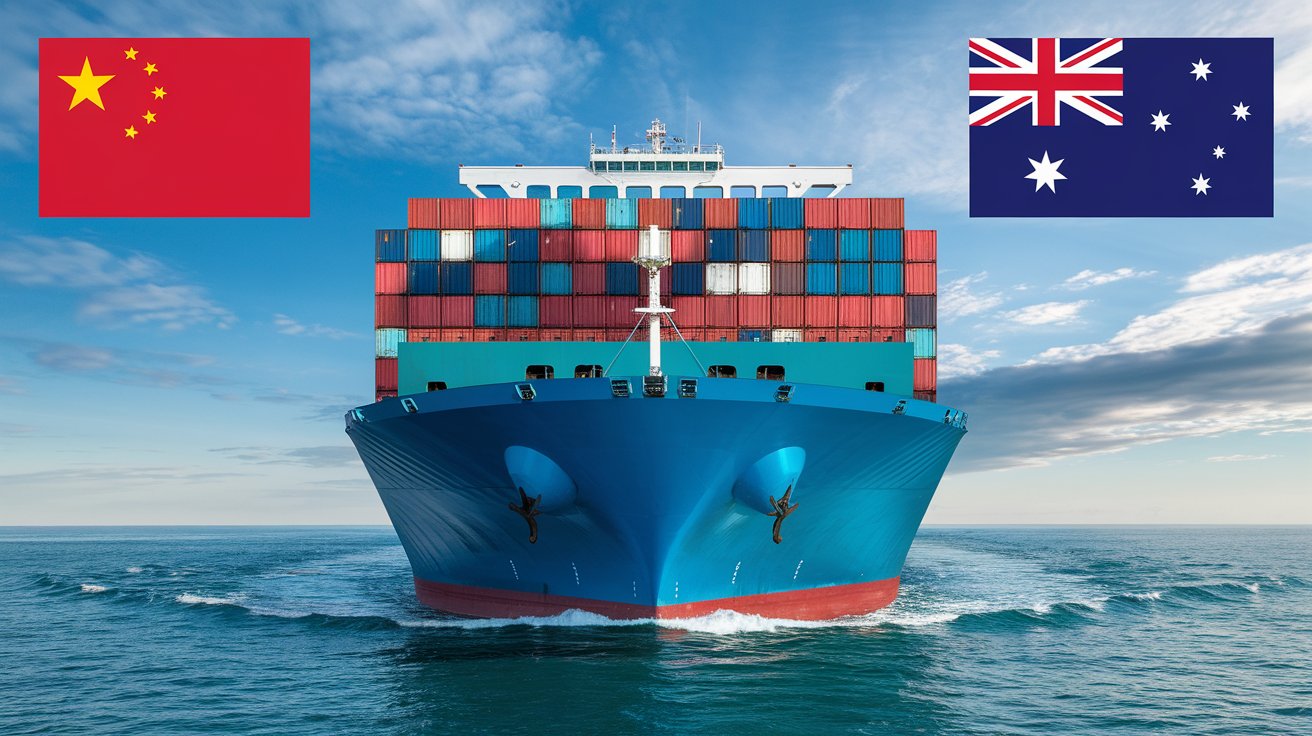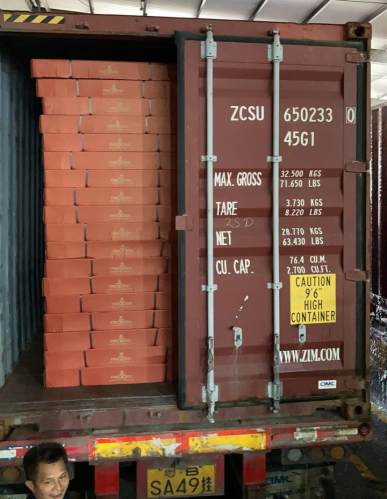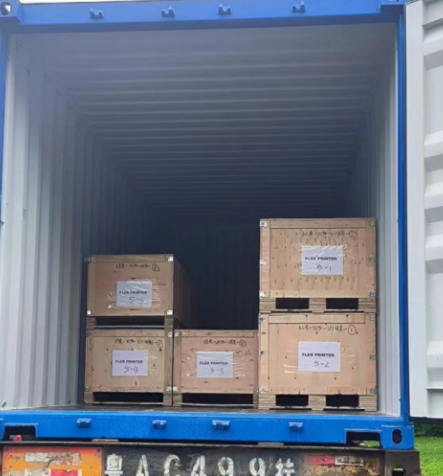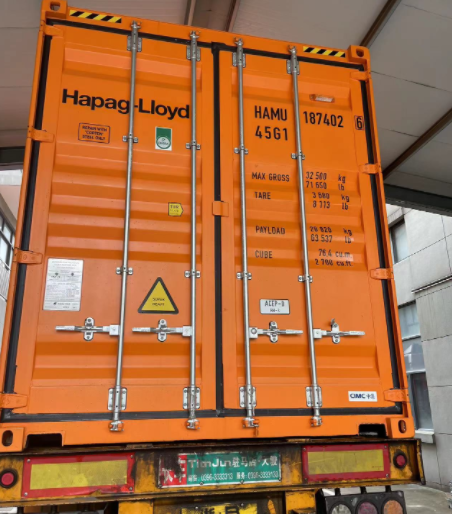
Shipping goods from China to Fiji is a critical supply chain route for many businesses in the Pacific. In 2026, container shipping costs are influenced by post-pandemic stabilization, fuel price adjustments, and seasonal demands. Generally, a 20ft container (FCL) from major Chinese ports to Suva or Lautoka ranges between $1,800 and $3,200, while LCL shipments cost around $120 to $250 per cubic meter (CBM). This guide breaks down every cost component, compares FCL and LCL options, and provides actionable strategies to secure the best freight rates.
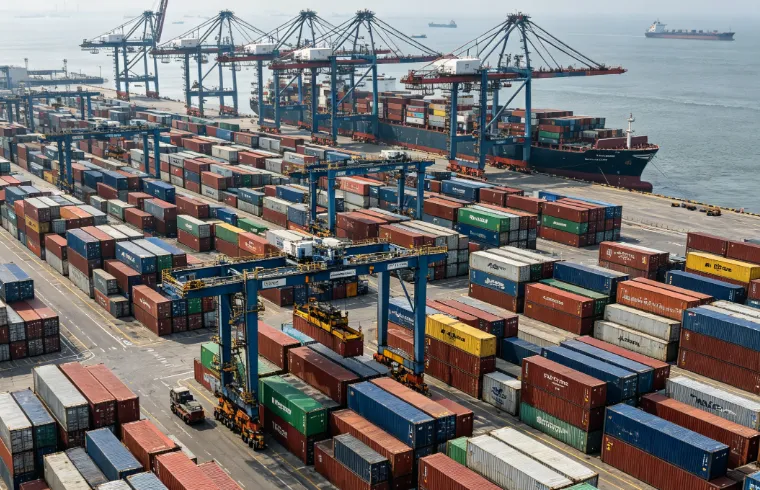
Overview of Container Shipping from China to Fiji in 2026
Key Trade Routes and Major Ports between China and Fiji
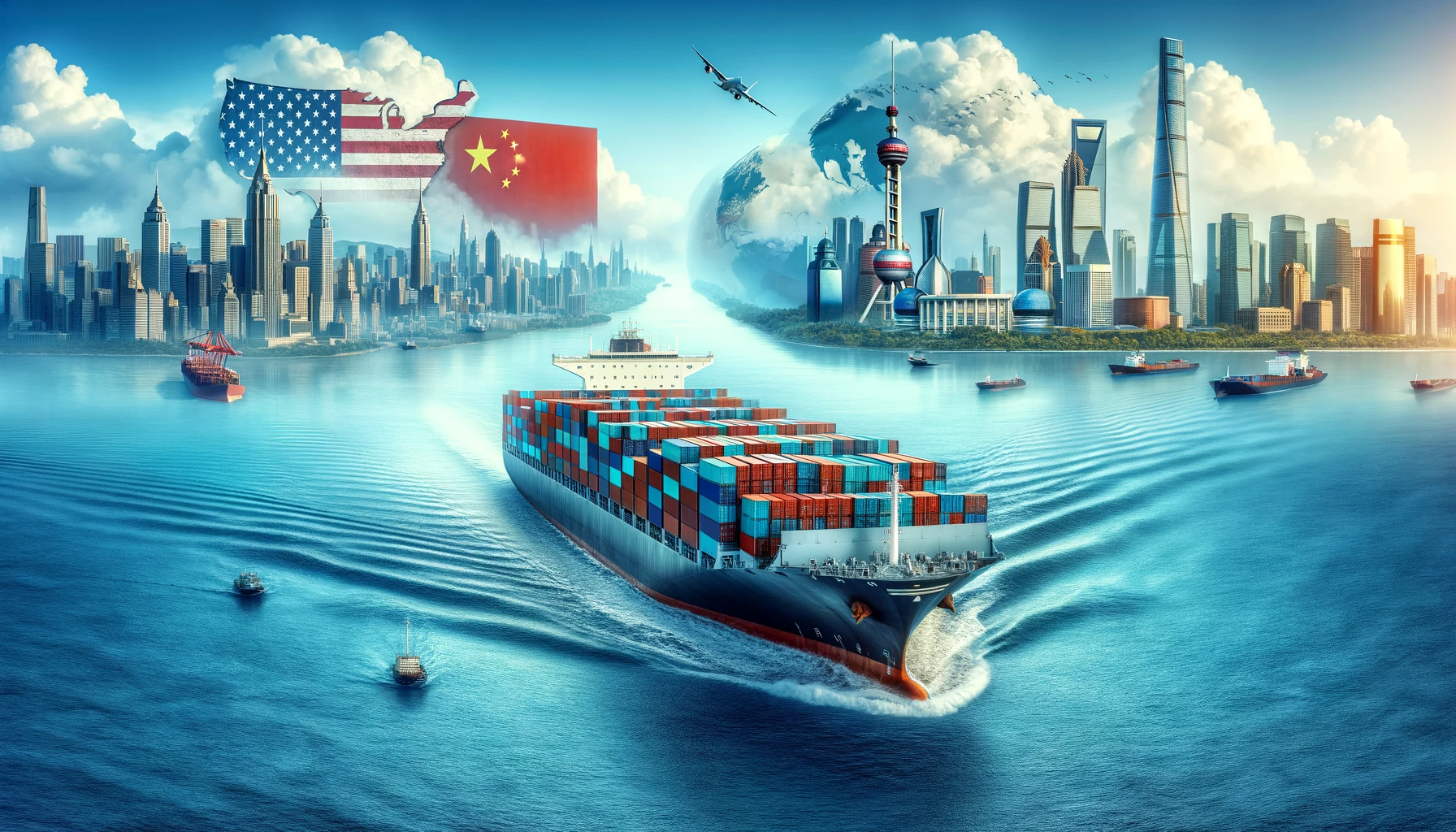
The shipping corridor between China and Fiji relies on established maritime routes connecting global manufacturing hubs to the Pacific Islands.
- Origin Ports in China: The majority of cargo departs from Shenzhen (Yantian), Guangzhou, Shanghai, Ningbo, and Qingdao.
- Destination Ports in Fiji: Suva is the primary port handling the largest volume of international freight, followed closely by Lautoka, which serves the western side of Viti Levu.
Dantful Insight: In our 15 years of handling Pacific routes, we’ve found that consolidating cargo in Shenzhen before routing to Suva minimizes transshipment delays in hubs like Sydney or Auckland, often shaving 4-7 days off the total transit time.
Factors Affecting Container Shipping Costs from China to Fiji
Distance, Transit Time, and Seasonal Demand
The transit time from China to Fiji typically ranges from 20 to 35 days depending on the specific port of departure and whether the service is direct or requires transshipment.
- Seasonal Fluctuations: Rates peak before the Chinese New Year (January/February) and the holiday season (September to November). In 2026, we anticipate post-Chinese New Year stabilization by mid-March, making it an ideal time to lock in lower rates.
Size and Type of Container: FCL vs LCL
Your cargo volume directly dictates the shipping method and cost:
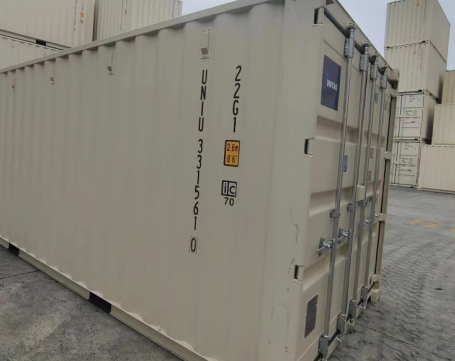
- FCL (Full Container Load): Charged a flat rate per container (20ft, 40ft, or 40ft HC). Best for large shipments over 15 CBM.
- LCL (Less than Container Load): Charged based on volume (per CBM). Ideal for smaller shipments.
Freight Rates, Surcharges, and Market Fluctuations
Base ocean freight is only one part of the equation. You must also account for:
- BAF (Bunker Adjustment Factor): Fluctuates with global oil prices.
- CAF (Currency Adjustment Factor): Accounts for exchange rate volatility.
- PSS (Peak Season Surcharge): Applied during high-demand months.
- Demurrage & Detention (D&D): Fiji ports often have shorter free time windows (typically 5-7 days). Exceeding this can lead to daily penalties of $50-$100 per container.
Detailed Breakdown of Container Shipping Costs
Ocean Freight Charges and Port Handling Fees
To give you a realistic expectation for 2026 budgeting:
- 20ft Container (FCL): $1,800 – $2,800
- 40ft Container (FCL): $3,000 – $4,500
- LCL Shipping: $120 – $250 per CBM
- THC (Terminal Handling Charges): Typically $150 – $300 per container at origin and destination.
Customs Clearance, Duties, and Taxes in Fiji
Fiji Revenue and Customs Service (FRCS) enforces specific tariff structures based on the HS code of your imported goods. Fiji utilizes the ASYCUDA World system for electronic customs clearance.
- Fiscal Duty: Ranges from 0% to 32% depending on the product category.
- VAT: Fiji’s Value Added Tax applies to the CIF (Cost, Insurance, and Freight) value of the imported goods.
- Customs Admin Fee: Usually a standard processing fee.
Compliance Warning: Errors in your Commercial Invoice or HS Code classification in the ASYCUDA system can lead to immediate red-flagging and physical inspections, driving up terminal storage fees. Always ensure exact alignment between your Packing List and Invoice.
Additional Costs: Insurance, Documentation, and Inland Transportation
- Cargo Insurance: Highly recommended. Typically costs 0.3% to 0.5% of the commercial value of your goods.
- Documentation Fees: Bill of Lading (B/L) issuance, Export/Import declarations (approx. $50 – $150).
- Inland Delivery: Moving the container from the Suva or Lautoka port to your warehouse.
Container Shipping Methods: FCL vs LCL Explained
Pros and Cons of Full Container Load (FCL)
Pros:
- Lower cost per unit for large volumes.
- Faster transit time since there is no consolidation/deconsolidation process.
- Less risk of damage as the container remains sealed.
Cons:
- High upfront cost if the container is not fully utilized.
Pros and Cons of Less than Container Load (LCL)
Pros:
- Cost-effective for small shipments (under 15 CBM).
- Flexible inventory management.
Cons:
- Longer transit times due to the consolidation process.
- Higher risk of handling damage.
Choosing the Right Shipping Option for Your Cargo
Analyst Note: If your cargo measures 13-15 CBM, compare the LCL quote against a 20ft FCL quote. Often, the fixed FCL rate is cheaper and faster than paying per-CBM LCL fees plus destination deconsolidation charges.
Step-by-Step Shipping Process from China to Fiji
Booking, Packing, and Container Loading Procedures
- Request a Quote: Provide your forwarder with cargo weight, dimensions, and Incoterms (e.g., FOB or EXW).
- Booking: Secure space on the vessel.
- Packing & Loading: Ensure goods are securely packed for sea transit. For FCL, the container is brought to your factory; for LCL, goods are delivered to a consolidation warehouse.
Shipping Documentation and Compliance Requirements
Crucial documents include:
- Commercial Invoice
- Packing List
- Bill of Lading (B/L)
- Certificate of Origin (to claim any applicable tariff preferences)
Tracking and Receiving Your Shipment in Fiji
Once the vessel departs, you will receive tracking information. Upon arrival in Suva or Lautoka, your customs broker will clear the goods through FRCS, pay the necessary duties, and arrange final delivery to your premises.
How to Get the Best Container Shipping Rates from China to Fiji
Comparing Freight Forwarders and Shipping Services
Don’t just look at the bottom line. When figuring out how to choose the right freight forwarder, compare the transit times, route (direct vs. transshipment), and what is included (are destination fees hidden?). Partnering with an expert forwarder like Dantful International Logistics ensures transparent pricing and predictable timelines.
Negotiation Tips and Cost-Saving Strategies
- Ship Off-Peak: Avoid the pre-holiday rush.
- Optimize Packaging: Reduce wasted space to lower your CBM count for LCL.
- Incoterms Selection: Buying FOB (Free On Board) gives you more control over the ocean freight costs compared to CIF.
Avoiding Common Pitfalls and Hidden Charges
Always ask for a comprehensive breakdown. Watch out for unspecified “origin charges” in EXW shipments or inflated “destination handling fees” in CIF shipments.
Real-World Case: In early 2026, a client importing construction materials to Lautoka faced $1,200 in unexpected Demurrage fees because their original Bill of Lading was delayed in the mail. At Dantful, we highly recommend using a “Telex Release” or “Sea Waybill” whenever possible to avoid original document transit delays and ensure immediate clearance upon vessel arrival.
FAQs
1. How long does it take to ship a container from China to Fiji? Depending on the port of origin and routing, port-to-port transit time typically ranges from 20 to 35 days. Direct or optimized consolidated routes are faster than multi-stop transshipments.
2. What is the cheapest way to ship from China to Fiji? For large volumes, FCL is the most cost-effective. For smaller shipments (under 15 CBM), LCL is the cheapest method.
3. Do I need cargo insurance for my shipment? Yes. While carriers have limited liability, comprehensive cargo insurance (costing a fraction of your cargo’s value) protects you against loss, damage, or General Average declarations.
4. Can Dantful International Logistics handle door-to-door delivery in Fiji? Yes, we offer comprehensive door-to-door shipping services (DAP and DDU), coordinating with local Fijian partners to ensure smooth customs clearance through the ASYCUDA system and final delivery to your warehouse.
5. How much does it cost to ship 20ft container from China to Fiji? As of 2026, shipping a 20ft container (FCL) from major Chinese ports (like Shenzhen, Ningbo, or Shanghai) to Fiji (Suva or Lautoka) typically ranges from $1,800 to $2,500. Keep in mind that ocean freight rates fluctuate based on seasonality, carrier capacity, and bunker adjustment factors (BAF).
6. How much does it cost to ship 40ft container from China to Fiji? Shipping a standard 40ft container generally costs between $3,200 and $4,200. This option is ideal for lighter, high-volume cargo where you can maximize the container’s footprint without exceeding maximum payload weight limits.
7. How much does it cost to ship 40HQ container from China to Fiji? A 40ft High Cube (40HQ) container provides extra vertical space and typically costs between $3,500 and $4,500. It is highly recommended for bulky goods like furniture, garments, or construction materials. For the most accurate, real-time pricing tailored to your cargo, please reach out to Dantful International Logistics for a customized quote.
Ready to streamline your shipping from China to Fiji? Contact Dantful International Logistics today for a tailored, highly competitive freight quote. Our team of experts is standing by to optimize your supply chain.

Young Chiu is a seasoned logistics expert with over 15 years of experience in international freight forwarding and supply chain management. As CEO of Dantful International Logistics, Young is dedicated to providing valuable insights and practical advice to businesses navigating the complexities of global shipping.