If you’re a factory owner or procurement manager looking for a reliable China Sea Service from China to Tonga Factory Customized, you’ve probably already discovered the hard truth: shipping to this South Pacific island nation is nothing like sending a container to Los Angeles or Rotterdam. With no direct sailings, infrequent vessel calls, and a complex web of transshipment options, getting your goods from a Chinese factory floor to Nuku’alofa — let alone Tonga’s outer islands — requires specialized knowledge and a logistics partner who actually understands this route. At Dantful International Logistics, we’ve spent over 15 years perfecting factory-customized sea freight solutions to Tonga, and in this guide, we’ll walk you through everything you need to know: from choosing the right port and container type to navigating Tonga’s customs regime and optimizing your total landed cost.
Whether you’re shipping a single LCL pallet of consumer goods or managing a multi-container construction materials project under the Belt and Road Initiative, this comprehensive resource covers route comparisons, real-world cost estimates, documentation requirements, and the factory-direct workflow that eliminates the coordination chaos most importers endure. By the time you finish reading, you’ll have a clear blueprint for your next China-to-Tonga shipment — and a clear understanding of why a customized freight approach beats one-size-fits-all forwarding every time.
Sea Freight from China to Tonga
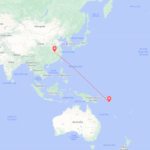
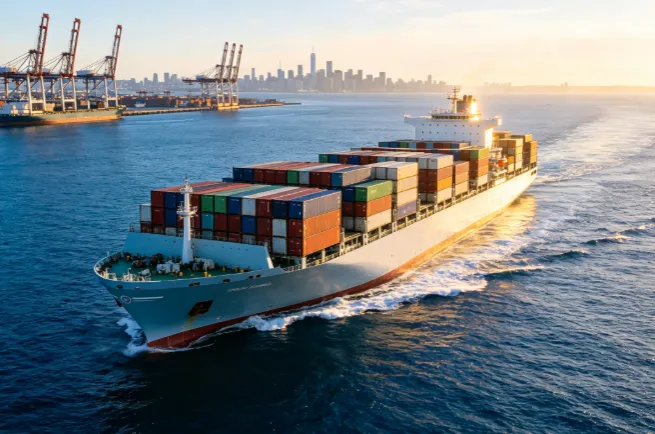
Before diving into the specifics of factory-customized shipping, it’s essential to understand the physical geography of the China-Tonga trade lane. The sea freight transit time from China to Tonga varies dramatically depending on which transshipment route your cargo takes, and your choice of departure port can significantly impact both cost and schedule reliability.
Major Chinese Departure Ports
China’s coastline offers multiple gateway ports for Tonga-bound cargo, each with distinct advantages depending on where your factory is located:
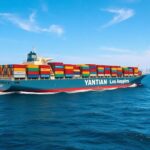
- Shenzhen (Yantian / Shekou) is the premier choice for factories in the Pearl River Delta. With the highest vessel frequency on this corridor — approximately two sailings per month via Fiji — shipping from Shenzhen to Tonga typically offers the shortest overall transit times and the most competitive rates.
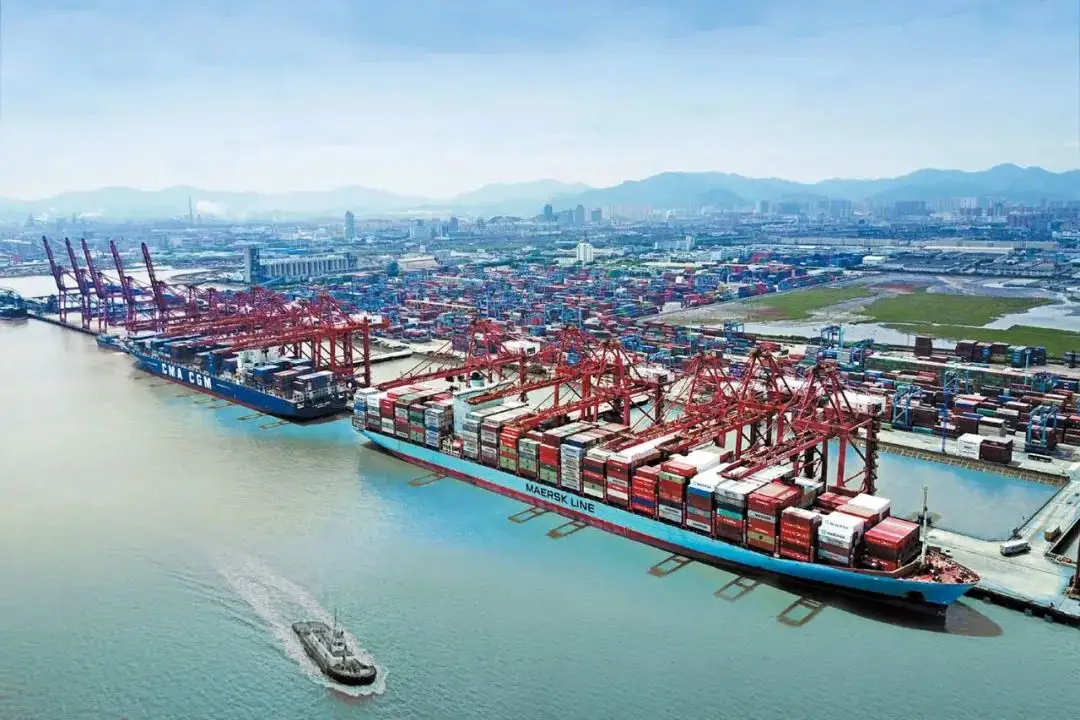
- Shanghai serves the Yangtze River Delta manufacturing hub. Shipping from Shanghai to Tonga benefits from Shanghai’s status as the world’s busiest container port, with extensive carrier options and frequent feeder connections.
- Ningbo-Zhoushan is the go-to port for factories in Zhejiang and Fujian provinces. Shipping from Ningbo to Tonga routes through the same transshipment hubs as Shanghai, with comparable transit times.
- Guangzhou (Nansha) provides a convenient export gateway for factories in the western Pearl River Delta. Shipping from Guangzhou to Tonga is particularly efficient for building materials and heavy cargo originating from Guangdong’s industrial heartland.
- Qingdao rounds out the major options for factories in northern China’s industrial belt, though transit times are longer due to the additional sailing distance southward.
Tonga Destination Ports
The Kingdom of Tonga has three primary ports of entry:
| Port | Code | Island Group | Role |
|---|---|---|---|
| Nuku’alofa | TONUK | Tongatapu | Main international gateway; handles 90%+ of imports |
| Neiafu | TONEI | Vava’u | Northern island group hub |
| Pangai | TOPAN | Ha’apai | Central islands transshipment point |
For most importers, our dedicated Shipping From China to Tonga service through Nuku’alofa port is the default — and most practical — entry point. From there, cargo can be distributed to outer islands via domestic feeder services, which we’ll cover in detail later.
Transit Routes: Why There Are No Direct Sailings
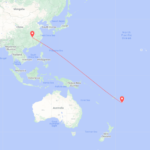
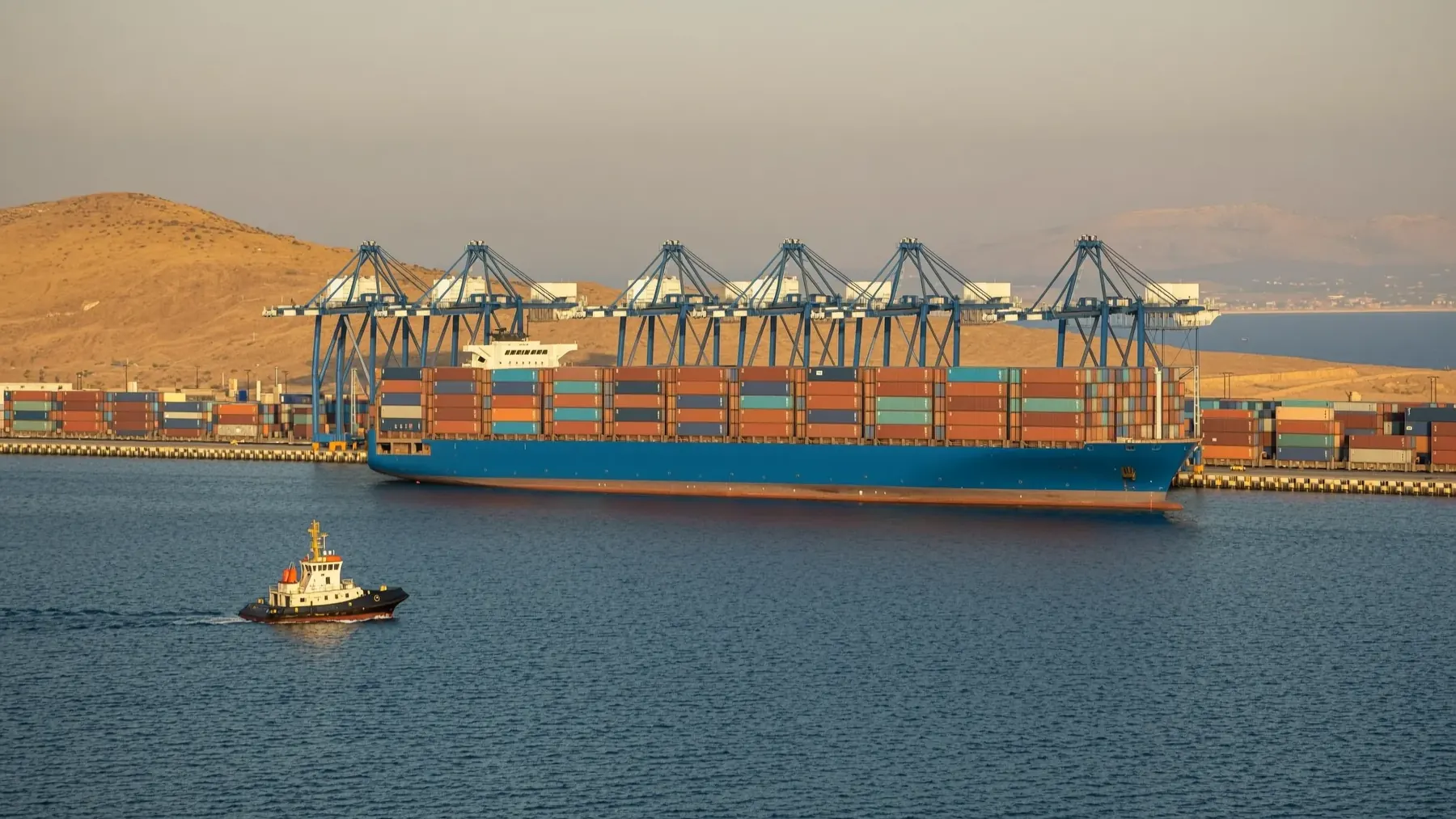
Here’s a fact that surprises many first-time shippers: there are no direct container services from China to Tonga. Every shipment must be transshipped through a regional hub. This isn’t a failure of the shipping industry — it’s simple economics. Tonga’s import volume doesn’t justify dedicated direct services, so carriers consolidate Pacific Island cargo at major transshipment hubs.
You have three primary routing options:
| Route | Transit Time | Frequency | Best For |
|---|---|---|---|
| Via Suva, Fiji | 20–25 days | ~2 sailings/month | Fastest option; best overall balance |
| Via Auckland, New Zealand | 45–60 days | ~1–2 sailings/month | Cost-sensitive, non-urgent cargo |
| Via Sydney, Australia | 30–45 days | Irregular | Occasional alternative |
The Fiji route is the clear winner for most shipments — we also provide dedicated Shipping From China to Fiji for importers whose cargo is destined for the Fijian market or requires extended consolidation at the Suva transshipment hub. After arriving at Suva, your container is transferred to a regional feeder vessel that reaches Nuku’alofa in approximately 3–5 days. The Auckland route, while slower, can occasionally offer lower rates during off-peak periods — but the extended transit time means higher inventory carrying costs that often erase any freight savings.
Major Carriers on the China-Tonga Corridor
The key shipping lines serving this route include Swire Shipping — the dominant carrier for Pacific Islands trade — alongside global players Maersk, CMA CGM, COSCO, and ONE. Regional specialist Pacific Forum Line also operates feeder services connecting the transshipment hubs to Tonga. The ocean freight schedule from China to Tonga depends heavily on which carrier and transshipment route you select; working with a freight forwarder who maintains direct carrier contracts ensures you get accurate, real-time schedule information rather than outdated online listings. The vessel frequency from Shenzhen to Tonga via the Fiji corridor currently averages two sailings per month, making advance booking essential — particularly during peak shipping seasons.
Factory Customized Sea Freight: Tailored Shipping Solutions for Chinese Manufacturers
This is where Dantful truly separates from standard freight forwarders. Factory customized shipping from China to Tonga isn’t just a service listing on our website — it’s our core operational philosophy. Unlike port-to-port forwarding that treats your cargo as just another container number, a factory-customized approach builds the entire logistics chain around your specific manufacturing reality.
What Factory Customized Sea Freight Actually Means
Standard freight forwarding starts at the port. You — the factory or importer — are responsible for getting goods to the terminal, coordinating with multiple parties, and hoping nothing falls through the cracks. Factory customized sea freight flips this model entirely: the logistics chain begins at your factory’s loading dock and ends at your consignee’s door in Tonga, with a single point of accountability throughout.
The full chain covers: factory pickup → consolidation warehousing → container loading supervision → China export customs clearance → ocean freight booking → transshipment coordination → Tonga import customs clearance → duty and tax payment → last-mile delivery (including outer islands).
Customization Scenarios by Factory Type
Different factories have fundamentally different logistics needs. Here’s how we tailor solutions:
- Building materials factories shipping steel, cement, piping, or prefabricated structures need breakbulk and FCL hybrid solutions. These are heavy, often oversized cargoes where optimizing the weight-to-volume ratio per container directly impacts your per-unit shipping cost. Our team helps determine whether 20ft heavy-gauge containers, 40ft high-cube containers, or flat rack configurations deliver the lowest total cost for your specific product mix.
- Machinery and equipment manufacturers face the challenge of OOG (Out of Gauge) cargo — items that exceed standard container dimensions. This requires specialized handling at the factory (reinforced crating, center-of-gravity marking, lifting-point indicators), booking flat rack or open-top containers, and coordinating with terminals that can handle non-standardized loads.
- Consumer goods and small commodity factories producing textiles, electronics, or household items typically ship smaller volumes across multiple SKUs. For these manufacturers, LCL consolidated solutions — where goods from several purchase orders are combined into a shared container at our Shenzhen consolidation warehouse — offer the best balance of cost and flexibility.
- Multi-supplier importers sourcing from factories across Yiwu, Guangzhou, Shenzhen, and beyond face the coordination nightmare of managing pickups from five different locations. Our consolidation service collects from all supplier locations, combines cargo at our warehouse, and ships as a single FCL — dramatically reducing per-unit freight costs compared to shipping each supplier’s goods separately.
The 7-Step Factory-Direct Workflow
Here’s exactly how a factory direct shipping from China to Tonga engagement works with Dantful:
Step 1 — Factory Pickup: Once your goods are ready, we dispatch trucks to your factory location. Our trucking network covers the Pearl River Delta, Yangtze River Delta, and northern China industrial zones, so your factory’s location doesn’t limit your logistics options.
Step 2 — Warehousing & Consolidation: Goods arrive at our Shenzhen or Guangzhou consolidation center, where they’re inventoried, inspected for visible damage, sorted by destination, and repacked if necessary. We provide free storage for up to 7 days, giving you a buffer window to coordinate shipments from multiple suppliers.
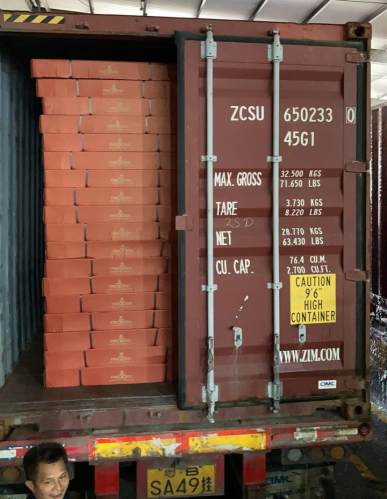
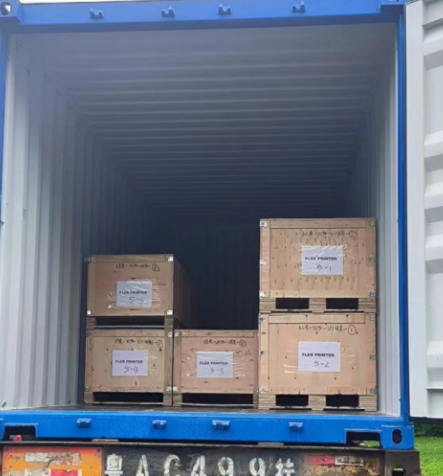
Step 3 — Container Loading Supervision: This is a step most forwarders skip — and it’s where costly mistakes happen. Our operations team supervises every container loading, ensuring weight distribution is balanced, fragile items are properly positioned, and space utilization is maximized. We photograph and video-document the entire process so you can see exactly how your goods were loaded.
Step 4 — China Export Customs Clearance: We handle all export documentation — commercial invoice, packing list, customs declaration, and any required export licenses. Our in-house customs brokerage team submits declarations electronically and resolves any queries immediately, preventing the port-side delays that plague self-coordinated shipments.
Step 5 — Ocean Freight Booking: Based on your timeline and budget parameters, we select the optimal vessel and transshipment route. Because we hold direct contracts with major carriers on the Pacific Islands corridor, we secure space and rates that aren’t available to occasional shippers or smaller forwarders.
Step 6 — Transshipment Coordination: We track your container through the transshipment hub, confirm the feeder vessel connection, and alert you if any schedule deviations occur. If a connection is missed, we proactively rebook onto the next available sailing — you don’t have to chase status updates.
Step 7 — Tonga Arrival & Delivery: Upon arrival at Nuku’alofa, our local customs broker clears your goods through the Tonga Ministry of Revenue and Customs, pays applicable duties and taxes on your behalf, and arranges final delivery to your specified address — whether that’s in central Nuku’alofa, a construction site in Vava’u, or a warehouse in Ha’apai.
Why Factory Customized Beats Standard Freight
The difference shows up on your bottom line. By eliminating the coordination gaps between factory, trucking company, export broker, shipping line, transshipment hub, import broker, and local delivery — each of which introduces delay risk and markup — a single-account-manager factory-customized approach typically reduces total logistics costs by 15–25% compared to piecing together the chain yourself. More importantly, it reduces the mental load: you deal with one person, one contract, and one set of updates.
FCL vs LCL Shipping to Tonga: Container Options & Consolidated Shipments
Choosing between a full container and a shared container is one of the most consequential decisions for your sea freight cost from China to Tonga. Get it wrong in either direction, and you’re either paying for empty space or paying a premium for piecemeal shipping.
FCL (Full Container Load): When You Need Your Own Box
FCL shipping means you book an entire container exclusively for your cargo. For Tonga-bound shipments, the available container types include:
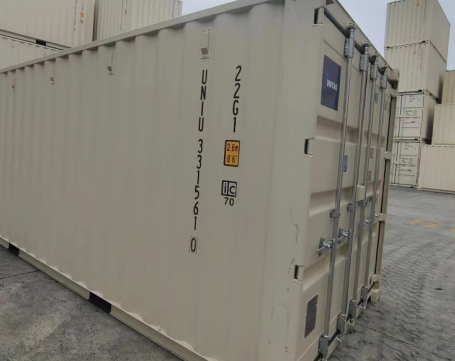
- 20ft General Purpose (20ft GP) — approximately 33 CBM capacity, ideal for heavy, dense cargo like steel products, machinery, or tiles. Weight limits typically cap at around 26–28 tons depending on the carrier and route.
- 40ft General Purpose (40ft GP) — approximately 67 CBM, the workhorse for mixed consumer goods and lighter industrial products.
- 40ft High Cube (40ft HC) — approximately 76 CBM with an extra 30 cm of interior height, perfect for voluminous but lightweight cargo like furniture, insulation materials, or empty packaging.
The FCL shipping cost from China to Tonga is influenced primarily by the departure port, transshipment route, container type, and seasonal surcharges. The key advantage of FCL is security: your container is sealed at the factory or warehouse and isn’t opened until it reaches Tonga customs, eliminating the handling damage and pilferage risks associated with consolidation and deconsolidation.
LCL (Less than Container Load): Pay Only for What You Use
LCL shipping lets you share container space with other importers, paying only for the volume you occupy. The LCL shipping rate from China to Tonga is typically calculated per cubic meter (CBM) or per weight ton (W/M — whichever is greater), with a minimum chargeable volume of 1–2 CBM.
LCL is ideal for:
- Small trial orders when testing the Tonga market
- Importers sourcing from multiple factories with insufficient volume from any single supplier to fill a container
- Seasonal or irregular shipments where holding inventory for a full container load isn’t practical
The trade-off is time: LCL shipments require consolidation waiting periods at origin and deconsolidation at the transshipment hub or destination port, adding 5–10 days to total transit compared to FCL.
FCL vs LCL Decision Framework
| Decision Factor | Choose FCL | Choose LCL |
|---|---|---|
| Cargo Volume | More than 15 CBM | Less than 15 CBM |
| Cargo Type | Single product category; heavy/dense goods | Multiple product categories; mixed SKUs |
| Time Sensitivity | Urgent — can’t afford consolidation delays | Flexible — can accept 5–10 extra days |
| Cargo Security | High-value or fragile goods requiring minimal handling | Standard durable goods |
| Budget Structure | Can commit to a full container rate | Prefer per-CBM variable cost |
The 15 CBM threshold is a practical rule of thumb, not an absolute law. We’ve had clients shipping 12 CBM of high-value electronics choose FCL for the security benefits, and clients shipping 18 CBM of low-density foam products choose LCL because their chargeable weight was low. Your Dantful account manager will run the numbers both ways so you can make an informed decision.
Consolidated Shipments for Multi-Factory Sourcing
For importers buying from multiple Chinese factories, consolidated freight shipping from China to Tonga is often the most cost-effective strategy. Here’s how it works: instead of shipping three separate LCL shipments from factories in Yiwu, Shenzhen, and Guangzhou — each incurring its own minimum charges and consolidation delays — Dantful picks up from all three locations, consolidates everything at our Shenzhen warehouse, and ships as a single FCL. The per-unit freight cost drops significantly, and you get the faster FCL transit time. This approach is particularly valuable for Tonga-bound importers, where every dollar saved on freight goes straight to the bottom line in a relatively small market.
Sea Freight Cost & Shipping Container Rates from China to Tonga
Let’s talk numbers. One of the most frustrating aspects of researching shipping container rates from China to Tonga is the lack of transparent pricing online — a gap we’re going to fill right now.
Estimated Cost Ranges (2026 Reference Pricing)
| Service | Estimated Cost (USD) | Notes |
|---|---|---|
| FCL 20ft (Shenzhen → Nuku’alofa) | $1,500 – $2,500 | Varies by transshipment route and season |
| FCL 40ft / 40ft HC (Shenzhen → Nuku’alofa) | $2,500 – $4,000 | Peak Season Surcharge can add $300–$600 |
| LCL (per CBM) | $80 – $150/CBM | Minimum 1–2 CBM; rate depends on cargo type |
| China Export Customs Clearance | $50 – $120 per shipment | Includes documentation fees |
| Tonga Import Customs Clearance | Varies by cargo value and type | Duty and Consumption Tax are additional |
These are estimated ranges based on current market conditions as of mid-2026. Actual quotes depend on your specific cargo, departure port, routing, and timing. Importantly, the lowest rate isn’t always the cheapest once you factor in transit time, reliability, and the risk of hidden surcharges.
What Makes Up Your Total Sea Freight Cost
Understanding your sea freight cost from China to Tonga requires looking beyond the headline ocean freight rate. Here are the seven components that make up your total:
- Ocean Freight Base Rate (40–60% of total) — The carrier’s charge for transporting your container from the Chinese port to the transshipment hub and onward to Tonga. This fluctuates with market conditions, fuel prices, and seasonal demand.
- Bunker Adjustment Factor (BAF) + Peak Season Surcharge (PSS) — The most volatile cost components. Swire Shipping, for example, implemented a PSS of $300 per 20ft and $600 per 40ft for Asia-Pacific Islands trade effective November 2025. These surcharges can appear with as little as two weeks’ notice during peak periods.
- Terminal Handling Charges (THC) — Assessed at each port where your container is handled: the Chinese origin port, the transshipment hub (Fiji, New Zealand, or Australia), and Nuku’alofa. THC rates vary by port and carrier.
- Documentation Fees — Bill of Lading issuance, Certificate of Origin processing, and other administrative charges. Relatively small in dollar terms but easy to overlook when budgeting.
- Customs Brokerage Fees — Both China export and Tonga import sides. In China, this is a modest fixed fee. In Tonga, brokerage fees vary based on cargo complexity and value.
- Trucking (Drayage) — Transport from your factory to the Chinese port, plus delivery from Nuku’alofa port to the final destination in Tonga. Factory location relative to the port is the biggest variable on the China side; island destination relative to Nuku’alofa drives the Tonga side.
- Cargo Insurance — Typically 0.3–0.5% of the cargo’s declared value for All Risks coverage. We strongly recommend insuring at 110% of CIF value, especially given the multiple handling points and transshipment on this route.
Route Cost Comparison
| Transshipment Route | Estimated Ocean Freight (20ft) | Total Transit | Sailing Frequency | Recommended For |
|---|---|---|---|---|
| Via Suva, Fiji | $1,500 – $2,000 | 20–25 days | ~2 per month | Most shipments; best balance of speed and cost |
| Via Auckland, New Zealand | $1,800 – $2,500 | 45–60 days | ~1–2 per month | Budget-first shipments where time isn’t critical |
| Via Sydney, Australia | Quote on request | 30–45 days | Irregular | Occasional alternative; not a primary option |
How to Secure the Cheapest Sea Freight to Tonga
Finding the cheapest sea freight from China to Tonga isn’t about hunting for the lowest quote on a freight marketplace — it’s about making smart structural decisions:
- Book 3–4 weeks ahead. Last-minute bookings on this low-frequency route almost always command premium rates, and in peak season, space may simply not be available at any price.
- Avoid peak shipping windows. The weeks before Chinese New Year (January/February) and the pre-Christmas rush (September/October) see rates spike across all Asia-Pacific routes. If your production schedule allows flexibility, shipping in March–April or June–August typically yields the most favorable rates.
- Choose Fiji routing when possible. The Suva transshipment corridor consistently offers lower rates and faster transit than the Auckland alternative for China-origin cargo.
- Consolidate to FCL threshold. If you’re routinely shipping 10–12 CBM via LCL, the per-unit cost often approaches FCL territory. Consolidating two months of orders into a single 20ft container can unlock significant savings.
- Work with a forwarder who holds direct carrier contracts. Forwarders with NVOCC status and direct carrier relationships — like Dantful — access rate tiers that aren’t available to intermediaries who book through third-party consolidators.
Tonga Customs Clearance: Import Duties, Regulations & Required Documentation
Customs Clearance in Tonga from China is often the part of the shipping process that causes the most anxiety — and it’s also where a knowledgeable freight forwarder adds the most value. Tonga’s import regime is structured but manageable if you know the rules before your cargo sails.
Tonga’s Import Regulatory Framework
The Tonga Ministry of Revenue and Customs administers all import procedures. Imported goods are subject to:
- Customs Duty — calculated based on the HS Code classification and the customs value (typically CIF value) of the goods. Duty rates vary significantly by product category, ranging from 0% on certain essential goods to 15–20% on luxury or protected items.
- Consumption Tax — a value-added tax applied to most imported goods, similar to VAT or GST in other jurisdictions.
- Import Permits — required for specific regulated product categories, including food and beverages, pharmaceuticals, chemicals, and certain construction materials. The permitting process is administered by the relevant Tongan government ministry, not by Customs directly.
Tonga import regulations are aligned with the Harmonized System (HS) of tariff classification, meaning the same 6-digit HS codes used in China and internationally apply. However, Tonga’s specific duty rates and permit requirements may differ from what you’d encounter in larger Pacific markets like Fiji or New Zealand.
Required Documentation Checklist
Every customs clearance for Tonga from China requires the following documents to be accurate, complete, and consistent — discrepancies between documents are the single most common cause of customs delays:
- Commercial Invoice — bilingual (Chinese and English) preferred. Must include: seller and buyer details, precise goods description, quantity, unit price, total value, currency, and Incoterms used.
- Packing List — detailed breakdown of each package: dimensions, weight, contents, and markings. Must match the commercial invoice exactly.
- Bill of Lading (B/L) — the contract of carriage issued by the shipping line. For Tonga shipments, confirm whether you need the original B/L or if a telex release is acceptable — this varies by carrier and transshipment route.
- Certificate of Origin — Form E certification under the China-Pacific Islands trade framework may qualify your goods for preferential (reduced) duty rates. Not all product categories are eligible, so check with your forwarder before assuming duty savings.
- Fumigation Certificate — mandatory if your shipment includes any solid wood packaging materials (pallets, crates, dunnage). The certificate must be issued by an accredited fumigation provider in China and comply with ISPM 15 standards.
- Import Declaration Form — submitted by your customs broker in Tonga.
- Product-Specific Permits/Licenses — required for regulated goods. If you’re unsure whether your product requires a permit, clarify this before shipping — attempting to import restricted goods without proper authorization can result in seizure, fines, or mandatory re-export.
Common HS Codes for China-Tonga Imports
Having the correct HS code for shipping to Tonga on your documentation before sailing allows your forwarder to pre-check applicable duty rates and flag any permit requirements:
| Product Category | HS Code Range | Typical Goods |
|---|---|---|
| Steel & Iron Building Materials | 7210, 7308 | Galvanized steel coils, structural steel components |
| Machinery & Mechanical Equipment | 8429, 8474 | Construction excavators, mining equipment, crushers |
| Furniture & Bedding | 9403, 9401 | Office furniture, household furniture, mattresses |
| Electronics & Communication Equipment | 8517, 8528 | Mobile phones, networking equipment, televisions |
| Textiles & Apparel | 6109, 6203 | T-shirts, trousers, uniforms |
Choosing the Right Incoterms for Tonga
Your choice of Incoterms 2020 determines where responsibility (and cost) transfers from seller to buyer:
| Incoterm | Seller/Factory Responsibility | Buyer Responsibility | Best For |
|---|---|---|---|
| FOB | Delivery to Chinese port + export clearance | Ocean freight, insurance, Tonga import clearance, duties, delivery | Experienced importers with established customs brokers in Tonga |
| CIF | FOB + ocean freight + insurance to Nuku’alofa | Tonga import clearance, duties, delivery | Buyers who want the seller to handle shipping but have their own clearance capability |
| DDP | Everything — pickup to final Tonga delivery, duties paid | Receive goods | SMEs and first-time importers; the simplest, lowest-risk option |
For most importers sourcing from Chinese factories — especially those without an established customs broker in Tonga — DDP Shipping Services from China to Tonga is the recommended approach. One contract, one point of contact, and no surprises at the destination port.
Specialized Cargo Services: Breakbulk, Heavy Equipment & Project Shipping to Tonga
Not every shipment fits neatly inside a standard shipping container — and with Tonga’s ongoing infrastructure development under the Belt and Road Initiative, demand for specialized cargo services has grown substantially. Whether you’re shipping a single excavator or the steel framework for an entire building, understanding your options ensures you’re not paying for services you don’t need — or worse, discovering your cargo can’t be shipped the way you planned.
Breakbulk & OOG Freight for Tonga Infrastructure Projects
Breakbulk Freight Shipping from China to Tonga covers cargo that cannot be containerized due to its dimensions, weight, or shape: steel beams, prefabricated structural components, wind turbine blades, large-diameter pipes, and heavy industrial modules. These shipments travel on specialized breakbulk vessels or are loaded onto Flat Rack and Open Top containers.
OOG (Out of Gauge) freight refers specifically to cargo that exceeds the internal dimensions of a standard container — typically any single piece wider than 2.35 meters, taller than 2.39 meters (GP) or 2.70 meters (HC), or longer than 5.9 meters (20ft) / 12.03 meters (40ft). OOG shipments require:
- Pre-shipment surveys at the factory to determine the optimal loading configuration and container/equipment type
- Custom lashing and securing plans, often certified by a marine surveyor
- Special terminal handling arrangements at the transshipment hub — not all terminals can accommodate OOG lifts
- Route-specific clearances to ensure no bridge, tunnel, or overhead obstruction limits exist on the inland transport segments
Heavy Equipment & Machinery Shipping
When shipping heavy equipment from China to Tonga — excavators, bulldozers, cranes, agricultural machinery, or mining equipment — you have three transport mode options:
| Mode | Best For | Key Considerations |
|---|---|---|
| Flat Rack Container | Equipment up to ~35 tons that fits within platform dimensions | Secured with chains and binders; weather-exposed during transit; requires specific terminal lifting capability |
| RO-RO (Roll-on/Roll-off) | Self-propelled or towable equipment | Equipment is driven onto the vessel; fastest loading/unloading; limited sailing frequency on China-Tonga corridor |
| Breakbulk Vessel | Very large or heavy equipment exceeding flat rack capacity | Highest flexibility for oversized dimensions; longest booking lead time; specialized port requirements |
Factory-side preparation is critical for equipment shipping. Before pickup, equipment should be: cleaned of soil and organic matter (quarantine requirement), drained of fluids or properly secured, with the battery disconnected, the fuel tank at minimum, the center of gravity clearly marked, and lifting/tie-down points indicated. Skipping these steps leads to carrier rejection at the port — an expensive and stressful experience that’s entirely avoidable with proper planning.
Construction Materials Logistics
Building materials account for roughly 30% of Tonga’s imports from China, making construction materials shipping from China to Tonga a high-volume category with its own set of logistics challenges:
- Heavy cargo optimization: Steel, cement, and tiles push container weight limits long before they fill the cubic capacity. The decision between 20ft heavy-gauge containers (better for dense cargo) and 40ft containers (better for volumetric cargo) has a direct impact on per-unit freight cost.
- Fragile goods protection: Tiles, glass panels, and sanitary ware require reinforced packaging — often custom wooden crates with internal bracing — to survive the multiple handling points and feeder vessel transfers on the China-Tonga route.
- Moisture-sensitive materials: Cement, gypsum board, and certain insulation products require moisture-proof packaging and container desiccants. The South Pacific’s humidity and the multiple port handoffs create condensation risk that doesn’t exist on shorter, direct routes.
Vehicle Shipping via RO-RO
Vehicle shipping from China to Tonga — whether passenger cars, commercial trucks, or construction vehicles — is best accomplished via Roll-on/Roll-off (RO-RO) carriers. Vehicles are driven onto the vessel at the Chinese port and driven off at the transshipment hub or Nuku’alofa. Key planning considerations:
- RO-RO sailings on the China-Pacific corridor are less frequent than container services; plan for 4–6 weeks of lead time
- Chinese vehicle export documentation requires the VIN/chassis number and, in most cases, an export license
- Tonga vehicle importation requires compliance with local roadworthiness and emissions standards — verify requirements before shipping, as non-compliant vehicles may be denied entry
Door-to-Door Shipping from China to Tonga
For many importers, the shipping process only truly “works” when the goods are physically at their door — not when a container arrives at the port. This is where door-to-door shipping from China to Tonga and the supporting DDP service model deliver their real value.
Door-to-Door: One Contract, One Point of Accountability
Door-to-door shipping bundles every step — factory pickup, export clearance, ocean freight, import clearance, duty payment, and final delivery — into a single service contract managed by one freight forwarder. For SME importers who don’t have dedicated logistics teams, this eliminates the complexity of coordinating with five or six different service providers across two countries, two customs regimes, and a transshipment point.
DDP vs FOB: Which Model Fits Your Business?
| Dimension | FOB (Free On Board) | DDP (Delivered Duty Paid) |
|---|---|---|
| Scope | Factory → Chinese port | Factory → Tonga doorstep |
| Who handles ocean freight? | Buyer | Forwarder (included) |
| Who handles Tonga customs? | Buyer (or buyer’s broker) | Forwarder (included) |
| Who pays import duties? | Buyer (directly) | Forwarder (then invoiced to buyer) |
| Best for | Large importers with in-house logistics teams | SMEs, first-time importers, anyone who values simplicity |
| Cost predictability | Variable — subject to market rates | High — quoted upfront as a single all-in price |
The consensus among our clients is clear: unless you have an established, trusted customs broker in Nuku’alofa and the internal capability to manage international freight procurement, DDP shipping from China to Tonga is almost always the better choice. The slight premium you pay for the convenience is typically offset by the errors, delays, and hidden costs you avoid.
The Outer Island Logistics Challenge
Tonga isn’t just one island — it’s an archipelago of over 170 islands spread across 700,000 square kilometers of ocean. Even after your container clears customs at Nuku’alofa, getting goods to Vava’u, Ha’apai, ‘Eua, or the Niuas requires a second logistics leg that most forwarders simply don’t handle.
This is one of the defining small island developing state logistics challenges: inter-island feeder vessels run on limited schedules (typically 1–2 departures per week to outer island groups), outer island port facilities are basic — often just a wharf without container cranes — and the South Pacific cyclone season (November through April) can disrupt sailings for days or weeks at a time.
Dantful addresses this through our established network of local agent partners across Tonga’s three main island groups. We coordinate inter-island transshipment from Nuku’alofa, arrange appropriate vessels for each destination (what works for Tongatapu may not work for the shallow-draft harbors of Ha’apai), and provide accurate delivery timelines that account for real-world sailing conditions — not the optimistic schedules that look good on paper.
Cargo Insurance: Non-Negotiable for South Pacific Shipments
With multiple vessel transfers, varying terminal infrastructure quality, and exposure to tropical weather systems, the China-Tonga route carries inherently higher cargo risk than point-to-point services on major trade lanes. Insurance Services for shipments from China to Tonga should be treated as a required line item, not an optional extra.
We recommend All Risks coverage at 110% of CIF value, which protects against:
- Physical loss or damage during loading, unloading, and transshipment
- Damage from vessel accidents, heavy weather, or container overboard losses
- Theft, pilferage, and non-delivery
- General Average contributions (where all cargo owners share proportionally in vessel salvage costs)
The premium — typically 0.3–0.5% of declared value — is a fraction of what a single uninsured loss would cost. In 15 years of shipping on this corridor, we’ve learned that the clients who skip insurance are almost always the ones who eventually wish they hadn’t.
FAQs
Q1: How long does sea freight take from China to Tonga?
The sea freight transit time from China to Tonga depends on your chosen transshipment route. Via Suva, Fiji: 20–25 days — this is the fastest and most commonly used corridor, with approximately two sailings per month from Shenzhen. Via Auckland, New Zealand: 45–60 days, including the wait for the feeder vessel connection. If someone asks “shipping from China to Tonga, how long,” the honest answer is “it depends on routing — but plan for 3–4 weeks minimum via Fiji.”
Q2: How much does it cost to ship a container from China to Tonga?
For a 20ft FCL from Shenzhen to Nuku’alofa, expect to budget $1,500 to $2,500 for the ocean freight portion. A 40ft or 40ft HC will range from $2,500 to $4,000. These are approximate 2026 market ranges — your actual sea freight cost from China to Tonga will vary based on specific ports, routing, cargo type, and seasonal demand. Contact us for a detailed, obligation-free quote customized to your shipment.
Q3: Is there direct shipping from China to Tonga?
No. There are no direct container services between China and Tonga. All cargo must transship through a regional hub — typically Suva (Fiji), Auckland (New Zealand), or occasionally Sydney (Australia). This is standard practice for Pacific Island destinations and is driven by the economics of container shipping: Tonga’s import volume alone doesn’t justify dedicated direct services, so carriers consolidate Pacific Island cargo through hub ports.
Q4: What documents are required for importing goods from China to Tonga?
The essential documentation package includes: Commercial Invoice (bilingual preferred), Packing List, Bill of Lading (B/L), Certificate of Origin (Form E for potential duty preferences), Fumigation Certificate (if wooden packaging is used), and an Import Declaration. Certain product categories — food, pharmaceuticals, chemicals — require additional import permits from the relevant Tongan government ministry. Verify permit requirements before shipping; importing restricted goods without authorization can result in fines or cargo seizure.
Q5: Can I ship construction materials or heavy equipment from China to Tonga?
Absolutely. Heavy equipment shipping from China to Tonga is one of our core service categories, and construction materials represent roughly 30% of Chinese imports to Tonga. Depending on the equipment type and dimensions, we use flat rack containers, RO-RO vessels, or breakbulk carriers. Each mode has specific factory-side preparation requirements — contact us early in your planning process so we can guide the preparation steps that prevent loading rejections at the port.
Q6: Do you offer door-to-door DDP shipping to Tonga?
Yes. DDP shipping from China to Tonga is our most popular service for SME importers and first-time shippers. Under DDP terms, we manage the entire chain — factory pickup, export clearance, ocean freight, transshipment, Tonga import clearance, duty and tax payment, and final delivery to your specified address. You receive a single all-inclusive quote upfront, deal with one dedicated account manager throughout, and receive your goods at your door with nothing else to handle.
Q7: How do I find a reliable freight forwarder for China-to-Tonga shipping?
For a detailed framework, read our guide on how to choose the right freight forwarder. In summary, look for three things. First, verifiable credentials: Class-A freight forwarding license, NVOCC certification, and FMC registration — all of which Dantful holds. Second, route-specific experience: a forwarder who ships regularly to Tonga will have established carrier relationships, knows the customs officials, and understands the transshipment quirks that generalist forwarders discover the hard way. Third, service transparency: can they show you exactly what’s included in their quote, provide real-time tracking, and assign you a named account manager? If the answer to any of these is no, keep looking.
Q8: Which Chinese port is best for shipping to Tonga?
For most factories, Shenzhen (Yantian/Shekou) offers the optimal combination of sailing frequency, competitive rates, and transit time on the China-Tonga corridor. If your factory is in the Yangtze River Delta, shipping from Shanghai to Tonga is a strong alternative with comparable service levels. The best port for your specific shipment depends on your factory’s location, cargo type, and timeline — your account manager will recommend the optimal gateway.

Young Chiu is a seasoned logistics expert with over 15 years of experience in international freight forwarding and supply chain management. As CEO of Dantful International Logistics, Young is dedicated to providing valuable insights and practical advice to businesses navigating the complexities of global shipping.