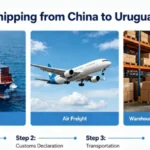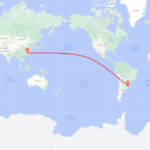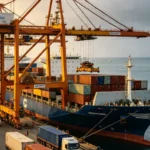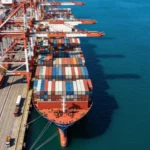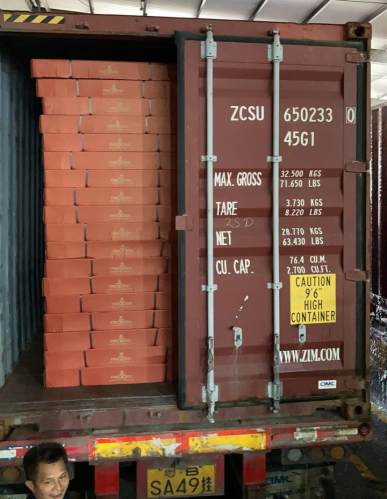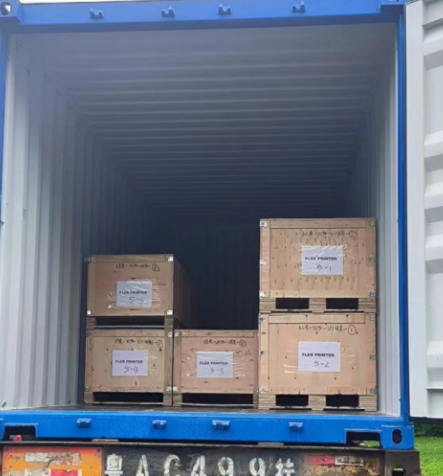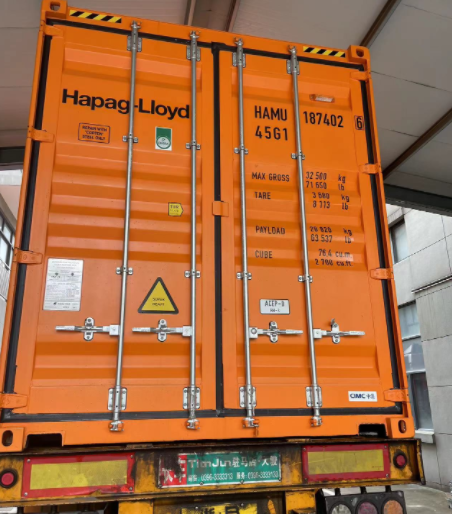
If you are importing goods from China, understanding the real container shipping costs from China to Uruguay is the difference between a profitable shipment and an expensive surprise. In our 15+ years as a freight forwarder based in Shenzhen, we have seen too many importers burned by “low” quotes that balloon at destination — a forwarder gives you a port-to-port base rate, another bundles origin charges, and neither mentions the fees waiting at Montevideo. At Dantful, we specialize in Shipping From China to Uruguay with fully transparent, line-by-line pricing — no hidden surcharges, no last-minute fees, and a dedicated account manager who walks you through every charge before you book. By the time you add terminal handling charges, peak season surcharges, and Uruguay’s 22% IVA, your “cheap” freight quote can easily double — we make sure you see the full picture upfront.
This guide breaks down every cost component of shipping a container from China to Uruguay in 2026 — from factory door in Shanghai, Shenzhen, or Ningbo all the way to your warehouse in Montevideo. You will find FCL and LCL pricing by container type, a port-by-port cost comparison across six major Chinese gateways, a carrier-by-carrier rate scorecard, a complete Uruguay customs and import duties guide, and three real-world shipping cost scenarios you can use to benchmark your own freight quotes. Whether you are a first-time importer or a seasoned business owner, this is the one-stop resource for container shipping rates from China to Uruguay in 2026.
Understanding Container Shipping: FCL, LCL and Container Types
Before diving into numbers, it helps to understand the two fundamental shipping modes and the container types available for the China-Uruguay route.
FCL (Full Container Load) Shipping
FCL, or Full Container Load, means you book an entire container exclusively for your cargo. You pay a flat rate per container regardless of whether it is filled to capacity. This is the dominant mode for FCL shipping costs from China to Uruguay because it offers the best per-unit economics for shipments above approximately 15 cubic meters (CBM).
Key advantages of FCL include:
- Security: Your cargo is sealed at origin and remains untouched until it reaches its destination. Minimal handling means less risk of damage or loss.
- Faster transit: FCL shipments typically move through ports faster than LCL because there is no need to consolidate and deconsolidate cargo at container freight stations (CFS).
- Cost efficiency at scale: For shipments exceeding 15 CBM, FCL almost always delivers a lower cost per cubic meter than LCL.
FCL is the right choice when your shipment fills at least half a container, contains fragile or high-value goods that should not be co-loaded with other cargo, or has a tight delivery deadline.
LCL (Less than Container Load) Shipping
LCL, or Less than Container Load, allows you to ship smaller volumes without paying for an entire container. Your goods share space with shipments from other importers inside a consolidated container — a process known in the industry as consolidated freight shipping or groupage. You pay only for the cubic meters you use, making LCL the go-to solution for businesses testing new products, shipping samples, or moving volumes under 15 CBM.
The trade-offs to consider: LCL shipments spend extra time at CFS warehouses for consolidation and deconsolidation, which typically adds 3 to 7 days to the total transit time compared to FCL. Each additional handling touchpoint also marginally increases the risk of cargo damage. For LCL shipping costs from China to Uruguay, expect to pay between $80 and $185 per CBM with a minimum charge of 1 CBM.
Container Types and Specifications
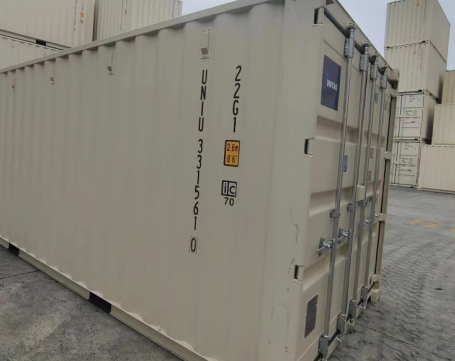
Choosing the right container directly impacts your container shipping costs from China to Uruguay. Here are the three standard dry container types used on this route:
| Container Type | Internal Dimensions (L×W×H) | Volume Capacity | Max Gross Weight | Best For |
|---|---|---|---|---|
| 20ft General Purpose (20GP) | 5.90×2.35×2.39 m | ~28 CBM | 21–28 tons | Small to medium shipments, heavy cargo (machinery, metal products) |
| 40ft General Purpose (40GP) | 12.03×2.35×2.39 m | ~56 CBM | 26–28 tons | Medium to large shipments, furniture, automotive parts |
| 40ft High Cube (40HQ) | 12.03×2.35×2.69 m | ~68 CBM | 26–28 tons | Voluminous but lighter cargo, textiles, plastic goods, large furniture |
Beyond standard dry containers, specialized equipment is available for temperature-sensitive goods (reefer containers), oversized machinery (open top and flat rack containers), and liquid cargo (ISO tank containers). Each specialty container type carries a pricing premium — expect a reefer container to cost 40–80% more than a standard dry container on the same route. For machinery or construction equipment that simply cannot fit inside a standard container, Breakbulk Freight Shipping and out of gauge cargo services offer flat rack or open-top solutions — something we arrange regularly for Uruguayan importers sourcing heavy equipment from Chinese manufacturers.
A standard 20ft container equals one TEU (Twenty-foot Equivalent Unit), the universal measurement unit in container shipping. A 40ft or 40HQ equals two TEU. Shipping lines quote rates per container, but industry analysts and container freight index trackers report pricing in TEU terms.
2026 Container Shipping Costs from China to Uruguay: Full Breakdown
Understanding the total cost requires looking at three stages: origin local charges in China, the ocean freight segment, and destination charges at Montevideo. Most online freight quotes only show the ocean freight — the middle piece — leaving importers to discover the front and back ends later.
FCL Rates by Container Type (June 2026 Snapshot)
The table below shows port-to-port base ocean freight rates (excluding origin and destination local charges) alongside estimated all-in costs that include typical origin charges, ocean freight, major surcharges, and destination terminal handling. These figures represent real market rates observed in May–June 2026 across major freight platforms and forwarder quotations.
| Container Type | Port-to-Port Base Rate (USD) | Estimated All-In Cost* (USD) | Transit Time | Notes |
|---|---|---|---|---|
| 20GP (20ft) | $3,300 – $5,100 | $3,800 – $5,600 | 35–45 days | Most popular for first-time importers and heavy goods |
| 40GP (40ft) | $5,200 – $7,400 | $5,800 – $8,200 | 35–45 days | Best value per CBM for medium-volume shipments |
| 40HQ (40ft High Cube) | $5,600 – $7,900 | $6,200 – $8,700 | 35–45 days | Ideal for voluminous, lightweight cargo |
All-in estimate includes: origin THC, documentation fee, booking fee, ocean freight, BAF, destination THC. Excludes: customs clearance, import duties, IVA (22%), door delivery, and cargo insurance. Rates collected June 2026 from Shanghai/Shenzhen/Ningbo to Montevideo.
For context, rates in 2025 ranged from $2,500–$3,800 for a 20GP and $3,500–$5,200 for a 40HQ. The roughly 25–35% increase into 2026 reflects tightening capacity on Asia–South America lanes, higher fuel costs, and strong demand from Latin American markets for Chinese-manufactured goods.
LCL Rates per Cubic Meter
| Volume Tier | Rate per CBM (USD) | Transit Time | Notes |
|---|---|---|---|
| 1–5 CBM | $120 – $185 | 38–50 days | Higher per-CBM rate at low volumes |
| 5–10 CBM | $100 – $150 | 38–50 days | Mid-range; consider switching to 20GP near 15 CBM |
| 10–15 CBM | $80 – $120 | 38–50 days | Best LCL rate; FCL becomes competitive at this range |
A minimum charge of 1 CBM applies. For example, even if your shipment is only 0.5 CBM, you will be billed for at least 1 CBM. LCL rates include basic CFS handling at origin and destination.
Ocean Freight Surcharges: What Gets Added to Your Base Rate
Ocean carriers apply a range of surcharges that can add 15–35% to the headline freight rate. Here is what you need to watch for in 2026:
| Surcharge | Abbreviation | Typical Amount (2026) | What It Covers |
|---|---|---|---|
| Bunker Adjustment Factor | BAF | $50–$100 per container | Fuel cost fluctuations; adjusted quarterly |
| Currency Adjustment Factor | CAF | Triggered when exchange rate moves >3% | Protects carriers from currency fluctuation losses |
| Peak Season Surcharge | PSS | $1,500 per container (Maersk, effective May 2026) | Capacity demand during peak shipping months (June–December) |
| Heavy Load Surcharge | — | $400 per container (Maersk, for 20ft with cargo ≥20 tons) | Additional handling requirements for overweight containers |
| Port Congestion Surcharge | — | $50–$150 per container | Applied when transshipment or destination ports are congested |
| Terminal Handling Charges | THC | $80–$140 (China origin), $200–$500 (Montevideo) | Crane and yard operations at both ends |
| Documentation Fee | DOC | $70 per bill of lading | B/L issuance and processing |
Maersk’s $1,500 PSS on the X4FS service (Far East to South America East Coast) took effect on May 25, 2026, and other carriers are expected to follow with similar surcharge announcements. Here is what most freight rate websites will not tell you: PSS is technically negotiable for high-volume shippers. In our experience, if you are moving 5+ containers per month on this lane, your forwarder can often negotiate a 30–50% PSS reduction through carrier agreements — a saving of $450–$750 per container. If you are shipping between June and December, budget for PSS in your total cost calculation, but ask your forwarder whether they can leverage their contract rates to soften the impact.
Origin Local Charges at Chinese Ports
These fees are charged locally at the Chinese port of departure. Exact amounts vary slightly by port and forwarder:
| Charge Item | Typical Cost (USD) | Notes |
|---|---|---|
| Terminal Handling (THC) | $80 – $140 | Varies by port; Shanghai generally lowest |
| Documentation Fee (DOC) | $65 | Per bill of lading |
| Booking Fee | $25 – $50 | Per container |
| Seal Fee | $5 – $10 | Per container |
| EIR Fee | $5 – $10 | Equipment interchange receipt |
| Customs Declaration | $40 – $65 | Per customs entry |
Shanghai and Ningbo ports tend to have slightly lower THC and booking fees compared to Shenzhen. For a typical 20GP from Shanghai, expect approximately $200–$240 in total origin local charges before customs declaration.
Destination Charges at Montevideo Port
Once your container arrives at Montevideo port, the following destination-side costs apply:
| Charge Item | Typical Cost (USD) | Notes |
|---|---|---|
| Terminal Handling (THC) | $200 – $500 | Varies by carrier and container type |
| Customs Broker Fee | $150 – $300 | Required for clearance; charged by your customs agent |
| Port Security Fee | $25 – $50 | Per container |
| Delivery Order Fee | $50 – $100 | Issued by the shipping line to release cargo |
| Trucking (Montevideo city) | $150 – $350 | Depot-to-warehouse within Montevideo metro area |
| Trucking (outside Montevideo) | $300 – $800+ | To Salto, Paysandú, or other inland cities |
China Port-by-Port Cost Comparison for Uruguay Shipments
Not all Chinese ports are equal when shipping to Uruguay. Your choice of departure port affects pricing, transit time, and sailing frequency — sometimes by hundreds of dollars per container.
| Port | 20GP Base Rate (USD) | 40HQ Base Rate (USD) | Sailing Frequency | Transit (Days) | Best For |
|---|---|---|---|---|---|
| Shanghai | $3,300 – $4,800 | $5,600 – $7,500 | 2–3× per week | 35–42 | Largest selection of carriers; competitive rates |
| Shenzhen (Yantian/Shekou) | $3,500 – $5,100 | $5,800 – $7,900 | 1–2× per week | 36–45 | Exporters in Guangdong; strong LCL consolidation |
| Ningbo | $3,350 – $4,850 | $5,650 – $7,600 | 1–2× per week | 36–44 | Proximity to Zhejiang manufacturing hubs |
| Guangzhou (Nansha) | $3,400 – $4,950 | $5,700 – $7,700 | Weekly | 38–46 | Southern China factories; reliable LCL services |
| Qingdao | $3,500 – $5,000 | $5,700 – $7,800 | Weekly to bi-weekly | 40–48 | Northern China exporters; fewer sailings |
| Tianjin (Xingang) | $3,550 – $5,100 | $5,800 – $7,900 | Bi-weekly | 42–50 | Beijing/Tianjin area exporters; highest cost |
Recommendation: If you have flexibility, Shanghai consistently offers the best balance of competitive sea freight from Shanghai to Montevideo pricing, frequent sailings, and shorter transit. For a deeper look at this lane, see our dedicated guide on Sea Freight From China to Uruguay covering routes, transit times, and cost-saving strategies. Shenzhen is the natural choice for Pearl River Delta factories, and the moderate premium is often offset by savings on domestic trucking. Read our detailed Shipping from Shenzhen to Uruguay guide for port-specific rates and sailing schedules from Yantian and Shekou. Ningbo is an excellent cost-effective alternative to Shanghai for Zhejiang-based suppliers. Northern ports (Qingdao, Tianjin) have fewer sailings and higher rates — evaluate whether trucking your cargo to Shanghai could save money even after accounting for the additional domestic transport.
Shipping Carriers, Transit Times and Route Analysis
Eight major container shipping lines serve the China-to-Uruguay corridor. They vary meaningfully in price, transit speed, and reliability.
Carrier Rate and Performance Scorecard (June 2026)
| Carrier | 20GP Rate | 40GP/HC Rate | Transit (Direct) | Frequency | Reliability | Best For |
|---|---|---|---|---|---|---|
| ZIM | ~$1,515 | ~$1,665 | ~47 days | Weekly | ★★★☆☆ | Budget-focused shippers; accepts longer transit |
| MSC | ~$1,850 | ~$2,050 | 36–41 days | Weekly | ★★★★☆ | Good balance of price and speed |
| HMM | ~$1,875 | ~$2,090 | 38–42 days | Weekly | ★★★☆☆ | Mid-range option |
| Maersk | ~$1,900 | ~$2,100 | ~36 days | Weekly | ★★★★★ | Reliability-focused; best on-time performance |
| Hapag-Lloyd | ~$1,900 | ~$2,100 | 37–42 days | Weekly | ★★★★☆ | Consistent service, strong South America network |
| COSCO | ~$1,950 | ~$2,180 | ~38 days | Bi-weekly | ★★★★☆ | Competitive for Chinese exporters |
| Evergreen (EMC) | ~$1,930 | ~$2,130 | 36–40 days | Weekly | ★★★★☆ | Reliable transit, decent frequency |
| CMA CGM / ONE | ~$2,400 | ~$3,000 | ~36 days | Bi-weekly | ★★★★☆ | Premium price tier; faster options |
Rates shown are port-to-port base ocean freight only — add origin THC, DOC, booking fee, destination THC, and surcharges for the true all-in cost. ZIM’s low rates reflect a longer transit time; if speed matters, the premium carriers (MSC, Maersk, Evergreen) deliver 7–11 days faster.
Full Transit Time Breakdown
The total container shipping transit time from China to Uruguay is more than just the days at sea. Here is a realistic timeline for a typical shipment:
| Stage | Duration | What Happens |
|---|---|---|
| Booking & Equipment Release | 1–2 days | Forwarder confirms space; carrier releases empty container |
| Inland Trucking & Loading | 1–2 days | Container delivered to factory; cargo loaded; returned to port |
| Export Customs Clearance | 0.5–1 day | China customs declaration and release (assuming correct documentation) |
| Port Waiting Time | 1–3 days | Container waits at terminal for vessel loading |
| Ocean Transit | 35–47 days | Shanghai/Shenzhen → Montevideo (direct); transshipment adds 6–12 days |
| Port Discharge | 1–2 days | Container unloaded at Montevideo and moved to container yard |
| Import Customs Clearance | 1–5 days | Uruguay customs processing; may include physical inspection |
| Inland Delivery | 0.5–2 days | Trucking from Montevideo port to final destination |
| Container Return | 0.5–1 day | Empty container returned to designated depot |
| Total Door-to-Door | 42–62 days | Complete timeline from factory pickup to final delivery |
Incoterms for China-Uruguay Trade: FOB, CIF and DDP Explained
Selecting the right Incoterms determines who pays for each leg of the journey — and who bears the risk if something goes wrong. For container shipping from China to Uruguay, three terms dominate.
FOB (Free on Board) — Maximum Control, Maximum Work
Under FOB terms, the Chinese supplier is responsible for getting goods to the port of departure and clearing export customs. You, the buyer, take over from the moment the container crosses the ship’s rail — you book the ocean freight, pay all ocean and destination charges, and manage Uruguay import clearance.
FOB suits experienced importers who have an established Uruguay-based customs broker and want to control which shipping line and forwarder is used. It is typically the cheapest option in terms of the supplier’s invoice price, but you carry the full administrative burden on the destination side.
CIF (Cost, Insurance, Freight) — Balanced Convenience
Under CIF, the supplier pays ocean freight and basic cargo insurance to Montevideo. You only handle destination charges (THC, customs clearance, duties, and inland delivery). CIF is the most common term for first-time and mid-size importers because it shifts the complex ocean freight booking to the supplier while keeping destination-side costs manageable. The trade-off is that the supplier chooses the shipping line, which may not always be the cheapest or fastest option.
DDP (Delivered Duty Paid) — The Hands-Off Solution
DDP Shipping Services from China to Uruguay is the ultimate convenience: your freight forwarder or supplier handles everything — China export clearance, ocean freight, Uruguay import customs, duties, IVA, and last-mile delivery to your warehouse. You receive your goods as if you ordered from a local supplier. For a complete walkthrough of what this looks like in practice, refer to our guide on door to door shipping from China to Uruguay covering timelines, costs, and the documentation required at each step.
DDP is ideal for importers who are new to international logistics, lack a Uruguay customs broker relationship, or simply want a single all-in price with no surprises. The premium over CIF is typically 15–25%, covering customs brokerage, import duties, and inland delivery. A word of honest advice from our team: while DDP offers maximum convenience, it is not always the most cost-effective choice. If you already have a trusted customs broker in Uruguay and are comfortable managing the destination side, combining FOB or CIF terms with our freight-only service can reduce your total landed cost by 10–15%. We help clients evaluate both paths transparently — there is no one-size-fits-all answer, and the right choice depends on your shipment volume, product type, and Uruguay-side capabilities.
Incoterms Cost Responsibility Comparison
| Cost Item | EXW | FOB | CIF | DDP |
|---|---|---|---|---|
| Factory to port (China) | Buyer | Supplier | Supplier | Forwarder |
| China export customs | Buyer | Supplier | Supplier | Forwarder |
| Ocean freight | Buyer | Buyer | Supplier | Forwarder |
| Cargo insurance | Buyer | Buyer | Supplier | Forwarder |
| Montevideo THC & port fees | Buyer | Buyer | Buyer | Forwarder |
| Uruguay import duty + IVA | Buyer | Buyer | Buyer | Forwarder |
| Last-mile delivery | Buyer | Buyer | Buyer | Forwarder |
| Best For | Experts with full logistics control | Experienced importers with local broker | First-time & mid-size importers | Hands-off buyers who want one price |
Uruguay Customs Clearance and Import Duties
Navigating Uruguay’s customs system is one of the most overlooked aspects of planning container shipping costs from China to Uruguay. Getting it wrong can mean days of port storage fees, inspection delays, and unexpected tax bills. Working with a forwarder that offers professional Customs Clearance services — including pre-arrival documentation review and in-house brokerage at Montevideo — can reduce your clearance time by days and eliminate costly paperwork errors.
Uruguay Import Tariff Structure
Uruguay applies a four-tier Most-Favored-Nation (MFN) tariff system on imported goods, with an average rate of approximately 14% and a maximum of 22.5%:
| Tariff Rate | Applies To | Examples |
|---|---|---|
| 0% (Duty-Free) | Agricultural inputs, raw materials, seeds, certain capital goods | Raw cotton, fertilizers, industrial machinery |
| 10% | Equipment and accessories not produced domestically, industrial raw materials | Manufacturing equipment, electronic components |
| 15% | Semi-finished and finished goods that undergo further local processing | Partially processed metals, chemical intermediates |
| 20% | Consumer goods competing with domestic production; finished industrial products | Textiles, footwear, furniture, electronics, vehicles |
In addition to import duties, Uruguay charges a 22% IVA (Impuesto al Valor Agregado, or Value Added Tax) on the CIF value plus the duty paid. This means the effective tax burden can reach 42% or more for goods in the 20% tariff bracket.
Required Import Documents Checklist
Every shipment to Uruguay must be accompanied by these documents. According to the International Federation of Freight Forwarders Associations (FIATA), documentation errors account for over 40% of customs delays globally — and in our experience on the China–Uruguay lane, incomplete or mismatched paperwork is the single biggest cause of demurrage fees for first-time importers:
- Commercial Invoice — Must include detailed product descriptions, HS codes, unit values, total value, and country of origin.
- Packing List — Weight, dimensions, and quantity per package. Must match the commercial invoice exactly.
- Bill of Lading (B/L) — Ocean transport document issued by the shipping line. Ensure consignee details are correct — amendments after issuance cost $100–$300.
- Certificate of Origin — Required to claim preferential tariff treatment under MERCOSUR agreements or to prove goods are of Chinese origin. Issued by CCPIT (China Council for the Promotion of International Trade).
- Import Declaration (DUA) — The Documento Único Aduanero, filed electronically through Uruguay’s VUCE (Ventanilla Única de Comercio Exterior) system by your customs broker before the vessel arrives.
The MERCOSUR Advantage
Uruguay is a founding member of MERCOSUR (Mercado Común del Sur), a trade bloc that includes Argentina, Brazil, Paraguay, and Uruguay. Goods imported into Uruguay under the correct documentation can be re-exported to other MERCOSUR countries with reduced or eliminated tariffs under intra-bloc trade rules. For businesses serving multiple South American markets, we also provide dedicated Shipping From China to Argentina and Shipping From China to Brazil services — using Montevideo as a regional distribution hub can significantly reduce your total landed cost across the continent.
READ MORE:
- Shipping From China To Algeria
- Shipping From China To Angola
- Shipping From China To Morocco
- Shipping From China To Nigeria
- Shipping From China To Kenya
- Shipping From China To Tanzania
- Shipping From China To South Africa
Door-to-Door vs Port-to-Port: Choosing Your Shipping Method
The scope of service you choose — how much of the logistics chain your provider handles — has a major impact on both total cost and your operational workload.
| Service Type | What’s Covered | What You Handle | Typical Cost Premium | Best For |
|---|---|---|---|---|
| Port-to-Port | Ocean freight only (port of loading to port of discharge) | Everything else: trucking, customs at both ends, duties, delivery | Baseline | Importers with established logistics teams at both ends |
| Door-to-Port | Factory pickup + export customs + ocean freight to Montevideo | Import customs, duties, port charges, inland delivery | +15–20% over port-to-port | Buyers with a Uruguay customs broker but no China-side logistics |
| Door-to-Door (DDP) | Everything: factory pickup through final warehouse delivery, duties and taxes included | Nothing | +25–40% over port-to-port | Importers who want a single price, one point of contact, and zero logistics workload |
For a detailed look at a door-to-door container shipping from China to Uruguay timeline, a typical sequence runs as follows: the forwarder arranges empty container pickup (1 day), factory loading and port return (1–2 days), export customs (0.5–1 day), ocean transit (35–47 days), import customs at Montevideo (1–5 days), and final truck delivery (0.5–2 days). The total door-to-door cycle ranges from 42 to 62 days depending on the origin city and customs clearance speed at destination.
Hidden Costs and Pitfalls: What Freight Quotes Do Not Tell You
The single biggest mistake importers make is comparing freight quotes solely on the headline ocean freight rate. Savvy shippers know that hidden shipping costs lurking in the fine print can inflate the final bill by 20–40%. Here are nine cost traps to watch for on the China-to-Uruguay route:
1. Detention and Demurrage Fees
Demurrage is charged when your container sits at the Montevideo terminal beyond the free period (typically 5–7 days for dry containers). Detention kicks in when you keep the container outside the port beyond the allowed free days for unloading. Combined daily rates range from $50 to $150 per container. Uruguay customs delays are the single biggest driver of demurrage — plan clearance ahead and have your documents ready before the vessel arrives.
2. Customs Inspection Fees
If Uruguay customs selects your container for physical inspection, you pay for the cost of moving the container to the examination area, unloading, and reloading. Inspection fees typically range from $200 to $800 depending on the extent of the examination. Proper HS code classification and complete documentation greatly reduce your inspection probability.
3. Bill of Lading Amendment Fees
Correcting a consignee name, address, or cargo description after the B/L has been issued costs $100–$300 per amendment. Double-check all shipping instructions before the vessel sails.
4. Port Storage Fees
If customs clearance takes longer than the free storage period (often 3–5 days), the Montevideo terminal charges daily storage. Rates escalate the longer the cargo sits — an extra week of storage can easily cost $500–$1,500.
5. Cargo Insurance Gaps
Basic carrier liability covers only a fraction of your cargo’s actual value — typically around $500 per container or $2 per kg, whichever is less. Comprehensive Insurance Services for international shipping cost approximately 0.1%–0.3% of the declared cargo value and cover loss, damage, and general average. For a $50,000 shipment, insurance costs only $50–$150 — a fraction of the potential loss.
6. Currency and Exchange Rate Risk
Ocean freight is quoted in USD, but CAF (Currency Adjustment Factor) surcharges may apply when exchange rate volatility exceeds a 3% threshold. If your business operates in Uruguayan pesos or Chinese yuan, factor in exchange rate movement risk when budgeting freight costs.
7. Peak Season Surcharges (2026)
As noted earlier, Maersk’s $1,500 per container PSS on the Asia-to-South America East Coast route took effect May 25, 2026. Peak season typically runs from June through December. If your shipment can flex, January through April historically sees lower base rates and fewer surcharge triggers.
8. Remote Area Delivery Surcharges
Trucking rates from Montevideo port assume delivery within the Montevideo metropolitan area. Delivery to Salto, Paysandú, Rivera, or other inland cities incurs additional mileage charges — budget $300–$800+ depending on distance. Always confirm whether your forwarder’s delivery quote covers your specific address.
9. Container Cleaning and Damage Fees
Containers are inspected upon return to the depot. Cleaning fees ($50–$150) apply if residue is left inside. Damage repair costs are billed at actual repair cost plus an admin fee. Photograph the container interior and exterior both at loading and at delivery to protect yourself from unwarranted charges.
Real-World Shipping Cost Examples
To bring the numbers to life, here are three realistic scenarios — based on actual shipments we have managed — showing what container shipping costs from China to Uruguay look like from end to end.
Scenario 1: Small Business — LCL Electronics Shipment (Shenzhen → Montevideo)
A real scenario we handled for a first-time importer bringing Bluetooth speakers from a Foshan factory to their Montevideo showroom.
| Cost Item | Amount (USD) |
|---|---|
| Factory pickup (Foshan → Shenzhen CFS) | $80 |
| LCL ocean freight (3 CBM × $140/CBM) | $420 |
| CFS handling & documentation | $60 |
| BAF & surcharges | $45 |
| Montevideo CFS & THC | $180 |
| Customs broker fee | $200 |
| Import duty (electronics, 10%) | $150 (on $1,500 CIF value) |
| IVA (22% on CIF + duty) | $363 |
| Last-mile delivery (Montevideo) | $180 |
| Total Door-to-Door | $1,678 |
| Transit Time | ~42 days |
Scenario 2: Mid-Size Importer — 20GP Furniture (Foshan → Montevideo, CIF)
A typical mid-volume shipment we coordinate monthly — a Uruguayan furniture retailer importing a mixed 20ft container of home furniture from multiple Guangdong factories under CIF terms.
| Cost Item | Amount (USD) |
|---|---|
| Factory to Yantian port trucking | $190 |
| Origin THC + DOC + Booking + Seal | $280 |
| Export customs declaration | $65 |
| 20GP ocean freight (Shenzhen → Montevideo) | $4,200 |
| BAF | $80 |
| Cargo insurance (0.2% of $25,000 cargo) | $50 |
| Montevideo THC | $350 |
| Customs broker fee | $250 |
| Import duty (furniture, 20%) | $5,000 (on $25,000 CIF value) |
| IVA (22% on CIF + duty) | $6,600 |
| Trucking (Montevideo → warehouse, 20 km) | $220 |
| Total CIF Door-to-Door | $17,285 |
| Transit Time | ~40 days |
Scenario 3: Large Volume — 40HQ Machinery (Shanghai → Montevideo, DDP)
A full-service DDP shipment we executed for a Uruguayan construction firm importing CNC machinery from a Shanghai manufacturer — door-to-door with duties and IVA handled entirely by our team.
| Cost Item | Amount (USD) |
|---|---|
| Factory to Shanghai port trucking | $230 |
| Origin THC + DOC + Booking + Seal + Customs | $390 |
| 40HQ ocean freight (Shanghai → Montevideo) | $7,200 |
| BAF + PSS (peak season) | $1,650 |
| Cargo insurance (0.2% of $80,000 cargo) | $160 |
| Montevideo THC + handling | $480 |
| Customs broker fee | $280 |
| Import duty (machinery, 0% – capital goods exemption) | $0 |
| IVA (22% on CIF value) | $17,600 |
| Inland delivery (Montevideo → client site, 50 km) | $380 |
| Total DDP Door-to-Door | $28,370 |
| Transit Time | ~43 days |
How to Choose a Freight Forwarder for China-to-Uruguay Shipping
The right freight forwarder for China to Uruguay container shipping does more than book a container — they guide you through the entire process, help you avoid costly mistakes, and often save you more than their fee through carrier relationships and efficient routing. As a freight forwarder in shenzhen china with over 15 years of experience on Asia–South America lanes, Dantful provides end-to-end shipping agent from china to Uruguay services — from factory pickup to final delivery at your warehouse in Montevideo, Salto, or anywhere in Uruguay.
What sets a qualified forwarder apart: Dantful holds a Class-A freight forwarding license issued by China’s Ministry of Commerce, NVOCC certification from China’s Ministry of Transport, and is a registered FMC (Federal Maritime Commission) operator and Jctrans member. These are not just badges — they mean we are legally authorized to issue our own bills of lading, contract directly with ocean carriers at volume rates, and operate under U.S. and international maritime regulatory frameworks. Our team of 50+ operations specialists and 50+ customer service professionals provides each client with a dedicated account manager who understands the China–Uruguay corridor specifically — not a generalist call center.
What to Look For
- Proven China–South America lane experience: A forwarder that moves dozens of containers per month on this specific corridor has carrier relationships and negotiated rates that a generalist forwarder cannot match.
- In-house Uruguay customs capability: Your forwarder should either have their own customs brokerage license in Uruguay or a reliable, long-standing partner agent at Montevideo. Handoffs between separate China and Uruguay agents are where cargo gets stuck and storage fees pile up.
- Price transparency: A trustworthy forwarder provides a line-by-line quotation itemizing every charge — ocean freight, each surcharge, origin THC, destination THC, customs fees, and delivery. If a quote is a single lump-sum number, ask for the breakdown.
- DDP capability: If you want a hands-off experience, ensure your forwarder offers true DDP to Uruguay — including customs clearance, duty and IVA prepayment, and last-mile trucking to any city in Uruguay.
FAQs
How much does it cost to ship a container from China to Uruguay?
For a 20ft container, expect $3,800–$5,600 all-in (port-to-port with origin and destination THC). A 40ft container runs $5,800–$8,200, and a 40ft High Cube runs $6,200–$8,700. Door-to-door DDP service adds 25–40% to cover customs clearance, import duties, IVA, and inland delivery.
How long does container shipping from China to Uruguay take?
The ocean transit from Shanghai or Shenzhen to Montevideo takes 35 to 47 days for direct services. Adding factory pickup, export customs, import clearance, and final delivery, the complete door-to-door timeline ranges from 42 to 62 days. For a full breakdown by departure port and shipping season, see how long is freight from china to Uruguay.
What is the cheapest way to ship a container from China to Uruguay?
If cost is your primary concern, booking FCL from Shanghai on a carrier like ZIM or MSC yields the lowest per-CBM cost for shipments above 15 CBM. For smaller volumes, LCL consolidation from Shenzhen or Guangzhou offers the lowest absolute cost. Avoid peak season (June–December) to dodge PSS surcharges that can add $1,500+ per container. Compare rates from multiple forwarders — our cheapest shipping company from china to Uruguay guide breaks down how to benchmark quotes from different providers and spot hidden charges before you book.
Which Chinese port is best for shipping to Uruguay?
Shanghai offers the best balance of competitive rates, frequent sailings (2–3× per week), and shorter transit times. Shenzhen is the top choice for Pearl River Delta manufacturers. Ningbo is an excellent cost-effective alternative to Shanghai.
What documents do I need to import goods into Uruguay?
You need a commercial invoice, packing list, bill of lading, certificate of origin (for tariff benefits), and an electronic import declaration (DUA) filed through the VUCE system by a licensed customs broker in Uruguay.
How much import duty will I pay in Uruguay?
Uruguay applies a four-tier tariff system: 0% (raw materials and capital goods), 10% (equipment and industrial inputs), 15% (semi-finished goods), and 20% (consumer goods and finished industrial products). An additional 22% IVA applies on the CIF value plus duty.
FCL vs LCL: which is better for shipping to Uruguay?
FCL is better for shipments above 15 CBM, fragile or high-value goods, and when delivery speed matters. LCL is better for volumes under 15 CBM, businesses testing new products, or when budget flexibility per cubic meter is needed. For a deeper comparison with real cost examples, read our guide: LCL vs FCL Shipping: How to Choose the Right Option for Small Cargo.
Do I need cargo insurance when shipping from China to Uruguay?
Yes. Carrier liability covers only a fraction of your cargo value. Comprehensive cargo insurance costs 0.1%–0.3% of the declared value and protects against loss, theft, damage, and general average claims. For a $50,000 cargo, insurance costs only $50–$150.
What is DDP shipping to Uruguay and is it worth it?
DDP (Delivered Duty Paid) means your freight forwarder handles everything — China export, ocean freight, Uruguay customs, duties, IVA, and final delivery. It costs 25–40% more than port-to-port but eliminates logistics complexity. DDP is worth it if you lack Uruguay-side logistics capability or value time over the cost premium.
Are container shipping rates from China to Uruguay going up or down in 2026?
Rates are up 25–35% compared to 2025, driven by capacity tightness on Asia–South America lanes, higher fuel costs, and sustained demand for Chinese goods in Latin America. Maersk’s $1,500 PSS (May 2026) signals continued upward pressure through the peak season.
Conclusion: Your Next Steps for China-to-Uruguay Container Shipping
Container shipping costs from China to Uruguay in 2026 range from approximately $3,800 for a single 20GP port-to-port up to $30,000+ for a fully-managed 40HQ DDP shipment with duties and taxes included. The final number depends on your container type, departure port, chosen carrier, Incoterm, and how much of the logistics chain you manage yourself versus delegating to a freight forwarder.
Three actions you can take right now:
- Prepare your shipment details: Know your cargo volume (CBM), weight, product type with HS code, factory address in China, and preferred delivery address in Uruguay. With these five data points, a freight forwarder can give you an accurate, binding quote.
- Request multiple quotes — and compare line by line: Use the cost breakdown tables in this guide as your benchmark. Ask every forwarder for an itemized quotation that separates ocean freight, surcharges, origin charges, destination charges, and customs fees. A single-line “all-in” price makes it impossible to compare fairly.
- Decide on your Incoterm: If you have a Uruguay customs broker, FOB or CIF keeps costs lower. If you want a single price and zero logistics workload, DDP is the way to go.
We have spent 15+ years building the carrier relationships, Uruguay-side agent network, and operational expertise that make container shipping from China to Uruguay predictable rather than stressful. Whether you are moving your first LCL pallet or your fiftieth 40HQ, you get the same transparent, line-by-line pricing and a dedicated account manager who knows this specific trade lane.
For a personalized container shipping rate from China to Uruguay — with every origin charge, ocean freight surcharge, customs brokerage fee, import duty, and delivery cost itemized before you commit — reach out to Dantful International Logistics today. Provide your cargo details and receive a binding quotation within 24 hours. No hidden fees, no surprises, just the real cost of moving your container from the factory floor to your final destination in Uruguay.

Young Chiu is a seasoned logistics expert with over 15 years of experience in international freight forwarding and supply chain management. As CEO of Dantful International Logistics, Young is dedicated to providing valuable insights and practical advice to businesses navigating the complexities of global shipping.