Are you struggling with the complexities of customs clearance for imports from China? Navigating the maze of import regulations, required documents, and customs procedures can be overwhelming. In this comprehensive guide, we’ll break down everything you need to know about handling customs clearance efficiently—from essential paperwork and compliance steps to overcoming common challenges and minimizing costs. Read on to simplify your importing process and ensure your shipments from China arrive smoothly and on time!
Understanding Customs Clearance for Imports from China
Successfully importing goods from China requires a thorough understanding of the customs clearance process. Customs clearance is the official procedure that allows goods to enter a country legally by ensuring compliance with all relevant regulations, payment of duties, and necessary documentation. For importers, getting this process right is critical—not only to avoid costly delays, fines, or cargo seizure but also to maintain smooth supply chain operations.
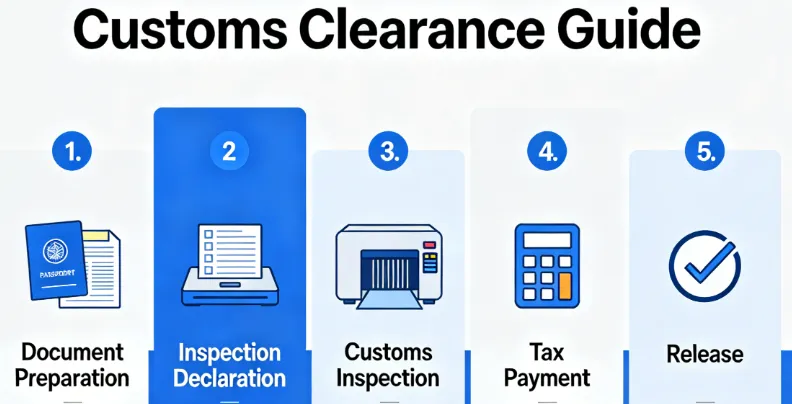
The process for customs clearance when importing from China generally involves several key steps:
- Submission of accurate documentation to demonstrate the legality and compliance of the goods.
- Assessment and payment of import duties, taxes, and other applicable fees.
- Physical inspection of shipments, if required, to verify the nature of the goods and their compliance with regulations.
- Release of cargo for final delivery to the consignee’s location.
Navigating these steps efficiently requires up-to-date knowledge of both Chinese export rules and the importing country’s customs regulations. Partnering with an experienced freight forwarder like Dantful International Logistics can greatly streamline the process, ensuring your shipments are handled professionally and cost-effectively.
For readers specifically interested in the US market, understanding the full process of Shipping From China to USA can provide a comprehensive perspective on major steps, regulations, and relevant costs.
Key Documents Required for Customs Clearance from China
Proper documentation is fundamental to efficient and problem-free customs clearance. Below are the essential documents you must prepare and submit when importing goods from China:
Bill of Lading, Commercial Invoice, and Packing List
| Document | Purpose | Key Details Included |
|---|---|---|
| Bill of Lading (B/L) | Serves as a shipment receipt, contract of carriage, and title document. | Shipper/consignee info, cargo details, ports, vessel info. |
| Commercial Invoice | Provides value for customs for duty assessment and trade compliance. | Seller/buyer info, item description, value, Incoterms. |
| Packing List | Details the physical contents and packaging of the shipment. | Itemized list, weight, dimensions, packaging type. |
- The Bill of Lading (or Air Waybill for air freight) is issued by the carrier and is crucial for ownership transfer and cargo release.
- The Commercial Invoice is used by customs to determine the value of the goods and calculate applicable duties and taxes.
- The Packing List supports accurate cargo inspection and identification, facilitating smoother customs processing.
Import Licenses and Permits
Depending on the product type and destination country, certain goods require import licenses or permits before clearance. These are typically needed for:
- Regulated products (such as food, pharmaceuticals, chemicals, electronics, and textiles)
- Restricted or dual-use items (e.g., technology with both civilian and military applications)
Importers should check with their local customs authorities to confirm licensing requirements. Failure to obtain the necessary permits can result in shipment detention or penalties.
Certificate of Origin and Other Supporting Documents
- The Certificate of Origin certifies the country in which the goods were manufactured. This document is essential for claiming preferential tariff treatment under various trade agreements or for compliance with destination country regulations.
- Additional supporting documents may include:
- Inspection certificates (e.g., quality, phytosanitary, fumigation)
- Insurance certificates
- Product-specific compliance certificates (RoHS, CE, FCC, etc.)
A summary of required documents can be found below:
| Document Type | Applicability | Issuing Authority/Source |
|---|---|---|
| Certificate of Origin | Most international shipments, especially for preferential duty claims | Chamber of Commerce or Export Council |
| Inspection/Fumigation Cert | Food, wood products, certain machinery | Chinese CIQ or approved inspection agencies |
| Insurance Certificate | If goods are insured for transit | Insurance provider |
| Product Compliance Certs | Electronics, medical devices, etc. | Manufacturer/testing lab |
Pro Tip: Preparing all required documents in advance and verifying their accuracy can significantly reduce the risk of customs delays. Dantful International Logistics offers comprehensive customs clearance and documentation support, ensuring your paperwork meets all regulatory standards for smooth shipment processing.
Step-by-Step Customs Clearance Process for Imports from China
Pre-Shipment Preparation and Compliance
Proper pre-shipment preparation is the foundation for smooth customs clearance when importing from China. This stage includes several critical actions:
- Verify Compliance with Import Regulations: Ensure your goods comply with both Chinese export and destination country import requirements. This may involve checking for restricted or prohibited items, certification needs (such as CE, FCC), and safety standards.
- Obtain Accurate Documentation: Ensure all required documents—Bill of Lading (B/L), Commercial Invoice, Packing List, Import Licenses, and Certificates of Origin—are correctly completed and match actual shipment details.
- Product Classification and HS Codes: Assign accurate HS codes to your products, as incorrect codes can cause delays or extra duties.
- Arrange Insurance and Packaging: Choose appropriate cargo insurance and ensure export packaging meets international standards to avoid transit or customs issues.
- Work with a Trusted Freight Forwarder: Engage a professional logistics partner like Dantful International Logistics, who can coordinate compliance, documentation, and pre-shipment checks for you.
If your business is located in the UK or EU, you may benefit from reading about Shipping From China to UK to understand country-specific pre-shipment and compliance requirements.
Arrival at Destination Port and Customs Declaration
Once your goods arrive at the destination port (e.g., Port of Los Angeles, Port of Hamburg, Port of Sydney), the customs clearance process officially begins:
- Notification of Arrival: The carrier or freight forwarder will notify you or your appointed customs broker.
- Customs Declaration Submission: Submit an import declaration via the local customs authority’s system. This includes uploading the complete set of shipping and commercial documents.
- Declaration Verification: Customs officers cross-check the documentation with the physical shipment data, focusing on product value, quantity, and classification.
Customs Inspection, Duties, and Taxes
At this stage, customs authorities may:
- Conduct Physical or Document-Based Inspection: Inspections may be random or targeted, especially for high-risk or regulated goods. They check for compliance, prohibited items, or misdeclaration.
- Assess Import Duties and Taxes: Based on the HS code, declared value, and trade agreements, customs calculates applicable import duties, VAT/GST, and other taxes.
- Payment of Duties and Fees: Importers or their appointed agents must settle all duties, taxes, and clearance fees before goods are released.
Example: Import Duties and Tax Calculation
| Country | Typical Duty Rate | VAT/GST Rate | Comments |
|---|---|---|---|
| USA | 0-25% | None | Tariffs vary by product/HS code |
| UK | 0-12% | 20% | Post-Brexit rules may apply |
| Australia | 0-5% | 10% | GST applies to most commercial goods |
| Germany | 0-17% | 19% | EU VAT and duty rates by product |
Rates are indicative as of 2026. Always check the latest customs tariff schedules or consult a qualified broker.
For Australian importers, Shipping From China to Australia offers a deeper dive into duties, GST, and localized customs processes.
Release and Delivery of Goods
After successful inspection and payment:
- Release Order Issued: Customs authorizes the release of goods.
- Arrange Onward Delivery: Goods can be picked up or delivered to the final address. Choose door-to-door, warehouse, or FBA/Amazon fulfillment as needed.
- Recordkeeping: Maintain copies of all customs documents and proof of duty/tax payment for compliance and audits.
Partnering with a full-service provider like Dantful International Logistics streamlines these steps, ensuring timely customs clearance and end-to-end delivery.
Common Customs Clearance Challenges When Importing from China
Delays Due to Incorrect Documentation
Incorrect or incomplete documentation remains the most common cause of customs clearance delays. Issues include:
- Mismatched Invoice Details: Discrepancies between the Commercial Invoice, Packing List, and Bill of Lading.
- Missing Licenses or Certificates: For items needing import permits, sanitary certificates, or phytosanitary documents.
- Ambiguous Product Descriptions: Lack of clarity may trigger further inspection.
Tip: Double-check documentation before shipment and work closely with your freight forwarder to ensure compliance.
Issues with HS Codes and Product Classification
Accurate classification using the Harmonized System (HS) code is critical:
- Misclassification Risks: Wrong HS codes can lead to overpayment, underpayment, penalties, or seizure.
- Frequent Product Changes: New products or technologies may have unclear HS codes, requiring consultation with customs or trade specialists.
Professional Advice: Use experienced brokers or logistics experts like Dantful International Logistics who stay updated on classification changes and best practices.
Managing Import Duties and Tariffs
Understanding and managing import duties and tariffs is key to cost control:
- Unexpected Tariff Increases: Sudden policy shifts (e.g., trade wars, anti-dumping duties) can impact landed costs.
- Preferential Trade Agreements: Some products from China may qualify for lower duties with the correct Certificate of Origin.
- Complex Valuation Rules: Customs authorities use various methods to assess the customs value, affecting the total duty and tax calculation.
Best Practice: Regularly consult tariff databases and leverage trade agreements where eligible. Work with an expert logistics partner, such as Dantful International Logistics, to optimize for both compliance and cost efficiency.
Read More:
- Shipping From China to the United States
- Shipping From China TO CANADA
- Shipping From China To Netherlands
- Shipping From China To UNITED KINGDOM
- Shipping From China To ALGERIA
- Shipping from China to UAE
- Shipping from China to Saudi Arabia
Tips to Streamline Customs Clearance for Your China Imports
How to Avoid Documentation Errors
Accurate documentation is the backbone of successful customs clearance when importing from China. Errors or omissions in paperwork can cause costly delays, additional inspections, or even shipment rejections. Here are proven strategies to minimize documentation errors:
- Double-Check All Documents: Always verify details such as the Commercial Invoice, Packing List, and Bill of Lading. Ensure product descriptions, quantities, and values are consistent across all forms.
- Correct Use of HS Codes: The Harmonized System (HS) Code determines duties and admissibility. Misclassification is a frequent error—consult with your customs broker or freight forwarder to ensure accuracy.
- Stay Updated on Regulatory Changes: Import regulations frequently change. Regularly review the latest requirements for import licenses, permits, and certificates of origin relevant to your product category.
- Leverage Checklists: Utilize pre-shipment and pre-clearance checklists. Professional partners like Dantful International Logistics provide detailed documentation templates and process guidance to minimize risk.
Pro Tip: For complex shipments, especially those involving OOG Freight or consolidated cargo, ensure all supporting documents, including insurance certificates and inspection reports, are included as required by the destination country. For specific practices, you may also review consolidated freight shipping for small-volume or multi-supplier imports.
Working with Reliable Customs Brokers and Freight Forwarders
Partnering with an experienced customs broker and freight forwarder is essential for smooth clearance. Here’s what to consider:
| Criteria | Impact on Customs Clearance | Dantful International Logistics Advantage |
|---|---|---|
| Industry Experience | In-depth knowledge reduces clearance risk | 15+ years in global shipping and compliance |
| Service Range | Covers all logistics needs | Sea, Air, Rail, Road, FBA, Warehouse, Door to Door |
| Local & Global Networks | Supports efficient document flow and problem-solving | Strong presence in major Chinese ports and global destinations |
| Transparency | Prevents hidden costs and surprise delays | Upfront quoting and detailed fee breakdowns |
| Compliance Support | Ensures all regulations are met | Guidance on latest import/export policies |
A professional partner like Dantful International Logistics not only arranges freight, but also manages the entire customs process, reducing your administrative burden and ensuring compliance at every step.
Leveraging Technology for Faster Customs Clearance
Modern technology transforms customs clearance by increasing speed and transparency:
- Digital Document Submission: EDI (Electronic Data Interchange) allows direct, fast submission of documents to customs authorities, reducing errors and manual handling.
- Real-Time Tracking: Integrated tracking systems provide visibility of your shipment from China to the final destination, including status updates for customs milestones.
- Automated Compliance Checks: Advanced platforms flag potential regulatory issues before shipment, minimizing the risk of non-compliance.
- Data Analytics: Analyze past shipments to predict potential bottlenecks and optimize future clearances.
Dantful International Logistics leverages state-of-the-art digital tools to offer seamless documentation, instant tracking, and proactive compliance management for your imports.
Costs Involved in Customs Clearance for Imports from China
Breakdown of Customs Duties, Taxes, and Fees
Understanding the cost structure is crucial for budgeting your China imports. Below is a typical breakdown:
| Cost Component | Description | Typical Range (as of 2026) |
|---|---|---|
| Customs Duties | Based on CIF (Cost, Insurance, Freight) value and HS code | 0% – 25% (varies by product/country) |
| Import Taxes (VAT/GST) | Applied to the sum of CIF value + duty | 5% – 20% (depending on destination) |
| Handling Fees | Charged by customs or port operators for processing | $30 – $100 per shipment |
| Customs Broker Fees | For customs filing and clearance | $50 – $200 per declaration |
| Other Local Charges | May include inspection, storage, or demurrage fees | Variable, location dependent |
Note: For special cargo types such as Breakbulk Freight or OOG Freight, additional handling or inspection fees may apply.
Hidden Costs and How to Avoid Them
Hidden costs can erode your profit margin if not anticipated. Common examples include:
- Demurrage & Storage Fees: If customs clearance is delayed, containers may incur storage charges at the port. Proactive documentation and efficient partner coordination help avoid this.
- Incorrect HS Code Penalties: Misclassification can result in fines or re-assessment of duties.
- Unanticipated Inspection Costs: Random inspections may require additional handling, especially for regulated goods.
- Currency Fluctuation: Duties and taxes may be recalculated if payment is delayed and exchange rates shift.
How to Minimize Hidden Costs:
- Work with transparent partners like Dantful International Logistics who provide detailed pre-shipment cost estimates and keep you informed of any potential extra charges.
- Use digital tracking to monitor clearance status and act quickly to resolve issues.
- Regularly review your import process to identify and eliminate operational inefficiencies.
For detailed insights on costs, timelines, and optimization strategies, see container shipping costs from china to USA.
Best Practices for Smooth Customs Clearance from China
Staying Updated with Import Regulations
Import regulations may change due to policy shifts, trade agreements, or updates in controlled goods lists. To stay compliant:
- Subscribe to Official Alerts: Government customs agencies and chambers of commerce provide timely updates.
- Consult Industry Experts: Regularly communicate with freight forwarders and customs brokers for the latest requirements.
- Continuous Training: Invest in ongoing staff education, especially for compliance and logistics teams.
Building Effective Relationships with Logistics Partners
Strong relationships with your logistics providers are key to efficient customs clearance:
- Regular Communication: Share shipping plans and potential challenges early to allow proactive solutions.
- Performance Reviews: Assess your partner’s reliability, responsiveness, and problem-solving abilities.
- Leverage Value-Added Services: Services like door-to-door delivery, insurance, or consolidated freight can often be bundled for cost savings and convenience.
Dantful International Logistics, with its comprehensive service portfolio and dedicated account management, ensures you have a single point of contact for all your needs, simplifying the process and reducing risks.
Ensuring Compliance to Prevent Penalties
Non-compliance can result in shipment delays, fines, or even the loss of importing privileges. To ensure compliance:
- Audit Your Documentation: Periodically review shipping records for accuracy and completeness.
- Implement SOPs: Establish Standard Operating Procedures for customs processes, including document preparation, HS code verification, and regulatory checks.
- Maintain Accurate Records: Retain all clearance documents for the required period, as per your country’s law.
By prioritizing compliance and partnering with trusted providers like Dantful International Logistics, you can confidently navigate the complex world of customs clearance for imports from China, minimize risks, and achieve more predictable delivery outcomes.

Young Chiu is a seasoned logistics expert with over 15 years of experience in international freight forwarding and supply chain management. As CEO of Dantful International Logistics, Young is dedicated to providing valuable insights and practical advice to businesses navigating the complexities of global shipping.