Are you wondering how much the shipping cost from China to France really is in the current market? With fluctuating fuel surcharges, ongoing Red Sea disruptions, and evolving EU regulations like CBAM, ICS2, and the new French Small Parcel Tax (TPC), finding the most cost-effective solution in June 2026 requires more than just a simple price check.
In this comprehensive guide, Dantful International Logistics draws on over 15 years of operational data to break down the real shipping costs, import duties, and transit times. We don’t just list prices; we analyze the why and how to help you save money.
Shipping from China to France: Market Overview
Shipping goods from China to France remains a critical artery for global trade. However, 2026 has brought new complexities. Based on our team’s analysis of Q2 2026 shipment data, we’ve observed a shift: while ocean freight remains the volume leader, rail freight and DDP services are seeing sustained demand due to their balance of cost and speed. Notably, ocean rates softened significantly in May–June 2026 (down 19–26% from April peaks) as carriers stabilized Cape of Good Hope routing capacity.
At Dantful International Logistics, we help businesses navigate these shifts. Whether you are an e-commerce seller needing Amazon FBA solutions or a manufacturer importing raw materials, our expertise ensures you choose the right mode—ocean, air, rail, or door-to-door.
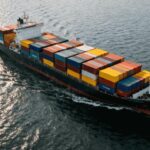
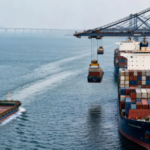
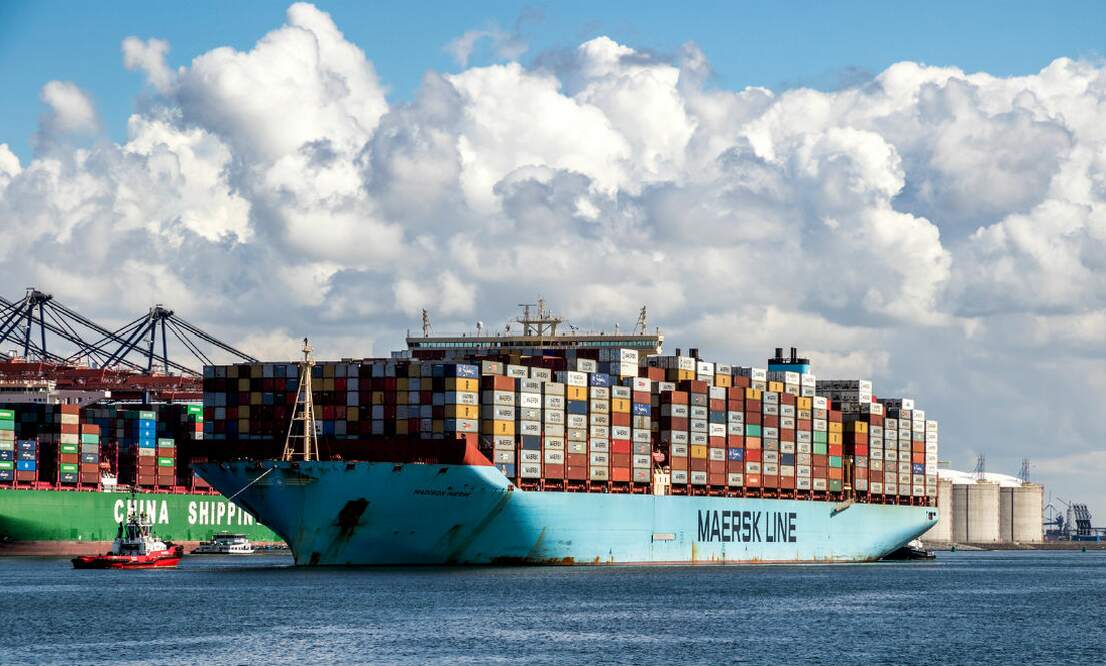
Ocean Freight from China to France
Ocean freight is the backbone of Sino-French trade. It is the most cost-effective option for shipments over 2 CBM or 500 kg.
Dantful Expert Insight:
“In June 2026, we are advising clients to book space 10–14 days in advance. While capacity is stable, most carriers continue routing via the Cape of Good Hope, adding 10–14 days to transit times. Our team monitors vessel schedules and blank sailing announcements daily to prevent delays and lock in softened rates.”
Service Types:
- FCL (Full Container Load): You rent the entire container (20ft, 40ft, 40HQ). Best for security and bulk volume.
- LCL (Less than Container Load): You pay only for the cubic meters you use. Best for shipments between 2–15 CBM.
Major Port Pairs We Serve:
- Origins: Shanghai, Shenzhen, Ningbo, Qingdao, Guangzhou.
- Destinations: Le Havre (key for North France), Marseille (South), Fos-sur-Mer.
Related: Sea Freight From China to Germany
Air Freight from China to France
Air freight is the premium solution for speed. In our experience, it is indispensable for:
- High-value electronics (where inventory cost > shipping cost).
- Urgent samples (to beat competitors to market).
- Fashion/Apparel (seasonal trends).
Airports:
- China: PVG (Shanghai), CAN (Guangzhou), SZX (Shenzhen), PEK (Beijing).
- France: CDG (Paris), LYS (Lyon).
Door to Door Shipping from China to France
Door-to-door shipping is Dantful’s signature service. We handle the entire chain: Pickup -> Export -> Freight -> Import Customs -> Final Delivery.
Why Choose Dantful’s Door-to-Door?
- Simplicity: One invoice, one point of contact.sea freight, air freight, or multimodal options, depending on your cargo requirements and deadlines.
- DDP (Delivered Duty Paid): We pay the duties/VAT upfront so you don’t have to deal with French Customs.
- Risk Free: We handle the complex ICS2 security filings required by the EU since 2024/2025.
How Much is Shipping from China to France? (June 2026 Update)
Shipping costs are dynamic. The rates below are based on our June 2026 average booking data and reflect the recent market softening. Note: These are estimates. For a live, binding quote, please contact our team.
Cost of Shipping 20ft & 40ft Container from China to France
Ocean freight rates have softened significantly compared to the peaks of early 2026, but fuel adjustment factors (BAF) and Cape surcharges remain variable.
| Route (China to France) | 20ft Container (USD) | 40ft/40HQ Container (USD) | Trend (Jun 2026) |
|---|---|---|---|
| Shanghai – Le Havre | $1,440 – $1,760 | $2,205 – $2,695 | Down 19–26% |
| Shenzhen – Le Havre | $1,500 – $1,900 | $2,200 – $2,900 | Stable/Soft |
| Ningbo – Marseille | $1,600 – $2,100 | $2,400 – $3,000 | Stable |
| Qingdao – Le Havre | $1,650 – $2,200 | $2,500 – $3,200 | Stable |
Key Surcharges to Budget For (June 2026):
- Cape Surcharge: up to ~$1,500/TEU (due to rerouting around Africa)
- Bunker Adjustment Factor (BAF): $180–$220/TEU
- EU ETS Emissions Surcharge: ~$130–$170/FEU
- Peak Season Surcharge (PSS): $200–$300/TEU (when applicable)
Expert Note: The “General Rate Increases” (GRI) are often announced on the 1st and 15th of each month. All-in costs typically run 25–40% higher than base freight rates after adding handling, customs, and destination charges. Contact us 3 days before GRI dates to lock in lower rates.
For more analysis: How much is shipping from China to France
Air Shipping Rates per Kg
Air freight rates vary heavily by “chargeable weight”. The heavier your shipment, the lower the price per kg. General Rate Increases of ~5.9% were implemented by major carriers in early 2026.
| Chargeable Weight | General Cargo Rate (USD/kg) | Express (DHL/FedEx) | Transit Time |
|---|---|---|---|
| +45 kg | $5.50 – $6.80 | $6.50 – $9.00 | 3–5 Days |
| +100 kg | $5.20 – $6.40 | $6.00 – $8.50 | 3–7 Days |
| +300 kg | $4.80 – $6.00 | $5.80 – $8.00 | 3–7 Days |
| +500 kg | $4.50 – $5.80 | Negotiable | 3–7 Days |
Rates as of June 2026. Subject to change weekly. Fuel surcharges may add an additional 15–25%.
Door to Door (DDP) All-In Rates
For many small-to-medium businesses, DDP is the smartest choice.
| Shipping Mode | Typical Cargo Size | Door-to-Door Rate (USD) | Delivery Time |
|---|---|---|---|
| Sea LCL | 1 cbm – 10 cbm | $280 – $580/cbm | 35–50 Days |
| Rail Freight | 1 cbm – 5 cbm | $260 – $520/cbm | 22–28 Days |
| Air Freight | >100 kg | $5.80 – $8.50/kg | 7–12 Days |
What is the import duty from China to France?
When shipping goods from China to France, understanding import duties and taxes is crucial for accurate budgeting and compliance. Import duty, also known as customs duty or tariff, is a tax imposed by the French government on goods entering the country from outside the European Union (EU).
How Are Import Duties Calculated?
Import duties on goods shipped from China to France are primarily determined by:
- HS Code (Harmonized System Code): Each product type has a unique code that dictates its duty rate.
- Customs Value (CIF): The duty is usually calculated based on the CIF value, which includes the cost of goods, insurance, and freight to the French port.
- Country of Origin: Goods originating from countries outside the EU, such as China, are subject to standard tariffs.
Common Types of Import Taxes
- Import Duty: Rates generally range from 0% to 12% depending on the product category. For instance, most electronics are 0–5%, while textiles and apparel can be higher.
- Value Added Tax (VAT): France applies a standard VAT of 20% on most imported goods (calculated on CIF value + duty). Since January 2022, import VAT is autoliquidated on the VAT return for VAT-registered businesses, meaning zero cash flow impact.
- Additional Taxes: Specific products (like alcohol, tobacco, or luxury goods) may incur excise duties.
- French Small Parcel Tax (TPC): Effective March 1, 2026, a €2 per distinct product category (4-digit HS code heading) applies to commercial shipments under €150 from non-EU countries.
Example Table: Estimated Import Duty Rates for Common Products
| Product Category | HS Code Example | Typical Import Duty Rate | VAT Rate |
|---|---|---|---|
| Electronics | 8471 | 0% – 4% | 20% |
| Apparel & Textiles | 6203 | 12% | 20% |
| Footwear | 6403 | 8% – 17% | 20% |
| Furniture | 9403 | 0% – 2.7% | 20% |
| Toys | 9503 | 0% | 20% |
Note: These are indicative rates; always confirm the latest rates with the French Customs website or your freight forwarder.
For French import procedures, you may also find this article helpful: Import Procedure from China to France.
Customs Clearance Process
- Documentation: Commercial invoice, packing list, bill of lading/airway bill, and relevant certificates are required.
- EORI Number: Mandatory for all businesses importing/exporting outside the EU.
- Customs Declaration: A declaration must be submitted to French Customs upon arrival.
- Duty Payment: Duties and VAT must be paid before goods are released (unless using DDP).
How to Estimate Your Import Duty
You can use the EU’s TARIC (Integrated Tariff of the European Communities) database to check the exact rates based on your product’s HS code. Alternatively, professional freight forwarders such as Dantful International Logistics offer customs clearance services to ensure compliance and provide accurate cost estimates.
Professional Advice
Import duties are subject to periodic changes. For tailored advice and to avoid costly compliance errors, consult with a specialized freight forwarder. Dantful International Logistics provides end-to-end customs solutions, including HS code classification, duty estimation, and documentation guidance for shipments from China to France.
Import Duty & New EU Regulations (2026)
Importing to France involves more than just paying the freight. You must comply with French Customs (Douane) and EU regulations.
1. Import Duties & VAT
- Duty: Ranges from 0% (tech) to 12% (textiles). Calculated on the CIF Value (Cost + Insurance + Freight).
- VAT: France’s standard VAT is 20%. This is paid on the (CIF Value + Duty). VAT-registered businesses benefit from autoliquidation (no upfront cash outlay).
2. The CBAM Factor (Crucial for 2026)
If you import steel, aluminum, cement, fertilizer, hydrogen, or electricity, you must now comply with the Carbon Border Adjustment Mechanism (CBAM) in its final operational phase.
Dantful Advisory: Many importers are caught off guard by CBAM reporting requirements. Our compliance team can assist you in verifying if your HS Codes fall under this regulation and in collecting verified emissions data from Chinese suppliers to avoid penalties.
3. ICS2 (Import Control System 2)
For all transport modes (sea, air, road, rail), ICS2 requires detailed data filings before the goods reach the EU border. Dantful handles this “ENS Filing” automatically for our clients to ensure your cargo isn’t blocked at the border.
Learn more: Import Procedure from China to France
4. French Small Parcel Tax (TPC) & EU Duty Exemption
- November 2026: An additional €2 EU handling fee (Union Handling Fee) is expected.
- Shipments under €150: Exempt from customs duties (but NOT from VAT or the French TPC).
- TPC (Taxe sur les petits colis): €2 per distinct HS code category for low-value commercial parcels from non-EU countries, effective March 1, 2026.
- July 1, 2026: A fixed €3 customs duty per HS code category for low-value goods begins.
How Long is Shipping from China to France?
Based on our tracking data for the last 6 months, here are the realistic transit times. Note: Most carriers continue routing via the Cape of Good Hope, adding 10–14 days compared to pre-2025 Suez Canal transits.
| Method | Route Example | Time (Port-to-Port) | Time (Door-to-Door) |
|---|---|---|---|
| Sea Freight | Shanghai -> Le Havre | 28–35 Days | 35–50 Days |
| Sea Freight | Shenzhen -> Marseille | 25–32 Days | 34–45 Days |
| Rail Freight | Yiwu -> Lyon | 12–16 Days | 22–28 Days |
| Air Freight | PVG -> CDG | 12–14 Hours (Flight) | 3–7 Days (Total) |
Pro Tip: “Slow steaming” and Cape rerouting are practices carriers use to manage fuel and risk. Always add a 5–7 day buffer to your supply chain planning.
Additional Costs You Must Budget For
Experienced importers know the “freight rate” is just one part of the cost. Based on our invoice audits, here are common extras:
Insurance: Usually 0.3% of cargo value. Dantful highly recommends this.
Terminal Handling Charges (THC): ~$150-$300 per container at French ports.
Documentation Fees: ~$50 per Bill of Lading.
Customs Brokerage: ~$100-$150 per entry (included in Dantful’s DDP service).
Inland Delivery: Trucking from Le Havre to Paris can cost $400+.
DDP shipping from China to France
DDP (Delivered Duty Paid) shipping from China to France is the preferred logistics solution for importers seeking a hassle-free, all-inclusive, and transparent shipping process. Under the DDP term, the seller is responsible for all costs and risks involved in delivering goods to the buyer’s door, including freight charges, import duties, taxes (such as VAT), and customs clearance in France.
For an explanation of DDP shipping, you may also find our article on What is Delivered Duty Paid (DDP)? useful.
What Does DDP Shipping Cover?
A typical DDP shipping service includes:
- Pickup at supplier’s address in China
- Export customs clearance in China
- International shipping (via sea, air, rail, or road)
- Import customs clearance in France
- Payment of import duty and VAT
- Last-mile delivery to the buyer’s specified address in France
Benefits of DDP Shipping
DDP shipping offers several key advantages for businesses and individuals:
- All-inclusive pricing: One quote, covering all fees—no hidden costs.
- Simplified import process: No need to manage customs or tax payments in France.
- Reduced risk: The freight forwarder handles all legal and compliance matters.
- Time savings: Faster customs release and quicker delivery.
Typical DDP Shipping Options from China to France
| Mode | Transit Time | Suitable for | Typical Use Cases |
|---|---|---|---|
| Air DDP | 5-10 days | Urgent, small-volume cargo | Electronics, samples, e-commerce parcels |
| Sea DDP | 35-50 days | Large-volume, non-urgent | Furniture, machinery, bulk shipments |
| Rail DDP | 22-28 days | Mid-volume, balanced option | Apparel, consumer goods, mid-size cargo |
Transit times are indicative and can vary based on origin city, final delivery address, customs procedures, and current Cape rerouting delays.
DDP Shipping Cost from China to France
The shipping cost from China to France under DDP terms depends on several factors:
- Total cargo weight and volume
- Shipping mode (air, sea, rail)
- Pickup and delivery addresses
- Nature of goods (general vs. sensitive/regulated)
- Value of goods (affecting applicable duties and VAT)
For an accurate DDP quote, it’s best to contact a reliable freight forwarder such as Dantful International Logistics, providing shipment details and required services.
Why Choose Dantful International Logistics?
In a market flooded with “budget” forwarders, Dantful prioritizes reliability and compliance. We don’t just ship; we protect your business.
- 15+ Years Experience: We know the China-France route inside out.
- Tier 1 Carrier Contracts: We get space even when vessels are overbooked.
- French Customs Expertise: We navigate VAT, HS Codes, TPC, CBAM, and ICS2 rules for you.
- Transparent DDP: What we quote is what you pay. No surprise bills on arrival.
Ready to Ship?
Stop guessing your costs. Contact Dantful International Logistics today for a precise, transparent shipping quote from China to France.
Get Your Free Quote Now
FAQs
1. Why are ocean transit times longer in June 2026 compared to previous years?
Most carriers continue routing vessels via the Cape of Good Hope instead of the Suez Canal due to ongoing security concerns in the Red Sea. This adds approximately 10–14 days to standard Asia-Europe transit times. Port-to-port times from Shanghai to Le Havre are now typically 28–35 days rather than the previous 18–22 days. We recommend adding a 5–7 day buffer to your supply chain planning.
2. What is the French Small Parcel Tax (TPC), and does it affect my shipment?
The Taxe sur les petits colis (TPC) took effect on March 1, 2026. It imposes a €2 charge per distinct product category (determined by the 4-digit HS code heading) on commercial shipments valued under €150 from non-EU countries. For example, a package containing T-shirts, pants, and a phone case could incur €6 TPC (3 categories). Gifts between individuals under €45 are exempt. This tax applies in addition to VAT.
3. How does ICS2 affect my shipment from China to France?
ICS2 (Import Control System 2) now applies to all transport modes (sea, air, road, and rail). It requires detailed cargo and consignor data to be submitted electronically via an Entry Summary Declaration (ENS) before goods reach the EU border. Errors or omissions can result in cargo being stopped before departure or en route, not just at arrival. Dantful handles ICS2 ENS filings automatically for our clients to prevent delays.
4. What is CBAM, and does it apply to my goods?
The Carbon Border Adjustment Mechanism (CBAM) entered its final operational phase on January 1, 2026. It applies if you import cement, iron/steel, aluminum, fertilizers, hydrogen, or electricity into the EU. Importers must declare the embedded carbon emissions of these goods and purchase CBAM certificates to cover the gap versus EU ETS pricing. You will need documentation from your Chinese supplier about the manufacturing carbon footprint. Dantful’s compliance team can verify if your HS codes fall under CBAM.
5. Is there still a duty exemption for low-value shipments?
Yes, but with important caveats. Commercial shipments valued under €150 remain exempt from customs duties, but they are still subject to 20% VAT and the new French TPC (€2 per category). Starting July 1, 2026, a fixed €3 customs duty per HS code category will apply to low-value goods, effectively reducing the duty exemption benefit. E-commerce sellers should consider IOSS registration to collect VAT at checkout.
6. How does VAT autoliquidation work for French importers?
Since January 2022, France no longer requires upfront VAT payment at customs for VAT-registered businesses. Instead, import VAT is autoliquidated on the monthly or quarterly VAT return (form CA3, field A4). This means the VAT is simultaneously declared as due and deductible, resulting in zero cash flow impact. Private individuals and businesses under the VAT exemption threshold must still pay VAT at the point of import.
7. What new EU fees are coming later in 2026?
Beyond the French TPC, two major changes are scheduled:
- July 1, 2026: A fixed €3 customs duty per HS code category for low-value goods (under €150) from non-EU countries.
- November 2026: An additional €2 EU handling fee (Union Handling Fee) per parcel is expected to be introduced.
These fees may stack during transition periods, so consolidating shipments and avoiding splitting orders can help minimize per-shipment costs.

Young Chiu is a seasoned logistics expert with over 15 years of experience in international freight forwarding and supply chain management. As CEO of Dantful International Logistics, Young is dedicated to providing valuable insights and practical advice to businesses navigating the complexities of global shipping.