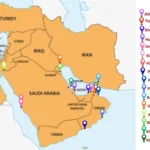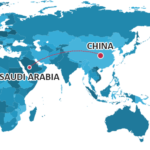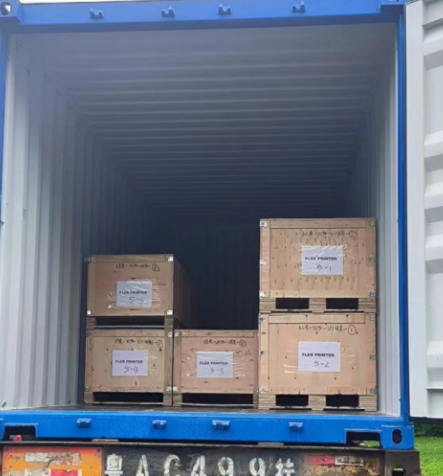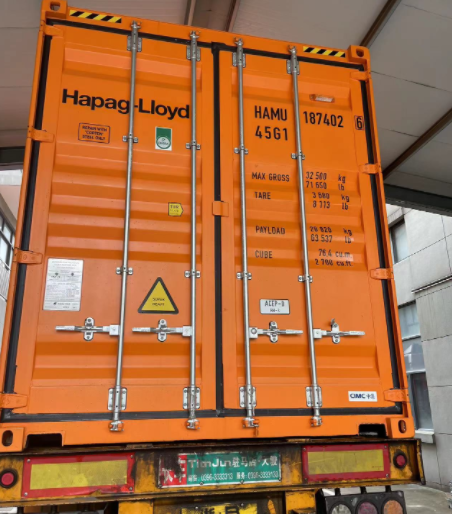
Saudi Arabia, strategically located between Europe, Asia, and Africa, serves as a pivotal hub for international trade in the region. The country’s extensive coastline along the Red Sea and the Arabian Gulf hosts several major ports that facilitate the movement of goods and drive economic growth. Prominent among these are the Jeddah Islamic Port, Dammam Port, and Jubail Commercial Port, each playing a crucial role in accommodating the diverse cargo needs of various industries.
As Saudi Arabia accelerates its “Vision 2030” initiatives and solidifies its position in global supply chains, understanding the operational dynamics of its major ports is essential for importers and exporters. This overview, backed by Dantful International Logistics’ years of on-the-ground freight forwarding experience, delves into the various ports along the Arabian Gulf and Red Sea, highlighting their key facilities, cargo specialties, and the overarching role of the Saudi Ports Authority (MAWANI) in shaping the maritime trade landscape as of 2026.
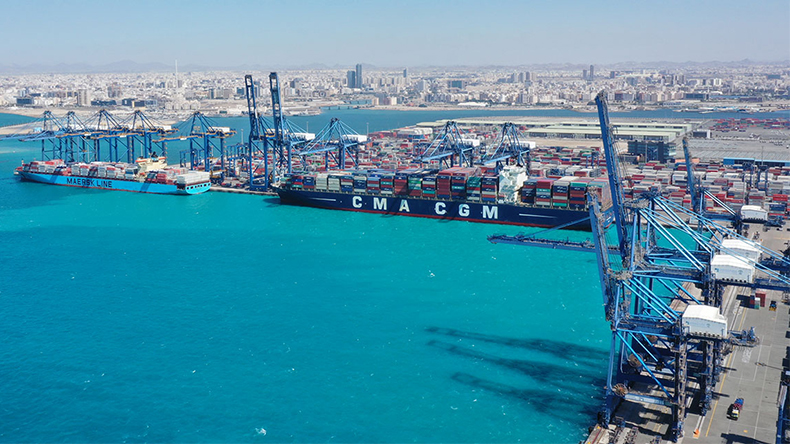
Overview of Major Ports in Saudi Arabia
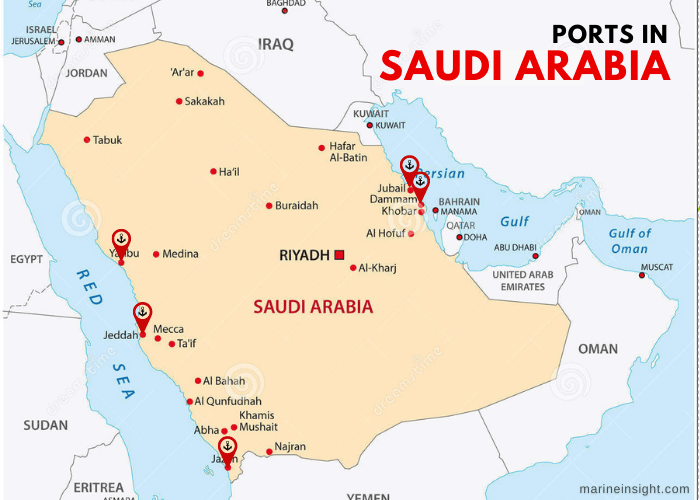
Number and Distribution of Ports in Saudi Arabia
Saudi Arabia operates a sophisticated network of more than 11 major commercial and industrial ports, strategically distributed along the Red Sea and the Arabian Gulf. This dual-coast advantage provides shippers with flexible routing options to minimize transit times.
- Jeddah Port (Red Sea): The undisputed primary trade hub, handling over 60% of the country’s inbound maritime cargo. It is the go-to port for consumer goods and transshipment cargo connecting Asia and Europe.
- Dammam Port (Arabian Gulf): The vital eastern gateway, primarily servicing the energy, construction, and petrochemical sectors, as well as the capital, Riyadh, via a direct rail link.
- Riyadh Dry Port: Although situated inland, it acts as an extension of Dammam Port, connected by a dedicated freight railway, streamlining customs clearance directly in the capital.
Dantful Insight: Selecting the right port of discharge (POD) is critical. For shipments destined for Riyadh, routing through Dammam with a rail transfer to Riyadh Dry Port often proves more cost-effective and faster than trucking from Jeddah.
Role of Ports in the Saudi Economy
Ports are the physical backbone of the Saudi Arabian economy, moving beyond their traditional role as oil export terminals to become diversified logistics centers.
- Hub for International Trade: Facilitating the import of consumer goods, machinery, and food, while exporting petrochemicals and manufactured products.
- Attracting Investment: The implementation of Special Integrated Logistics Zones within port areas has attracted major global manufacturers and 3PL providers.
- Job Creation: Port modernization has created thousands of specialized logistics and technology-driven jobs for Saudi nationals.
- Supply Chain Resilience: Enhanced port capacities ensure that the Kingdom remains insulated from regional supply chain disruptions, a critical factor we’ve observed stabilizing freight rates in recent years.
Major Ports on the Red Sea
1. Jeddah Islamic Port in Saudi Arabia
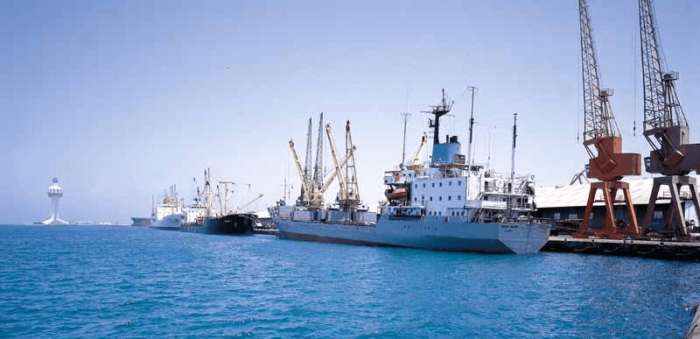
Jeddah Islamic Port (JIP) is the principal sea gateway for the Kingdom. Located on the crucial Asia-Europe shipping lane, it is a primary transshipment hub and the largest port in Saudi Arabia.
Key Facilities and Features
Following the massive capacity upgrades completed in recent years, including DP World’s South Container Terminal modernization, JIP features state-of-the-art automated cranes and deep-water berths. The port integrates seamlessly with the FASAH customs system, enabling pre-arrival clearance.
Analyst Note: Based on our daily operations, JIP offers the most competitive transit times for shipments from China to the western region of Saudi Arabia, typically ranging from 15 to 22 days depending on the carrier.
Types of Cargo Handled and Annual Throughput
JIP handles a vast array of goods, predominantly containerized consumer products, electronics, and automotive parts. With recent expansions, its annual handling capacity now exceeds 13 million TEUs, reinforcing its status as a top-tier global port.
2. King Fahd Industrial Port in Yanbu
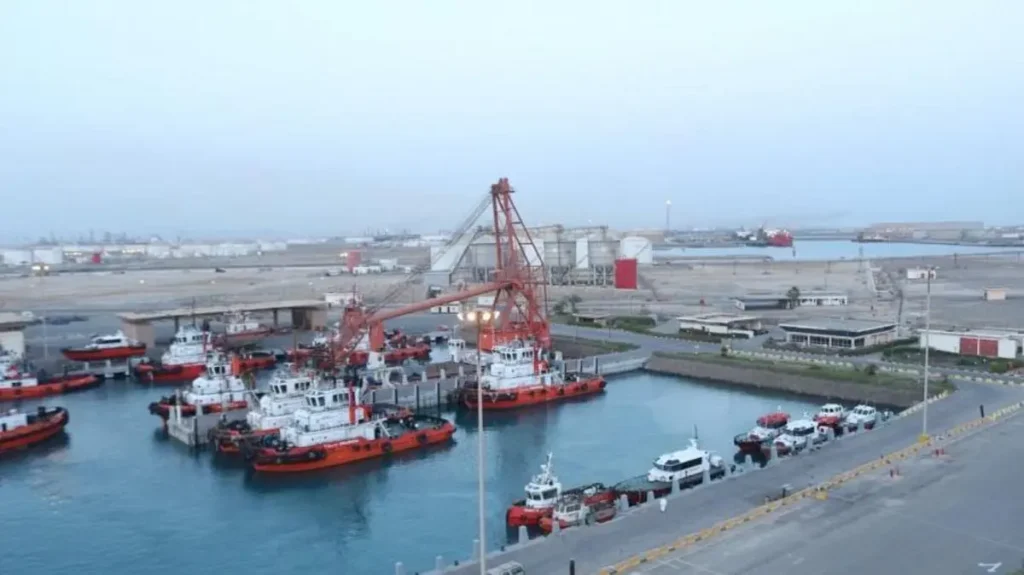
Located on the western coast, King Fahd Industrial Port in Yanbu was specifically built to support the region’s massive industrial and petrochemical complexes.
Key Facilities and Features
The port features dedicated, highly specialized terminals for liquid bulk, dry bulk, and hazardous materials. It is equipped with advanced pipeline networks connecting directly to nearby refineries, ensuring safe and rapid loading of dangerous goods.
Types of Cargo Handled and Annual Throughput
It predominantly handles crude oil, refined petroleum products, and petrochemical derivatives. It processes tens of millions of tons annually, acting as the Red Sea’s premier industrial export facility.
3. Yanbu Commercial Port in Saudi Arabia
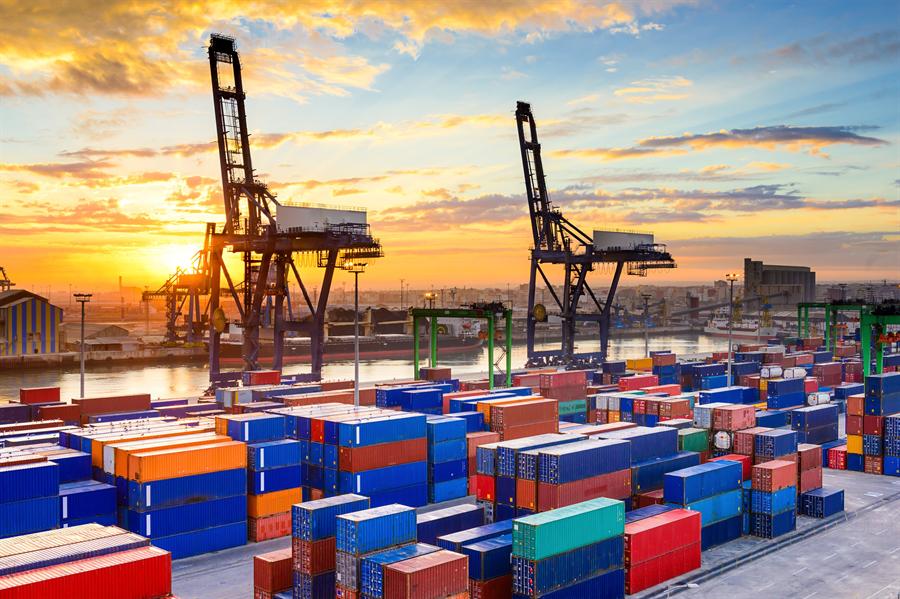
Operating alongside its industrial counterpart, Yanbu Commercial Port serves the general trade needs of the western and northern regions.
Key Facilities and Features
The port offers modern cargo handling equipment, extensive warehousing, and streamlined customs processing. It serves as a strategic alternative to Jeddah for avoiding peak-season congestion for specific regional deliveries.
Types of Cargo Handled and Annual Throughput
It handles general cargo, Ro-Ro (Roll-on/Roll-off), and bulk materials like cement and grains, processing several million tons annually to support regional development projects.
4. Jazan/Jizan Port in Saudi Arabia
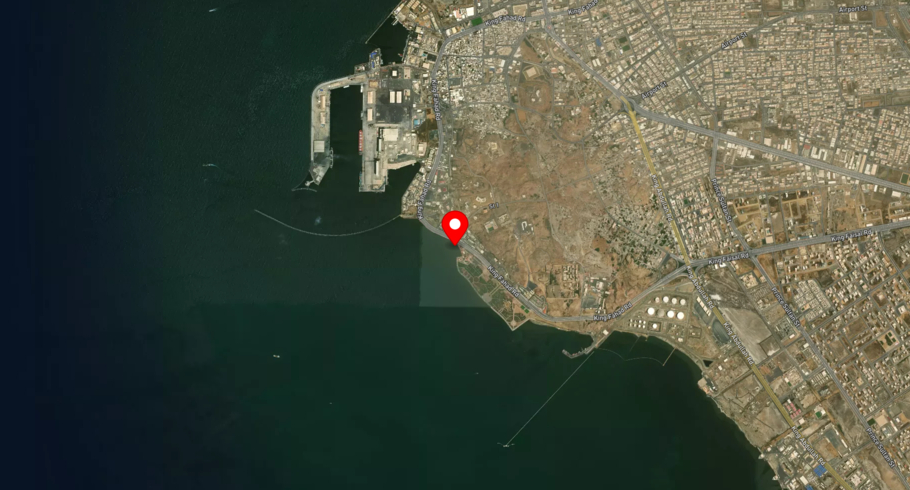
Located in the southwestern corner of the Kingdom, Jazan Port is critical for supplying the southern regions and supporting the Jazan City for Primary and Downstream Industries (JCPDI).
Key Facilities and Features
Jazan Port has seen significant infrastructure upgrades to support heavy lift cargo and industrial components. It features modern container and bulk terminals tailored to the specific needs of the local industrial city.
Types of Cargo Handled and Annual Throughput
The port handles agricultural imports, construction materials, and industrial components, with a steadily growing throughput that currently exceeds 1 million TEUs in capacity.
5. Duba Port in Saudi Arabia
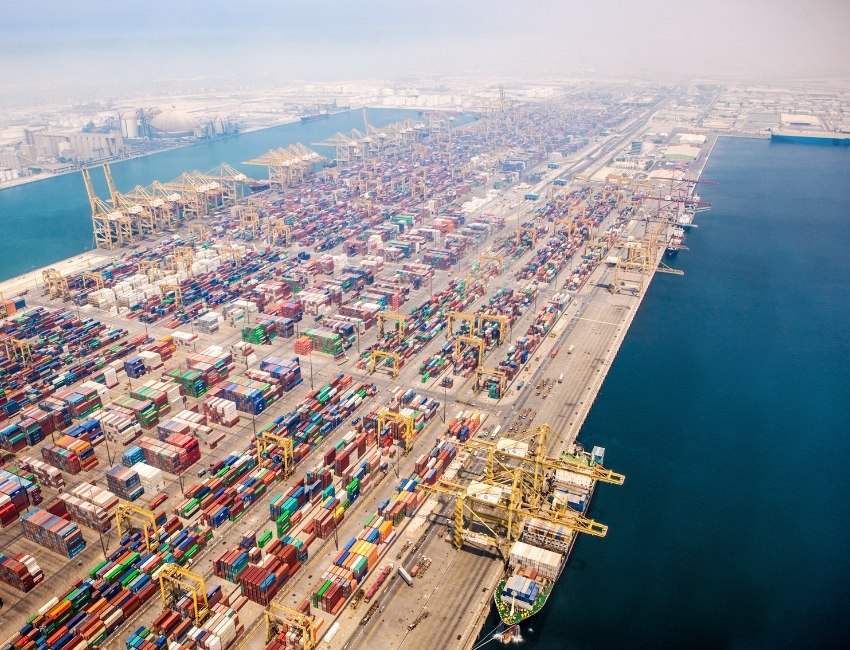
Situated in the northwest, Duba Port is strategically positioned to serve trade routes to Egypt and the broader Mediterranean via the Suez Canal.
Key Facilities and Features
Often referred to as the “Pearl of the Red Sea,” Duba Port is a key passenger and Ro-Ro terminal. It provides vital logistics support for the ongoing megaprojects in the Tabuk region, including NEOM.
Types of Cargo Handled and Annual Throughput
It handles Ro-Ro traffic, passenger ferries, and general cargo, acting as a crucial maritime bridge between Saudi Arabia and North Africa.
Shipping From China to Middle East Countries:
- Shipping from China to Saudi Arabia
- Shipping from China to UAE
- Shipping from china to KUWAIT
- Shipping From China To EGYPT
- Shipping from China to Bahrain
- Shipping From China To Jordan
- Shipping From China To Israel
- Shipping from China to Qatar
- Shipping From China To IRAQ
- Shipping from China to Iran
Major Ports on the Arabian Gulf
1. King Abdul Aziz Port / Dammam Port
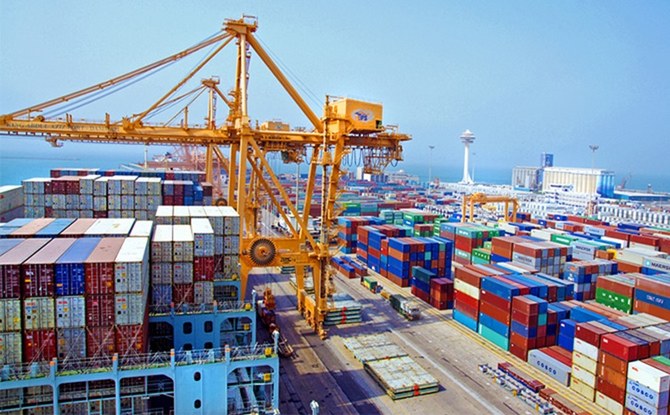
1. King Abdul Aziz Port / Dammam Port
King Abdul Aziz Port in Dammam is the main maritime gateway for Saudi Arabia’s Eastern Province and a critical entry point for the oil, gas, and construction sectors.
Key Facilities and Features
Following recent billion-dollar investments by operators like Saudi Global Ports (SGP), Dammam Port boasts highly automated container terminals, extensive refrigerated cargo (reefer) facilities, and a direct railway link to Riyadh.
Dantful Insight: For heavy machinery or out-of-gauge (OOG) project cargo destined for Eastern Saudi Arabia, Dammam is our preferred port due to its superior heavy-lift infrastructure and proximity to major industrial sites.
Types of Cargo Handled and Annual Throughput
Dammam handles a massive volume of project cargo, construction materials, and containerized goods. With the latest expansion phases operational, its capacity has been boosted to handle over 7.5 million TEUs annually.
2. Jubail Commercial Port
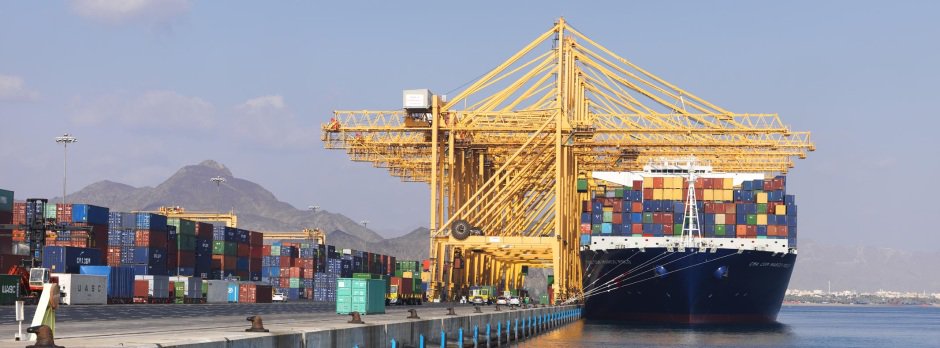
Jubail Commercial Port serves the massive Jubail Industrial City, providing essential logistics support for the region’s manufacturing output.
Key Facilities and Features
The port offers specialized facilities for handling both containerized manufactured goods and breakbulk cargo. It is designed to quickly transition goods from the nearby industrial plants to export vessels.
Types of Cargo Handled and Annual Throughput
It primarily exports petrochemicals, steel, and aluminum products, while importing industrial machinery, handling millions of TEUs and bulk tons annually.
3. King Fahd Industrial Port in Jubail
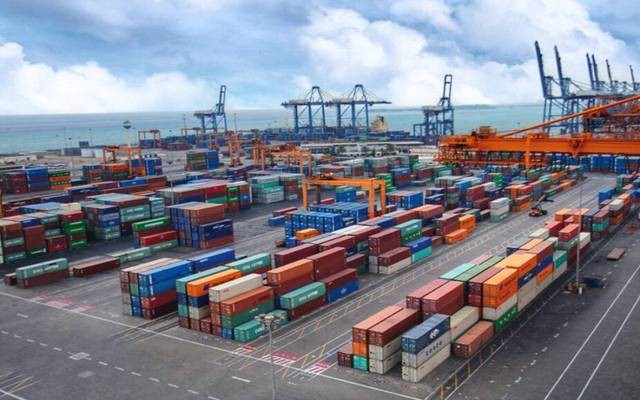
Adjacent to the commercial port, the King Fahd Industrial Port in Jubail is the largest industrial port in the Middle East.
Key Facilities and Features
Designed exclusively for heavy industry, this port features deep-water berths capable of accommodating ultra-large crude carriers (ULCCs) and specialized chemical tankers, complete with highly automated loading arms.
Types of Cargo Handled and Annual Throughput
The port is a global powerhouse for exporting petrochemicals, fertilizers, and refined petroleum, moving well over 60 million tons of cargo per year.
4. Ras Tanura Port
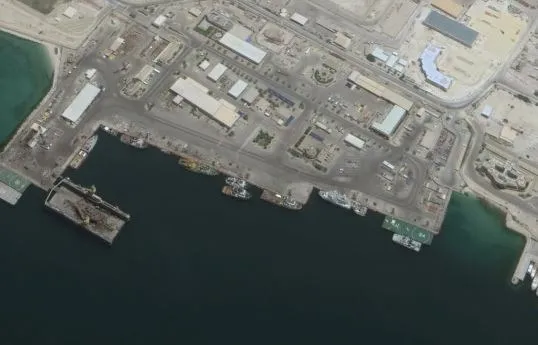
Operated by Saudi Aramco, Ras Tanura Port is one of the most critical oil export facilities in the world.
Key Facilities and Features
Ras Tanura features massive offshore sea islands and deep-water berths that allow multiple supertankers to load simultaneously. Its infrastructure is entirely dedicated to the safe, high-volume transfer of energy products.
Types of Cargo Handled and Annual Throughput
It exclusively handles crude oil and refined products. It is responsible for exporting a significant percentage of Saudi Arabia’s total oil output, making its annual tonnage among the highest globally.
Port Management and Operations

Role of the Saudi Ports Authority
The Saudi Ports Authority (MAWANI) is the regulatory body driving the transformation of the Kingdom’s maritime sector. As of 2026, MAWANI’s role is central to achieving the National Transport and Logistics Strategy under Vision 2030.
- Development and Modernization: MAWANI continuously upgrades port infrastructure, notably launching smart port initiatives that integrate AI and IoT for predictive maintenance and automated yard management.
- Regulatory Oversight: Ensuring strict adherence to international maritime safety, security (ISPS Code), and environmental standards.
- Facilitation of Trade: Implementing single-window customs systems (like FASAH) to drastically reduce cargo dwell times from days to mere hours.
- Strategic Planning: Positioning Saudi ports not just as destination ports, but as global transshipment hubs competing with neighboring UAE ports.
Management Policies and Operational Models
MAWANI employs progressive operational models to maximize efficiency:
- Public-Private Partnerships (PPP): The Kingdom has successfully transitioned to a landlord port model. Global terminal operators (e.g., DP World, RSGT, SGP) manage the terminals under long-term concessions, injecting private capital and global best practices.
- Digital Integration: Mandatory use of electronic delivery orders (e-DO) and digital customs declarations has eliminated paperwork, a change that has vastly expedited our customs clearance processes at Dantful.
- Sustainability Initiatives: Implementing green port policies, including shore power for vessels (cold ironing) and transitioning yard equipment to electric power to reduce carbon footprints.
Development and Future Plans
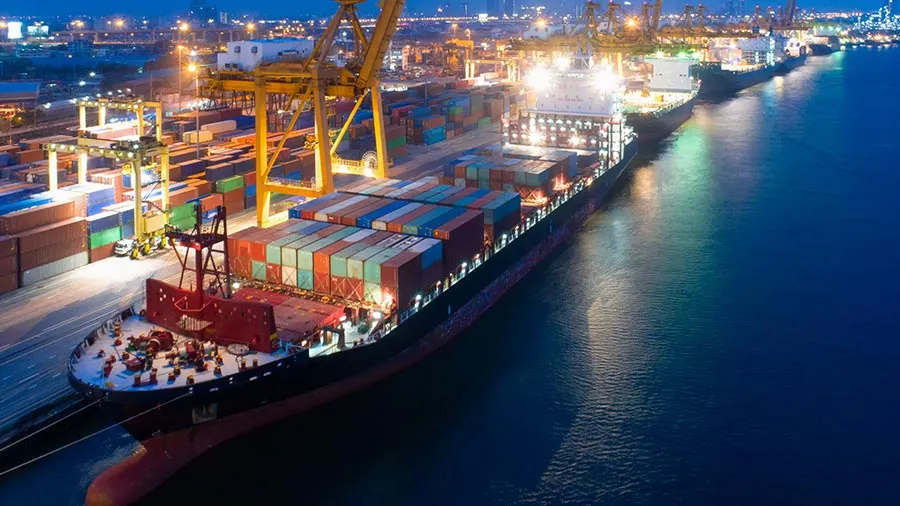
Expansion and modernization plans for existing ports
As we move through 2026, the fruits of Saudi Arabia’s ambitious expansion plans are fully visible:
- Jeddah Islamic Port (JIP): The expansion projects by DP World and Red Sea Gateway Terminal (RSGT) are actively pushing the port’s total capacity toward the 13+ million TEU mark, significantly boosting transshipment volumes.
- Dammam Port: The SR7 billion investment has materialized into fully operational, automated terminals, effectively doubling its previous capacity to 7.5 million TEUs and cementing its status on the Arabian Gulf.
New port construction projects
- King Abdullah Port (KAP): Located in King Abdullah Economic City (KAEC), this privately-owned port continues to scale rapidly, serving as a model for private-sector efficiency and acting as a major hub for temperature-controlled cargo and pharmaceuticals.
- Logistics Parks: The establishment of fully integrated, bonded logistics parks within port perimeters (such as the Maersk logistics park at JIP) allows for in-port warehousing, assembly, and re-export without formal customs entry.
Impact on Saudi Arabia’s economy and international trade
These strategic advancements have profoundly impacted the Kingdom’s trade capabilities:
- Global Logistics Hub: Saudi Arabia is well on track to exceed its target of handling 40 million TEUs annually, bridging the gap between Asia, Europe, and Africa.
- Supply Chain Efficiency: The integration of ports with inland logistics zones and extensive rail networks has lowered overall supply chain costs for importers.
- Economic Diversification: The booming logistics sector is a major pillar of the non-oil economy, generating thousands of high-skilled jobs and attracting significant foreign direct investment (FDI).
Dantful Insight: For international shippers, the modernization of Saudi ports means greater reliability and faster turnaround times. However, strict adherence to Saudi customs regulations (such as SABER certification for specific products) remains paramount. Our dedicated Saudi routing team ensures that all documentation is flawless prior to vessel departure, preventing costly delays upon arrival.
If you’re planning shipments to Saudi Arabia and want to navigate these ports efficiently, contact Dantful International Logistics for tailored ocean freight solutions and expert customs guidance.
Dantful International Logistics Services:
- Dantful Ocean Freight Services
- Air Freight From China
- Amazon FBA Freight Forwarding
- WAREHOUSE Services
- One-Stop Customs Clearance Solution
- Cargo Insurance Services in China
- DDP Shipping Services By Dantful Logistics
- Out of Gauge Cargo Transportation Shipping Services

Young Chiu is a seasoned logistics expert with over 15 years of experience in international freight forwarding and supply chain management. As CEO of Dantful International Logistics, Young is dedicated to providing valuable insights and practical advice to businesses navigating the complexities of global shipping.