In the ever-evolving landscape of global trade, container shipping has emerged as a vital method for transporting goods efficiently and securely. This approach utilizes large standardized containers to facilitate seamless transitions between various transport modes, including ships, trucks, and trains. The importance of container shipping is particularly pronounced in the context of trade between China and Africa, where the demand for cost-effective and reliable shipping solutions continues to grow.
This article, updated for March 2026, delves into the specifics of shipping costs for both 20 ft and 40 ft containers from China to Africa. Drawing from Dantful International Logistics’ 15+ years of operational experience and real-time data analysis, we shed light on the various components that contribute to pricing and offer actionable insights for optimizing your shipping strategies in the current market.
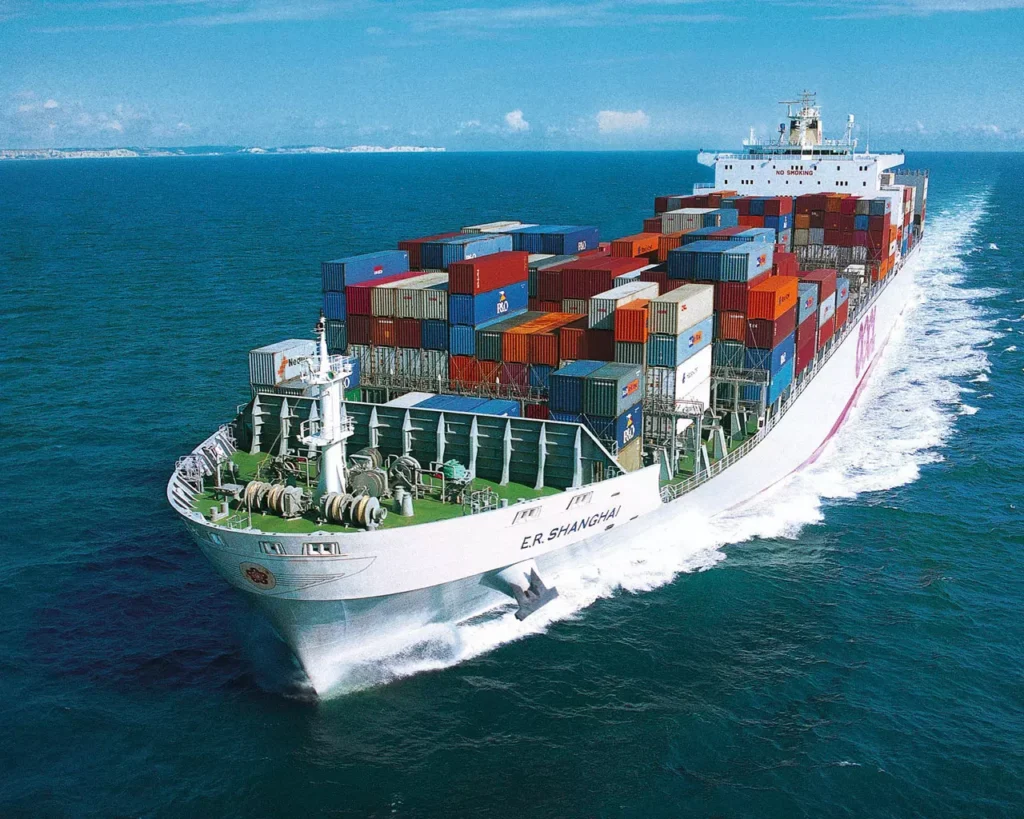
Latest Container Shipping Cost from China to Africa (March 2026)
Based on our team’s analysis of recent bookings and carrier data, the following table outlines the estimated ocean freight rates for 20ft, 40ft, and 40ft High Cube (40HQ) containers from major Chinese ports (Shanghai, Shenzhen, Ningbo) to key African destinations as of March 2026.
| Destination Country | Main Port | 20ft Container (USD) | 40ft Container (USD) | 40HQ Container (USD) | Transit Time (Days) |
|---|---|---|---|---|---|
| South Africa | Durban | $1,700 – $1,900 | $2,900 – $3,100 | $3,200 – $3,400 | 25 – 30 |
| Nigeria | Lagos (Apapa) | $1,850 – $2,100 | $3,200 – $3,400 | $3,400 – $3,600 | 35 – 45 |
| Egypt | Alexandria | $1,600 – $1,800 | $2,700 – $2,900 | $2,900 – $3,100 | 20 – 25 |
| Kenya | Mombasa | $1,800 – $2,000 | $3,100 – $3,300 | $3,300 – $3,500 | 28 – 35 |
| Ghana | Tema | $1,900 – $2,100 | $3,250 – $3,450 | $3,450 – $3,650 | 35 – 42 |
| Tanzania | Dar es Salaam | $1,800 – $2,000 | $3,150 – $3,350 | $3,350 – $3,550 | 30 – 38 |
| Algeria | Algiers | $1,950 – $2,150 | $3,300 – $3,500 | $3,500 – $3,700 | 25 – 32 |
| Morocco | Casablanca | $1,650 – $1,850 | $2,850 – $3,050 | $3,050 – $3,250 | 22 – 28 |
| Angola | Luanda | $2,000 – $2,200 | $3,400 – $3,600 | $3,600 – $3,800 | 40 – 50 |
| Senegal | Dakar | $1,750 – $1,950 | $3,000 – $3,200 | $3,200 – $3,400 | 32 – 40 |
| Côte d’Ivoire | Abidjan | $1,800 – $2,000 | $3,100 – $3,300 | $3,300 – $3,500 | 35 – 42 |
Note: These rates are estimates based on market conditions in March 2026. Actual costs may vary due to fuel surcharges, GRI (General Rate Increases), and spot market fluctuations. For a precise quote tailored to your cargo, please contact Dantful International Logistics.
Why Prices Vary? (Expert Insight)
From our operational experience, we identify three primary drivers for rate fluctuations in early 2026:
- Post-CNY Stabilization: Historically, rates tend to soften slightly in March after the Chinese New Year (CNY) peak. However, our data shows that demand remains robust for construction materials and consumer goods heading to West Africa.
- Port Efficiency: We have observed that ports like Lagos (Apapa) and Luanda are currently experiencing intermittent congestion. Carriers often implement “Congestion Surcharges” ($100-$300/TEU) during these periods, which are not always reflected in standard base rates.
- Fuel Surcharges (BAF): With oil price volatility in Q1 2026, monthly BAF adjustments can swing rates by +/- 5%.
Pro Tip from Dantful Experts: If your cargo volume is between 15-20 CBM, our analysis suggests that upgrading from a 20ft to a 40ft container is often more cost-effective per cubic meter. You get double the space for typically less than double the price, reducing your per-unit logistics cost.
READ MORE:
- Shipping From China To Algeria
- Shipping From China To Angola
- Shipping From China To Morocco
- Shipping From China To Nigeria
- Shipping From China To Kenya
- Shipping From China To Tanzania
- Shipping From China To South Africa
Container Shipping Options from China to Africa
20 ft Container Shipping
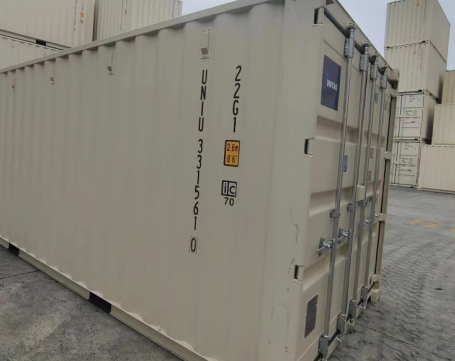
The 20ft General Purpose (GP) container remains the backbone of trade for heavy cargo.
- Capacity: ~33 CBM (Practical usable space: 25–28 CBM)
- Max Payload: Up to 28,000 kg. Note: African inland transport regulations (e.g., in South Africa or Kenya) often restrict road weight to ~24,000 kg. We always advise checking local road limits to avoid fines.
- Best For: Heavy goods such as machinery parts, minerals, metals, ceramics, and dense raw materials.
- Cost Insight: While it offers the lowest total shipping price (e.g., ~$1,700 to Durban), the cost per cubic meter is higher than a 40ft container.
40 ft Container Shipping
The 40ft General Purpose (GP) is the top choice for volume-based shipments.
- Capacity: ~67 CBM (Practical usable space: 54–58 CBM)
- Best For: Voluminous but lighter cargo such as furniture, textiles, clothing, electronics, and toys.
- Cost Efficiency: A 40ft container typically costs only 1.5x to 1.6x the price of a 20ft container (e.g., ~$2,900 vs $1,700), but holds double the volume. This makes it the most cost-efficient option for large imports to markets like Nigeria and Egypt.
40 HQ Container Shipping
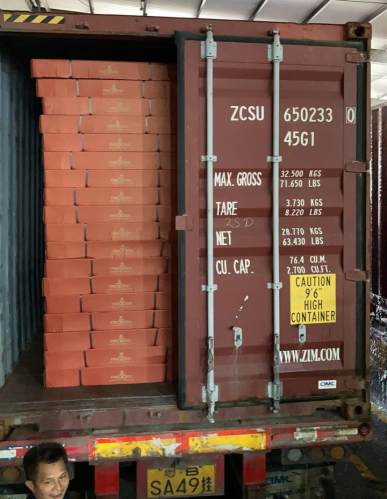
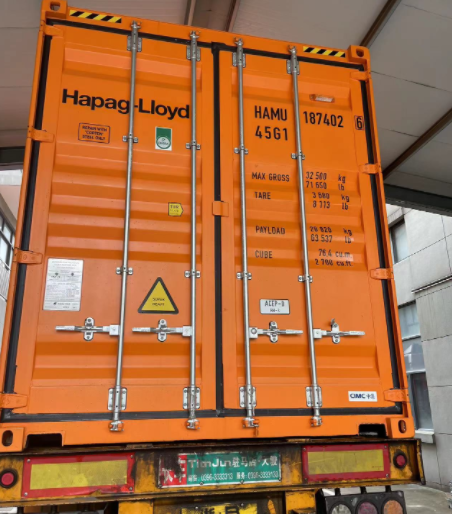
The 40ft High Cube (40HQ) is the preferred choice for maximizing volume.
- Capacity: ~76 CBM (Practical usable space: 68–70 CBM)
- Best For: Light, stackable cargo like foam products, cotton, or high machinery.
- Value: The price difference between a 40ft GP and 40HQ is often negligible (usually $100–$300), making 40HQ the best value for money for lightweight goods.
You may be interested in the following related articles:
- Container Shipping Costs from China to Ireland: What You Need to Know
- The Ultimate Guide to Container Shipping Costs from China to Ghana in 2024
- Container Shipping Costs from China to Nigeria: What You Need to Know
- The Ultimate Guide to Container Shipping Costs from China to Kenya in 2024
- Container Shipping Costs from China to Canada: What You Need to Know
- The Ultimate Guide to Container Shipping Costs from China to UAE in 2024
Factors Influencing Container Shipping Costs in 2026
For importers, understanding the cost structure is crucial. Based on Dantful’s 15 years of freight management, here are the key factors:
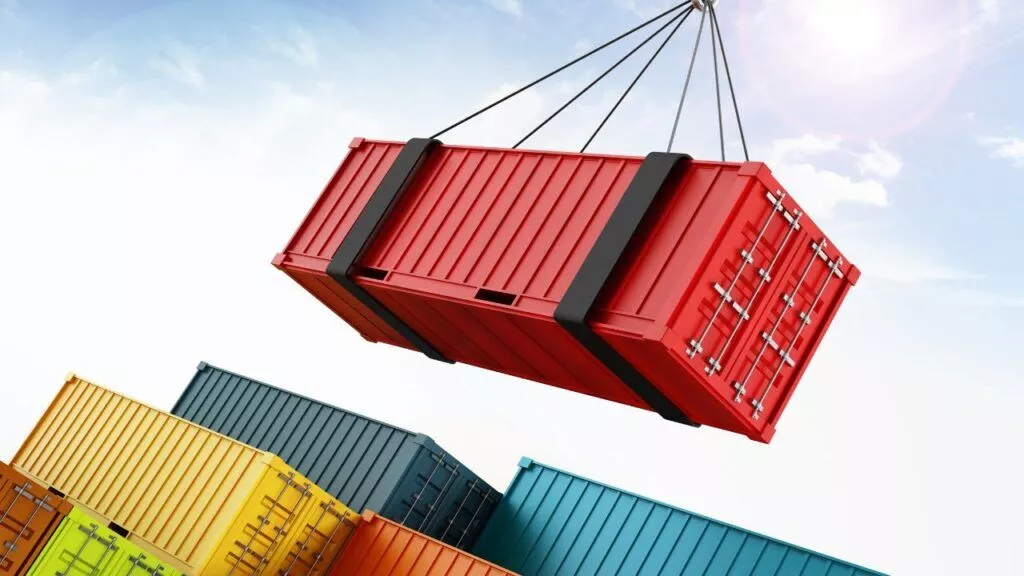
Type of Container: FCL vs. LCL
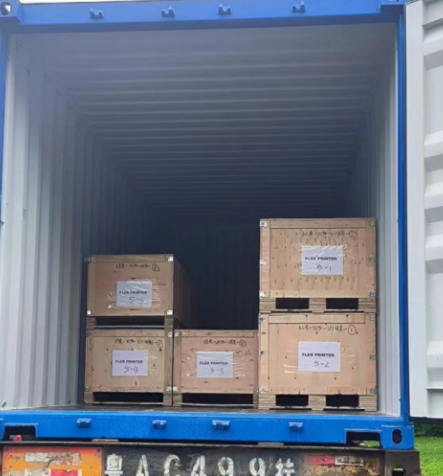
- Full Container Load (FCL): Ideal for large-scale cargo. In March 2026, shipping a 20ft FCL from China to South Africa averages $1,700–$1,900, while a 40ft FCL ranges from $2,900–$3,100. Large exporters prefer FCL for security and faster clearance.
- Less than Container Load (LCL): For smaller shipments (e.g., 1-10 CBM), LCL is viable. Current rates from China to Nigeria hover around $130–$160 per CBM. However, our team advises caution: once your shipment exceeds 13-15 CBM, the total cost of LCL (including destination CFS fees) often surpasses a 20ft FCL. We perform a “Break-even Analysis” for our clients to determine the optimal choice.
Distance and Shipping Routes
- Distance Impact: Shipping to Angola (Luanda) is typically 20-30% pricier than to Egypt (Alexandria) due to the longer voyage around the continent.
- Route Reliability: Geopolitical factors continue to influence routes. For instance, some vessels are opting for the Cape of Good Hope route to avoid Red Sea instability, adding 10-14 days to transit times but ensuring cargo safety. Dantful actively monitors these shifts to provide accurate arrival estimates.
Seasonal Variations (2026 Outlook)
- Peak Season Pressures: We anticipate rates to spike during the traditional Peak Season (Sep-Dec).
- Off-Peak Opportunities: March and April 2026 represent a “shoulder season” where rates are relatively stable. Smart importers use this window to restock inventory before the summer rush.
Geopolitical Instability and Fuel Costs
Cost Implications: In early 2026, we’ve seen BAF surcharges fluctuate significantly. A sudden spike in oil prices due to conflict can instantly add $50-$100 per TEU to your shipping costs. Dantful’s team monitors these geopolitical markers daily to lock in rates before anticipated hikes.ipping solutions tailored to your needs, consider Dantful International Logistics as your trusted partner in global trade.
Middle East Conflict Impact: The ongoing instability in the Middle East is a direct driver of oil price volatility. As crude oil prices react to regional tensions, shipping lines adjust their Bunker Adjustment Factor (BAF) accordingly.
Additional Costs to Consider
When budgeting, do not overlook these critical components. Our team often sees importers caught off guard by destination charges.
Customs Duties and Taxes
African customs regimes vary significantly.
- Import Duties: Calculated on CIF value.
- VAT: Ranges from 5% to 20% (e.g., Nigeria, South Africa).
- Clearing Fees: Professional clearing agents are essential. Dantful’s network includes vetted customs brokers in key African ports to streamline this process.
Handling and Port Fees
- Terminal Handling Charges (THC): Charged by the port operator.
- Demurrage & Detention: Crucial Tip: African ports can be slow. We negotiate 14-21 days of free time for our clients to avoid punitive storage fees if clearance is delayed.
Insurance Costs
Risk Mitigation: Marine insurance is non-negotiable for peace of mind. Premiums are typically low (0.1% – 0.3% of cargo value) but cover total loss and general average.surance coverage ensures that businesses are protected against unforeseen circumstances that may arise during shipping.
Tips for Reducing Container Shipping Costs
Reducing shipping costs without compromising reliability is our specialty. Here are strategies we implement for Dantful clients:
Consolidate Shipments: If you buy from multiple suppliers in China, Dantful’s warehouse consolidation service can combine these into a single FCL shipment, saving you thousands compared to multiple LCL shipments.s into your shipping operations can lead to significant cost reductions, enhancing the profitability of international trade endeavors. For expert assistance in navigating the complexities of global logistics, consider partnering with Dantful International Logistics to leverage their comprehensive services tailored to your shipping needs.
Choose the Right Freight Forwarder: Partner with a forwarder like Dantful who has specific expertise in the China-Africa lane. Our volume contracts with carriers (like Maersk, COSCO, CMA CGM) allow us to pass significant savings to you.
Optimize Packaging: “Air shipping” is expensive. We advise clients on palletization and carton dimensions to maximize container utilization (reaching that 28 CBM or 58 CBM sweet spot).
Plan for “Shoulder Seasons”: Shipping in March/April or June/July often yields better rates than October/November.
Dantful International Logistics Services:
- Dantful Ocean Freight Services
- Air Freight From China
- Amazon FBA Freight Forwarding
- WAREHOUSE Services
- One-Stop Customs Clearance Solution
- Cargo Insurance Services in China
- DDP Shipping Services By Dantful Logistics
- Out of Gauge Cargo Transportation Shipping Services
FAQs
1. What is the current cost of shipping a 20 ft container from China to Africa in March 2026?
As of March 2026, rates range from $1,600 to $2,200, depending on the destination port (e.g., Durban is cheaper than Luanda).
2. How much does a 40 ft container cost from China to Africa now?
Current market rates sit between $2,700 and $3,600. The 40ft container offers excellent value, costing only about 50-60% more than a 20ft unit for double the space.
3. How much does a 40 HQ container cost from China to Africa in 2026?
Rates for 40 HQ containers range from $3,800 to $4,800, with Durban being the most cost-effective port.
4. Are shipping rates expected to rise later in 2026?
Yes, industry trends suggest a rise in Q3 (July-September) as retailers stock up for the holiday season. Booking in Q1/Q2 is recommended for cost savings.
5. What additional fees should I expect at African ports?
Expect Customs Duty, VAT, Terminal Handling Charges (THC), and potential congestion surcharges in busy ports like Lagos. Always ask for a “Landed Cost” estimate.
For a precise shipping quote tailored to your specific cargo and timeline, contact Dantful International Logistics today. Our dedicated Africa Trade Lane team is ready to optimize your supply chain.our needs.

Young Chiu is a seasoned logistics expert with over 15 years of experience in international freight forwarding and supply chain management. As CEO of Dantful International Logistics, Young is dedicated to providing valuable insights and practical advice to businesses navigating the complexities of global shipping.
The other language versions of this article
- الدليل الشامل لتكاليف شحن الحاويات من الصين إلى أفريقيا في عام 2024
- De ultieme gids voor containerverzendingskosten van China naar Afrika in 2024
- Le guide ultime des coûts d’expédition de conteneurs de la Chine vers l’Afrique en 2024
- Der ultimative Leitfaden zu den Containerversandkosten von China nach Afrika im Jahr 2024
- La guida definitiva ai costi di spedizione dei container dalla Cina all’Africa nel 2024
- La guía definitiva sobre los costes de envío de contenedores desde China a África en 2024
- O guia definitivo para custos de transporte de contêineres da China para a África em 2024
- Полное руководство по стоимости контейнерных перевозок из Китая в Африку в 2024 году
- 2024’te Çin’den Afrika’ya Konteyner Nakliye Maliyetlerine İlişkin Nihai Kılavuz