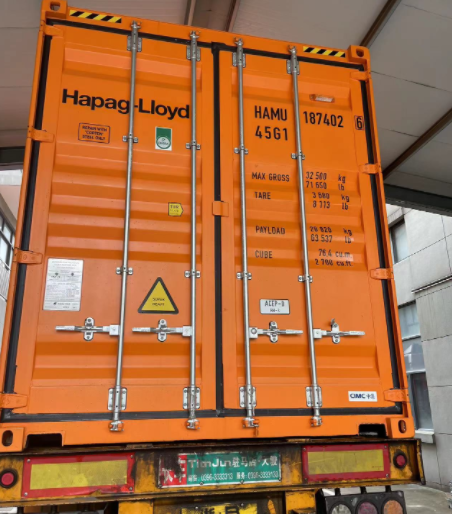
Are you curious about container shipping costs from China to Egypt?
Understanding the intricate factors that influence these expenses can save you both time and money. In this blog, we will delve into the key elements affecting shipping costs, such as shipping routes, container sizes, and the difference between FCL and LCL transport. This comprehensive guide will equip you with essential insights, enabling you to make informed decisions for your shipping needs. Join us as we explore what you truly need to know about container shipping costs from China to Egypt!
Quick answer (as of January 2026)
Your final total depends on origin/destination ports, cargo type, seasonality, and local charges
20ft FCL: $1,490 – $2,790
40ft FCL: $2,590 – $4,800
Sea freight transit time (port-to-port): 22 – 38 days
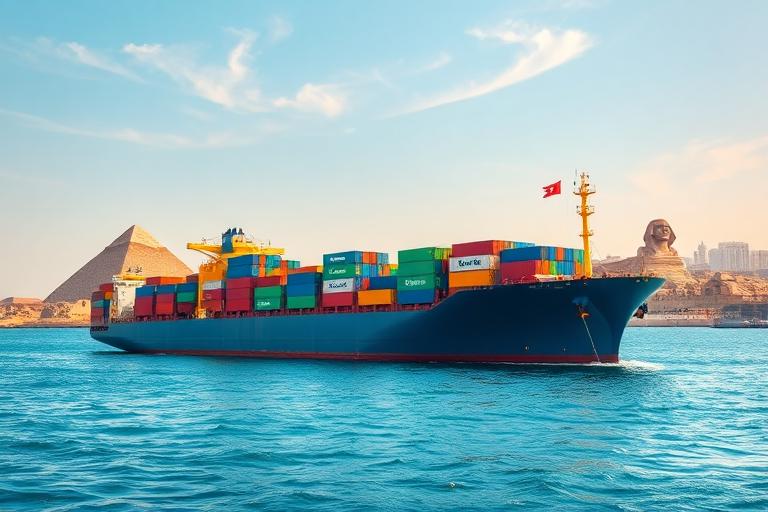
Understanding Container Shipping Costs from China to Egypt
When importing goods from China to Egypt, understanding container shipping costs is essential for budget planning and maximizing profitability. Container shipping costs can vary significantly based on multiple factors, including the shipping route, the size of the container, and the method of transport chosen. By comprehending these elements, importers can make informed decisions that align with their logistical and financial goals.
It’s crucial to consider that container shipping costs typically encompass several components, including freight charges, port fees, customs duties, and additional handling costs. As of January 2026, these numbers can still move up or down quickly with carrier capacity, seasonality, fuel, and port conditions, so it’s best to treat any figures as ranges rather than fixed prices. By having a clear understanding of these costs, businesses can better manage their supply chain and optimize their overall expenses. For a detailed analysis of container shipping costs from China to Egypt, refer to specialized resources.
Key Factors Influencing Shipping Costs
Shipping Route and Distance
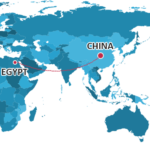
The shipping route and distance play a pivotal role in determining overall container shipping costs. The journey from China to Egypt generally involves transit through key maritime routes, notably the South China Sea and the Indian Ocean, before reaching significant Egyptian ports such as Port Said and Alexandria.
Distance can affect fuel costs, transit durations, and port fees, all of which contribute to the final shipping price. For example, a longer distance may result in higher fuel consumption, thus increasing the shipping costs. As a reference, the sea distance from major Chinese ports (e.g., Shanghai) to key Egyptian ports (e.g., Port Said / Alexandria) is often roughly 8,600 – 9,500 km via common routes, and as of January 2026 it typically takes around 22 to 38 days for sea freight (port-to-port), depending on sailing schedules, transshipment, and port conditions. For comparisons or to understand other routes, check out Shipping from China to United Arab Emirates.
Container Size: 20ft vs. 40ft
Container size is another critical factor influencing shipping costs. The two most commonly used sizes are 20ft and 40ft containers. Importers need to evaluate their cargo volume and weight to determine the most cost-effective option.
| Container Size | Approximate Capacity | Typical Cost Range (USD) |
|---|---|---|
| 20ft | 28 cubic meters | $1,490 – $2,790 |
| 40ft | 56 cubic meters | $2,590 – $4,800 |
The larger 40ft container typically offers a better cost per cubic meter when transporting larger shipments. However, if the shipment volume is low, a 20ft container can be more economical. Importers should conduct a thorough cost analysis to select the appropriate size based on their specific needs. For a full breakdown of costs, refer to 20 ft container shipping cost from China to USA.
Mode of Transport: FCL vs. LCL
The mode of transport selected significantly impacts shipping costs. There are two primary options: Full Container Load (FCL) and Less than Container Load (LCL).
- FCL is ideal for large shipments, where the entire container is reserved for a single shipper. This option tends to be more cost-effective than LCL when the volume of goods justifies the use of an entire container.
- LCL, on the other hand, is suitable for smaller shipments where goods from multiple shippers share container space. While this option allows for lower initial costs, it can result in higher per-unit shipping expenses due to consolidation fees. For more insights into the differences between these modes, you may want to explore what is LCL and FCL in shipping.
When deciding between FCL and LCL, importers should consider the total shipment volume, budget, and the urgency of delivery. This strategic choice can lead to significant savings and better overall logistics management.
In summary, understanding the key factors influencing container shipping costs from China to Egypt—such as shipping routes, container sizes, and transport modes—can empower businesses to make informed decisions, ultimately enhancing their international trade efficiency. For seamless logistics solutions tailored to your shipping needs, consider partnering with Dantful International Logistics, a highly professional and cost-effective freight forwarding service provider.
Shipping Costs for Containers from China to Egypt
When considering the importation of goods from China to Egypt, understanding the shipping costs associated with container shipping is crucial. The costs vary significantly based on several factors, including the size of the container and the shipping method selected. Here, we will break down the costs for both 20 ft and 40 ft containers, and provide a comparison of Full Container Load (FCL) and Less than Container Load (LCL) shipping methods.
Quick cost snapshot (as of January 2026)
| Shipment Type | Typical Total Range (USD) | Best For |
|---|---|---|
| 20ft FCL | $1,490 – $2,790 | Medium-volume cargo that fills most of a 20ft container |
| 40ft FCL | $2,590 – $4,800 | Larger-volume cargo or lighter bulky goods |
| LCL | $280 – $980 (varies by CBM) | Small shipments that don’t justify a full container |
20 ft Container Shipping Cost from China to Egypt
The shipping cost for a 20 ft container from China to Egypt can vary depending on the port of origin and destination, as well as the service provider. Generally, the cost breakdown includes several components:
| Cost Component | Estimated Cost (USD) |
|---|---|
| Ocean Freight | $1,200 – $2,200 |
| Port Fees and Handling | $150 – $280 |
| Customs Clearance Fees | $100 – $220 |
| Insurance (optional) | $40 – $90 |
| Total Estimated Cost | $1,490 – $2,790 |
This estimate reflects the typical charges associated with transporting a 20 ft container. However, prices can fluctuate due to varying factors such as demand and the specific services offered by freight forwarders.
40 ft Container Shipping Cost from China to Egypt
For a 40 ft container, the shipping cost is generally higher due to the increased cargo capacity. Here’s a cost breakdown:
| Cost Component | Estimated Cost (USD) |
|---|---|
| Ocean Freight | $2,200 – $4,000 |
| Port Fees and Handling | $180 – $380 |
| Customs Clearance Fees | $130 – $280 |
| Insurance (optional) | $80 – $140 |
| Total Estimated Cost | $2,590 – $4,800 |
As with the 20 ft container, these costs are estimates and can vary based on various factors, including the logistics provider and any additional services required.
Comparison of FCL and LCL Shipping Costs
When deciding between Full Container Load (FCL) and Less than Container Load (LCL) options, pricing is a significant factor. Below is a comparison of the typical costs involved:
| Shipping Method | How You Pay | Typical Use Case | Common Cost Drivers |
|---|---|---|---|
| FCL | Per container | Consistent, larger shipments | Ocean freight, port/local charges, container availability |
| LCL | Per CBM and/or chargeable weight | Smaller shipments and mixed cargo | Consolidation, handling fees, minimum charges, local charges |
LCL pricing is usually quoted per CBM (cubic meter) and/or chargeable weight, so the final total depends on your shipment size, consolidation fees, and local charges at both ends.
FCL shipping is often more cost-effective for larger shipments since the costs are fixed per container regardless of the cargo weight. In contrast, LCL allows shippers to pay based on cargo volume, making it suitable for smaller shipments. However, LCL may incur additional handling charges and longer transit times, affecting overall costs.
What’s included (and what’s often not included)
To avoid surprises, confirm your quote scope in writing. Many “cheap” quotes differ mainly in what they include.
| Item | Usually Included in Ocean Freight Quote? | Notes |
|---|---|---|
| Ocean freight (port-to-port) | Sometimes | Often quoted separately from local charges |
| Origin local charges | Sometimes | Can include documentation, handling, terminal charges |
| Destination local charges | Sometimes | Port handling and terminal-related charges can be significant |
| Customs clearance | Sometimes | Depends on whether you choose a full-service forwarder |
| Duties and taxes | No | Determined by commodity and declared value in Egypt |
| Trucking / last-mile delivery | Sometimes | Depends on port-to-door vs port-to-port |
| Demurrage / detention | No | Applies if the container stays too long at port or outside port |
| Cargo insurance | Optional | Recommended for higher-value shipments |
Additional Fees and Charges
In addition to the base shipping costs, various fees and charges can arise during the shipping process. Understanding these additional costs can help you budget more accurately for your shipments.
Port Fees and Handling Charges
Port fees vary by location, but they typically include charges for unloading, storage, and transportation of containers within the port. These fees can range from $150 to $400 depending on the port’s infrastructure and policies. It’s essential to confirm these costs with your freight forwarder, as they can significantly impact your total shipping expenses.
Customs Duties and Taxes
When importing goods into Egypt, customs duties, and taxes are applicable. The rates depend on the type of goods being imported and their value. Typically, customs duties can range from 5% to 40% of the total value of the cargo. It’s advisable to consult with a customs agent or your freight forwarder, such as Dantful International Logistics, to ensure compliance with local regulations and to understand the specific duties that may apply to your shipment.
Other common charges to watch (as of January 2026)
- Documentation and release fees: May apply at origin and destination.
- Demurrage and detention: Costs increase if the container stays beyond free time.
- Storage: Port or bonded warehouse storage may apply if customs clearance takes longer.
- Special handling: Oversize cargo, fragile cargo, batteries, or hazardous materials require extra steps.
- Incoterms scope: Prices differ significantly between EXW / FOB / CIF / DDP, because who pays what changes.
By being aware of these costs and working with a reputable freight forwarder, you can better manage your shipping expenses and ensure a smooth import process. Dantful International Logistics offers a comprehensive range of services, including customs clearance, to help streamline your shipping experience.
Shipping Process and Documents (as of January 2026)
Step-by-step process (from inquiry to delivery)
- Share shipment details: Cargo name, HS code (if known), weight/volume, pickup address, and destination.
- Choose the shipping plan: FCL or LCL, port-to-port or door-to-door, and confirm Incoterms.
- Pickup and export prep: Arrange pickup, packing, labeling, and export documentation.
- Export customs clearance in China: Submit documents and complete export procedures.
- Ocean freight / air freight: Cargo moves to Egypt based on the selected route and schedule.
- Arrival handling and import clearance: Pay required charges, submit import documents, and clear customs.
- Delivery or pickup: Trucking to warehouse/final address, or pickup at destination.
Documents checklist
- Commercial Invoice
- Packing List
- Bill of Lading (B/L) for sea freight or Air Waybill (AWB) for air freight
- HS code and cargo description (as detailed as possible)
- Certificate of Origin (if required by the buyer or commodity)
- Insurance policy (if purchased)
- Any special permits/certificates if the cargo is regulated
How to get an accurate quote from Dantful
For the most accurate and fast quote, send these details to Dantful International Logistics:
- Origin: city + pickup address (or port)
- Destination: city + delivery address (or port)
- Cargo: product name, HS code (if known), photos (if available)
- Shipment size: cartons/pallets, weight, dimensions, CBM
- Shipping preference: FCL/LCL, 20ft/40ft (if FCL), and target delivery date
- Trade terms: EXW / FOB / CIF / DDP
- Special cargo: battery, liquid, powder, magnet, dangerous goods, or temperature-controlled
Shipping From China to Middle East Countries:
- Shipping from China to Saudi Arabia
- Shipping from China to UAE
- Shipping from china to KUWAIT
- Shipping From China To EGYPT
- Shipping from China to Bahrain
- Shipping From China To Jordan
- Shipping From China To Israel
- Shipping from China to Qatar
- Shipping From China To IRAQ
- Shipping from China to Iran
Shipping Time from China to Egypt
Average Transit Times for Sea Freight
When considering container shipping from China to Egypt, one of the crucial aspects to evaluate is the average transit time. As of January 2026, the typical duration for sea freight shipments (port-to-port), depending on the specific ports and shipping routes, generally ranges from 22 to 38 days. Below is a table summarizing the average transit times for different routes from major Chinese ports to Egyptian ports:
| Departure Port | Destination Port | Average Transit Time |
|---|---|---|
| Shanghai | Port Said | 28 – 35 days |
| Shenzhen | Alexandria | 24 – 32 days |
| Ningbo | Damietta | 26 – 34 days |
| Guangzhou | Suez | 30 – 38 days |
| Qingdao | Port Said | 30 – 38 days |
These times can fluctuate based on various factors such as shipping line schedules, weather conditions, and port congestion. Therefore, it is imperative for importers to plan accordingly and allow for potential delays, ensuring that their supply chain remains intact.
Factors Affecting Shipping Duration
There are several significant factors that can influence the shipping duration from China to Egypt:
- Shipping Route: The chosen shipping lane plays a pivotal role in determining the duration. Direct routes typically save time, while detours due to weather or geopolitical issues can extend the shipping timeline.
- Port Efficiency: The efficiency of handling at both the departure and destination ports can impact shipping times. Ports that experience congestion or have longer customs clearance processes may delay the arrival of containers.
- Vessel Speed: The speed of the container ships also affects transit times. Some shipping companies operate faster vessels, which can lead to shorter shipping durations.
- Weather Conditions: Inclement weather can disrupt schedules and lead to delays. Seasonal patterns, particularly during monsoon or typhoon seasons, are noteworthy considerations for importers.
- Customs Clearance: The time taken for customs processing in Egypt can also vary. As customs procedures and documentary requirements can change, it’s advisable to stay updated and ensure all paperwork is in order to mitigate delays.
Overall, understanding these factors can help businesses better forecast their inventory needs and maintain smooth operations when importing goods from China to Egypt.
Top Routes to Ship from China to Egypt
Shipping goods from China to Egypt is a crucial part of the vibrant trade relationship between the two countries. Here are the top routes that businesses often rely on.
Sea Freight Routes
- Shanghai – Alexandria via Suez Canal: Shanghai is a major departure point. Goods are shipped through the Indian Ocean and pass through the Suez Canal, reaching Alexandria, one of Egypt’s key ports. As of January 2026, this route often takes around 24 – 35 days port-to-port, depending on the carrier schedule and port conditions.
- Shenzhen – Port Said via Suez Canal: Shenzhen is a common starting point. The cargo travels across the ocean and through the Suez Canal to Port Said, which is strategically located at the northern entrance of the canal. Transit time is typically in the range of 22 – 32 days, depending on sailing frequency, transshipment, and congestion.
Air Freight Routes
- Beijing – Cairo: Air freight is a fast way to transport high-value and time-sensitive goods. Flight time is often roughly 10 – 14 hours (direct or with a brief stop), while airport-to-airport transit is usually 1 – 3 days depending on booking and handling.
- Shanghai – Cairo: Shanghai is another common origin for air freight to Cairo. For time-critical shipments, total door-to-door time is often 3 – 7 days, depending on pickup, export procedures, flight availability, and last-mile delivery.
Understanding these top routes helps businesses optimize their shipping strategies, reduce costs, and ensure timely delivery of goods between China and Egypt.
Tips for Reducing Container Shipping Costs
Choosing the Right Freight Forwarder
Selecting an experienced and reliable freight forwarder is one of the most effective ways to minimize shipping costs. A good freight forwarder will not only secure competitive rates but also provide valuable insights into the shipping process, including:
- Negotiating Better Rates: Established freight forwarders have strong relationships with shipping lines, which can lead to more favorable rates for their clients.
- Providing Comprehensive Services: A one-stop logistics service provider like Dantful International Logistics offers a wide range of services, from customs clearance to warehouse solutions, which can streamline the entire shipping process and reduce unexpected costs.
- Expertise in Documentation: Ensuring that all documentation is prepared correctly can prevent delays and fines, ultimately saving money.
Consolidating Shipments for Cost Efficiency
Consolidating shipments is another effective strategy for reducing costs when importing from China to Egypt. By combining multiple small shipments into one larger shipment, businesses can benefit from:
- Reduced Freight Charges: Shipping full containers (FCL) instead of less-than-container loads (LCL) can significantly lower freight costs per unit. Check out our FCL autoparts shipping services for more information.
- Lower Handling Fees: Fewer shipments mean fewer handling fees and administrative costs, contributing to overall savings.
- Improved Inventory Management: Consolidating shipments can help manage inventory levels more effectively, reducing storage costs at warehouses.
Overall, implementing these strategies can lead to substantial savings, making the process of importing from China to Egypt more efficient and cost-effective. For personalized assistance and competitive rates on container shipping, consider partnering with Dantful International Logistics, your trusted freight forwarder committed to delivering quality services tailored to your business needs.
FAQs
How much does it cost to ship a container from China to Egypt?
As of January 2026, the cost to ship a container from China to Egypt (FCL) generally ranges from $1,490 to $4,800, varying by container size, ports, seasonal demand, and the carrier’s space situation.
How much does a 40ft shipping container cost to ship from China to Egypt?
As of January 2026, a 40ft container from China to Egypt typically costs between $2,590 and $4,800, depending on the route, space, and market conditions.
How much does a 20ft shipping container cost to ship from China to Egypt?
As of January 2026, shipping a 20ft container from China to Egypt usually ranges from $1,490 to $2,790, influenced by the origin, destination, and freight market.
How long does it take to ship from China to Egypt?
As of January 2026, sea freight from China to Egypt typically takes 22 to 38 days for port-to-port transit, depending on the route, transshipment, weather, and port congestion.
Is it cheaper to ship FCL or LCL from China to Egypt?
It depends on shipment size. If your cargo is large enough to fill a meaningful portion of a container, FCL is often cheaper per unit and usually simpler. If you only ship a few CBM, LCL can be cheaper upfront, but the total can rise due to consolidation, handling, and destination local charges.
How is LCL priced from China to Egypt?
LCL is commonly priced by CBM (cubic meter) and/or chargeable weight, plus consolidation and local fees. To estimate correctly, you need accurate carton/pallet dimensions, weight, and whether the cargo needs special handling.
What is usually included in a container shipping quote?
Many quotes include only ocean freight (port-to-port). Others include origin/destination local charges, export clearance, import clearance, and delivery. Always confirm what’s included and excluded, especially destination charges, demurrage/detention, and duties/taxes.
Which Incoterms are most common for shipping from China to Egypt?
Common choices include EXW, FOB, CIF, and DDP. The best option depends on who controls pickup, freight, and customs. If you want fewer moving parts, a door-to-door solution can be convenient, but the scope must be clearly defined to avoid unexpected charges.
What documents do I need to ship from China to Egypt?
At minimum, prepare a Commercial Invoice, Packing List, and B/L (or AWB), plus detailed cargo description and HS code if available. Some products require additional certificates or permits.
How can I reduce container shipping costs from China to Egypt?
Choose the right mode (FCL vs LCL), avoid unnecessary storage time, optimize packaging to reduce CBM, ship off-peak when possible, and work with a reliable forwarder that can consolidate services such as freight, clearance, and delivery.

Young Chiu is a seasoned logistics expert with over 15 years of experience in international freight forwarding and supply chain management. As CEO of Dantful International Logistics, Young is dedicated to providing valuable insights and practical advice to businesses navigating the complexities of global shipping.