Are you wondering how Container Shipping Costs from China to France could impact your business in 2025?
As global trade faces shifting demand, fluctuating fuel prices, and evolving shipping regulations, understanding the true costs of moving freight between China and France is more crucial than ever. This article provides a clear, up-to-date overview of the main cost influencers, including current container rates, the difference between 20ft and 40ft containers, and popular shipping modes. Armed with this insight, importers can optimize logistics budgets, avoid unexpected expenses, and make strategic choices for their supply chain success.
Key Factors Influencing Shipping Costs
Shipping Route and Distance
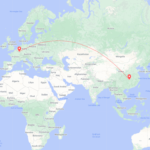
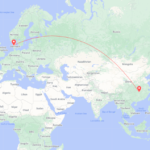
In August 2025, shipping routes are key to costs from China to France. Geopolitical issues in the Middle East, like Red Sea instability, force route changes. Some ships detour around the Cape of Good Hope, increasing distance, fuel use, and costs.
| Shipping Route | Estimated Distance (km) | Average Shipping Time (days) | Cost Estimate (€) |
| Shanghai to Le Havre | 18,000 (up 30 – 40% with detours) | 30 – 35 (10 – 15 days longer) | 1,200 – 1,500 (30 – 50% cost hike) |
| Shenzhen to Marseille | 20,000 (affected by detours) | 32 – 37 (delayed 10 – 15 days) | 1,300 – 1,600 (30 – 50% price rise) |
| Guangzhou to Nantes | 19,500 (detour impact) | 31 – 36 (10 – 15 days extra) | 1,250 – 1,550 (30 – 50% cost increase) |
Crowded ports such as Shanghai and Le Havre face congestion due to rerouted ships, which may lengthen waiting times and add to costs.
Container Size: 20ft vs. 40ft
In August 2025, choosing between 20ft and 40ft containers impacts shipping costs. Shipping lines adjust rates based on market demand.
| Container Size | Capacity (CBM) | Freight Cost (€) | Ideal For |
| 20ft | 28 | 1,200 – 1,500 | Small/medium shipments, heavier goods |
| 40ft | 56 | 1,800 – 2,200 | Large shipments, lighter items per cubic meter |
Small – medium businesses with little cargo find 20ft containers cost – effective. Big exporters of bulky, light goods like furniture prefer 40ft containers for better space – cost ratio.
Mode of Transport: FCL vs. LCL
In August 2025, the choice between Full Container Load (FCL) and Less than Container Load (LCL) matters.
FCL: It’s cost – efficient for businesses filling a container. With rising shipping costs from fuel hikes and route changes, fixed – cost FCL offers budget stability. For example, electronics exporters benefit from FCL’s predictability.
LCL: Good for small shippers, it allows sharing container space. However, in 2025, port congestions and extra handling may change associated fees. Some ports charge more for LCL handling due to sorting complexity.
| Mode of Transport | Advantages | Disadvantages |
| FCL | Fixed costs, faster transit (less port congestion for cargo), less damage risk | Costly for small shipments |
| LCL | Cost – effective for small loads | Longer transit (delays in consolidation), potential port delays |
Additional Considerations
The shipping market is volatile, with August’s traditional sea freight peak approaching. Some lines have announced rate adjustments—e.g., Far East to Mediterranean/Black Sea, and Far East/Indian subcontinent/Middle East to Australia routes. Rates fluctuate now, with some declining. This is your best chance to lock in space and better prices. If you need shipping, act fast to avoid peak-season space shortages and cost spikes.
To streamline your shipping process and ensure reliable service, consider partnering with a proficient freight forwarder like Dantful International Logistics. Dantful provides a wide range of services, including Insurance Services, Customs Clearance, and Warehouse Services, making it a highly professional and cost-effective choice for global traders. If you are looking for reliable solutions for door-to-door shipping or DDP shipping services, explore how Dantful can help you optimize your shipping experience.
You may be interested in the following related articles:
- How to Find the Cheapest Shipping Company from China to Australia
- Container Shipping Costs from China to Saudi Arabia: What You Need to Know
- The Ultimate Guide to Door to Door Shipping from China to Yemen
- Container Shipping Costs from China to Australia: What You Need to Know
- The Ultimate Guide to Container Shipping Costs from China to USA in 2024
- Cheapest Shipping Company from China to Russia: What You Need to Know
Shipping Costs for Containers from China to France
Understanding the shipping costs associated with importing goods from China to France is crucial for budgeting and planning. This section discusses the costs related to 20ft and 40ft containers, along with comparisons of Full Container Load (FCL) and Less than Container Load (LCL) shipping methods.
20 ft Container Shipping Cost from China to France
Cost Breakdown for 20ft Containers
The cost of shipping a 20ft container from China to France varies based on multiple factors including shipping routes, port fees, and additional handling charges. On average, you can expect the following cost components:
| Cost Component | Estimated Amount (€) | Description |
|---|---|---|
| Freight Cost | 1,200 – 1,500 | Base cost for shipping the container |
| Port Fees | 150 – 300 | Fees charged by ports in China and France |
| Customs Clearance Fees | 100 – 250 | Charges for processing customs paperwork |
| Insurance Services | 50 – 100 | Coverage for cargo loss or damage during transit |
| Handling Charges | 50 – 150 | Fees for loading/unloading the container |
| Total Estimated Cost | 1,600 – 2,450 | Overall cost estimate for shipping a 20ft container |
These figures provide a general outline of potential expenses. It is advisable to confirm the exact rates with your freight forwarder, such as Dantful International Logistics, to ensure accurate budgeting.
40 ft Container Shipping Cost from China to France
Cost Breakdown for 40ft Containers
Shipping costs for 40ft containers follow a similar structure but tend to be higher due to their larger capacity. Here is a detailed breakdown:
| Cost Component | Estimated Amount (€) | Description |
|---|---|---|
| Freight Cost | 1,800 – 2,200 | Base cost for shipping the larger container |
| Port Fees | 200 – 400 | Fees charged by ports in China and France |
| Customs Clearance Fees | 150 – 300 | Charges for processing customs paperwork |
| Insurance Services | 75 – 150 | Coverage for cargo loss or damage during transit |
| Handling Charges | 75 – 200 | Fees for loading/unloading the container |
| Total Estimated Cost | 2,300 – 3,400 | Overall cost estimate for shipping a 40ft container |
The increase in capacity and potential savings on a per-cubic-meter basis make the 40ft container a popular choice for larger shipments.
Comparison of FCL and LCL Shipping Costs
Comparing FCL and LCL shipping costs is essential for determining the most cost-effective solution for your specific shipping needs.
| Shipping Method | Cost per Container (€) | Average Transit Time (days) | Ideal Use Case |
|---|---|---|---|
| FCL | 1,200 – 2,200 | 30-35 | Best for large shipments filling the container |
| LCL | 300 – 800 (depending on volume) | 35-45 | Suitable for smaller shipments sharing space |
FCL is generally more economical for larger shipments, while LCL can be beneficial for those looking to minimize costs when shipping smaller volumes. Understanding your shipment’s specifics will guide you in selecting the most appropriate option.
Additional Fees and Charges
Port Fees and Handling Charges
When shipping containers, various port fees and handling charges may apply. These fees are levied by the ports for services such as docking, loading, and unloading of containers. Different ports may have varying fee structures, so it is important to account for these costs in your overall shipping budget.
| Type of Fee | Estimated Amount (€) | Description |
|---|---|---|
| Port Handling Fee | 50 – 200 | Fees for container handling at the port |
| Terminal Handling Charge | 100 – 300 | Charges for using port terminal facilities |
Customs Duties and Taxes
Navigating customs duties and taxes is a critical aspect of international shipping. Upon arrival in France, imported goods may be subject to duties and taxes based on their declared value and classification under the Harmonized System.
| Duty Type | Estimated Rate (%) | Description |
|---|---|---|
| Import Duty | 0 – 12 | Varies based on product classification |
| Value Added Tax (VAT) | 20 | Standard VAT rate applicable on imports |
The specific duties and taxes will vary depending on the product type and its value. Consulting your freight forwarder or customs broker can help ensure compliance with regulations and accurate cost estimation.
Dantful International Logistics provides comprehensive support in navigating these complexities, offering services like Customs Clearance to facilitate smooth shipping experiences. For businesses engaged in international trade, leveraging a trusted freight forwarding partner can simplify logistics and reduce risks.
Main Shipping Routes from China to France
When shipping goods from China to France, several key routes are commonly utilized. These routes are strategically selected based on the origin and destination ports, as well as the nature of the cargo being transported. Here are the main shipping routes you should be aware of in 2025:
1. Shanghai to Le Havre
Description: This is one of the most frequently used routes for shipping containers from China to France, particularly for general cargo, electronics, and textiles.
Estimated Transit Time: Approximately 25-30 days.
Typical Cargo: Electronics, machinery, textiles, and consumer goods.
2. Shenzhen to Marseille
Description: This route is popular for shipping a variety of goods, including electronics and fashion items. Marseille is a key Mediterranean port with good connectivity.
Estimated Transit Time: Around 25-35 days.
Typical Cargo: Fashion products, electronics, and general merchandise.
3. Ningbo to Bordeaux
Description: A vital route for industries requiring raw materials and industrial components. Bordeaux offers access to the southwest of France.
Estimated Transit Time: Approximately 30-35 days.
Typical Cargo: Industrial equipment, raw materials, and machinery.
4. Guangzhou to Nantes
Description: This route is increasingly being used for shipments to the western part of France, catering to local manufacturers and distributors.
Estimated Transit Time: About 30-40 days.
Typical Cargo: Machinery, electronics, and other manufactured goods.
5. Hong Kong to Lyon
Description: While not as direct as other routes, shipping via Hong Kong allows for flexibility and access to various shipping lines that connect to Lyon.
Estimated Transit Time: Approximately 30-35 days.
Typical Cargo: High-value electronics, luxury goods, and special shipments.
Summary of Main Shipping Routes
| Origin Port | Destination Port | Estimated Transit Time | Typical Cargo |
| Shanghai | Le Havre | 25 – 30 days | Electronics, Machinery, Textiles |
| Shenzhen | Marseille | 25 – 35 days | Fashion Products, Electronics |
| Ningbo | Bordeaux | 30 – 35 days | Industrial Equipment, Raw Materials |
| Guangzhou | Nantes | 30 – 40 days | Machinery, Electronics |
| Hong Kong | Lyon | 30 – 35 days | High-Value Electronics, Luxury Goods |
By selecting the appropriate route based on your cargo type and destination, you can optimize shipping times and costs. For tailored shipping solutions and expert advice, consider partnering with a reliable logistics provider like Dantful International Logistics to navigate your shipping needs efficiently.
Shipping Time from China to France
When importing goods from China to France, understanding the shipping time is essential for effective planning and operations. Depending on the shipping method, routes, and other factors, transit times can vary significantly. This section provides insights into average transit times for sea freight and the factors affecting shipping duration.
Average Transit Times for Sea Freight
Sea freight is one of the most common and cost-effective methods for transporting goods internationally. The average transit times for sea freight from various ports in China to France are outlined in the table below:
| Shipping Route | Average Transit Time (days) | Port of Origin | Port of Destination |
|---|---|---|---|
| Shanghai to Le Havre | 30-35 | Shanghai | Le Havre |
| Shenzhen to Marseille | 32-37 | Shenzhen | Marseille |
| Ningbo to Dunkirk | 28-33 | Ningbo | Dunkirk |
| Guangzhou to Nice | 31-36 | Guangzhou | Nice |
These transit times generally account for sailing time, port handling, and some buffer for potential delays. However, it is important to note that transit times can be affected by factors such as shipping lines, weather conditions, and port congestion.
Factors Affecting Shipping Duration
In 2025, key factors impact shipping times from China to France:
- Shipping Route and Port Efficiency: Red Sea instability forces detours (e.g., around Cape of Good Hope), lengthening routes. Congestion at busy ports like Shanghai and Le Havre slows processing.
- Vessel Schedule: Frequent sailings (major lines) cut wait times; less regular services (smaller carriers) delay departures.
- Weather Conditions: 2025’s stronger seasonal storms and waterway droughts (e.g., Panama Canal limits) cause reroutes or port stays.
- Customs Processing: Evolving China-EU trade policies demand stricter docs. Errors delay clearance; accurate paperwork speeds it up.
- Handling Times: Labor shortages and high cargo volumes at ports slow loading/unloading, extending transit.
Being aware of these factors can help you anticipate potential delays and plan accordingly.
You may be interested in the following related articles:
- Shipping From China to Greece
- Shipping From China To Cyprus
- Shipping From China to Romania
- Shipping From China to Hungary
- Shipping From China to Austria
- Shipping From China To Czech Republic
- Shipping From China To Portugal
- Shipping From China To Sweden
- Shipping From China To Belgium
- Shipping From China to Turkey
Tips for Reducing Container Shipping Costs
Managing shipping expenses is a priority for businesses engaged in international trade. Here are some effective strategies to reduce container shipping costs when importing from China to France.
Choosing the Right Freight Forwarder
Selecting a reputable and experienced freight forwarder can make a significant difference in managing shipping costs. Consider the following tips:
-
Evaluate Services Offered: Choose a freight forwarder that provides a full range of services, including Customs Clearance, Warehouse Services, and Insurance Services. This ensures a seamless shipping process and reduces the risk of unexpected costs.
-
Compare Rates: Obtain quotes from multiple freight forwarders to compare pricing. This can help you identify the best value without compromising service quality.
-
Check Reviews and References: Research customer reviews and seek references to ensure the selected freight forwarder has a solid reputation for reliability and cost-effectiveness.
-
Leverage Technology: Look for freight forwarders that utilize digital tools for tracking shipments and managing logistics. These tools can enhance communication and transparency, helping you stay informed about your shipment’s status.
Consolidating Shipments for Cost Efficiency
Consolidating shipments can help maximize container space and reduce overall shipping costs. Here are some strategies to consider:
-
Group Orders: If you frequently import smaller shipments, consider grouping them into a single larger order. This can utilize the full capacity of a container and reduce the per-unit shipping cost.
-
LCL Shipping: If consolidating orders into a full container is not feasible, consider Less than Container Load (LCL) shipping. By sharing container space with other shippers, you can minimize costs while still benefiting from the efficiencies of container shipping.
-
Collaborate with Other Businesses: Partnering with other businesses that import from China can facilitate the consolidation of shipments. This collaboration can lead to shared transportation costs while increasing shipment volumes.
-
Plan Ahead: Proper planning can help you consolidate shipments effectively. By anticipating future needs and timing your orders accordingly, you can optimize shipping efficiency and cost.
By implementing these strategies, businesses can effectively manage their shipping costs while ensuring timely delivery of goods. For tailored assistance and expert guidance, partnering with Dantful International Logistics can provide valuable support in optimizing your shipping operations and navigating the complexities of international trade.
FAQs
1. What factors influence container shipping costs from China to France?
Container shipping costs are influenced by several factors including:
- Shipping Route and Distance: Longer distances typically incur higher costs.
- Container Size: Costs vary between 20ft and 40ft containers.
- Mode of Transport: Choosing between Full Container Load (FCL) and Less than Container Load (LCL) affects pricing.
- Port Fees and Handling Charges: Fees charged by ports for loading, unloading, and processing customs.
2. What are the estimated costs for shipping a 20ft and 40ft container to France?
- 20ft Container: The total estimated cost ranges from €1,600 to €2,450, which includes freight, port fees, customs clearance, insurance, and handling charges.
- 40ft Container: The total estimated cost ranges from €2,300 to €3,400 for similar components.
3. How can I choose between FCL and LCL shipping?
- FCL is ideal if you have enough cargo to fill an entire container, leading to more predictable costs.
- LCL is suitable for smaller shipments, allowing you to share container space and reduce costs, though it may involve longer transit times.
4. What are the average transit times for shipping from China to France?
Average transit times for sea freight from various ports in China to France generally range from 28 to 37 days, depending on the shipping route and efficiency at the ports.
5. What additional fees should I consider when shipping?
In addition to the freight costs, you should account for:
- Port Fees: Costs for container handling and terminal usage.
- Customs Duties and Taxes: Applicable rates vary based on the product classification and declared value.
- Insurance Services: Costs for protecting your cargo against loss or damage during transit.
6. How can I reduce my container shipping costs?
- Choose the Right Freight Forwarder: Opt for a forwarder that offers comprehensive services and competitive rates.
- Consolidate Shipments: Group smaller orders to maximize container space or use LCL shipping to share costs.
- Plan Ahead: Anticipate future needs to facilitate effective consolidation and optimize shipping efficiency.
7. How much does it cost to ship from China to France?
Shipping costs from China to France typically range from $1,000 to $3,000 for a 40-foot container via sea freight, depending on the shipping route and port.
8. What is the import duty from China to France?
Import duty rates from China to France generally range from 0% to 12%, depending on the type of goods being imported.

Young Chiu is a seasoned logistics expert with over 15 years of experience in international freight forwarding and supply chain management. As CEO of Dantful International Logistics, Young is dedicated to providing valuable insights and practical advice to businesses navigating the complexities of global shipping.