Are you wondering how to navigate the complex world of container shipping costs from China to Guinea in March 2026? With factors like ocean freight rates, fuel surcharges, and customs duties constantly changing, understanding the true price of shipping can be daunting. In this comprehensive guide, we’ll break down everything you need to know about container shipping, including major cost drivers, calculation methods, and expert strategies to help you save on your shipments from China to Guinea this year.
Key Takeaways
- Transit time: 35–45 days to Conakry depending on origin port and transshipment.
- Reference rates: 20FT FCL $4,600–$6,500; 40FT FCL $7,900–$11,500; LCL $170–$260/CBM (indicative, request live quotes).
- Taxes: VAT 18% on CIF + Duty; Import duty per ECOWAS CET bands at 0%, 5%, 10%, 20%, or 35% depending on product category.
- Risk control: Ask for itemized quotes (freight, local charges, surcharges) and negotiate free time at Conakry to avoid demurrage.
- Market context: Post–Chinese New Year stabilization keeps rates steady in March; book early to secure space.
- Action: Contact Dantful International Logistics for a tailored, all-in quotation and end-to-end support.
Overview of Container Shipping from China to Guinea in 2026
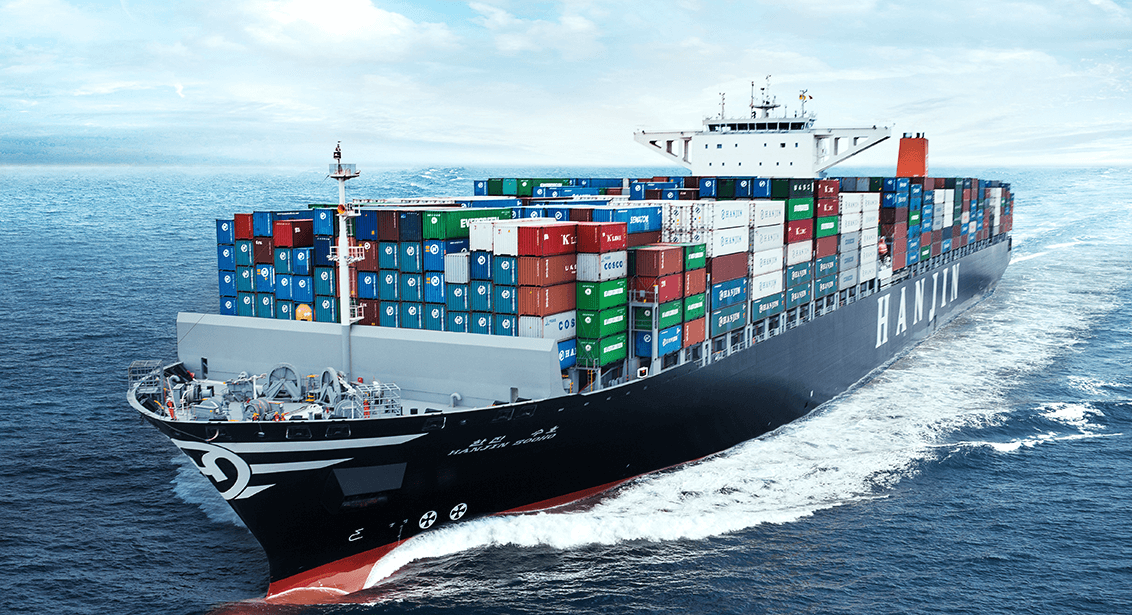
Shipping containers from China to Guinea has become a strategic logistics activity, connecting one of the world’s largest manufacturing hubs with fast-growing markets in West Africa. As a global logistics expert with over 15 years of hands-on experience, I have witnessed the evolving landscape of container shipping costs from China to Guinea. In 2026, several factors—including geopolitical events, economic recovery, and digitalization—are expected to influence pricing, transit times, and service reliability.
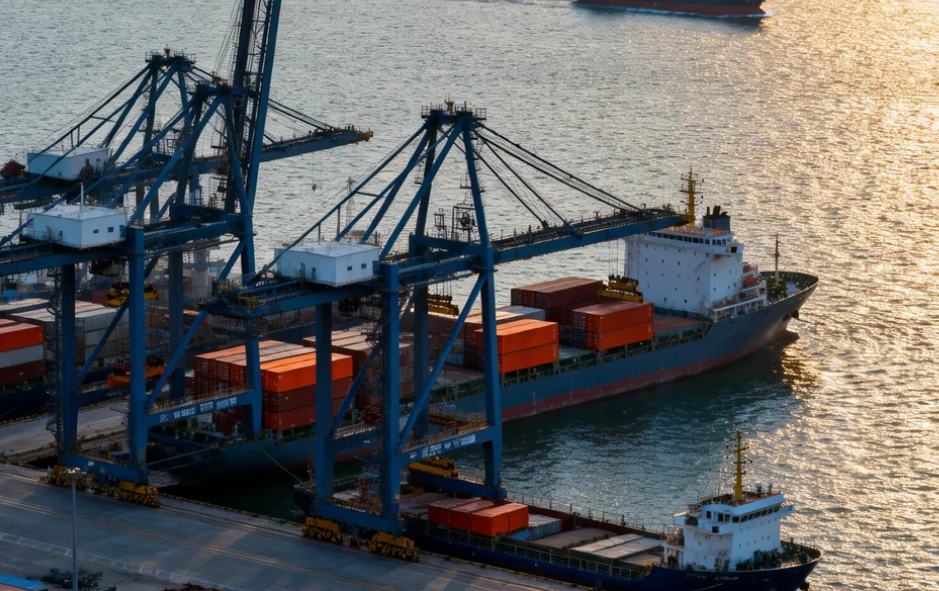
Key Ports in China and Guinea The primary Chinese ports for exports to Guinea include Shanghai, Shenzhen, Ningbo, and Qingdao. On the receiving end, the main port in Guinea is Port of Conakry. Efficient routing and professional handling at these ports are crucial for cost-effective and timely delivery.
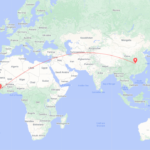
Typical Transit Times and Route Options Container ships from China to Guinea usually follow the maritime route via the South China Sea, passing through the Indian Ocean and around the Cape of Good Hope. Average transit time ranges between 35 to 45 days, depending on the port of origin and service type (direct or transshipment). Dantful Insight (March 2026): Following the post–Chinese New Year stabilization, East-to-West Africa spot rates and transit schedules have normalized. Early space bookings still matter for Conakry due to intermittent berth congestion at peak arrival windows.
| Origin Port (China) | Destination Port (Guinea) | Estimated Transit Time (Days) | Main Shipping Lines (2026) |
|---|---|---|---|
| Shanghai | Conakry | 40–45 | CMA CGM, MAERSK, MSC |
| Shenzhen | Conakry | 38–43 | COSCO, HAPAG-LLOYD |
| Ningbo | Conakry | 40–45 | EVERGREEN, CMA CGM |
| Qingdao | Conakry | 42–48 | MAERSK, COSCO |
Container Types and Capacity
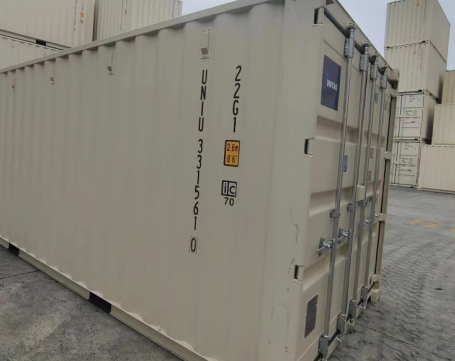
- 20FT Container: 28 CBM
- 40FT Container: 56 CBM
- 40HQ Container: 68 CBM
- 45HQ Container: 78 CBM
These capacities determine how much cargo you can load and are critical when calculating overall logistics costs.
Major Factors Affecting Container Shipping Costs from China to Guinea
Fuel Prices and Surcharges
Fuel is a major operating cost for ocean carriers. Global fluctuations in bunker fuel prices directly impact ocean freight rates. In 2026, with ongoing environmental regulations (such as IMO 2020 and its successors), shipping companies are expected to use cleaner, low-sulfur fuel, which may lead to higher bunker adjustment factors (BAF) or fuel surcharges.
Key Points:
- Fuel price volatility (tied to global oil markets) can trigger sudden freight rate increases.
- Carriers update BAF periodically based on market trends.
- Shippers must monitor surcharge announcements and clarify with their forwarders whether fuel costs are fixed or floating within their contracts.
Container Types: FCL vs LCL Cost Differences
Choosing between Full Container Load (FCL) and Less than Container Load (LCL) is a primary cost decision.
| Factor | FCL (Full Container Load) | LCL (Less than Container Load) |
|---|---|---|
| Pricing Structure | Fixed per container (20ft/40ft) | Priced per CBM/Weight |
| Cost Efficiency | Better for large-volume shipments | Flexible for small shipments |
| Security | Cargo is not mixed with others | Mixed with other shippers’ cargo |
| Handling Fees | Lower per unit, fewer touchpoints | More handling (consolidation/deconsolidation) |
| Transit Time | Usually faster, direct loading/unloading | Slightly longer due to extra handling |
FCL is generally more cost-effective for shipments close to full container capacity, while LCL is ideal for small or irregular shipments. Understanding your cargo volume and the detailed breakdown of LCL charges is essential—costs for handling, warehousing, and documentation can add up quickly.
For readers interested in how FCL and LCL shipping compare in other African markets, see our guide on Shipping From China To Nigeria.
Seasonal Fluctuations and Peak Shipping Periods
Shipping rates from China to Guinea are highly seasonal.
- Peak season: Typically spans August to October due to holiday inventory buildup (Christmas, New Year, and local festivals in Africa).
- Pre-Chinese New Year: Rates spike as exporters rush to ship before factory closures.
- Off-season: Generally between March and July, rates are more competitive.
Impact:
- Spot rates can increase by 30%–50% during peak periods.
- Securing space becomes more challenging; bookings should be made at least 3–4 weeks in advance during busy seasons.
- Strategic planning and early booking with a reliable forwarder like Dantful International Logistics can help mitigate cost spikes.
Impact of Port Congestion and Transit Times
Port congestion remains a key concern for trade lanes between China and West Africa, including Guinea. Factors such as limited port infrastructure, labor shortages, or surges in vessel arrivals can lead to:
- Extended waiting times for vessels at anchorage.
- Increased demurrage and detention fees if containers are not cleared quickly.
- Unpredictable transit times leading to supply chain disruptions.
Ports affected:
- The Port of Conakry can occasionally experience congestion during high-volume periods or due to infrastructure projects and customs inspections.
- Delays at transshipment hubs (e.g., Singapore, Algeciras) may also impact overall delivery timelines.
How to Manage:
- Work with an experienced partner like Dantful International Logistics who proactively monitors port statuses and offers alternative routing or expedited customs clearance solutions.
- Build buffer time into your supply chain planning and communicate closely with your logistics provider.
Conclusion: Understanding these fundamental factors will help importers, exporters, and logistics managers effectively plan and budget for container shipping costs from China to Guinea in 2026. By staying informed, leveraging the expertise of a trusted freight forwarder, and adopting flexible shipping strategies, you can navigate market fluctuations and ensure successful international shipments.
Comprehensive Breakdown of Container Shipping Charges
Shipping a container from China to Guinea in March 2026 requires an accurate understanding of all the associated costs. As a freight forwarding professional with over 15 years of experience, I believe that full price transparency is key to efficient budgeting and supply chain planning. Below, I provide a detailed analysis of each component of the shipping costs, integrating our target keyword “container shipping costs from China to Guinea” naturally for both SEO and user value.
Freight Rates: Ocean Freight, Local Charges, and Surcharges
Ocean Freight Rates are the core cost when shipping containers internationally. Rates are influenced by container type (FCL/LCL), route, carrier, and market conditions.
| Container Type | Typical Capacity | Average Ocean Freight (USD, March 2026 Estimate) |
|---|---|---|
| 20FT Standard (FCL) | 28 CBM | $4,600 – $6,500 |
| 40FT Standard (FCL) | 56 CBM | $7,900 – $11,500 |
| 40FT High Cube (HQ) | 68 CBM | $8,300 – $12,200 |
| LCL (per CBM) | N/A | $170 – $260 |
Key Ports in China:
- Shanghai, Shenzhen, Ningbo, Qingdao Key Port in Guinea:
- Conakry Port
Local Charges in China and Guinea add to the base freight:
| Charge Type | Origin (China) | Destination (Guinea) |
|---|---|---|
| Terminal Handling Charge | $100–$180 | $120–$200 |
| Documentation Fee | $40–$80 | $60–$100 |
| Seal Fee | $10–$25 | $10–$30 |
| Port Security Fee | $15–$30 | $20–$40 |
Surcharges may include:
- BAF (Bunker Adjustment Factor): Adjusts for fuel price fluctuations.
- CAF (Currency Adjustment Factor): Covers currency risk.
- PSS (Peak Season Surcharge): Applies during high-demand periods.
- War Risk or Emergency Surcharges: If geopolitical risks rise.
Surcharges are dynamic; always confirm with your freight forwarder for the latest applicable fees.
For a broader look at international box rates, read our analysis of container shipping costs from china to Africa.
Customs Duties and Import Taxes in Guinea
When your shipment arrives at Conakry Port, Guinea, you’ll need to pay customs duties and taxes:
Key Customs Costs (March 2026):
- Import Duty (ECOWAS CET bands): 0%, 5%, 10%, 20%, or 35% depending on product category; many general goods commonly fall within the 5%–20% range (ECOWAS CET)
- VAT: 18% (applied on CIF + Duty) (PwC: VAT in Africa—Guinea; Quaderno 2026 Guinea VAT Guide)
- Statistical Tax: ~1% (subject to change)
- Other Fees: Environmental, Excise, or Sector-specific fees may apply depending on goods
Example Calculation: For general cargo with a CIF value of $50,000
- Import Duty (10%): $5,000
- VAT (18% of $55,000): $9,900
- Statistical Tax (1%): $500
- Total Customs Taxes: $15,400
Note: Rates vary based on product HS code. Consult the latest Guinea Customs Tariff or a professional customs broker for accurate calculation.
Additional Costs: Insurance, Documentation, and Handling Fees
Insurance
Cargo Insurance is optional but strongly recommended. Typical rates range from 0.25%–0.6% of the cargo value, depending on coverage type and risk factors. For a $50,000 shipment, insurance may be $125–$300.
Documentation Fees
- Bill of Lading issuance: $40–$80
- Certificate of Origin, Packing List, Commercial Invoice: $20–$50 each (China side)
- Import License or Conformity Certificates (if required by Guinea): Varies
Handling & Delivery Fees
- Warehouse Handling: $30–$80 per container or $5–$15 per CBM for LCL
- Inland Transportation (China): Factory to port, typically $100–$600 depending on distance
- Inland Transportation (Guinea): Port to final destination, highly variable ($200 and up)
- Customs Clearance Service Fee: $150–$500, depending on complexity
Request a full, itemized quotation covering freight, local charges, and surcharges to avoid surprises. At Dantful International Logistics, we provide transparent breakdowns and flag variable items (BAF/PSS, port handling) upfront so importers can budget accurately.
How to Calculate Your Total Container Shipping Cost
Understanding the full breakdown allows you to estimate your container shipping costs from China to Guinea accurately.
Step-by-Step Shipping Cost Calculation Example
Let’s walk through an FCL shipment example for a 40FT container (General Cargo) from Shanghai to Conakry, delivered to a warehouse in Conakry.
| Cost Item | Typical Range (USD) |
|---|---|
| Ocean Freight (40FT FCL) | $9,500 |
| China Local Charges | $220 |
| China Inland Transport | $200 |
| Insurance (0.3% of $50,000 cargo) | $150 |
| Documentation Fees | $120 |
| Guinea Local Charges | $250 |
| Guinea Inland Transport | $300 |
| Customs Clearance Fee | $200 |
| Import Duty (10% of CIF) | $5,000 |
| VAT (18% of CIF + Duty) | $9,900 |
| Statistical Tax (1%) | $500 |
| Estimated Total | $26,340 |
Note: All values are for illustration and may vary based on cargo type, routing, and market conditions.
Quote Checklist for Conakry (Trust & Transparency)
- HS code accuracy and declared values aligned across Commercial Invoice, Packing List, and Bill of Lading.
- Incoterms agreed (FOB/CIF/DDP) with clarity on who pays origin/destination charges.
- Free time at Conakry negotiated (aim for 14–21 days) to reduce demurrage/detention risk.
- Itemized local charges on both sides (THC, documentation, security) included in the quote.
- Surcharges noted explicitly (BAF, CAF, PSS, emergency/war risk if applicable).
- Insurance coverage and conditions stated (rate basis, exclusions).
- Inland delivery scope (port-to-warehouse) with distance assumptions.
- Compliance requirements checked (permits, licenses for specific goods).
- Buffer time planned for potential port congestion or inspections.
Data Confidence & Sources
- Import duty bands per ECOWAS CET: 0%, 5%, 10%, 20%, 35%.
- VAT standard rate: 18% (applied on CIF + Duty).
- Rates shown are indicative; request live quotes for exact pricing.
- References: ECOWAS CET; PwC VAT in Africa (Guinea); Guinea VAT guidance resources.
Common Mistakes to Avoid When Estimating Costs
- Overlooking Local Charges: Many shippers focus on ocean freight only and underestimate local handling, documentation, and port fees.
- Ignoring Customs Tariff Updates: Customs rates and taxes change. Always check the latest schedules for Guinea.
- Not Including Surcharges: BAF, PSS, and emergency surcharges can significantly impact your budget, especially during peak seasons.
- Underinsuring Cargo: Skipping insurance may save a small cost upfront but exposes you to major losses in the event of damage or loss.
- Improper Container Selection: Using LCL for large volumes or FCL for small shipments leads to unnecessary expenses.
- Unclear Delivery Terms (Incoterms): Misunderstanding who pays for which segment can cause disputes and surprise costs.
Expert Tip: Always request a full quotation from your freight forwarder, including a detailed, itemized cost breakdown. At Dantful International Logistics, we pride ourselves on providing complete transparency and real-time consultation to help our customers avoid hidden costs.
Choosing the Best Shipping Method: FCL vs LCL vs Air Freight
Selecting the right shipping method for your cargo from China to Guinea is crucial for balancing cost, speed, and reliability. The three primary options are Full Container Load (FCL), Less than Container Load (LCL), and Air Freight. Each method has distinct advantages and is suitable for different types of shipments, depending on your business needs.
Full Container Load (FCL) vs Less than Container Load (LCL) to Guinea
FCL means you book an entire shipping container (20FT, 40FT, 40HQ, or 45HQ) exclusively for your goods. LCL allows your shipment to share container space with cargo from other shippers. Here’s a detailed comparison to help determine the best fit for your cargo:
| Mode | FCL (Full Container Load) | LCL (Less than Container Load) |
|---|---|---|
| Container Exclusivity | You have exclusive use of the container. Your goods are not mixed with others’. | Your cargo shares space with other shippers’ goods. |
| Typical Volumes | Recommended for shipments close to: – 20FT: 28 CBM – 40FT: 56 CBM – 40HQ: 68 CBM – 45HQ: 78 CBM | Best for shipments between 1-15 CBM, or when not enough volume to fill a container. |
| Cost Structure | Charged per container (flat rate). More cost-effective for high-volume cargo. | Charged per CBM or per ton. More cost-effective for small volumes but higher per-unit cost. |
| Transit Time | Usually faster, as the container is loaded, sealed, and shipped directly. Less handling reduces risk of delay. | Slightly longer, due to the time needed for cargo consolidation and deconsolidation. |
| Handling & Risk | Minimal handling—lower risk of damage, theft, or misplacement. | Increased handling at consolidation and deconsolidation points; slightly higher risk. |
| Customs Clearance | Cleared as a single consignment, streamlining the process. | Cleared with other shipments; customs issues with one package could delay all. |
| Suitability | High-volume, high-value, fragile, or sensitive cargo. | Small-volume, non-urgent, or less sensitive cargo. |
Example Scenario: If you are shipping 35 CBM of electronics from Shenzhen to Conakry Port in Guinea, FCL is often the best value due to per-CBM savings, faster transit, and better security. Conversely, if shipping 3 CBM of textiles, LCL is more cost-effective, despite longer handling times.
For a practical deep dive into optimizing small cargo shipments, you may want to check out LCL vs FCL Shipping: How to Choose the Right Option for Small Cargo.
When to Choose Air Freight Over Sea Freight
Air Freight is the fastest but most expensive option. It is suitable when your priority is speed, reliability, or shipping high-value, time-sensitive, or perishable goods.
| Factor | Air Freight | Sea Freight (FCL/LCL) |
|---|---|---|
| Transit Time | 3-7 days from major Chinese airports to Conakry | 30-45 days (including loading/unloading and customs clearance) |
| Cost | Significantly higher (charged by actual or volumetric weight) | Lower, especially for heavy/bulky goods |
| Cargo Suitability | Small, high-value, urgent, or perishable goods | Large, heavy, or non-urgent cargo |
| Ports/Airports | Major airports: Shanghai, Guangzhou, Beijing | Major seaports: Shanghai, Ningbo, Shenzhen, Qingdao, Tianjin |
| Customs Clearance | Generally faster, but strict compliance is required | Standard clearance procedures |
When to Use Air Freight:
- Tight deadlines (e.g., urgent machinery parts or fashion samples for trade shows)
- Perishable or sensitive goods (e.g., pharmaceuticals, electronics)
- Small shipments where speed outweighs cost
Pro Tip: Air freight offers reliability and security but should be used strategically due to the higher cost. For most commercial shipments from China to Guinea, FCL or LCL remains the preferred method unless urgency or cargo characteristics dictate otherwise.
Tips for Reducing Container Shipping Costs from China to Guinea
Reducing your container shipping costs requires a combination of negotiation, operational efficiency, and leveraging technology. Here are actionable strategies to optimize your logistics budget:
Negotiating with Freight Forwarders for Better Rates
- Get Multiple Quotes: Request itemized quotes to benchmark rates and understand inclusions/exclusions clearly. At Dantful International Logistics, we share full cost structures and service scope for informed decisions.
- Volume Discounts: Negotiate for lower rates based on regular or high-volume shipments.
- Long-term Partnerships: Building a long-term relationship with a trusted freight forwarder can unlock better rates, priority space, and customized service.
- All-in Rates: Seek all-in or bundled rates that include ocean freight, surcharges, handling, and documentation. This reduces surprises from hidden fees.
- Flexibility: If your schedule allows, be flexible with shipping dates to take advantage of off-peak or backhaul rates.
Consolidation Strategies and Efficient Packing
- Consolidate Shipments: Combine multiple small shipments into one FCL container. This reduces per-unit cost and handling risk.
- Optimize Packing: Maximize the use of container cubic capacity (CBM). For example, a 20FT container holds up to 28 CBM, while a 40HQ holds up to 68 CBM. Avoid under-filling containers, as you still pay the full rate.
- Work with Warehousing Experts: Use consolidation warehouses (offered by Dantful Logistics) in major Chinese ports to gather goods from different suppliers, pack efficiently, and reduce LCL costs.
- Plan Ahead: Early planning helps you avoid last-minute LCL shipments, which are often more expensive.
Utilizing Digital Freight Marketplaces
- Compare Real-Time Rates: Use digital platforms to compare rates, transit times, and service options instantly.
- Book and Track Online: Secure bookings and track shipments in real time for better visibility and control.
- Access Value-Added Services: Many digital platforms, like the Dantful Logistics online portal, offer documentation, customs clearance, and insurance services, streamlining your workflow.
- Transparent Pricing: Digital marketplaces reduce the risk of hidden charges and make it easier to audit your logistics costs.
If you are considering shipping to other West African countries, see our dedicated resource on Shipping From China To Sierra Leone.
Customs Clearance and Documentation Requirements for Shipping to Guinea
Shipping containers from China to Guinea requires strict adherence to Guinea’s customs regulations and proper preparation of documentation. Failing to comply can result in costly delays, penalties, or even confiscation of goods. Below, I share essential requirements and actionable advice based on over 15 years of hands-on experience in global logistics, ensuring your shipments arrive smoothly and efficiently.
Essential Shipping Documents and Paperwork
When exporting goods from China to Guinea, several key documents must accompany your shipment. Each plays a critical role in customs clearance and goods release at destination ports such as Port of Conakry.
| Document Name | Description & Purpose | Issued By | Notes |
|---|---|---|---|
| Bill of Lading | Evidence of the shipping contract, goods receipt, and title of goods. | Freight Forwarder / Carrier | Must match cargo details precisely; originals often used. |
| Commercial Invoice | Describes transaction details: buyer, seller, value, HS codes, product description, etc. | Shipper/Exporter | Critical for customs valuation and duty calculation. |
| Packing List | Itemizes contents of each package/container; supports inspections and claims. | Shipper/Exporter | Details must match the Bill of Lading and Invoice. |
| Import Declaration | Official declaration of imported goods to Guinean customs. | Importer/Agent | Usually submitted electronically at destination. |
| Certificate of Origin | Shows goods’ manufacturing country; may reduce or affect duty rates. | Chamber of Commerce | Some products require a legalized version. |
| Insurance Certificate | Proof of coverage against loss/damage during transit. | Insurance Provider | Optional but highly recommended. |
| Other Permits & Licenses | Depending on cargo (e.g., food, chemicals, electronics), specific import permits or standards may apply. | Relevant Authorities | Check for restricted/prohibited items. |
Pro Tip: For the most current document templates and regulatory updates, consult with a professional freight forwarder such as Dantful International Logistics, who can provide up-to-date paperwork and compliance support tailored for shipments from China to Guinea.
Clearing Customs Smoothly: Tips and Best Practices
A seamless customs clearance process is vital to timely and cost-effective shipping. Below are proven strategies and best practices to optimize your clearance experience, minimize hold-ups, and control costs:
1. Accurate Documentation
- Ensure all documents (especially Commercial Invoice and Packing List) are clear, error-free, and consistent across all paperwork.
- Double-check HS codes, declared values, and product descriptions; inconsistencies can trigger customs queries or fines.
2. Understand Guinea’s Import Regulations
- Review the Guinean customs tariff and import restrictions. Some products, such as pharmaceuticals, electronics, or agricultural goods, may require additional permits or certifications.
- Visit the official Guinea Customs website or consult your logistics partner for the latest regulations.
3. Pre-Submission and Advance Filing
- Where possible, pre-submit documentation electronically, allowing customs officials to process your shipment before container arrival.
- This reduces waiting times and expedites cargo release.
4. Plan for Duties and Taxes
- Guinea applies customs duties, import VAT, and potential excise taxes. Ensure you budget for these costs and have funds ready.
- Work with your freight forwarder to estimate total landed cost in advance.
5. Partner with a Local Expert
- Engage a reputable customs broker or a global freight forwarder with in-country presence, such as Dantful International Logistics.
- Local expertise helps navigate language barriers, bureaucratic procedures, and ensures compliance with Guinean law.
6. Cargo Insurance
- Always insure your cargo, covering the full value against loss, theft, or damage during transit and clearance. This is especially crucial when shipping high-value or sensitive goods.
7. Regular Communication
- Maintain clear communication with your forwarder and consignee in Guinea to coordinate timely document submission and cargo release arrangements.
8. Be Aware of Port Congestion
- Port of Conakry periodically suffers from congestion, which can delay customs inspections. Factor in possible waiting times and plan your supply chain accordingly.
FAQs
Q1: What are the most common reasons for customs delays when shipping to Guinea?
A: The leading causes include incomplete or inconsistent documentation, undeclared or misclassified goods, lack of required import permits, and unpaid duties. Port congestion can also create delays. Working with a professional and experienced freight forwarder like Dantful International Logistics helps mitigate these risks.
Q2: How long does customs clearance take in Guinea?
A: Standard clearance at Port of Conakry can take 2–5 working days if all documents are accurate and no inspections are required. If additional examination or permits are needed, clearance can extend to 7–10 days or more.
Q3: Are there any restricted or prohibited items for import into Guinea?
A: Yes. Guinea restricts or prohibits certain goods, such as firearms, narcotics, counterfeit goods, and some agricultural products. Always verify the latest restricted items list before shipping.
Q4: How can I estimate total duties and taxes for imports to Guinea?
A: Duties and taxes depend on the product’s HS code, declared value, and applicable import VAT rates. Your freight forwarder or customs broker can help calculate precise costs based on your shipment details.
Q5: Who is responsible for customs clearance, the exporter or the importer?
A: Typically, the importer or their appointed agent (customs broker) is responsible for clearance and payment of duties. However, terms can vary depending on the Incoterm (e.g., DDP, CIF, FOB) used in your contract. For a detailed understanding of Incoterms, our article on ddp can help clarify responsibilities.

Young Chiu is a seasoned logistics expert with over 15 years of experience in international freight forwarding and supply chain management. As CEO of Dantful International Logistics, Young is dedicated to providing valuable insights and practical advice to businesses navigating the complexities of global shipping.