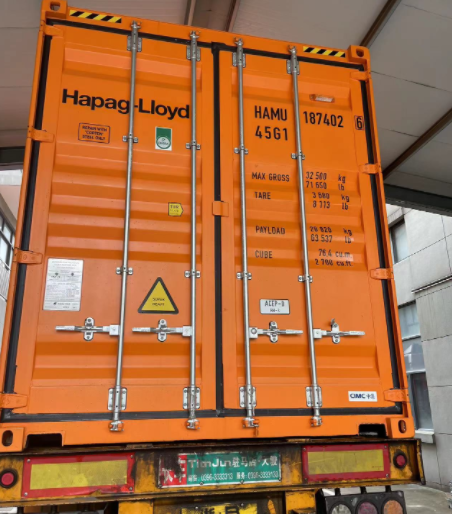
Are you wondering what impacts Container Shipping Costs from China to Nigeria as of January 2026?
For businesses importing goods, a deep understanding of the shipping cost from China to Nigeria is no longer just beneficial – it’s crucial for sustained success. This comprehensive guide from Dantful International Logistics delves into the latest trends and factors shaping container shipping costs from China to Nigeria, including dynamic freight rates, various container types, and recent market fluctuations. Our aim is to equip you with practical insights and actionable tips, empowering your business to maximize efficiency and significantly reduce your overall shipping expenses. Stay informed, make smarter logistics decisions, and optimize your China to Nigeria supply chain with our expert guidance.
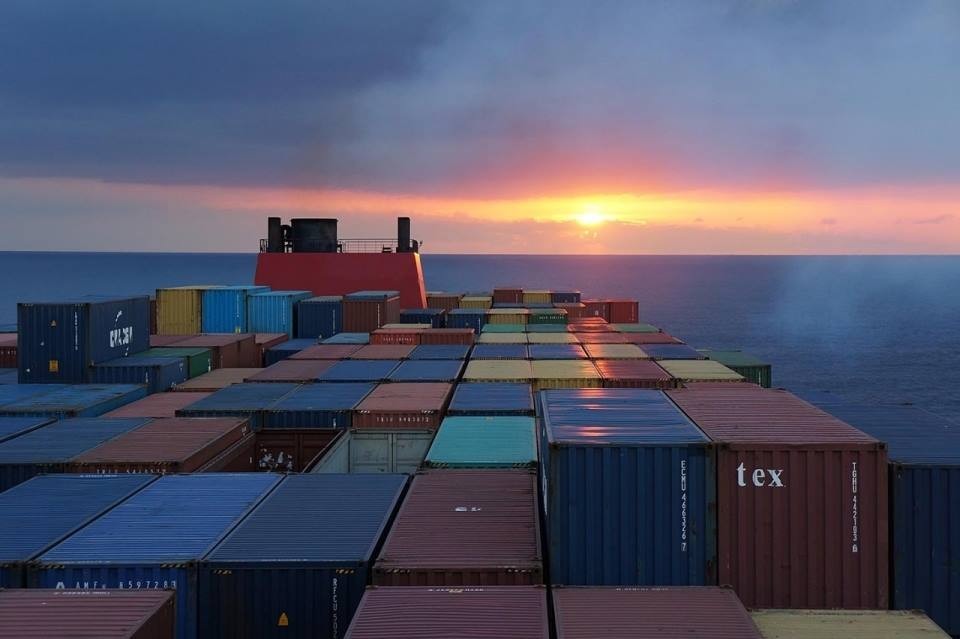
Jan 2026 Quick Cost Snapshot
If you need a fast benchmark before requesting a formal quote, these are typical reference ranges as of January 2026:
| Shipping Option (China → Lagos, Nigeria) | Typical Cost Range (USD) | Typical Transit Time |
|---|---|---|
| 20ft FCL (Ocean Freight + common surcharges, port-to-port) | $1,350 – $2,300 | 30 – 45 days |
| 40ft FCL (Ocean Freight + common surcharges, port-to-port) | $2,200 – $3,100 | 30 – 45 days |
| LCL (per CBM, ocean freight + common handling) | $180 – $320 / CBM | 35 – 55 days |
These ranges can change based on origin port, carrier space, seasonality, cargo type (general vs restricted), and local charges at origin/destination. For the most accurate total, ask for a breakdown by origin charges + ocean freight + destination charges + inland delivery (if any).
Key Factors Influencing Shipping Costs
Shipping Route and Distance
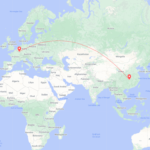
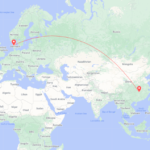
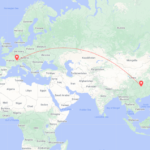
The shipping route plays a significant role in determining container shipping costs. The distance between the origin and destination directly influences fuel consumption, transit time, and overall shipping rates. The average distance from major ports in China, such as Shanghai or Shenzhen, to Lagos, Nigeria’s primary port, is approximately 6,000 nautical miles, with transit times varying from 30 to 45 days depending on the shipping line and route chosen.
Cost Comparison Table
| Shipping Route | Average Distance (Nautical Miles) | Estimated Transit Time | Average Cost (USD) |
|---|---|---|---|
| Shipping from Shanghai to Lagos | 6,000 | 30-45 days | $1,350 – $2,250 |
| Shipping from Shenzhen to Lagos | 6,200 | 30-45 days | $1,400 – $2,300 |
| Shipping from Ningbo to Lagos | 6,100 | 30-45 days | $1,380 – $2,280 |
Container Size: 20ft vs. 40ft
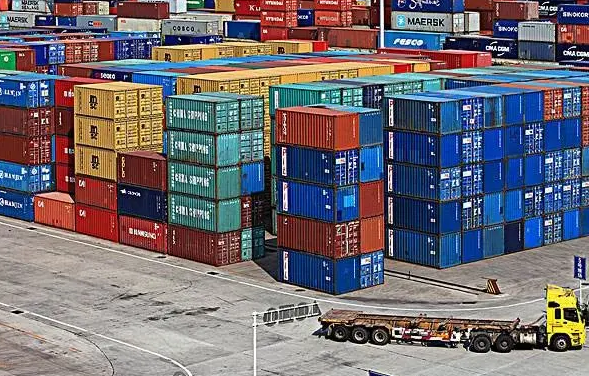
The choice between a 20ft and 40ft container significantly affects shipping costs. A standard 20ft container can hold approximately 33 cubic meters of cargo, while a 40ft container offers double that capacity, accommodating around 67 cubic meters. Importers must assess their cargo volume and weight to determine the most cost-effective option.
- 20ft Container: Generally more affordable for smaller shipments. Ideal for businesses with limited cargo volume or those looking to minimize shipping costs.
- 40ft Container: More economical for larger shipments. The cost per cubic meter tends to be lower compared to the 20ft option. This size is suitable for businesses looking to maximize cargo space.
Cost Comparison Table
| Container Size | Capacity | Typical Base Ocean Freight (USD) | Ideal For |
|---|---|---|---|
| 20ft | 33 cbm | $1,300 – $1,750 | Smaller shipments |
| 40ft | 67 cbm | $2,200 – $3,100 | Larger shipments |
Mode of Transport: FCL vs. LCL
The mode of transport selected—Full Container Load (FCL) or Less than Container Load (LCL)—also has a substantial impact on shipping costs.
- FCL (Full Container Load): This method involves booking an entire container for exclusive use. FCL is often more cost-effective for larger shipments, allowing businesses to send more goods at a fraction of the cost per unit. Importers benefit from reduced transit times, as FCL shipments typically prioritize loading and unloading schedules.
- LCL (Less than Container Load): This option is suitable for smaller shipments that do not fill an entire container. While LCL may appear to be a more affordable option for smaller businesses, it can incur additional costs such as handling fees, longer transit times, and potential complications during customs clearance.
Cost Comparison Table
| Mode of Transport | Description | Average Cost (USD) | Pros | Cons |
|---|---|---|---|---|
| FCL | Entire container for one shipper | $1,300 – $3,100 | Cost-effective for large shipments | Higher upfront cost |
| LCL | Shared container space | $180 – $320 per cubic meter | Lower cost for small shipments | Longer transit times, handling fees |
Shipping Method Selection Guide (Sea vs Air vs Express)
This guide helps you decide quickly based on urgency and cargo size:
| Method | Typical Use Case | Typical Transit Time | Typical Cost Behavior |
|---|---|---|---|
| Sea Freight (FCL/LCL) | Bulk cargo, cost-sensitive shipments | 30 – 55 days | Lowest unit cost for larger volumes |
| Air Freight | Urgent, high-value, time-sensitive cargo | Often 3 – 10 days | Higher cost, based on chargeable weight |
| Express Courier | Samples, small parcels | Often 3 – 7 days | Highest cost per kg, fast and simple |
What Usually Changes the Price the Most (Jan 2026)
- Surcharges: fuel-related surcharges, equipment imbalance, and peak season changes
- Routing: direct vs transshipment, sailing frequency, and schedule reliability
- Cargo profile: overweight, oversize, batteries, hazmat, or restricted goods
- Free time risk: demurrage/detention if customs or trucking is delayed
- Destination charges: terminal handling, delivery order fees, and local port costs
For clean comparisons, request quotes using the same Incoterms and service scope (port-to-port vs door-to-door).
Understanding these factors—shipping routes, container sizes, and transport modes—is essential for businesses importing goods from China to Nigeria. Proper analysis and assessment of individual shipping needs can help optimize logistics, ultimately leading to cost savings and improved operational efficiency.
For those looking to streamline shipping from China to Nigeria, partnering with a reputable freight forwarder such as Dantful International Logistics can provide a highly professional, cost-effective, and high-quality one-stop logistics service. Their expertise ensures that you navigate the complexities of international shipping smoothly, making the entire process more efficient.
Shipping Costs for Containers from China to Nigeria
Container shipping is a vital part of global trade, especially when importing goods from China to Nigeria. Understanding the specific costs associated with different container sizes and shipping methods is essential for businesses to budget effectively and optimize their logistics operations. Below is a detailed examination of the shipping costs for 20ft and 40ft containers, as well as insight into additional fees and charges that may arise during the shipping process.
Quick Comparison: 20ft vs 40ft vs LCL (Jan 2026)
| Option | Best For | Typical Cost Logic | Watch-outs |
|---|---|---|---|
| 20ft FCL | Dense cargo, smaller full loads | Better for heavy goods; straightforward pricing | Limited space; overweight risk if very dense |
| 40ft FCL | Volume cargo, larger inventories | Lower unit cost per CBM for many shipments | Can trigger higher inland/handling in some cases |
| LCL | Small shipments that do not fill a container | Pay by CBM/chargeable weight | More handling steps; longer lead time; destination fees matter |
If you are not sure whether LCL or FCL is cheaper for your cargo, share your CBM/weight and delivery requirement with Dantful International Logistics for a side-by-side recommendation.
20 ft Container Shipping Cost from China to Nigeria
When shipping a 20ft container from China to Nigeria, businesses can expect varying costs based on several factors, including shipping route, freight forwarder, and current market conditions. A 20ft container typically holds around 33 cubic meters of cargo and is ideal for smaller shipments.
Cost Breakdown for 20ft Containers
The total cost for shipping a 20ft container consists of several components:
| Cost Component | Description | Estimated Cost (USD) |
|---|---|---|
| Ocean Freight | Base cost of transporting the container across the sea | $1,300 – $1,750 |
| Documentation Fees | Charges for bills of lading and other shipping documents | $90 – $250 |
| Port Fees | Fees charged by the origin and destination ports | $180 – $450 |
| Insurance | Optional coverage for goods in transit | $80 – $220 |
| Customs Clearance | Charges for clearing goods through customs | $140 – $280 |
| Total Estimated Cost | Sum of all components | $1,800 – $3,000 |
The total estimated cost for shipping a 20ft container from China to Nigeria generally ranges from $1,800 to $3,000, depending on the specifics of the shipment.
40 ft Container Shipping Cost from China to Nigeria
For larger shipments, a 40ft container is often more economical. This container size can hold approximately 67 cubic meters of cargo, making it suitable for businesses with larger inventory requirements.
Cost Breakdown for 40ft Containers
Similar to the 20ft container, the costs associated with shipping a 40ft container include various components:
| Cost Component | Description | Estimated Cost (USD) |
|---|---|---|
| Ocean Freight | Base cost of transporting the container across the sea | $2,200 – $3,100 |
| Documentation Fees | Charges for bills of lading and other shipping documents | $90 – $250 |
| Port Fees | Fees charged by the origin and destination ports | $180 – $450 |
| Insurance | Optional coverage for goods in transit | $80 – $220 |
| Customs Clearance | Charges for clearing goods through customs | $140 – $280 |
| Total Estimated Cost | Sum of all components | $2,700 – $4,300 |
The total estimated cost for shipping a 40ft container from China to Nigeria typically ranges from $2,700 to $4,300.
Comparison of FCL and LCL Shipping Costs
When considering shipping options, businesses may choose between Full Container Load (FCL) and Less than Container Load (LCL). The cost implications for these methods vary considerably:
| Shipping Method | Description | Average Cost (USD) | Pros | Cons |
|---|---|---|---|---|
| FCL | Exclusive use of an entire container | $1,800 – $4,300 (for 20ft or 40ft) | Lower cost per unit for large shipments | Higher upfront costs |
| LCL | Sharing container space with other shippers | $180 – $320 per cubic meter | Cost-effective for small shipments | Longer transit times and handling fees |
Choosing between FCL and LCL will depend on the specific needs of the business, cargo volume, and budget considerations.
Additional Fees and Charges
Aside from the primary shipping costs, various additional fees and charges may arise during the shipping process. It is essential for importers to be aware of these potential costs to avoid unexpected expenses.
Port Fees and Handling Charges
Port fees are imposed by both the loading and unloading ports for services rendered, including loading and unloading containers, storage, and terminal handling. These fees can vary significantly depending on the port’s location and operational policies. It is advisable to inquire about specific port fees associated with both the origin and destination ports to obtain an accurate total cost.
Customs Duties and Taxes
Upon arrival in Nigeria, imported goods are subject to customs duties and taxes. The rates depend on the type of goods being imported, their declared value, and the HS code assessment. Importers must ensure compliance with Nigerian customs regulations to avoid delays and additional penalties. It is beneficial to work with a freight forwarder like Dantful International Logistics to navigate the complexities of customs clearance efficiently, ensuring all documentation is in order and minimizing the risk of unexpected charges.
Import Duty & VAT Table for Major Goods (Jan 2026, indicative)
| Product Category | Example HS Code | Import Duty Rate (%) | VAT Rate (%) |
|---|---|---|---|
| Textile & Garments | 6109 | 20 | 7.5 |
| Mobile Phones & Electronics | 8517 | 0–20 (usually 0) | 7.5 |
| Home Appliances | 8509–8516 | 5–20 | 7.5 |
| Automotive Parts | 8708 | 10 | 7.5 |
| Machinery | 84xx | 5–10 | 7.5 |
| Plastic Products | 3923 | 20 | 7.5 |
| Footwear | 6403 | 20 | 7.5 |
| Pharmaceutical Products | 3004 | 0 | 7.5 |
| Food Products (Processed) | 1905 | 35 | 7.5 |
| Furniture | 9403 | 20 | 7.5 |
Common Surcharges and “Free Time” Risks
Even if your ocean freight looks low, the total landed cost can change due to common surcharges and time-based fees:
| Item | What It Means | Why It Matters |
|---|---|---|
| THC / terminal handling | Port/terminal handling at origin and destination | Often a major part of destination charges |
| Documentation & DO fee | Paperwork and delivery order release | Needed to pick up the container or cargo |
| Demurrage | Time the container stays at the port beyond free time | Can grow quickly during customs delays |
| Detention | Time the container stays outside the terminal beyond free time | Risk increases if trucking or unloading is slow |
| Exam/inspection | Customs examination or scanning-related handling | Case-dependent; higher risk with vague cargo descriptions |
To reduce risk, confirm the free time terms in writing and ensure documents (invoice, packing list, B/L details) are correct before the vessel arrives.
Understanding the costs associated with shipping containers from China to Nigeria is crucial for businesses aiming to optimize their logistics operations. By considering container size, shipping methods, and any additional fees, importers can make informed decisions that align with their budget and operational needs. For those looking for a reliable partner in international logistics, Dantful offers a highly professional and cost-effective shipping service tailored to meet the needs of global traders.
Shipping Time from China to Nigeria
How long does it take to ship a container from China to Nigeria? This is a fundamental question for importers seeking to manage inventory efficiently and deliver consistent customer satisfaction. Shipping times can vary significantly, depending on a range of factors such as the selected shipping method, your specific origin and destination ports, customs clearance procedures, and—most importantly—the reliability and expertise of your logistics provider. Understanding these variables will help you build a robust supply chain and set realistic expectations when importing from China to Nigeria.
Average Transit Times for Sea Freight
For businesses utilizing sea freight to transport containers from China to Nigeria, the average transit time typically ranges from 30 to 45 days. This timeframe can vary based on the specific ports of departure and arrival, as well as the shipping route taken. Here’s a breakdown of average transit times for major routes:
| Route | Average Transit Time (Days) |
|---|---|
| Shanghai to Lagos | 30 – 40 |
| Shenzhen to Lagos | 35 – 45 |
| Ningbo to Lagos | 30 – 45 |
| Guangzhou to Lagos | 35 – 50 |
These times reflect the duration for ocean transit only and do not account for additional time required for loading, unloading, customs clearance, and transport to the final destination.
Typical Door-to-Door Timeline (What to Expect)
In practice, your total lead time usually includes:
- Pickup & export prep in China: booking, trucking, VGM, export customs
- Port operations: gate-in, terminal handling, vessel departure
- Ocean transit: 30–45 days (varies by schedule and transshipment)
- Arrival & import clearance: manifest/DO, inspections if any, duty/tax payment
- Inland delivery: trucking to warehouse/factory and container return (FCL)
If the shipment is time-sensitive, plan buffer days for port congestion, customs checks, and trucking appointment availability.
Door-to-Door Shipping (DDU vs DDP) for Nigeria
Many importers ask for a single “all-in” price. The key is agreeing on the Incoterms and service scope:
| Term / Service | Who Handles Import Clearance | Who Pays Duties & Taxes | Typical Use |
|---|---|---|---|
| Port-to-Port (CY-CY) | Buyer | Buyer | You have a local broker and trucker |
| DDU / DAP (Door delivery, taxes not included) | Buyer (or buyer-appointed broker) | Buyer | You want delivery but pay import charges yourself |
| DDP (Door delivery, duties/taxes included) | Seller/forwarder arranges (per agreement) | Seller/forwarder pays (per agreement) | You want maximum simplicity and one quote |
DDP can be convenient, but it depends on cargo legality, paperwork accuracy, and Nigeria’s import compliance requirements. Ask your forwarder to state clearly whether the quote includes customs duties/taxes and what is excluded.
Factors Affecting Shipping Duration
Several factors can influence shipping duration when transporting goods from China to Nigeria:
- Port Congestion: Some ports experience significant congestion, leading to delays in loading and unloading containers. This can extend overall shipping times.
- Shipping Line Schedules: Different shipping lines have varying schedules, which can impact how quickly a container is loaded onto a vessel. Delays in departures can result in longer transit times.
- Customs Clearance: The efficiency of customs clearance procedures at both the origin and destination ports can affect the overall shipping time. Any discrepancies in documentation or inspections can lead to delays.
- Weather Conditions: Adverse weather conditions can disrupt shipping schedules, especially during the monsoon season or typhoons, impacting transit times.
- Inland Transportation: The efficiency of inland transport systems within Nigeria can also affect the overall delivery time from the port of entry to the final destination.
Understanding these factors is essential for importers aiming to manage their supply chain effectively and ensure timely delivery of goods.
How to Ship Hazardous Dangerous Goods in Containers from China to Nigeria
Shipping hazardous dangerous goods requires strict compliance and professional handling.
Key Steps for Hazmat Shipping
- Classification:
Get an up-to-date Safety Data Sheet (SDS) and confirm UN number, proper shipping name, and hazard class.
- Approved Packaging & Labeling:
Use UN certified packaging. Label containers with correct hazard symbols, IMDG codes, and documentation.
- Essential Documentation:
- Shipper’s Declaration for Dangerous Goods
- Commercial Invoice & Packing List
- Bill of Lading indicating hazardous cargo
- SDS and emergency info
- Carrier and Booking:
Inform your shipping agent in advance for carrier approval and booking.
- Customs Compliance:
Ensure all documents meet export and import regulations in China and Nigeria.
Why Trust Dantful?
- Certified experts handle hazmat regulations and paperwork.
- Reliable carrier network for safe, legal Hazmat transport.
- Door-to-door and DDP options for maximum convenience.
Tips for Reducing Container Shipping Costs
Reducing container shipping costs while maintaining efficiency is a goal for many businesses importing from China. Below are some strategic tips that can help achieve cost savings.
Choosing the Right Freight Forwarder
Selecting the right freight forwarder can significantly impact overall shipping costs. A reputable forwarder will have established relationships with shipping lines and can negotiate better rates. When choosing a freight forwarder, consider the following:
- Experience and Expertise: Look for a forwarder with extensive experience in shipping from China to Nigeria. They should understand local regulations and customs procedures to streamline the shipping process.
- Service Portfolio: A forwarder offering a comprehensive range of services—including customs clearance, insurance services, and warehouse services—can provide a one-stop solution, saving time and money.
- Transparent Pricing: Ensure that the freight forwarder provides transparent pricing with no hidden fees. Request a detailed breakdown of all costs involved in the shipping process.
- Customer Reviews and References: Research customer reviews and ask for references to gauge the reliability and efficiency of the freight forwarder.
Consolidating Shipments for Cost Efficiency
Consolidating shipments is an effective strategy for reducing shipping costs. This method involves combining multiple smaller shipments into one larger shipment, which can lower costs significantly. Here are some benefits of consolidating shipments:
- Economies of Scale: Larger shipments typically benefit from lower per-unit shipping rates. By consolidating goods, businesses can take advantage of this cost efficiency.
- Reduced Handling Fees: Fewer, larger shipments can lead to reduced handling fees at ports, as each shipment incurs its own handling costs.
- Improved Inventory Management: Consolidation allows businesses to better manage inventory levels by timing shipments to align with demand, minimizing excess stock.
- Enhanced Negotiation Power: By shipping larger volumes, businesses may have increased leverage when negotiating rates with freight forwarders and shipping lines.
Implementing these strategies can lead to a more cost-effective and efficient shipping process. For businesses looking for professional assistance in their shipping endeavors, Dantful International Logistics offers a reliable and cost-effective solution tailored to meet the needs of international traders. Their expertise in navigating shipping logistics ensures that clients benefit from efficient shipping practices and competitive rates.
Step-by-Step: How to Ship a Container from China to Nigeria
This is a practical workflow importers use to reduce delays and control costs:
- Send shipment details for a quote: origin/destination, Incoterms, cargo details, CBM/weight
- Confirm service scope: port-to-port vs door-to-door, and whether duties/taxes are included
- Book space & schedule pickup: container release (FCL) or consolidation plan (LCL)
- Prepare documents: commercial invoice, packing list, HS code info, and any permits
- China export customs: verify commodity description and compliance
- Ocean freight: vessel departure and tracking
- Nigeria import clearance: duty/tax assessment, inspections if required
- Delivery & completion: trucking, unloading, container return (FCL), and final paperwork
Document Checklist (China → Nigeria)
For smoother customs clearance and fewer cost surprises, prepare these documents early:
- Commercial Invoice
- Packing List
- Bill of Lading (B/L) for sea freight
- HS Code / product description (material, usage, brand/model if relevant)
- Certificate of Origin (if required by buyer, bank, or specific goods)
- Insurance policy (if insured)
- Dangerous Goods documents (only if applicable): SDS, DG declaration, labels
If you are unsure which documents your cargo needs, share your product details with Dantful International Logistics for a compliance-first checklist.
Get an Accurate Quote from Dantful International Logistics
To receive a fast and accurate quotation, prepare:
- Origin (factory address or port) and destination (Lagos port or final address)
- Cargo name, use, and HS code (or as much detail as possible)
- Quantity, gross weight, and volume (CBM) or carton dimensions
- Container type (20GP/40GP/40HQ) or LCL CBM
- Incoterms (EXW/FOB/CIF/DDU/DDP)
- Special cargo flags (battery, DG, oversize/overweight)
- Target shipping date and any delivery appointment needs
FAQs
- What factors influence container shipping costs from China to Nigeria?
- Container shipping costs are influenced by several key factors, including shipping route and distance, container size (20ft vs. 40ft), and mode of transport (FCL vs. LCL). Each of these elements can significantly impact the overall shipping costs.
- What is the average shipping cost for a 20ft container from China to Nigeria?
- The estimated total cost for shipping a 20ft container from China to Nigeria typically ranges from $1,800 to $3,000. This includes ocean freight, documentation fees, port fees, insurance, and customs clearance.
- How much does it cost to ship a 40ft container from China to Nigeria?
- The total estimated cost for shipping a 40ft container generally ranges from $2,700 to $4,300. Similar to the 20ft container, this price includes multiple components but offers higher capacity for larger shipments.
- What is the difference between FCL and LCL shipping?
- FCL (Full Container Load) involves booking an entire container for exclusive use, which is more cost-effective for larger shipments. LCL (Less than Container Load) shares container space with other shippers, making it suitable for smaller shipments, but it may incur additional handling fees and longer transit times.
- What are the average transit times for shipping from China to Nigeria?
- The average transit time for sea freight from China to Nigeria ranges from 30 to 45 days, depending on the specific shipping route and port of departure and arrival.
- What additional fees should I be aware of when shipping containers?
- Additional costs may include port fees, customs duties and taxes, documentation fees, and insurance. These can vary based on the port’s location and the nature of the goods being shipped.
- How can I reduce my container shipping costs?
- To reduce shipping costs, consider choosing the right freight forwarder with transparent pricing, consolidating shipments to benefit from economies of scale, and ensuring efficient inventory management.
- What information do I need to get a shipping quote from China to Nigeria?
- Provide origin and destination, Incoterms, cargo name/HS code, CBM and weight, container type (or LCL volume), and whether the cargo is hazardous, battery-powered, or oversized.
- Is door-to-door shipping to Nigeria available, and what’s the difference between DDU and DDP?
- Yes. DDU/DAP generally means delivery is arranged but duties/taxes are paid by the importer. DDP means duties/taxes are included per agreement, but it depends on cargo compliance and destination requirements.
- How to export a container from China to Nigeria (simple steps)?
- Engage a freight forwarder
- Prepare export documents
- Arrange pickup and deliver cargo to the Chinese port
- Clear China customs
- Ocean freight
- Clear Nigerian customs and deliver (port pickup or door delivery)
- How many CBM fit in a 20ft or 40ft container?
- A 20ft container is commonly referenced around 33 CBM and a 40ft around 67 CBM, but the usable capacity depends on cargo dimensions, packaging, and weight distribution.
- How do I avoid demurrage and detention in Nigeria?
- Confirm free time terms, prepare correct documents early, arrange a broker and trucking before arrival, and respond quickly if customs requests additional information.

Young Chiu is a seasoned logistics expert with over 15 years of experience in international freight forwarding and supply chain management. As CEO of Dantful International Logistics, Young is dedicated to providing valuable insights and practical advice to businesses navigating the complexities of global shipping.