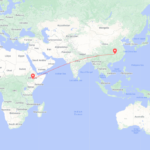
Are you wondering how much is shipping from China to Ethiopia and what factors impact these costs? Navigating the complexities of international freight, from sea freight and air freight rates to customs duties and documentation requirements, can be overwhelming. In this comprehensive guide, we break down everything you need to know about shipping from China to Ethiopia, helping you estimate costs and streamline your logistics for maximum efficiency.
Key Factors Influencing Shipping Costs
When calculating shipping costs from China to Ethiopia, several key factors come into play. Understanding these will help importers, exporters, and supply chain managers make informed decisions and optimize their logistics expenditure.
- Shipping Method: The two main options are sea freight and air freight. Sea freight is generally more cost-effective for bulky or heavy shipments, while air freight is faster but more expensive.
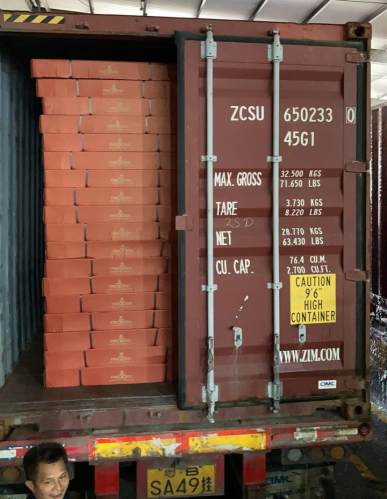
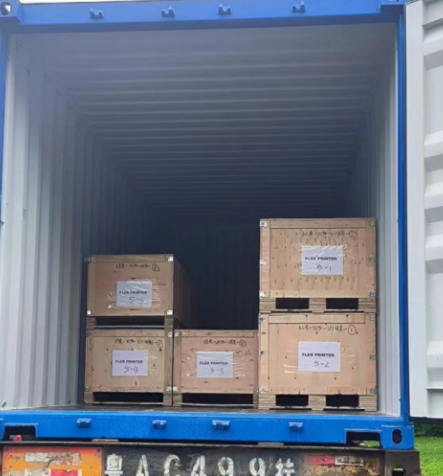
- Cargo Volume and Weight: Costs are largely determined by the cargo volume (CBM) or gross weight. Full container loads (FCL) often offer better per-unit pricing than less than container loads (LCL).
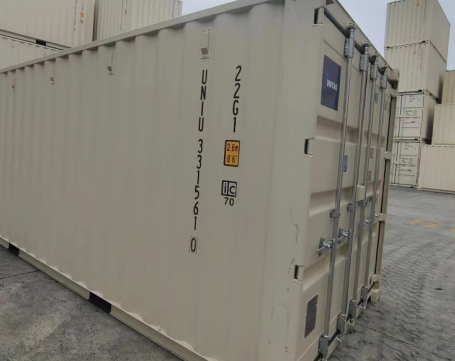
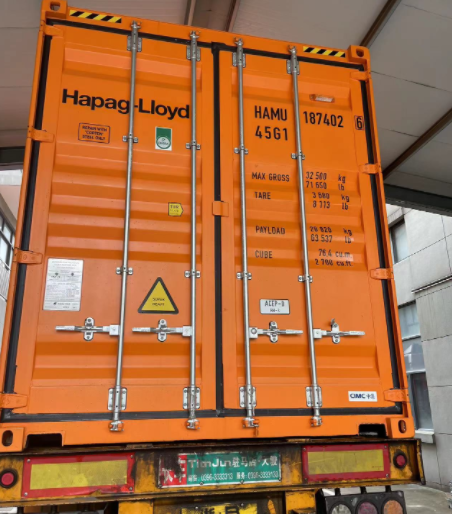
- Container Size and Type: The standard containers are 20ft (28CBM), 40ft (56CBM), and 40HQ (68CBM). Specialized containers (such as OOG or refrigerated units) incur additional charges.
- Origin and Destination: The specific departure port in China and arrival port or dry port in Ethiopia (usually Addis Ababa for air or Modjo Dry Port for sea) influence transit times and rates due to route availability and infrastructure.
- Incoterms: The agreed trade terms (like FOB, CIF, or DDP) determine who pays for which segment of the shipment, affecting the overall calculation.
- Seasonality and Market Rates: Global shipping rates fluctuate seasonally and due to market demand, fuel prices, and geopolitical factors.
- Additional Services: Customs clearance, insurance, warehousing, and door-to-door delivery are extra services that add to the overall cost.
- Customs Duties and Taxes: Ethiopian customs regulations and applicable taxes can significantly impact total landed cost.
- Cargo Type: Dangerous goods, high-value items, or temperature-controlled products command premium freight rates.
By considering these variables, businesses can accurately budget and select the optimal shipping solution. Partnering with an experienced freight forwarder like Dantful International Logistics ensures you receive up-to-date market insights, competitive rates, and tailored logistics solutions.
Sea freight cost from China to Ethiopia
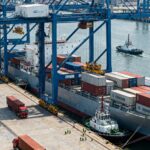
Sea freight remains the most cost-effective solution for transporting large volumes and heavy goods from China to Ethiopia. Since Ethiopia is a landlocked country, shipments are typically routed via Djibouti Port and then transported by rail or road to key hubs such as Addis Ababa or Modjo Dry Port.
For businesses considering other African trade lanes, you may want to review our detailed analysis on Sea Freight from China to Africa.
The following sections break down the estimated shipping costs for standard container sizes based on 2025 market rates. Please note that actual costs fluctuate based on the factors outlined above. For accurate and up-to-date quotations, consult industry professionals or request a tailored quote from Dantful International Logistics.
Cost of 20ft container shipping from China to Ethiopia?
A 20ft container (with a capacity of about 28CBM) is suitable for small to medium-sized consignments. Shipping costs depend on origin port, route, and service level (port-to-port or door-to-door).
Estimated Costs (as of Q4 2025):
| Origin Port in China | Route (via Djibouti) | Port-to-Port (USD) | Door-to-Door (USD)* | Estimated Transit Time |
|---|---|---|---|---|
| Shanghai | Shanghai → Djibouti → Addis Ababa | $3,200–$3,800 | $4,500–$5,500 | 30–40 days |
| Shenzhen | Shenzhen → Djibouti → Addis Ababa | $3,150–$3,700 | $4,400–$5,400 | 32–42 days |
| Ningbo | Ningbo → Djibouti → Addis Ababa | $3,250–$3,900 | $4,600–$5,600 | 30–40 days |
*Door-to-door service includes ocean freight, Djibouti port handling, inland transportation, and local delivery to the consignee in Ethiopia.
Notes:
- Rates are indicative and exclude customs duties, taxes, or additional surcharges.
- Peak season (August–October) may see a 10–20% increase in rates.
- LCL (Less than Container Load) is available for smaller shipments, but per CBM rates are higher.
Cost of 40ft container shipping from China to Ethiopia?
A 40ft container (capacity approx. 56CBM for general cargo, 68CBM for 40HQ) is ideal for bulk shipments, offering a better cost-per-unit for larger loads.
Estimated Costs (as of Q4 2025):
| Origin Port in China | Route (via Djibouti) | 40ft Standard (USD) | 40ft High Cube (USD) | Door-to-Door (USD)* | Estimated Transit Time |
|---|---|---|---|---|---|
| Shanghai | Shanghai → Djibouti → Addis Ababa | $5,500–$6,400 | $5,900–$6,800 | $7,700–$9,000 | 30–40 days |
| Shenzhen | Shenzhen → Djibouti → Addis Ababa | $5,350–$6,200 | $5,800–$6,900 | $7,600–$8,800 | 32–42 days |
| Ningbo | Ningbo → Djibouti → Addis Ababa | $5,600–$6,500 | $6,000–$7,100 | $7,800–$9,100 | 30–40 days |
*Door-to-door quotations include sea freight, port charges, transshipment, inland haulage, and delivery to the specified address in Ethiopia.
Additional Considerations:
- Oversized or special cargo (OOG, breakbulk) incurs extra surcharges.
- Warehousing, customs clearance, and insurance are available as add-on services.
- Partnering with a professional forwarder like Dantful International Logistics ensures compliance, reliable scheduling, and competitive pricing.
Air freight cost from China to Ethiopia per KG
When considering air freight from China to Ethiopia, the shipping cost per kilogram is influenced by several key factors: cargo volume, total weight, shipment urgency, airline selection, and specific origin/destination airports. Typically, air freight is chosen for high-value, time-sensitive, or small-batch shipments. The question, “How much is shipping from China to Ethiopia per kg?” often arises among importers, exporters, and e-commerce sellers.
For companies looking at broader air cargo options within Africa, please refer to our coverage on air freight from China to Nigeria.
Factors Affecting Air Freight Costs Per KG
- Chargeable Weight: Air freight rates are calculated based on the greater of actual weight or volumetric weight (Length x Width x Height in cm ÷ 6000).
- Origin and Destination: Major Chinese airports (such as Shanghai PVG, Guangzhou CAN, or Shenzhen SZX) to Addis Ababa Bole International Airport (ADD) may have different rates.
- Service Level: Options include standard, express, and deferred services.
- Seasonality: Peak seasons (such as before Chinese New Year or global holidays) tend to increase rates.
- Cargo Type: General cargo, dangerous goods, or temperature-controlled shipments may attract different surcharges.
Reference Air Freight Rate Table (2025 Estimates)
Below is an indicative rate table for air freight from major cities in China to Addis Ababa, Ethiopia (Rates are USD per KG):
| Origin Airport | 45kg+ | 100kg+ | 300kg+ | 500kg+ | 1000kg+ |
|---|---|---|---|---|---|
| Shanghai (PVG) | $6.50 | $6.00 | $5.70 | $5.50 | $5.20 |
| Guangzhou (CAN) | $6.80 | $6.20 | $5.90 | $5.60 | $5.30 |
| Shenzhen (SZX) | $7.00 | $6.40 | $6.10 | $5.80 | $5.50 |
Rates are for reference only, based on 2025 market averages. Actual prices vary by service provider, season, and shipment specifics. For project cargo, temperature-sensitive or hazardous goods, consult with your freight forwarder for a tailored quote.
Note: The total cost will also include fuel surcharges, security fees, terminal handling charges, and possible customs documentation fees. For the most accurate and up-to-date pricing, contact a professional freight forwarder like Dantful International Logistics. Our dedicated team provides transparent quotations, multiple airline options, and one-stop logistics solutions to suit your needs.
Customs Duties, Taxes, and Regulations in the Ethiopia
Understanding the customs duties, taxes, and import regulations in Ethiopia is crucial for seamless shipping from China. Ethiopia maintains a structured tariff regime managed by the Ethiopian Customs Commission under the Ministry of Revenues.
Main Components of Import Cost
Customs Duties
- Most goods imported into Ethiopia are subject to ad valorem duties. Rates generally vary between 0% and 35%, depending on the product’s HS code.
- For example:
- Machinery: 5%–20%
- Electronics: 20%–35%
- Textiles: 10%–35%
- Machinery: 5%–20%
- Electronics: 20%–35%
- Textiles: 10%–35%
- Duty rates can be verified on the Ethiopian Revenues and Customs Authority website or via your freight forwarder.
Value-Added Tax (VAT)
- A standard 15% VAT applies to the CIF (Cost + Insurance + Freight) value plus duty.
- Formula: VAT = 15% × (CIF value + Duty + Excise (if any) + Surtax (if any))
Surtax
- A 10% surtax applies to many imported goods, calculated on the CIF value plus duty.
Excise Tax
- Applicable only to certain goods (e.g., tobacco, beverages, luxury vehicles), at varying rates.
Withholding Tax
- A 3% withholding tax may apply to certain imports.
Example of Import Tax Calculation
| Item | Calculation Base | Example Amount (USD) |
|---|---|---|
| CIF Value | – | $10,000 |
| Customs Duty (20%) | $10,000 × 20% | $2,000 |
| Surtax (10%) | $12,000 × 10% | $1,200 |
| VAT (15%) | $13,200 × 15% | $1,980 |
| Total Taxes & Duties | – | $5,180 |
| Total Landed Cost | – | $15,180 |
The above is a simplified example. Actual tax and duty rates depend on the HS code and current Ethiopian regulations.
Essential Import Regulations
- Prohibited and Restricted Goods: Ethiopia regulates imports of certain goods such as weapons, narcotics, counterfeit products, and some agricultural items. Always check the latest restrictions.
- Pre-shipment Inspection: Certain goods may require a pre-shipment inspection certificate (PSI).
- Import License: Businesses must possess a valid import license for customs clearance.
- Labelling & Documentation: Goods must be properly labelled, and all documentation (commercial invoice, packing list, bill of lading/airway bill, certificate of origin) must be accurate and complete.
Compliance Best Practices
- Work closely with an experienced freight forwarder like Dantful International Logistics to ensure all documentation is in order.
- Stay updated on the latest regulations by consulting the Ethiopian Customs Commission or engaging local customs brokers.
- Accurately declare HS codes and values to avoid delays or penalties.
In summary, understanding air freight rates per KG and Ethiopia’s customs framework is vital for successful shipping from China. For tailored advice and end-to-end logistics support—including air freight, customs clearance, warehousing, and insurance—contact Dantful International Logistics. Our expertise ensures your cargo arrives safely, on time, and fully compliant with all regulations.
READ MORE:
- Shipping From China To Algeria
- Shipping From China To Angola
- Shipping From China To Morocco
- Shipping From China To Nigeria
- Shipping From China To Kenya
- Shipping From China To Tanzania
- Shipping From China To South Africa
Ethiopia customs clearance & documents checklist
Navigating customs clearance in Ethiopia is a critical step in ensuring your goods from China reach their destination smoothly and efficiently. A thorough understanding of the local customs processes, regulations, and required documentation is essential for both businesses and individuals. Below is a comprehensive guide to the Ethiopian customs clearance process and a checklist of necessary documents.
If you’re also interested in customs documentation and procedures in other East African countries, see the practical guide for Shipping From China To Kenya.
1. Ethiopian Customs Clearance Process Overview
The customs clearance process in Ethiopia involves several steps regulated by the Ethiopian Customs Commission. Efficient clearance hinges on accurate documentation, correct classification of goods, and compliance with import laws. Delays or penalties often result from incomplete or incorrect paperwork or misunderstanding of import restrictions.
Key Steps:
- Pre-Arrival Preparation: Gather all required documents and ensure compliance with Ethiopian import regulations.
- Customs Declaration: Submit an accurate customs declaration through the Ethiopian Electronic Single Window (ESW) system.
- Duty and Tax Assessment: Customs authorities assess duties and taxes based on the HS Code, declared value, and applicable free trade agreements.
- Physical Inspection: Customs may conduct inspections for security, valuation, or regulatory reasons.
- Payment of Duties and Taxes: Settlement of assessed fees before release.
- Release of Goods: Upon successful clearance, goods are released for final delivery.
2. Essential Documents Checklist for Imports into Ethiopia
To expedite the customs clearance process, the following documents are typically required:
| Document Name | Description | Mandatory/Optional |
|---|---|---|
| Bill of Lading / Air Waybill | Transport document proving shipment dispatch and receipt—original usually required for sea freight. | Mandatory |
| Commercial Invoice | Details the goods’ value, origin, and transaction terms—should match declaration data. | Mandatory |
| Packing List | Lists the contents, packaging details, and weights—ensures transparency and speeds inspection. | Mandatory |
| Import Permit | Issued by Ethiopian authorities for regulated products (e.g., food, electronics, chemicals). | Conditional |
| Certificate of Origin | Verifies the manufacturing country—may impact duty rates for certain goods. | Sometimes Required |
| Insurance Certificate | Proves cargo insurance coverage—highly recommended but not always required. | Optional |
| Customs Declaration Form | Official form submitted to Ethiopian Customs through the ESW system. | Mandatory |
| Proforma Invoice | Sometimes requested for payment authorization or foreign exchange approval. | Sometimes Required |
| Other Licenses/Certificates | Depending on product (sanitary, phytosanitary, quality, etc. certificates). | Conditional |
Tip: Always check with your freight forwarder or customs broker for product-specific requirements, as regulations can change and may vary depending on the nature of your goods.
3. Special Considerations
- Restricted & Prohibited Goods: Certain items (e.g., narcotics, counterfeit goods, some pharmaceuticals) are prohibited or require special permits.
- Valuation: Customs authorities may revalue goods if declared values are deemed inconsistent with market rates.
- Tariff Codes (HS Codes): Accurate classification is crucial for correct duty assessment; incorrect codes can lead to fines or delays.
- Local Agents: Engaging a reliable local agent or freight forwarder like Dantful International Logistics can help navigate regulatory updates and prevent costly errors.
4. Import Duties and Taxes Structure
Ethiopia applies customs duties, VAT (currently 15%), excise taxes (on specific products), and sometimes surcharges. The actual rates depend on the HS code and the customs value of the imported goods.
| Fee Type | Typical Rate/Description |
|---|---|
| Customs Duty | 0%–35% (varies by product) |
| VAT | 15% (standard rate on most imports) |
| Excise Tax | 10%–100% (for tobacco, alcohol, luxury items, etc.) |
| Surtax | 10% on certain goods |
| Withholding Tax | 3% on most imports |
For exact rates, consult the Ethiopian Tariff Book or your freight partner.
Strategies to Reduce Shipping Costs from China to Ethiopia
Reducing shipping costs from China to Ethiopia is a top priority for businesses seeking to optimize their supply chain and enhance competitiveness. Leveraging the right strategies can mean substantial savings without compromising service quality. As a logistics professional with over 15 years of experience, I recommend the following proven approaches:
If you are comparing costs or considering alternative trade lanes, check out our breakdown of Sea Freight From China to Ethiopia for deeper cost structure insights.
1. Choose the Optimal Shipping Mode
Selecting the right shipping method is fundamental. Sea freight is generally the most cost-effective for large volumes, while air freight is faster but more expensive per kilogram. For urgent, small, or high-value shipments, air freight may be justified. For bulk or non-urgent cargo, sea freight yields significant savings. Consider consolidated freight (LCL) for smaller loads.
| Shipping Mode | Average Transit Time | Typical Cost (per 1 CBM/1 KG) | Best For |
|---|---|---|---|
| Sea Freight (FCL) | 25–40 days | $80–$150/CBM (20ft), $70–$120/CBM (40ft) | Large, heavy, non-urgent cargo |
| Sea Freight (LCL) | 25–40 days | $150–$300/CBM | Small to medium shipments |
| Air Freight | 5–10 days | $5–$9/kg | High-value, urgent, perishable |
2. Plan Shipments in Advance
Advance planning allows you to:
- Book space during off-peak seasons when rates are lower.
- Consolidate multiple orders to fill containers (FCL) and access better per-unit pricing.
- Avoid “last minute” air shipments, which are costly.
3. Optimize Packaging & Volume
Reducing unnecessary packaging can decrease the chargeable weight or volume, directly lowering costs.
- Use custom-sized cartons and efficient palletizing.
- Combine shipments to minimize empty space.
- Work with your supplier to design export-friendly packaging.
4. Leverage Consolidation Services
If your shipments are not large enough to fill a container, consolidated freight (LCL) allows you to share space and costs with others importing to Ethiopia. Dantful International Logistics specializes in efficient cargo consolidation, ensuring cost savings and timely deliveries.
5. Compare Shipping Quotes
Obtain multiple quotes from reputable freight forwarders and carriers. Evaluate not just the rates but also the services included (e.g., door-to-door, customs clearance, insurance). Transparent quotes help avoid hidden fees.
6. Utilize Warehousing and Inventory Strategies
Strategically placing inventory in China or near Ethiopian ports can help batch shipments and reduce transport frequency, minimizing costs per unit shipped.
7. Work with a Professional Freight Forwarder
Partnering with an experienced freight forwarder like Dantful International Logistics delivers many benefits:
- Access to bulk contract rates with carriers.
- Professional customs clearance to avoid fines and delays.
- End-to-end supply chain management, including insurance, warehousing, and door-to-door solutions.
8. Understand Customs Duties and Regulations
Being fully informed about Ethiopian customs duties, taxes, and documentation requirements can help avoid costly mistakes, overpayments, or shipment holds.
9. Take Advantage of Trade Agreements
Review any bilateral or regional trade agreements that may reduce or exempt duties for certain product categories.
10. Monitor Market Trends and Surcharges
Stay updated on global shipping market fluctuations, fuel surcharges, and port congestion. Adjust your logistics strategy accordingly to keep costs predictable and under control.
In summary, optimizing your shipping costs from China to Ethiopia begins with informed planning, smart mode selection, professional support, and continuous cost monitoring. At Dantful International Logistics, we are committed to helping you achieve cost savings, efficiency, and compliance, ensuring your cargo arrives on time and within budget.
Transit time from China to Ethiopia
When planning international shipments, understanding the estimated transit time from China to Ethiopia is crucial for effective supply chain management and customer satisfaction. Transit time can vary considerably depending on the shipping mode, ports of loading and discharge, customs clearance processes, and the efficiency of your chosen freight forwarder.
If you are considering other landlocked countries in East Africa, it’s worthwhile to compare with Shipping From China To Uganda for different transit route insights.
1. Sea Freight Transit Time
Sea freight is the most common and cost-effective option for large cargo shipments between China and Ethiopia. However, since Ethiopia is a landlocked country, sea shipments typically arrive at a neighboring port such as Djibouti Port—the main maritime gateway for Ethiopian imports—before being transported by road or rail to their final destination in Ethiopia.
Typical sea freight routes:
- Origin Ports: Main ports in China include Shanghai, Shenzhen, Ningbo, Guangzhou, and Qingdao.
- Destination Port: Djibouti Port (then onward to Addis Ababa and other cities by land).
| China Port | Destination Port (Djibouti) | Estimated Ocean Transit Time | Inland Transit to Ethiopia (by road/rail) | Total Estimated Door-to-Door Time |
|---|---|---|---|---|
| Shanghai | Djibouti | 22-28 days | 2-4 days | 24-32 days |
| Shenzhen | Djibouti | 20-26 days | 2-4 days | 22-30 days |
| Ningbo | Djibouti | 22-30 days | 2-4 days | 24-34 days |
| Qingdao | Djibouti | 24-32 days | 2-4 days | 26-36 days |
Note: Transit times may be affected by factors such as seasonal demand, port congestion, and customs processes.
2. Air Freight Transit Time
Air freight is the fastest solution for urgent or high-value shipments. Most air cargo from China is routed to Addis Ababa Bole International Airport in Ethiopia.
- Direct flights: 1-2 days (mostly from major airports such as Shanghai PVG, Guangzhou CAN, or Beijing PEK to Addis Ababa).
- Including pickup, consolidation, and customs: 3-7 days (door-to-door).
| China Airport | Destination Airport (Addis Ababa) | Estimated Airport-to-Airport Time | Door-to-Door (incl. handling & customs) |
|---|---|---|---|
| Shanghai (PVG) | Addis Ababa (ADD) | 1-2 days | 3-6 days |
| Guangzhou (CAN) | Addis Ababa (ADD) | 1-2 days | 3-7 days |
| Beijing (PEK) | Addis Ababa (ADD) | 1-2 days | 3-7 days |
3. Factors Affecting Transit Time
- Seasonal fluctuations: Peak seasons (e.g., before Chinese New Year) can lead to longer lead times.
- Customs clearance: Delays may occur if documentation is incomplete or local regulations change.
- Weather and geopolitical events: Extreme weather or disruptions at ports and borders can impact schedules.
For the most accurate and updated transit time, always consult with your freight forwarder. At Dantful International Logistics, we monitor shipment progress in real-time and provide proactive updates, helping you plan your inventory and operations more effectively.
Essential Documentation for Smooth Shipments
Efficient and compliant shipping from China to Ethiopia relies on accurate documentation. Missing or incorrect paperwork can result in costly delays, fines, or even cargo seizure at customs. Below is a checklist of the essential documents required for a seamless shipping process:
1. Bill of Lading (B/L) or Air Waybill (AWB)
- For Sea Freight: The Bill of Lading is the primary document issued by the shipping line, serving as a receipt of goods and a contract of carriage.
- For Air Freight: An Air Waybill performs a similar function for air cargo.
2. Commercial Invoice
- Legally required for customs clearance; details the value, description, and quantity of goods.
- Should match other shipping documents to prevent clearance issues.
3. Packing List
- Provides detailed information about how the goods are packed, the number of packages, and dimensions/weights.
- Assists customs officials in inspection and verification.
4. Certificate of Origin
- Confirms the country where the goods were manufactured.
- May be required to qualify for preferential duty rates or comply with specific regulations in Ethiopia.
5. Import License (if applicable)
- Certain goods may require an import permit or license from Ethiopian authorities.
6. Insurance Certificate
- Proof of cargo insurance coverage (recommended for valuable or sensitive shipments).
7. Other Supporting Documents
- Letter of Credit (if payment is by L/C)
- Inspection Certificate (for regulated or sensitive goods)
- Fumigation Certificate (for wooden packaging)
- Proforma Invoice (sometimes required for pre-import approvals in Ethiopia)
Summary Table: Key Documents for Shipping from China to Ethiopia
| Document Type | Required For | Purpose | Issued By |
|---|---|---|---|
| Bill of Lading (B/L) | Sea Freight | Proof of shipment/contract of carriage | Shipping Line / Freight Forwarder |
| Air Waybill (AWB) | Air Freight | Proof of carriage for air shipment | Airline / Freight Forwarder |
| Commercial Invoice | Both | Customs valuation and duty assessment | Shipper |
| Packing List | Both | Verification and inspection at customs | Shipper |
| Certificate of Origin | Both | Compliance and preferential tariffs, if applicable | Chamber of Commerce / Shipper |
| Import License | Regulated Goods | Legal approval to import specific goods | Ethiopian Authorities |
| Insurance Certificate | Valuable Goods | Proof of insurance coverage | Insurance Provider |
| Other Certificates | Special Cases | Compliance with Ethiopian or Chinese regulations | Various |
Best Practices for Documentation
- Double-check all documents for consistency (names, addresses, descriptions, and quantities).
- Stay updated on the latest Ethiopian customs regulations and requirements.
- Work with an experienced freight forwarder, such as Dantful International Logistics, who can guide you through document preparation and ensure compliance at every stage.
At Dantful, our team provides end-to-end support—from document verification to customs clearance—reducing the risk of delays and ensuring your shipments move smoothly from China to Ethiopia.
Choosing the Right Freight Forwarder for Your Needs
Selecting the right freight forwarder is critical for a seamless shipping experience from China to Ethiopia. The efficiency, reliability, and expertise of your logistics partner can greatly influence your overall shipping costs, transit time, and risk management. Here’s a comprehensive guide to making the best choice:
1. Assess Experience & Specialization
Look for a forwarder with proven experience in the China–Ethiopia trade lane. Expertise in handling shipments to Addis Ababa and other major Ethiopian destinations ensures familiarity with local regulations, potential bottlenecks, and the best transit routes. Companies like Dantful International Logistics, led by professionals with over 15 years of industry experience, bring valuable insights and tried-and-tested solutions to your logistics needs.
2. Service Portfolio
A versatile forwarder should provide a wide range of services to match your cargo and business requirements. The ideal partner offers:
- Sea Freight (FCL & LCL)
- Air Freight
- Rail Freight and Road Freight
- Amazon FBA Preparation
- Warehousing and Inventory Management
- Customs Clearance for both China and Ethiopia
- Cargo Insurance
- Door to Door Solutions
- OOG (Out-of-Gauge) Freight
- Consolidated Freight
- Breakbulk Freight
This comprehensive portfolio allows you to customize your logistics strategy, whether you’re focused on cost efficiency, speed, or special handling.
3. Transparency & Communication
A reliable forwarder communicates clearly and provides real-time updates on your shipment status. They offer transparent quotations with all cost components outlined: freight charges, handling fees, customs duties, and surcharges. At Dantful International Logistics, our dedicated team supports clients with 24/7 updates and a single point of contact throughout the supply chain.
4. Local Network & Customs Expertise
Your forwarder should have a robust network in both China and Ethiopia, including agents at major ports and airports. Efficient customs clearance capability is essential to avoid delays and unexpected costs. Ensure your partner stays updated with the latest Ethiopian import regulations and can guide you on required documentation.
5. Competitive Pricing & Value
While cost is important, don’t simply choose the lowest quote. Evaluate the overall value—timeliness, service quality, risk management, and after-sales support. A reputable forwarder like Dantful International Logistics balances competitive rates with high-quality service, leveraging strong carrier relationships for optimal solutions.
6. Reviews & References
Check independent reviews and ask for references from businesses similar to yours. Long-term client relationships and positive feedback are strong indicators of reliability and professionalism.
Choosing the right freight forwarder—one with deep expertise, comprehensive services, strong local networks, and a customer-first approach—ensures your shipments from China to Ethiopia are cost-effective, compliant, and worry-free. For tailored solutions and professional support, Dantful International Logistics stands as a trusted partner for global traders and enterprises.
FAQs
How much is shipping cost from China to Ethiopia by sea freight?
The cost of sea freight from China to Ethiopia varies based on container size, port of departure in China, and destination (often via Djibouti port, then by road to Ethiopia). As of 2025, approximate shipping rates are:
| Container Type | Estimated Cost (USD, All-In) | Capacity (CBM) |
|---|---|---|
| 20ft Container (FCL) | $3,500 – $4,200 | 28 |
| 40ft Container (FCL) | $5,800 – $7,000 | 56 |
| 40HQ Container | $6,200 – $7,400 | 68 |
| LCL (per CBM) | $180 – $250 | N/A |
Note: Costs include ocean freight from major Chinese ports (e.g., Shanghai, Shenzhen, Ningbo) to Djibouti, plus inland transport to Addis Ababa.
How much is shipping cost from China to Ethiopia by Air freight?
Air freight is ideal for urgent or high-value shipments. Prices depend on weight, volume, and the specific airports involved. As of 2025:
| Weight Bracket | Rate per KG (USD) | Typical Transit Time |
|---|---|---|
| 45–100 kg | $7.50 – $9.00 | 4–7 days |
| 100–300 kg | $6.50 – $8.50 | 4–7 days |
| 300+ kg | $6.00 – $8.00 | 4–7 days |
Major origin airports: Guangzhou, Shanghai, Beijing
Destination: Addis Ababa Bole International Airport
How much is shipping from China per kg?
For small parcels or air freight, the average cost per kilogram ranges from $6.00 to $9.00, depending on total shipment weight, dimensions, and route. Heavier consolidated cargoes enjoy lower rates per kg.
How to calculate shipping fee from China?
The total shipping fee includes:
- Freight charges (sea or air)
- Port handling fees
- Inland transport (especially for landlocked Ethiopia via Djibouti)
- Customs clearance fees
- Duties and taxes
- Additional services (insurance, warehousing, etc.)
A typical calculation:
- Obtain a freight quote (per container or per kg/CBM)
- Add surcharges (fuel, security, documentation)
- Add local charges at both origin and destination
- Add customs duties and taxes (see below)
- Add value-added services if required
Tip: Use a professional forwarder like Dantful International Logistics for transparent, comprehensive quotations tailored to your cargo and timeline.
How much to ship a 40ft container from China?
The cost to ship a 40ft container (FCL) from China to Ethiopia (via Djibouti, then overland) is typically between $5,800 and $7,000 as of 2025. Prices fluctuate due to fuel costs, carrier capacity, and seasonal demand. Always request updated quotes for your specific shipment.
What is customs duty in Ethiopia?
Ethiopia applies a range of customs duties and import taxes, including:
- Customs Duty: 0%–35% depending on product HS code
- VAT: 15%
- Surtax: 10% on most imported goods
- Excise Tax: Varies by commodity (applies to specific goods like vehicles, alcohol, etc.)
- Withholding Tax: 3% of CIF value
Correct HS code classification and accurate documentation are essential to determine final payable amounts. For detailed, up-to-date duty rates and guidance, consult your freight forwarder or the Ethiopian Revenues and Customs Authority.

Young Chiu is a seasoned logistics expert with over 15 years of experience in international freight forwarding and supply chain management. As CEO of Dantful International Logistics, Young is dedicated to providing valuable insights and practical advice to businesses navigating the complexities of global shipping.