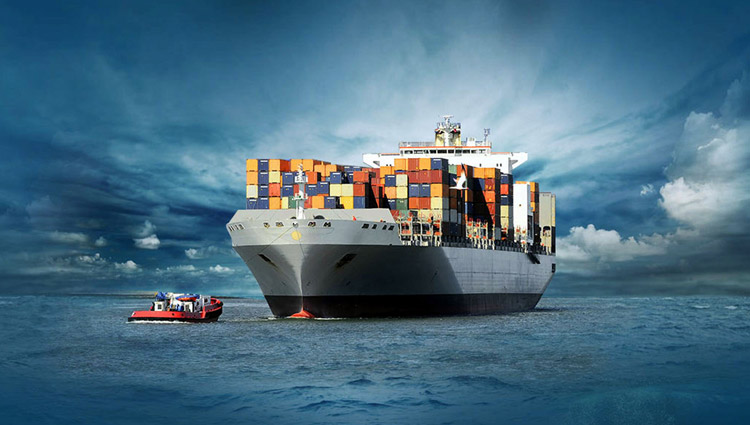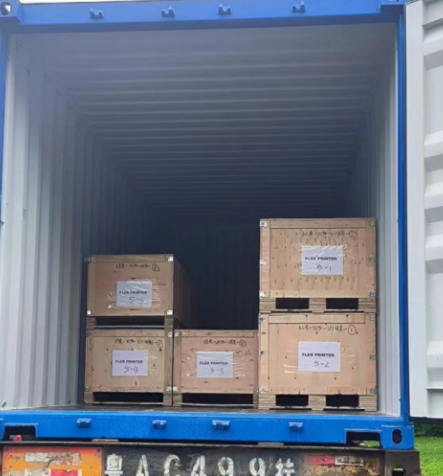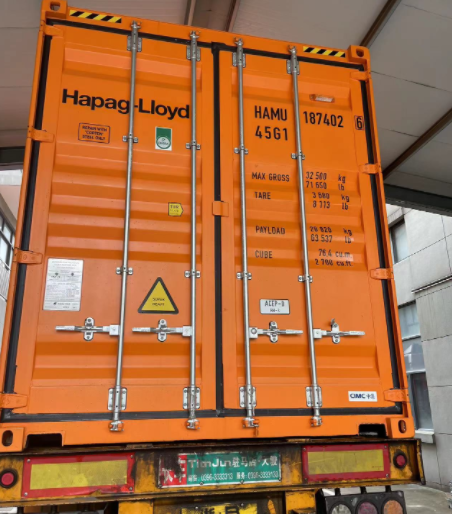
Every year, over 14.5 million TEUs of containerized cargo pass through the Port of Rotterdam — a massive share of which originates from Chinese industrial powerhouses like Shenzhen, Shanghai, and Ningbo. For global importers, understanding the intricacies of shipping from China to Rotterdam is not just about moving goods; it is about optimizing a supply chain to be resilient, cost-effective, and compliant.
Whether you are a B2B wholesaler importing industrial machinery, an Amazon FBA seller managing rapid inventory turns, or an SME navigating your first international purchase, this comprehensive 2026 guide provides the data you need: real-world costs, precise transit timelines, a step-by-step Dutch customs walkthrough, and a deep dive into the Article 23 VAT deferral advantage. For businesses requiring expert logistics support, partnering with a specialist for Shipping From China To Netherlands ensures your cargo moves efficiently from factory gate to final destination.
Why Rotterdam? Europe’s Strategic Gateway
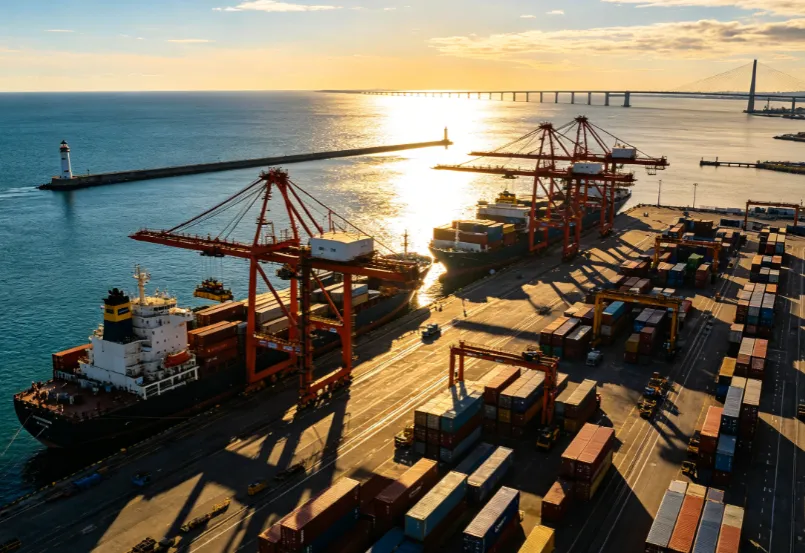
The Port of Rotterdam is Europe’s largest seaport and the continent’s most critical logistics hub. For importers shipping from China, Rotterdam serves as the primary entry point to the European Union, offering unmatched infrastructure and connectivity.
Major Terminals & Cargo Handling
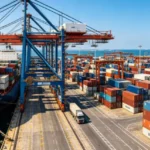
Containerized cargo from China primarily arrives at the Maasvlakte I and Maasvlakte II terminals. These purpose-built expansions directly on the North Sea eliminate the need for vessels to navigate inland waterways, ensuring faster berthing. Key terminals include:
- ECT Delta Terminal: A cornerstone of Rotterdam’s container operations, frequently serving major carriers like COSCO and ONE.
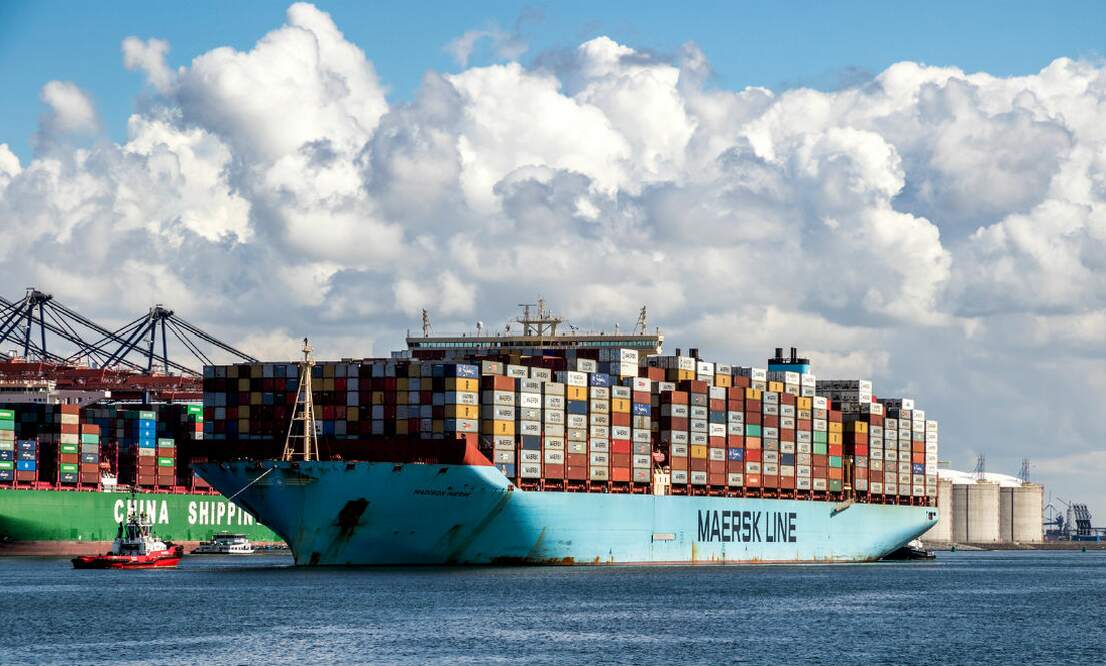
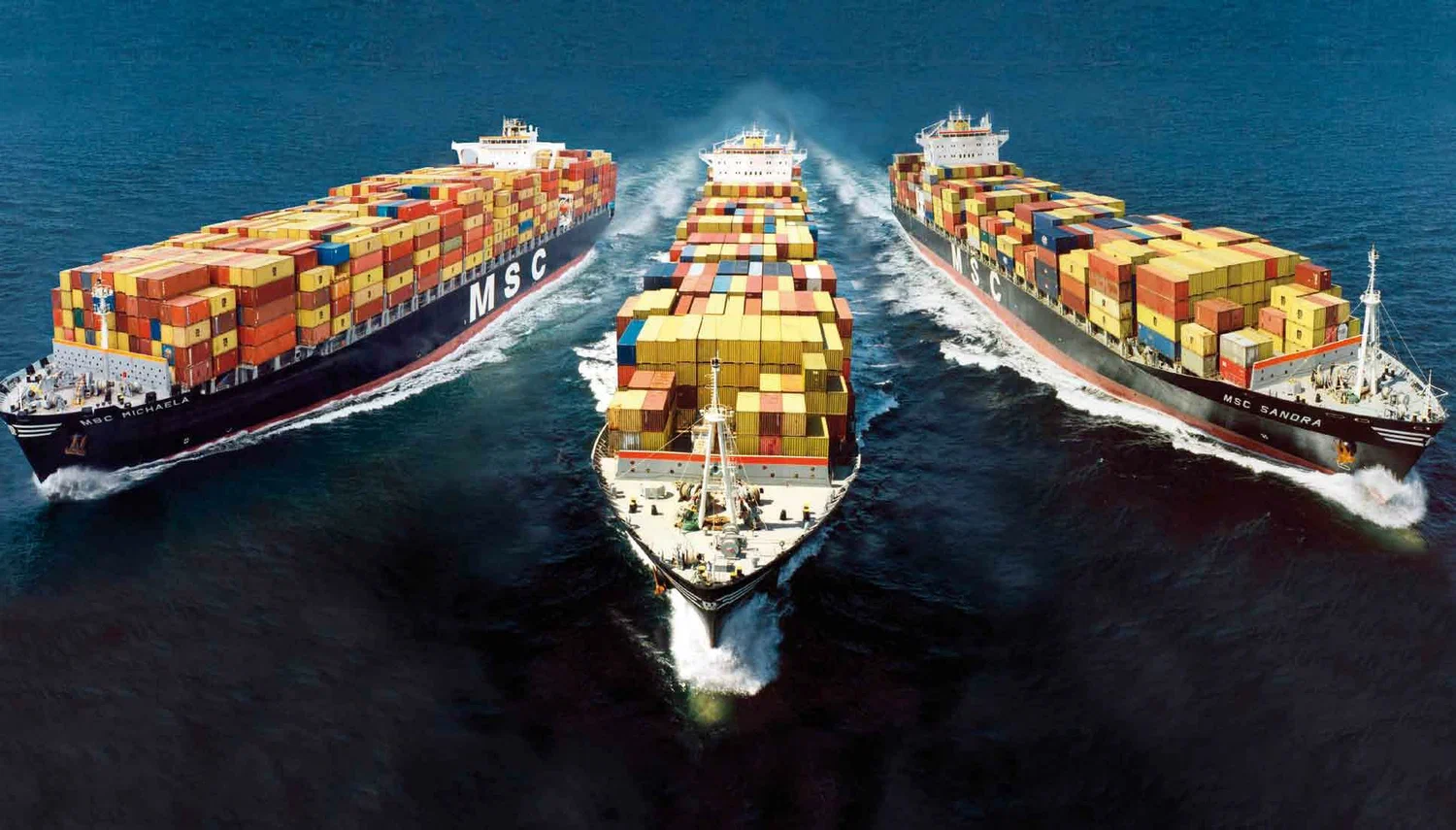
- APM Terminals Maasvlakte II: One of the world’s most advanced automated terminals, serving as the primary hub for the Maersk and MSC (2M) alliance.
- RWG (Rotterdam World Gateway): A highly automated, multi-user terminal providing efficient handling for a wide range of global shipping lines.
Multimodal Connectivity
Rotterdam’s strategic position allows for seamless distribution across Europe:
- Trucking: Reach Amsterdam or Utrecht in under an hour, and the German Ruhr region (Düsseldorf, Cologne) within half a day.
- Barge: Extensive connections via the Rhine and Meuse rivers provide cost-effective transport to inland Germany, France, and Switzerland.
- Rail: Dedicated freight rail lines connect Rotterdam to major industrial centers across Central and Eastern Europe.
For businesses expanding their footprint, we offer dedicated Shipping From China To Germany and Shipping From China To France services.
2026 Route Realities
While the Suez Canal remains the traditional route, ongoing Red Sea security concerns in 2026 have forced many carriers to reroute via the Cape of Good Hope. This adds approximately 3,500 nautical miles and 7–14 days to standard transit times. For a detailed analysis of route planning and delay mitigation, see our guide on Sea Freight from China to Europe.
Shipping Methods: Sea, Air, Rail & Express Compared
Choosing the right transportation mode involves balancing cost, speed, and reliability. Below is an at-a-glance comparison for 2026:
| Method | Transit Time | Cost Range (2026) | Best For |
|---|---|---|---|
| Sea Freight FCL | 28–38 days | $1,200–$4,200 per container | Bulk cargo, full container loads, heavy goods |
| Sea Freight LCL | 30–42 days | $35–$160 per CBM | Small to medium shipments (2–13 CBM) |
| Air Freight | 3–7 days | $5.00–$8.50 per kg | Urgent, high-value goods, electronics |
| Rail Freight | 16–22 days | $120–$250 per CBM | Mid-urgency cargo, e-commerce goods |
| Express Courier | 3–5 days | $8–$15 per kg | Samples, documents, parcels under 30 kg |
Strategic Mode Selection
- The 2 CBM Rule: Shipments under 2 CBM are often more economical via express courier (DHL, FedEx, UPS) once you factor in the destination handling fees associated with sea freight.
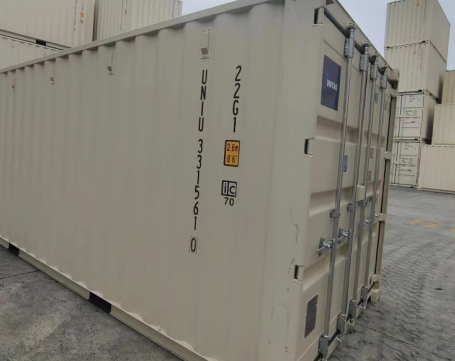
- LCL vs. FCL: For volumes between 2 and 13 CBM, LCL (Less than Container Load) is the standard. However, once you reach 15 CBM, booking a full 20ft container (FCL) often becomes cheaper and safer.
- The Rail Advantage: The Rail Service From China to Europe — departing from inland hubs like Xi’an or Chengdu and arriving at Tilburg — offers a “middle way” with faster speeds than sea and lower costs than air.
Sea Freight Deep Dive: FCL, LCL & Operations
Sea freight is the backbone of China–Rotterdam trade, accounting for over 90% of all cargo volume.
FCL (Full Container Load) Costs
FCL provides exclusive use of a container, offering faster transit (no consolidation delay) and reduced handling risks.
| Container Type | Internal Capacity | Max Payload | Port-to-Port Cost | Door-to-Door DDP |
|---|---|---|---|---|
| 20ft GP | 28–33 CBM | ~28,000 kg | $1,200–$2,500 | $2,520–$3,080 |
| 40ft GP | 58–67 CBM | ~30,000 kg | $1,600–$3,500 | $3,730–$4,565 |
| 40ft HQ | 67–76 CBM | ~30,000 kg | $1,800–$4,200 | $4,000–$5,200 |
LCL (Less than Container Load) Costs
LCL allows you to share container space with other importers. While the per-CBM ocean freight is low ($35–$160), be aware of mandatory destination charges:
- CFS Handling: Fees for unloading and sorting cargo at a Rotterdam warehouse.
- Deconsolidation Fees: Costs associated with breaking down the shared container.
- Administrative Fees: Documentation and processing charges at the port.
For the most current rates, visit our shipping rates from China to Netherlands page.
Major Shipping Lines in 2026
Eight major carriers dominate this lane: COSCO Shipping, Maersk Line, MSC, CMA CGM, Hapag-Lloyd, ONE, Evergreen, and OOCL. In 2026, new services like CMA CGM’s Ocean Rise Express have added capacity, keeping rates competitive despite global disruptions.
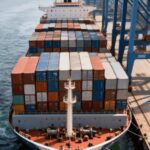
Container Loading & Safety
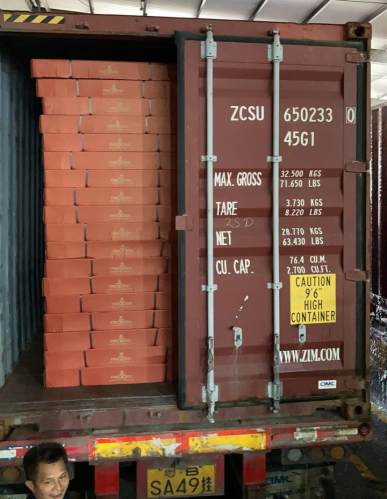
- Weight Distribution: Always place heavier items at the bottom and distribute the load evenly across the floor.
- Dunnage & Bracing: Use air bags, foam, or wood bracing to fill gaps. A shifting load can cause significant damage during rough North Sea crossings.
- ISPM 15 Compliance: Rotterdam customs strictly enforces wood packaging regulations. All pallets and crates must be heat-treated and bear the official IPPC stamp.
Full Landed Cost Breakdown: The True Cost of Shipping
The most common mistake for new importers is focusing solely on the ocean freight quote. The full landed cost includes every expense from the Chinese factory gate to your warehouse in the Netherlands. For a deeper breakdown, see our container shipping costs from China to Netherlands guide.
The Complete Formula
Total Landed Cost = Base Freight + BAF/CAF + PSS + THC + Customs Clearance + Import Duty + VAT + Destination Handling + Delivery + Insurance
Key Expense Categories
- Base Ocean Freight: The seasonal rate for moving the container from port to port.
- Surcharges (BAF/CAF/PSS): Bunker (fuel), Currency, and Peak Season surcharges that fluctuate monthly.
- THC (Terminal Handling Charge): Mandatory fees paid to port terminals at both origin (e.g., Shanghai) and destination (Rotterdam).
- Customs Brokerage: Fees for professional export and import declarations.
- Import Duty: A percentage (0–17%) of the CIF value, determined by your product’s HS code.
- VAT (BTW): The 21% Dutch value-added tax, which can be deferred via Article 23.
- EU ETS Surcharge: A mandatory emissions fee for all vessels entering EU waters, implemented to promote greener shipping.
- Cargo Insurance: Usually 0.2–0.5% of the declared value. Given the risks of ocean transit, this is a non-negotiable expense for prudent businesses.
Worked Example: Shenzhen to Utrecht (6 CBM LCL)
Example: 500 units of smart home devices, FOB value €18,000.
| Cost Item | Amount |
|---|---|
| Sea Freight LCL (€90/CBM) | €540 |
| Import Duty (3% on CIF) | €556 |
| Destination Deconsolidation | €150 |
| Last-Mile Trucking | €300 |
| Cargo Insurance | €54 |
| Total Logistics Outlay (excl. VAT) | €2,050 |
Transit Times from Major Chinese Ports
Transit times are influenced by the origin port, vessel speed, and routing. For detailed timelines, see how long is freight from China to Netherlands.
| Origin Port | FCL Port-to-Port | Door-to-Door DDP |
|---|---|---|
| Shanghai / Ningbo | 26–36 days | 35–46 days |
| Shenzhen / Yantian | 28–38 days | 38–48 days |
| Guangzhou / Nansha | 28–35 days | 38–47 days |
| Qingdao / Xiamen | 28–40 days | 38–50 days |
| Tianjin / Dalian | 32–43 days | 42–53 days |
Factors Affecting Transit in 2026
- Routing Decisions: Rerouting via the Cape of Good Hope adds 7–14 days.
- Port Congestion: Seasonal peaks (July–September) can cause 1–3 day berthing delays at Rotterdam’s Maasvlakte terminals.
- Customs Speed: With complete documentation, Dutch customs clears shipments in 1–3 days. Errors or missing documents can stretch this to 10+ days.
- Direct vs. Transshipment: Direct sailings from Shanghai are faster; transshipping through Singapore adds 4–7 days.
Read More:
- Shipping From China To Netherlands
- Shipping From China To Spain
- Shipping From China To Germany
- Shipping From China To France
- Shipping From China to Italy
- Shipping From China To Poland
- Shipping From China to United Kingdom
Customs Clearance & Dutch Import Compliance
Efficiency at Dutch customs (Douane) is the result of meticulous preparation. Our Customs Clearance service handles the technical details to ensure compliance.
Pre-Shipment Checklist
- EORI Number: Mandatory for all EU businesses importing goods.
- HS Code Accuracy: Use the EU TARIC database to classify your goods. Misclassification leads to penalties and backdated duty demands.
- Regulatory Compliance: Check if your goods require CE marking (electronics/toys), phytosanitary certificates, or other specific EU permits.
- ISPM 15: Verify all wood packaging is treated and stamped.
The Clearance Process
- Security Filings: Submit ENS and ICS2 filings before the vessel departs China.
- Arrival & Discharge: Cargo is offloaded and moved to a temporary storage area.
- Automated Assessment: The Dutch customs system screens every declaration.
- Duty & VAT Calculation: Based on the HS code and CIF value.
- Release & Transport: Once taxes are settled or deferred, cargo is released for final delivery.
Typical Duty Rates by Category
- Consumer Electronics: 0–14% (many items like laptops are 0%).
- Textiles & Apparel: 8–12%.
- Furniture: 0–5.6%.
- Toys & Games: 0–4.7%.
- Footwear: 8–17%.
Incoterms & DDP: Choosing the Right Shipping Strategy
Incoterms 2020 define the split of costs, risks, and responsibilities.
- FOB (Free on Board): The seller clears Chinese export customs. You control the international freight and destination logistics. Highly recommended for experienced importers.
- CIF (Cost, Insurance & Freight): The seller arranges shipping to Rotterdam. While convenient, you lose control over carrier choice and may face marked-up freight rates.
- DDP (Delivered Duty Paid): The forwarder handles every step — factory pickup, transport, Dutch customs, duties, and door delivery. This is the simplest, lowest-risk option for e-commerce sellers and first-time importers. See our door to door shipping from China to Netherlands page.
The Article 23 VAT Advantage
The Netherlands offers a unique cash-flow benefit: Article 23 VAT deferral. Under this permit, VAT-registered businesses do not pay the 21% import VAT at the border. Instead, they record it on their periodic VAT return as both input and output tax, resulting in a net-zero cash impact. This frees up significant working capital. We assist our clients in securing this permit or provide Limited Fiscal Representation (LFR) for those without a local VAT number.
Real DDP Case Study
A recent shipment of 6 CBM of smart home sensors from Shenzhen to Utrecht illustrates the DDP advantage. The client paid one all-in price. We handled the factory pickup, Yantian departure, Rotterdam arrival, and customs clearance using their Article 23 permit. The goods were delivered to their warehouse on day 37. The client’s only task was placing the order and receiving the goods.
Amazon FBA & E-Commerce Specialization
For sellers on Amazon Netherlands or Bol.com, our AMAZON FBA service is designed to meet strict platform requirements.
- FBA Prep & Labeling: We ensure FNSKU barcodes and carton labels are 100% compliant before leaving China.
- IOSS (Import One-Stop Shop): We manage VAT for B2C parcels under €150.
- Logistics Models: Choose between direct-to-FBA or buffering stock at our Dutch 3PL warehouse for faster local fulfillment.
- Peak Season Planning: To avoid Q4 stockouts, ensure your sea freight departs China by late August. Air and rail offer later cutoffs but at higher costs.
FAQs
1. Is it cheaper to ship to Rotterdam or Antwerp?
While both are major ports, Rotterdam generally offers better connections to the Netherlands and Germany. However, for destinations in the southern Netherlands, Antwerp can occasionally save €100–€300 on trucking costs.
2. How long does shipping from China to Rotterdam take by sea?
Port-to-port FCL transit typically takes 28–38 days from major Chinese ports (Shanghai, Shenzhen, Ningbo). Door-to-door DDP, which includes pickup, consolidation, customs clearance at both ends, and final trucking, takes 35–48 days. Red Sea disruptions via Cape of Good Hope can add 7–14 days. Northern ports like Qingdao and Tianjin take 4–8 days longer than Shanghai.
3. What is the difference between FOB, CIF, and DDP when shipping to Rotterdam?
FOB (Free on Board): Your supplier handles transport to the Chinese port and export clearance; you control ocean freight and everything at destination. Best for experienced importers with their own forwarder. CIF (Cost, Insurance, Freight): The supplier arranges ocean freight, but you handle Rotterdam customs and duties — beware of marked-up freight costs. DDP (Delivered Duty Paid): Your forwarder handles everything from factory to your door, including Dutch import duties and 21% VAT. Best for first-time importers and e-commerce sellers.
4. Does Dantful handle customs clearance at Rotterdam?
Yes. We provide full import customs clearance at Rotterdam through our trusted Dutch brokerage partners. Our Shenzhen documentation team pre-checks every shipment against the EU TARIC database before departure, catching HS code issues before your cargo leaves China and preventing costly customs holds.
5. What products are prohibited or restricted for import into the Netherlands?
Prohibited items include narcotics, counterfeit goods, firearms, explosives, radioactive materials, and hazardous waste. Restricted items requiring permits include alcohol and tobacco (excise duties apply), plants and agricultural products (phytosanitary certificates), lithium batteries (UN3480 certification and air transport limits), and products made from endangered species (CITES permits). When in doubt, always verify with your freight forwarder before shipping.

Young Chiu is a seasoned logistics expert with over 15 years of experience in international freight forwarding and supply chain management. As CEO of Dantful International Logistics, Young is dedicated to providing valuable insights and practical advice to businesses navigating the complexities of global shipping.