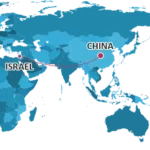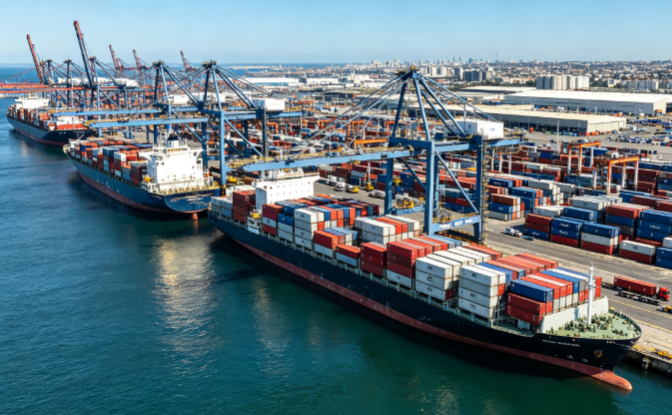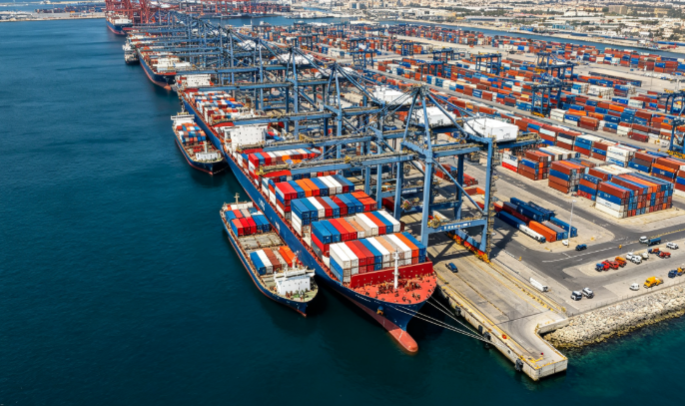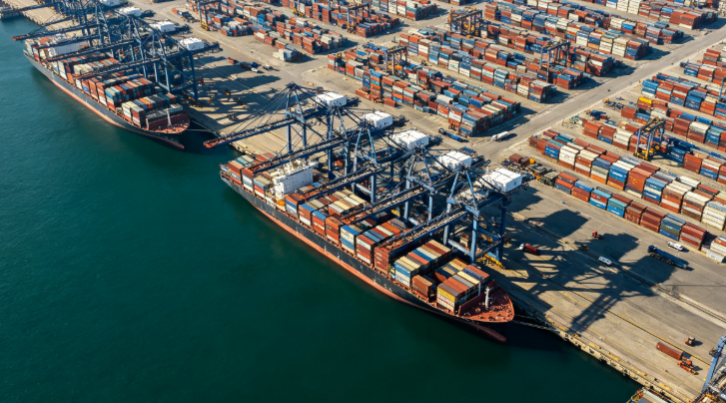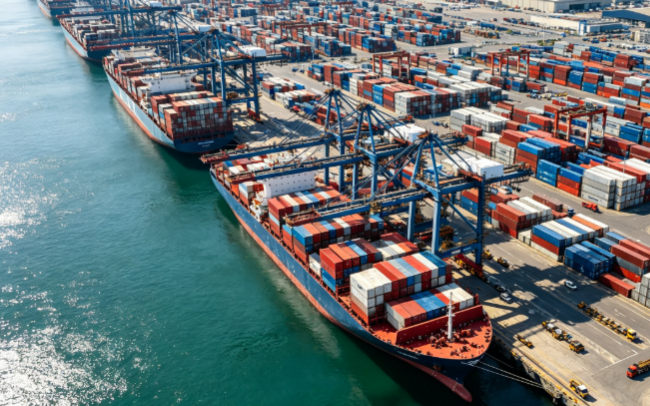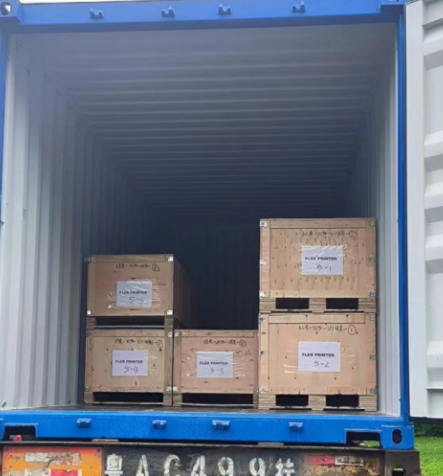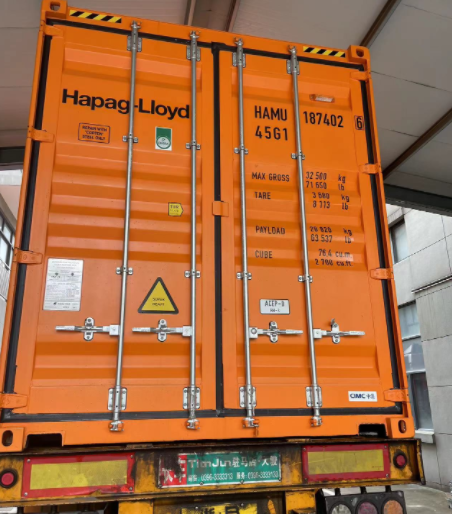
If you are sourcing products from China’s most dynamic manufacturing hub, understanding the ins and outs of shipping from Shenzhen to Israel can mean the difference between a supply chain that runs like clockwork and one plagued by unexpected costs, customs delays, and missed delivery deadlines. In 2023, China-Israel bilateral trade reached an impressive $23.4 billion — and Shenzhen, as China’s largest export city and home to the world’s fourth-busiest container port, sits squarely at the center of that trade corridor. Yet for Israeli importers, e-commerce sellers, and SMEs, the logistics landscape between the Pearl River Delta and the Mediterranean can feel daunting. Which Shenzhen port should you use — Yantian, Shekou, or Chiwan? Should you ship FCL, LCL, or by air? How do you navigate Israel’s unique customs requirements like SII certification, the 17% VAT, and “Made in China” labeling mandates?
This comprehensive guide answers every one of those questions. By the time you finish reading, you will have a clear, data-backed understanding of every shipping method available from Shenzhen to Israel, a transparent breakdown of 2026 market costs and transit times, a step-by-step walkthrough of Israeli customs clearance, and a practical framework for choosing the best shipping strategy for your specific cargo — all from the perspective of freight forwarding professionals based right here in Shenzhen.
Why Ship from Shenzhen to Israel? Port Advantages & Trade Context
Before diving into shipping methods and costs, it is worth understanding why Shenzhen has become the default departure point for so many Israeli importers — and why the choice of origin port matters more than most buyers realize.
Shenzhen: China’s Export Powerhouse
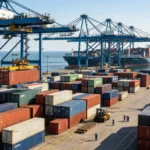
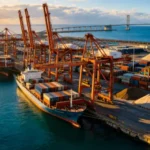
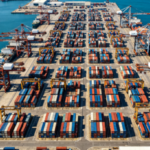
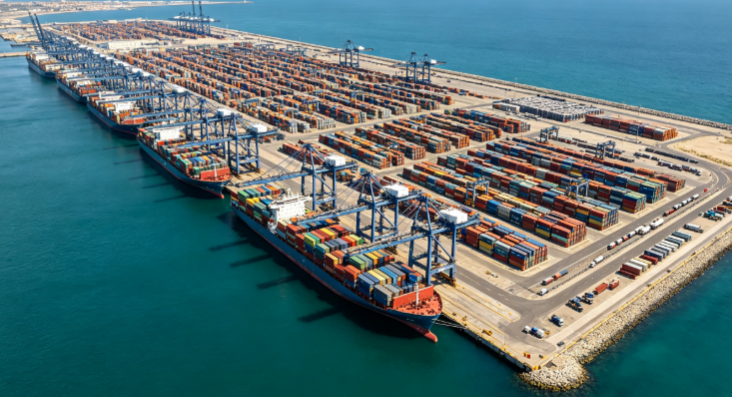
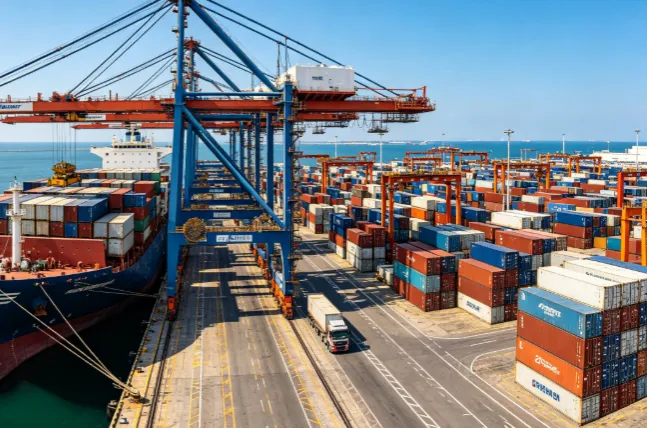
Shenzhen Port handled over 33 million TEUs in 2025, making it the fourth-largest container port on the planet and the single busiest export gateway in China. But raw volume is only part of the story. What makes Shenzhen uniquely advantageous for Israel-bound shipments is the combination of three distinct port areas, each serving a different logistical need:
- Yantian International Container Terminal is the deep-water workhorse of Shenzhen. Critically for Israel-bound cargo, Yantian serves as the home base for ZIM Integrated Shipping Services — Israel’s own flagship carrier. ZIM operates a direct Yantian-to-Ashdod service with a transit time of approximately 20 days, one of the fastest point-to-point connections on the entire Asia-Mediterranean corridor. Yantian also hosts direct sailings from MSC, ONE, and Hapag-Lloyd on this route, giving shippers a healthy range of carrier choices and sailing frequencies.
- Shekou Container Terminal sits on the western side of the Shenzhen peninsula, just minutes from the electronics factories of Nanshan and the consumer-goods manufacturers of Bao’an. For cargo originating from these districts, trucking to Shekou takes under an hour — versus 3-4 hours to Yantian — which translates to lower drayage costs, fewer carbon miles, and faster container gate-in times. Shekou offers direct sailings to Ashdod via HPL (20 days) and connections to Haifa via ZIM and other carriers.
- Chiwan Container Terminal provides additional capacity and specialized handling for breakbulk, project cargo, and OOG (Out of Gauge) freight that does not fit standard container dimensions.
For importers whose suppliers are clustered in the Pearl River Delta (PRD) — including Dongguan, Guangzhou, Foshan, Huizhou, and Zhongshan — shipping from Shenzhen beats Shanghai or Ningbo by a wide margin. This is especially true for businesses moving freight to the Shipping from China to Middle East corridor, where Shenzhen’s direct sailings provide a measurable transit advantage. Inland trucking from a Dongguan factory to Shenzhen’s terminals takes 1-3 hours and costs roughly ¥1,500-2,500 ($210-350), whereas trucking the same cargo to Shanghai adds 1,500 kilometers, 2-3 days, and ¥8,000-12,000 ($1,100-1,650) to your logistics bill. For PRD-based supply chains, Shenzhen is not just the closest port — it is the only economically rational choice.
China-Israel Trade: What Is Actually Shipping from Shenzhen
Understanding what flows through this corridor helps you contextualize your own shipping needs. The Shenzhen-to-Israel trade lane is dominated by five product categories:
| Category | Share of Volume | Typical Shenzhen Origins |
|---|---|---|
| Electronics & Semiconductors | ~45% | Huaqiangbei, Nanshan Science Park |
| Machinery & Industrial Equipment | ~20% | Longhua, Bao’an industrial zones |
| Textiles & Apparel | ~15% | Dongguan, Huizhou garment districts |
| Consumer Goods & Home Products | ~12% | Longgang, Pingshan manufacturing bases |
| Auto Parts & Accessories | ~8% | Foshan, Zhongshan automotive clusters |
Shenzhen’s famous Huaqiangbei electronics markets — the world’s largest electronics wholesale ecosystem — directly feed Israel’s high-tech manufacturing and R&D sector. The PCB (printed circuit board) fabrication shops concentrated in Shenzhen and Dongguan supply Israel’s renowned hardware startup ecosystem. And Shenzhen’s consumer electronics brands, from smartphones to smart home devices, fill Israeli retail shelves from Tel Aviv to Eilat.
China and Israel have also been negotiating a bilateral Free Trade Agreement (FTA) since 2016. While not yet finalized, the seventh round of negotiations concluded in 2024 with progress on goods, services, and investment chapters. Once implemented, an FTA would reduce or eliminate import duties on a wide range of Chinese goods entering Israel — a development that every regular importer should monitor closely.
Key Israeli Destination Ports & Cities
Your cargo’s final destination in Israel determines which port — and therefore which Shenzhen sailing — makes the most sense:
| Destination | Port Served By | Inland Transit | Notes |
|---|---|---|---|
| Tel Aviv & Central Israel | Ashdod Port | ~45 minutes by truck | Israel’s commercial capital; most cargo discharges here |
| Haifa & Northern Israel | Haifa Port | Immediate | Israel’s second-largest port; serves the Galilee and northern industrial zones |
| Jerusalem | Ashdod Port | ~1 hour by truck | No direct port; served via Ashdod |
| Be’er Sheva & Southern Israel | Ashdod Port | ~1.5 hours | Served via Ashdod |
| Eilat | Eilat Port (limited) | Immediate | Minimal container traffic; primarily Red Sea transshipment |
Ashdod Port handles over 60% of Israel’s containerized cargo and is the default destination for most Shenzhen-to-Israel shipments. Its equipment includes modern gantry cranes capable of handling ultra-large container vessels, and its on-dock rail connection speeds inland distribution. Haifa Port, recently privatized and operated by Adani Ports and Gadot Group, has seen significant investment in automation and throughput capacity, making it an increasingly attractive alternative — particularly for cargo destined for northern Israel, the Galilee region, or cross-border distribution into Jordan and the Palestinian territories.
Shipping Methods from Shenzhen to Israel Compared
You essentially have four ways to move cargo from Shenzhen to Israel: ocean FCL, ocean LCL, air freight, and express courier. Each occupies a distinct sweet spot in the cost-speed-volume trade-off, and choosing the wrong one can cost you thousands of dollars or weeks of delay. Here is how each method works on this specific route.
Sea Freight: FCL (Full Container Load)
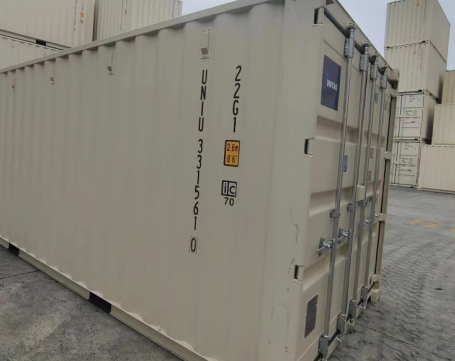
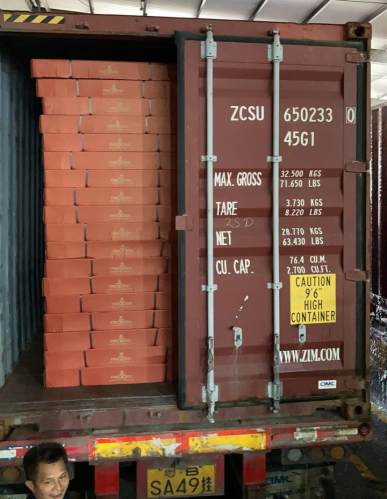
FCL (Full Container Load) — one of the two core options in ocean freight along with LCL — means you book an entire container exclusively for your cargo. From Shenzhen, you have three standard container types to choose from:
| Container Type | Internal Dimensions (L×W×H) | Volume | Typical Payload | Best For |
|---|---|---|---|---|
| 20ft General Purpose (20GP) | 5.90 × 2.35 × 2.39 m | ~33 CBM | Up to 28,000 kg | Heavy, dense cargo; 15-28 CBM shipments |
| 40ft General Purpose (40GP) | 12.03 × 2.35 × 2.39 m | ~67 CBM | Up to 26,500 kg | Voluminous cargo; 30-60 CBM shipments |
| 40ft High Cube (40HQ) | 12.03 × 2.35 × 2.69 m | ~76 CBM | Up to 26,300 kg | Light, bulky cargo; extra vertical clearance |
The Shenzhen-to-Israel FCL route is served by all major global carriers. Your choice of carrier directly impacts both transit time and cost:
| Carrier | Route | Transit | Frequency | Notes |
|---|---|---|---|---|
| ZIM | Yantian → Ashdod | ~20 days | Weekly | Israeli carrier, direct service, fastest option |
| MSC | Yantian → Ashdod | ~20 days | Weekly | Direct service, competitive rates |
| Hapag-Lloyd (HPL) | Shekou → Ashdod | ~20 days | Weekly | Direct service from Shekou |
| ONE | Yantian/Shekou → Ashdod | ~25 days | Weekly | Direct service, reliable schedule integrity |
| COSCO | Yantian → Ashdod | 22-28 days | Bi-weekly | Chinese state carrier, competitive for PRD cargo |
| Maersk | Yantian → Ashdod | 22-28 days | Weekly | Premium service, higher rates |
| Evergreen (EMC) | Yantian → Haifa | ~30 days | Bi-weekly | Via Piraeus transshipment |
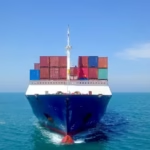
Direct sailings (ZIM, MSC, HPL) get your container from Shenzhen to Ashdod in approximately 20 days because the vessel sails directly from Yantian/Shekou through the South China Sea, transits the Malacca Strait, crosses the Indian Ocean, navigates the Red Sea (security conditions permitting), passes through the Suez Canal, and arrives in the Eastern Mediterranean. Transshipment sailings (via Singapore, Port Klang, Damietta, or Piraeus) add 5-15 extra days because your container must be offloaded at an intermediate hub and reloaded onto a second vessel.
Sea Freight: LCL (Less than Container Load)
LCL (Less than Container Load) is the shared-container option. Your cargo is consolidated with other shippers’ goods at a CFS (Container Freight Station) near Shenzhen port, loaded into a shared container, and deconsolidated upon arrival in Israel.
LCL makes financial sense when your shipment volume is under approximately 15 CBM. Above that threshold, the per-unit cost advantage of LCL erodes because FCL rates are flat per container — the more you fill it, the lower your cost per cubic meter. Here is a quick break-even reference:
| Shipment Volume | LCL Cost (at $200/CBM) | FCL 20GP Cost (at $2,700) | Verdict |
|---|---|---|---|
| 5 CBM | ~$1,000 | $2,700 (underutilized) | LCL wins |
| 10 CBM | ~$2,000 | $2,700 (underutilized) | LCL wins (narrow) |
| 15 CBM | ~$3,000 | $2,700 (well-filled) | FCL wins |
| 20 CBM | ~$4,000 | $2,700 | FCL wins decisively |
The trade-off is time. LCL shipments take 25-38 days door-to-door because of the extra days needed for consolidated freight shipping before sailing and deconsolidation after arrival. If your supply chain can absorb the additional 5-10 days versus FCL, LCL is an excellent cost-optimization tool for smaller shipments.
Special Equipment for Non-Standard Cargo
Shenzhen’s terminals are well-equipped to handle cargo that does not fit inside a standard box, including out of gauge cargo and Breakbulk Freight Shipping for oversized industrial equipment:
- Reefer Containers (Refrigerated): For temperature-sensitive food, pharmaceuticals, or chemicals requiring cold-chain integrity on the 20+ day voyage to Israel
- Open Top Containers: For machinery or equipment too tall to fit through standard container doors (loaded from above by crane)
- Flat Rack Containers: For over-width or irregularly shaped cargo — construction equipment, industrial boilers, large-format manufacturing tools
- RoRo (Roll-on/Roll-off): For vehicles, construction machinery on wheels, and self-propelled equipment driven directly onto specialized vessels
Air Freight from Shenzhen to Israel
When speed matters more than cost, Air Freight from Shenzhen Bao’an International Airport (SZX) to Ben Gurion Airport (TLV) outside Tel Aviv delivers in 2-5 days airport-to-airport.
Shenzhen’s air cargo ecosystem is formidable. SZX handled over 1.6 million tonnes of air cargo in 2025 and offers direct and one-stop connections to Tel Aviv via:
- Direct charter services: Seasonal all-cargo charters SZX→TLV, most common during Q4 peak season
- Connecting via Hong Kong (HKG): 1-hour truck from Shenzhen to HKG, then direct freighter to TLV — total transit ~3-4 days. Hong Kong is the world’s busiest air cargo hub with multiple daily wide-body freighters to Israel.
- Connecting via Dubai (DXB) or Istanbul (IST): Major transshipment hubs served by Emirates SkyCargo and Turkish Cargo respectively, each offering reliable connections to Tel Aviv
Air freight is the clear choice for: high-value electronics (where the cost of capital tied up in transit exceeds the air freight premium), time-sensitive components (production lines waiting for a critical part), product samples for Israeli buyers evaluating Shenzhen suppliers, fashion and seasonal goods with strict market windows, and pharmaceutical products requiring minimal time out of cold-chain storage.
Express Courier for Small Shipments
For documents, samples, and small parcels under 30 kg, the international express networks — DHL, UPS, FedEx, and SF Express — deliver from Shenzhen to any Israeli address in 1-3 days. At $8-15 per kilogram, express is by far the most expensive shipping mode per unit, but for shipments where speed and simplicity outweigh cost (and the absolute dollar amount is manageable), it remains the default choice.
Quick Comparison: All Four Methods at a Glance
| Method | Transit Time | Best Cargo Volume | Cost Level | Best For |
|---|---|---|---|---|
| Sea FCL | 20-30 days | 15+ CBM | $ (lowest per unit) | Bulk cargo, heavy goods, regular importers |
| Sea LCL | 25-38 days | 1-15 CBM | $$ | Smaller shipments, less-than-container volumes |
| Air Freight | 2-5 days | 45 kg – 500 kg | $$$ | Urgent, high-value, time-sensitive cargo |
| Express Courier | 1-3 days | Under 30 kg | $$$$ | Documents, samples, urgent small parcels |
Shipping From China to Middle East Countries:
- Shipping from China to Saudi Arabia
- Shipping from China to UAE
- Shipping from china to KUWAIT
- Shipping From China To EGYPT
- Shipping from China to Bahrain
- Shipping From China To Jordan
- Shipping From China To Israel
- Shipping from China to Qatar
- Shipping From China To IRAQ
- Shipping from China to Iran
Transit Times & Shipping Costs: 2026 Market Reference
Transparency on pricing is one of the biggest frustrations Israeli importers face when researching logistics providers. Most freight forwarder websites provide no container shipping costs from china to Israel data at all — forcing you to submit a quote request before you can even ballpark your logistics budget. The tables below give you realistic, market-referenced cost ranges based on 2026 H1 data, so you can plan with confidence.
Sea Freight FCL Transit Times & Costs
| Departure Port | Destination | Carrier | Transit | 20GP Rate | 40GP/HQ Rate |
|---|---|---|---|---|---|
| Yantian | Ashdod | MSC | 20 days | $2,500–$2,800 | $3,500–$4,000 |
| Yantian | Ashdod | ZIM | 20 days | $2,600–$2,900 | $3,600–$4,100 |
| Shekou | Ashdod | HPL | 20 days | $2,550–$2,850 | $3,550–$4,050 |
| Shekou | Haifa | ZIM | 21 days | $2,450–$2,750 | $3,450–$3,700 |
| Yantian | Haifa | EMC | 30 days | $2,400–$2,700 | $3,400–$3,650 |
Important: These figures represent base ocean freight only. The following surcharges typically add $150–$300 per container and must be factored into your total logistics cost: THC (Terminal Handling Charge) at both origin and destination, DOC (Documentation Fee), ISPS (International Ship and Port Facility Security surcharge), SEAL (container seal fee), VGM (Verified Gross Mass filing), CFS (Container Freight Station charges, applicable only to LCL), and customs brokerage fees at both export and import ends. Always request an all-inclusive quotation from your forwarder to avoid budget surprises.
Sea Freight LCL Cost Reference
| Route | Rate | Transit | Notes |
|---|---|---|---|
| Shenzhen → Ashdod/Haifa (LCL) | $180–$220 / CBM | 25-38 days | Port-to-port basis; DDP rates higher |
| Minimum charge threshold | ~$150–$200 | — | Typically applies for shipments under 1 CBM |
Air Freight Cost Reference
| Service Tier | Cost (per kg) | Transit | Best For |
|---|---|---|---|
| Economy Air Freight | $3.50–$6.00 | 3–5 days | General cargo, shipments over 45 kg |
| Priority Air Freight | $6.00–$8.00 | 2–3 days | Urgent, high-value, guaranteed capacity |
| Express Courier (DHL/UPS/FedEx) | $8.00–$15.00 | 1–3 days | Documents, samples, parcels under 30 kg |
Air freight rates are quoted per chargeable weight, which is the greater of actual (gross) weight and volumetric weight. Volumetric weight is calculated as (Length × Width × Height in cm) ÷ 6,000 for air freight and ÷ 5,000 for express courier. A large but lightweight box can therefore cost significantly more than its actual weight would suggest — an easy trap for first-time shippers unfamiliar with dimensional weight pricing.
What Really Drives Shipping Costs Up (or Down)
Beyond base rates, five external factors can materially swing your total shipping cost:
- Seasonality: The March-to-May period typically sees freight rates rise 10-15% as Israeli importers stock up for the spring and early-summer retail season. Conversely, October through December often brings 10-20% softer rates as carriers seek to fill capacity. Chinese New Year (January/February) creates its own distorting effect: a massive pre-holiday rush followed by a 2-3 week factory shutdown that temporarily craters demand.
- Red Sea & Suez Canal Security: This has become the single largest wildcard for Shenzhen-to-Israel shipping since late 2023. When security conditions in the Red Sea force carriers to reroute via the Cape of Good Hope, the voyage extends by 10-14 days and fuel costs alone add an estimated $500-800 per container. As of mid-2026, major carriers have largely resumed Suez Canal transits for Israel-bound vessels, but the situation remains dynamic. Your forwarder should be monitoring routing conditions daily and communicating any deviations before your cargo is booked.
- Bunker Adjustment Factor (BAF): Fuel surcharges are adjusted monthly or quarterly by each carrier based on global bunker fuel prices. When oil spikes, BAF follows within 30-60 days.
- USD-CNY Exchange Rate: Ocean freight is quoted in US dollars, but many local charges in Shenzhen (trucking, warehousing, export customs brokerage) are billed in RMB. A strengthening dollar against the yuan works in the importer’s favor on these local costs.
- Cargo Characteristics: Hazardous goods (DG — Dangerous Goods) attract surcharges for special handling and stowage. Overweight cargo (individual pieces exceeding 3-5 tonnes) may require special lifting equipment. High-value electronics may carry higher insurance premiums.
Five Practical Ways to Reduce Your Shipping Costs
- Book 15-20 days ahead of your intended sailing date. Last-minute bookings (under 7 days) almost always incur a premium of 10-15% as carriers price for scarcity.
- Consolidate LCL shipments wherever possible. If you are shipping 8 CBM this month and 7 CBM next month, consider combining into a single 15 CBM shipment — at which point an FCL 20GP becomes cost-competitive and often cheaper on a per-unit basis.
- Optimize your packaging footprint. Palletizing efficiently, nesting products where possible, and eliminating excess void-fill can squeeze 5-8% more cargo into the same container — effectively reducing your per-unit freight cost.
- Target off-peak windows for non-urgent shipments. October through December, and the 4-6 weeks following Chinese New Year, typically offer the most favorable rates.
- Negotiate all-inclusive DDP rates rather than piecing together individual services. A single forwarder managing the entire door-to-door chain can often offer a bundled rate lower than the sum of separately sourced components.
Israel Customs Clearance: What Shenzhen Exporters Must Know
Shipping your goods across the ocean is only half the battle. The other half — and the one that catches more first-time importers off guard — is getting them through Customs Clearance in Israel. Israel maintains a sophisticated customs regime with specific requirements around product standards, labeling, and taxation that differ materially from both EU and US systems.
Israel Import Duty Structure
Israel classifies all imported goods under the Harmonized System (HS Code) and applies MFN (Most-Favored Nation) tariff rates to goods of Chinese origin. Since the China-Israel FTA is not yet in force, Chinese goods do not currently benefit from preferential tariff treatment. Here are typical duty ranges by category:
| Product Category | Typical MFN Duty Rate | Example Products |
|---|---|---|
| Electronics & IT Equipment | 0–12% | Smartphones (0%), laptops (0%), consumer electronics (0-10%), components (0-5%) |
| Machinery & Mechanical Appliances | 0–8% | Industrial pumps (0-5%), manufacturing equipment (0-8%) |
| Textiles & Apparel | 6–12% | Garments (12%), fabrics (6-8%) |
| Furniture & Home Goods | 0–12% | Wooden furniture (0-8%), lighting fixtures (6-12%) |
| Toys & Sporting Goods | 0–12% | Plastic toys (10-12%), bicycles (0%) |
| Auto Parts | 0–8% | Engine components (0-5%), body panels (6-8%) |
You can look up your specific product’s duty rate on the Israel Tax Authority Customs Portal (Shaar Olami — the “World Gate” system). Your freight forwarder should assist with HS code classification before your shipment departs Shenzhen, as a misclassified HS code at Israeli customs can result in incorrect duty payments and potential penalties.
In addition to customs duty, certain goods — notably vehicles, certain electronics, and alcohol — are subject to Purchase Tax (Tama), a separate levy collected at the point of import. Your forwarder or customs broker can check whether Tama applies to your specific product category.
Israel VAT: How the 17% Is Calculated
Israel applies a standard VAT (Value Added Tax) of 17% on imported goods. The tax base is cumulative — VAT is calculated not just on the product’s CIF value, but on the sum of CIF value plus customs duty plus any applicable purchase tax:
VAT Payable = (CIF Value + Customs Duty + Purchase Tax) × 17%
Let us walk through a real-world example. Suppose you are importing a shipment of Bluetooth speakers from a Shenzhen supplier with the following profile:
| Line Item | Calculation | Amount |
|---|---|---|
| Product Value (FOB Shenzhen) | Supplier invoice | $10,000 |
| Ocean Freight + Insurance (to CIF) | Freight forwarder quote | $600 |
| CIF Ashdod Value | $10,000 + $600 | $10,600 |
| Customs Duty (assume 10% rate) | $10,600 × 10% | $1,060 |
| Purchase Tax | None applicable | $0 |
| Subtotal Before VAT | $10,600 + $1,060 | $11,660 |
| VAT (17%) | $11,660 × 17% | $1,982.20 |
| Total Import Cost | CIF + Duty + VAT | $13,642.20 |
For Israeli businesses registered for VAT (Osek Murshe or Osek Morche), the VAT paid at import is fully reclaimable as input tax on their periodic VAT return. For individuals and unregistered entities, however, the 17% is a real and unrecoverable cost that should be factored into your sourcing calculations from day one.
SII (Standards Institution of Israel) Compliance
The Standards Institution of Israel (SII — Machon Hatkanim) is Israel’s national standards body, and its certification is mandatory for a wide range of imported products. This is arguably the single most important Israel-specific customs requirement — and the one most frequently overlooked by first-time importers from Shenzhen.
Products that typically require SII certification include:
| Category | Examples | SII Standard Reference |
|---|---|---|
| Electrical & Electronic Products | Power adapters, chargers, LED lighting, household appliances, IT equipment, audio/video devices | SI 60950, SI 60065, SI 60598 |
| Children’s Products & Toys | Plush toys, plastic toys, educational toys, children’s furniture | SI 562, SI 1490 |
| Building Materials | Ceramic tiles, plumbing fixtures, glass products, cement | Various SI construction standards |
| Food Contact Materials | Kitchenware, food packaging, tableware | SI 1002, SI 1003 |
| Medical Devices | All medical equipment and accessories | SI 60601 series |
The SII certification process follows three stages: (1) product testing at an SII-accredited laboratory (either in Israel or an MRA-recognized lab abroad), (2) certification issuance confirming compliance with the relevant Israeli standard, and (3) marking of the product with the SII compliance mark. The entire process can take 4-12 weeks depending on product complexity.
The critical pitfall: Shenzhen electronics exporters who ship products requiring SII certification without having obtained it beforehand will find their goods held by Israeli customs at Ashdod or Haifa port — accruing demurrage and storage charges daily while the certification process plays out. In the worst case, non-compliant goods may be ordered re-exported or destroyed. A competent freight forwarder with Israel-specific expertise will review your product list before shipment and flag any SII requirements proactively.
Required Documentation Checklist
| Document | Requirement | Key Details |
|---|---|---|
| Commercial Invoice | ✅ Mandatory | Must include HS codes, detailed product descriptions, unit and total values, country of origin, and seller/buyer information. In English. |
| Packing List | ✅ Mandatory | Carton-by-carton breakdown with weights, dimensions, and contents. Must match Commercial Invoice quantities exactly. |
| Bill of Lading (B/L) | ✅ Sea Freight | Issued by the ocean carrier. Can be Original B/L (physical document required for cargo release) or Telex Release (electronic release, faster). |
| Air Waybill (AWB) | ✅ Air Freight | Issued by the airline or freight forwarder. Non-negotiable document that serves as both contract of carriage and cargo receipt. |
| Certificate of Origin (CO) | ✅ Recommended | Issued by CCPIT (China Council for the Promotion of International Trade). While not always mandatory, a CO can reduce or exempt import duties and is strongly recommended as standard practice. |
| Import License | ⚠️ Conditional | Required for certain regulated product categories. Check with your Israeli customs broker whether your goods require one. |
| SII Certificate | ⚠️ Conditional | Required for regulated products (electronics, toys, building materials, etc.). See Section 5.3 above. |
| Insurance Certificate | ✅ Recommended | Protects against loss, damage, or total loss during transit. For high-value shipments, cargo insurance is a small cost against a catastrophic financial loss. |
| Kosher Certificate | ⚠️ Food Only | Required for food and beverage imports. Issued by recognized Kashrut authorities. |
“Made in China” Labeling & Packaging Rules
Israeli customs regulations require that every imported product and its outer packaging carry a clear, legible country-of-origin marking — for Chinese goods, this means “Made in China” in English. While Hebrew labeling is not strictly required by customs, it is strongly recommended for consumer goods destined for retail sale, as Israeli consumer protection law requires product information in Hebrew for many categories.
Non-compliance with origin marking requirements can result in customs holds, fines, and in severe cases, mandatory re-export of the non-compliant goods at your expense.
Common Customs Pitfalls and How to Avoid Them
- Undervaluation: Declaring a value lower than the actual transaction value to reduce duty liability is customs fraud — and Israeli customs authorities are sophisticated at detecting it. Penalties range from back-duty demands with interest to criminal prosecution in serious cases. Always declare the actual transaction value.
- HS Code Misclassification: Using an incorrect HS code can lead to underpaid (or overpaid) duties. If discovered during audit, underpayments are collected retroactively with penalties. Have your forwarder’s customs broker validate your HS codes before filing.
- Incomplete or Inconsistent Documentation: Discrepancies between your Commercial Invoice, Packing List, and B/L or AWB are a red flag for customs inspectors and will delay clearance. All documents should be cross-checked for consistency before your shipment departs Shenzhen.
- SII Non-Compliance: As covered in Section 5.3, this is the most common and costly mistake for electronics importers. A pre-shipment compliance review with your forwarder eliminates this risk.
Door-to-Door (DDP) Shipping from Shenzhen to Israel
For many Israeli importers — particularly SMEs, first-time buyers, and e-commerce sellers — the most valuable service a freight forwarder can offer is not just moving cargo, but abstracting away the entire logistical complexity through door-to-door DDP (Delivered Duty Paid) shipping.
What DDP Actually Means Under Incoterms 2020
Under Incoterms 2020, DDP (Delivered Duty Paid) places the maximum obligation on the seller (or, in practice, on the freight forwarder acting on behalf of the shipper). The forwarder is responsible for every step and every cost from the supplier’s factory floor in Shenzhen to the buyer’s doorstep in Israel — including export customs clearance in China, international ocean or air freight, import customs clearance in Israel, payment of all import duties and taxes (including the 17% VAT), and final last-mile trucking delivery.
This is what the DDP chain looks like for a typical Shenzhen-to-Israel shipment:
- Factory Pickup: Forwarder’s truck collects cargo from your supplier in Shenzhen, Dongguan, or anywhere in the PRD
- China Export Customs Clearance: Forwarder files the export declaration with Shenzhen Customs, including all required documentation
- Container Loading & Vessel Departure: FCL container is loaded at Yantian or Shekou; LCL cargo is consolidated at CFS; vessel departs for Israel
- Israel Import Customs Clearance: Forwarder’s Israeli customs broker files the import declaration, calculates and pays duties plus 17% VAT, and manages any SII checks
- Last-Mile Delivery: Truck transports your cargo from Ashdod/Haifa port to your final destination — whether a commercial warehouse in Tel Aviv, a retail store in Jerusalem, a fulfillment center in Haifa, or a residence anywhere in Israel
DDP vs. The Alternatives: Which Incoterm Should You Choose?
| Incoterm | Who Arranges Main Freight? | Who Pays Israel Duties & VAT? | Best Suited For |
|---|---|---|---|
| EXW (Ex Works) | Buyer arranges everything from factory gate | Buyer | Large corporations with in-house logistics teams and established Israeli customs broker relationships |
| FOB (Free on Board) | Buyer arranges ocean freight from Shenzhen port | Buyer | Experienced importers who have a trusted freight forwarder but want to control the main carriage |
| CIF (Cost, Insurance, Freight) | Seller arranges freight to Ashdod/Haifa | Buyer | Importers who want the supplier to handle shipping but manage their own customs clearance in Israel |
| DDU / DAP (Delivered at Place) | Seller/shipper arranges everything to Israeli address | Buyer | When the buyer has an Israeli VAT number and wants to reclaim VAT themselves at import |
| DDP (Delivered Duty Paid) | Seller/shipper arranges everything | Forwarder (billed to shipper) | Hassle-free experience — recommended for SMEs, first-time importers, and e-commerce sellers |
DDP is the recommended choice when you value simplicity and cost certainty. You receive a single all-inclusive quote, make one payment, and track one shipment — no surprises, no separate invoices from customs brokers, no scrambling to pay duties before your cargo can be released.
Typical DDP Transit Times & Costs (2026)
| DDP Service Type | Door-to-Door Time | All-Inclusive Cost Estimate | Notes |
|---|---|---|---|
| DDP Sea LCL | 30–40 days | $280–$350 / CBM | Includes duties & VAT up to declared cargo value |
| DDP Sea FCL (20GP) | 25–35 days | Quote based on cargo value + duties | Per-container ocean freight + duties/VAT/delivery |
| DDP Air Freight | 5–8 days | $5.00–$10.00 / kg | Includes all customs, duties, VAT, and door delivery |
DDP for Amazon FBA and E-Commerce Sellers
Israel’s e-commerce market has grown rapidly, and Amazon’s Israeli marketplace (launched in 2019 and expanded since) has created a channel for Shenzhen-based sellers to reach Israeli consumers directly. DDP shipping is particularly advantageous for Amazon FBA and e-commerce shipments because it:
- Eliminates the complexity of coordinating import clearance for an Israeli marketplace you may not have local representation in
- Provides a predictable landed cost, enabling accurate unit economics for your product listings
- Ensures your shipment is fully compliant with Israeli labeling and standards requirements before it reaches an Amazon fulfillment center or third-party warehouse
When shipping Amazon-bound cargo to Israel, your forwarder should also handle FBA-specific requirements: FBA-compliant labeling (FNSKU barcodes on each unit, shipment ID labels on each carton), palletizing specifications (Amazon’s pallet requirements differ from standard freight pallets), and shipment plan compliance (matching your physical shipment exactly to what was registered in Seller Central).
How to Choose the Best Shipping Method from Shenzhen to Israel
With all the options on the table — FCL, LCL, air freight, express courier, and the various Incoterm permutations — the right choice comes down to four factors. If you are still evaluating providers, our guide on how to choose the right freight forwarder walks through the key criteria in detail. The framework below helps you think through the trade-offs systematically.
The 4-Factor Decision Matrix
| Factor | Key Question | If Yes → | If No → |
|---|---|---|---|
| Cargo Volume | Is your shipment over 15 CBM? | FCL sea freight is almost certainly your best per-unit cost | Consider LCL (1-15 CBM), air freight (under 500 kg), or express (under 30 kg) |
| Urgency | Can you afford 25-30 days in transit? | Sea freight gives you maximum cost efficiency | Air freight (2-5 days) or express (1-3 days) |
| Budget Sensitivity | Is minimizing per-unit logistics cost your top priority? | Sea FCL (for large volumes) or Sea LCL (for smaller volumes) | If value justifies speed, invest in air freight |
| Product Type | Is your cargo SII-regulated, high-value, fragile, or temperature-sensitive? | Add specialist handling: SII pre-compliance review, cargo insurance, reefer or air freight as appropriate | Standard container shipping applies |
Four Real-World Scenarios
Scenario A: The E-Commerce Starter. A small Israeli online seller is placing their first order from Shenzhen — 3 CBM of smartphone accessories (cases, chargers, screen protectors) from a Huaqiangbei supplier. They need the goods within 5-6 weeks and want zero logistics hassle.
→ Recommendation: DDP Sea LCL. Budget approximately $600-700 all-inclusive, transit 30-35 days door-to-door. The forwarder handles consolidation at Shenzhen CFS, export clearance, Israel import clearance (including verifying SII requirements for the chargers), VAT payment, and delivery to the seller’s address in Israel.
Scenario B: The Regular Industrial Importer. An Israeli manufacturer of agricultural irrigation equipment sources 20GP containers of brass fittings and plastic components from a Shenzhen-area factory every 6-8 weeks. They have their own customs broker in Ashdod and are registered for Israeli VAT.
→ Recommendation: FCL Sea Freight under FOB or CIF terms. Budget approximately $2,800-3,200 per container all-in (ocean freight + surcharges + export customs). Their Israeli broker handles import clearance and VAT, which they reclaim on their periodic return. Direct ZIM or MSC service from Yantian to Ashdod at 20 days gives them reliable, repeatable lead times.
Scenario C: The Startup Sprint. An Israeli hardware startup based in Herzliya needs 50 kg of prototype PCBs from a Shenzhen PCB fabricator for a critical investor demo in 10 days.
→ Recommendation: Priority Air Freight SZX→TLV, door-to-door. Budget approximately $6-8/kg ($300-400 total), transit 3-4 days including pickup from the Shenzhen factory and delivery to the Herzliya office. The speed premium is immaterial compared to the cost of missing the investor deadline.
Scenario D: The Department Store Buyer. An Israeli home goods importer is shipping 12 CBM of Shenzhen-made kitchenware and decorative items to their Tel Aviv warehouse. They ship every 3-4 months and are price-sensitive but not in a particular rush.
→ Recommendation: DDP Sea LCL, but consider consolidating with other suppliers or delaying one month to reach the 15 CBM FCL break-even threshold. If they can consolidate to 15 CBM, switching to FCL 20GP would reduce their per-unit freight cost by roughly 25-30%.
Why Partner with a Shenzhen-Based Freight Forwarder?
It is an uncomfortable truth in international logistics: the geographical gap between where your goods start (Shenzhen) and where they finish (Israel) is also where communication breakdowns, hidden costs, and logistical failures most often occur. A freight forwarder from china to Israel physically located in Shenzhen — not in Shanghai, not in Hong Kong, not purely online — closes that gap in ways that remote providers structurally cannot.
The Local Advantage
Geographic Proximity to Your Supply Chain. When your forwarder’s operations team is based in Shenzhen, they can physically visit your supplier’s factory to inspect cargo before it ships. They can supervise container loading at Yantian or Shekou to ensure your goods are properly secured. If a problem arises — a supplier ships incomplete quantities, packaging is substandard, a container is damaged at the terminal — your forwarder has staff on the ground who can resolve it within hours, not days.
Language and Cultural Bridge. The Shenzhen-Dongguan-Guangzhou manufacturing belt operates in Mandarin and Cantonese. Your Israeli forwarder — no matter how competent — cannot call a factory manager in Longhua to sort out a last-minute packing discrepancy. A Shenzhen-based forwarder bridges this gap: Chinese-speaking operations staff manage the supplier and export side, while English (and often Hebrew)-speaking account managers communicate with you in Israel. This bilingual bridge alone prevents a significant percentage of the errors that plague cross-border shipments.
Carrier Relationships That Translate to Rates and Space. Shenzhen-based forwarders ship thousands of containers monthly through Yantian and Shekou. The volume gives them direct contracts — not spot-market rates — with ZIM, MSC, COSCO, and other carriers on the Asia-Med route. During peak season (March-May), when spot rates spike and space evaporates, these contract relationships are the difference between your container sailing as booked and your container being rolled to the next vessel (or the one after that).
Export Customs Mastery. China export customs procedures are not a one-time hurdle — they are a recurring operational process that benefits enormously from local expertise and daily repetition. A Shenzhen-based forwarder’s customs brokerage team files export declarations at Shenzhen Customs every working day. They know which HS codes trigger additional inspection, which documentation formats are most likely to sail through without queries, and how to resolve issues quickly when they do arise.
What to Look for in a Shenzhen-Israel Freight Forwarder
| Criterion | Why It Matters |
|---|---|
| Class-A Freight Forwarder License | The highest tier of forwarder licensing issued by China’s Ministry of Commerce. Indicates financial stability, operational capability, and regulatory compliance. |
| NVOCC Certification | Issued by China’s Ministry of Transport. Authorizes the forwarder to issue their own Bills of Lading and operate as a non-vessel-operating common carrier. |
| FMC Registration | Required for forwarders handling US-connected shipments. Indicates international regulatory engagement beyond China-only operations. |
| Jctrans Membership | The world’s largest logistics B2B platform membership. A signal of industry networking and peer recognition. |
| 15+ Years of Operational History | Longevity in the Chinese freight forwarding industry — where companies frequently come and go — signals stability, experience, and established carrier relationships. |
| In-House Customs Brokerage | Forwarders who outsource customs brokerage to third parties add a link in the communication chain where errors and delays can creep in. In-house brokerage teams — for both China export and Israel import — create direct accountability. |
| Dedicated Account Management | You should have a named person — not a generic email alias — who knows your cargo, your suppliers, and your routing preferences. |
| Real-Time Tracking | In 2026, “we’ll email you when it arrives” is not enough. Your forwarder should provide a tracking platform where you can see your shipment’s status at every milestone, from factory pickup to final delivery. |
The Dantful Advantage
Dantful International Logistics is a Shenzhen-headquartered, Class-A licensed freight forwarder with over 15 years of operational experience on the China-to-global corridor. We are NVOCC-certified by China’s Ministry of Transport and registered with the FMC (Federal Maritime Commission), and we are active members of Jctrans — the credentials that matter when you are entrusting your supply chain to a logistics partner.
For the Shenzhen-to-Israel route specifically, our advantages are concrete:
- Physical presence in Shenzhen: Our 50-person operations team works from our Shenzhen headquarters, minutes from Yantian and Shekou ports. We do not outsource origin services — we execute them ourselves.
- Direct carrier contracts: Our volume on the Asia-Mediterranean route gives us contracted rates with ZIM, MSC, and COSCO that are consistently below spot-market pricing — and guaranteed space allocations during peak season.
- Full-service DDP: We handle your entire shipment lifecycle: supplier pickup anywhere in the PRD, China export customs clearance, ocean or air freight, Israel import customs brokerage (including SII compliance coordination and duty/VAT payment), warehousing if needed, and last-mile delivery to any address in Israel.
- Transparent, all-inclusive pricing: No hidden surcharges. No “we forgot to mention” fees at destination. Our quotes include every charge from origin to door, with a clear line-item breakdown so you see exactly where your money goes.
- Daily tracking updates: Our online platform and dedicated account managers provide shipment status updates at every milestone. You know where your cargo is — not when you ask, but before you need to ask.
- 50+ customer service professionals: Ensuring that when you call, email, or message, a real person who knows your file responds — 24/7.
We have spent 15 years building the carrier relationships, customs expertise, and operational systems to make shipping from Shenzhen to Israel as predictable and stress-free as logistics can be. If that sounds like the kind of partnership your business needs, we are ready to earn it.
FAQs
How long does sea freight take from Shenzhen to Israel?
Direct sailings from Yantian to Ashdod (ZIM, MSC, HPL) take approximately 20 days. LCL and transshipment sailings range from 25 to 38 days depending on the transshipment port and connection. The fastest Haifa-bound service (ZIM from Shekou via Damietta) takes about 21 days.
How much does it cost to ship a 20ft container from Shenzhen to Israel?
In 2026 H1, the base ocean freight for a 20GP container from Shenzhen to Ashdod ranges from $2,500 to $2,900. You should budget an additional $150-300 for surcharges (THC, DOC, ISPS, SEAL, VGM). The all-in DDP cost — including duties, 17% VAT, and door delivery — depends on your cargo’s declared value and duty rate. Contact a forwarder with your specific cargo details for an accurate quotation.
What is the cheapest way to ship from Shenzhen to Israel?
For shipments over 15 CBM, FCL sea freight offers the lowest cost per unit. For smaller commercial shipments (2-15 CBM), LCL sea freight is most economical. You can also explore options through a cheapest shipping company from china to Israel for additional cost-saving strategies. For shipments under 30 kg, express courier (DHL/UPS/FedEx) is the cheapest in absolute dollar terms. The “cheapest” option is always a function of your specific cargo volume, weight, and urgency — there is no one-size-fits-all answer.
Can I ship from Shenzhen to Israel with DDP?
Yes. DDP (Delivered Duty Paid) door-to-door service covers factory pickup in Shenzhen, China export customs clearance, international ocean or air freight, Israel import customs clearance, payment of all import duties and the 17% VAT, and final delivery to any address in Israel — all under a single all-inclusive quote. DDP is the recommended option for importers who want a predictable landed cost and a single point of contact for their entire shipment. Learn more about our door to door shipping from China to Israel service.
What documents are required for shipping from Shenzhen to Israel?
At minimum: Commercial Invoice (with HS codes and country of origin), Packing List (with weights and dimensions), and Bill of Lading (for sea freight) or Air Waybill (for air freight). We strongly recommend including a Certificate of Origin (issued by CCPIT) and a Cargo Insurance Certificate. Additional documents — such as SII certificates, Import Licenses, or Kosher certificates — may be required depending on your product type. Your forwarder should provide a documentation checklist specific to your cargo before shipment.
Do you provide Amazon FBA shipping from Shenzhen to Israel?
Yes. Dantful International Logistics provides end-to-end Amazon FBA forwarding from Shenzhen to Israel, including FBA-compliant labeling (FNSKU barcodes), palletizing to Amazon specifications, shipment plan registration, and delivery to Amazon fulfillment centers. Contact our team with your shipment details for a tailored FBA logistics plan.

Young Chiu is a seasoned logistics expert with over 15 years of experience in international freight forwarding and supply chain management. As CEO of Dantful International Logistics, Young is dedicated to providing valuable insights and practical advice to businesses navigating the complexities of global shipping.