Are you trying to decode the shipping rates from China to Singapore and wondering what factors impact the total cost? With a world of options—from sea freight and air freight to customs regulations and documentation—how do you make the best choice for your business? In this comprehensive guide, we break down key pricing factors, container costs, customs duties, and expert strategies to help you navigate the process and save on your next shipment.
Key Factors Influencing Shipping Costs
When evaluating shipping rates from China to Singapore, several critical factors must be considered. Understanding these elements helps businesses and individuals make informed decisions and optimize logistics expenses.
Shipping Method
The chosen mode of transportation—sea freight, air freight, or multimodal options—directly impacts both cost and transit time. Sea freight is typically more economical for large volumes, while air freight offers speed at a premium.Cargo Volume and Weight
Both the physical volume (in CBM, or cubic meters) and the actual weight influence pricing, especially for air freight, which uses chargeable weight calculations.Type of Container
The cost varies significantly between different container sizes, such as 20ft (28 CBM), 40ft (56 CBM), and 40HQ (68 CBM) containers. The choice depends on cargo volume, nature, and budget constraints.Origin and Destination Ports
Shipping from major Chinese ports like Shanghai, Shenzhen, or Ningbo to Singapore can offer more competitive rates due to higher shipping frequency and established routes.Seasonality and Market Fluctuations
Peak seasons (such as pre-holiday periods or major trade shows) can lead to higher rates due to increased demand and capacity constraints.Fuel Surcharges and Additional Fees
Bunker adjustment factors (BAF), port handling charges, documentation fees, security surcharges, and potential congestion fees can add to the total shipping cost.Customs Duties and Regulatory Compliance
Compliance with Singapore’s import regulations, duty structures, and required documentation can affect the final landed cost.Value-Added Services
Services like door-to-door delivery, cargo insurance, warehousing, or customs clearance—all of which Dantful International Logistics provides—may be bundled or charged separately, influencing the end rate.
Careful consideration of these factors enables importers, exporters, and supply chain professionals to choose the most cost-effective and reliable solution for their shipments.
Sea Freight Cost from China to Singapore
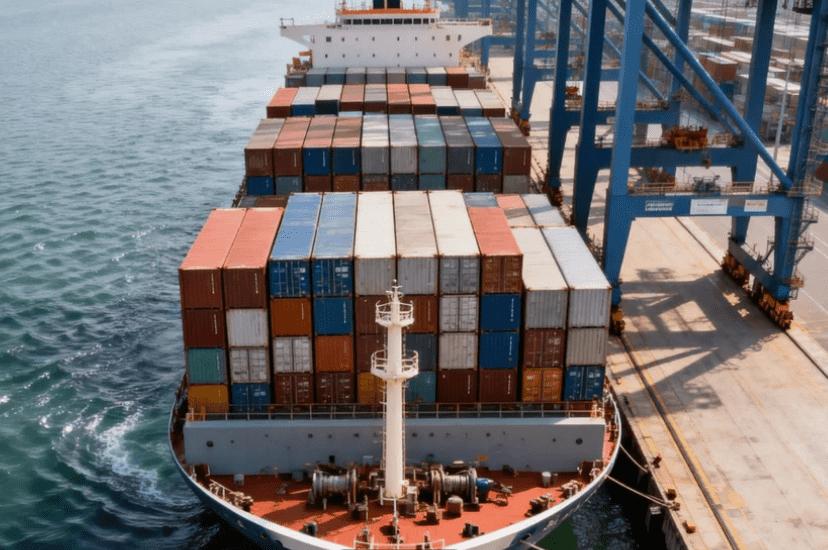
Sea freight remains the most popular choice for transporting goods from China to Singapore, especially for large shipments. Costs are influenced by container size, route, cargo type, and current market conditions. Below is a detailed breakdown based on the latest available data (Q4 2025).
If you’re interested in regional differences, you might want to compare these costs with other major Southeast Asian trade lanes, such as Shipping From China To Malaysia.
Cost of 20ft Container Shipping from China to Singapore
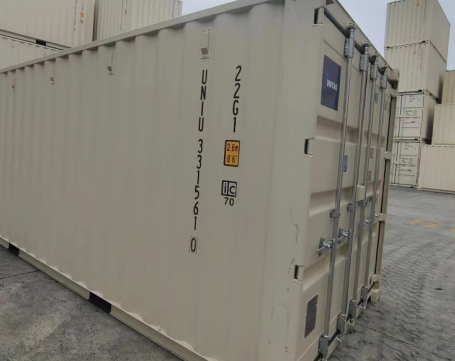
A 20ft container (with a capacity of approximately 28 CBM) is suitable for small to medium-sized shipments. The cost can vary depending on the port of origin in China.
| Origin Port (China) | Estimated Cost (USD, 2025) | Transit Time (Days) |
|---|---|---|
| Shanghai | $350 – $550 | 7 – 10 |
| Shenzhen | $360 – $580 | 6 – 9 |
| Ningbo | $340 – $560 | 7 – 10 |
| Qingdao | $380 – $600 | 8 – 12 |
| Guangzhou | $370 – $590 | 7 – 11 |
- Note:
- Rates can fluctuate based on market demand, fuel surcharges, and shipping line policies.
- These estimates are for port-to-port FCL (Full Container Load) shipments and do not include destination charges, customs clearance, or delivery to final address.
Cost of 40ft Container Shipping from China to Singapore
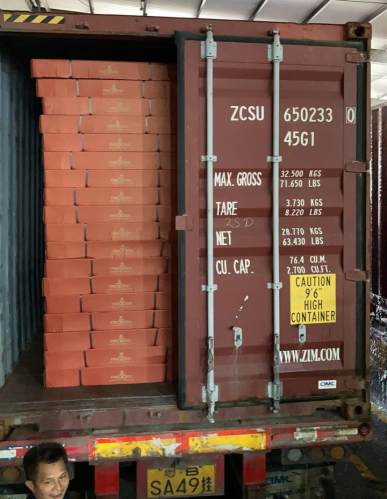
A 40ft container (approximately 56 CBM) is ideal for larger shipments, offering a better cost-per-cubic-meter ratio.
| Origin Port (China) | Estimated Cost (USD, 2025) | Transit Time (Days) |
|---|---|---|
| Shanghai | $600 – $950 | 7 – 10 |
| Shenzhen | $610 – $980 | 6 – 9 |
| Ningbo | $590 – $940 | 7 – 10 |
| Qingdao | $650 – $1,020 | 8 – 12 |
| Guangzhou | $620 – $990 | 7 – 11 |
- Note:
- Actual costs may be higher during peak shipping seasons.
- Charges such as local port fees, customs clearance, and delivery services are not included in the above figures.
Cost Optimization Tips
- Consolidate shipments if your cargo does not fill a full container (LCL service), as this can reduce per-unit shipping costs. For more on LCL and FCL choices, see LCL vs FCL Shipping: How to Choose the Right Option for Small Cargo.
- Work with experienced freight forwarders like Dantful International Logistics for transparent, competitive rates and end-to-end service, including customs clearance and last-mile delivery.
- Book in advance and avoid peak periods when possible to secure better rates.
For the latest rates and personalized quotations, always consult your logistics provider—Dantful International Logistics offers tailored solutions to meet your specific shipping requirements, backed by professionalism, cost-effectiveness, and a one-stop global logistics network.
Air freight cost from China to Singapore per KG
When shipping goods via air freight from China to Singapore, cost is typically calculated on a “per kilogram” (per KG) basis. This model provides flexibility for both small parcels and time-sensitive cargo. As of 2025, average air freight rates fluctuate based on several factors, including cargo volume, weight, type of goods, current fuel surcharges, and market demand.
Key Influencing Factors
- Chargeable Weight: Airlines charge based on the actual weight or volumetric (dimensional) weight, whichever is greater.
- Type of Goods: Dangerous goods, oversized cargo, or items requiring special handling may incur additional fees.
- Origin Airport in China: Main export hubs such as Shanghai (PVG), Shenzhen (SZX), Guangzhou (CAN), and Beijing (PEK) may offer more competitive rates than secondary airports.
- Service Type: Express, standard, and economy services differ significantly in transit time and price.
- Seasonality: Peak seasons (Q2, Q4) often see higher per-KG rates due to increased demand.
2025 Average Air Freight Rate Table
| Origin Airport | Min. Weight (kg) | Estimated Rate (USD/kg) | Transit Time (Days) |
|---|---|---|---|
| Shanghai (PVG) | 45+ | $2.80 – $4.50 | 1 – 3 |
| Shenzhen (SZX) | 45+ | $2.90 – $4.60 | 1 – 3 |
| Guangzhou (CAN) | 45+ | $3.00 – $4.80 | 1 – 3 |
| Beijing (PEK) | 45+ | $3.10 – $4.90 | 1 – 3 |
Rates are indicative as of Q4 2025 for standard general cargo, airport-to-airport. Prices may vary based on cargo characteristics, urgency, and market fluctuations.
Example Calculation
If you are shipping 100 kg of general cargo from Shanghai to Singapore at an average rate of $3.50/kg:
Total Cost = 100 kg x $3.50 = $350 (excluding additional charges such as fuel surcharge, security fee, or customs clearance)
Additional Surcharges
- Fuel Surcharge: Typically $0.50–$1.00/kg (subject to adjustment)
- Security Fee: $0.10–$0.30/kg
- Screening/Handling Fees: Vary by airline and airport
Why Choose Air Freight?
- Speed: 1–3 days transit time is ideal for urgent or high-value goods.
- Reliability: Fixed schedules and minimal delays.
- Security: Lower risk of damage or loss.
Dantful International Logistics offers comprehensive air freight solutions from all major Chinese airports to Singapore, including door-to-door, customs clearance, and real-time tracking. With our extensive network, we can optimize both cost and transit time for your specific needs.
Customs Duties, Taxes, and Regulations in Singapore
Understanding customs duties, taxes, and import regulations is essential for a smooth shipping process from China to Singapore. The Singapore Customs authority enforces a highly efficient but strict import regime. Here’s a comprehensive guide to current requirements as of 2025.
1. Goods and Services Tax (GST)
All imported goods are subject to GST at a standard rate of 8% (effective from Jan 2023; scheduled to increase to 9% in 2025). GST is calculated on the CIF value (Cost + Insurance + Freight) plus any applicable duties.
Formula:
GST Payable = [Customs Value + Duty + Freight + Insurance + Other Charges] x GST Rate
2. Customs Duties
- Most goods: 0% duty (Singapore is a free port)
- Dutiable goods: Only a few categories, mainly alcohol, tobacco, petroleum products, and motor vehicles.
- General cargo (electronics, textiles, machinery, parts, consumer goods): 0% import duty
3. Import Permits & Licenses
- Import permit required for all commercial shipments, applied for via Singapore’s TradeNet system.
- Special permits needed for controlled/restricted items (e.g., pharmaceuticals, telecommunication devices, food and beverages).
4. Prohibited and Restricted Items
- Prohibited: Chewing gum, firecrackers, certain publications, pirated goods, etc.
- Restricted: Arms, ammunition, telecommunication equipment, certain pharmaceuticals.
For a full list, always refer to the Singapore Customs official site or consult your freight forwarder.
5. Required Import Documentation
- Commercial Invoice
- Packing List
- Bill of Lading / Air Waybill
- Certificate of Origin (if required)
- Import Permit (via TradeNet)
- Additional certificates for restricted goods
6. Valuation for Customs
Singapore Customs calculates duties and GST based on the CIF value. Ensure the declared value is accurate and supported by documentation to avoid delays or penalties.
7. Compliance & Penalties
Non-compliance can result in:
- Delays in customs clearance
- Fines or legal action
- Possible confiscation of goods
8. Practical Tips
- Always declare goods accurately and truthfully.
- Work with an experienced freight forwarder who understands Singapore’s import regulations.
- Keep abreast of GST changes and import policy updates.
For those interested in specific customs procedures for neighboring countries, see import procedure from china to Malaysia.
Singapore Customs Clearance & Documents Checklist
Navigating customs clearance in Singapore is a critical step for ensuring your shipments from China arrive smoothly and without delays. Singapore’s customs procedures are well-regulated and efficient, but accurate documentation and compliance with regulations are essential. Below are the key aspects and documents required for a hassle-free clearance process:
1. Import Declaration & Permits
All cargo entering Singapore must be declared to the Singapore Customs via the TradeNet system. Importers or their appointed agents (such as a professional freight forwarder) must obtain an Import Permit before the goods arrive.
- Import Permit: Required for all commercial shipments.
- Declaration through TradeNet: Electronic submission with accurate HS codes and cargo details.
2. Essential Shipping Documents Checklist
| Document | Description | Required For |
|---|---|---|
| Bill of Lading / Air Waybill | The primary transport document, issued by the shipping line or airline, confirming cargo receipt. | Sea/Air Shipments |
| Commercial Invoice | An invoice stating the transaction value and product details. | All Shipments |
| Packing List | Itemizes all contents, weights, and dimensions of each package or pallet. | All Shipments |
| Import Permit | Official approval from Singapore Customs. | All Shipments |
| Certificate of Origin | Sometimes required for preferential tariff treatment or restricted goods. | Case by Case |
| Insurance Certificate | Proof of cargo insurance coverage. | If Insured |
| Product-Specific Certificates | E.g., food safety, phytosanitary, or compliance certificates for regulated goods. | Regulated Goods |
3. Additional Requirements
- HS Code Classification: Accurate declaration codes are crucial for correct duty and GST assessment.
- Restricted Goods: Certain items (e.g., electronics, pharmaceuticals, foodstuffs) may require additional licenses or approvals from relevant agencies.
- GST and Duty Payment: All commercial imports are subject to Goods and Services Tax (GST), currently at 9% (as of 2025), calculated on CIF (Cost + Insurance + Freight) value plus applicable duties.
- Importer Registration: Businesses must be registered with Singapore Customs and have a valid Unique Entity Number (UEN).
4. Timeline for Customs Clearance
Generally, the clearance process in Singapore is efficient. Most compliant shipments clear within 1–2 working days if all documents are in order. However, physical inspections or documentation errors can cause delays.
5. Best Practices for Smooth Clearance
- Double-check all documents for accuracy before dispatch.
- Work with a reputable freight forwarder, such as Dantful International Logistics, for end-to-end customs support and compliance.
- Stay updated on Singapore’s import regulations and restricted items.
Strategies to Reduce Shipping Costs from China to Singapore
Keeping shipping rates from China to Singapore under control is vital for importers, exporters, and e-commerce sellers. Here are actionable strategies, based on years of logistics experience, to optimize your logistics spend:
1. Choose the Right Shipping Mode
Comparing sea freight and air freight is essential:
| Shipping Mode | Cost | Transit Time | Best For |
|---|---|---|---|
| Sea Freight | Lowest | 5–10 days (LCL/FCL) | Bulk, heavy, non-urgent cargo |
| Air Freight | Moderate–High | 1–3 days | High-value, urgent, light cargo |
Tip: Consider consolidated LCL (Less than Container Load) for smaller shipments to share costs with other shippers. For more on cost-effective shipping modes in the region, see cheapest shipping company from china to Singapore.
2. Optimize Shipment Volume and Packaging
- Utilize full container loads (FCL) when possible; cost per CBM decreases with FCL versus LCL.
- Design packaging to maximize container space—minimize air gaps, use standard pallet sizes, and consolidate loose cartons.
3. Plan Shipments in Advance
- Avoid peak season surcharges (typically before Chinese New Year, major shopping festivals, and year-end) by booking early.
- Flexible shipping schedules can help you secure lower rates.
4. Negotiate with Reliable Freight Forwarders
Partnering with a professional provider like Dantful International Logistics offers multiple benefits:
- Access to competitive contract rates with major shipping lines and airlines.
- Value-added services: consolidation, door-to-door, customs clearance, and insurance.
- Transparent cost breakdowns and flexible shipping solutions tailored to your cargo.
5. Use Value-Added Logistics Services
- Cargo consolidation: Combine shipments from multiple suppliers to reduce LCL costs.
- Door-to-door service: Bundling transportation and customs services often yields better rates than sourcing separately.
- Warehouse solutions: Short-term storage in China or Singapore to optimize batch shipping and manage inventory.
6. Manage Customs and Compliance Efficiently
- Proper documentation reduces the risk of costly delays and penalties.
- Ensure accurate HS code classification and value declaration to avoid overpaying duties and taxes.
7. Leverage Technology
- Use digital freight platforms and real-time tracking to monitor shipments and avoid unplanned delays or charges.
- Dantful offers data-driven consulting to optimize your supply chain and shipping schedule.
In summary, reducing shipping costs from China to Singapore is achievable with careful planning, optimized cargo management, and by choosing a trustworthy logistics partner. Dantful International Logistics is committed to providing highly professional, cost-effective, and comprehensive one-stop logistics solutions for global traders, manufacturers, and e-commerce sellers. For tailored advice on your next shipment, feel free to consult our expert team.
Transit time from China to Singapore
When planning your shipment from China to Singapore, understanding transit times is crucial for inventory planning, customer satisfaction, and overall supply chain efficiency. Shipping rates from China to Singapore are not only influenced by cost but also by the expected delivery time, which varies depending on the mode of transport, the departure and arrival ports, and current market conditions.
Sea Freight Transit Times
Sea freight is the most common and cost-effective way to ship large volumes of goods. The journey from major Chinese ports to Singapore is relatively short compared to other international routes due to geographic proximity.
For a detailed breakdown of maritime transit times, you may also compare with Sea Freight From China to Singapore.
| Origin Port in China | Destination Port in Singapore | FCL Transit Time (Days) | LCL Transit Time (Days) |
|---|---|---|---|
| Shanghai | Singapore | 5-7 | 7-10 |
| Shenzhen | Singapore | 4-6 | 6-9 |
| Ningbo | Singapore | 5-7 | 7-10 |
| Qingdao | Singapore | 7-9 | 9-12 |
| Guangzhou | Singapore | 5-7 | 7-10 |
| Xiamen | Singapore | 4-6 | 6-9 |
- FCL (Full Container Load) shipments generally have shorter transit times as containers are shipped directly.
- LCL (Less than Container Load) may take longer due to consolidation and deconsolidation handling.
Air Freight Transit Times
Air freight offers much faster transit, ideal for urgent or high-value shipments. The typical air freight time (airport to airport) from China to Singapore is:
| Major Chinese City | Air Freight Transit Time (Days) |
|---|---|
| Shanghai (PVG) | 1-3 |
| Beijing (PEK) | 1-3 |
| Shenzhen (SZX) | 1-3 |
| Guangzhou (CAN) | 1-3 |
- For door-to-door air freight including customs clearance, add 1-2 days to account for origin and destination handling.
- During peak seasons or unforeseen disruptions, transit times may extend slightly.
Other Influencing Factors
- Customs clearance delays
- Weather conditions
- Port congestion
- Holidays in China and Singapore
Dantful International Logistics offers real-time shipment tracking and proactive updates to help you manage your supply chain efficiently. Our expertise ensures accurate transit time estimates and timely deliveries for all shipping solutions, including sea freight, air freight, and door-to-door service.
Essential Documentation for Smooth Shipments
Proper documentation is fundamental for seamless shipping from China to Singapore. Missing or incorrect paperwork can lead to customs delays, fines, or even cargo being held or returned. Below are the critical documents required for international freight:
Common Shipping Documents
| Document Name | Purpose/Description |
|---|---|
| Bill of Lading (B/L) | The official contract between shipper and carrier. Proof of shipment and required for cargo release at destination. |
| Commercial Invoice | Details the transaction between buyer and seller, including price, quantity, and HS code for customs valuation. |
| Packing List | Itemized list of the shipment contents, including dimensions and weight. |
| Certificate of Origin (COO) | Confirms the country where the goods were manufactured; may affect duties or eligibility for trade agreements. |
| Insurance Certificate | Proof of insurance coverage for the cargo during transit. |
| Import/Export Licenses | Required for regulated goods or specific product categories. |
| Arrival Notice | Issued by the carrier/forwarder to inform the consignee of cargo arrival. |
Singapore-Specific Requirements
- Customs Import Permit: Mandatory for all imports, applied for through Singapore Customs.
- HS Code Classification: Accurate HS code is essential to determine duties and taxes.
- Product Certifications: Certain goods (e.g., electronics, food, chemicals) may require additional certifications or compliance documents.
- Letter of Authorization: If the clearance is handled by a third-party (such as your freight forwarder), this authorizes them to act on your behalf.
Document Checklist for Smooth Clearance
| Checklist Item | Required For | Remarks |
|---|---|---|
| Bill of Lading / Airway Bill | Sea/Air Shipments | Must match shipment details |
| Commercial Invoice & Packing List | All shipments | Must include correct values & HS |
| Import Permit / License | Regulated goods | Apply in advance if needed |
| Certificate of Origin | Preferential tariffs | Not always mandatory |
| Product Certifications | Controlled goods | Must meet Singapore standards |
| Insurance Certificate | Insured shipments | Highly recommended |
| Letter of Authorization | Third-party clearance | For using a customs broker/forwarder |
Tips for Hassle-Free Documentation
- Double-check all details for consistency (names, addresses, HS codes).
- Ensure your documents are translated into English if not already.
- Work with a reliable freight forwarder like Dantful International Logistics to handle documentation, as our experts stay updated with the latest customs regulations and can pre-empt any compliance issues.
At Dantful International Logistics, we provide comprehensive support for all documentation needs, including preparation, review, and submission to authorities. Our one-stop international logistics service ensures your shipment from China to Singapore proceeds without unnecessary delays, giving your business peace of mind.
Choosing the Right Freight Forwarder for Your Needs
Selecting the right freight forwarder is a critical decision for any business or individual shipping cargo from China to Singapore. The right partner not only ensures your goods arrive safely and on time, but also helps you navigate complex customs regulations, optimize costs, and provide value-added services to streamline the shipping process.
Key Considerations When Choosing a Freight Forwarder
Experience and Expertise
Choose a freight forwarder with extensive experience in handling shipments between China and Singapore. A seasoned provider will be familiar with both countries’ regulations, port operations, and have established relationships with shipping lines, airlines, and customs brokers.Range of Services
Look for a company offering comprehensive solutions, including:- Sea Freight (FCL, LCL)
- Air Freight
- Rail Freight
- Road Freight
- Amazon FBA Logistics
- Warehousing & Distribution
- Customs Clearance
- Insurance
- Door-to-Door Services
- OOG Freight (Out-of-Gauge)
- Consolidated & Breakbulk Freight
Transparency and Competitive Pricing
Genuine forwarders provide clear quotations, outlining all charges (freight, surcharges, customs, handling, etc.), and offer advice on the most cost-effective shipping solutions.Customer Service & Communication
Effective communication is key. Your forwarder should offer responsive customer support, regular shipment updates, and be proactive in handling potential issues or delays.Reputation and Compliance
Partner with a forwarder recognized for reliability, professionalism, and compliance with local and international regulations. Check for certifications (such as NVOCC, FIATA, or local logistics associations), and read customer reviews or testimonials.
For insights on working with Singapore-based agents, see shipping agent from china to Singapore.
FAQs
How much does shipping cost from China to Singapore?
The shipping cost depends on several factors, including the shipping mode (sea or air), cargo volume/weight, origin and destination ports, and the nature of your goods. Here are typical ranges as of 2025:
| Shipping Method | Estimated Cost (USD) | Basis | Notes |
|---|---|---|---|
| Sea Freight FCL (20ft) | $150 – $400 | Per 20ft Container | Rates may vary by route and season |
| Sea Freight FCL (40ft) | $250 – $650 | Per 40ft Container | Ports: Shanghai, Shenzhen, etc. to Singapore |
| LCL (Less than Container Load) | $40 – $80 | Per CBM | Minimum charges may apply |
| Air Freight | $3.00 – $6.00 | Per KG | For general cargo |
Note: These are reference rates for general cargo. For hazardous, oversized, or time-sensitive goods, rates may be higher. Always request a tailored quote from your forwarder for the most accurate pricing.
For a deeper dive into cost factors, reference How much is shipping from China to Singapore.
What is the cheapest way to ship from China?
The most economical choice is usually sea freight, especially for large or heavy shipments. LCL (Less than Container Load) suits smaller consignments, while FCL (Full Container Load) is best for bulk cargo. For very urgent or high-value goods, air freight is faster but more expensive.
- For small parcels or e-commerce, international express couriers may be considered, but costs per kg are higher than LCL.
- Consolidated shipments can further reduce costs when available.
How many days does it take to ship from China to Singapore?
Transit times depend on the shipping method:
| Shipping Method | Estimated Transit Time |
|---|---|
| Sea Freight (FCL/LCL) | 4 – 7 days |
| Air Freight | 1 – 3 days |
| Door-to-Door (Sea/LCL) | 8 – 12 days |
- The above times reflect port-to-port or airport-to-airport duration. Door-to-door delivery may take longer due to customs clearance and local transport.
- Weather, port congestion, and customs processes may also affect transit times.
How long is a cargo flight from China to Singapore?
Direct cargo flights from major airports in China (such as Shanghai Pudong, Guangzhou Baiyun, Shenzhen Bao’an) to Singapore Changi Airport typically take around 5 to 7 hours of flight time. However, when considering cargo handling, security checks, and possible transshipment, the total airport-to-airport transit is generally 1 to 3 days.

Young Chiu is a seasoned logistics expert with over 15 years of experience in international freight forwarding and supply chain management. As CEO of Dantful International Logistics, Young is dedicated to providing valuable insights and practical advice to businesses navigating the complexities of global shipping.