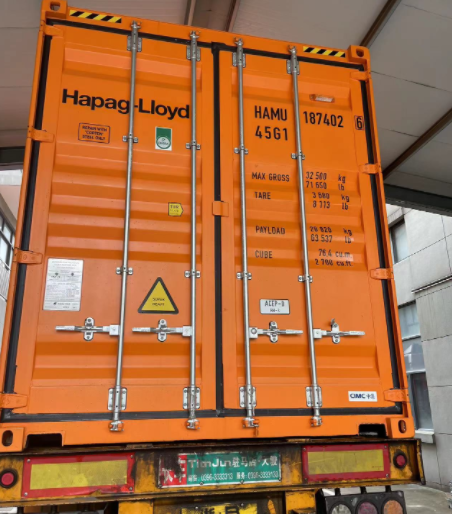
Are you wondering how the FOB price from China to USA impacts your international shipping costs and import decisions? Understanding FOB (Free On Board) can be crucial for optimizing your supply chain and avoiding hidden fees. In this comprehensive guide, we’ll explain what the FOB price really means, what factors influence it, and how you can negotiate the best deals when importing from China to the USA.
What Does FOB Price Mean in International Shipping?
Definition of FOB (Free On Board)
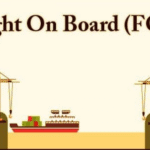
FOB (Free On Board) is an essential Incoterm widely used in global trade, especially for shipments from China to the USA. Under the FOB agreement, the seller is responsible for delivering the goods and loading them onto the vessel at the named port of shipment, usually in China. Once the cargo is on board the vessel at the export port, the risk and responsibility transfer from the seller to the buyer. The buyer then assumes responsibility for ocean freight, insurance, unloading at the destination port in the United States, customs clearance, and final delivery.
Practical note (Incoterms 2020): FOB is designed for sea/inland waterway shipments. For containerized cargo, many shippers use FOB in practice, but FCA is often a better fit contractually because handover typically happens before the container is loaded on board.
In practical terms, the FOB price includes all costs up to the point when the goods are loaded on board, such as production, local transportation to the port, export packaging, export customs clearance, and port handling charges in China. It does not include sea freight, insurance, or charges incurred after the goods are on board.
How FOB Differs from Other Incoterms
Incoterms define the roles, risks, and costs between buyers and sellers in international trade. Understanding the distinction between FOB and other popular Incoterms such as CIF (Cost, Insurance, and Freight) and EXW (Ex Works) is crucial for cost planning and risk management:
| Term | Seller’s Responsibility Ends | Buyer’s Responsibility Begins | Who Pays Freight? | Who Handles Export Customs? |
|---|---|---|---|---|
| FOB | Once goods loaded on vessel at Chinese port | After on-board loading | Buyer | Seller |
| CIF | After goods arrive at destination port (includes insurance and freight to US port) | After arrival at US port | Seller (to US port) | Seller |
| EXW | At seller’s factory/warehouse | From seller’s premises | Buyer | Buyer |
- FOB offers a balanced share of responsibilities, ideal for buyers with established logistic partners or freight forwarders in the USA.
- CIF is often preferred by buyers with less experience or limited resources for managing international shipping, as the seller manages freight and insurance to the destination port.
- EXW means the buyer handles almost every aspect from the seller’s door, requiring strong logistics expertise and infrastructure.
If you’re interested in further details on the full process and cost structure, check out this comprehensive guide to Shipping From China to USA.
Why Choose FOB for Shipments from China to USA?
Opting for FOB provides several advantages, especially when sourcing products from China to the United States:
- Greater Control: Buyers can select their own freight forwarder, negotiate the best ocean freight rates, and optimize shipping schedules.
- Transparency of Costs: Costs are clearly divided, making it easier to compare and manage logistics expenses.
- Flexibility: Buyers can consolidate shipments, use preferred carriers, and customize logistics according to their needs.
- Reduced Risk of Hidden Charges: By managing the international transportation segment, buyers minimize exposure to excessive mark-ups or unexpected costs added by suppliers.
Experienced importers, cross-border e-commerce sellers, and supply chain managers often prefer FOB as it delivers cost efficiency, control, and flexibility throughout the shipping process.
Key Factors Affecting FOB Price from China to USA
Main Components Included in FOB Pricing
The FOB price quoted by a Chinese supplier generally covers all costs up to the point where cargo is loaded onto a vessel at the named port of shipment. The typical components include:
- Product Manufacturing Cost: The base cost of the goods.
- Inland Transportation: Moving goods from the factory to the port (e.g., from a production facility in Shenzhen to Yantian Port).
- Export Packaging: Compliant packaging for international transit.
- Port and Terminal Charges: Local handling, documentation, and storage fees at the Chinese port.
- Export Customs Clearance: Customs declaration, inspection, and any export duties applicable in China.
As of January 2026, for many standard FCL exports, origin handling + export documentation are often in the range of $170–$300 per container, while inland trucking varies mainly by factory-to-port distance and local capacity.
What is not included in the FOB price:
- Ocean Freight from China to USA
- Insurance
- Unloading and handling at the US port
- Import customs duties and taxes in the US
- Final delivery to the US buyer
As we compare costs, many shippers also want to know about the container shipping costs from China to USA and how they impact the total landed price.
How Product Type and Volume Influence FOB Rates
Several variables impact the final FOB price:
- Type of Product: Fragile, hazardous, oversized, or perishable goods may require special packaging, documentation, or handling, increasing costs.
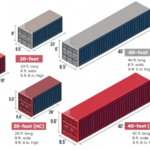
- Cargo Volume and Weight: Larger shipments (e.g., full container loads) often secure more competitive per-unit pricing than small, less-than-container loads (LCL). For reference:
| Container Type | Capacity (CBM) | Typical Use |
|---|---|---|
| 20FT | 28 CBM | Standard, suitable for heavy or dense cargo |
| 40FT | 56 CBM | Bulky or larger volume shipments |
| 40HQ | 68 CBM | High cubic capacity for light voluminous cargo |
| 45HQ | 78 CBM | Extra-large shipments |
- Order Volume: Higher order quantity often leads to a lower FOB unit price due to economies of scale. Suppliers may also offer better terms for repeat, large-volume buyers.
- Packaging Requirements: Custom or reinforced packaging adds to costs.
- Commodity Inspection and Export License Fees: Certain products may require additional certification, increasing the FOB price.
Role of Chinese Port Locations in FOB Pricing
The choice of export port in China can significantly impact the FOB price due to variations in local infrastructure, logistics efficiency, and associated charges. Major Chinese ports used for USA-bound shipments include:
- Shanghai Port
- Shenzhen Port (Yantian, Shekou)
- Ningbo-Zhoushan Port
- Qingdao Port
- Guangzhou Port
- Xiamen Port
- Tianjin Port
Key considerations:
- Proximity to Factory: Shorter distances between supplier and port mean lower inland trucking costs.
- Port Handling Fees: Some ports (like Shanghai) may have higher terminal handling charges compared to regional ports.
- Port Congestion and Schedule Frequency: Major ports offer frequent sailings and better carrier options, but may face congestion during peak seasons, impacting lead times and costs.
- Local Policies and Customs Efficiency: Ports with more streamlined customs clearance procedures expedite export processing and reduce potential delays.
| Example: Indicative Export Handling & Documentation Charges (Jan 2026) |
|---|
| Port (China) | Typical Origin Handling + Docs (USD / container) |
|---|---|
| Shanghai | $200–$290 |
| Shenzhen (Yantian) | $180–$270 |
| Ningbo-Zhoushan | $180–$260 |
| Qingdao | $190–$280 |
| Xiamen | $170–$250 |
Note: Figures are indicative (per container) and may vary by port, season, carrier, and cargo type.
For businesses looking to optimize their FOB price and shipping efficiency, working with a trusted freight forwarder like Dantful International Logistics can provide valuable insights into port selection, rate negotiation, and documentation support.
In summary, understanding the structure of FOB pricing and the many factors that influence it is essential for successful, cost-effective imports from China to the USA. Careful consideration of product details, shipment size, and port selection will enable importers to make informed choices and maximize savings.
How to Calculate FOB Price from China to USA
Step-by-Step Guide to FOB Price Calculation
Calculating the FOB (Free On Board) price from China to the USA is a key step for importers to understand the true cost before their cargo leaves the origin port. Here’s an expert breakdown from the perspective of a professional freight forwarder:
Determine the Product Cost
- This is the base price of your goods, as quoted by your Chinese supplier. It often includes production, packaging, and labeling.
Add Local Inland Transportation
- This covers the cost of moving goods from the supplier’s factory or warehouse to the departure port in China (e.g., Shenzhen, Shanghai, Ningbo).
- Example: A shipment from a factory in Guangzhou to Shenzhen Port.
Include Export Customs Clearance
- Includes all document preparation and fees for clearing the goods through Chinese Customs.
Add Port Handling Charges
- Charges for operation at the origin port, such as container loading, terminal handling, and port security.
Sum Up These Costs
- The FOB price = Product Cost + Inland Transportation + Export Customs Clearance + Port Handling Charges.
Important Note: Under FOB terms, the seller (exporter) is responsible for all costs and risk until the goods are loaded onto the vessel at the port of origin. The buyer (importer) takes responsibility from that point onward.
Common Fees and Charges Included in FOB
To ensure transparency and avoid surprises, it’s essential to understand what is typically covered by the FOB price:
| Fee / Charge | Included in FOB? | Description |
|---|---|---|
| Product Cost | ✓ | Manufacturing, packaging, and labeling |
| Inland Trucking | ✓ | Delivery from factory/warehouse to Chinese Port |
| Chinese Export Customs | ✓ | Customs clearance, export duties, documentation |
| Port Handling (Origin) | ✓ | Loading, terminal charges at port of origin |
| Ocean Freight | ✗ | Shipping from China to USA (paid by buyer under FOB) |
| Destination Handling | ✗ | Unloading, terminal handling at US port |
| Import Customs (USA) | ✗ | US import clearance, duties, taxes |
| Domestic Delivery (USA) | ✗ | Inland transport within the USA |
Tip: Always clarify with your supplier exactly what is included in their FOB quote to avoid hidden costs.
Sample FOB Price Calculations for Different Goods
Below are practical examples to illustrate how FOB prices may be calculated for shipments from China to the USA (all prices are estimates and may vary based on market conditions, port location, and supply chain specifics):
Example 1: 20FT Container of Electronics from Shenzhen to Los Angeles
| Cost Component | Estimated Cost (USD) |
|---|---|
| Product Cost | $15,000 |
| Inland Trucking (factory → port) | $280 |
| Export Customs Clearance | $120 |
| Port Handling (Shenzhen) | $200 |
| Total FOB Price | $15,600 |
Example 2: 40HQ Container of Furniture from Ningbo to New York
| Cost Component | Estimated Cost (USD) |
|---|---|
| Product Cost | $22,000 |
| Inland Trucking (factory → port) | $420 |
| Export Customs Clearance | $150 |
| Port Handling (Ningbo) | $240 |
| Total FOB Price | $22,810 |
Example 3: Small Parcel Shipment (500kg Apparel) Air Freight FOB from Shanghai to Chicago
| Cost Component | Estimated Cost (USD) |
|---|---|
| Product Cost | $3,000 |
| Inland Trucking (factory → airport) | $100 |
| Export Customs Clearance | $50 |
| Airport Handling (Shanghai) | $70 |
| Total FOB Price | $3,220 |
Note: Container capacity reference – 20FT: 28 CBM, 40FT: 56 CBM, 40HQ: 68 CBM, 45HQ: 78 CBM.
For a more detailed breakdown of pricing for different container sizes and shipping methods, see the latest update on 20 ft container shipping cost from China to USA and related cost comparisons.
Comparing FOB Price to Other Shipping Terms
Cost Differences: FOB vs. CIF vs. EXW
Understanding key Incoterms helps importers choose the most cost-effective and suitable shipping arrangement. Here’s a comparison:
| Term | Seller’s Responsibility Ends At | Costs Covered by Seller | Typical Buyer Costs | Use Case Example |
|---|---|---|---|---|
| FOB | Goods loaded on vessel at Chinese port | Local charges in China (factory → port, customs, origin handling) | Ocean freight, US side charges | Buyers with shipping partners or own arrangements |
| CIF | Arrival at destination port in USA | FOB + ocean freight + insurance | Destination charges, import customs | Buyers seeking single-invoice shipping to port |
| EXW | Seller’s premises (factory/warehouse) | None, except making goods available | All transport, export, and import charges | Advanced buyers with full control over logistics |
Example:
- For electronics, FOB is usually more cost-effective for experienced importers who can negotiate their own freight with a forwarder like Dantful International Logistics.
- CIF is chosen by buyers who prefer the supplier arranges ocean freight and insurance, but may come with less flexibility and higher costs.
- EXW is ideal for those with robust logistics capabilities and local representation in China.
Pros and Cons of FOB for US Importers
Advantages:
- Control: Buyers can select their own freight forwarder and shipping routes, optimizing for cost and speed.
- Transparency: All costs up to the port of loading are clear and itemized.
- Competitive Rates: Ability to negotiate better shipping terms with forwarders like Dantful International Logistics, who offer sea, air, rail, road, Amazon FBA, warehouse, customs clearance, and door-to-door services.
Disadvantages:
- Responsibility: Once goods are loaded, risk and cost transfer to the buyer. Any issues during ocean freight or at the destination are the buyer’s.
- Coordination: Requires the buyer to manage the shipment from the origin port onward, including customs clearance in the USA.
Tip: Partnering with an experienced freight forwarder such as Dantful International Logistics can help US importers maximize the benefits of FOB, ensuring professional handling, transparency, and comprehensive support from China all the way to your door.
Conclusion: Understanding and accurately calculating the FOB price from China to USA is critical for effective budgeting, informed negotiations, and supply chain success. Always verify what’s included in your FOB quote, compare with other Incoterms, and leverage expert freight forwarding partners for smoother, cost-effective shipping. If you need customized advice or a reliable logistics solution, feel free to consult with Dantful International Logistics—your one-stop international logistics expert.
How to Find and Negotiate the Best FOB Price from China
Tips for Negotiating with Chinese Suppliers
Securing the most competitive FOB price when shipping from China to the USA requires a strategic approach when dealing with your suppliers. Here are practical, expert-backed steps to maximize your negotiation outcomes:
Research Market Rates:
- Start by gathering quotes from multiple suppliers for the same product and shipping conditions. Understanding the prevailing market FOB price benchmarks in different Chinese ports such as Shanghai, Shenzhen, or Ningbo gives you a strong negotiating position.
Clarify All FOB Inclusions:
- Always confirm precisely what is included in the supplier’s quoted FOB price. In addition to the product, it should cover local transport to the port, export customs clearance, documentation, and port handling at the port of loading.
Leverage Volume Discounts:
- If you have sizable or regular orders, negotiate for better rates based on volume. Suppliers often have flexibility when they see the potential for ongoing business.
Request Detailed Cost Breakdown:
- Ask for a transparent breakdown of all costs included in the FOB price to identify any potential hidden fees. This will help in benchmarking offers and uncovering opportunities for savings.
Build Long-Term Relationships:
- Consistent, reliable business relationships with suppliers can often lead to preferential terms, priority during peak seasons, and faster communication.
Utilize a Local Freight Forwarder’s Expertise:
- Engage an experienced freight forwarder like Dantful International Logistics early in your negotiations. We can provide realistic cost assessments, verify supplier credibility, and help negotiate terms that protect your interests.
Pro tip: Always get all negotiated terms in writing—preferably in the purchase contract or proforma invoice. This ensures clarity and reduces the risk of misunderstandings during shipping.
How to Avoid Hidden Costs in FOB Agreements
Even with a competitive FOB price, inattentive buyers may encounter unexpected expenses that erode profits. Here’s how to avoid hidden costs:
Confirm Inclusions and Exclusions:
- Clearly define which party is responsible for costs such as terminal handling charges (THC), port security fees, and any documentation fees at the port of loading.
Watch Out for Additional Port Fees:
- Some Chinese ports may charge extra for congestion, customs inspections, or overtime loading. Verify if these are included in your supplier’s FOB quote.
Customs Documentation:
- Ensure the supplier provides all required export documentation (like the Bill of Lading, Packing List, and Commercial Invoice) as part of the FOB agreement, as missing paperwork can result in delays or extra charges later.
Cargo Insurance:
- While not mandatory under FOB, many importers choose to arrange cargo insurance. Clarify with your supplier whether insurance is included or if you need to arrange it yourself.
Container Demurrage and Detention:
- Delays in container pickup at the destination can incur significant demurrage or detention fees. Work with your forwarder to ensure all arrangements are in place to avoid storage costs.
Engage a Trusted Freight Forwarder:
- Collaborating with Dantful International Logistics ensures you receive clear, upfront costings and professional guidance, minimizing unpleasant surprises.
Using Freight Forwarders to Optimize FOB Shipments
A professional freight forwarder is a critical partner in ensuring seamless, cost-effective, and reliable FOB shipping from China to the USA.
Advantages of Using Dantful International Logistics:
| Service | Benefit for FOB Shipments |
|---|---|
| Sea Freight, Air Freight, Rail Freight, Road Freight | Flexible transport options to match your cost, speed, and cargo needs |
| Amazon FBA Logistics | End-to-end support for e-commerce and FBA sellers |
| Warehouse & Consolidation | Secure, efficient cargo handling, consolidation, and storage |
| Customs Clearance & Documentation | Expert handling of all export and import formalities |
| Cargo Insurance | Protects your goods against loss or damage in transit |
| Door-to-Door Solutions | Complete logistics from supplier’s door in China to your US address |
| OOG & Breakbulk Freight | Specialized handling for oversized, heavy, or non-containerized cargo |
Key Benefits:
- Negotiation Support: We assist in validating supplier quotes, ensuring transparency and fairness.
- Cost Optimization: Our network and experience help secure the best possible ocean or air freight rates.
- Risk Management: We proactively manage shipping schedules, compliance, and documentation to reduce delays and costs.
With Dantful, you benefit from a one-stop, highly professional team dedicated to the success of your global trade.
Essential Tips for Importers: Maximizing Savings on FOB Shipments
How to Streamline Shipping and Documentation
Efficient documentation and communication are essential for any FOB shipment. Here’s how to minimize errors and delays:
Standardize Documentation:
- Use clear templates for your Commercial Invoice, Packing List, and contract terms.
- Double-check that all documents match your purchase and shipping agreements.
Digitalize Processes:
- Implement digital solutions for booking shipments, tracking cargo, and sharing documents with your forwarder.
Coordinate Closely with Your Freight Forwarder:
- Share shipment schedules, container numbers, and deadlines promptly.
- Rely on your forwarder to pre-check all documentation before cargo departs the Chinese port.
Monitor Regulatory Updates:
- Stay informed about changes in customs or import regulations in both China and the USA. Your forwarder can update you on any new requirements.
Plan for Peak Seasons:
- Book shipping space in advance during high-demand periods (such as pre-holiday or post-Chinese New Year), as rates and availability can fluctuate sharply.
For businesses involved in e-commerce, understanding strategies for door to door shipping from China to USA can further help streamline your fulfillment and avoid costly delays.
Reducing Delays and Managing Supply Chain Risks
Delays in international shipping can be costly. Here’s how to mitigate common risks:
Choose Reliable Ports and Carriers:
- Major ports like Shanghai, Ningbo, and Shenzhen offer frequent sailings and better infrastructure, reducing the risk of congestion-related delays.
Track Shipments in Real-Time:
- Use tracking tools provided by your forwarder. At Dantful, we offer real-time updates so you always know your cargo’s status.
Mitigate Customs Risks:
- Prepare complete and accurate documentation to avoid inspection delays. Dantful’s customs agents proactively handle all formalities.
Diversify Shipping Methods:
- For urgent or high-value goods, consider splitting shipments across sea freight and air freight to balance cost and speed.
Insure Your Goods:
- Even with careful planning, accidents can happen. Always consider cargo insurance to safeguard your shipment.
Contingency Planning:
- Work with your forwarder to develop contingency plans in case of vessel delays, port strikes, or route changes.
FAQs
Q1: What’s included (and not included) in the FOB price from China to the USA? A: A typical FOB price China to USA includes the goods cost plus origin-side expenses up to loading on the vessel at the Chinese port (inland trucking to port, export clearance, terminal/port handling, and loading). It usually does not include ocean freight, cargo insurance, US port/destination charges, US customs clearance, duties/taxes, or final delivery.
Q2: FOB vs EXW vs CIF which is better for importing from China to the USA? A: It depends on who you want to control the shipment. EXW puts most pickup/export steps on the buyer (often more coordination). FOB is popular because the seller handles origin procedures to get cargo on board, while the buyer controls the main freight and onward. CIF includes ocean freight and basic insurance to the US port, but buyers still pay destination charges and import clearance.
Q3: What information do I need to get an accurate FOB quote from China to the USA? A: Provide product name, HS code (if available), cartons, gross weight, volume (CBM), pickup address, preferred Chinese port (e.g., Shanghai/Shenzhen/Ningbo), shipping method (FCL or LCL), ready date, and any special cargo details (battery, hazardous, oversize). Clear data reduces re-quotes and surprise fees.
Q4: What documents are commonly required for FOB shipments from China to the USA? A: Common documents include the commercial invoice, packing list, export-related paperwork for China, and booking/shipping instructions. For US importing, you may also need importer details, HS classification support, and any permits for regulated products. Requirements can vary by product and destination.
All advice provided is based on current market practices and the latest general information available as of January 2026. As international shipping conditions and trade regulations can change, always consult your logistics provider for up-to-date guidance tailored to your specific shipment requirements.

Young Chiu is a seasoned logistics expert with over 15 years of experience in international freight forwarding and supply chain management. As CEO of Dantful International Logistics, Young is dedicated to providing valuable insights and practical advice to businesses navigating the complexities of global shipping.