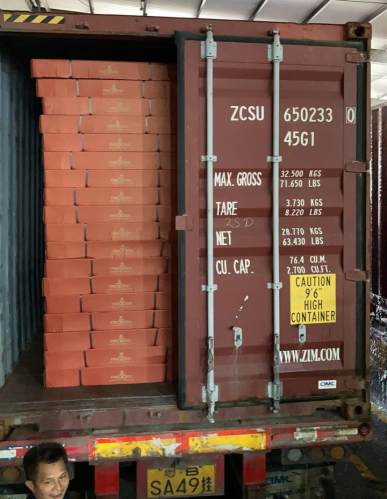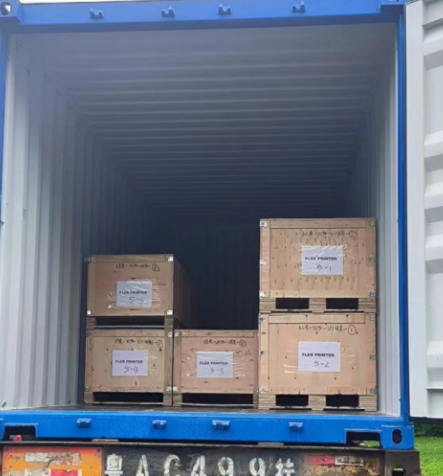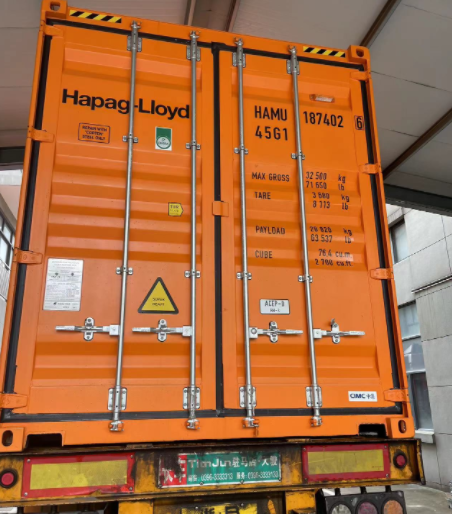
Are you wondering how much is shipping from China to Uruguay and what factors drive these costs in today’s market? With so many shipping methods, freight charges, and potential surcharges involved, getting a clear answer can be challenging. In this comprehensive guide, updated for April 2026, we’ll break down key cost factors, compare sea and air freight, and reveal insider tips to help you calculate and reduce your shipping expenses from China to Uruguay. Let’s dive in to ensure your shipment is timely, cost-effective, and hassle-free!
Dantful Insight: As we navigate through April 2026, the post-Chinese New Year shipping backlog has fully cleared. We are currently seeing stabilized rates, making early Q2 an excellent window for importers to negotiate favorable long-term contracts before the summer peak season begins.
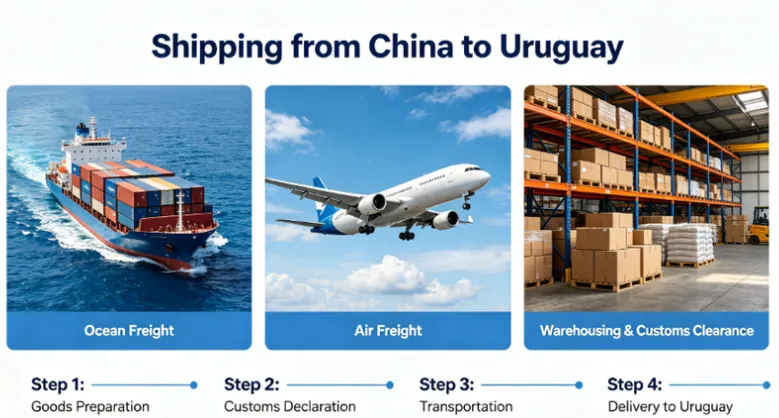
Key Factors Influencing Shipping Prices
When shipping goods from China to Uruguay, several important variables impact your total cost. Understanding these factors will help you plan, optimize your logistics, and avoid unexpected expenses.
- Shipping Method: The choice between sea freight, air freight, and express courier significantly affects both price and transit time. Larger, less urgent shipments typically use sea freight, while smaller, time-sensitive cargo may favor air or express.
- Cargo Volume and Weight: Freight rates are calculated based on the greater of actual weight or volumetric weight. High-density cargo may be charged by weight, while bulky, lightweight goods are charged by volume (CBM).
- Type of Service: Rates differ for port-to-port, door-to-port, and door-to-door services. Door-to-door options offer convenience but can be costlier due to last-mile delivery and customs handling. For detailed insights into this mode, you may want to explore door to door shipping from China to Uruguay.
- Origin and Destination: The specific Chinese port (e.g., Shanghai, Shenzhen, Ningbo) and the Uruguayan port (primarily Montevideo) can impact cost due to distance, port charges, and route availability.
- Seasonality and Market Demand: Freight rates fluctuate depending on market demand. Analyst Note: In April, rates typically plateau, offering a brief respite from the volatility seen in Q1 and late Q3.
- Customs Duties, Taxes, and Surcharges: Import duties, Value Added Tax (VAT), port fees, and other surcharges can add significantly to your total expense.
- Additional Services: Packaging, cargo insurance, and special handling (such as for hazardous materials or oversized cargo) introduce further costs.
- Freight Forwarder Selection: Working with a reliable and experienced freight forwarder like Dantful International Logistics can help you secure competitive rates, streamline documentation, and avoid hidden fees.
It’s vital to work with a logistics partner who provides clear, upfront quotations and supports you in navigating these variables.
Main Shipping Methods from China to Uruguay
Choosing the optimal shipping method depends on your budget, timeline, cargo characteristics, and business requirements. Below are the major options for transporting goods between China and Uruguay.
Sea Freight: FCL vs. LCL Cost Comparison
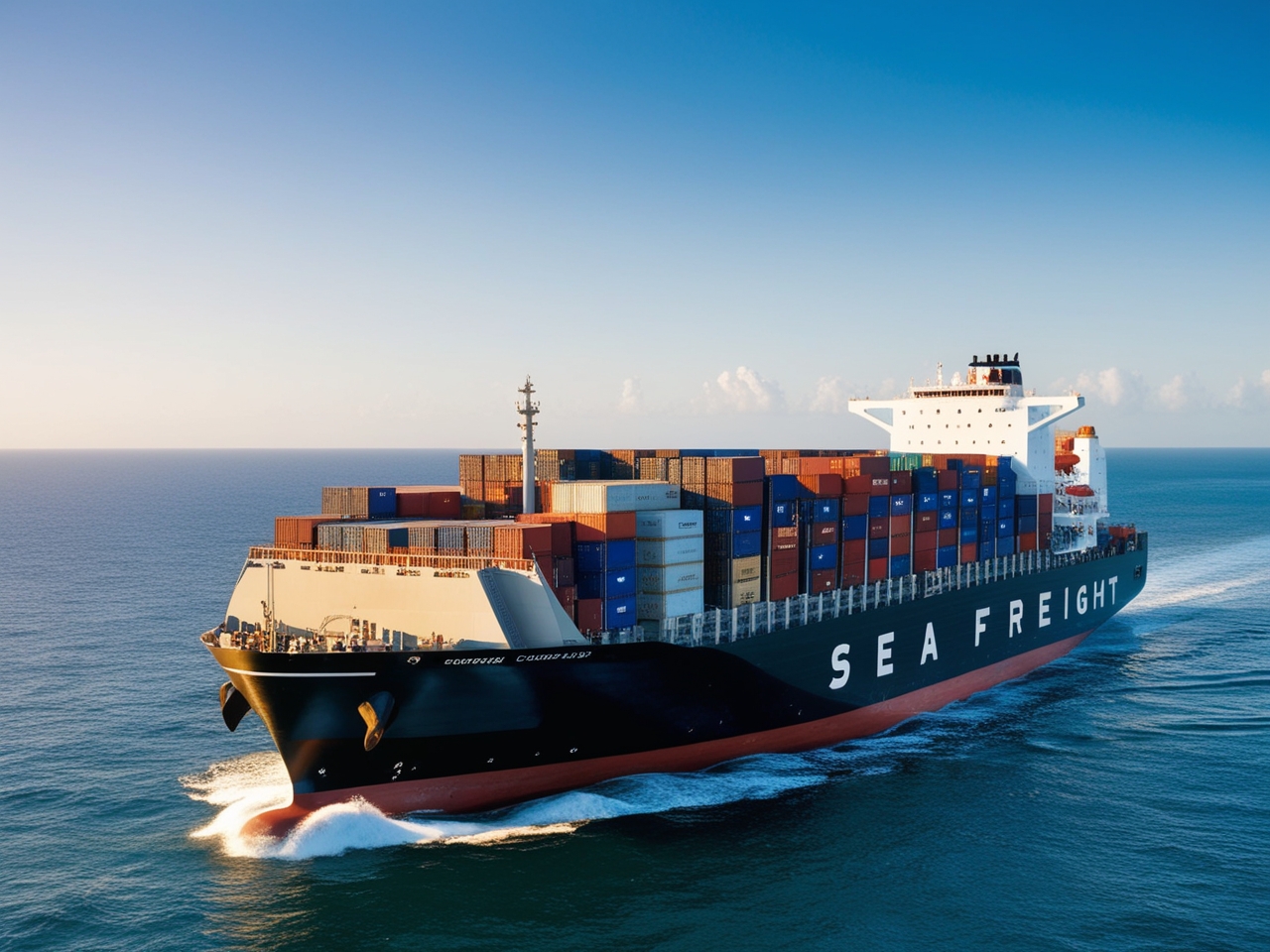
Sea freight is the most cost-effective solution for transporting large or heavy cargo over long distances. It is the backbone of international trade between China and Uruguay, handling everything from industrial equipment to consumer goods.
Full Container Load (FCL)
- FCL means your goods exclusively occupy either a 20-foot, 40-foot, or 40-high cube container.
- FCL is ideal for shipments over 15 CBM or when you need to avoid mixing your goods with those of other shippers.
- You pay a flat rate per container, making it more economical as your cargo volume increases.
| Container Type | Capacity (CBM) | Estimated Freight (China–Montevideo, April 2026) | Typical Transit Time |
|---|---|---|---|
| 20FT | 28 | USD 4,100–5,100 | 35–45 days |
| 40FT | 56 | USD 6,000–7,400 | 35–45 days |
| 40HQ | 68 | USD 6,500–7,900 | 35–45 days |
Note: Prices include ocean freight and major surcharges, but not local charges, customs duties, or door delivery. Rates reflect early Q2 2026 market stabilization.
Less than Container Load (LCL)
- LCL consolidates your cargo with that of other shippers, and is suitable for smaller shipments (typically under 15 CBM).
- You pay based on the volume (CBM) and sometimes weight.
| LCL Shipping | Minimum Volume | Estimated Rate (per CBM, April 2026) | Typical Transit Time |
|---|---|---|---|
| LCL | 1 CBM | USD 125–165 | 40–50 days |
LCL includes basic ocean freight; destination CFS (Container Freight Station) charges and handling fees apply.
Key Considerations:
- FCL offers better security, faster container handling, and simpler customs.
- LCL is budget-friendly for small loads but can have a higher risk of delays due to cargo consolidation and deconsolidation. Based on our daily operations, we advise factoring in an extra 3-5 days for LCL deconsolidation at the Port of Montevideo.
If you’re interested in neighboring regional shipping dynamics, referencing shipping practices such as Shipping From China to Argentina can provide additional context for South American logistics routes.
Air Freight: Transit Times and Price Ranges
Air freight provides the fastest shipping solution from China to Uruguay, ideal for urgent, high-value, or perishable goods. It is also an attractive option for smaller shipments where speed outweighs cost.
| Weight Tier | Estimated Rate (per kg, April 2026) | Typical Transit Time |
|---|---|---|
| 45–100 kg | USD 8.8–12.8 | 5–7 days |
| 100–300 kg | USD 7.8–10.8 | 5–7 days |
| 300+ kg | USD 6.5–9.8 | 5–7 days |
- Transit times include main carriage but exclude pre-carriage, customs clearance, and final delivery.
- Rates vary by origin airport (Shanghai, Beijing, Guangzhou) and cargo specifics.
Advantages:
- Fastest delivery for long-distance trade.
- Secure and reliable for high-value cargo.
- Can access most major cities in Uruguay via Carrasco International Airport (MVD) in Montevideo.
Considerations:
- Costs are significantly higher than sea freight.
- Strict limits on cargo size, weight, and hazardous materials. Our Air Freight Division notes that securing space for oversized cargo requires at least 7-10 days advance booking in the current April market.
Express Courier Services
For small parcels, documents, or critical samples, express courier services (such as DHL, FedEx, UPS, and TNT) provide door-to-door international delivery from China to Uruguay.
| Weight | Estimated Rate (April 2026) | Typical Transit Time |
|---|---|---|
| Up to 0.5 kg | USD 48–65 | 3–7 days |
| 1–5 kg | USD 12–19 per kg | 3–7 days |
| 5–30 kg | USD 10–16 per kg | 3–7 days |
- Rates depend on service level (Express vs. Economy), dimensional weight, and delivery address.
- Includes customs clearance, but duties and taxes are billed to the consignee.
Advantages:
- End-to-end tracking and fast customs processing.
- No minimum shipment size.
- Simplified paperwork and usually predictable delivery times.
Considerations:
- Highest cost per kilogram.
- Volume/weight limits apply for larger shipments.
At Dantful International Logistics, our dedicated Latin America desk manages over 2,500 TEUs and 300 tons of air freight annually from China to South American ports like Montevideo. Instead of generic routing, we leverage direct carrier contracts with MSC, COSCO, and Hapag-Lloyd to secure guaranteed space and protect our clients from seasonal price gouging.
Pro Tip: If you are unsure which shipping mode fits your needs, consult our routing specialists. By analyzing historical transit data across 5 major Chinese ports, we routinely identify cost-saving alternatives. For instance, we recently saved a Montevideo-based importer 42% on freight costs by shifting their non-urgent Air Freight cargo to a direct-sail expedited LCL service, adding only 12 days to the transit time.
Detailed Breakdown of Shipping Costs
When considering how much is shipping from China to Uruguay, it’s crucial to understand all cost components involved. Shipping costs can vary widely based on your chosen shipping method, service provider, cargo type, and destination specifics. Below is a comprehensive breakdown to help you anticipate and budget for your shipment.
Freight Charges: Port-to-Port vs. Door-to-Door
Freight charges are the core expenses for transporting goods. The two most common service options are:
- Port-to-Port: Shipping from a major Chinese port (e.g., Shanghai, Shenzhen, Ningbo) to a main Uruguayan port (typically Montevideo). This option is usually more economical but requires the consignee to manage local transport and customs at both ends.
- Door-to-Door: A full-service solution, where the freight forwarder handles pickup from your supplier’s premises in China all the way to your address in Uruguay. This option simplifies logistics for the customer but generally comes at a higher price. For those managing DDP shipments in the region, you might also be interested in learning more about ddp arrangements.
| Service Type | Scope | Pros | Cons | Typical Cost Impact |
|---|---|---|---|---|
| Port-to-Port | Supplier’s port to destination port | Lower cost, flexibility | More handling needed | Base ocean/air rate |
| Door-to-Door | Supplier’s door to consignee’s door | Convenience, less hassle | Higher cost | ~10-30% higher |
Additional Costs: Customs Duties, Taxes, and Surcharges
Besides freight, you must factor in customs duties, import taxes, and various surcharges. Each country has its own tariffs and regulations. For Uruguay, the main costs include:
- Customs Duties: Based on the declared value and HS code of the goods. Rates vary by product.
- Value-Added Tax (VAT): Uruguay applies a standard VAT, generally around 22%, which may be levied on CIF (Cost+Insurance+Freight) value.
- Other Surcharges: May include port handling, security fees, documentation charges, and inspection fees.
Analyst Note: In recent months leading up to April 2026, Uruguayan customs have increased scrutiny on under-declared commercial invoices. Working with an experienced freight forwarder like Dantful International Logistics ensures your HS codes and valuations are compliant, avoiding costly delays and penalties.
Packaging, Insurance, and Other Hidden Fees
Shipping costs do not end with freight and duties. Consider these often-overlooked items:
- Packaging: Proper packaging protects your goods and can impact volumetric weight and shipping class.
- Insurance: International shipping carries risks (damage, loss, theft). Comprehensive cargo insurance is highly recommended, typically costing 0.3%-0.5% of the commercial invoice value.
- Other Hidden Fees: These can include storage/demurrage (for delayed pickup), remote area surcharges, palletization, and documentation amendments.
How to Calculate Your Shipping Costs Accurately
To answer “how much is shipping from China to Uruguay” precisely, you must gather all relevant variables and use correct tools and methodologies.
Freight Rate Calculators
Modern logistics providers, including Dantful International Logistics, offer online freight calculators and instant quotation tools. These platforms consider factors such as cargo details, route, and service type to provide real-time cost estimates.
Typical Input Data Required:
- Origin and destination addresses
- Cargo type, dimensions, and weight
- Preferred shipping method (sea, air, express)
- Incoterms (e.g., FOB, CIF, DAP)
- Special handling requirements
Volume and Weight Considerations in Pricing
Shipping costs are influenced by both the gross weight and the volume (measured in CBM – cubic meters) of your cargo. Each transport mode applies different chargeable weight formulas:
Sea Freight: Charged by CBM or per container (FCL/LCL).
1 CBM = 1,000,000 cubic centimeters (or roughly 35.3 cubic feet)
FCL Standard Container Capacities:
- 20FT: 28 CBM
- 40FT: 56 CBM
- 40HQ: 68 CBM
- 45HQ: 78 CBM
- 20FT: 28 CBM
- 40FT: 56 CBM
- 40HQ: 68 CBM
- 45HQ: 78 CBM
LCL (Less than Container Load): Priced per CBM or per ton (whichever is higher)
Air Freight: Chargeable weight is whichever is greater: actual weight (kg) or volumetric weight (Length x Width x Height in cm ÷ 6,000).
Example Table: Sea Freight Charges (Estimated, April 2026)
| Container Type | Capacity (CBM) | Est. Rate (Shanghai-Montevideo) | Typical Transit Time |
|---|---|---|---|
| 20FT FCL | 28 | $3,300 – $4,200 | 35-40 days |
| 40FT FCL | 56 | $5,200 – $6,400 | 35-40 days |
| 40HQ FCL | 68 | $5,600 – $6,900 | 35-40 days |
| LCL | – | $115 – $185/CBM | 35-45 days |
Note: Rates are indicative and can fluctuate based on fuel prices (BAF) and carrier availability. These figures reflect the stabilized Q2 2026 market.
Key Takeaway: To ensure accuracy, always request a comprehensive quote from your freight forwarder. Provide detailed cargo information and clarify all inclusions and exclusions. Partnering with a reliable company like Dantful International Logistics ensures transparent pricing and professional handling at every stage.
Popular Shipping Routes and Transit Times
Major Chinese Ports to Uruguay: Route Options and Transit Durations
When shipping from China to Uruguay, choosing the optimal route is critical for balancing cost, speed, and reliability. Most shipments are routed through the following major Chinese ports:
- Shanghai
- Shenzhen
- Ningbo
- Qingdao
- Guangzhou
The primary Uruguayan port is Montevideo, which handles the majority of international freight.
Common Routes and Transit Times
| Origin Port (China) | Destination Port (Uruguay) | Transit Time (Sea Freight, FCL/LCL) | Typical Route |
|---|---|---|---|
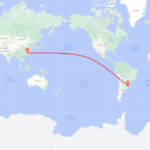
| Shanghai | Montevideo | 30-38 days | Via South/East Asia → Panama Canal → South America |
| Shenzhen | Montevideo | 32-40 days | Via South China Sea → Pacific → Panama Canal |
| Ningbo | Montevideo | 31-39 days | Similar to Shanghai, sometimes direct to South America |
| Qingdao | Montevideo | 33-41 days | Via Korea/Japan → Pacific → Panama Canal |
| Guangzhou | Montevideo | 32-40 days | Via Southeast Asia → Pacific → Panama Canal |
Air freight is faster but more costly. Typical transit times from major Chinese airports (Shanghai PVG, Shenzhen SZX, Guangzhou CAN) to Montevideo are 3-7 days, including customs clearance.
For more specific regional route details, see also our guide on Shipping from Shenzhen to Uruguay.
Note: Actual transit times depend on carrier schedules, seasonal demand, and possible transshipment points in Panama or Brazil. From our recent bookings in April, vessels transiting the Panama Canal are experiencing fewer delays compared to last year, improving schedule reliability for Montevideo arrivals.
How Route Selection Impacts Shipping Costs
Route selection directly affects your shipping costs in the following ways:
- Direct vs. Transshipment: Direct routes (less transshipment) reduce the risk of delays and extra handling charges but are often less frequent and may be more expensive.
- Port Proximity: Closer origin ports to your supplier reduce inland transportation costs within China. For example, factories near Shenzhen should ideally ship from Shenzhen port.
- Carrier Alliances & Vessel Types: Some carriers offer fixed-day sailings or better rates on specific routes due to vessel sharing agreements.
- Seasonality and Congestion: During peak seasons, popular routes may see delays and higher rates due to congestion at both origin and destination.
Pro Tip: Always consult with a professional freight forwarder like Dantful International Logistics to select the most efficient and cost-effective route for your shipment. Our Latin America Routing Desk actively monitors vessel capacities weekly to secure the best slot allocations for our clients.
Tips to Reduce Shipping Costs from China to Uruguay
Consolidation and Groupage Solutions
Consolidation (LCL or groupage) is an effective way to save costs, especially for small to medium shipments:
- Less than Container Load (LCL): Your cargo shares space in a container with other shippers, allowing you to pay only for the volume or weight you use.
- Warehouse Consolidation: At Dantful International Logistics, we can collect goods from multiple suppliers, combine them at our warehouse, and ship them together, significantly reducing per-unit shipping costs.
- Amazon FBA or E-commerce: For e-commerce sellers, consolidated shipments to fulfillment centers optimize both speed and cost.
Benefit: Consolidation reduces the minimum chargeable volume, avoids paying for empty space, and can lower handling and customs fees.
If you’re considering LCL/FCL options for smaller cargo, see our in-depth comparison: LCL vs FCL Shipping: How to Choose the Right Option for Small Cargo.
Negotiating with Freight Forwarders
A strategic partnership with your freight forwarder can yield significant cost savings:
- Request Multiple Quotes: Get detailed quotations for different shipping methods (FCL, LCL, Air, Express) from trusted providers like Dantful International Logistics.
- Volume Discounts: Regular shippers or those with larger volumes can negotiate better rates.
- Long-Term Agreements: Locking in rates with annual or semi-annual contracts can hedge against market fluctuations. As of April 2026, this is an excellent strategy before summer demand increases.
- Transparent Fee Structure: Ensure all surcharges, documentation, and destination charges are clearly itemized.
Dantful Logistics provides transparent, competitive rates and personal consultation to help you choose the best solution for your needs.
Timing Your Shipments for the Best Rates
Shipping rates fluctuate throughout the year due to global trade cycles, holidays, and vessel availability. To reduce costs:
- Avoid Peak Seasons: Rates spike before Chinese New Year, Golden Week, and major Western holidays.
- Book Early: Advance bookings (2-4 weeks ahead) secure better rates and space.
- Flexible Schedules: If your delivery date is flexible, your freight forwarder can recommend sailings with lower rates.
- Monitor Market Trends: Partner with industry experts like Dantful International Logistics who provide regular market updates and advice on timing your shipment for optimal savings.
In Summary: Optimizing your shipping route, leveraging warehouse consolidation in Shenzhen or Shanghai, and timing your shipments strategically are proven methods to reduce China-to-Uruguay shipping costs. Dantful International Logistics moves beyond basic freight forwarding by offering a 98% on-time customs clearance rate and guaranteed container space allocations for the Montevideo route. Whether you need specialized OOG (Out of Gauge) handling or routine LCL consolidation, our team provides transparent, itemized quotes within 24 hours. Contact us to audit your current shipping costs and identify immediate savings.
Choosing the Right Freight Forwarder for China–Uruguay Shipments
Selecting a reliable freight forwarder is a critical step in ensuring your cargo moves safely, swiftly, and cost-effectively from China to Uruguay. Given the complexity of international logistics—ranging from multimodal transport to customs clearance and risk management—the right partner can make a significant difference in your shipping experience and total landed cost.
Key Criteria for Choosing a Freight Forwarder
| Criteria | Why It Matters | What to Look For |
|---|---|---|
| Experience & Expertise | Deep knowledge of routes, regulations, and shipping methods between China and Uruguay | Years in business, country-specific solutions, real case studies |
| Service Portfolio | Ability to provide tailored solutions for diverse shipping needs | Sea/Air/Rail/Road, FCL/LCL, warehousing, customs, insurance |
| Network Strength | Access to reliable carriers and agents across major Chinese ports and in Uruguay | Direct contracts, local representation, global agency network |
| Pricing Transparency | Avoid hidden charges and get clear, itemized quotes | Upfront quotations, no surprise surcharges |
| Customer Support | Responsive communication and problem-solving throughout the shipping process | 24/7 service, multilingual support, proactive updates |
| Technology & Tracking | Real-time visibility over shipments, documents, and milestones | Online tracking, digital document management, rate calculators |
| Reputation & References | Confidence in service quality and reliability | Verified client testimonials, industry awards, accreditations |
Why Choose Dantful International Logistics?
As a trusted logistics provider with over 15 years of hands-on experience, Dantful International Logistics stands out as a leading choice for China–Uruguay shipping solutions. Our team, led by myself—Young Chiu—is dedicated to supporting importers, exporters, e-commerce sellers, manufacturers, and SMEs with:
- Tier-1 Carrier Contracts: We hold direct annual agreements with major ocean carriers (MSC, CMA CGM, COSCO) and airlines, allowing us to offer rates typically reserved for enterprise-level volume and guaranteeing space roll-overs are kept below 2%.
- Montevideo Customs Expertise: Our on-the-ground compliance team processes over 500 commercial invoices monthly, ensuring exact HS code matching and preventing the costly under-declaration penalties recently enforced by Uruguayan authorities.
- Consolidation Hubs: We operate self-owned consolidation warehouses in Shenzhen, Guangzhou, and Shanghai, offering up to 14 days of free storage to help buyers combine orders from multiple factories into a single, cost-saving FCL shipment.
- Specialized Cargo Handling: Beyond general goods, our dangerous goods (DG) certified staff routinely manages Class 9 lithium batteries, heavy machinery, and temperature-sensitive agricultural imports with strict compliance.
- Digital Supply Chain Visibility: Our clients utilize a centralized digital portal to track vessel coordinates in real-time, download Bills of Lading, and monitor clearance status without waiting for email updates.
Stop relying on generic forwarding services. Partner with Dantful to bring data-driven efficiency, absolute rate transparency, and precise execution to your China-to-Uruguay trade lanes.
FAQs
1. How much does it cost to ship from China to Uruguay?
Shipping costs depend on factors like shipment volume, weight, shipping method (sea, air, express), specific Chinese port of departure, route, and selected services (door-to-door, insurance, etc.). As of April 2026, sea freight rates for a 20ft container from Shanghai to Montevideo average between USD 3,300–4,200 (port-to-port), while air freight ranges from USD 6.5–12.8 per kg depending on the weight bracket. For a detailed quote, contact us with your shipment details.
2. What is the typical transit time from China to Uruguay?
- Sea freight: 30–38 days (port-to-port, e.g., Shanghai to Montevideo)
- Air freight: 5–8 days (airport-to-airport)
- Express courier: 3–6 days (door-to-door)
| Shipping Method | Transit Time (Estimated) | Comments |
|---|---|---|
| Sea (FCL/LCL) | 30–38 days | Cost-effective for bulk shipments |
| Air Freight | 5–8 days | Ideal for urgent or high-value cargo |
| Express Courier | 3–6 days | Fastest but most expensive |
If you’re also shipping to neighboring countries, see detailed transit data for how long is freight from china to Argentina as a reference for regional planning.
3. What documents are needed for shipping to Uruguay?
Essential documents include the Bill of Lading (B/L) or Air Waybill, Commercial Invoice, Packing List, and any required certificates (e.g., Certificate of Origin, insurance documents). Our team assists in preparing and verifying all shipping documentation for smooth clearance.
4. What are the main ports in China and Uruguay for shipping?
- Chinese ports: Shanghai, Shenzhen, Ningbo, Qingdao, Guangzhou
- Uruguay’s main port: Montevideo (handles most import/export cargo)
5. Are there restrictions or special requirements when importing into Uruguay?
Uruguay maintains strict import regulations for certain goods (like food, pharmaceuticals, electronics). It’s crucial to check product-specific requirements and ensure compliance. Our customs experts at Dantful International Logistics can advise on restrictions, duties, and necessary certifications.
6. How can I reduce my shipping costs from China to Uruguay?
- Consolidate shipments (LCL/groupage)
- Plan ahead and avoid peak seasons
- Negotiate rates or work with a forwarder with strong carrier ties (like Dantful International Logistics)
- Choose optimal routes and services (e.g., port-to-port vs. door-to-door)
For any further questions or to receive a customized shipping quote from China to Uruguay, feel free to contact Dantful International Logistics—your dedicated partner for global logistics excellence.

Young Chiu is a seasoned logistics expert with over 15 years of experience in international freight forwarding and supply chain management. As CEO of Dantful International Logistics, Young is dedicated to providing valuable insights and practical advice to businesses navigating the complexities of global shipping.