Are you wondering how much it costs to ship a car from China to Nigeria? Navigating the complexities of international vehicle shipping, from understanding freight rates to choosing the right shipping method, can be overwhelming. In this comprehensive guide, we’ll break down the key factors influencing the cost, compare popular shipping options like RoRo and container shipping, and provide practical tips to help you save money and avoid common pitfalls. Let’s explore everything you need to know about shipping a car from China to Nigeria.
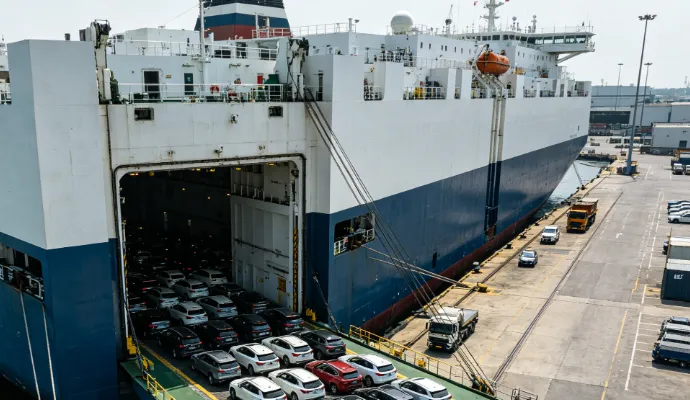
Overview of Car Shipping from China to Nigeria
Shipping a car from China to Nigeria has become increasingly common due to the growing demand for international vehicles and the strategic trade relationship between both countries. Whether you are an importer, an individual buyer, or a business looking to expand your fleet, understanding the car shipping process is essential for minimizing risks and optimizing costs.
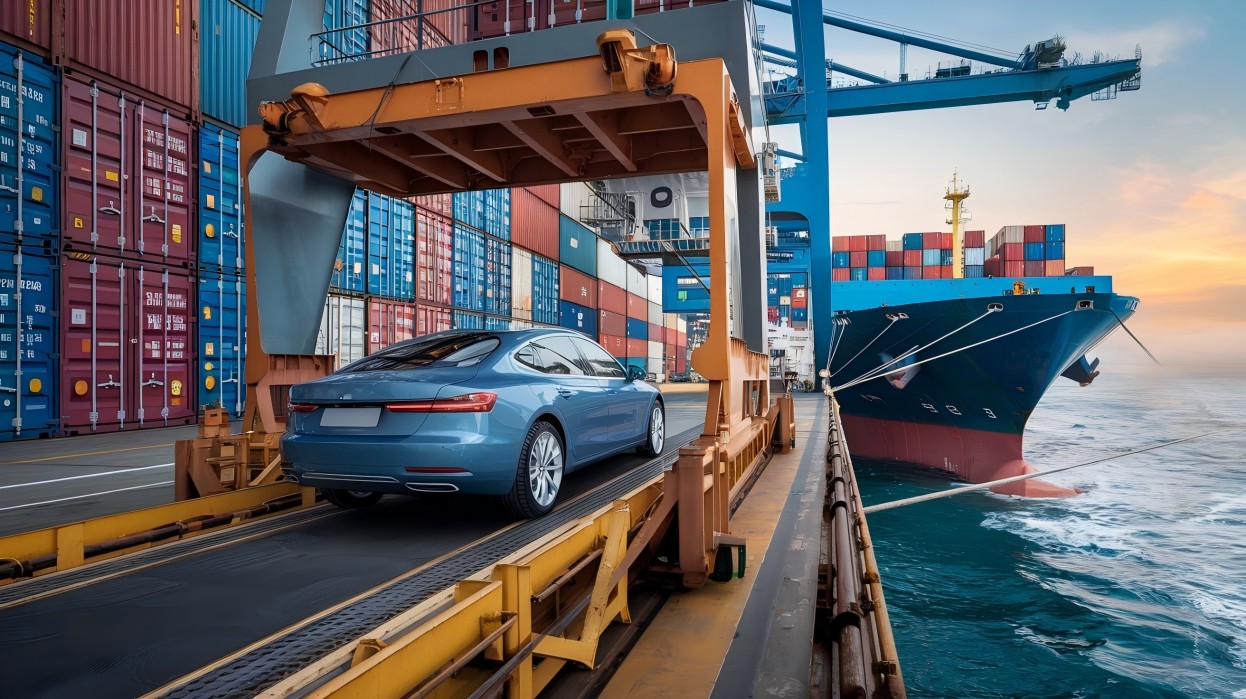
Typically, vehicles are shipped by ocean freight, given the large distance and cost-effectiveness compared to other modes. The most popular routing starts from major Chinese ports such as Shanghai, Shenzhen, and Guangzhou to key Nigerian ports, with Lagos (Apapa and Tin Can Island) being the primary entry points. The process includes several key steps: obtaining documentation, vehicle inspection and loading, customs clearance, shipping, and delivery at the destination.
To make the experience seamless, many shippers choose to work with a reliable international freight forwarder. As a leading logistics provider, Dantful International Logistics offers a comprehensive suite of services—including sea freight, customs clearance, insurance, door-to-door delivery, and more—to ensure your vehicle arrives safely and compliantly.
Main Factors Influencing the Cost to Ship a Car from China to Nigeria
Shipping costs vary significantly based on several factors. Understanding these variables will help you budget accurately and avoid unexpected expenses.
Vehicle Type, Size, and Weight
The type, dimensions, and weight of your vehicle play a pivotal role in determining shipping costs:
| Vehicle Type | Typical Examples | Impact on Cost |
|---|---|---|
| Sedan/Compact | Toyota Corolla, VW Golf | Lower (fits in standard container or RoRo) |
| SUV/4×4 | Toyota Prado, Ford Explorer | Medium (may need larger container or incur higher RoRo fee) |
| Pickup/Truck | Hilux, Ford Ranger | Higher (oversized, may need special handling) |
| Luxury/High-Value | Mercedes S-Class | Higher insurance, often shipped in containers for extra security |
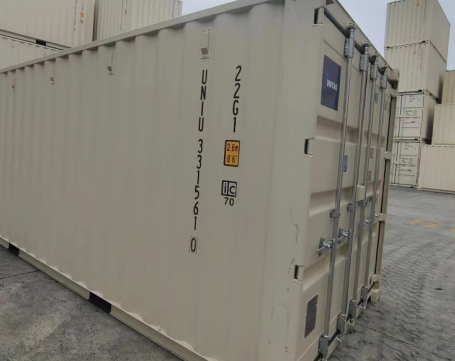
- Container shipping rates are based on the container type needed (20FT, 40FT, 40HQ, 45HQ), which have fixed volume capacities (see below).
- RoRo (Roll-on/Roll-off) charges are calculated per cubic meter (CBM) or per unit, depending on carrier.
Industry Standard Container Capacities:
- 20FT Container: 28 CBM
- 40FT Container: 56 CBM
- 40HQ Container: 68 CBM
- 45HQ Container: 78 CBM
Oversized or heavy vehicles may require special equipment, increasing handling and shipping costs.
Distance, Origin and Destination Ports
The physical distance and the specific origin and destination ports considerably impact total shipping costs. Major Chinese ports like Shanghai, Shenzhen, and Guangzhou offer frequent sailings and competitive rates, while less common ports may incur additional inland transport charges.
Sample Ocean Freight Transit Times & Rates (2026 Estimates):
| Route | Transit Time (Days) | Base Ocean Freight (20FT/40FT Container, USD) |
|---|---|---|
| Shanghai → Lagos (Apapa) | 35–45 | $2,200 / $3,800 |
| Shenzhen → Lagos (Tin Can) | 35–50 | $2,100 / $3,700 |
| Guangzhou → Lagos | 35–45 | $2,300 / $3,900 |
Note: Rates fluctuate based on market demand and do not include local charges, customs, or insurance.
For those interested in broader regional shipping trends and port infrastructure, you may also find our analysis on the biggest ports in the US informative.
Shipping Season and Market Demand
Shipping costs are heavily influenced by seasonal fluctuations and global trade trends. Peak seasons, such as pre-holiday periods (September–December) or after the Chinese New Year, often see increased demand, leading to limited space and higher rates. Conversely, off-peak periods can result in more competitive pricing. Shippers are advised to plan and book in advance, especially during high-demand windows, to lock in favorable rates.
Current Freight Rates and Fuel Surcharges
Freight rates are dynamic and subject to frequent changes due to:
- Bunker Adjustment Factors (BAF): Fuel price surcharges imposed by carriers.
- General Rate Increases (GRI): Periodic adjustments based on market conditions.
- Currency Fluctuations: USD/CNY and other relevant exchange rates impact local port and handling fees.
Recent Rate Snapshot (May 2026):
| Cost Component | Typical Range (USD) |
|---|---|
| Ocean Freight (20FT container) | $2,000–$2,500 |
| RoRo Service (per CBM) | $80–$120 |
| Fuel Surcharges | 5–12% of base rate |
These rates are indicative and should be confirmed with a professional freight forwarder like Dantful International Logistics for the latest and most accurate quotations.
To accurately estimate how much it will cost to ship a car from China to Nigeria, you must consider the vehicle’s specifications, the ports used, prevailing market conditions, and the up-to-date freight rates. Engaging an experienced freight forwarder is highly recommended to navigate these variables and ensure a cost-effective, reliable shipment. Dantful International Logistics stands ready to provide transparent quotations and tailored solutions to suit your individual shipping needs. For detailed region-specific information, you can refer to our page on Shipping From China To Nigeria.
Car Shipping Methods: Ocean Freight, Air Freight, and Roll-on/Roll-off (RoRo)
Shipping a car from China to Nigeria can be completed via several methods, each offering different advantages in cost, speed, and security. The three primary modes are Ocean Freight, Air Freight, and Roll-on/Roll-off (RoRo) services.
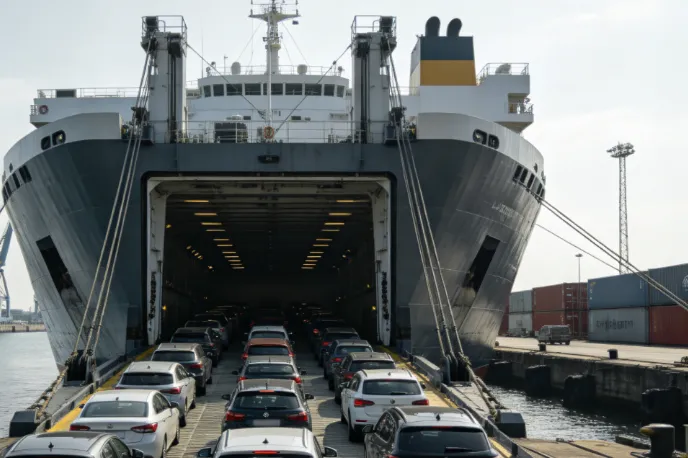
Comparing Container Shipping vs. RoRo Services
| Feature | Container Shipping | RoRo (Roll-on/Roll-off) Shipping |
|---|---|---|
| Loading Method | Car is loaded inside a sealed container (20FT/40FT/40HQ/45HQ) | Car is driven onto the vessel and secured |
| Security/Protection | High – car is protected from weather, theft, and damage | Moderate – car exposed to elements, less theft protection |
| Suitable for | High-value, rare, or new vehicles; also allows shipping of parts or personal effects | Standard vehicles, operational cars only |
| Flexibility | Can ship non-operational vehicles and additional cargo | Best for operable vehicles; no personal items allowed |
| Transit Time | Standard (typically 35-50 days from main China ports to Lagos, Nigeria) | Standard, sometimes slightly faster (30-45 days) |
| Cost | Generally higher than RoRo, especially for single cars | More economical for single car shipments |
Container Shipping:
- Utilizes standard containers (20FT: 28CBM, 40FT: 56CBM, 40HQ: 68CBM, 45HQ: 78CBM).
- Offers maximum protection, suitable for luxury cars, classic vehicles, or when combining multiple vehicles or goods.
- Allows for consolidation, which can reduce per-unit costs when shipping multiple vehicles.
RoRo Shipping:
- The vehicle is simply driven onto the ship and secured in a designated area.
- Most cost-effective for standard, drivable cars.
- Typically does not permit shipping of personal goods within the car.
Air Freight:
- Fastest transit time (as quick as 5-10 days), but cost is extremely high.
- Typically reserved for urgent shipments, luxury vehicles, or special projects.
- Most secure, but not commonly used due to high expense.
For those exploring alternative cargo types or specialized shipments, the topic of fcl autoparts shipping can help you understand container solutions for auto parts and similar freight.
Pros and Cons of Each Shipping Method
Ocean Freight (Container):
- Pros: Highest security, can ship non-operational vehicles, allows for additional cargo, suitable for valuable or delicate cars.
- Cons: More expensive than RoRo for single vehicles, longer handling times at ports.
RoRo Shipping:
- Pros: Cost-effective, straightforward process, suitable for large volumes of operational vehicles.
- Cons: Less protection, no cargo allowed inside vehicles, not suitable for non-running cars or luxury/high-value vehicles.
Air Freight:
- Pros: Fastest method, best for high urgency, premium security.
- Cons: Extremely costly, limited capacity, not feasible for most buyers.
Choosing the Right Method:
Selecting between container shipping and RoRo largely depends on your vehicle’s value, condition, urgency, and personal requirements. For most standard car imports from China to Nigeria, RoRo offers an economical option. However, if you are shipping multiple vehicles or require added security, container shipping is recommended. For top urgency or premium vehicles, air freight should be considered.
Car Shipping Costs from China to Nigeria
Shipping costs are determined by several transparent factors. Below is a breakdown of the typical expenses involved when shipping a car from China to Nigeria.
Base Freight Charges
The base freight charge is the core cost for transporting your vehicle via sea or air from the origin port in China (e.g., Shanghai, Shenzhen, Guangzhou) to the destination port in Nigeria (most commonly Lagos Tin Can Port or Apapa Port).
Estimated Ocean Freight Rates (as of 2026 Q2)
| Origin Port (China) | Destination Port (Lagos) | RoRo (USD/car) | 20FT Container (USD) | 40FT Container (USD) | Transit Time (Days) |
|---|---|---|---|---|---|
| Shanghai | Lagos Tin Can | $2,200 – $2,600 | $3,200 – $3,900 | $5,600 – $6,700 | 40 – 45 |
| Shenzhen | Lagos Tin Can | $2,300 – $2,700 | $3,300 – $4,000 | $5,700 – $6,900 | 38 – 43 |
| Guangzhou | Lagos Tin Can | $2,250 – $2,650 | $3,250 – $4,050 | $5,600 – $6,800 | 39 – 44 |
Rates are subject to market fluctuations, seasonal demand, and surcharges. For consolidated or multiple vehicles, consult with your freight forwarder for discounted rates.
If you’re seeking a comparison of international container prices and current market trends, review our resource on International Container Shipping Prices.
Port Charges, Customs Duties, and Taxes in Nigeria
Upon arrival at Nigerian ports, several local fees apply:
- Port Handling Charges: Fees for unloading, storage, and stevedoring services.
- Customs Duties: Rates depend on vehicle type, age, and engine size. For example, import duty for used cars is typically 35%, with additional surcharges for older vehicles.
- Value Added Tax (VAT): Generally 7.5% of the vehicle’s value plus duties.
- Other Taxes: May include ECOWAS Levy, port surcharges, and environmental levies.
Example Cost Breakdown for a Used Car (2026):
| Item | Calculation Basis | Estimated Amount (USD) |
|---|---|---|
| Port Handling | Per vehicle | $300 – $600 |
| Customs Duty | 35% of CIF (Cost + Insurance + Freight) | Varies (e.g., $4,000 car: ~$1,400) |
| VAT | 7.5% of (CIF + Duty) | ~$400 |
| Other Charges | — | $150 – $300 |
| Total Local Charges | ~$2,250 – $2,700 |
Note: Customs values and calculations can change. Always consult a professional for the latest rates.
Insurance and Additional Fees
- Marine Insurance: Highly recommended to cover loss or damage in transit. Rates vary from 0.7% to 1.2% of the vehicle’s value, depending on coverage.
- Documentation Fees: Fees for bill of lading, export declaration, and paperwork (typically $100 – $200).
- Inspection and Compliance Fees: In some cases, pre-shipment inspection may be required.
Door-to-Door vs. Port-to-Port Delivery Pricing
Port-to-Port Service:
- The vehicle is shipped from the departure port in China to the arrival port in Nigeria. The consignee is responsible for customs clearance, inland transport, and delivery from port.
Door-to-Door Service:
- Comprehensive solution where the freight forwarder, such as Dantful International Logistics, handles pickup at the supplier’s location in China, export clearance, ocean shipping, import customs clearance in Nigeria, and final delivery to your specified address.
| Service Type | What’s Included | Estimated Extra Cost (USD) |
|---|---|---|
| Port-to-Port | Shipping only between main ports | Basic freight cost |
| Door-to-Door | All-in transport, customs, local delivery, paperwork | $600 – $1,200 extra |
Advantages of Door-to-Door:
- Convenience and peace of mind, reduced risk of delays, and often better coordination.
- Especially recommended for first-time importers or those unfamiliar with Nigerian customs procedures.
Step-by-Step Guide to Shipping a Car from China to Nigeria
Preparing Required Documentation
The documentation process is crucial for smooth vehicle shipping from China to Nigeria. Ensure you have the following documents prepared:
| Document Name | Issuing Party | Purpose/Requirement |
|---|---|---|
| Bill of Lading (B/L) | Freight forwarder/shipping line | Proof of shipment and receipt of the vehicle; required for pickup at destination |
| Commercial Invoice | Seller/Exporter | Details the transaction value for customs clearance purposes |
| Packing List | Seller/Exporter | Specifies vehicle details (VIN, make, model, year, weight, dimensions) |
| Export License | Chinese authorities | May be required for customs clearance in China |
| Vehicle Title/Proof of Ownership | Car owner/exporter | Confirms legal ownership; mandatory for import into Nigeria |
| Import Permit (Nigeria) | Nigerian authorities | Required by Nigeria Customs Service for legal entry of the vehicle |
| Insurance Certificate | Insurance company/forwarder | Confirms cargo insurance coverage during transit |
| Other Documents | As applicable | E.g., pre-shipment inspection certificates if requested by Nigeria |
Tip: Work closely with a professional freight forwarder like Dantful International Logistics to ensure all documents are verified and compliant with the latest Chinese and Nigerian regulations.
Vehicle Inspection, Packing, and Loading Procedures
A thorough inspection and professional handling are essential for protecting your investment and ensuring compliance.
1. Vehicle Inspection:
- Conduct a comprehensive pre-shipment inspection. Record the car’s condition with time-stamped photos and a written report.
- Some Nigerian regulations may require a pre-shipment inspection certificate.
- Ensure the car is clean, with no personal items inside (per shipping regulations).
2. Packing:
- For container shipping, secure the vehicle to prevent movement using wheel chocks, lashings, and protective wraps.
- For RoRo (Roll-on/Roll-off), ensure the vehicle is operational as it will be driven on and off the vessel. No personal items are allowed inside.
3. Loading Procedures:
- For containerized shipping, vehicles are loaded into 20FT or 40FT/40HQ containers (depending on car size and number of cars).
- Loading is performed at an export warehouse or port terminal, supervised by logistics professionals.
- All loading steps are documented with photos or video for your records.
Customs Clearance Process in China and Nigeria
In China:
- Submit all export documentation (as listed above) to Chinese Customs at the loading port (e.g., Shanghai, Shenzhen, Guangzhou).
- Pay any applicable export duties or taxes (usually minimal for vehicle exports).
- Vehicle is released for shipment after clearance.
In Nigeria:
- On arrival at destination port (commonly Lagos (Tin Can Island Port) or Apapa Port):
- Present original documents (B/L, title, invoice, packing list) to Nigeria Customs Service.
- Obtain an Import Duty Assessment based on the vehicle’s value, age, engine size, and other relevant parameters.
- Pay all required duties, taxes, and port charges.
- Undergo physical inspection by Nigeria Customs and relevant authorities.
- Arrange for release and delivery of the vehicle (either at the port or door-to-door if arranged).
Pro Tip: Customs regulations in Nigeria are updated frequently. Partnering with an experienced freight forwarder like Dantful International Logistics ensures your shipment remains compliant and avoids costly delays or penalties.
For those interested in compliance steps and import paperwork, our article on what import procedure from china to Nigeria provides further detail.
Tips to Save Money When Shipping a Car from China to Nigeria
How to Choose a Reliable Freight Forwarder
A trustworthy freight forwarder is key to a hassle-free and cost-effective shipping process. Consider the following criteria:
- Experience & Credentials: Choose providers with proven expertise in the China-Nigeria trade lane, like Dantful International Logistics.
- Comprehensive Service Portfolio: Ensure they offer sea freight, air freight, insurance, customs clearance, door-to-door, consolidated shipments, OOG and breakbulk services.
- Transparent Pricing: Avoid companies that disguise hidden fees or offer “too good to be true” rates.
- Customer Support: Responsive, multi-lingual support is vital for solving issues during transit.
- Market Reputation: Check reviews, industry certifications, and case studies.
Consolidating Shipments and Booking in Advance
- Consolidation: If shipping multiple cars or combining with other cargo, consolidated shipping can significantly reduce per-unit costs, especially for Less than Container Load (LCL) shipments.
- Advance Booking: Book shipments well in advance, especially during peak export seasons (e.g., before major holidays or year-end), to access better rates and secure space.
| Shipping Strategy | Potential Savings | Recommended For |
|---|---|---|
| Consolidation | 10%-30% | SMEs, traders, individuals |
| Advance Booking | 5%-15% | All shippers |
Avoiding Common Pitfalls and Hidden Fees
- Check for Hidden Charges: Ask your freight forwarder to break down all costs—freight, port charges, documentation, insurance, customs brokerage, and destination fees.
- Understand Port Storage Rules: Delays in customs clearance can result in storage fees at Nigerian ports. Arrange payment and documentation in advance to avoid demurrage.
- Regulatory Compliance: Non-compliance with Nigerian import restrictions (on vehicle age, emissions, or documentation) can lead to fines or seizure.
- Insurance: Always insure your vehicle. Standard insurance is affordable and covers most shipping risks.
FAQs
Q1: How long does it take to ship a car from China to Nigeria?
A: Transit times depend on the shipping method and ports used. Generally, ocean freight from major Chinese ports (e.g., Shanghai, Shenzhen) to Lagos takes 30-40 days (including customs procedures). Air freight is faster (7-14 days) but significantly more expensive.
Q2: What is the average cost to ship a car from China to Nigeria?
A: Costs vary based on vehicle size, shipping method (container, RoRo, air), and current freight rates. As of 2026, LCL container shipping of a standard sedan ranges from USD 2,300–3,200 (excluding Nigerian import duties and taxes). Contact Dantful International Logistics for a tailored quote.
Q3: Can I ship personal belongings inside the car?
A: Generally, personal items are not permitted for RoRo shipping. For containerized shipments, a limited quantity may be allowed, but must be declared for customs. Consult your freight forwarder for specific requirements.
Q4: Which Nigerian ports accept car imports from China?
A: The main destinations are Lagos (Tin Can Island Port) and Apapa Port. Other ports may be used for specific logistics arrangements.

Young Chiu is a seasoned logistics expert with over 15 years of experience in international freight forwarding and supply chain management. As CEO of Dantful International Logistics, Young is dedicated to providing valuable insights and practical advice to businesses navigating the complexities of global shipping.