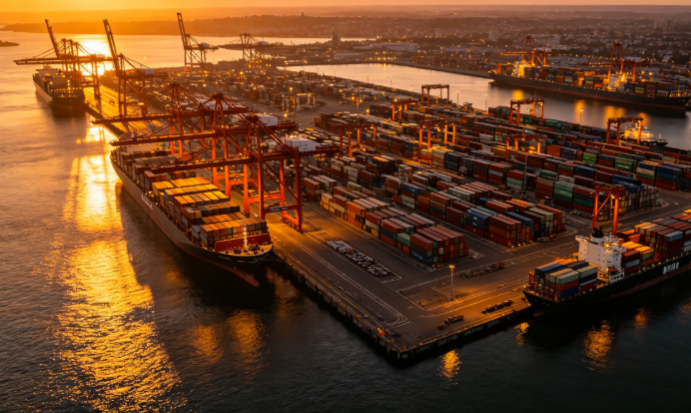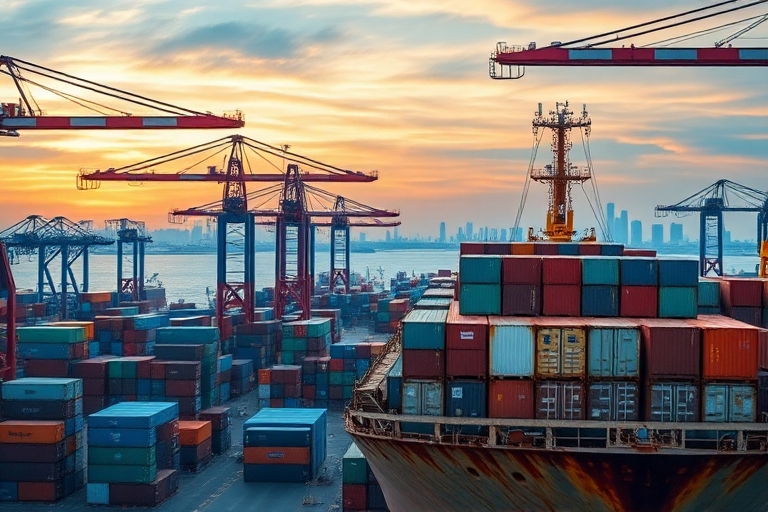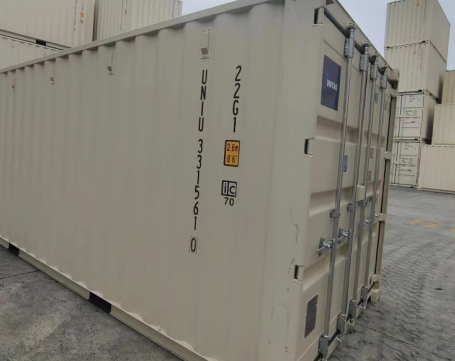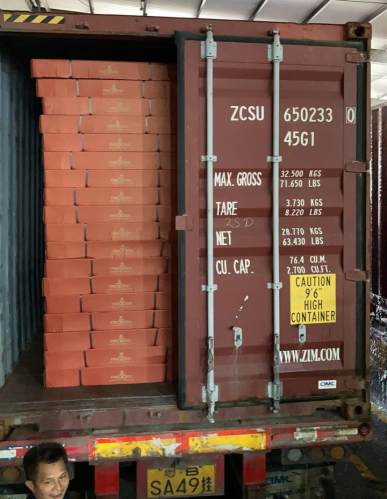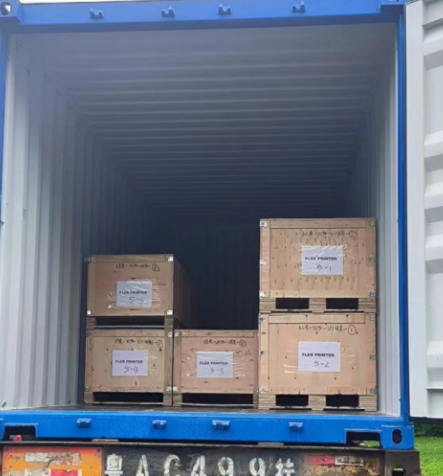
Choosing the right shipping agents from China to Zambia is the single most important decision you will make when importing into one of Africa’s largest landlocked markets. Every container — a 40ft box of tiles and mining spares, a pallet of solar panels, or 200 kg of phone accessories — must land at a port in a neighbouring country and then travel more than 1,800 kilometres overland before it ever reaches Lusaka or the Copperbelt.
That geography creates layered costs, a transit declaration, a border crossing, and a customs assessment most first-time importers never budget for. A skilled agent manages all of it in one contract. A weak one leaves you with demurrage at Dar es Salaam, a container stuck at Nakonde, and a duty bill that does not match your purchase invoice. This guide explains what a China–Zambia shipping agent actually does, how the sea, air and door-to-door options compare in 2026, what you should genuinely pay, how Zambia’s duty and VAT are calculated, and how to vet an agent before you wire anyone a cent.
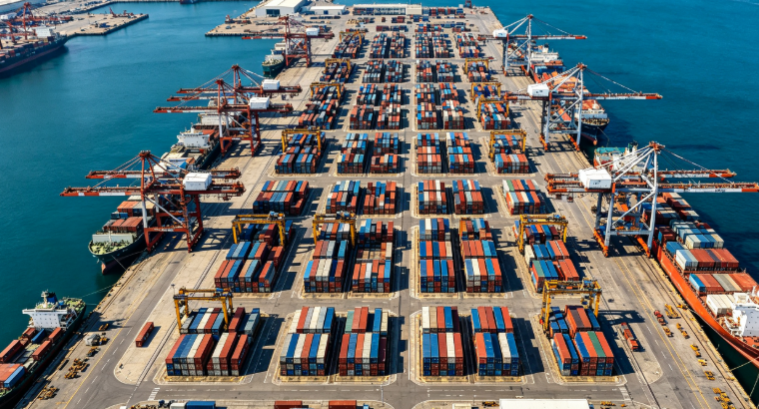
What Do Shipping Agents from China to Zambia Actually Do?
A shipping agent from China to Zambia — often called a freight forwarder — is your single point of contact for the entire journey. On this lane the job is far broader than booking space on a vessel, because the cargo passes through a third country before it is formally imported into Zambia.
A full-service agent typically handles nine things:
- Supplier coordination and pickup — collecting goods from one or several factories across China.
- Consolidation and warehousing — combining multiple supplier orders so you pay for one container instead of five partial ones.
- China export customs clearance — filing the export declaration and any required licences.
- Space booking — securing container slots or air cargo capacity at contracted rates.
- Documentation — Bill of Lading (B/L), commercial invoice, packing list, and Certificate of Origin.
- International transport — ocean or air freight to the gateway port or airport.
- Transit and border handling — declaring the cargo as transit in the gateway country and moving it across the border post.
- Zambian import clearance — filing with the Zambia Revenue Authority (ZRA), and paying duties and taxes on your behalf under a DDP arrangement.
- Last-mile delivery — trucking to your warehouse, shop or site in Lusaka, Ndola, Kitwe, Chingola or Livingstone.
For importers juggling several Chinese suppliers, consolidated freight shipping is often the single biggest cost saver — it turns five partial loads into one container.
Shipping Agent vs Freight Forwarder vs Licensed Clearing Agent
These three titles are often used interchangeably, but the roles differ — and one of them is a legal requirement in Zambia.
- A freight forwarder organises transport across the whole chain.
- A shipping agent usually refers to the forwarder’s representative who arranges carriage with the carrier on your behalf.
- A licensed clearing agent is a Zambia-specific role: for goods with a customs value of USD 2,000 or more, Zambian law requires clearance to be handled by an agent licensed by ZRA. Your China-based forwarder cannot file that declaration itself — it works through a licensed Zambian partner.
Our industry insight: The most common failure we see is an importer buying “door-to-door” from a broker who is not actually connected to a licensed Zambian clearing agent. When the container reaches the border, the broker subcontracts the clearance to a stranger, and the margin for error — and for surprise fees — grows. Always ask a prospective agent to name the licensed clearing partner who will file your declaration.
How to Choose a Shipping Agent from China to Zambia: A 10-Point Checklist
Because Zambia’s route crosses multiple borders, this lane punishes generalists. Rather than comparing freight numbers alone, run every candidate through the same vetting checklist. If this is your first time hiring an agent, our guide to how to choose the right freight forwarder explains the same criteria in more depth.
| # | What to Verify | Why It Matters |
|---|---|---|
| 1 | Class-A freight forwarding licence (China Ministry of Commerce) | Proof the company is a legally accountable forwarder, not a broker |
| 2 | NVOCC, FMC and Jctrans membership | Signals financial standing and carrier credibility |
| 3 | A licensed Zambian clearing agent partner | Mandatory for goods valued at USD 2,000 or more |
| 4 | Real presence or vetted partners at the gateway port | Prevents your container being handed to an unknown third party |
| 5 | Proven HS-code classification capability | The 8-digit HS code decides your duty rate |
| 6 | Conformity and lab-test coordination in China | Solves the border inspection gate before the goods sail |
| 7 | Cargo insurance arrangement | Port-to-port cover does not protect the long inland leg |
| 8 | Milestone tracking with photos | Visibility from factory floor to warehouse |
| 9 | Transparent, itemised, all-in quotes | Proves the inland leg and border charges are included |
| 10 | A dedicated account manager and 24/7 support | Someone accountable when a shipment needs intervention |
Red Flags That Signal a Weak Agent
- A quote dramatically lower than everyone else’s — usually achieved by omitting the inland leg or border charges.
- No verifiable licence, NVOCC number, or company address in China.
- Refusal to name the gateway port or the licensed Zambian clearing agent.
- Cash-only payment or pressure to under-declare cargo value (which triggers ZRA re-assessment and penalties).
- No Bill of Lading issued in your name, or reluctance to share tracking milestones.
Eight Questions to Ask Before You Book
- Do you handle the China–Zambia lane regularly, and can you share recent corridor references?
- Are you properly licensed, and who is your licensed Zambian clearing agent?
- Which gateway port will you use for my destination, and why?
- Is your quote all-inclusive — including the inland leg and border charges?
- How do you handle HS-code classification and conformity test reports?
- What does the quote exclude, and how short is the free time before demurrage starts?
- How and when will I receive milestone updates?
- Will you consolidate goods from multiple suppliers into one container?
Shipping Methods from China to Zambia: Sea Freight, Air Freight, DDP & Door-to-Door
There is no single “best” method — only the method that fits your cargo volume, urgency and budget. Zambia-bound cargo moves through four practical models.
Sea Freight: FCL and LCL
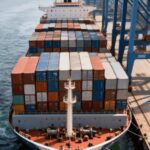
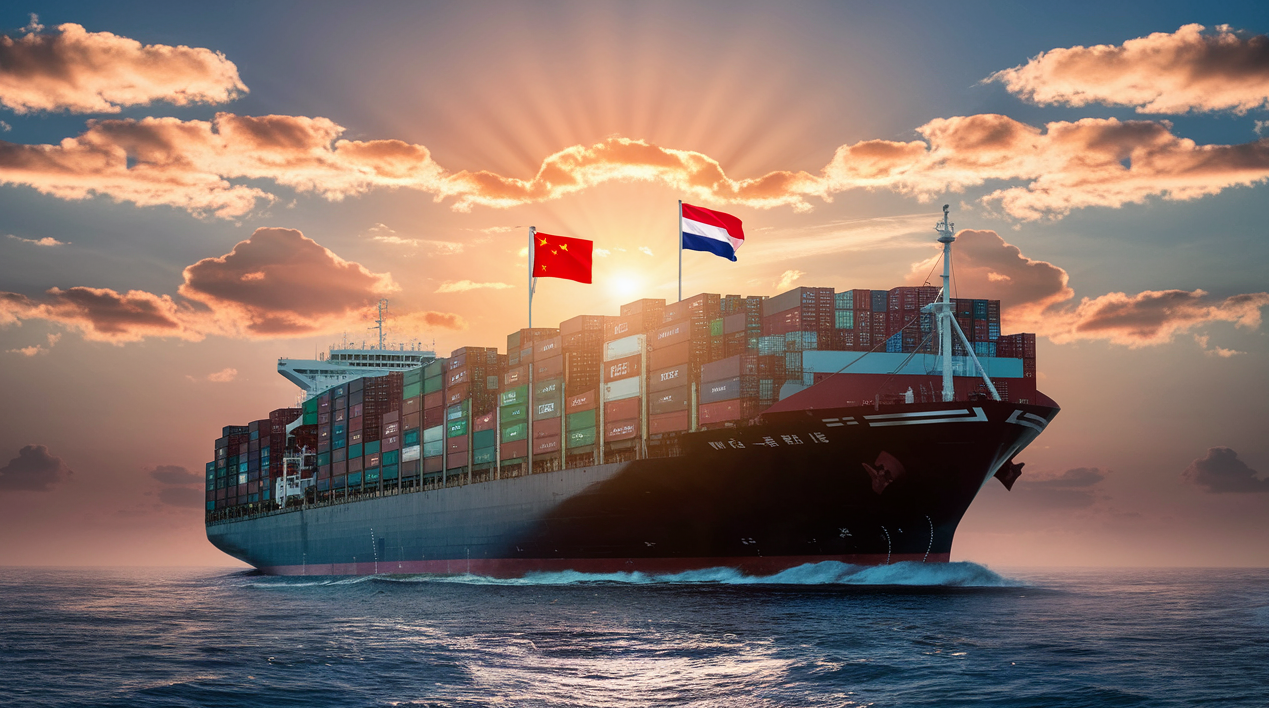
Sea freight is the backbone of China–Zambia trade and the most economical option for anything above roughly one cubic metre. With FCL (Full Container Load) you book the whole box, your goods stay sealed from the factory, and the risk of damage or pilferage drops sharply. A 20ft container holds about 28 CBM usable; a 40ft High Cube about 68 CBM.
With LCL (Less than Container Load) you share container space and pay only for the cubic metres you occupy — ideal for a first order or a mixed trial shipment, but it adds 7–10 days for consolidation at origin and deconsolidation at the gateway.
Air Freight
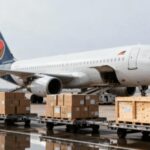
Air freight is the fastest option, flying into Kenneth Kaunda International Airport (LUN) in Lusaka and Simon Mwansa Kapwepwe International Airport (NLA) in Ndola, which serves the Copperbelt. Most cargo transships through hubs such as Addis Ababa, Dubai or Johannesburg. Air freight is priced on chargeable weight — the greater of actual weight or volumetric weight (L × W × H in cm ÷ 6,000) — so light, bulky cargo can cost far more than its weight suggests.
DDP Shipping
DDP (Delivered Duty Paid) is the most hands-off structure. You receive one all-in price that covers supplier pickup, export clearance, freight, transit, ZRA duties and VAT, and final delivery. The upfront number looks higher than a bare ocean-freight quote, but it removes the surprise costs that sink margins.
Door-to-Door Shipping
Door-to-door shipping combines everything above under one provider and one contract — the practical choice when you source from several factories and want a single landed price to your address in Lusaka, Ndola or Kitwe. For the full scope of the service, see our page on door to door shipping from China to Zambia.
Best Shipping Method by Cargo Type
| Cargo Type | Recommended Method | Why |
|---|---|---|
| Machinery, mining and heavy equipment | Sea freight — FCL | Lowest cost per unit for heavy cargo |
| Furniture, tiles, building materials | Sea freight — FCL or LCL | Bulky cargo is uneconomic to fly |
| Mixed commercial goods above 1 CBM | Sea freight — LCL | Cost-effective for non-urgent cargo |
| Urgent spare parts, production components | Air freight | Fastest way to avoid downtime |
| Electronics and high-value items | Air freight or DDP air | Speed plus better inventory control |
| First-time imports | DDP | Simplifies customs, tax and delivery |
| Multiple suppliers across China | Door-to-door with consolidation | One container, one B/L, one clearance file |
How Much Does Shipping from China to Zambia Cost? (2026 Rates)
The cost of shipping from China to Zambia depends on the method, route, cargo and season — and because Zambia is landlocked, the total usually includes more than the ocean or air freight. The tables below give indicative 2026 market ranges, delivered to Lusaka or the Copperbelt and excluding Zambian duties and VAT.
| Shipping Method | Estimated Cost (USD) | Door-to-Door Transit |
|---|---|---|
| Sea Freight — FCL 20ft | $2,600 – $4,500 per container | 35 – 50 days |
| Sea Freight — FCL 40ft | $3,200 – $5,500 per container | 35 – 50 days |
| Sea Freight — FCL 40HQ | $3,500 – $5,800 per container | 35 – 50 days |
| Sea Freight — LCL | $120 – $250 per CBM | 40 – 55 days |
| Air Freight | $4.00 – $8.00 per kg | 3 – 7 days |
| Express Courier | $10 – $20 per kg | 5 – 10 days |
Rates are indicative directional ranges, not quotations. Actual pricing depends on origin port, sailing schedule, season and cargo specifics.
What Drives Your Quote Up or Down
Six forces move your rate: peak season surcharges (PSS) before Chinese New Year and during the June–November peak; the Bunker Adjustment Factor (BAF) tied to fuel; container imbalance (China exports far more to Africa than it imports); your origin port in China; the inland leg’s distance and season; and specialty cargo such as OOG (Out of Gauge) or hazardous goods. For a lane-specific view, our Sea Freight From China to Zambia guide breaks the ocean component down in more detail.
7 Ways to Reduce Your Shipping Cost to Zambia
| # | Strategy | Typical Saving | Key Action |
|---|---|---|---|
| 1 | Choose the right gateway port | 5–15% | Match the port to your destination — Dar es Salaam for the Copperbelt |
| 2 | Switch to FCL at 15+ CBM | 25–40% per CBM | Eliminate CFS fees and consolidation days |
| 3 | Avoid peak season | 10–20% | Ship in quieter windows |
| 4 | Optimise container loading | 10–20% | Professional palletisation adds usable CBM at no extra freight cost |
| 5 | Consolidate multiple suppliers | 10–15% | One container, one B/L, one clearance file |
| 6 | Get HS codes right upfront | Avoids penalties | Classification decides your duty band |
| 7 | Bundle the whole chain with one forwarder | 10–15% | Removes stacked margins between parties |
Incoterms for Zambia: FOB vs CIF vs DDP
| Incoterm | What It Covers | Best For |
|---|---|---|
| FOB | Seller delivers to the Chinese port; you control freight, transit and the inland leg | Importers with a trusted forwarder who want full cost control |
| CIF | Seller covers freight and insurance to the gateway port only | First-time importers — but the inland leg and duties remain yours |
| DDP | One price covering pickup in China through delivery in Zambia, including duties and VAT | SMEs and e-commerce sellers who want one contract and no surprises |
How Long Does Shipping from China to Zambia Take?
Because the journey is multimodal, plan it leg by leg rather than relying on a single headline number.
| Stage | Typical Duration |
|---|---|
| Supplier pickup, consolidation and export packing | 2 – 4 days |
| China export customs clearance | 1 – 2 days |
| Ocean transit to Dar es Salaam | 25 – 35 days |
| Port clearance and transit declaration | 2 – 5 days |
| Inland trucking to Nakonde border | 2 – 3 days |
| Border crossing | 6 – 24 hours |
| Nakonde to Lusaka / Copperbelt | 2 – 3 days |
| Total door-to-door (sea freight) | 35 – 55 days |
Air freight compresses the whole journey to 3–7 days, and express courier to 5–10 days for small parcels. LCL adds 7–10 days, and the rainy season (roughly December to March) can slow the inland truck leg further.
Sea vs Air: Is It Cheaper to Ship by Sea or Air?
For cargo above roughly 1 CBM, sea freight is always cheaper per unit — but “cheapest” is not always “best.” Air freight is worth the premium when a stock-out or production downtime would cost more than the freight difference. As a rule of thumb, once a shipment passes about 100 kg and is genuinely urgent, air becomes commercially reasonable; below that, and for anything non-urgent, sea wins on cost.
How Shipping to a Landlocked Zambia Works: Gateway Ports & Corridors
Zambia is unusually well served by gateways: four ports across four countries all handle its cargo. Choosing between them is less a freight-rate comparison than a transit-reliability decision — and it helps to understand how cargo moves through Tanzania on the Dar es Salaam corridor versus South Africa on the North–South Corridor.
| Gateway Port | Country | Main Corridor | Best For | Watch-Outs |
|---|---|---|---|---|
| Dar es Salaam | Tanzania | Via Nakonde border post | Lusaka and the Copperbelt (Ndola, Kitwe, Chingola) | Port congestion; Nakonde is the busiest crossing |
| Beira | Mozambique | Beira Corridor via Zimbabwe | Southern and central Zambia | Shallow channel — cargo arrives by feeder vessel |
| Durban | South Africa | North–South Corridor via Chirundu | Importers who value sailing frequency | Busiest container port in the region |
| Walvis Bay | Namibia | Trans-Caprivi / Trans-Kalahari via Kazungula | Western Zambia and less-congested routing | Longest overland distance |
The inland leg is not a rounding error. On the Dar es Salaam corridor it typically adds $1,000–$2,500 for a 20ft container and $1,500–$3,000 for a 40ft — often comparable to the ocean freight itself. Any quote that does not itemise it is incomplete.
Our industry insight: On the Dar es Salaam corridor, delays caused by slow documentation — not the ocean crossing — are the single biggest source of unbudgeted cost we see. Shipping lines grant only a limited number of free days before demurrage and detention begin, and the Nakonde crossing queues when paperwork is wrong. We push clients to complete HS classification and conformity testing before the container sails, because fixing a document at the border costs far more than fixing it in China.
Zambia Customs Clearance: Documents, the ZRA Process & Conformity
Customs clearance is where most Zambia shipments lose time. Here is how the system actually works.
Documents Your Shipment Cannot Cross Without
| Document | Purpose / Critical Detail |
|---|---|
| Commercial Invoice | Accurate description, quantity, unit price and value |
| Packing List | Itemised contents, weights and packaging |
| Bill of Lading (B/L) or Air Waybill (AWB) | Proof of shipment; must match the invoice |
| Certificate of Origin | Required to claim any SADC/COMESA preference |
| Import Declaration (SAD) | Filed electronically on a Single Administrative Document |
| TPIN certificate | Proof of ZRA registration — mandatory for the consignee |
| Freight invoice | Evidence of the freight component of CIF |
| Lab test reports / permits | Conformity evidence under Zambian compulsory standards |
The ZRA Clearance Process, Step by Step
- Register for a TPIN. A Taxpayer Identification Number from ZRA is mandatory — without it, the consignee field on the declaration cannot be completed.
- Appoint a licensed clearing agent. Goods valued at USD 2,000 or more must be cleared by an agent licensed by ZRA.
- File a pre-arrival declaration. Importers can lodge the declaration up to 7 days before the goods arrive, which speeds up release.
- Lodge the declaration on ASYCUDA World. Declarations are made electronically using the Single Administrative Document (SAD).
- Duties and VAT are assessed on the CIF value and paid in Zambian Kwacha.
- Release and delivery. Once cleared, the container is released for final delivery.
The Conformity Gate
Unlike Kenya, Tanzania or Nigeria, Zambia has no pre-shipment conformity (PVoC) scheme. Many first-time importers assume that means nothing is required — then inspectors at Nakonde, Chirundu or Kazungula ask for accredited laboratory test results against a compulsory standard, administered through the Zambia Compulsory Standards Agency (ZCSA) under the Zambia Bureau of Standards (ZABS).
The fix is simple: obtain your laboratory test report while the goods are still at the factory. Solving conformity in China is a minor cost; solving it at a land border is storage, demurrage and days of delay.
Duty, VAT & Your Total Landed Cost: A Worked Zambia Example
Zambia’s duties and taxes are calculated on the CIF value — Cost of goods + Insurance + Freight — converted to Zambian Kwacha.
| Tax / Levy | Rate | Applied To |
|---|---|---|
| Import Duty | 0% – 40% (by 8-digit HS code) | CIF value |
| VAT | 16% | Duty-inclusive value (CIF + Import Duty) |
| Excise Duty | Varies | Specific goods such as alcohol, tobacco and cosmetics |
| Carbon Emission Surcharge | Varies by engine capacity | Motor vehicles |
In practice, many raw materials and capital goods sit at the low end of the duty range or are duty-free, while finished consumer goods — electronics, textiles, footwear, furniture — commonly attract 25% or more.
A point competitors rarely mention: Zambia’s SADC and COMESA membership does not give Chinese-origin goods preferential treatment. A Certificate of Origin only reduces duty on goods originating in those blocs — it does nothing for a container loaded in Shenzhen. Do not budget for a preference you cannot claim.
Worked Example: What a $20,000 Shipment Really Costs
| Cost Line | Amount |
|---|---|
| Cargo value | $20,000 |
| Ocean freight + insurance | $3,000 |
| CIF value | $23,000 |
| Import duty @ 25% | $5,750 |
| VAT @ 16% on (CIF + duty) | $4,600 |
| Total duties & taxes | $10,350 (~45% of CIF) |
| Clearance agent, inland leg, port charges | $1,500 – $3,500 |
At the 25% duty band, taxes can approach half your CIF value — sometimes exceeding the freight itself. This is why landed-cost planning, not freight-rate shopping, is the real cost-control exercise.
Real-life scenario from our operations: A Lusaka-based building-materials importer shipping a 40HQ from Shenzhen had their HS codes corrected and their conformity test report obtained at the factory before the vessel sailed. The container cleared Nakonde and Lusaka without demurrage — an outcome that is routine when classification and conformity are handled in China rather than at the border. The same shipment, had the paperwork been incomplete, would have faced storage and detention charges that dwarfed the cost of getting it right upfront.
FAQs
How do I choose the best shipping agent from China to Zambia?
Prioritise proven China–Zambia lane experience, verifiable licensing (Class-A, NVOCC, FMC, Jctrans), a genuine licensed Zambian clearing partner, transparent all-in pricing, and conformity support. Compare total landed cost, not just the ocean freight rate.
How much does it cost to ship a container from China to Zambia in 2026?
A 20ft FCL delivered to Lusaka runs about $2,600–$4,500, and a 40ft High Cube about $3,500–$5,800. These figures include the inland leg from the transit port but exclude Zambian duties and VAT.
How long does shipping from China to Zambia take?
Sea freight takes 35–55 days door-to-door via Dar es Salaam, including ocean transit (25–35 days), port clearance, the inland truck leg and border crossing. Air freight takes 3–7 days, and LCL adds 7–10 days.
Is it cheaper to ship from China to Zambia by sea or air?
Sea freight is always cheaper per unit for cargo above roughly 1 CBM. Air freight is worth the premium only when urgency outweighs cost — for example, urgent spare parts or high-value electronics.
Do I need a licensed clearing agent to import into Zambia?
Yes. Goods with a customs value of USD 2,000 or more must be cleared through an agent licensed by ZRA. A TPIN is mandatory for the consignee.
What documents are required for shipping from China to Zambia?
Commercial invoice, packing list, Bill of Lading or Air Waybill, Certificate of Origin, the import declaration (SAD), your TPIN certificate, the freight invoice, and product-specific test reports or permits where applicable.
How is import duty and VAT calculated in Zambia?
Both are based on the CIF value. Import duty ranges from 0% to 40% depending on the 8-digit HS code, and 16% VAT is charged on the duty-inclusive value. At the common 25% duty band, duties and taxes can approach 45% of CIF.
Does a Certificate of Origin reduce my Zambian duty?
Only for goods originating in SADC or COMESA member states. Chinese-origin goods do not qualify for preference.
Is conformity certification required for goods entering Zambia?
There is no pre-shipment PVoC scheme, but ZCSA inspectors at land borders can request accredited laboratory test results against compulsory standards. Obtain these in China before shipping.
Can you ship door-to-door from China to Zambia?
Yes. A DDP door-to-door service covers supplier pickup in China, export clearance, ocean freight, transit, ZRA customs clearance, duties and VAT, and final delivery to Lusaka, Ndola or Kitwe.
Why Importers Choose Dantful International Logistics
Dantful International Logistics has been moving freight out of China since 2008. Headquartered in Shenzhen, we hold Class-A freight forwarding status, NVOCC registration, and FMC and Jctrans membership, and we work with a network of trusted agents covering 200 countries.
For China–Zambia shipments specifically, that means:
- One partner for the whole chain — supplier pickup, consolidation, export customs, ocean or air freight, transit handling, ZRA clearance and delivery to your door.
- Direct carrier contracts on major trade lanes, keeping ocean and air rates competitive even in peak season.
- Operational depth — 50 operations specialists and a 50-person customer service team available 24/7.
- Daily shipment updates with photos, so you always know where your cargo is between the factory floor and your warehouse.
- Conformity and HS-code coordination in China, so classification and test reports are ready before the container sails.
Tell us what you are importing and we will return a line-by-line, all-in quote — including the inland leg and the border charges — so you can compare on total landed cost rather than headline freight rates.

Young Chiu is a seasoned logistics expert with over 15 years of experience in international freight forwarding and supply chain management. As CEO of Dantful International Logistics, Young is dedicated to providing valuable insights and practical advice to businesses navigating the complexities of global shipping.